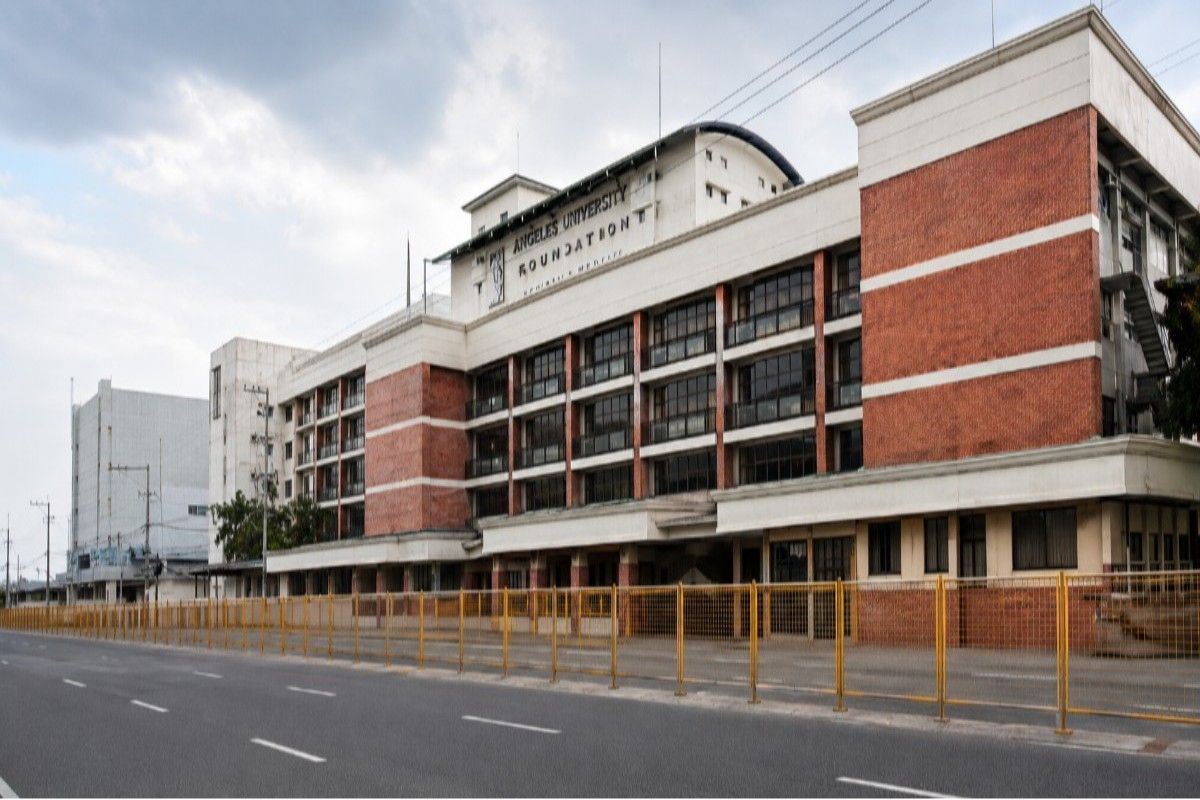
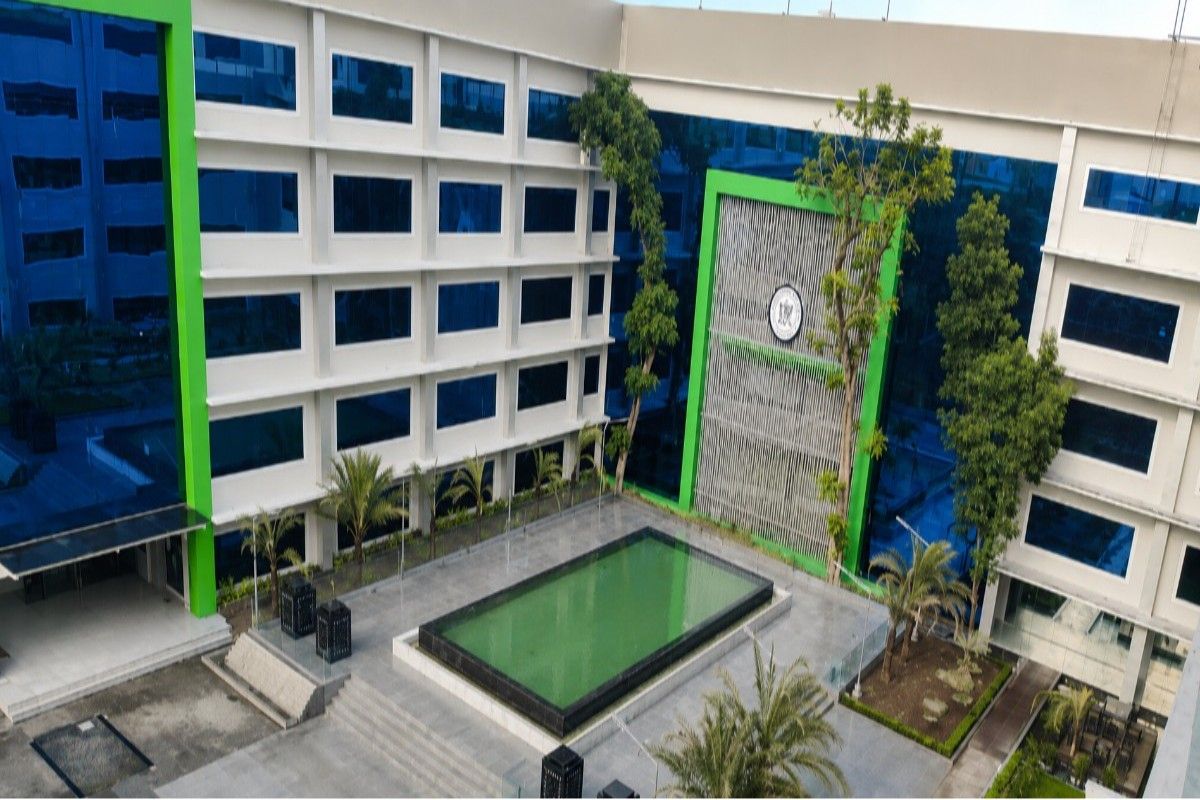
The Angeles University Foundation School of Medicine is one of the leading private medical schools in the Philippines. Located in Angeles City, Pampanga, the institution has built a strong reputation for medical education, healthcare training, and academic excellence. It forms part of Angeles University Foundation (AUF), a private non-profit educational institution known for its healthcare and professional programmes. What makes the School of Medicine unique is its strong integration with the university's healthcare system, its accreditation achievements, and its focus on producing physicians who combine clinical competence with community service.
The history of Angeles University Foundation began in 1962 when Dr. Emmanuel Y. Angeles and Mrs. Bonifacia H. Angeles established Angeles Electronic and Technical School. The institution initially focused on technical and vocational education. As demand for higher education grew, the school expanded into additional academic disciplines and eventually evolved into a university.
In 1971, the institution became Angeles University Foundation. Over the following decades, it expanded rapidly and developed programmes in business, engineering, education, law, nursing, allied health sciences, and medicine. The university's growth reflected the increasing educational needs of Central Luzon and neighbouring regions.
The School of Medicine was established to help address the growing demand for physicians in the Philippines. The programme was designed to provide comprehensive medical education that combined scientific knowledge, clinical skills, ethical practice, and community engagement. From its early years, the school focused on preparing graduates for both local and international healthcare environments.
One of the most significant milestones in the university's history was the development of its healthcare infrastructure. The establishment and expansion of the Angeles University Foundation Medical Center created a valuable teaching and training environment for medical students. The hospital became a key component of the institution's clinical education system.
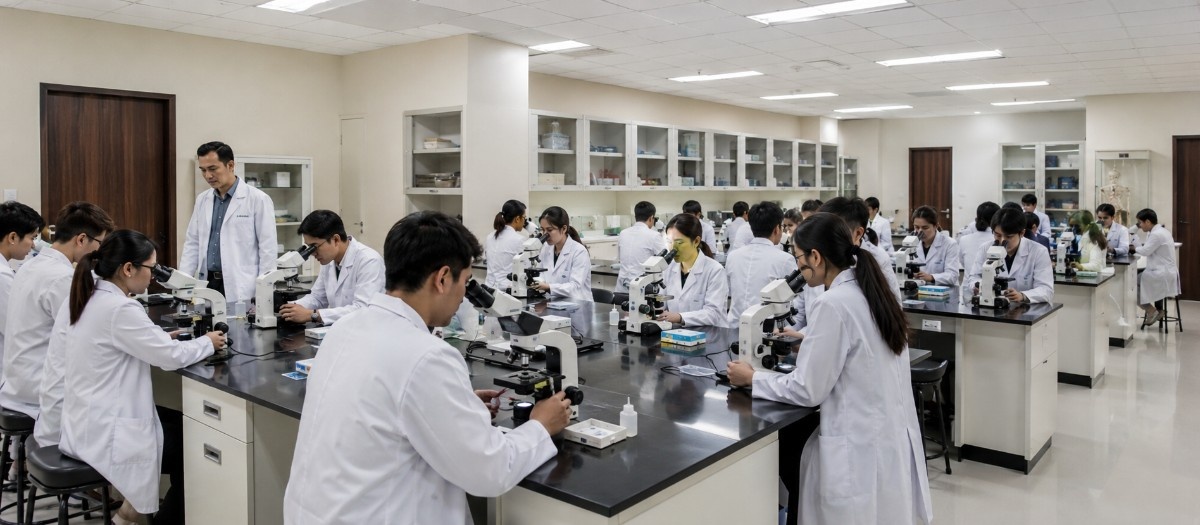
Throughout the years, the School of Medicine strengthened its academic programmes, faculty recruitment, laboratory facilities, and clinical partnerships. Investments in simulation laboratories, medical technology, and healthcare education helped support modern teaching methods and practical skills development.
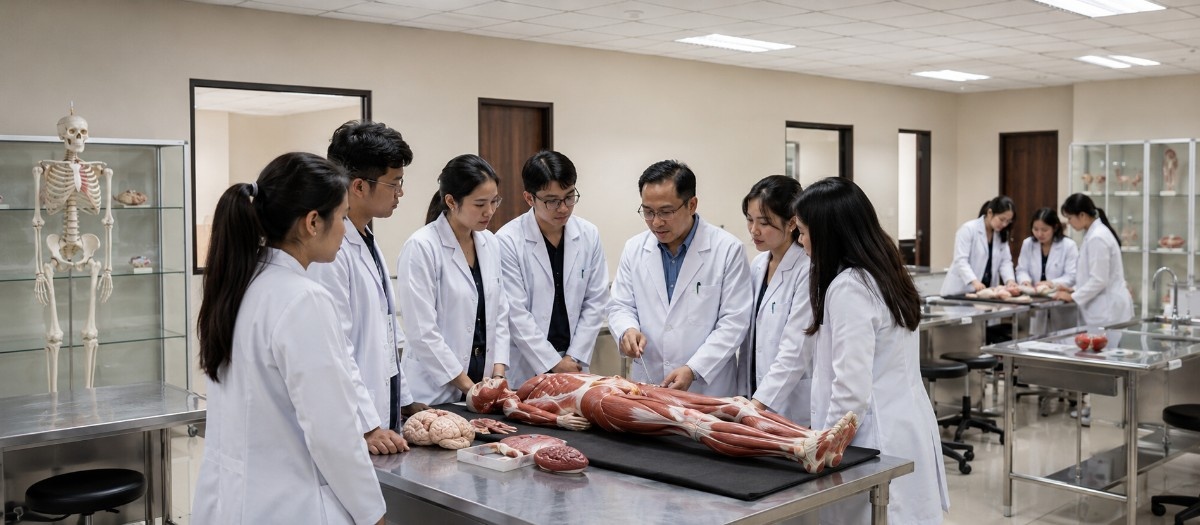
The Doctor of Medicine programme follows standards established by the Commission on Higher Education of the Philippines and relevant medical education authorities. Students receive instruction in anatomy, physiology, biochemistry, pathology, microbiology, pharmacology, internal medicine, surgery, paediatrics, psychiatry, neurology, obstetrics and gynaecology, and community medicine.
The curriculum combines classroom learning with laboratory work, case-based discussions, clinical skills training, and hospital exposure. Students gradually progress from foundational sciences to direct patient care under physician supervision.
Clinical education is one of the school's strongest features. Students receive training through the Angeles University Foundation Medical Center and affiliated healthcare institutions. These facilities provide exposure to a wide variety of medical conditions and patient populations.
The institution places strong emphasis on community-oriented healthcare. Students participate in outreach programmes, public health initiatives, and community health projects. These experiences help future physicians understand healthcare challenges beyond hospital settings and develop a broader perspective on patient care.
Research activities are integrated into medical education. Faculty members and students contribute to projects involving public health, clinical medicine, healthcare delivery, epidemiology, and medical education. Research participation encourages critical thinking and evidence-based practice.
The School of Medicine attracts students from different regions of the Philippines and from other countries. International students often choose the institution because of its English-medium instruction, recognised academic standards, and supportive learning environment.
Faculty members include experienced physicians, medical specialists, researchers, and healthcare professionals. Their involvement in teaching, research, and patient care allows students to learn from professionals actively engaged in medical practice.
Angeles City provides a favourable setting for medical education. Located in Pampanga Province, approximately 80 kilometres north of Manila, it serves as one of Central Luzon's major commercial and educational centres. The city has a population of more than 460,000 people and continues to experience economic growth and urban development.
The city's healthcare infrastructure includes hospitals, specialty clinics, diagnostic centres, and public health facilities. These resources contribute to the clinical learning opportunities available to medical students.
Student life in Angeles City offers a balance between academics and recreation. Students have access to shopping centres, restaurants, sports facilities, cultural attractions, and social activities. The city is known for its welcoming atmosphere and relatively lower living costs compared with Metro Manila.
The tropical climate includes warm temperatures throughout the year with distinct dry and rainy seasons. Most international students adapt quickly to local weather conditions.
Transport connectivity is strong. Clark International Airport is located nearby and provides access to domestic and international destinations. Modern road networks connect Angeles City with Metro Manila and other major regions of the Philippines.
Accommodation options include university residences, apartments, dormitories, and private housing facilities. Students can select accommodation according to their budget and personal preferences. Many housing options are situated close to the university and teaching hospital.
Indian students and other international students benefit from a supportive academic environment and established student communities. University services assist students with admissions, orientation, accommodation, and academic integration.
What makes the Angeles University Foundation School of Medicine unique is its combination of medical education, community healthcare engagement, strong clinical training through its own medical centre, and its position within one of Central Luzon's most respected educational institutions. These strengths continue to attract students seeking quality medical education in the Philippines.