
 Partner
📍Uzbekistan, Tashkent
 Study destination: Uzbekistan
For Indian students looking for an affordable medical degree abroad, MBBS in Uzbekistan has become an increasingly popular option. The country offers English-medium medical programs, reasonable tuition fees, modern teaching facilities, and practical clinical training at a cost that is generally lower than many private medical colleges in India.
Uzbekistan has various established medical universities that welcome international students. Many programs are listed in the World Directory of Medical Schools (WDOMS), while students planning to return to India should carefully check the university and program against the latest National Medical Commission (NMC) requirements before admission.
Whether the goal is to practice in India, prepare for NExT, pursue USMLE or PLAB, or continue postgraduate studies abroad, choosing the right university and understanding its recognition and licensing requirements is essential.
Uzbekistan is a country which is famous worldwide for offering high quality theoretical education along with hands-on experience to students. In addition to this, the students learning the medicine here, also get the required international exposure.
There are several reasons which makes Uzbekistan a hotspot for the students, who want to pursue MBBS abroad. Below we have listed some of the major reasons:
It has affordable tuition fees
It has Modern laboratories
Students get practical clinical training
WDOMS-listed universities
No donation or capitation fee at universities
Reasonable living expenses
International student community
Simple admission process
Opportunities for further medical education abroad
Particular | Details |
Course Name | MD / MBBS-equivalent medical program |
Duration | Generally 6 Years(Including internship) |
Medium of Instruction | English |
Annual Tuition Fees | Approximately USD 3,000–4,500 |
Total Estimated Cost | Approximately ₹24–36 Lakhs |
Required for Indian students those who are planning to practice in India | |
No requirement | |
Main Intake | Usually September |
Secondary Intake | Available at selected universities |
Students should note that the fees and admission requirements may vary by university and academic year.
Indian students generally prefer Uzbekistan for several reasons. Below we have listed some of the major ones:
The cost of studying medicine in Uzbekistan is generally lower than many private medical colleges in India. This makes it attractive for students looking for low-cost MBBS abroad.
Students receive clinical training as they progress through the course. Various kinds of practical sessions and hospital rotations help them understand how medical knowledge is applied to real patients.
After graduation, eligible students can explore different licensing pathways, including:
NExT in India
USMLE in the USA
PLAB in the UK
AMC in Australia
The eligibility requirements differ for each country.
Major cities have international student communities, affordable facilities, and services that help foreign students adjust to life in Uzbekistan.
Admission requirements are generally straightforward for international students.
Students usually need to:
Complete 10+2 with Physics, Chemistry, and Biology.
Meet the minimum PCB percentage prescribed for admission.
Be at least 17 years old( Before 31 December of the year of admission)
Qualify NEET if they plan to practice medicine in India.
Meet the specific requirements of the selected university.
Students should always confirm the latest eligibility criteria before submitting an application.
For an Indian student planning to study MBBS in Uzbekistan and later seek medical registration in India, the relevant framework is the NMC Foreign Medical Graduate Licentiate (FMGL) Regulations, 202. Some of the nmc rules listed in this include:
The foreign medical degree course must have a minimum duration of 54 months(4.5 years).
The student should complete at least 12 months of internship(CRMI), i.e "Compulsory Rotating Medical internship” in the same foreign medical institution where the primary medical qualification is obtained by them.
The foreign medical degree must be taught in the English language only.
The course must include theory, practical and clinical training equivalent to the Indian MBBS curriculum, with the mandatory subjects that are specified under the Schedule I.
The graduates must be registered with the relevant professional regulatory authority, or otherwise be competent to obtain a licence to practise medicine in the country where the degree was awarded, on terms comparable to citizens of that country.
The admission process is relatively simple when students have their documents ready.
Choose an appropriate medical university after checking its course structure, fees, clinical training, recognition, and NMC requirements. Amw ?
AMW Career Point will help in submitting the application form. You just need to provide your academic certificates, passport details, photographs, and other required documents to us.
After document verification, the university issues an admission or offer letter to eligible students.
Pay the applicable registration or initial tuition amount according to the university's instructions.
Prepare and submit the required documents for the student visa.
After receiving the necessary approval, students can travel and complete university registration.
Students should prepare all documents before beginning the application process.
10th marksheet
12th marksheet
Valid passport
Passport-size photographs in white background
Birth certificate
Aadhar Card
Pan Card
Medical fitness certificate
Admission letter
Apostille
Visa documents
Keep several photocopies of important documents.
Store digital copies safely.
Check that names and dates match across all documents.
Keep the passport valid for the required period.
Confirm university-specific requirements before submission.
One of the key points to remember is that small documentation errors can also cause unnecessary delays. Therefore, students are advised to avoid incorrect spellings, missing certificates, or providing incomplete paperwork that can affect admission and visa processing.
In addition to this, the students should maintain a complete file containing original certificates, attested copies where required, passport copies, university correspondence, and payment receipts.
Uzbekistan has several medical universities that attract international students. While choosing a university, students should look beyond tuition fees and check its medical program, clinical facilities, teaching language, recognition, and current NMC requirements.
University | City | Duration | Approx. Annual Tuition Fee |
Tashkent | 6 Years | USD 3,500 | |
Andijan | 6 Years | USD 3,800 | |
Fergana | 6 Years | USD 3,600 | |
Samarkand | 6 Years | USD 3,500 | |
Bukhara | 6 Years | USD 3,500 | |
Tashkent | 6 Years | USD 3,500 |
Fees are approximate and can change according to the university and academic session.
Students generally look for a university that offers reasonable fees, proper clinical training, and suitable facilities.
Experienced teaching faculty
Medical laboratories
Clinical training facilities
International student support
Affordable accommodation
Modern classrooms
Hospital-based learning
The affordable MBBS fees in Uzbekistan are one of the major reasons students consider the country for medical education.
Expense | Approximate Cost |
Tuition Fee | USD 3,000–4500 per year |
Hostel Fee | USD 400–900 per year |
Food | USD 120–140 per month |
Health Insurance | USD 100–250 per year |
Visa & Documentation | USD 300–350 |
Total Estimated Cost | ₹24–36Lakhs |
The actual total depends on the university, accommodation, exchange rate, lifestyle, and other personal expenses.
Students searching for affordable medical education can explore universities such as:
Andijan State Medical Institute
Fergana Medical Institute of Public Health
Tashkent Medical Academy
Tashkent Pediatric Medical Institute
Before taking admission into any university, we advise that students should compare the complete cost of education rather than tuition fees alone.
Most universities located in Uzbekistan are known to provide accommodation options for international students at very affordable prices. However, the facilities can vary from one institute to another. Below we have listed some of the common hostel facilities
Furnished rooms
Drinking water
Cooked meal(Indian mess)
Quilt
Pillow
Common study areas
Accommodation | University Hostel | Private Hostel | Shared Apartment |
|---|---|---|---|
Approximate Annual Cost | USD 400–700 | USD 500–900 | USD 150–200 per person |
Students can choose accommodation according to their budget and preferred lifestyle.
Scholarships for international medical students may be limited, but some universities offer financial support or tuition concessions.
Merit-based scholarships
Academic performance awards
Tuition discounts
University grants
Performance-based concessions
Students should check directly with the university for current scholarship availability and eligibility.
Students often compare studying medicine in Uzbekistan with private medical colleges in India.
Feature | MBBS in Uzbekistan | |
Tuition Cost | Generally lower | Often higher |
Medium | English | English |
Donation | Generally no capitation fee | May apply depending on institution |
International Exposure | Higher | Comparatively limited |
Curriculum | International/European-influenced | Indian medical curriculum |
Clinical Training | Teaching hospitals | College/attached hospitals |
Students who plan to return to India should carefully understand NMC requirements before selecting a foreign medical university.
There are several cities in Uzbekistan where studies from various parts of the world can go and complete their medical education. Below we have listed some of the top cities of this country which are famous worldwide for providing quality medical education.
Tashkent is the capital and one of the main education hubs of Uzbekistan. Some of the major features of this university are enumerated below:
Major medical universities
Better transportation
Large student population
Restaurants and shopping facilities
International student community
Samarkand is known for its historical importance and established educational institutions. Some of the main features of this university are as follows:
Medical education facilities
Affordable lifestyle
Cultural attractions
International student environment
Fergana offers a quieter environment and can be suitable for students looking for a lower-cost lifestyle. Main features of this university are listed below:
Affordable living
Student-friendly environment
Medical education facilities
Comfortable accommodation
Country | Approx. Tuition/Year | Cost of Living | Medium | NEET | Climate | Clinical Exposure |
Uzbekistan | 3,000–5,000 | Low | English at selected universities | Required for Indian students seeking registration in India | Cold winters, hot summers | Moderate to good; varies by university |
3,500–6,000 | Low–Moderate | English at selected universities | Required for Indian students seeking registration in India | Very cold winters, warm summers | Good to strong | |
3,000–7,000 | Moderate | English / Russian depending on university | Required for Indian students seeking registration in India | Very cold winters | Strong and established | |
3,000–5,500 | Low | English at selected universities | Required for Indian students seeking registration in India | Cold winters | Good; varies by university | |
5,000–8,000 | Moderate–High | English | Required for Indian students seeking registration in India | Comparatively mild | Strong at established universities | |
4,000–6,000 | Low–Moderate | English for medical education | Required for Indian students seeking registration in India | Similar to eastern India | Good, with strong patient exposure | |
2,500–5,500 | Low | English available at selected programs | Required for Indian students seeking registration in India | Cold winters | Developing; varies by institution |
The medical curriculum generally moves from basic medical sciences to clinical subjects and practical training.
Academic Year | Major Subjects |
First Year | Anatomy, Physiology, Biochemistry |
Second Year | Histology, Microbiology, Pathology |
Third Year | Pharmacology, Pathophysiology, Community Medicine |
Fourth Year | Medicine, Surgery, Pediatrics |
Fifth Year | Obstetrics & Gynecology, Psychiatry, ENT, Ophthalmology |
Sixth Year | Clinical Training and Internship |
The exact subjects and semester structure vary between universities.
Students study areas such as:
Anatomy
Physiology
Pharmacology
Pathology
Medicine
Surgery
Pediatrics
Emergency Medicine
Medical Ethics
Patient Care
Clinical training allows students to apply classroom knowledge in healthcare settings. During the clinical years, students participate in hospital rotations and supervised practical activities.
Ward rotations
Patient case discussions
Clinical examinations
Emergency exposure
Surgical observation
Laboratory work
Medical simulations
Patient assessment
Clinical communication
Diagnostic thinking
Medical documentation
Emergency response
Teamwork
The quality and extent of clinical exposure can differ between universities, so students should verify the specific training arrangements before admission.
Indian students can pursue registration in India after completing an eligible foreign medical program and meeting the applicable NMC requirements.
Select an eligible medical university.
Complete the prescribed medical course.
Complete required clinical training and internship.
Fulfill the applicable Indian licensing requirements.
Students should not assume that every medical university in Uzbekistan automatically qualifies for Indian registration.
Students planning to practice medicine in the United States can explore the USMLE pathway after graduating from an eligible medical school.
Opportunity to pursue residency in the USA
International medical exposure
Advanced specialization opportunities
Experience with a different healthcare system
Students should check current eligibility requirements before beginning the process.
Students interested in the United Kingdom can explore the PLAB route if they meet the requirements set by the relevant UK medical authorities.
International clinical exposure
Postgraduate opportunities
Experience with the UK healthcare system
Access to further medical training pathways
Licensing requirements should always be checked before applying.
After completing their medical degree, graduates can consider postgraduate education depending on their eligibility and preferred destination.
General Medicine
Surgery
Pediatrics
Cardiology
Orthopedics
Neurology
Dermatology
Radiology
Psychiatry
Anesthesiology
Students can explore postgraduate opportunities in India, the UK, USA, Europe, and other countries subject to licensing requirements.
An MBBS degree can open several career paths, depending on the graduate's licensing status and country of employment.
Graduates may pursue many roles after completing MBBS from Uzbekistan such as:
General Physician
Medical Practitioner
Resident Doctor
Clinical Assistant
Medical Researcher
Public Health Professional
Hospital Administrator
Medical Educator after higher qualifications
The right career route depends on the licensing regulations of the country where the graduate plans to work.
Uzbekistan offers an increasingly diverse environment for international students. Major university cities provide accommodation, transport, shopping facilities, restaurants, and student services.
International student communities
Affordable transportation
Shopping centers
Cafes and study spaces
Sports facilities
Cultural activities
Student events
Students can also explore the country's historical sites and local culture during their free time.
One of the key factors which affects the life while staying in another country is the quality of food a person gets. The same is the case with the Indian students who go abroad to study. In uzbekistan indian students may get all type of food options such as:
North Indian food
South Indian food
Vegetarian meals
Halal food
Rice and lentils
Indian spices
Home-cooked meals
Students staying in accommodation with kitchen facilities can also prepare their own food.
Students generally have two main accommodation choices.
Affordable
Close to campus
Basic facilities
International student environment
Security arrangements
Greater privacy
More independence
Shared options
Flexible living arrangements
The best choice depends on budget and personal preference.
Public transportation is widely used by students and is relatively affordable.
Metro
City buses
Shared taxis
Taxis
Walking
Tashkent has a particularly useful public transportation network for students living and studying in the city.
Uzbekistan has four seasons, which means that students have the benefit of having different types of weather conditions throughout the year.
In this country, normally the Spring season is mild, summers are hot, autumn has cool and comfortable weather, and winter is cold with snow in some parts. Most Indian students find it easy to adjust to the climate, provided they have suitable winter clothing for the cold months.
Safety is also an important factor to consider when choosing a country for medical education. Universities generally provide student support and accommodation facilities for international students.
University security
CCTV in many facilities
Student support services
Emergency assistance
Public transportation
International student communities
However, students should always follow normal safety precautions and comply with the local laws while staying in this country.
Explore active university options with fee, duration, and accreditation details before you shortlist your preferred campus.
PartnerChoose the right country, shortlist the right university, and understand your next steps with one clear plan built around your NEET score and budget.
Arrange a free counselling sessionLowest-Cost NMC-Compliant MBBS Abroad | English Medium | No Donation | ₹15-35 Lakh Total | National FMGE Average 25%
MBBS in Russia 2026 Affordable Fees, NMC-Compliant Universities & Global Recognition
MBBS in Belarus 2026-27: Fees, Universities, Eligibility, Admission & NEET
● NMC, WHO/WDOMS, and EU/ECTS-recognized universities are available; always verify your specific university's current standing directly rather than relying on a blanket "NMC approved" claim
● NMC-compliance depends on FMGL 2021 conditions (54-month course + 12-month same-institution internship), not a blanket "NMC approved" label; always verify the specific university's WDOMS listing before paying any fee
Yes, an MBBS-equivalent medical degree from Uzbekistan may lead to eligibility for Indian registration if the graduate and the chosen program meet all applicable NMC requirements and licensing conditions.
Medical programs generally take around six years, including academic education and clinical training. The exact structure varies by university.
Yes, for the Indian students who intend to practice medicine in India, must meet the applicable NEET requirements before studying medicine abroad.
The annual tuition fee generally falls between USD 3,000 and USD 4500, although the actual amount varies by university and program.
Expert will call you within 2 hours
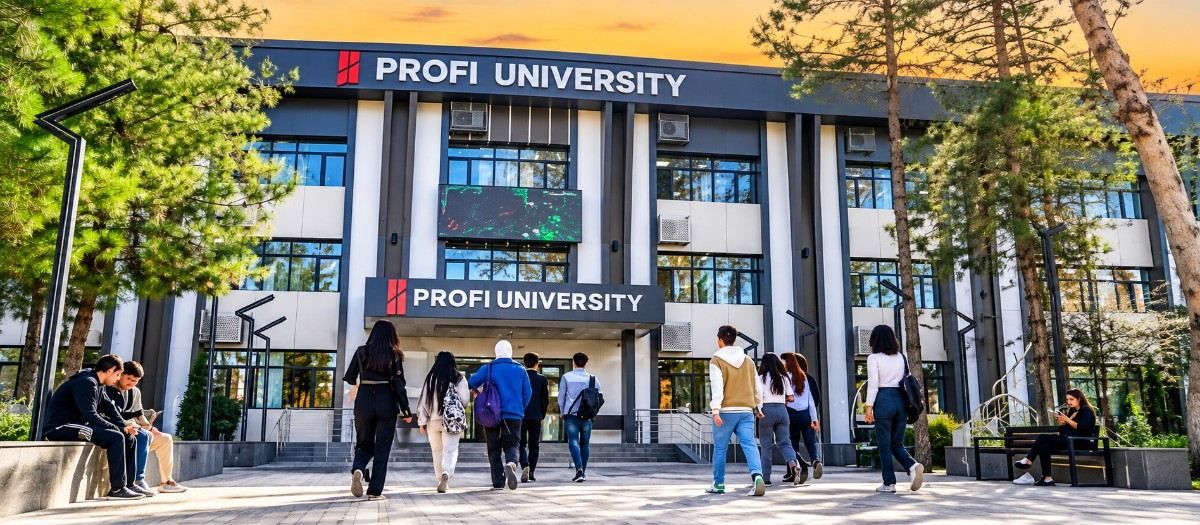
Explore fees, eligibility, and admission guidance for MBBS in Profi University Faculty of Medicine in Uzbekistan.
 Partner
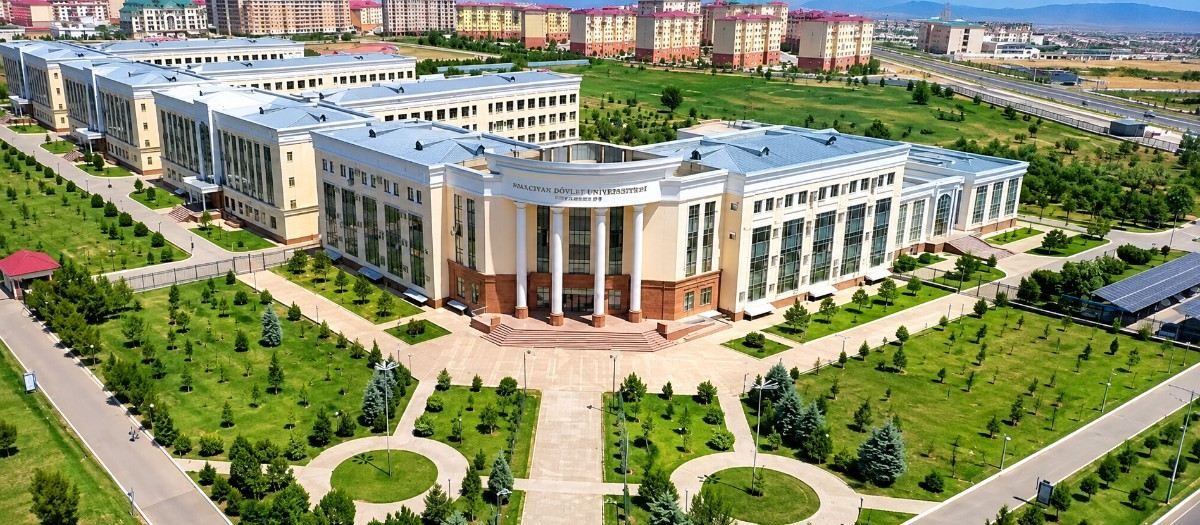
Explore fees, eligibility, and admission guidance for MBBS in Navoi State University Faculty of Medicine in Uzbekistan.
 Partner
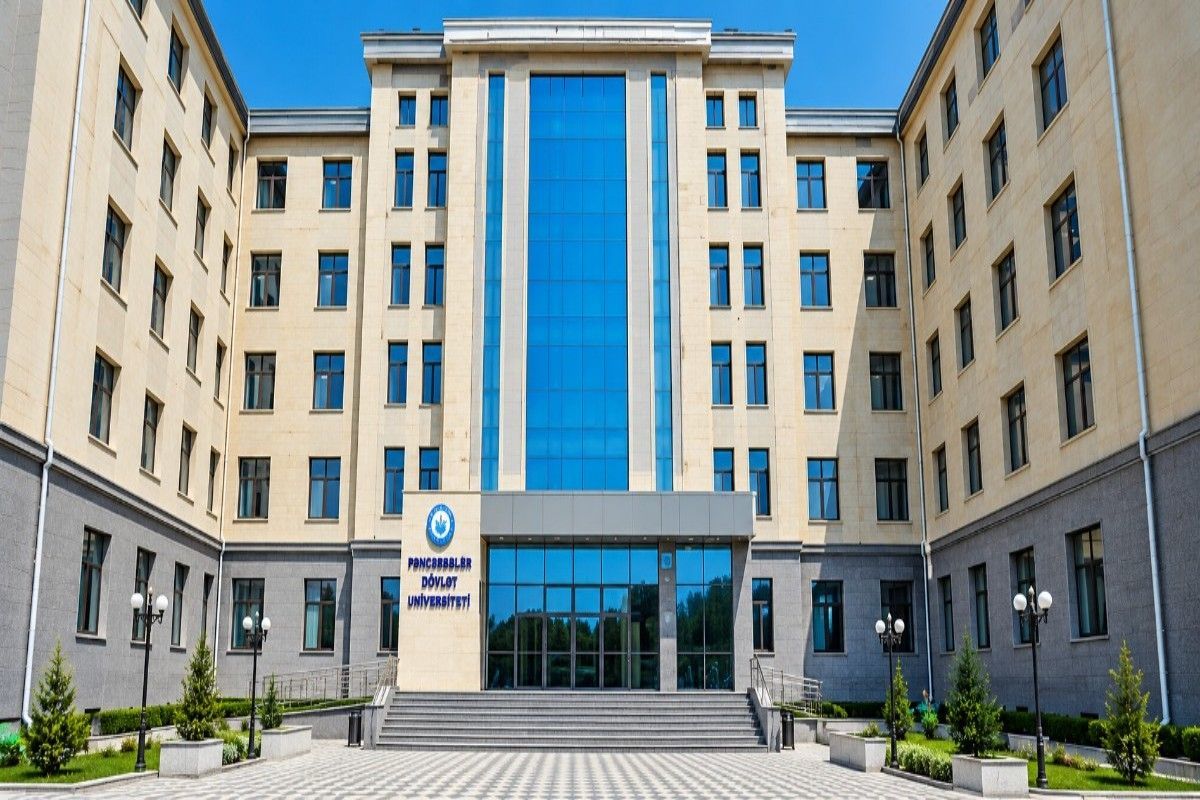
Explore fees, eligibility, and admission guidance for MBBS in Institute of Pharmaceutical Education and Research in Uzbekistan.
 Partner
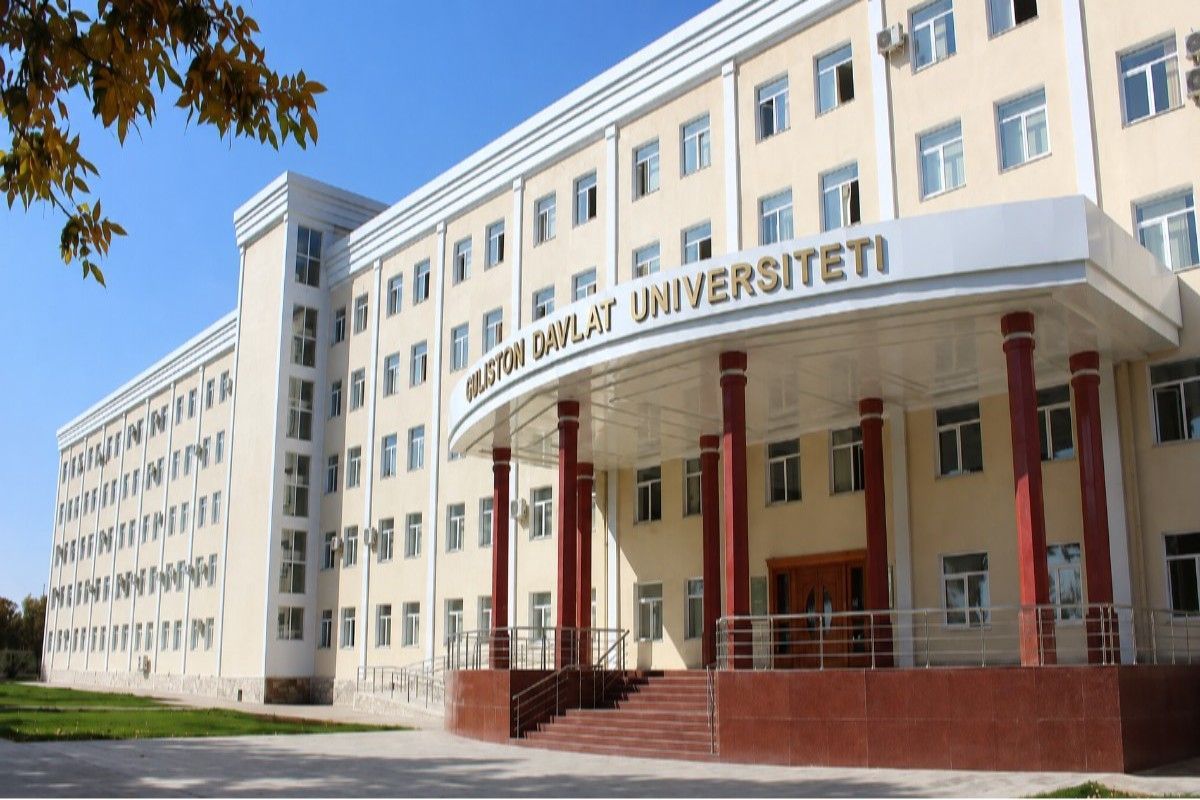
Explore fees, eligibility, and admission guidance for MBBS in Gulistan State University Faculty of Medicine in Uzbekistan.
 Partner
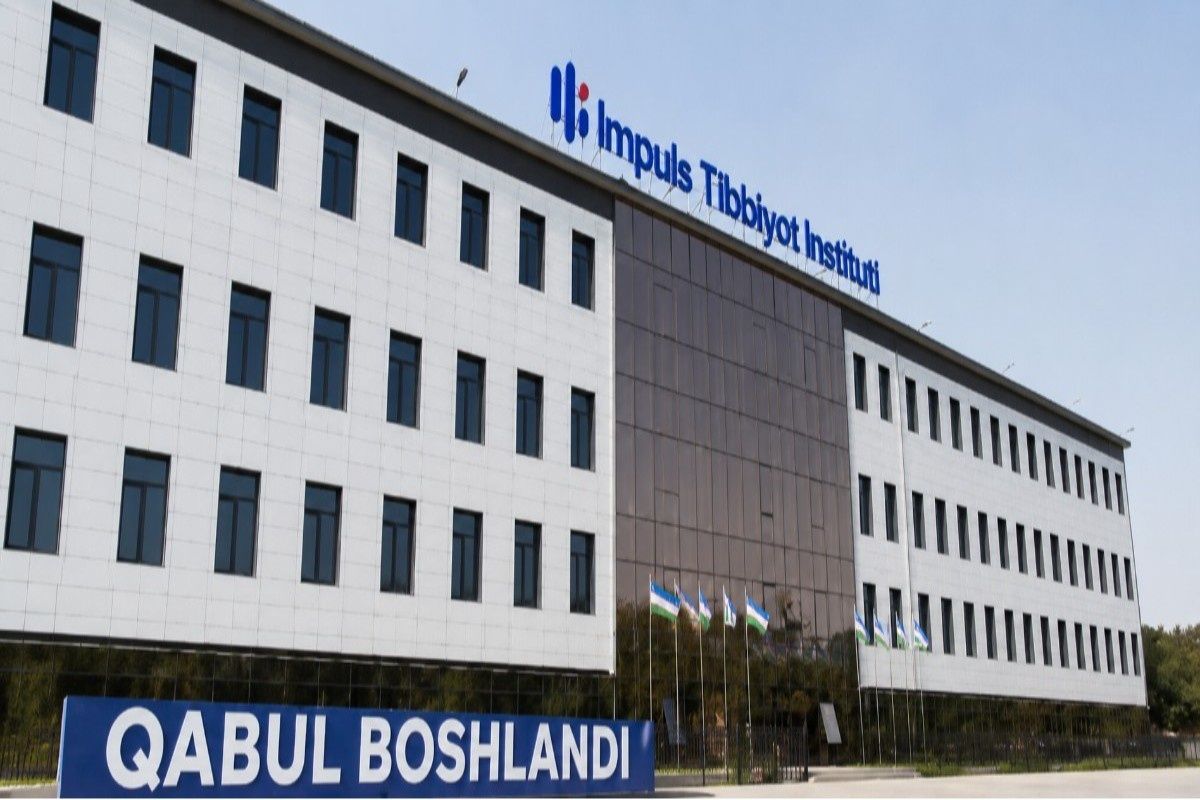
Explore fees, eligibility, and admission guidance for MBBS in Impuls Medical Institute in Uzbekistan.
 Partner
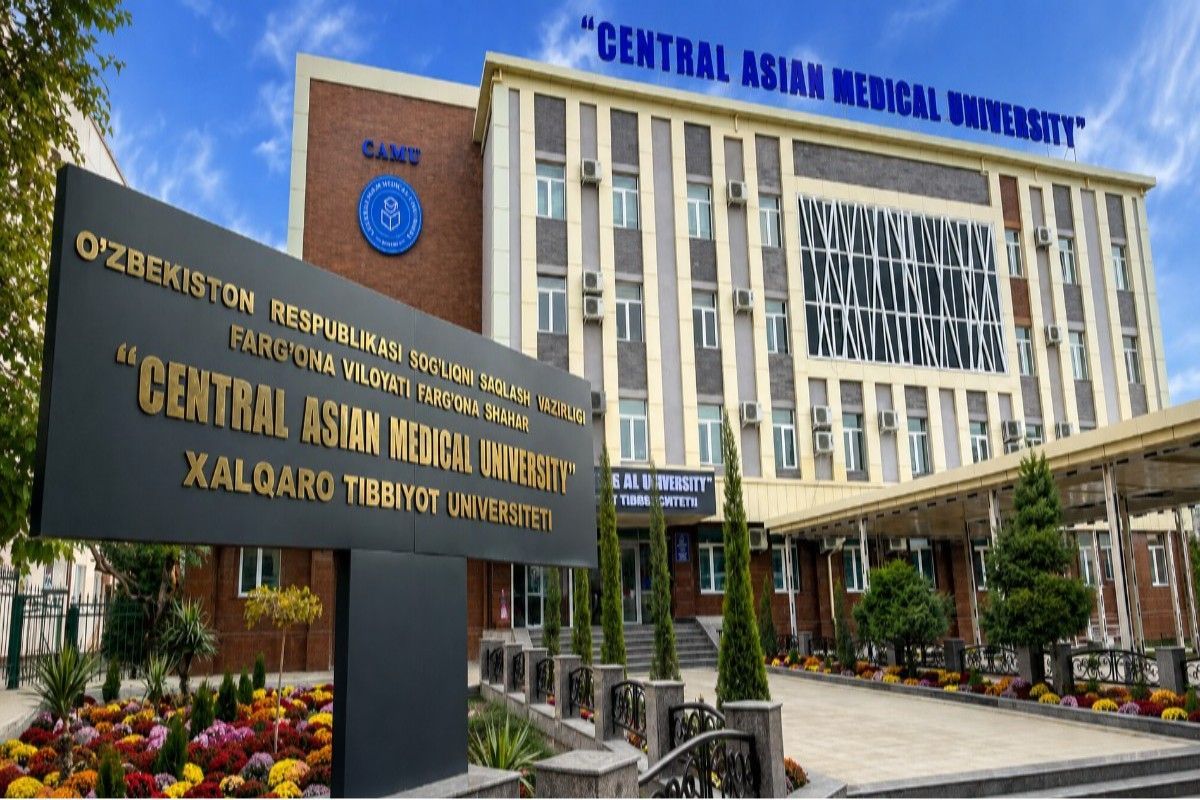
Explore fees, eligibility, and admission guidance for MBBS in Central Asian Medical University Ferghana in Uzbekistan.
Our team provides university-specific guidance and a full Uzbekistan context briefing at every intake. Book a free counselling session →
Many universities offering English-medium medical programs do not require IELTS or TOEFL. However, students should confirm the language requirements of their chosen university.
In Uzbekistan there are several popular medical universities such as Tashkent Medical Academy, Andijan State Medical Institute, Fergana Medical Institute of Public Health, Samarkand State Medical University, and Bukhara State Medical Institute.
The estimated total cost can be around ₹24–36 lakhs, including tuition, accommodation, and living expenses. Actual costs depend on the university and student's lifestyle.
Uzbekistan is a destination for a growing number of international students. Students should follow standard safety practices and the rules of their university and local authorities.
Students should check the latest visa and residence regulations before taking up any employment while studying.
There are several beautiful cities in Uzbekistan but Tashkent is considered as one of the main choices for completing MBBS. There are several reasons behind this, such as, it has many major universities, good transportation facilities, hospitals, and a large student population. Apart from this many students also consider Samarkand, Bukhara, Andijan, Namangan and Fergana too.
Some universities may provide merit-based scholarships, tuition concessions, or other financial support. Availability varies by institution.