MBBS in Singapore is considered by students who are looking for English-medium medical education, advanced healthcare facilities, modern teaching methods and strong clinical exposure. Singapore has a highly developed medical ecosystem, but admission to its undergraduate medical programmes is extremely competitive and the overall cost can be considerably higher than in many other MBBS-abroad destinations.
The main undergraduate medical programmes are offered by NUS Yong Loo Lin School of Medicine and NTU Lee Kong Chian School of Medicine, both of which generally follow a five-year MBBS structure. Duke-NUS Medical School, on the other hand, offers a graduate-entry MD programme and is not a direct option after Class 12.
Before applying for MBBS in Singapore, students should carefully examine eligibility criteria, entrance requirements, tuition fees, clinical training, housemanship or internship arrangements and the NMC regulations applicable to Indian students.
Why Study MBBS in Singapore?
MBBS in Singapore for Indian students attracts attention because of the country's organised healthcare system, English-medium education, advanced infrastructure and strong emphasis on clinical learning.
However, Singapore should not be treated as a low-cost MBBS-abroad destination. Tuition fees are high and international seats are limited. Students should therefore evaluate both the academic opportunity and the financial commitment before applying.
English-Medium Medical Education
One of the biggest advantages of studying medicine in Singapore is the use of English as the principal language of medical education.
Lectures, tutorials, examinations, academic discussions and most university communication take place in English. This can make academic adjustment easier for Indian students compared with destinations where a local language is heavily used in classroom teaching.
Singapore is also a multilingual country. During hospital training, students may meet patients who communicate in different languages, including:
English
Mandarin
Malay
Tamil
Other regional languages
For this reason, good communication skills and cultural sensitivity remain important even though the formal academic programme is taught in English.
Established Medical Universities
Singapore has a small number of medical schools, but the institutions offering medicine are well established.
The main institutions are:
NUS and NTU provide undergraduate MBBS programmes. Duke-NUS offers a graduate-entry MD programme, which means students must already have completed an undergraduate degree before applying.
Advanced Medical Infrastructure
Singapore's healthcare system is known for modern hospitals, specialist centres, simulation facilities and technology-based medical education.
Depending on the university and clinical posting, students may have access to:
These facilities support both theoretical learning and practical clinical development.
Clinical Exposure
Clinical training forms an important part of the MBBS in Singapore course.
Students gradually move from basic sciences and early clinical exposure to supervised patient-based learning in hospitals and healthcare institutions.
Clinical learning may cover areas such as:
The exact structure differs by university, so students should review the official curriculum and clinical-training model before applying.
Strong Research Environment
Singapore also provides a strong environment for biomedical and clinical research.
Medical students may gain exposure to areas such as:
This can be useful for students interested in academic medicine, research or postgraduate pathways.
Multicultural Student Environment
Singapore has a diverse population made up of Chinese, Malay, Indian and international communities.
For medical students, this multicultural setting can help develop communication skills, cultural awareness and experience in interacting with patients from different backgrounds.
Benefits of Studying MBBS in Singapore
Students considering Singapore often look at a combination of academic quality, clinical exposure and international environment.
Some of the major benefits of studying mbbs in singapore include:
English-medium medical education
Five-year undergraduate MBBS programmes
Modern medical infrastructure
Strong clinical training
Teaching-hospital exposure
Multicultural patient population
Advanced biomedical research environment
Technology-based medical learning
Efficient public transportation
International academic environment
Clinical simulation facilities
Research opportunities
Exposure to an advanced healthcare system
Strong emphasis on professional skills
These benefits should still be balanced against high tuition fees, limited international seats and highly selective admission.
About Singapore
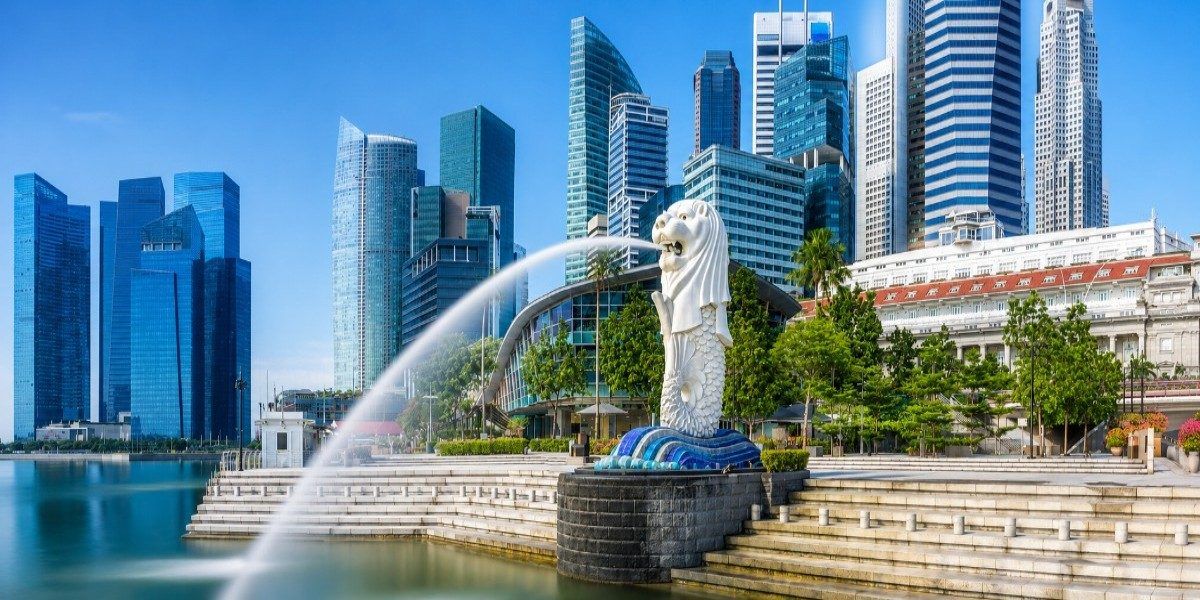
Singapore is a city-state in Southeast Asia known for modern infrastructure, an organised transport system, a developed economy and advanced healthcare facilities.
Unlike larger countries where medical universities are spread across several cities, Singapore is compact and highly connected. Students can generally travel easily between university campuses, hospitals, residential areas and clinical training centres.
Students planning MBBS in Singapore for Indian students should consider the overall cost of study and daily life, including tuition, accommodation, food, transportation, insurance and immigration-related expenses.
Culture
Singapore has a multicultural social environment influenced by Chinese, Malay, Indian and international communities.
Students may experience festivals and cultural events such as:
Indian students can also find temples, grocery stores, cultural communities and Indian restaurants in many parts of the country.
Environment & Climate
Singapore has a tropical climate throughout the year. The students that are planning to stay here can generally expect:
Warm temperatures
High humidity
Frequent rainfall
No extreme winter
This can be easier for Indian students who do not want to adapt to freezing temperatures commonly experienced in countries such as Russia or Kazakhstan.
Food
Singapore has a wide range of food options, making it easier for international students to manage their daily meals. Indian students can commonly find:
South Indian food
North Indian food
Vegetarian meals
Halal food
Chinese cuisine
Malay cuisine
University canteens, hawker centres, restaurants and grocery stores provide multiple choices at different price levels.
Student Life
Medical education can be demanding, but in Singapore students can take in part in various kinds of extra-curricular programmes apart from studies. Here the Student life may include:
Sports
Healthcare outreach
Leadership programmes
Conferences
University festivals
Exchange activities
Community service
Student clubs
These activities can help students build teamwork, communication and leadership skills.
MBBS in Singapore 2026–27: Quick Highlights
The table below gives a quick overview of the main points students should know before considering medical education in Singapore.
Particular | Details |
Course Name | Bachelor of Medicine and Bachelor of Surgery |
Degree | MBBS |
Undergraduate Duration | 6 Years(5 years+ 1 year compulsory internship) |
Medium | English |
Major MBBS Universities | NUS and NTU |
Main Intake | Usually Annual |
Entrance Requirement | University-specific |
UCAT | Required for NTU; applicable to certain NUS routes |
NEET | Important for Indian students under applicable Indian rules |
Clinical Training | Singapore hospitals and healthcare institutions |
Tuition | Around S87,800–S91,250 annually for many non-ASEAN international students under subsidised categories |
Tuition in INR | Approx. ₹65.8 lakh–₹68.4 lakh per year |
Living Cost | High |
Student Pass | Required for eligible international full-time students |
Competition | Very High |
Graduate-Entry Option | Duke-NUS 4-Year MD |
MBBS in Singapore Course Duration & Structure
The standard MBBS in Singapore course duration is 5 years at NUS and NTU. However, this 5 year programme doesn’t include the necessary internship(housemanship)of 1 year, which makes the total course duration, 6 years(5 years + 1 Year internship). The programme usually progresses from foundational medical sciences to clinical medicine and advanced hospital-based training.
Years 1 and 2 – Medical Foundations
The early years focus on developing a strong understanding of basic medical sciences and professional skills.
Students may study:
Anatomy
Physiology
Biochemistry
Pathology
Pharmacology
Microbiology
Immunology
Clinical communication
Professionalism
Medical ethics
Learning may include lectures, tutorials, laboratory work, group learning, simulation and early patient contact.
Year 3 – Core Clinical Medicine
By the third year, students usually move into more intensive clinical education.
Core clinical areas may include:
During this stage, students develop practical skills in history taking, physical examination, clinical reasoning, patient communication and interpretation of investigations.
Years 4 and 5 – Advanced Clinical Training
The senior years focus more heavily on hospital-based learning and preparation for professional practice.
Students may participate in:
Advanced clinical rotations
Specialist medicine
Patient management
Electives
Clinical decision-making
Interprofessional learning
Preparation for professional practice
The exact curriculum depends on the university.
Medium of Instruction
The primary medium of instruction for MBBS in Singapore is English. This is a major advantage for Indian students because lectures, assessments, academic material and most professional communication can be completed in English.
During clinical training, however, students may meet patients from different linguistic backgrounds, so effective communication remains important.
Intake for MBBS in Singapore
Medical universities in Singapore generally conduct admission once each academic year.Because the process is highly competitive, applicants should start preparing well in advance. The admission process may involve:
Academic application
Entrance testing
Personal statement
Portfolio
Reference reports
Interviews
Multiple Mini Interviews
Medical screening
Vaccination requirements
Deadlines and procedures differ between universities, so students should follow the current admission schedule of the institution they are applying to.
Approximate Tuition & Living Cost
The overall MBBS in Singapore fees depend on the university, nationality, Tuition Grant status, scholarship eligibility, accommodation and personal lifestyle. For many Indian students under the international category, annual tuition can be very high.
The average MBBS fee in Singapore for Indian students may be approximately ₹64 lakh to ₹68 lakh per year under certain subsidised categories. Without subsidy, the annual fee can rise substantially.
NUS MBBS Tuition Fees
For students entering NUS Medicine in AY2026–27, the indicative fee structure is:
Category | Annual Fee in SGD | Approx. Annual Fee in INR |
Singapore Citizen with Tuition Grant | S$33,200 | Approx. ₹24.88 lakh |
Singapore PR with Tuition Grant | S$48,900 | Approx. ₹36.64 lakh |
ASEAN International Student with Grant | S$74,750 | Approx. ₹56.02 lakh |
Other International Student with Grant | S$87,800 | Approx. ₹65.80 lakh |
Without Tuition Grant | S$190,150 | Approx. ₹1.42 crore |
NTU MBBS Tuition Fees
For students accepting a Medicine offer in 2026, the indicative tuition is:
Category | Annual Fee in SGD | Approx. Annual Fee in INR |
Singapore Citizen | S$36,100 | Approx. ₹27.05 lakh |
Singapore Permanent Resident | S$51,850 | Approx. ₹38.86 lakh |
ASEAN International Student | S$80,850 | Approx. ₹60.59 lakh |
Other International Student | S$91,250 | Approx. ₹68.38 lakh |
For most Indian applicants under the other international student category, NTU Medicine tuition can be approximately S$91,250 or ₹68.4 lakh per year.
Living Expenses
Tuition is only one part of the overall budget.
Students should also plan for:
Singapore is significantly more expensive than many other common MBBS-abroad destinations.
Eligibility for MBBS in Singapore
Eligibility requirements vary by university, so there is no single admission formula for every medical programme. Applicants generally need a very strong academic background, especially in science subjects.
Academic Eligibility Requirements
Relevant subjects may include:
Meeting the minimum academic criteria does not guarantee admission because medical programmes remain highly selective.
Eligibility for Indian Students
Indian students should check how their Class 12 qualification is evaluated by the university.
Factors may include:
UCAT Requirement
UCAT is an important part of the admission process for NTU Lee Kong Chian School of Medicine and may also apply to certain NUS routes.
Students should check:
UCAT registration deadline
Accepted testing year
Score submission requirements
University-specific conditions
NEET Qualification
Indian students planning MBBS in Singapore for Indian students should also understand the Indian requirements that apply to foreign medical education. NEET qualification and Singapore university admission are separate matters, so applicants must satisfy both wherever applicable.
NMC Rules for Indian Students Studying MBBS in Singapore
For Indian students planning to return to India after MBBS in Singapore, the applicable framework includes the NMC Foreign Medical Graduate Licentiate Regulations.
Important conditions include:
Minimum 54 months of medical education
At least 12 months of internship as prescribed
English as the medium of instruction
Required theory, practical, and clinical subjects
Appropriate clinical training
Eligibility for registration/licensure in the country where the qualification is awarded, as applicable
Important Singapore Compliance Point
The undergraduate MBBS programmes at NUS and NTU are generally five years. Indian students should therefore examine the complete training route, including post-degree housemanship or supervised clinical training.
Before joining, students should verify:
The reputation of a medical university alone should not be treated as automatic proof of eligibility for medical registration in India.
Recognition and Eligibility of Singapore Medical Universities
Medical recognition should be checked at every relevant level.
Singapore Medical Council
The Singapore Medical Council regulates medical registration in Singapore. Graduating from a medical school does not automatically mean a student can practise independently. Applicable registration and supervised training requirements must still be completed.
NMC Compliance
Indian students should check the entire training pathway, including:
Duration
Medium of instruction
Curriculum
Clinical subjects
Internship
Housemanship
Location of clinical training
Local registration eligibility
Rules applicable to the admission batch
WDOMS
Students may check whether the institution appears in the World Directory of Medical Schools.
However, WDOMS listing alone does not guarantee eligibility for medical practice in India.
Other Countries
Graduates who plan to work outside Singapore may need to follow different licensing pathways.
Examples include:
USA – USMLE and ECFMG pathway
UK – GMC registration pathway
Australia – AMC and relevant registration process
Canada – Canadian licensing pathway
India – Applicable NMC pathway
Top Medical Universities in Singapore for MBBS
Singapore has only a small number of medical schools, which makes the choice relatively straightforward.
Institution | Programme | Duration | Entry Level |
NUS Yong Loo Lin School of Medicine | MBBS | 5 Years | Undergraduate |
NTU Lee Kong Chian School of Medicine | MBBS | 5 Years | Undergraduate |
Duke-NUS Medical School | MD | 4 Years | Graduate Entry |
Duke-NUS should not be treated as a direct MBBS option after Class 12 because prior undergraduate education is required.
MBBS in Singapore Fee Structure 2026–27
Students researching MBBS in Singapore fees should plan for the complete cost of study, not just annual tuition.
Tuition Fee
For non-ASEAN international students under the relevant subsidised category:
University | Annual Tuition in SGD | Approx. INR |
NUS Medicine | S$87,800 | Approx. ₹65.8 lakh |
NTU Medicine | S$91,250 | Approx. ₹68.4 lakh |
Approximate Five-Year Tuition
If annual tuition remained unchanged for estimation purposes:
NUS
S$87,800 × 5 = S$439,000
Approximate value: ₹3.29 crore
NTU
S$91,250 × 5 = S$456,250
Approximate value: ₹3.42 crore
These are indicative calculations because fees and exchange rates can change.
Hostel & Accommodation Fee
Accommodation is one of the major living expenses.
Students may choose from:
University halls
Residential colleges
Shared apartments
Private student housing
Private rooms
University housing is usually more economical than private accommodation, but availability may be limited.
Food Expenses
Food expenses depend on eating habits and lifestyle.
Students can manage costs through:
Frequent dining at premium or Indian restaurants can increase monthly expenses.
Medical Insurance
Students should also budget for healthcare-related costs.
These may include:
Student Pass Costs
International students also need to account for immigration-related charges.
Typical Student Pass-related expenses may include:
These charges can change and should be checked before application.
Other University Charges
Apart from tuition and accommodation, students may also need to spend on:
Approximate Total Cost
The total cost of MBBS in Singapore for Indian students can be very high.
Tuition alone may reach approximately:
NUS: S$439,000 ≈ ₹3.29 crore over five years
NTU: S$456,250 ≈ ₹3.42 crore over five years
After adding accommodation, food, insurance, transportation and personal expenses, the total budget can be significantly higher.
Affordable Medical Colleges in Singapore
Students searching for a low-cost MBBS in Singapore should understand that Singapore does not have a large number of low-fee medical colleges.
Undergraduate MBBS education is mainly concentrated at NUS and NTU.
Therefore, students should compare:
Eligibility
Financial aid
Scholarships
Tuition Grant conditions
Clinical training
NMC compliance
Registration pathway
The decision should not be based on tuition alone.
Hostel & Accommodation in Singapore
International students can explore both university and private accommodation.
Options may include:
University halls
Residential colleges
Student residences
Shared apartments
Private rooms
Off-campus accommodation
Facilities may include internet, laundry, security, study areas, common rooms and dining spaces.
Private accommodation is usually more expensive than university housing.
Food and Mess Facilities for Indian Students
Indian students generally have access to a wide range of food options in Singapore.
These include:
Students can therefore manage food according to budget, dietary preference and location.
Cost of Living in Singapore for Indian Students
The cost of living in Singapore for Indian students depends mainly on accommodation and lifestyle.
Expense | Typical Consideration |
Accommodation | University housing or private rental |
Food | Canteen, hawker centre or restaurants |
Transportation | MRT and buses |
Internet/Mobile | Monthly local plan |
Study Materials | Books, printing and medical equipment |
Insurance | University/personal requirement |
Personal Expenses | Clothing, recreation and toiletries |
Travel | India-Singapore flights |
Students should maintain a financial buffer because living costs can increase over the duration of the course.
Scholarships for MBBS in Singapore
Scholarships and financial-aid options may be available depending on nationality, academic performance and programme rules.
Selection may consider:
Students should carefully examine whether a scholarship or Tuition Grant carries any service obligation before accepting it.
Travel from India to Singapore
Singapore is well connected with India by air.
Flights are commonly available from:
Delhi
Mumbai
Bengaluru
Chennai
Hyderabad
Kolkata
Kochi
Students should travel only after admission, Student Pass approval and accommodation arrangements are confirmed.
Main Airport
Most international students arrive through Singapore Changi Airport.
From the airport, students can use:
MRT
Public buses
Taxis
Ride-hailing services
Transportation in Singapore
Singapore has an efficient public-transport system.
Students commonly use:
MRT
Buses
Taxis
Ride-hailing services
Campus buses
Cycling routes
Because public transport is highly developed, most students do not need a private vehicle.
Best Areas to Study Medicine in Singapore
Singapore is compact, so medical education is concentrated within different districts rather than separate university cities.
Kent Ridge
Kent Ridge is closely associated with NUS and nearby healthcare facilities.
Students at NUS may spend a significant amount of time in this university and medical environment.
Novena
Novena is an important healthcare district and is associated with NTU's Lee Kong Chian School of Medicine.
Central Singapore
Clinical placements may take students to hospitals and healthcare institutions across different parts of Singapore.
The country's compact size makes such travel relatively convenient.
Sports, Extracurricular Activities & Student Life
Medical students can also participate in a wide variety of non-academic activities.
These may include:
These experiences can help students develop teamwork, communication and time-management skills.
MBBS in Singapore vs MBBS in India
The two systems differ significantly in admission structure, cost and medical-registration pathway.
Feature | MBBS in Singapore | MBBS in India |
Course Duration | Usually 5 Years | Around 5.5 Years including internship |
Admission | University-specific | NEET-UG |
Number of Colleges | Very Limited | Large Number |
Medium | English | English |
International Exposure | High | Institution-dependent |
Tuition | High for international students | Highly variable |
Clinical Environment | Singapore healthcare system | Indian healthcare system |
Local Language | English widely used | English + regional languages |
Registration in India | Foreign graduate pathway | Domestic pathway |
Competition | Very High | Very High |
Singapore vs Other Popular MBBS-Abroad Destinations
Singapore generally falls into the premium-cost category compared with several other popular destinations.
Country | Typical Duration | Approx. Tuition Level | Living Cost | Medium |
Singapore | 5 Years | Very High | High | English |
Russia | Around 6 Years | Moderate | Moderate | English/Bilingual |
Georgia | Around 6 Years | Moderate | Moderate | English |
Uzbekistan | Around 6 Years | Lower | Low | English at selected universities |
Kyrgyzstan | Around 5–6 Years | Lower | Low | English at selected universities |
Kazakhstan | Around 5–6 Years | Moderate | Moderate | English at selected universities |
Bangladesh | Programme-specific | Moderate | Low–Moderate | English |
MBBS Syllabus in Singapore 2026–27
The medical curriculum generally moves from basic sciences to progressively advanced clinical training.
Academic Stage | Typical Learning Areas |
Years 1–2 | Basic medical sciences, anatomy, physiology, pathology and early clinical skills |
Year 3 | Core clinical medicine and hospital exposure |
Year 4 | Advanced clinical disciplines and rotations |
Year 5 | Senior clinical education and preparation for practice |
Key Learning Areas
Students may study a broad range of medical subjects throughout the programme.
These can include:
Anatomy
Physiology
Biochemistry
Pathology
Pharmacology
Microbiology
Immunology
Internal Medicine
Surgery
Paediatrics
Obstetrics
Gynaecology
Psychiatry
Family Medicine
Emergency Medicine
Public Health
Medical Ethics
Clinical Communication
Patient Safety
Digital Health
Research Methodology
Clinical Training and Hospital Exposure in Singapore
Clinical training focuses on gradually building practical medical skills under supervision.
Students may participate in:
The exact clinical-training structure depends on the university and placement.
Advantages of Studying MBBS in Singapore
Singapore offers several strengths for students who meet the admission and financial requirements.
Established Universities
Medical education is offered through major public universities with established academic systems.
English-Medium Programme
Students can complete their medical education primarily in English.
Advanced Infrastructure
Medical schools provide access to laboratories, simulation facilities and modern healthcare institutions.
Clinical Exposure
Students train within a developed healthcare system.
Research Opportunities
Singapore has strong activity in biomedical and clinical research.
Multicultural Environment
Students interact with patients and peers from diverse cultural backgrounds.
Technology-Based Medical Education
Digital health, simulation and modern medical technology are increasingly integrated into training.
Things Indian Students Should Consider Before Choosing Singapore
Before applying, Indian students should carefully evaluate whether the programme matches both their academic goals and future registration plans.
Check Eligibility
Admission is highly competitive, so applicants should understand the university's academic expectations before applying.
Check UCAT Requirements
Confirm whether UCAT is required for the selected programme and admission year.
Check NMC Requirements
Students planning to return to India should review the applicable foreign medical graduate rules.
Check Internship and Housemanship Structure
This is particularly important because the undergraduate MBBS programme is generally five years.
Understand Tuition Grant Conditions
Students should carefully check whether a Tuition Grant or subsidy comes with a service obligation.
Calculate the Total Cost
The overall budget should include: Tuition + accommodation + food + insurance + transport + Student Pass + travel + personal expenses
Keep a Financial Buffer
Because tuition, exchange rates and living expenses can change, students should keep an emergency financial reserve.
Career Opportunities After MBBS in Singapore
Completing MBBS in Singapore can open different career pathways, but medical practice always depends on registration requirements.
Working in Singapore
Graduates must complete the applicable local registration and supervised-training requirements before independent practice.
Returning to India
Indian students who complete their medical degree in Singapore and want to practise in India must meet the NMC Foreign Medical Graduate Licentiate Regulations, 2021. The course should include at least 54 months of medical education, followed by a minimum 12-month internship at the same foreign medical institution. The graduate must also be eligible for registration or a licence to practise medicine in Singapore on terms comparable to local graduates.
After returning to India, the student must complete another 12-month supervised internship in India and clear the applicable NMC-mandated licensing or screening examination before permanent registration can be granted. Students should verify these requirements before admission, as non-compliance with internship, clinical training, English-medium instruction or licensing conditions can affect eligibility to practise in India.
Postgraduate Education
Students may pursue postgraduate medical training in areas such as:
Internal Medicine
Surgery
Paediatrics
Orthopaedics
Radiology
Dermatology
Cardiology
Neurology
Psychiatry
Anaesthesiology
Oncology
Emergency Medicine
USA
Graduates may pursue the USMLE and applicable ECFMG pathway.
United Kingdom
Graduates must follow the relevant GMC requirements.
Australia
Graduates may explore the AMC and Australian registration pathway.
MBBS in Singapore Admission Process
The admission process is university-specific, but the broad steps are generally similar. It must be noted that AMW Career Points helps in completing all the steps of the admission process easily. Below, we have listed all the steps of the admission process:
Step 1: Check University Eligibility
Applicants should first confirm whether their academic qualification and science subjects meet the university's requirements.
Step 2: Select the Programme
Students should understand the difference between:
NUS MBBS
NTU MBBS
Duke-NUS MD
Step 3: Complete Entrance Test
Take UCAT where required.
Step 4: Submit Application
Complete the university application within the specified deadline.
Step 5: Submit Supporting Documents
The university may request:
Academic records
Personal statement
Portfolio
References
Entrance-test score
Step 6: Shortlisting
Universities assess both academic and non-academic information before inviting selected applicants to the next stage.
Step 7: Interview
Shortlisted candidates may attend:
Step 8: Admission Offer
Successful applicants receive an official admission offer.
Step 9: Review Fees
Students should carefully check:
Step 10: Apply for Student Pass
International students generally need the appropriate Singapore Student Pass.
Step 11: Travel and Reporting
After completing admission and immigration formalities, students can travel and report to the university.
Documents Required for MBBS Admission in Singapore
Applicants may be required to submit a combination of academic, identity and admission-related documents.
These may include:
Valid passport
Class 10 certificate
Class 12 certificate
Academic transcripts
Chemistry marks
Physics marks
Biology marks
English marks
UCAT result where applicable
Personal statement
Referee reports
Portfolio
Extracurricular certificates
Passport-size photographs
University application form
Medical records
Vaccination records
Documents Required for Singapore Student Pass
The Student Pass application may require:
Passport
University admission details
Student Pass application
Recent photograph
Academic details
Personal details
Financial information where required
Singapore residential details
Medical examination if requested
Other ICA-requested documents
Students should always follow the latest official checklist.