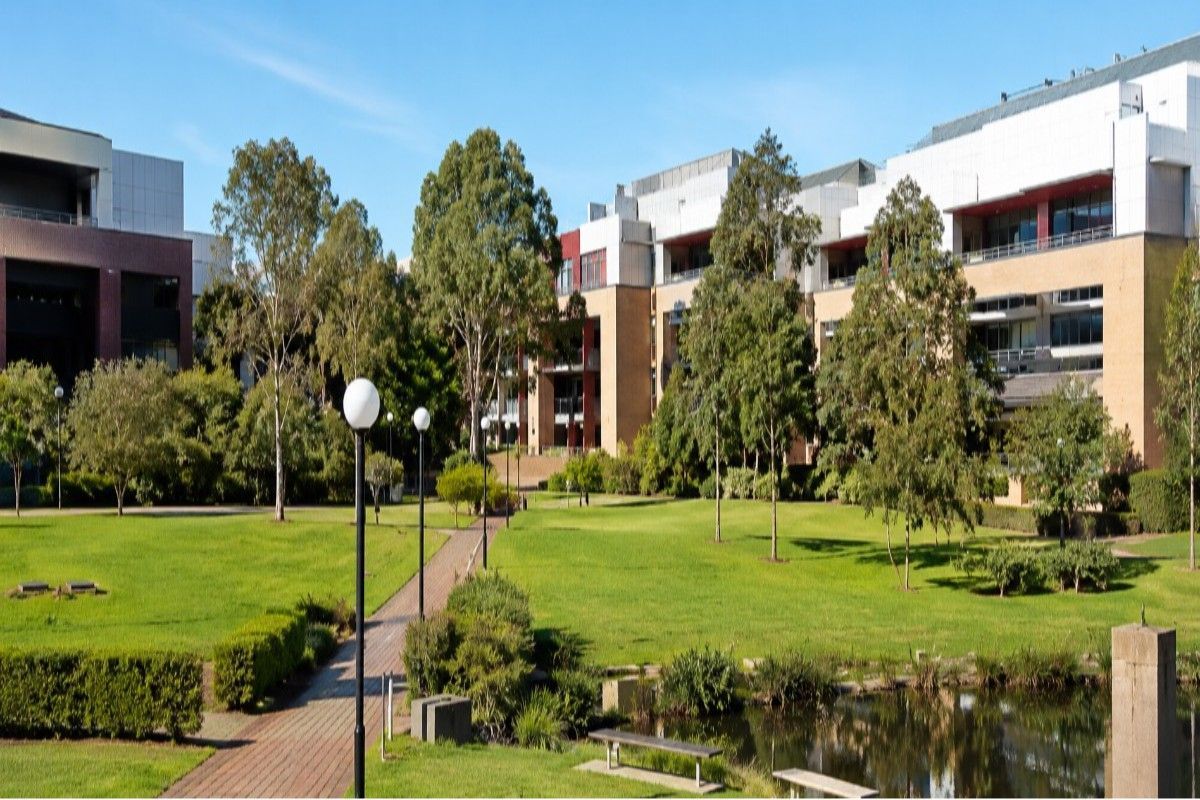
Australia is not the first country most Indian families think of when someone says “MBBS abroad.” Georgia, Russia, and the Philippines come up more often in WhatsApp groups because they’re cheaper. But if you actually sit down and compare outcomes, not just fees, Australia belongs in a very different conversation. It’s one of the only countries where an MBBS-equivalent degree gives you a real shot at AMC registration, a genuine post-study work visa, and a permanent residency pathway that doesn’t depend on going back home first.
That said, it’s expensive. There’s no way to sugarcoat that. A six-year program can cost anywhere from AUD 350,000 to over AUD 700,000 all-in, and most Indian applicants underestimate this by a wide margin because they’ve been reading fee tables meant for undergraduate arts degrees, not medicine. This page is built to fix that, with real 2026 numbers, university-by-university breakdowns, and an honest look at where Australia actually wins and where it doesn’t.
Australia at a Glance
Before you get into fees and universities, it helps to know what you’re actually signing up for as a country. Australia is an island continent, English-speaking, with one of the most stable economies and healthcare systems in the world. For a medical student, that translates into well-funded teaching hospitals, a regulated licensing body (AMC/AHPRA) that international employers actually trust, and a lifestyle that’s genuinely liveable, not just “safe on paper.” Here’s the country snapshot before we get into the specifics.
Parameter | Details |
Capital | Canberra |
Currency | Australian Dollar (AUD), 1 AUD = ₹67 (July 2026, mid-market rate) |
Language | English |
Population | 27 million |
Climate | Varies by region, temperate in the south, subtropical/tropical in the north |
Time difference from India | +4.5 hrs (AEST) / +5.5 hrs (AEDT during daylight saving) |
Degree awarded | MBBS or MD (Doctor of Medicine), both recognized as equivalent |
Course duration | 5 to 6 years (undergraduate entry) or 4 years (graduate entry, after a bachelor’s) |
Medium of instruction | English |
NEET requirement | Not required by Australian universities; required only if you plan to return and practice in India. |
IELTS requirement | 7.0–7.5 overall, no band below 7.0 (AHPRA standard) |
Average annual tuition | AUD 65,000–100,000+ |
Average annual living cost | AUD 20,000–30,000 |
Total program cost (6 years) | AUD 350,000–700,000+ |
Internship | Built into the final years of the course, hospital-based |
Recognition | AMC, AHPRA, WFME, NMC (for those returning to India) |
Intakes | February, July, and (at some universities) November |
A quick currency note before we go further: the AUD-INR rate has been genuinely volatile through 2026, swinging between roughly ₹65 and ₹69 over the past few months. We’re using ₹67 as the working rate throughout this page, but if you’re actually budgeting a loan or forex transfer, check the live rate on the day; a 2-rupee swing on a AUD 90,000 fee is over ₹1.8 lakh, which is not a rounding error.
Why Study MBBS in Australia
Ask any counselor why students actually go through with Australia despite the fees, and the answer usually comes down to a handful of things that genuinely hold up under scrutiny:
Healthcare system that ranks consistently in the OECD’s top 10. You’re training inside hospitals that are actually well-funded and well-run, not just well-marketed.
Australia’s medical and health research spend crosses AUD 21 billion annually, spread across universities, the NHMRC, and hospital-based research units — which shows up directly in the quality of labs and simulation centers students train in.
A doctor shortage that isn’t going away soon. Government workforce projections have flagged a shortfall of tens of thousands of doctors and GPs over the coming decade, particularly in regional and outer-metro areas. That’s not a promise of a job, but it is a real structural tailwind for anyone who ends up AHPRA-registered.
A genuine PR pathway. Medicine sits on skilled occupation lists more consistently than most professions, and Australia’s points-based immigration system does reward qualifications and work experience earned inside the country.
Post-study work rights through the Subclass 485 visa, which we’ll get into in detail later; this is the bridge between graduating and actually building a career here.
English-medium teaching from day one, so there’s no language transition to manage on top of an already demanding course.
Higher earning potential once you’re through licensing; Australian doctor salaries are among the highest in the world, and we’ve broken these down by role further down this page.
A multicultural, safe environment with a large and established Indian student and professional community, especially in Melbourne, Sydney, and Adelaide.
Modern infrastructure, simulation labs, VR-based clinical training, and teaching hospitals that are directly affiliated with the universities rather than loosely partnered.
Advantages Beyond the Obvious
Strong research focus: Even at the undergraduate level, which matters if you’re eyeing academic medicine or a PhD track later.
Global licensing flexibility: An Australian medical degree keeps AMC, USMLE, PLAB, and FMGE all technically open to you, depending on which country you eventually want to practice in.
Dedicated international student support offices: At every university, orientation, counseling, academic support, and visa compliance help that’s actually staffed, not just a webpage.
Advanced VR and simulation-based clinical training: Which several Australian medical schools have invested in heavily over the last few admission cycles.
Challenges You Should Know About
We’d be doing you a disservice if we only listed the upside. Here’s what actually trips students up:
The fees are genuinely high: Higher than the UK in several cases, and far higher than Georgia, Russia, or the Philippines. This isn’t a country for a tight budget.
Admission is competitive: International seats are limited, and universities like Melbourne, Sydney, and UNSW expect strong academics plus a good UCAT or GAMSAT score; there’s no “back door” entry.
Entrance exam pressure is real: Between UCAT, GAMSAT, ISAT, and IELTS, most applicants are juggling two or three high-stakes tests in the same admission cycle.
The visa process has gotten more layered: Not less, over the past two years, the Genuine Student requirement, financial evidence rules, and rising visa fees all add friction.
Cost of living has crept up: In Sydney and Melbourne specifically, driven by Australia’s broader housing crunch, this is a genuine budgeting risk, not just a scare story.
We’re including this section not to talk you out of Australia, but because a student who walks in with realistic expectations about cost and competition has a much better shot at actually finishing the program without a mid-course financial crisis.
Medical Education System Explained
Australia runs two parallel entry systems into medicine, and this is where a lot of the confusion for Indian applicants actually starts.
Undergraduate entry (UG): You apply directly after Class 12, and the course runs 5 to 6 years, ending in a Bachelor of Medicine/Bachelor of Surgery (MBBS) or, at some universities, a combined Bachelor’s + MD. Monash, UNSW, Adelaide University, and the Newcastle/UNE Joint Medical Program are the main direct-entry options for international students coming straight out of school.
Graduate entry: You first complete a 3-year bachelor’s degree (commonly in Biomedical Science or a related field, either in India or Australia), then apply separately for a 4-year Doctor of Medicine (MD) through GAMSAT or MCAT scores. Melbourne, Sydney, ANU, Deakin, UWA, Adelaide, UQ, and Newcastle all run graduate-entry MD programs, and this is actually the more common route for Indian students who complete an undergraduate science degree first.
Regardless of which door you walk in through, the structure after enrolment looks broadly similar: foundational sciences and clinical skills in the early years, increasing clinical placement hours through the middle years, and full-time hospital-based rotations in the final one to two years, followed by an internship that’s a mandatory, structured part of becoming AHPRA-registered, not an optional add-on.
MBBS vs MD in Australia
This is probably the single most confused topic among Indian applicants, and no competitor page really untangles it properly.
Factor | MBBS (Undergraduate entry) | MD (Graduate entry) |
Entry point | Directly after Class 12 | After a completed bachelor’s degree |
Duration | 5–6 years | 4 years |
Entrance exam | UCAT ANZ or ISAT | GAMSAT or MCAT |
Total time to registration | 5–6 years + internship | 3 (bachelor’s) + 4 (MD) + internship = 7+ years |
Universities offering it | Monash, UNSW, Adelaide University, Newcastle/UNE JMP | Melbourne, Sydney, ANU, Deakin, UWA, UQ, Adelaide, Newcastle |
Career recognition | Identical, both lead to AMC/AHPRA registration | Identical |
Best suited for | School leavers who are certain about medicine early | Students with a science degree, or those who didn’t get direct entry |
The degree name, MBBS vs MD, makes zero difference to your career once you’re AMC-certified and AHPRA-registered. What actually matters is which pathway fits your current academic stage and your entrance exam strengths.
Course Duration & Year-Wise Curriculum
Depending on the pathway and university, you’re looking at 5, 5.5, or 6 undergraduate years, or 4 years for graduate-entry MD, plus a mandatory internship year that’s built into the licensing process rather than tacked on afterward.
A fairly representative year-wise structure looks like this:
Year | Focus |
Year 1–2 | Foundational medical sciences, anatomy, physiology, biochemistry, clinical skills, ethics, and communication |
Year 3 | Clinical placements begin in hospitals and community health settings; patient contact increases substantially. |
Year 4 | At several universities, this is an independent research or honors project year. |
Year 5–6 | Full-time clinical rotations across major specialties, surgery, internal medicine, pediatrics, psychiatry, obstetrics and gynecology |
Post-graduation | Mandatory hospital internship (typically 1 year) required for full AHPRA registration |
Clinical exposure starts earlier in Australian programs than in many other countries; some universities place students in hospital settings from Year 1, which is a genuine strength of the system.
Entrance Exams, Detailed Explanation
UCAT ANZ: Required for undergraduate entry at Newcastle, UNSW, UQ (provisional entry), Tasmania, and Adelaide. Registration typically opens in March, with test sittings across July and August; plan around this if you’re applying straight after Class 12.
ISAT: Accepted as an alternative to UCAT ANZ for international applicants at UNSW and UWA. Useful if your UCAT prep timeline doesn’t line up.
GAMSAT: Required for graduate-entry MD at Deakin, Melbourne, Sydney, ANU, UWA, Adelaide, UQ, and Newcastle. It tests reasoning across biological sciences, chemistry, physics, and written communication; it’s a genuinely different exam from anything in the NEET syllabus, so don’t assume NEET prep transfers over.
MCAT: Accepted as an alternative to GAMSAT at a smaller number of graduate-entry programs.
IELTS / TOEFL / PTE: Score requirements vary slightly by university, but AHPRA’s own registration standard (IELTS 7.0 overall, no band under 7.0, or equivalent) is the number that actually matters for your long-term licensing, even if a specific university’s entry bar is marginally lower.
Without NEET / Direct Entry Clarification
This comes up constantly, so let’s be direct about it: Australian universities do not require NEET for admission. Your entry is assessed entirely through UCAT ANZ, ISAT, GAMSAT, or MCAT, alongside your academic record and English scores.
Where NEET becomes non-negotiable is later. If you plan to return to India and practice medicine, the National Medical Commission requires you to clear the FMGE (soon fully transitioned to NExT) as a foreign medical graduate, and separately, NEET remains the gateway exam that Indian regulations tie to recognition of your original qualifying exam pathway in most practical scenarios that agents will walk you through at the application stage. In short: no NEET to get into an Australian medical school, but NEET-linked requirements resurface if India is your eventual practice destination.
Intake & Application Timeline
Most Australian medical programs run on February and July intakes, with a smaller November intake available at a handful of universities for specific programs. UCAT registration typically opens in March with test dates in July–August, so if you’re targeting a February intake the following year, your exam prep needs to start almost a year in advance.
A rough month-wise planning calendar:
Period | What to do |
January–March | Shortlist universities, register for UCAT/GAMSAT, start IELTS prep. |
April–June | Sit for entrance exams and English tests. |
July–September | Submit applications, prepare SOP/LORs |
October–December | Receive offers, pay deposit, apply for visa. |
January–February | Finalize travel, OSHC, accommodation; fly out for February intake. |
OSHC Health Insurance
Overseas Student Health Cover is a legal requirement for the entire duration of your Subclass 500 visa; you can’t get or renew the visa without it.
Single student cover: roughly AUD 600–800 per year (about AUD 50–67/month), depending on the provider.
Government-approved providers: AHM (AUD 52/month), nib (AUD 57/month), Bupa (AUD 63/month), Medibank (AUD 64/month), Allianz Care (AUD 67/month).
What’s covered: hospital treatment, GP and specialist visits (usually 85% of the Medicare schedule fee, 100% at Bupa), emergency ambulance, and prescription medicines up to an annual cap.
2026 update: the government approved an average premium increase of around 4.4% from April 2026, so budget slightly above the previous year’s figures.
Practical tip: many universities negotiate discounted rates with a preferred provider listed on your offer letter; it’s worth comparing that against the open market before committing.
Top Medical Universities & Fees
Here’s where most competitor content either goes too generic or doesn’t include budget-friendly options at all. We’re covering both the marquee names and the more affordable regional universities that genuinely deserve consideration.
University | Location | Annual Tuition (AUD) | Pathway |
University of Melbourne | Melbourne, VIC | AUD 100,000–112,000 | Graduate-entry MD |
University of Sydney | Sydney, NSW | AUD 90,000–96,400 | Graduate-entry MD |
Monash University | Melbourne, VIC | AUD 85,000–95,000 | UG entry (direct from school) + graduate entry |
James Cook University | Townsville/Cairns, QLD | AUD 71,000–75,000 | UG entry, one of the most affordable medical degrees in the country |
Australian National University (ANU) | Canberra, ACT | AUD 95,000–98,000 | Graduate-entry MD |
University of Queensland (UQ) | Brisbane, QLD | AUD 90,000–96,000 | Provisional entry + graduate MD |
University of Adelaide | Adelaide, SA | AUD 82,000–90,000 | UG entry (BMed/MD) |
Deakin University | Geelong, VIC | AUD 85,000–86,000 | Graduate-entry MD |
University of Tasmania | Hobart, TAS | AUD 78,000–79,000 | UG entry, one of the more affordable options |
Bond University | Gold Coast, QLD | Private university; typically among the higher-fee private options, but with shorter, more flexible trimester-based delivery | UG/Graduate |
UNSW Sydney | Sydney, NSW | AUD 88,000–95,000 | UG entry from Year 1 clinical exposure |
University of Western Australia (UWA) | Perth, WA | AUD 88,000–90,900 | Assured pathway + graduate MD |
University of Newcastle / UNE (JMP) | Newcastle/Armidale, NSW | AUD 87,000–88,000 | Joint UG program + only foundation-to-medicine (FSM) pathway in Australia |
Budget-friendly picks worth a serious look: James Cook University and University of Tasmania sit meaningfully below the AUD 90,000+ range that Melbourne, Sydney, and ANU charge, without a corresponding drop in AMC recognition or registration outcomes. If overall cost is your biggest constraint, these deserve to be on your shortlist, not just the well-known names.
Comparison Table
University | Ranking (National, Medicine) | Fees (AUD/yr) | Duration | Hostel | Scholarship |
Melbourne | 1 | 100,000–112,000 | 4 yrs (MD) | On-campus + private | Melbourne Research Scholarship |
Monash | 2 | 85,000–95,000 | 5 yrs (UG) | Res. colleges | Monash International Merit Scholarship |
Sydney | 3 | 90,000–96,400 | 4 yrs (MD) | Res. colleges | Vice-Chancellor’s International Scholarship |
UQ | 4 | 90,000–96,000 | 4 yrs (MD) | On-campus | Merit-based |
UNSW | 5 | 88,000–95,000 | 6 yrs (UG) | Res. colleges | Scientia Scholarship |
Adelaide | — | 82,000–90,000 | 6 yrs (UG) | On-campus | Merit-based |
ANU | — | 95,000–98,000 | 4 yrs (MD) | On-campus | Merit-based |
Newcastle/UNE | — | 87,000–88,000 | 5 yrs (UG) | Res. colleges | Limited |
Tasmania | — | 78,000–79,000 | 5–6 yrs | On-campus | Merit-based |
JCU | — | 71,000–75,000 | 6 yrs | On-campus | Regional/rural scholarships |
Tuition Fees Breakdown
Broadly, international MBBS/MD tuition in Australia ranges from AUD 65,000 to AUD 122,000 per year, translating to roughly ₹43 lakh to ₹82 lakh annually at current exchange rates. Over a full 5–6-year program, total tuition alone typically lands between AUD 350,000 and AUD 630,000 (₹2.3–4.2 crore), before living costs, insurance, and visa expenses are added.
Government (public) universities dominate this space; Australia doesn’t really have the large private medical school sector that, say, the Caribbean or parts of the US do. Bond University is the notable private exception, and its fee structure and trimester system work differently from the standard public-university model.
Cost of Living, Monthly Breakdown
Expense | Monthly Cost (AUD) |
Accommodation (shared) | 800–1,600 |
Food/Groceries | 400–650 |
Transport | 100–220 |
Utilities & Internet | 100–200 |
Books & Study Materials | 50–100 |
OSHC (annualized) | 50–67 |
Miscellaneous | 100–200 |
Total (approx.) | AUD 1,600–3,000/month |
Annualized, this works out to roughly AUD 20,000–30,000 per year, which lines up closely with the government’s own AUD 29,710 visa financial-capacity benchmark. It's worth noting that the visa requirement isn’t an arbitrary number; it’s a realistic estimate of what most students actually spend.
City matters a lot here. Sydney and Melbourne sit at the top of the cost range; Adelaide, Brisbane, and regional cities like Newcastle and Townsville are noticeably cheaper, sometimes by 30–40%.
Pros/cons at a glance:
Option | Pros | Cons |
University residential college | Community, safety, proximity | Most expensive per week |
Private student accommodation | Modern facilities, flexible contracts | Can still be pricey in Sydney/Melbourne |
Shared apartment | Cheapest long-term option | Requires more independence, upfront bond |
Homestay | Cultural comfort, meals included | Less independence, limited to first year usually |
Travel & Transportation Cost
Public transport costs vary meaningfully by state. In New South Wales and Victoria, international students do not get transport concessions and pay full adult fares; this catches a lot of students off guard since Queensland, South Australia, Western Australia, and Tasmania do offer concessions. Expect to spend AUD 40–60/week on transport in Sydney or Melbourne, and somewhat less elsewhere. Monthly transport passes generally run AUD 100–220 depending on the city.
Budget Planner — Full Annual Cost
Component | Annual Cost (AUD) |
Tuition fees | 65,000–100,000+ |
Accommodation | 15,000–25,000 |
Food | 5,000–8,000 |
Transport | 1,500–2,500 |
OSHC | 600–800 |
Books/Misc | 1,500–2,500 |
Total annual budget | AUD 88,600–1,38,800+ |
Over a full 5–6 year program, this puts the realistic all-in cost between AUD 440,000 and 830,000+ (roughly ₹2.9 crore to ₹5.6 crore at current rates), which is considerably higher than the tuition-only figures most pages quote—budget for the full number, not just the tuition line.
Education Loan Guidance
Most major Indian banks —SBI, Bank of Baroda, PNB, and private lenders like Avanse, Credila, and HDFC Credila offer education loans for MBBS in Australia, typically covering tuition and living costs up to a defined ceiling.
→ Admission offer letter
→ Loan application with income/collateral documents
→ Sanction letter
→ Disbursement tied to fee due dates.
Scholarships
Scholarship | Type | Typical Value |
Australia Awards Scholarship | Government | Full or partial tuition + living allowance |
Destination Australia Scholarship | Government (regional study incentive) | Up to AUD 15,000/year |
Melbourne Research Scholarship | University | Partial to full tuition (research-linked) |
Monash International Merit Scholarship | University | 25–50% of tuition |
Vice-Chancellor’s International Scholarship (Sydney) | University | Partial tuition |
Scientia Scholarship (UNSW) | University | Partial to full tuition |
Worth being upfront here: scholarships in Australian medicine are genuinely limited and highly competitive compared to other study destinations; most agencies and even some university pages overstate how easy these are to secure. Plan your finances assuming you’ll pay close to full fees, and treat any scholarship as a bonus rather than a core part of your budget.
Part-Time Jobs
International students on a Subclass 500 visa can currently work up to 48 hours per fortnight during study periods, with no cap during official scheduled breaks. Popular student jobs include retail, hospitality, tutoring, and campus-based roles, typically paying AUD 24–30/hour under the national minimum wage framework. Realistically, medicine is one of the most time-intensive degrees you can take, so most students use part-time work to cover incidental costs rather than a meaningful chunk of tuition; don’t build your core financial plan around it.
Clinical Training & Internship
Clinical training in Australia is delivered through direct partnerships between universities and public teaching hospitals; this isn’t a loosely affiliated placement; it’s structurally built into the degree. Students rotate through major specialties (surgery, medicine, pediatrics, psychiatry, obstetrics) in the final years, working alongside registrars and consultants in real hospital settings, backed by simulation labs for procedural skills before students ever touch a patient.
The internship year that follows graduation is mandatory for AHPRA registration; it’s typically a structured, paid, hospital-based year (unlike some countries where internships can be unpaid or loosely supervised), and it’s affiliated with the same teaching hospital network your university trained you in.
Medical Licensing Process
For Indian (and other international) graduates, the path to practicing in Australia runs through the Australian Medical Council:
→ Graduation
→ AMC Part 1 (MCQ-based knowledge exam)
→ AMC Part 2 (clinical exam)
→ AHPRA registration (provisional, then general)
→ Internship/residency
→ Specialist training (if pursued)
→ Independent practice.
If your degree is from an AMC-accredited Australian university, you generally move more directly into AHPRA’s registration pathway compared to international medical graduates trained overseas, which is one of the underrated advantages of actually studying in Australia rather than transferring in from elsewhere.
Recognition & Accreditation Bodies
AMC (Australian Medical Council): Accredits medical schools and administers licensing exams for overseas-trained graduates.
AHPRA (Australian Health Practitioner Regulation Agency): Handles actual registration to practice.
WFME (World Federation for Medical Education): Global quality benchmark that AMC accreditation aligns with.
WDOMS (World Directory of Medical Schools): The global listing that confirms your medical school is internationally recognized, including by India’s NMC.
NMC (National Medical Commission, India): The Indian regulator that governs whether your Australian degree is recognized for practice back home, via FMGE/NExT.
ECFMG: Relevant if you ever pursue licensing in the United States.
Career Opportunities After MBBS
Beyond clinical practice, an Australian medical degree opens doors into research, academic medicine, hospital administration, and public health roles. But salary is what most students actually want to know, so here’s the real 2026 picture:
Role | Annual Salary (AUD) | Approx. INR |
Intern (PGY1) | 65,000–80,000 | ₹44–54 lakh |
Resident Medical Officer (PGY2–3) | 85,000–105,000 | ₹57–70 lakh |
Registrar (specialty training) | 100,000–150,000 | ₹67–100 lakh |
GP (vocationally registered) | 230,000–345,000 | ₹1.5–2.3 crore |
Consultant Specialist (post-fellowship) | 280,000–600,000+ | ₹1.9–4 crore+ |
Surgeon (top-earning specialty) | up to 472,000 | ₹3.2 crore |
Anaesthetist | up to 447,000 | ₹3 crore |
For context, a senior government resident in India earns roughly ₹9.6–14.4 lakh a year at the same career stage where an Australian RMO is already earning ₹57–70 lakh. The gap widens dramatically once you reach GP or specialist level. Cost of living in Australia is higher, of course. Still, doctors here typically save 30–50% of gross income, helped by mandatory employer superannuation contributions (12% from July 2025) stacking on top of take-home pay.
PG Options After MBBS
Once you’re AHPRA-registered, postgraduate specialization is available through Australian college-based training programs (equivalent to fellowship training) across every major specialty. If you’d rather specialize elsewhere, your Australian degree also keeps USMLE (USA), PLAB (UK), and Canadian/German licensing pathways realistically open; few countries give you that much post-graduation flexibility while still being your primary training destination. The right route usually depends on where you eventually want to settle, not just where you trained.
Can Indian Students Practice in Australia?
Yes, the full pathway is graduation from an AMC-accredited university, clearing AMC Part 1 and Part 2 (if required, direct graduates of accredited Australian schools often have a more streamlined route than overseas-trained IMGs), AHPRA registration, and completion of the mandatory internship year. From there, general and then specialist registration follow the same track as any Australian-trained doctor.
Can Indian Students Practice in India After Returning?
Yes, provided your Australian university and program are listed in the WDOMS and recognized under NMC regulations. On return, you’ll need to clear the FMGE (progressively being replaced by the NExT exam under NMC’s newer framework) before you can register with the NMC and practice in India. This is a genuinely important step that some agents gloss over; build it into your planning if returning to India is even a possibility.
PR (Permanent Residency) Opportunities
Medical practitioners, and GPs in particular, have appeared consistently on Australia’s skilled occupation lists, which supports a PR pathway once you’re registered and working. Regional and rural placements often carry additional PR-pathway incentives given the acute shortage in those areas, something worth factoring in if PR is a genuine long-term goal rather than an afterthought.
Post-Study Work Visa (Subclass 485)
The Temporary Graduate visa (Subclass 485) allows eligible graduates to live and work in Australia for a defined period after completing their degree, historically ranging from 2 to 4 years depending on qualification level and location of study. However, settings have tightened over 2024–2026 (the application fee itself jumped from AUD 4,600 to AUD 5,750 from 1 July 2026, and English and age requirements have both been raised). This visa is the practical bridge between finishing your degree and building toward PR, so it’s worth checking the current eligibility settings closely before you finalize which university and location you enroll in.
MBBS in Australia vs India
Factor | Australia | India |
Total cost (6 years) | AUD 440,000–830,000+ (₹2.9–5.6 cr) | ₹15 lakh–1.5 crore (govt vs private) |
Admission route | UCAT/GAMSAT + academics | NEET |
Degree recognition | Global (AMC/AHPRA), NMC-recognized for return | India-only unless separately validated |
Clinical exposure | Hospital-based from early years | Varies by college |
FMGE/NExT pass rate for returning graduates | Data limited, generally moderate | Not applicable (direct practice) |
Post-study earning potential | Very high (AUD-denominated) | Moderate (INR-denominated) |
PR/settlement option | Yes | Not applicable |
MBBS in Australia vs Other Countries
Country | Total Cost (6 yrs, approx.) | NEET Needed? | Recognition | PR Pathway |
Australia | AUD 440,000–830,000+ (₹2.9–5.6 cr) | Only for Indian return | AMC/AHPRA, NMC | Strong |
UK | £250,000–400,000+ (₹2.6–4.3 cr) | Only for Indian return | GMC, NMC | Moderate |
Canada | CAD 300,000–500,000+ (₹1.8–3 cr) | Only for Indian return | MCC, NMC | Strong |
Germany | Largely tuition-free public unis; living cost only ~€10,000–12,000/yr | Only for Indian return | German medical board, NMC | Moderate |
Russia | ₹25–40 lakh total | Mandatory | NMC-recognized (verify per university) | Limited |
Georgia | ₹25–35 lakh total | Mandatory | NMC-recognized (verify per university) | Limited |
Philippines | ₹25–35 lakh total | Mandatory | NMC-recognized (verify per university) | Limited |
USA | USD 250,000–500,000+ (₹2.1–4.2 cr) | Only for Indian return | ECFMG, NMC | Complex (visa-dependent) |
The honest read: if your absolute priority is minimizing upfront cost, Australia isn’t your country; Georgia, Russia, or the Philippines will always be cheaper. If your priority is long-term earning potential, genuine global licensing flexibility, and a real PR pathway, Australia (alongside Canada and, to a lesser extent, the UK) sits in a different tier entirely.
Australia Healthcare System
Australia runs a dual public-private healthcare model. Medicare, the public system, provides subsidized or free treatment at public hospitals, while a large private hospital and insurance sector runs alongside it. For medical students, this hybrid structure means clinical training spans both high-volume public teaching hospitals and better-resourced private facilities, genuinely useful exposure that shapes how well-rounded your clinical training ends up being.
If you want the entire journey in one visual sequence, here’s the flow from Class 12 to independent practice:
→ 12th with PCB
→ NEET (if you may return to India later)
→ English test (IELTS/PTE/TOEFL)
→ UCAT/GAMSAT/ISAT (as per pathway)
→ University application
→ Offer letter
→ Fee payment & CoE
→ Student visa (Subclass 500)
→ OSHC & travel
→ Arrival & orientation
→ 5-6 years of study (or 4-year graduate MD)
→ Clinical rotations
→ Graduation
→ Internship
→ AMC exam
→ AHPRA registration
→ Independent practice (or Subclass 485 → PR pathway)
This is a genuinely long runway, often 7-10 years from Class 12 to independent practice once internship and licensing are factored in, so it helps to see the whole map early rather than planning year by year in isolation.
Glossary of Terms
Term | Meaning |
MBBS | Bachelor of Medicine, Bachelor of Surgery, the undergraduate medical degree |
MD | Doctor of Medicine, Australia’s graduate-entry equivalent of MBBS |
AMC | Australian Medical Council, accredits medical schools and licenses overseas-trained doctors. |
AHPRA | Australian Health Practitioner Regulation Agency, handles actual registration to practice. |
UCAT | University Clinical Aptitude Test, entrance exam for undergraduate medical entry |
GAMSAT | Graduate Medical School Admissions Test, entrance exam for graduate-entry MD |
ISAT | International Student Admissions Test, alternate entrance exam at select universities |
MCAT | Medical College Admission Test, accepted as a GAMSAT alternative at some universities. |
OSHC | Overseas Student Health Cover, mandatory health insurance for international students |
CRICOS | Commonwealth Register of Institutions and Courses for Overseas Students confirms a course is approved to enroll international students. |
WDOMS | World Directory of Medical Schools, global listing used by NMC to verify degree recognition |
WFME | World Federation for Medical Education, global quality benchmark for medical schools |
NMC | National Medical Commission, India’s medical regulator, governs recognition of foreign degrees. |
FMGE/NExT | Foreign Medical Graduate Examination (being replaced by NExT), required for Indian graduates of foreign medical schools to practice in India |
Subclass 500 | Australia’s student visa category |
Subclass 485 | Australia’s post-study Temporary Graduate work visa |
GS (Genuine Student) | The visa-stage requirement proving genuine intent to study, replacing the older GTE test |
Latest NMC Guidelines Update
The National Medical Commission periodically updates its rules for foreign medical graduates, and these changes directly affect anyone planning to return to India after an Australian degree. As of 2026, the key points to track are: the continued shift from FMGE toward the newer NExT (National Exit Test) framework as the single licensing exam for both Indian and foreign medical graduates, ongoing clarifications on which foreign universities/programs qualify under WDOMS recognition, and periodic updates to the minimum course duration and clinical training hours NMC expects from a foreign degree before it’s considered equivalent. Because these rules genuinely do shift, we revisit and update this section roughly every 3-6 months; if you’re reading this more than half a year after the “last updated” date at the top of this page, cross-check the current position directly on the NMC’s official website before making a final decision.
Best Cities for Medical Students
City | Vibe | Approx. Living Cost/Month (AUD) | Universities |
Sydney | Big, global, expensive | 2,500–4,500 | Sydney, UNSW, UTS, Notre Dame |
Melbourne | Cultural hub, slightly cheaper than Sydney | 2,100–3,700 | Melbourne, Monash, Deakin |
Adelaide | Most affordable major city | 1,500–2,900 | University of Adelaide |
Brisbane | Balanced cost and lifestyle | 1,600–2,500 | UQ |
Perth | Moderate cost, laid-back | 1,800–2,800 | UWA |
Canberra | Compact, moderate cost | 1,700–2,500 | ANU |
Gold Coast | Beach city, private-university option | 1,800–2,800 | Bond University |
No competitor page currently runs a genuine city-by-city cost and lifestyle comparison for medical students specifically; this is one of the clearest content gaps in the space, and arguably one of the more useful decision-making tools for a family weighing total cost against quality of life.
Campus Life for Medical Students
Australian medical schools invest heavily in dedicated facilities, simulation labs, clinical skills centers, research labs affiliated with teaching hospitals, student wellness programs, and active student societies specific to medicine. Most universities also run structured mentorship programs pairing junior students with senior peers, which matters more than it sounds for a degree this demanding.
Common Mistakes Students Make
Applying late and missing the UCAT/GAMSAT registration windows, which pushes the whole intake back by months.
Choosing a university based on name recognition alone without checking total cost or city living expenses.
Submitting incomplete documentation, which is one of the most common causes of visa delay.
Ignoring scholarship applications entirely, even though most are genuinely competitive and worth applying for anyway.
Under-preparing the visa Genuine Student statement, treating it as a formality rather than a substantive document.
Writing a weak SOP that reads generic rather than reflecting genuine research into the specific university and program.
Myths vs Facts
Myth | Fact |
“MBBS and MD in Australia are different degrees with different career value.” | They lead to the same AMC/AHPRA registration; the name reflects the entry pathway, not the outcome. |
“Australia is too expensive even to consider.” | It’s expensive relative to Russia or Georgia, but comparable to or cheaper than several UK and US programs once total cost is factored in. |
“PR is guaranteed after finishing MBBS.” | PR is not automatic; it depends on registration, work experience, and occupation-list eligibility at the time you apply. |
“Admission without NEET is impossible.” | Admission itself doesn’t require NEET at all; NEET only becomes relevant if you plan to return and practice in India. |
Pre-Departure Checklist
Visa approval copy and passport
University offer letter and CoE
Forex arrangement or bank documents for initial expenses
Medical and vaccination records
OSHC policy card and provider contact details
Confirmed first-week accommodation booking
Airport pickup arrangement (many universities offer this for new international students)
Packing list appropriate to your city’s climate (Melbourne and Tasmania run considerably colder than Queensland)
Emergency contacts, local guardian, university international office, and Indian consulate details
Decision Scorecard
Factor | Rating (out of 5) |
Affordability | ★★☆☆☆ (among the most expensive MBBS destinations) |
Academic Quality | ★★★★★ (AMC-accredited, globally ranked medical schools) |
Clinical Exposure | ★★★★★ (hospital-based training from early years) |
Safety | ★★★★★ |
Student Life | ★★★★☆ |
Cost of Living | ★★☆☆☆ (Sydney/Melbourne especially high) |
International Recognition | ★★★★★ (AMC/AHPRA globally respected) |
Climate Tolerance Needed | ★★★☆☆ (cold winters in Melbourne/Tasmania; tropical in Queensland) |