
 Partner
📍Bulgaria, Burgas
 Study destination: Bulgaria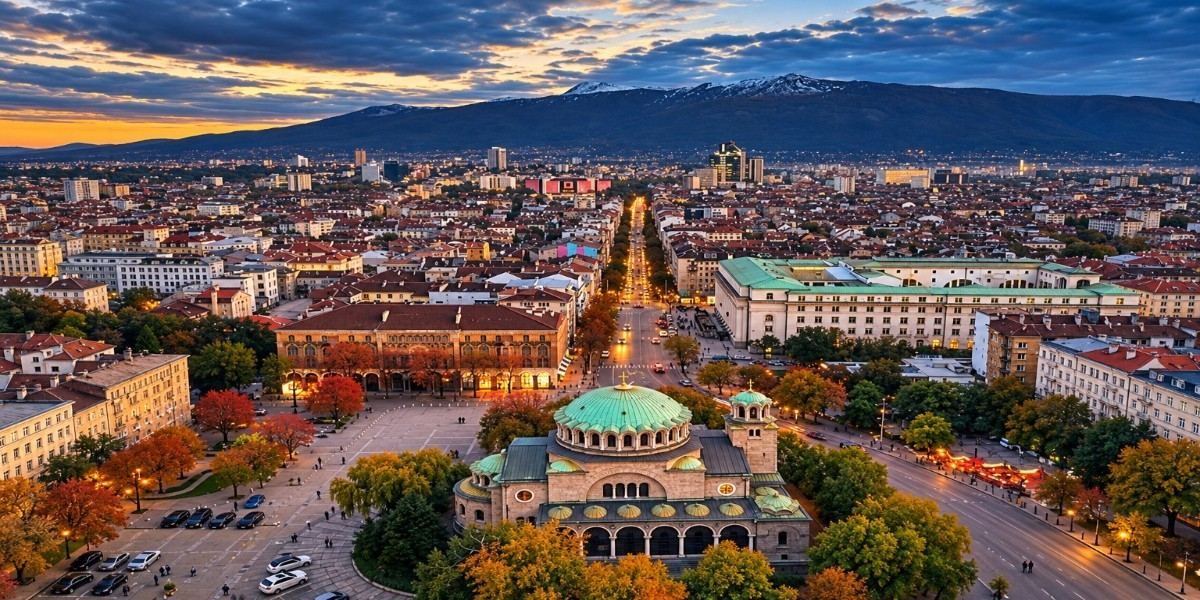
MBBS in Bulgaria offers Indian students English-medium medical education, established universities and clinical training in Europe. For MBBS in Bulgaria 2026–27, students should verify tuition fees, NEET eligibility, entrance exams and compliance with NMC FMGL Regulations, 2021, including internship and medical licensing requirements.
Bulgaria attracts international medical students through its established medical universities,, European academic environment and structured hospital-based education.
Students exploring MBBS Abroad may consider Bulgaria for its medical education system, university teaching hospitals and tuition fees that can be lower than those at certain private medical institutions in Western Europe.
Bulgaria has a medical education system supported by public medical universities, teaching hospitals and healthcare research institutions.
Universities such as Medical University of Sofia, Medical University of Plovdiv, Medical University of Varna and Medical University of Pleven offer established medical programmes.
The medical curriculum combines basic sciences, laboratory instruction, preclinical subjects, clinical medicine, hospital practice and final State Examinations. Here, students progress from theoretical medical knowledge to supervised clinical learning.
Several medical universities in Bulgaria offer English-taught Medicine programmes for international students.
These include:
Medical University of Sofia
Medical University of Plovdiv
Medical University of Varna
Medical University of Pleven
Trakia University
Sofia University St. Kliment Ohridski
Students should verify the teaching language of the complete programme, including examinations, clinical assessments and hospital rotations.
Although academic instruction may be in English, Bulgarian-language skills are important when communicating with patients.
Clinical training is an important component of medical education in Bulgaria. Depending on the university and its affiliated hospitals, students may participate in:
Hospital ward rounds
Patient history taking
Physical examinations
Clinical case discussions
Laboratory investigations
Surgical observations
Emergency Medicine
Internal Medicine
Pediatrics
Obstetrics and Gynaecology
Family Medicine
Community healthcare
The duration, supervision and assessment of clinical training depend on the university's approved curriculum.
Bulgaria is a member of the European Union and participates in the European Higher Education Area. Medical students may benefit from European academic standards, research activities, international conferences and university exchange opportunities.
However, holding a medical degree from an EU country does not automatically provide unrestricted professional practice rights throughout Europe.
One attraction of MBBS in Bulgaria for Indian students is the availability of English-medium medicine programmes with published annual tuition fees.
For the 2026–27 academic year, examples include:
Medical University of Pleven: €9,000 annually (₹9.63 lakh)
Trakia University: €9,000 annually (₹9.63 lakh)
Medical University of Sofia: €9,950 annually (₹10.65 lakh)
Medical University of Plovdiv: €10,000 annually (₹10.70 lakh)
Medical University of Varna: €10,000 for first-year English-medium Medicine (₹10.70 lakh)
Tuition fees may differ by academic year, student category and stage of study.
Bulgarian medical universities offer academic education supported by teaching hospitals, clinical departments and medical research facilities.
Depending on the institution, facilities may include:
University teaching hospitals
Clinical laboratories
Anatomy departments
Simulation centres
Diagnostic imaging facilities
Specialist medical units
Research departments
Medical libraries
Students should verify which facilities and clinical placements are available to international medical students.
Some of the main benefits of studying MBBS in Bulgaria are listed below:
Six-year medical programmes
English-medium education at selected universities
Established public medical universities
European academic environment
Supervised clinical training
University teaching hospitals
Research opportunities
Medical simulation facilities
International student communities
Accommodation options
Opportunities to learn Bulgarian
Medical conferences and university activities
Access to public transportation
Postgraduate medical education pathways
Students should also consider admission competition, Biology and Chemistry entrance examinations, Bulgarian-language requirements, internship arrangements and NMC eligibility after MBBS in Bulgaria.
Bulgaria is located in Southeastern Europe, on the Balkan Peninsula. It is known for its historical cities, mountain landscapes, Black Sea coastline, cultural traditions and universities.
Sofia is the capital and an important centre for education, healthcare and medical research. Bulgaria is a member of the European Union and the Schengen Area.
Bulgaria adopted the euro (€) on 1 January 2026. The Bulgarian lev is no longer the current national currency. Therefore, MBBS in Bulgaria fees 2026–27 should be presented primarily in euros rather than lev.
Major educational cities include:
Sofia
Plovdiv
Varna
Pleven
Stara Zagora
Burgas
Ruse
Veliko Tarnovo
Students considering MBBS admission in Bulgaria should compare universities based on tuition fees, admission requirements, accommodation, transportation and teaching hospitals.
Bulgarian culture reflects a combination of Balkan traditions, regional customs, music, literature, architecture and festivals. Students may experience Christmas, Easter, national celebrations and local cultural events.
Larger university cities have international student communities, restaurants and cultural activities. It must be noted that learning basic Bulgarian helps students communicate with residents and understand local customs.
Bulgaria experiences four distinct seasons.Winters can be cold, particularly in Sofia and inland regions, while summers are generally warm. Varna and other Black Sea coastal areas experience different weather conditions from inland cities.
Indian students should prepare suitable winter clothing and confirm heating arrangements in their accommodation.
Bulgaria offers traditional European and international cuisine.
Indian students may find:
Rice
Bread
Pasta
Potatoes
Vegetables
Salads
Soups
Chicken dishes
Vegetarian meals
Bulgarian cuisine
Indian food
Self-cooked meals
Indian restaurants and international grocery options are generally more accessible in larger cities such as Sofia, Plovdiv and Varna. Vegetarian students should confirm nearby grocery facilities and kitchen access.
Students pursuing medicine in Bulgaria may participate in academic clubs, research activities, university sports, medical conferences, cultural programmes and community events.
International student associations can help students adapt to their academic environment.
Particular | Details |
Course Name | Medicine |
Common Search Term | MBBS in Bulgaria |
Official Qualification | Master's degree in Medicine |
Course Duration | 6 years (5 +1) |
Academic Structure | 12 semesters |
Academic Credits | Generally 360 ECTS |
Medium of Instruction | English or Bulgarian |
Clinical Language | Bulgarian is important |
Academic Eligibility | Recognised Class 12 or equivalent |
NEET | Required under applicable Indian regulations |
Entrance Examination | University-specific Biology and Chemistry tests |
Public English-Medium Tuition | Approximately €9,000–€10,000 annually at major universities for 2026–27 |
Living Expenses | Approximately €500–€900 monthly |
Main Intake | Generally September–October; Pleven has a February intake |
Practical Training | Integrated clinical education and pre-graduation internship |
Medical Licensing | Subject to Bulgarian professional requirements |
Indian Registration | Subject to NMC regulations |
Student Visa | Bulgarian national long-stay visa (Type D) |
Capital | Sofia |
Currency | Euro (€) |
All rupee conversions in this page use an illustrative exchange rate of €1 = ₹107. Actual exchange rates, university charges and payment costs may differ.
Students frequently ask, how many years is MBBS in Bulgaria?
The standard MBBS course duration in Bulgaria is 6 years, generally comprising 12 semesters and 360 ECTS credits.
The programme progresses from basic medical sciences to clinical subjects, supervised hospital training and final State Examinations.
The first two years focus on developing a foundation in medicine and understanding the human body.
Common subjects include:
Human Anatomy
Physiology
Biochemistry
Histology
Embryology
Cell Biology
Medical Genetics
Medical Biology
Medical Chemistry
Medical Physics
Medical Ethics
Students generally attend lectures, laboratory sessions, seminars and practical examinations. Some universities also introduce medical communication and early clinical observation.
During the middle years, students study diseases, diagnostic methods and medical treatment principles.
Subjects may include:
Pathology
Pharmacology
Microbiology
Immunology
Internal Medicine
General Surgery
Clinical Examination
Diagnostic Imaging
Public Health
Epidemiology
Clinical demonstrations, hospital placements and supervised learning become increasingly important.
The later years focus on advanced medical subjects and practical clinical education.
Students may study:
Internal Medicine
General Surgery
Pediatrics
Obstetrics and Gynaecology
Orthopaedics
Psychiatry
Dermatology
Ophthalmology
ENT
Neurology
Emergency Medicine
Anaesthesiology
Family Medicine
The sixth year generally includes substantial practical clinical training, commonly described as a pre-graduation internship.
Students must also complete the university's final academic and State Examination requirements.
The internship after MBBS in Bulgaria differs from the compulsory rotating internship commonly followed in India.
Bulgarian medical education includes supervised clinical training and a pre-graduation internship within the six-year degree programme.
At Medical University of Plovdiv, the standard Medicine programme consists of 10 academic semesters followed by a 12-month pre-diploma clinical clerkship.
The pre-graduation internship forms part of the qualification and is completed before graduation.
Indian students should not automatically assume that this integrated training satisfies India's separate 12-month foreign internship requirement.
The clinical internship generally covers major medical specialties.
Training Area | Practical Learning |
Internal Medicine | Diagnosis, treatment and patient assessment |
General Surgery | Surgical patient care and clinical procedures |
Pediatrics | Child healthcare |
Obstetrics and Gynaecology | Maternal and reproductive healthcare |
Emergency Medicine | Urgent medical assessment |
General Medicine | Primary healthcare |
Infectious Diseases and Public Health | Disease prevention and community medicine |
The duration of each rotation depends on the university's approved curriculum.
At Medical University of Varna, the pre-graduation internship includes rotations in Internal Medicine, Surgery, Pediatrics, Obstetrics and Gynaecology, General Medicine and other clinical areas.
At Medical University of Sofia, pre-graduation practical education forms part of the six-year Medicine curriculum and is followed by final State Examinations.
At Medical University of Plovdiv, the published curriculum specifically identifies a 12-month pre-diploma clinical clerkship after 10 semesters.
Although these structures provide clinical learning, students must verify their treatment under applicable Indian foreign medical graduate regulations.
Indian students must confirm whether their selected institution provides a separate internship arrangement satisfying the NMC FMGL Regulations, 2021.
Important considerations include internship duration, timing, institution, clinical departments, supervision, official documentation and local licensing eligibility.
The fact that a university describes its final year as an internship does not automatically establish eligibility for registration in India.
The medium of instruction for MBBS in Bulgaria depends on the selected university and programme.
Several public universities offer English-taught Medicine courses for international students, while Bulgarian-medium programmes are also available.
Students considering English-medium MBBS in Bulgaria should confirm that English is used throughout the qualifying medical programme.
Important areas include:
Classroom teaching
Laboratory instruction
Written examinations
Practical assessments
Clinical teaching
Final State Examinations
Official academic documentation
Indian students intending to return home should obtain written confirmation concerning the complete programme.
Bulgarian-language proficiency becomes important during patient-facing clinical education.
Students may need Bulgarian to understand patients' symptoms, take medical histories, communicate with hospital staff and follow clinical instructions.
English-medium programmes may therefore include Bulgarian language instruction. Students should confirm the level of Bulgarian required for hospital rotations.
Graduates intending to practise medicine in Bulgaria must satisfy the relevant professional registration and communication requirements.
English-medium academic education does not automatically remove Bulgarian-language requirements for clinical practice or employment.
The main MBBS admission intake in Bulgaria generally begins during September or October.
However, the admission schedule differs between universities. For example, Medical University of Pleven offers an English-medium Medicine intake beginning in February.
Its February 2027 intake application period opened on 1 June 2026, with an application deadline of 1 October 2026. Students planning MBBS in Bulgaria admission 2027 should verify university-specific deadlines rather than assuming all institutions follow the same intake schedule.
The total cost of MBBS in Bulgaria for Indian students depends on the university, annual tuition, accommodation and personal lifestyle.
For 2026–27, major English-medium medical universities publish annual first-year tuition of approximately €9,000–€10,000 (₹9.63–₹10.70 lakh). Some universities revise the fees for different academic years. At the Medical University of Varna, the published 2026–27 fees vary according to the student's year of study.
Indian medical students should budget approximately €500–€900 (₹53,500–₹96,300) per month for general living expenses.
The amount depends on rent, food, transport, utilities and personal spending. Sofia may be more expensive than Pleven or Stara Zagora.
Students should calculate the full six-year educational cost, including tuition, housing, food, health insurance, visa, transportation and personal expenses.
For an illustrative university charging €9,000–€10,000 annually:
Six-year tuition: €54,000–€60,000 (₹57.78–₹64.20 lakh)
Six-year living expenses: €36,000–€64,800 (₹38.52–₹69.34 lakh)
Combined total: €90,000–€124,800 (₹96.30 lakh–₹1.34 crore)
These estimates exclude additional charges, fee increases, separately required internships and professional licensing expenses.
The MBBS in Bulgaria eligibility criteria for Indian students depend on academic qualifications, entrance examination performance and university admission requirements.
Indian applicants generally need:
Class 12 or equivalent qualification
Physics, Chemistry and Biology
Recognised secondary education documents
Required academic grades
Entrance examination eligibility
Applicable NEET qualification
English-language proficiency
Valid passport and identification
Universities may also require proof that the applicant's previous education qualifies them for university admission.
Students frequently search for the minimum percentage required for MBBS in Bulgaria and PCB marks required for medical admission in Bulgaria.
Universities generally evaluate secondary school academic results, particularly Biology and Chemistry.
The required grades and admission ranking rules differ by institution. Indian students must also satisfy the applicable NEET eligibility requirements if they intend to pursue medical registration in India.
The commonly referenced Indian PCB eligibility thresholds have included 50% for General-category applicants and 40% for SC and ST categories, subject to current regulations. Students should not assume that meeting the minimum percentage guarantees admission.
Bulgarian universities may require formal recognition of foreign secondary education documents. Depending on the institution, applicants may need:
Class 12 certificate
Academic transcripts
Recognition of secondary education
Certified Bulgarian translations
Apostilled or legalised documents
Proof of eligibility for higher education
Students should check the university's specific instructions before arranging translations and recognition services.
Students frequently ask, is NEET required for MBBS in Bulgaria? You must know one thing that all of the Bulgarian universities generally use their own Biology and Chemistry entrance examinations rather than Indian NEET scores as their primary medical admission criterion.
However, Indian students planning to return and practise medicine in India must satisfy the applicable NEET qualification requirements for MBBS abroad.
Students searching for NEET score required for MBBS in Bulgaria, NEET rank for MBBS abroad and minimum NEET marks for Bulgaria MBBS should understand that Bulgarian universities do not have one universal admission cutoff based on Indian NEET ranks.
Selection generally depends on:
Academic qualifications
Biology marks
Chemistry marks
University entrance examination results
English-language proficiency
Available seats
Admission ranking rules
A qualifying NEET score does not guarantee university admission.
Indian applicants should satisfy the applicable age requirements relevant to NEET eligibility and future medical registration. For the Indian NEET pathway, applicants generally need to be at least 17 years old by 31 December of the relevant examination year.
Bulgarian universities may apply additional age or documentation conditions.
Depending on the university, applicants may need entrance examinations in Biology, Chemistry and English. Some institutions also evaluate language qualifications, secondary school grades and additional documents.
The MBBS entrance examination in Bulgaria is an important part of admission to English-medium medical universities.
Unlike Italy's IMAT system, Bulgaria does not have one universal English-medium medical entrance examination administered for every institution. Each university follows its own admission procedures and examination calendar.
The medical entrance examinations generally assess students' knowledge of Biology and Chemistry.
Some universities also require an English-language examination or an accepted proof of English proficiency.
Admission can depend on entrance test scores, secondary school grades and the university's ranking rules.
Particular | Details |
Examination Name | University-specific Medicine entrance examination |
Academic Session | 2026–27 |
Main Subjects | Biology and Chemistry |
Additional Language Assessment | English, where required |
Examination Language | English for English-taught programmes |
Total Questions | University-specific |
Duration | University-specific |
Admission Ranking | Entrance results and academic grades |
Application | University-specific registration |
Purpose | Admission to English-medium Medicine |
Examination dates vary by university.
For example, Medical University of Varna conducted non-EU online entry tests on:
4 April 2026
16 May 2026
13 June 2026
Additional dates were available for EU applicants.
Medical University of Pleven followed a different timetable for admission to its February 2027 intake. Students preparing for future admission should verify the dates applicable to their university and applicant category.
The Bulgaria medical entrance exam pattern varies across universities. Medical University of Varna's 2026 Biology and Chemistry tests included five types of questions:
Multiple-choice questions
Gap-filling questions
Matching questions
True-or-false questions
Definitions and short explanations
Each subject test lasted 90 minutes.
The multiple-choice section did not apply negative marking for incorrect answers, according to the university's published examination instructions. Other universities may use different formats and scoring rules.
The Medical University of Varna entrance exam assesses Biology and Chemistv ry knowledge relevant to secondary school education. Candidates should prepare for scientific concepts, basic terminology, practical understanding and problem-solving.
The examination may include both objective questions and short written responses. Students should use the official syllabus for the relevant academic session.
The Medical University of Sofia entrance exam for English-language Medicine includes Biology, Chemistry and English components.
The university considers the relevant secondary school grades and entrance examination performance when ranking candidates. For 2026–27, the published entrance examination fee is €210 (₹22,470).
The application document fee is €55 (₹5,885). These are separate administrative costs and do not form part of annual tuition.
The Medical University of Plovdiv entrance exam assesses relevant admission requirements for international students applying to English-medium Medicine.
The university publishes university-specific entrance examination dates and admission rankings.
Admission depends on the applicant's examination performance and applicable selection rules.
The Medical University of Pleven entrance exam requires applicants to complete Biology and Chemistry assessments.
For 2026–27, the university lists an examination fee of €200 (₹21,400). A separate registration fee of €40 (₹4,280) applies.
The university also offers an English-language preparatory course for applicants requiring additional academic or language preparation.
Trakia University uses entrance examination results in Biology and Chemistry together with relevant secondary school grades for ranking Medicine applicants.
Candidates who fail the required entrance examinations or English assessment are not included in the final admission ranking.
The 2026 published ranking rules indicate that Biology and Chemistry entrance examination grades are weighted in the admission calculation.
Indian applicants generally need:
Recognised secondary education qualification
Physics, Chemistry and Biology
Required academic grades
Valid passport
Admission application
Entrance examination registration
English-language proficiency
Applicable NEET qualification
Additional documentation may be required during final enrollment.
Medical University | Main Admission Assessment |
Biology, Chemistry and English | |
University-specific science and language assessment | |
Biology and Chemistry | |
Biology and Chemistry | |
Biology, Chemistry and English eligibility | |
University-specific Medicine admission requirements |
Students should confirm the current examination rules directly with the relevant institution.
Students researching MBBS in Bulgaria cutoff, medical university cutoff in Bulgaria and Bulgaria medical entrance exam passing marks should understand that there is no universal cutoff applicable to every medical university.
Admission depends on examination difficulty, applicant performance, available seats and ranking rules.
Medical University of Plovdiv published minimum Medicine admission scores for several 2026 ranking rounds.
2026 Ranking Round | Minimum Medicine Score |
23 April 2026 | 39.12 |
26 May 2026 | 34.14 |
23 June 2026 | 34.50 |
These are university-specific ranking figures under its own scoring system. They are not IMAT-style scores, percentage marks or national Bulgarian medicine cutoffs. Future rankings may differ.
Students should not compare scores from different Bulgarian universities as if the examination systems were identical. A score sufficient for admission to one institution may not secure admission elsewhere.
Important factors include:
Entrance examination performance
Biology and Chemistry grades
English proficiency
Applicant category
Available seats
Ranking rules
NEET and Bulgarian medical entrance examinations serve different purposes.
NEET is relevant to Indian medical education eligibility and future registration, while Bulgarian university examinations determine admission to selected Medicine programmes.
Indian students planning to practise medicine in India must assess both requirements.
Bulgarian universities admit international students according to institutional capacity, admission rules and programme availability.
Students should review the available seats for English-taught Medicine and confirm whether any restrictions apply to their applicant category.
Some Bulgarian medical universities conduct online examinations, while others may require assessments at authorised locations.
Medical University of Varna offered online Biology and Chemistry tests during its 2026 admission cycle.
Students should follow the approved identification and examination procedures.
Entrance examination fees differ by institution.
Confirmed examples for 2026–27 include:
University | Examination Fee |
Medical University of Sofia | €210 (₹22,470) |
Medical University of Pleven | €200 (₹21,400) |
Other Institutions | University-specific |
Applicants may also need to pay registration, document recognition or translation charges.
To Apply for MBBS entrance exams in bulgaria, the students should following step by step process:
Step 1: Check University Eligibility
Select an accredited university offering English-taught Medicine.
Step 2: Verify Academic Qualifications
Confirm that your Class 12 qualification meets the admission requirements.
Step 3: Check NEET Eligibility
Ensure compliance with Indian medical education regulations.
Step 4: Prepare Academic Documents
Arrange Class 10 and Class 12 certificates, marksheets and passport details.
Step 5: Complete Qualification Recognition
Follow the required process for recognising foreign secondary education.
Step 6: Register for Entrance Examinations
Apply for Biology, Chemistry and English examinations as required.
Step 7: Pay the Examination Fee
Complete payment through the university's authorised method.
Step 8: Attend the Examinations
Take the examination according to the published schedule.
Step 9: Check Admission Rankings
Review examination results and the university's ranking decisions.
Step 10: Complete University Enrolment
If selected, submit final documents and meet enrolment deadlines.
Applicants may need:
Valid passport
Class 12 certificate
Academic transcripts
Secondary school qualification recognition
Entrance examination registration
Payment receipt
English-language evidence where required
Applicant-category documents
The exact requirements depend on the university.
Feature | Bulgarian Medical Entrance Exam | NEET UG |
Country | Bulgaria | India |
Purpose | University medical admission | Indian medical admission and eligibility |
Main Subjects | Biology and Chemistry | Physics, Chemistry and Biology |
Language | English for English-medium programmes | As permitted in NEET |
Selection | University ranking | Indian medical counselling |
Relevance | Bulgarian Medicine programmes | Applicable Indian regulations |
Students considering MBBS abroad after NEET should understand that NEET qualification does not replace a Bulgarian university's admission examination.
Students searching for private medical universities in Bulgaria should understand that several major English-medium Medicine programmes are offered by public universities on tuition-paying international student pathways.
These programmes may charge substantial tuition despite being operated by state universities.
Private or tuition-paying international admission does not automatically guarantee easier entry.
For example, major public medical universities charge approximately €9,000–€10,000 (₹9.63–₹10.70 lakh) annually for 2026–27 English-medium Medicine, while students must still meet Biology, Chemistry and language requirements.
Accommodation may cost approximately €75–€400 (₹8,025–₹42,800) monthly, depending on whether the student obtains a subsidised university hostel or private housing.
Applicants should compare academic standards, entrance requirements, tuition, hospital training and professional licensing eligibility.
The NMC rules for MBBS in Bulgaria are important for Indian students planning to return to India and practise medicine.
The Foreign Medical Graduate Licentiate Regulations, 2021, establish requirements relating to foreign medical qualifications, course duration, clinical training, internship and professional licensing.
Requirement | Important Consideration |
Medical Education | Minimum 54 months |
Foreign Internship | Minimum 12 months under applicable regulations |
Internship Institution | As prescribed by the FMGL framework |
Teaching Language | English |
Curriculum | Required medical subjects |
Clinical Training | Appropriate practical education |
Local Licensing | Eligibility to obtain professional medical registration in the awarding country |
Indian Examination | FMGE or prescribed licensing examination |
Internship in India | Supervised training under applicable regulations |
Registration | Competent Indian medical authority |
Bulgaria's standard Medicine programme lasts six years. However, satisfying the overall duration requirement does not automatically establish compliance with every NMC condition.
Students must verify how many months constitute qualifying medical education and whether any separately required foreign internship is available.
Several Bulgarian medical universities provide English-taught Medicine. Indian students should obtain written confirmation that English is the language of the complete qualifying programme, including relevant examinations and clinical instruction.
Bulgarian-language patient communication requirements should also be clarified.
The NMC framework generally requires at least 12 months of qualifying foreign internship in addition to the prescribed medical education.
Bulgaria commonly includes a substantial pre-graduation clerkship within its six-year programme.
Students should not assume that an integrated final-year internship automatically satisfies India's separate foreign internship requirement.
At Medical University of Plovdiv, the course includes 10 semesters and a 12-month pre-diploma clinical clerkship.
This may appear similar to a five-year-plus-one-year model, but its legal status remains part of the Bulgarian Master's degree programme.
Indian students should seek authoritative clarification about whether additional foreign practical training would be needed.
Students should verify teaching hospitals, required medical subjects, practical assessments and supervised clinical exposure.
The presence of a teaching hospital alone does not establish that a course meets every requirement under Indian regulations.
Indian applicants should confirm whether the Bulgarian qualification provides the necessary entitlement to professional medical registration in Bulgaria.
The conditions for registering with the Bulgarian Medical Association and obtaining permission to practise must be verified.
Eligible foreign medical graduates may need to complete the prescribed supervised internship in India.
The Bulgarian clinical internship and Indian internship requirements must be considered separately.
Students searching for NMC New Registration Rules, NMC Gazette 2021, FMGL Regulations 2021 and FMGE eligibility after MBBS in Bulgaria should verify:
Medical education duration
English-medium instruction
Required medical subjects
Foreign internship duration
Clinical training
Local medical licensing entitlement
Indian screening or licensing examination
Internship in India
Medical registration requirements
Students should avoid relying on promotional claims that an institution is NMC approved.
Students researching a medical licence after MBBS in Bulgaria should understand that completing a medical degree and obtaining professional registration are separate considerations.
Bulgaria follows a six-year medical education framework involving theoretical education, clinical training, pre-graduation internship and State Examinations.
After successfully completing the prescribed Medicine programme and final State Examinations, students generally receive a Master's degree in Medicine and the professional qualification of Physician.
The exact degree title and associated professional entitlements should be verified through the university.
The Bulgarian pre-graduation internship is designed to develop clinical competence before graduation.
It generally includes training in:
Internal Medicine
General Surgery
Pediatrics
Obstetrics and Gynaecology
General Medicine
Emergency Medicine
Public Health
Students should confirm the specific internship programme and practical training documentation at their university.
Graduates wishing to practise medicine in Bulgaria must satisfy the applicable professional registration requirements.
Professional medical practice is associated with registration through the relevant Bulgarian medical regulatory system, including the Bulgarian Medical Association where applicable.
A medical qualification alone should not be treated as a substitute for all required registration formalities.
Bulgarian-language proficiency is important for patient communication, medical documentation and professional responsibilities.
Graduates who studied medicine in English should prepare for the language requirements associated with clinical practice.
Indian graduates may explore medical practice in Bulgaria if they satisfy the relevant qualification, professional registration, language and immigration requirements.
However, completion of an English-medium medical programme does not automatically guarantee unrestricted employment or medical practice rights.
No. Bulgarian professional registration and Indian foreign medical graduate registration are separate systems. Students seeking to practise in India must independently meet the applicable NMC requirements.
Students searching for NMC recognised medical universities in Bulgaria, WHO recognised medical colleges in Bulgaria and WDOMS listed medical universities in Bulgaria should distinguish institutional recognition from eligibility for medical registration.
Students should verify that the selected university is legally authorised to award a medical qualification.
Important considerations include:
Official institution name
State or institutional accreditation
Degree-awarding authority
Approved medical programme
Teaching campus
Medium of instruction
Clinical training arrangements
The World Directory of Medical Schools (WDOMS) provides information about medical education institutions. Students may check whether their selected medical university appears in the directory.
However, WDOMS listing does not automatically establish eligibility for Indian medical registration.
Students frequently search for WHO approved medical universities in Bulgaria. The World Health Organization (WHO) does not provide blanket approval guaranteeing that graduates from a particular university can practise medicine in India.
International listings should not replace individual regulatory verification.
Bulgaria is a member of the European Union, and its medical education framework operates within the European regulatory environment.
However, eligibility for medical practice in another EU country depends on the relevant recognition, registration, language and professional requirements. Indian citizens should also verify immigration and employment conditions separately.
Indian students must verify the complete medical programme, including course duration, English-medium instruction, required medical subjects, clinical training, internship arrangements and local licensing eligibility.
Students researching the top medical colleges in Bulgaria, best medical universities in Bulgaria for Indian students and English-medium medical universities in Bulgaria may consider the following established institutions.
Medical University | Location | University Type |
Medical University of Sofia | Sofia | Public |
Medical University of Plovdiv | Plovdiv | Public |
Medical University of Varna | Varna | Public |
Medical University of Pleven | Pleven | Public |
Trakia University – Faculty of Medicine | Stara Zagora | Public |
Sofia University St. Kliment Ohridski – Faculty of Medicine | Sofia | Public |
These institutions are not presented as an official ranking. English-language programme availability, admission criteria and tuition must be confirmed individually.
Medical University of Sofia is an established public medical university in Bulgaria's capital.
Its Faculty of Medicine offers a six-year medical programme combining basic medical sciences, clinical education and supervised hospital training. The university's medical curriculum concludes with pre-graduation clinical practice and final State Examinations. For 2026–27, the published English-medium Medicine tuition is €9,950 (₹10.65 lakh) annually.
Applicants must satisfy the university's academic and entrance examination requirements.
Medical University of Plovdiv is a public medical university offering English-taught Medicine, Dental Medicine and other healthcare programmes. Its six-year Medicine programme consists of 10 academic semesters followed by a 12-month pre-diploma clinical clerkship.
The curriculum combines theoretical learning, laboratory education and supervised clinical training. The published first-year English-medium Medicine tuition for 2026–27 is €10,000 (₹10.70 lakh).
Applicants should verify entrance examination requirements, accommodation costs and final tuition arrangements.
Medical University of Varna, named after Prof. Dr. Paraskev Stoyanov, is a public medical university located on Bulgaria's Black Sea coast.
The university offers a six-year English-medium Medicine programme supported by academic departments and teaching hospitals. Students receive education in foundational medical sciences, clinical medicine and practical hospital training.
Its published 2026–27 fee schedule includes:
First and second-year students: €10,000 annually (₹10.70 lakh)
Third and fourth-year students: €9,100 annually (₹9.74 lakh)
Fifth and sixth-year students: €9,000 annually (₹9.63 lakh)
These rates apply to students in the specified years during 2026–27. They are not a guarantee of future fees for a newly admitted student over 6 years.
Medical University of Pleven provides six-year English-medium medical education.
The university offers Medicine with practical clinical training and university-specific entrance examinations. Its published 2026–27 annual tuition is €9,000 (₹9.63 lakh). A distinctive feature of this university is its, February intake for English-medium Medicine.
Students should confirm application deadlines, entrance examinations and residence arrangements.
Trakia University is a public university in Stara Zagora offering Medicine through its Faculty of Medicine.
The English-medium admission pathway includes Biology and Chemistry examinations and relevant academic assessment. The university's published 2026–27 English-medium Medicine fee is €9,000 (₹9.63 lakh) annually.
Applicants should review the university's admission ranking conditions and programme language requirements.
Sofia University St. Kliment Ohridski is an established public university with a Faculty of Medicine. Students considering its medical programme should verify the English-medium course availability, tuition, application requirements and clinical training arrangements for 2026–27.
Its admission and financial conditions should not be assumed to be identical to those of Medical University of Sofia. They are separate institutions.
Public medical universities are popular among students searching for affordable MBBS in Bulgaria. However, international English-medium programmes generally charge tuition fees.
Students should compare university recognition, entrance requirements, available seats, fees, teaching language, clinical training, internship structure, Bulgarian licensing eligibility and NMC regulations.
Students researching private medical universities in Bulgaria should distinguish private education providers from public universities offering paid international medical programmes.
Many of Bulgaria's established English-taught Medicine programmes are offered by public institutions.
Applicants should verify that any private institution is authorised to award a qualifying medical degree and provides the required clinical education.
The MBBS in Bulgaria for Indian students fee structure depends on the university, academic year, applicant category and tuition policy.
Published 2026–27 first-year English-medium Medicine tuition at several major universities is approximately €9,000–€10,000 (₹9.63–₹10.70 lakh) annually.
Actual fees can change during the course.
Students should obtain an official fee schedule and understand whether tuition is payable annually or semester-wise.
Medical University | Published 2026–27 Annual Tuition | Approximate INR |
Medical University of Sofia | €9,950 | ₹10.65 lakh |
Medical University of Plovdiv | €10,000 for newly admitted first-year students | ₹10.70 lakh |
Medical University of Varna | €10,000 for first- and second-year students | ₹10.70 lakh |
Medical University of Pleven | €9,000 | ₹9.63 lakh |
Trakia University | €9,000 | ₹9.63 lakh |
Sofia University | Confirm current English-medium Medicine fee | University-specific |
Students should not treat first-year fees as guaranteed tuition for all six years.
Using an approximate conversion of €1 = ₹107:
Euro Amount | Approximate INR |
€100 | ₹10,700 |
€250 | ₹26,750 |
€500 | ₹53,500 |
€1,000 | ₹1.07 lakh |
€3,000 | ₹3.21 lakh |
€5,000 | ₹5.35 lakh |
€7,000 | ₹7.49 lakh |
€9,000 | ₹9.63 lakh |
€9,950 | ₹10.65 lakh |
€10,000 | ₹10.70 lakh |
€15,000 | ₹16.05 lakh |
Actual INR costs depend on exchange rates and bank charges.
Hostel expenses for Indian students studying MBBS in Bulgaria may be approximately €75–€200 (₹8,025–₹21,400) monthly at selected student residences, depending on university availability and room category.
Medical University of Pleven publishes hostel expenses of €75–€95 (₹8,025–₹10,165) monthly.
Private rooms or shared apartments may cost approximately €150–€400 (₹16,050–₹42,800) monthly.
Food expenses for Indian MBBS students in Bulgaria are approximately €200–€350 (₹21,400–₹37,450) monthly, depending on dietary preferences and lifestyle. Students can reduce expenses through university cafeterias, supermarkets and self-cooking.
International students generally need appropriate health insurance during their studies. A provisional budget of €150–€400 (₹16,050–₹42,800) annually may be used for initial planning, but actual charges depend on the insurer, coverage and student eligibility. Students should obtain a policy that satisfies university and immigration requirements.
Indian students may budget approximately €400–€1,000 (₹42,800–₹1.07 lakh) for selected initial additional expenses, depending on individual requirements.
These may include application fees, entrance examinations, document recognition, translations, insurance arrangements, residence permits and academic supplies.
Tuition, accommodation and international flights are excluded from this estimate.
The total cost of MBBS in Bulgaria for six years depends on tuition and living expenses.
Expense | Approximate Six-Year Cost |
Tuition at €9,000–€10,000 annually | €54,000–€60,000 (₹57.78–₹64.20 lakh) |
Living Expenses at €500–€900 monthly | €36,000–€64,800 (₹38.52–₹69.34 lakh) |
Combined Estimate | €90,000–€124,800 (₹96.30 lakh–₹1.34 crore) |
These are illustrative six-year planning estimates. Actual tuition may vary by academic year, and extra charges, separately required internships, travel and licensing expenses are excluded.
Students searching for low-cost MBBS in Bulgaria, cheapest medical university in Bulgaria and affordable medical universities in Bulgaria for Indian students should compare published tuition and the total cost of living.
Medical University of Pleven and Trakia University list English-medium Medicine tuition of €9,000 annually for 2026–27.
However, lower tuition should not be the only consideration. Students should evaluate admission requirements, clinical training, university recognition and NMC compliance.
Accommodation for international medical students depends on the university and city.
Students may choose:
University residences
Student dormitories
Shared apartments
Private rented rooms
Homestays
Independent accommodation
Student accommodation may include furnished rooms, internet, shared kitchens, laundry facilities, heating and study spaces. Students should check security deposits, utility bills, transport links and distance from teaching hospitals.
University residences may cost approximately €75–€200 (₹8,025–₹21,400) monthly, where places are available.
Private rooms or apartments may cost approximately €150–€400 (₹16,050–₹42,800) or more depending on city and housing standards. It must also be noted that accommodation is not guaranteed at every university.
Indian students pursuing MBBS in Bulgaria can use university cafeterias, local restaurants, supermarkets and self-cooking facilities.
Common food options include rice, pasta, vegetables, soups, salads, chicken dishes, vegetarian meals and Bulgarian cuisine.
Indian restaurants and international grocery shops are more accessible in larger cities.Students following vegetarian diets should confirm kitchen facilities. Average food expenses may be approximately €200–€350 (₹21,400–₹37,450) monthly.
The cost of living in Bulgaria for Indian students varies according to the university city and lifestyle.
Expense | Approximate Monthly Cost |
Hostel / Shared Accommodation | €75–€400 (₹8,025–₹42,800) |
Food | €200–€350 (₹21,400–₹37,450) |
Local Transportation | €10–€50 (₹1,070–₹5,350) |
Mobile and Internet | €15–€40 (₹1,605–₹4,280) |
Personal Expenses | €75–€150 (₹8,025–₹16,050) |
Students should budget approximately €500–€900 (₹53,500–₹96,300) per month for general living expenses.
Costs may be higher for private accommodation in Sofia or frequent restaurant dining.
The individual expense ranges are planning figures and do not necessarily fit within every combination of the overall budget.
At €500–€900 monthly, annual expenses may be approximately €6,000–€10,800 (₹6.42–₹11.56 lakh).
Scholarships for MBBS in Bulgaria may be offered through universities, institutional funding arrangements or other educational support programmes.
Eligibility depends on:
Academic performance
Nationality
Financial circumstances
University policy
Required documentation
Available funding
Application deadlines
Scholarships for tuition-paying international Medicine programmes are not guaranteed.
Students should review the scholarship's academic criteria, nationality restrictions, financial requirements and continuation conditions.
Fully funded undergraduate medical scholarships may be limited. Therefore, the students should not assume that a scholarship granted for one year will cover the entire six-year programme.
Indian students planning MBBS in Bulgaria may travel from Delhi, Mumbai, Bengaluru, Hyderabad, Chennai or Kolkata to major Bulgarian airports. Common arrival destinations include Sofia and Varna. Flights may require international connections depending on the airline and route.
Students may budget approximately €300–€650 (₹32,100–₹69,550) for a one-way economy flight from India to Bulgaria. Actual airfare depends on departure city, airline, booking date, baggage allowance and travel season.
Students can use buses, trams, metro services, regional trains and taxis.
Students arriving in Sofia but studying in Pleven, Plovdiv or Stara Zagora should budget for onward transport.
Indian citizens generally require a Bulgarian national long-stay study visa (Type D) for a full medical degree.
The application process depends on university admission, educational documents, financial proof and applicable immigration requirements.
Students may need:
Valid passport
University admission confirmation
Visa application form
Academic qualifications
Secondary education recognition documents
Financial proof
Health insurance
Accommodation confirmation
Passport photographs
Other consular documents
Applicants should follow the latest official requirements for their intended visa category.
The standard Bulgarian long-stay Type D visa fee is €100 (₹10,700) for the category normally applicable under Article 15(1). Certain other long-stay categories may carry different fees.
Additional expenses may include document translations, insurance and visa application centre services.
International students generally need to apply for the appropriate Bulgarian residence permit after arriving. They should complete immigration registration and renewal formalities within the prescribed deadlines.
Graduates planning professional training or employment must verify their residence status and eligibility for medical registration. A student visa or residence permit does not automatically authorise independent medical practice.
Bulgaria offers public transportation in major cities, including buses, trams, metro services and regional trains.Sofia has an extensive urban transport network, including a metro system. Varna, Plovdiv, Pleven and Stara Zagora provide local transport services. Transportation costs vary by city, route and available student concessions.
There are several big cities located in Bulgaria where Indian students can go to complete their medical education:
Sofia is Bulgaria's capital and a major centre for medical education, research and healthcare.
It is home to the Medical University of Sofia and Sofia University. The city provides teaching hospitals, public transport and international student communities, although accommodation may be relatively expensive.
Plovdiv is home to Medical University of Plovdiv. The city offers university education, cultural attractions, healthcare institutions and public transportation. Accommodation may be comparatively less expensive than in Sofia.
Varna is a major city on Bulgaria's Black Sea coast. It is home to Medical University of Varna, which offers English-medium medical programmes and teaching hospital facilities. Students should consider seasonal accommodation demand and private rental prices.
Pleven is home to Medical University of Pleven. The city offers medical education and a comparatively smaller-city student environment.
The university publishes accommodation and living-cost guidance for international students.
Stara Zagora is home to Trakia University and its Faculty of Medicine. The city provides university education, local transportation and healthcare institutions. Students should verify accommodation availability near the faculty and affiliated hospitals.
Medical students may participate in football, basketball, volleyball, swimming, cycling, gym activities, research societies, academic clubs, medical conferences and cultural programmes.
University organisations and international student activities can help students develop connections beyond the classroom.
Students comparing MBBS in Bulgaria vs MBBS in India should understand differences in course duration, admission, tuition, internship and medical licensing.
Feature | MBBS in Bulgaria | MBBS in India |
Course Duration | 6 years | Approximately 5.5 years |
Qualification | Master's degree in Medicine | MBBS |
Medium of Instruction | English at selected universities | Generally English |
NEET | Required under applicable Indian regulations | Required |
Admission | University-specific entrance examination | NEET counselling |
Clinical Training | Bulgarian teaching hospitals | Indian teaching hospitals |
Internship | Integrated pre-graduation clerkship; NMC compliance must be verified | One-year compulsory rotating internship |
Tuition | University-dependent | Government/private college-dependent |
Medical Licensing | Bulgarian professional registration | Indian medical registration |
Indian Registration | Foreign medical graduate pathway | Domestic graduate pathway |
Indian students intending to practise medicine in India should prioritise NMC compliance when comparing the two pathways.
Country | Typical Duration | Tuition Level | Medium |
Bulgaria | 6 years | Moderate–High | English/Bulgarian |
Around 6 years | Variable | English/Italian | |
Around 6 years | Moderate–High | English at selected universities | |
Around 6 years and 3 months | Variable | Primarily German | |
Around 6 years | Moderate | English/Russian | |
Around 6 years | Moderate | English at selected universities | |
Around 6 years | Lower–Moderate | English/Armenian/Russian | |
Around 6 years | Moderate | English/Russian | |
Around 5–6 years | Moderate | English/local languages | |
Around 6 years | Lower–Moderate | English/local languages | |
Around 5–6 years | Lower–Moderate | English/local languages | |
Around 5.5 years | Moderate–High | English |
These are broad educational comparisons, not guarantees of compliance with Indian registration rules.
The MBBS syllabus in Bulgaria progresses from foundational sciences to clinical medicine and practical hospital training.
Academic Stage | Common Subjects |
Years 1–2 | Anatomy, Physiology, Biochemistry, Histology |
Years 2–3 | Pathology, Pharmacology, Microbiology |
Years 3–4 | Internal Medicine, Surgery, Clinical Diagnostics |
Years 4–5 | Pediatrics, Obstetrics and Gynaecology, Psychiatry |
Years 5–6 | Advanced Clinical Subjects and Hospital Training |
Final Stage | Pre-Graduation Internship and State Examinations |
Students study Anatomy, Physiology, Biochemistry, Histology, Embryology and related subjects.
Laboratory sessions and practical examinations help establish foundational medical knowledge.
Para-clinical education introduces Pathology, Pharmacology, Microbiology and Immunology.
Students learn about disease mechanisms, drug actions, infections and diagnostic methods.
Clinical education includes Internal Medicine, General Surgery, Pediatrics, Obstetrics and Gynaecology, Psychiatry, Orthopaedics, Neurology and other specialties.
Students develop clinical examination, diagnostic and treatment-planning skills.
Students generally complete clinical placements and pre-graduation practical training.
The exact curriculum varies by university.
Clinical training in Bulgaria involves supervised learning in university hospitals and affiliated healthcare institutions.
Students may participate in:
Hospital ward rounds
Patient interviews
Physical examinations
Diagnostic discussions
Clinical case presentations
Surgical observations
Emergency care
Internal Medicine
Pediatrics
Community healthcare
Clinical rotations introduce students to different medical specialties.
Students observe and participate in patient care under supervision according to their academic level.
The pre-graduation internship in Bulgaria provides practical hospital-based education during the final stage of the medical programme. The structure depends on the university's approved curriculum.
Indian students should distinguish integrated clinical placements and pre-graduation internship from the separate foreign internship requirements prescribed under applicable Indian regulations. Written clarification should be obtained before admission.
Below we have listed some things that Indian students should consider before pursuing MBBS in Bulgaria
Confirm that the institution is legally authorised to award the stated medical qualification.
Obtain written confirmation covering classroom teaching, examinations and the complete qualifying medical programme.
Meet the applicable Indian NEET eligibility requirements before pursuing medical education abroad.
Understand the Biology, Chemistry and English examination requirements of the selected university.
Confirm international admission capacity, ranking rules and programme availability.
Do not assume that Bulgaria's integrated pre-graduation internship automatically satisfies India's separate foreign internship requirement.
Verify course duration, medical subjects, teaching language, clinical training and local licensing eligibility.
Include tuition, accommodation, food, insurance, visa, travel and additional expenses.
Review deposits, instalments, cancellation conditions and tuition refund policies.
Graduates may explore different medical career pathways, subject to qualification recognition and professional registration.
Indian students must satisfy the applicable NMC foreign medical graduate requirements before practising medicine in India.
These may include:
Verification of the medical qualification
Required course duration
English-medium instruction compliance
Qualifying foreign internship
Local professional licensing entitlement
FMGE or prescribed Indian licensing examination
Supervised internship in India
Registration with the competent medical authority
Students researching FMGE after MBBS in Bulgaria, FMGE eligibility for Bulgarian medical graduates and NMC registration after MBBS abroad should understand that the prescribed Indian screening or licensing examination is part of the applicable foreign medical graduate registration pathway.
Passing the examination alone does not resolve deficiencies in course duration, teaching language, internship or licensing entitlement.
Graduates intending to practise medicine in Bulgaria must satisfy the relevant professional registration, qualification, language and immigration requirements.
The completion of an English-medium medical programme does not automatically provide unrestricted professional practice rights.
Eligible graduates may explore specialisation in:
Internal Medicine
General Surgery
Pediatrics
Orthopaedics
Radiology
Dermatology
Psychiatry
Anaesthesiology
Obstetrics and Gynaecology
Neurology
Admission depends on qualification recognition and the applicable specialist training requirements.
Graduates interested in the United States must assess ECFMG eligibility, USMLE examinations and residency requirements.
To practise medicing in Uk the applicants must satisfy the relevant General Medical Council registration, which is UKMLA.
Graduates may explore the Australian Medical Council(AMC) assessment and medical registration pathways.
Graduates may also pursue public health, medical research, healthcare administration and academic medicine.
The MBBS admission process in Bulgaria for Indian students depends on the selected university, academic qualifications and entrance examination.
AMW Career Point can assist students in understanding admission requirements, comparing medical universities and preparing applications.
Confirm Class 12 qualifications, Physics, Chemistry and Biology marks, required academic grades and NEET eligibility.
Compare university recognition, English-medium instruction, tuition fees, entrance examinations, teaching hospitals, clinical training, internship arrangements and licensing requirements.
Determine whether the secondary school documents require formal recognition, certified translations or legalisation.
Study Biology and Chemistry according to the selected university's admission syllabus.
Submit the required application form and supporting documents within the prescribed deadline.
Complete Biology, Chemistry and English examination registration where required.
Take the examinations according to the published schedule and identification requirements.
Review entrance examination scores, university rankings and selection decisions.
Verify the official admission offer, tuition fee and enrolment conditions.
Complete payments through authorised university channels and retain official receipts.
Prepare the Bulgarian Type D study visa application with the required academic, financial and admission documents.
Confirm housing, health insurance and international travel arrangements.
After arrival, complete final enrolment, document verification, university orientation, residence permit procedures and student identification.
Indian students may need:
Class 10 certificate and marksheet
Class 12 certificate and marksheet
Physics, Chemistry and Biology marks
NEET scorecard
Valid passport
Passport-size photographs
Academic transcripts
English-language proficiency evidence
Biology entrance examination results
Chemistry entrance examination results
University application form
Secondary education recognition documents
Certified translations
Apostilled documents where required
Admission letter
Tuition payment receipt
Health insurance
Proof of financial resources
Accommodation confirmation
Visa application documents
Requirements may change according to the university and admission cycle.
Graduates pursuing professional registration in Bulgaria may need:
Medical degree certificate
Academic transcripts
Clinical training records
Pre-graduation internship documentation
State Examination certificates
Identification documents
Bulgarian-language proficiency evidence where required
Professional registration application
Immigration documents where applicable
Additional records requested by the relevant medical authority
The requirements must be verified under the regulations applicable when the graduate applies.
Indian students generally need following documents to obtain bulgarian student visa:
Valid passport
Bulgarian Type D visa application form
University admission letter
Recognised academic qualifications
Proof of financial resources
Health insurance
Accommodation confirmation
Passport-size photographs
Relevant educational documents
Additional consular records
Students should follow the latest visa checklist for their application category.
Explore active university options with fee, duration, and accreditation details before you shortlist your preferred campus.
PartnerChoose the right country, shortlist the right university, and understand your next steps with one clear plan built around your NEET score and budget.
Arrange a free counselling sessionMBBS in Uzbekistan 2026-27: Fees, Universities, NMC Advisory & Everything Else Nobody Tells You Upfront
Lowest-Cost NMC-Compliant MBBS Abroad | English Medium | No Donation | ₹15-35 Lakh Total | National FMGE Average 25%
MBBS in Russia 2026 Affordable Fees, NMC-Compliant Universities & Global Recognition
MBBS in Belarus 2026-27: Fees, Universities, Eligibility, Admission & NEET
● NMC-compliance depends on FMGL 2021 conditions (54-month course + 12-month same-institution internship), not a blanket "NMC approved" label; always verify the specific university's WDOMS listing before paying any fee
MBBS in Bulgaria for Indian students offers six-year English-medium Medicine programmes, European academic exposure and supervised clinical education. However, students should consider entrance examinations, tuition fees, Bulgarian-language requirements, internship arrangements and NMC eligibility before admission.
The standard MBBS course duration in Bulgaria is six academic years, generally including classroom education, clinical training and pre-graduation internship. Students must separately verify whether their programme satisfies India's foreign internship requirements.
MBBS in Bulgaria fees for Indian students vary by university. For 2026–27, several major English-medium medical universities publish annual first-year tuition of approximately €9,000–€10,000 (₹9.63–₹10.70 lakh). Living expenses are additional.
Expert will call you within 2 hours
Explore fees, eligibility, and admission guidance for MBBS in Prof. Dr. Assen Zlatarov University Faculty of Medicine in Bulgaria.
 Partner
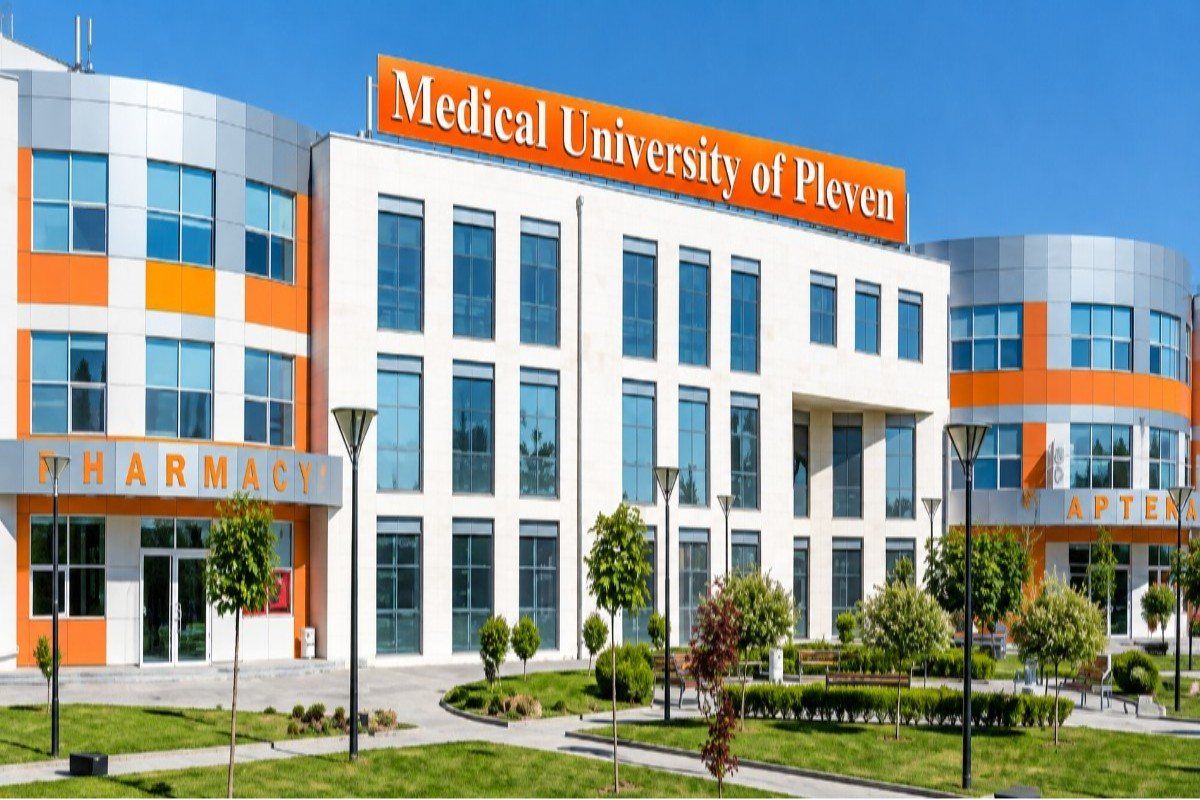
Explore fees, eligibility, and admission guidance for MBBS in Medical University Pleven in Bulgaria.
 Partner
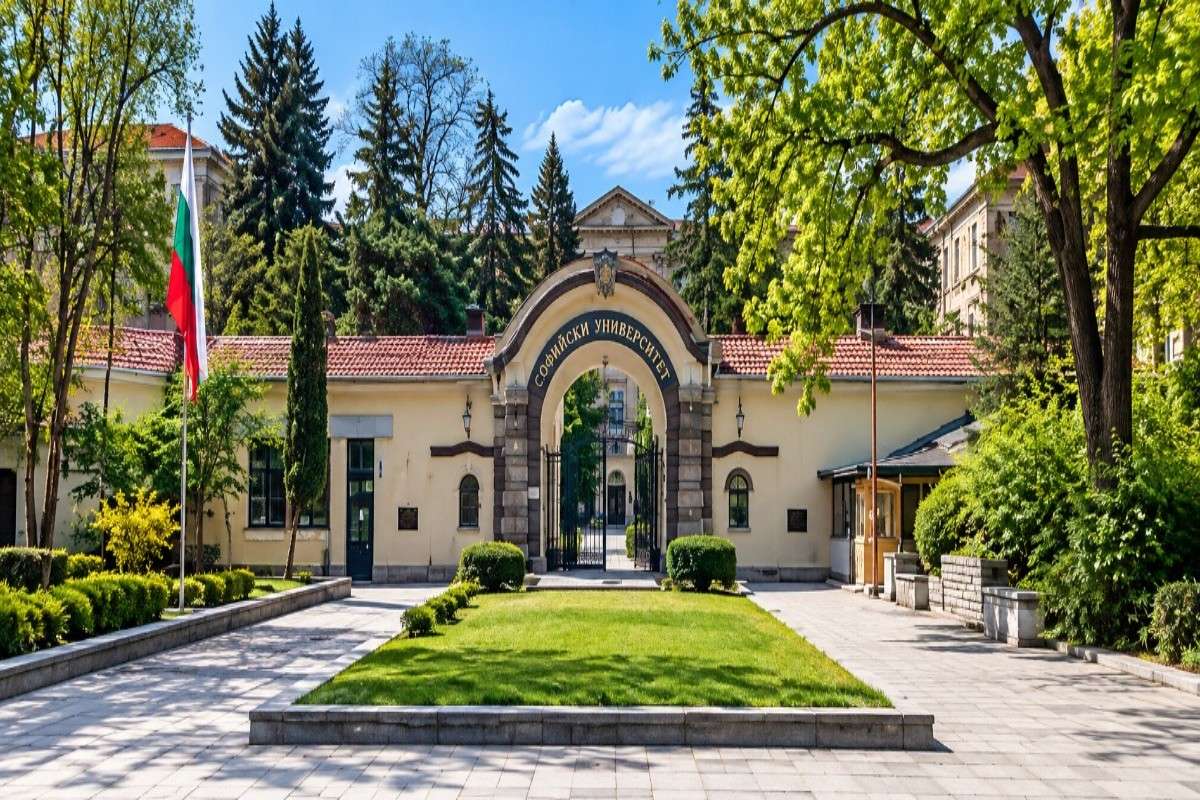
Explore fees, eligibility, and admission guidance for MBBS in Medical University Sofia Faculty of Medicine in Bulgaria.
 Partner
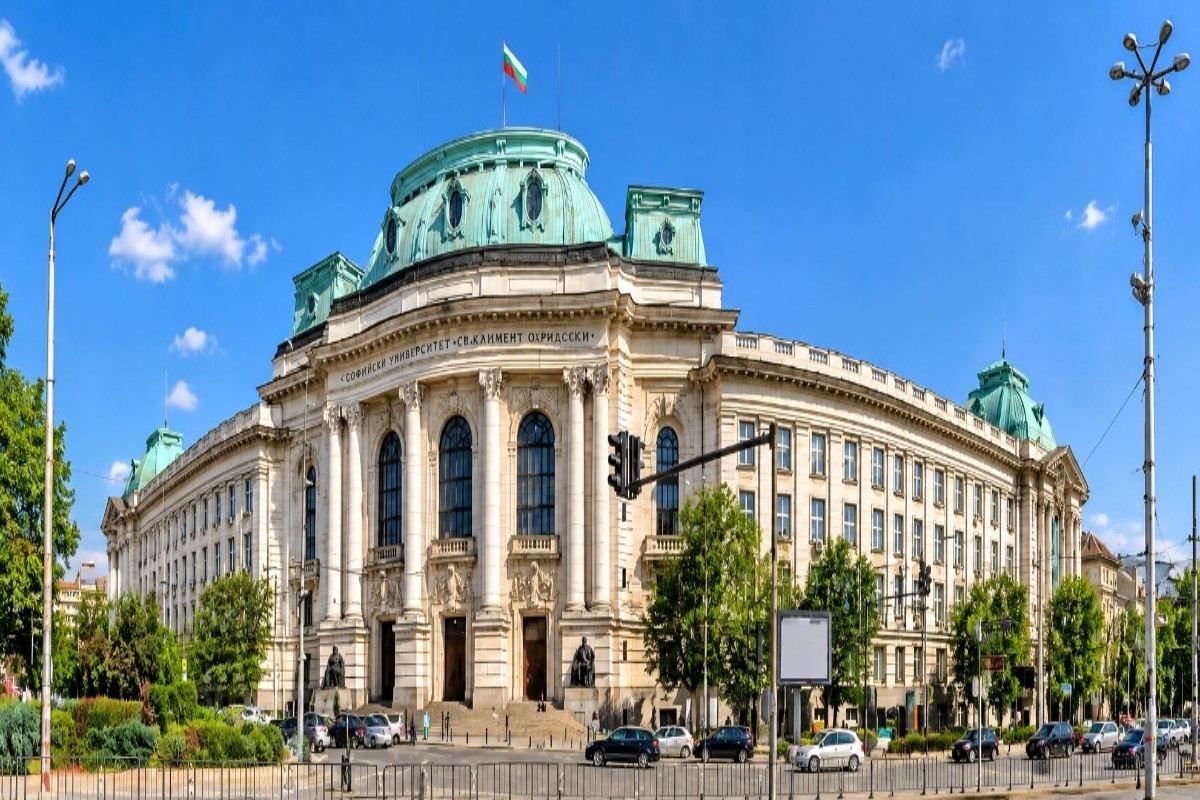
Explore fees, eligibility, and admission guidance for MBBS in Sofia University St. Kliment Ohridski Faculty of Medicine in Bulgaria.
 Partner
Explore fees, eligibility, and admission guidance for MBBS in Medical University "Prof. Dr. Paraskev Stoyanov" Varna Faculty of Medicine in Bulgaria.
 Partner
Explore fees, eligibility, and admission guidance for MBBS in Medical University of Plovdiv in Bulgaria.
Our team provides university-specific guidance and a full Bulgaria context briefing at every intake. Book a free counselling session →
Indian students planning to return and practise medicine in India must satisfy applicable NEET qualification requirements. Bulgarian universities generally use their own Biology and Chemistry entrance examinations rather than NEET for admission.
Yes. Major English-medium medical universities generally conduct entrance examinations in Biology and Chemistry. Some institutions also assess English-language proficiency. Examination patterns and admission rankings differ by university.
Yes. Several medical universities in Bulgaria offer six-year English-medium Medicine programmes. However, Bulgarian-language knowledge is useful during hospital training and may be required for professional medical practice
Established institutions include Medical University of Sofia, Medical University of Plovdiv, Medical University of Varna, Medical University of Pleven, Trakia University and Sofia University St. Kliment Ohridski. Students should compare accreditation, admission requirements, tuition and clinical training.
The illustrative six-year total cost of MBBS in Bulgaria may be approximately €90,000–€124,800 (₹96.30 lakh–₹1.34 crore), including tuition and estimated living expenses. Actual costs depend on the university, accommodation and future fee changes. Additional charges are excluded.
A Bulgarian medical qualification does not automatically guarantee eligibility for Indian medical registration. Students must satisfy applicable NMC FMGL Regulations, 2021, including course duration, English-medium instruction, clinical training, qualifying foreign internship and local professional licensing entitlement.
Eligible graduates may seek Indian medical registration after fulfilling the applicable NMC requirements. These may include a qualifying foreign internship, Bulgarian professional licensing entitlement, the prescribed Indian screening or licensing examination, supervised internship in India and registration with the competent medical authority.