If you've spent even an hour on Google researching MBBS abroad, you've probably noticed something: every consultancy page tells you Tajikistan is "affordable" and "NMC approved," and then stops right there. Nobody tells you which university actually has a 1,000-bed teaching hospital, what a somoni is worth in rupees this month, or why "MD Physician" on your degree certificate isn't a red flag. It's just what the certificate is called in the Tajik system.
This guide fills that gap. We'll walk through MBBS in Tajikistan for Indian students the way a counselor who's actually been through the admission cycle would explain it to you over a phone call, fees broken down to the last line item, the real NMC/FMGL rules (not the sanitized version), university-by-university comparisons, and the honest downsides nobody puts in a brochure.
If you're seriously weighing MBBS in Tajikistan against other MBBS-abroad destinations, this is the one page where we've tried to put every number, every regulation, and every trade-off in one place, so that you're not piecing it together from five different agent websites.
Quick Facts About MBBS in Tajikistan
Particular | Detail |
Course | MD (Physician) — equivalent to MBBS |
Duration | 5 or 6 years (program-specific) + internship |
Medium of Instruction | English (academic); Tajik/Russian in wards |
Intake | July-August (main), Nov-Dec (limited winter intake) |
NEET | Not needed for admission; needed for India licensing |
IELTS/TOEFL | Not mandatory at most universities |
Tuition Fee Range | $2,500 - $5,500 per year |
Total Course Cost | ₹28 lakh - ₹40 lakh (approx, 6 years all-inclusive) |
Currency | Tajikistani Somoni (TJS) |
Currency Rate (Aug 2026) | 1 TJS = ₹10.30 - ₹10.50 |
Recognition | Listed with NMC via FMGL Regulations 2021 (verify per university) |
Capital | Dushanbe |
About Tajikistan
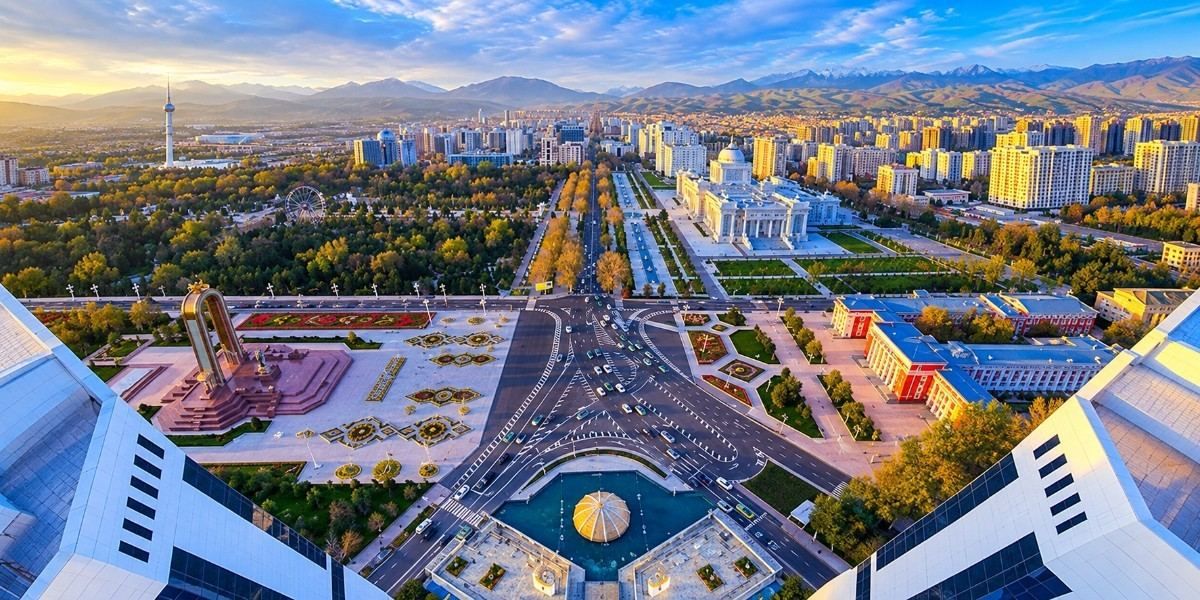
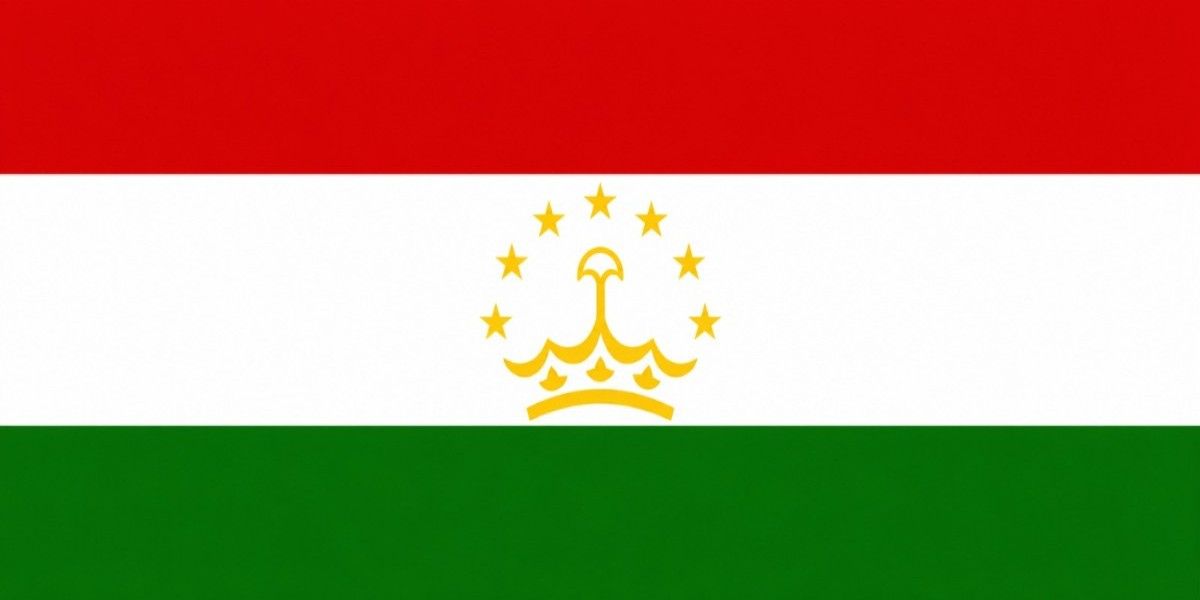
Tajikistan is a landlocked country in Central Asia, sharing borders with Afghanistan to the south, Uzbekistan to the west, Kyrgyzstan to the north, and China to the east. It became an independent republic in 1991 after the dissolution of the Soviet Union, and that Soviet-era legacy still shapes its education system, including its medical universities, most of which were built or restructured along the Russian/Soviet medical curriculum model.
Geography & Climate
Nearly 93% of Tajikistan is mountainous, part of the Pamir range. Most medical universities, including those Indian students attend, are located in and around Dushanbe (the capital) or in southern cities like Bokhtar and Danghara. (Climate and packing details are covered in the Student Life section below.)
Language & Culture
Tajik (a Persian-related language) is the official language, and Russian is widely used, especially in medicine, healthcare, and government administration. English is used for classroom instruction in international student programs. Still, the moment you step into a hospital ward for clinical rotations, you'll hear Tajik and Russian far more than English. This is one detail almost no consultancy website is upfront about: academic lectures being in English does not mean patient interactions will be. (More on local customs in the Student Life section below.)
Why MBBS in Tajikistan? A Realistic Look
Before we get into fees and paperwork, it's worth answering the question honestly: why choose MBBS in Tajikistan over every other option on the table? The short answer is cost-to-quality ratio: a government-run medical university, a real teaching hospital, and a degree pathway that (if you pick the right institution) satisfies NMC's rules, all at a fraction of what a private Indian seat costs.
MBBS in Tajikistan for Indian Students
This is worth separating from the general "why study" pitch, because the actual reasons Indian families choose Tajikistan are fairly specific.
Every year, lakhs of NEET-qualified students fail to secure a government MBBS seat in India. Government seats are limited, and private medical college fees routinely cross ₹1 crore for the full course, sometimes with a capitation/donation component on top. Against that backdrop, MBBS in Tajikistan for Indian students becomes attractive mainly because of the fee gap: a full six-year course here typically costs less than one year at a private Indian medical college.
Beyond cost, there's a fairly large existing Indian student community in Dushanbe (in the thousands, spread across a handful of universities), Indian mess facilities in most major hostels, and a relatively straightforward, non-donation-based admission process. For a middle-income Indian family that has NEET qualification but not the money or NEET rank for an Indian MBBS seat, MBBS in Tajikistan sits in a realistic, achievable price bracket.
General Advantages
No entrance exam or capitation fee required for university admission (NEET is still required separately for Indian licensing purposes, more on that below)
Government-recognized public universities, not private diploma mills
Comparatively low cost of living
Established Indian student community and Indian food availability
Direct clinical exposure from earlier years compared to some other countries
Multicultural classroom, students from India, Pakistan, Afghanistan, and other Central Asian/Middle Eastern countries
Course Duration & Structure
Here's where most competitor pages oversimplify things by saying "MBBS in Tajikistan is 5 years" or "6 years" without explaining why the number differs. In reality, the structure depends on the specific university and program:
6-year integrated program (most common at Avicenna Tajik State Medical University, Tajik National University): 5 years of academic study + 1 year of mandatory internship, taught as a continuous General Medicine program.
5+1 structure (used at some institutions like certain programs at Khatlon State Medical University): 5 years of coursework, followed by a separate 1-year internship, sometimes administratively tracked apart from the academic years.
Either way, once you add the internship, you're looking at roughly 6 years total, and this matters because the NMC's FMGL Regulations 2021 require a minimum 54-month academic course (excluding internship) plus a separate 12-month internship at the same foreign institution. Always confirm the exact year-wise breakdown with your specific university before enrolling. Don't take a blanket "6 years" answer at face value.
MBBS Syllabus / Curriculum Structure
Pre-clinical Phase (Years 1-2): Anatomy, Physiology, Biochemistry, Histology, Medical Biology
Para-clinical Phase (Years 2-3): Pathology, Pharmacology, Microbiology, Community Medicine, Forensic Medicine
Clinical Phase (Years 3-5): General Medicine, Surgery, Pediatrics, Obstetrics & Gynecology, Psychiatry, ENT, Ophthalmology, Orthopedics, Dermatology, Emergency Medicine
Internship (Year 5 or 6): Rotational hospital postings at the affiliated teaching hospital, under supervision, in the same institution where the academic course was completed
Medium of Instruction
Classroom lectures for the international/English-medium batch are conducted in English at all the major universities Indian students apply to. That said, don't assume "MBBS taught in English in Tajikistan" is a blanket, university-wide guarantee. Some programs and some Tajik/Russian-medium batches exist alongside the English-medium ones, so always confirm in writing that you're being enrolled specifically in the English-medium international stream before paying any fee.
Clinical postings are a different story. Doctors, nurses, and patients in Tajik hospitals communicate primarily in Tajik or Russian. Universities typically offer basic Russian or Tajik language classes in the first year specifically to help you get by during ward rounds. It's genuinely useful to take these seriously rather than treat them as a formality.
Top Medical Universities in Tajikistan (Comparison)
University | Location | Established | Tuition (USD/year) | Hostel Fee | Suitable for Indian Students |
Avicenna Tajik State Medical University | Dushanbe | 1939 | $3,500 - $5,100 (incl. IT/hostel in some packages) | $500 - $1,200/year | Yes, largest Indian community (1,350 students) |
Tajik National University (Faculty of Medicine) | Dushanbe | 1947/1951 | $3,500 - $4,000 | Included in total package (₹30-33 lakh full course) | Yes |
Khatlon State Medical University | Dangara | 1967 | $4,000 - $4,500 (some sources cite up to $20,000 for select 5-year tracks; confirm current structure per intake) | $5,000 (5 years) or annual, varies by source | Yes; 1,000-bed teaching hospital |
Medical Social Institute of Tajikistan | Dushanbe region | 2020 | $3,500 - $4,000 | Basic hostel facilities | Yes, budget-conscious option |
One thing worth repeating: MBBS in Tajikistan fee figures you see on different websites can vary by 20-30% for the same university, simply because some quotes bundle hostel and IT charges into "tuition" and others don't. When comparing MBBS in Tajikistan options across universities, always ask for the itemized breakdown, not just a single all-in number.
Avicenna Tajik State Medical University
Founded in 1939 and named after the medieval physician Avicenna (Ibn Sina), this is the oldest and most established medical university in Tajikistan, located in Dushanbe, about 15-20 minutes from Dushanbe International Airport. The Ministry of Health runs it and hosts the largest population of Indian students among all Tajik medical universities: approximately 1,350 out of roughly 1,500 international students. Tuition for the General Medicine program for Indian students ranges from $3,500 to $5,100 per year, depending on the specific package (some quotes bundle tuition, IT/quality-development fees, and hostel together). Hostels are gender-separated, with Indian mess facilities available.
Tajik National University (Faculty of Medicine)
Established in 1947 (originally the Tajik State Pedagogical Institute, which was restructured into a full university in 1951), TNU is a broad, multi-faculty university with a medicine faculty that has become a solid option for Indian students. The full-course budget, including tuition, hostel, and food, is typically quoted around ₹30-33 lakh.
Khatlon State Medical University
Formerly Kulyab State Medical College, this university is located in Danghara/Bokhtar in the Khatlon region of southern Tajikistan and operates a 1,000-bed teaching hospital, a genuinely strong clinical-exposure asset most competitor pages don't highlight. It's a state-run institution under the direct oversight of the President's office, with claims to WHO, NMC, FAIMER, and ECFMG accreditation (verify current status directly with WDOMS before applying).
Medical Social Institute of Tajikistan
A comparatively newer public university (established 2020), it's positioned as a budget-friendly option with simple hostel facilities and a calm, smaller-city environment: a reasonable fit for students prioritizing lower costs over big-city infrastructure.
MBBS Fees in Tajikistan 2026-27 (Itemized Cost Table)
Expense Head | Approx. Annual Cost | Notes |
Tuition Fee | $2,500 - $5,500 (₹2.1 lakh - ₹4.7 lakh) | University-specific; verify per institution |
Hostel Fee | $500 - $1,200 (₹42,000 - ₹1 lakh) | Varies by room-sharing type |
Food/Mess | $1,500 - $3,000 (₹1.3 lakh - ₹2.5 lakh) | Indian mess vs. self-cooking |
Medical Insurance | $100 - $200 (₹8,500 - ₹17,000) | Often mandatory for visa/registration |
Visa Fee | $10 - $40 (one-time, plus service charges) | Confirm current rate with embassy |
Registration/Admission Fee | $200 - $500 (one-time) | University-specific |
Flight (round trip, India-Dushanbe) | ₹25,000 - ₹45,000 | Seasonal variation; limited direct connectivity |
Monthly Personal Expenses | $50 - $100/month (₹4,000 - ₹8,500) | Transport, mobile/internet, personal use |
Total Estimated Annual Cost | ₹4.5 lakh - ₹6.5 lakh | Per year, all-inclusive estimate |
Total Estimated Cost (Full 6-Year Course) | ₹28 lakh - ₹40 lakh | All-inclusive, subject to currency fluctuation |
University-wise Total Budget Snapshot
University | Total 6-Year Budget (Approx.) |
Avicenna Tajik State Medical University | ₹35 lakh - ₹37 lakh |
Tajik National University | ₹30 lakh - ₹33 lakh |
Khatlon State Medical University | ₹29 lakh - ₹32 lakh |
Medical Social Institute of Tajikistan | ₹28 lakh - ₹31 lakh (estimated, budget-tier) |
Scholarships
Scholarship availability at Tajik medical universities is limited and inconsistent; some universities offer partial tuition waivers to students with high NEET scores or strong academic records, but this isn't standardized or guaranteed across intakes. Treat any scholarship claim from an agent with caution, and always ask for it in writing from the university directly, tied to a specific percentage and duration, before assuming it applies to your admission.
Cost of Living in Tajikistan
Expense | Monthly Cost (USD) | Monthly Cost (INR, approx.) |
Accommodation (hostel) | $40 - $100 | ₹3,400 - ₹8,500 |
Rented apartment (1BHK, Dushanbe) | $100 - $200 | ₹8,500 - ₹17,000 |
Food | $100 - $300 | ₹8,500 - ₹25,500 |
Local Transport | $25 - $30 | ₹2,100 - ₹2,500 |
Mobile/Internet | $10 - $15 | ₹850 - ₹1,275 |
Personal/Miscellaneous | $30 - $50 | ₹2,500 - ₹4,250 |
Total (hostel-based student) | $150 - $250/month | ₹12,750 - ₹21,250/month |
Outside Dushanbe, in smaller cities like Bokhtar or Danghara, rents and general living costs drop further, sometimes by 30-40% compared to the capital.
Is MBBS in Tajikistan Valid in India? (NMC/FMGL Explained)
This is the single most important section on this page, and also the one most competitor pages get wrong by hiding behind vague phrases like "NMC/WHO approved." Here's what the regulation actually says.
The Foreign Medical Graduate Licentiate (FMGL) Regulations, 2021, issued by the National Medical Commission on November 18, 2021, govern whether your foreign MBBS/MD degree is valid for practicing medicine in India. The key conditions are:
Minimum 54-month course duration (theory + practical + clinical training combined); this does not include the internship period
Separate 12-month internship, which must be completed at the same foreign institution where you studied, not a different hospital, and not partially abroad and partially in India
English-medium instruction for the academic program
Course subjects broadly matching NMC's prescribed schedule
Valid registration/licensing in the country where you studied
NEET-UG qualification before taking admission abroad
Passing FMGE or NExT (the National Exit Test framework, which is gradually replacing FMGE) to obtain a license to practice in India
A second, separate internship, the Compulsory Rotating Medical Internship (CRMI), a minimum of 12 months at an NMC-recognized Indian hospital, completed after clearing FMGE/NExT, within two years of qualifying
There's also an important update from March 2026: NMC clarified that if any part of your MBBS course was completed online (including COVID-era online semesters), you must physically compensate for that period through additional in-person training at the same foreign institution, and this compensation period must genuinely extend your total study duration, not be squeezed into existing semesters. Institutions issuing "compensation certificates" without actually extending study duration are acting outside FMGL 2021, and State Medical Councils will not accept such certificates.
Realistic timeline to practice in India: 54 months of MBBS + 12 months foreign internship + FMGE/NExT preparation (6-18 months, given how competitive it is) + 12 months CRMI in India. That's roughly 8 years from Class 12 to independent practice; plan your finances and expectations accordingly, rather than assuming you'll be practicing the year you graduate.
Recognition Bodies: What Each One Actually Means
NMC (National Medical Commission): India's medical education regulator. Doesn't "approve" foreign universities directly; it sets the FMGL 2021 conditions your degree must satisfy.
WHO: Does not "approve" individual medical universities in the way agents often claim. WHO maintains broader global health data, not a university-approval list.
WDOMS (World Directory of Medical Schools): A global directory (maintained by WFME/FAIMER) listing medical schools worldwide; being listed here is a baseline requirement, not an endorsement of quality.
FAIMER/ECFMG: Relevant primarily for US licensing pathways (ECFMG certification), not directly for Indian practice.
Before choosing a university, check its individual WDOMS listing yourself rather than accepting a blanket "NMC approved" claim from an agent; recognition is verified program-by-program, not country-wide.
Clinical Training & Internship: A Closer Look
Most competitor pages write a single line, "good clinical exposure," and move on. Here's what actually happens on the ground, university by university, based on the clearest available details:
Affiliated teaching hospitals: Khatlon State Medical University runs its own 1,000-bed teaching hospital, giving students direct, in-house clinical access from an early stage. Avicenna Tajik State Medical University similarly operates through university-affiliated hospitals in Dushanbe with dedicated departments for major specialties (surgery, internal medicine, pediatrics, OBG, and more).
Patient exposure & rotations: Clinical rotations typically begin around the third year, with structured postings across departments; students shadow and assist under supervision before taking on more independent responsibilities in the final academic year and internship.
Practical classes & laboratories: Pre-clinical years (Anatomy, Physiology, Biochemistry) involve dedicated lab sessions with cadaver-based anatomy training and wet-lab practicals, following the standard format used across CIS-region medical universities.
Simulation facilities: Simulation-based training (mannequins, simulated emergency scenarios) exists at the larger universities but isn't uniformly available or heavily marketed. If this matters to you, ask specifically whether the university has a dedicated simulation/skills lab rather than assuming one exists.
Ward training & emergency exposure: Students get supervised ward rounds and, in later years, exposure to emergency departments, though the intensity and structure vary by university and by how proactive the student is about seeking additional hands-on time.
Internship structure: The mandatory 12-month internship happens at the same institution where you completed your academic years (a hard NMC requirement, not a suggestion), with rotational postings across major departments under faculty supervision.
Language during clinical training: This is worth repeating because it trips up a lot of first-year students; hospital staff, nurses, and patients communicate primarily in Tajik or Russian. Don't assume "the course is in English" extends to your ward interactions; picking up conversational Russian or Tajik in year one meaningfully smooths out your clinical years.
Career Options After MBBS
Return to India: Clear FMGE/NExT → obtain provisional registration → complete CRMI → get permanent registration with your State Medical Council
Postgraduate study: Pursue MD/MS in India (via NEET-PG after NExT transition), or explore PG options in the US, UK, or other countries (subject to their own licensing exams: USMLE, PLAB, etc.)
Practice in Tajikistan: Requires local licensing through Tajikistan's health ministry, an option some graduates explore, though most Indian students plan to return home
Practice in other countries: Subject to that country's own medical licensing requirements
Given how competitive FMGE currently is, it's worth building a realistic post-graduation study plan for the licensing exam well before you finish your internship, rather than treating it as a formality (see the Experience & Support section below for current pass-rate data).
Common Mistakes Students Make While Choosing a Tajikistan University
Trusting a blanket "NMC approved" claim instead of checking the specific university/program's WDOMS listing
Assuming NEET isn't required at all, instead of understanding it's mandatory for India licensing even if not for admission
Not confirming which language is actually used in the classroom versus the hospital ward
Comparing only the tuition fee and ignoring hostel, food, insurance, and travel costs
Not verifying whether the internship happens at the same institution, a mandatory NMC condition
Ignoring intake deadlines and rushing the visa process at the last minute
Not asking for the university's official, signed fee structure in writing before transferring any money
Choosing a university purely on an agent's recommendation, without independent verification
MBBS in Tajikistan vs MBBS in India
Parameter | MBBS in Tajikistan | MBBS in India (Private) |
Admission Competition | Merit-based, no cutoff race | Extremely high NEET cutoff for govt seats |
Total Course Cost | ₹28-40 lakh | ₹60 lakh - ₹1.5 crore+ |
Donation/Capitation | Not required | Common in many private colleges |
Medium | English (academic) | English |
Entrance Exam | Not mandatory for admission | NEET mandatory for admission |
Indian Licensing | FMGE/NExT required after return | Not required (degree valid directly) |
Internship Location | Tajikistan (12 months) | India |
Total Timeline to Practice | 8 years | 5.5-6 years |
Tajikistan vs Other Popular MBBS-Abroad Destinations
Country | Approx. Tuition/Year | Cost of Living | Medium | NEET | Climate | Clinical Exposure |
Tajikistan | $2,500-$5,500 | Low | English (academic) | Required for India licensing only | Cold winters | Good, growing |
Russia | $4,000-$7,000 | Moderate | English | Required for India licensing only | Very cold | Strong, established |
Uzbekistan | $3,000-$5,000 | Low | English | Required for India licensing only | Cold winters | Moderate |
Kyrgyzstan | $3,500-$5,500 | Low | English | Required for India licensing only | Cold winters | Good |
Kazakhstan | $4,000-$6,500 | Moderate | English | Required for India licensing only | Very cold | Strong |
Georgia | $5,000-$9,000 | Moderate-high | English | Required for India licensing only | Mild | Strong |
Bangladesh | $4,000-$6,000 | Low | English | Required for India licensing only | Similar to India | Good, close to India |
Tajikistan sits at the more affordable end of this comparison set, roughly on par with Uzbekistan and Kyrgyzstan, and meaningfully cheaper than Georgia. Bangladesh has the advantage of proximity and cultural similarity, but Tajikistan's tuition is generally lower.
Disadvantages / Honest Challenges
Being upfront about the downsides is what actually builds trust, so here they are, without sugar-coating:
Local-language barrier outside the classroom, especially with patients and hospital staff during clinical years
Cold winters: genuine climate adjustment needed for most Indian students, particularly December-February
Limited Indian food availability in some smaller cities compared to Dushanbe
University quality and infrastructure vary significantly: some institutions are far better resourced than others, so don't assume uniform quality across the country
India-licensing requirements (FMGE/NExT) add a meaningfully difficult extra step after graduation, with pass rates often below 25%
Limited direct flight connectivity from India; most routes involve at least one layover
Uncertain, inconsistent scholarship availability
Geopolitical considerations near the Afghanistan border: worth a factual, non-alarmist mention; most student life is concentrated in Dushanbe and southern cities, away from border areas, but it's a reasonable due-diligence point for parents
Independent verification burden: since NMC doesn't publish a static "approved list," you're responsible for checking each university/program's WDOMS status yourself before paying any fee
Local Transport & Travel Connectivity
(Flight connectivity from India is covered in the Student Life section below, under "Travel Home.")
Getting Around Once You're There
Local transport in Dushanbe and other university cities relies mainly on shared taxis, city buses, and app-based ride options. It's genuinely cheap; most students report spending around $25-$30 a month on local transport, covering daily commutes between the hostel, the university, and the hospital for clinical postings. Most universities are arranged so that the hostel, academic building, and teaching hospital are all within a short commute of each other, which significantly reduces daily transport costs compared to a spread-out campus.
Part-Time Work Opportunities
This is a fair question every prospective student asks, and it deserves a straight answer rather than the vague "you can work part-time" line some agent sites throw in. Tajikistan's student visa framework does not offer the same broad, formalized part-time work rights as some Western study destinations. There isn't a well-established, legally structured part-time job market for international medical students the way there might be in, say, the UK or Canada. Some students do tutor informally, assist with translation work for newer batches, or take on small campus-based roles, but this is limited and inconsistent, and shouldn't be counted on as a reliable source of income. Realistically, plan your finances around your family's ability to cover tuition and living costs for the full course, rather than assuming part-time work will meaningfully offset expenses. Treating any part-time income as a bonus rather than a budget line is the safer approach.
Education Loan Guidance for MBBS in Tajikistan
Since a full six-year course still runs into the ₹28-40 lakh range, most Indian families fund it through a mix of savings and an education loan rather than paying entirely out of pocket. Here's what's genuinely useful to know:
Public-sector banks (SBI, Bank of Baroda, Canara Bank) offer education loans for MBBS abroad with interest rates typically in the 8.5%-10.9% range, and loan amounts that can go up to ₹1.5 crore against collateral for well-established destinations. For a Tajikistan-specific application, be prepared for banks to ask more questions under scrutiny than they would for, say, an MBBS loan for the UK or the US, since Tajikistan isn't yet a "mainstream" destination on every bank's pre-approved list.
Private banks and NBFCs (Axis Bank, HDFC, and specialized lenders) tend to process faster and sometimes offer unsecured loans up to ₹40 lakh, though usually at a higher interest rate (roughly 11%-14%).
Collateral requirements: Loans above ₹7.5-10 lakh typically require collateral (property, fixed deposits) and a co-applicant (usually a parent) with adequate income proof. Below that threshold, some lenders offer unsecured options based on academic profile.
What you'll need: Confirmed admission/offer letter from the university, the itemized fee structure, 10+2 mark sheets, NEET scorecard, and the co-applicant's income and identity documents.
A practical tip: Because Tajikistan isn't as loan-familiar a destination as Russia or Georgia for many Indian bank branches, it often helps to specifically ask your bank's education-loan desk whether the destination country needs a "country deviation" approval. This can add a few extra days to processing, so it's better to know upfront than be surprised at the disbursement stage.
The Vidya Lakshmi portal, a Government of India initiative, is a useful starting point to compare loan offers from multiple banks in one place before committing to any single lender.
Final Verdict: Is MBBS in Tajikistan Worth It in 2026-27?
For a NEET-qualified Indian student who couldn't secure a government seat and can't afford a private Indian medical college, MBBS in Tajikistan is a genuinely reasonable option, provided you go in with realistic expectations. That means: verifying your specific university's WDOMS status and FMGL 2021 compliance yourself rather than trusting a blanket "NMC approved" claim, budgeting for the full 8-year timeline to independent practice in India (not just the 6-year degree), preparing seriously for FMGE/NExT well before graduation, and being financially and mentally ready for a genuinely cold winter and a language environment that goes beyond just English.
It isn't a shortcut, and no page, including this one, can guarantee your outcome. But cover the fee structure, the NMC rules, and the university-specific details properly before you commit, and MBBS in Tajikistan holds up as a solid, well-worn path for Indian medical aspirants who are serious about a career in medicine but need a realistic budget to get there.
Decision Scorecard
Factor | Rating (out of 5) |
Affordability | ★★★★☆ |
Academic Quality | ★★★☆☆ (varies significantly by university) |
Clinical Exposure | ★★★☆☆ |
Safety | ★★★★☆ |
Student Life | ★★★★☆ |
Cost of Living | ★★★★☆ |
International Recognition | ★★★☆☆ (verify per university/WDOMS listing) |
Climate Tolerance Needed | ★★★☆☆ (cold winters factor this in) |