
🏛️
World's Oldest University — University of Bologna (1088)
Study medicine at the oldest university in the world. NMC listed. English medium via IMAT admission. An unparalleled academic pedigree.
 Study destination: Italy
If you’ve spent even a week researching MBBS abroad, you already know the usual suspects: Russia, Georgia, the Philippines. Italy rarely comes up in the first conversation, and that’s honestly a mistake, because it’s one of the few countries where you can get a genuinely world-ranked, NMC-compliant medical degree for less than what a management-quota seat costs in a Tier-2 Indian private college.
This page is built to answer the question properly, not the shallow version most agency websites give you. Still, the one with real tuition numbers, real living costs, the IMAT exam broken down properly, and the parts nobody tells you about (rejection reasons, hidden costs, what happens if you don’t get DSU scholarship). We’ll also compare Italy against the countries you’re probably also considering, so you can actually decide instead of just collecting information.
Italy doesn’t have a separate “MBBS” degree the way India does. The program is called Laurea Magistrale a Ciclo Unico in Medicina e Chirurgia, a single-cycle master’s degree that runs continuously for six years without a separate bachelor’s-then-master’s split (unlike the UK or US model). It ends with the Esame di Stato, after which graduates can register with the Ordine dei Medici (the Italian Medical Association) to practice in Italy, or return to India and sit FMGE/NExT.
Duration: 6 years total; the first 3 years are pre-clinical (anatomy, physiology, biochemistry, pathology), years 4–5 shift into clinical subjects and hospital exposure, and the final year functions as a supervised clinical internship inside teaching hospitals.
Medium of Instruction: English, at the universities that specifically run an international MD track. Note that not every Italian medical university teaches in English; a good chunk of programs across Italy are Italian-medium only, so double-check this before you shortlist a university.
Intake/Session Dates: One intake a year, beginning in late September/October. There’s no January or spring intake for medicine, unlike some engineering/business programs.
The IMAT (International Medical Admissions Test) is Italy’s centralized entrance exam for English-medium Medicine, Dentistry, and Veterinary Medicine programs at public universities. It used to be administered jointly with Cambridge Assessment; since 2023, Italy’s own Ministry of University and Research (MUR) runs it independently.
Exam pattern:
Section | Approx. Weightage |
General Knowledge & Reading Comprehension | Logic/reasoning-heavy, not pure GK trivia |
Logical Reasoning & Problem Solving | Significant chunk of the paper |
Biology | Core NEET-overlap section |
Chemistry | Core NEET-overlap section |
Physics & Mathematics | Smaller but scoring section if prepared well |
Format: Computer-based/paper-based (varies by year), multiple choice, negative marking applies
Negative marking: Wrong answers cost you marks; this changes strategy considerably compared to NEET, where guessing is riskier in a different way. Skipping a question you’re unsure of is often smarter than guessing blind.
Registration fee: Approximately €130, paid online via the Universitaly portal
Exam window: Registration typically opens in July, with the exam itself usually held in mid-to-late September
Where you can take it: IMAT has designated test centers in select Indian cities, but seats are limited; book early once registration opens, or you may end up needing to travel to another country’s center
University | Approx. 2024 Non-EU Cutoff (out of 90) |
University of Milan | 73 |
University of Pavia | 73 |
Sapienza University of Rome | 72 |
University of Bologna | 71 |
University of Bari | 55 |
A score in the mid-40s to low-50s is usually the realistic floor to have a shot at any English-medium seat; anything above 60 opens up the higher-ranked, higher-demand cities.
Preparation strategy: Because the syllabus overlaps heavily with NEET biology/chemistry/physics, most serious Indian aspirants use their NEET prep as the base and then layer on logical reasoning and reading-comprehension practice specifically, since that’s the part Indian students are typically weakest on relative to European applicants. Past-year IMAT papers (available through Universitaly’s archive and various prep platforms) are the single most useful resource, since the question style is noticeably different from NEET’s factual-recall pattern.
Common mistakes students make with IMAT: treating it like “an easier NEET,” under-preparing for the logic section, not practicing under negative-marking conditions, and registering too late to secure an India-based test center.
Month | What Happens |
January – March | Shortlist universities, start IMAT prep seriously, begin document collection (mark sheets, passport) |
April – May | NEET-UG registration; Universitaly pre-enrollment window typically opens |
May – June | NEET-UG exam and result; continue apostille/attestation process for academic documents |
June – July | Complete pre-enrollment on Universitaly; contact Italian consulate for Declaration of Value/CIMEA equivalence documents |
Late June – July | IMAT registration opens (roughly a 3-week window) |
August | Final revision; confirm test center; complete health insurance and financial documentation for the visa file |
Mid-to-Late September | IMAT exam day |
Late September – October | Results declared; university-wise seat allocation and ranking published |
October | Preference confirmation, university enrollment, visa filing and travel |
November | Academic year begins; settle into hostel/city, complete residence permit application within 8 working days of arrival. |
Most Italian public universities don’t demand an elaborate SOP the way US/UK programs do, but if your university or a scholarship application does ask for one, keep it grounded:
Open with a specific, real reason you want medicine, not a generic “I want to help people since childhood” line
Mention concretely why Italy (its clinical exposure, the specific university’s hospital affiliations, or a subject strength) rather than “affordable and good ranking,” which every applicant writes
Keep it to 400–600 words, one page, no filler adjectives
If a Letter of Recommendation is needed for a scholarship, request it from a science teacher or principal who can speak to your actual academic performance in PCB, not just a generic character certificate
Missing or improperly apostilled academic documents (notary attestation alone isn’t accepted; MEA apostille is required)
Name mismatches across passport, mark sheets, and bank documents without a supporting “the same” certificate
Financial documents that don’t clearly show funds separate from tuition (living-cost proof and tuition proof are evaluated separately)
Missing the seat-acceptance deadline after IMAT results are out
Health insurance policy with coverage below the required minimum
Incomplete Universitaly pre-enrollment before the portal deadline
Codice Fiscale is Italy’s tax code, an alphanumeric ID you’ll need for literally everything: opening a bank account, signing a rental agreement, getting a SIM card, enrolling at university. You can get it free at the local Agenzia delle Entrate office, usually within a day.
Tessera Sanitaria is the national health card, linked to your codice fiscale, that gives you access to Italy’s public healthcare system (SSN) once you’re registered as a resident student.
Before your first year, you’ll need private health insurance with at least €30,000 coverage to get your visa. Once you’re registered as a resident and enrolled at your university, most non-EU students then register with the Servizio Sanitario Nazionale (SSN), Italy’s public health system, for a modest annual fee, which then covers you for the rest of your stay far more comprehensively than the initial private policy.
You’ll need your codice fiscale, passport, permesso di soggiorno (or the application receipt), and proof of address (often a university enrollment letter works as an interim address proof) to open a basic Italian bank account. Many students initially rely on international cards (Wise, Revolut) for the first month while the permesso di soggiorno is still processing, then formalize a local account once documents are in order.
Prepaid SIMs from providers like TIM, Vodafone Italia, WindTre, or Iliad are widely available and generally require just your passport/codice fiscale. Iliad in particular is popular with international students for its straightforward, no-frills pricing.
As of late July 2026, 1 EUR = ₹109–110; this fluctuates, so check a live rate (Wise, XE, or your bank) before any large transfer rather than relying on a fixed number
For tuition and large one-time payments, a bank wire transfer or an authorized forex company usually beats carrying cash or using a regular debit card abroad, which often carries a 2–5% markup
Multi-currency cards (Wise, Niyo Global) are useful for day-to-day spending once you land, since they avoid repeated conversion fees on small transactions
Note: Union Budget 2026 reduced TCS on foreign remittances for education purposes from 5% to 2%, which slightly lowers the effective cost of sending money for tuition and living expenses from India
Keep a small cash buffer in euros for your first week; some smaller transactions in Italy (markets, some hostels) still lean cash-first
Public university fees in Italy work on the ISEE system, an income-linked sliding scale, so the numbers below are indicative ranges, not flat fees. A student from a lower-income household can end up paying close to the bottom of the range even at the “expensive-looking” universities.
University | City | Approx. Annual Fee (Public, Income-Linked) |
Sapienza University of Rome | Rome | €200 – €2,600 |
University of Milan (Statale) | Milan | €200 – €2,300 |
University of Bologna | Bologna | €200 – €3,000 |
University of Padua | Padua | €200 – €4,656 |
University of Pavia | Pavia | €200 – €4,500 |
University of Turin | Turin | €200 – €2,500 |
University of Bari | Bari | €200 – €2,000 |
University of Messina | Messina | €200 – €2,000 |
Private Italian universities don’t use the ISEE model; fees are flat and considerably higher, but they often come with smaller batch sizes and strong hospital tie-ups.
University | City | Approx. Annual Fee |
Milan (Pieve Emanuele) | €10,000 – €20,000 | |
UniCamillus | Rome | €20,000 |
Campus Bio-Medico | Rome | €18,000 |
Vita-Salute San Raffaele | Milan | €20,000 |
Feature | Public Universities | Private Universities |
Tuition | €0–€11,000/yr (income-linked) | €10,000–€26,000/yr (flat) |
Entrance route | IMAT-based merit ranking | Often IMAT + university-specific assessment |
DSU scholarship eligibility | Yes | Sometimes, varies by institution |
Class size | Larger cohorts | Smaller, more selective batches |
Clinical exposure | Strong, tied to large public hospitals | Strong, often newer/high-tech facilities |
Language environment | Mixed Italian/English campus culture | Often more international, English-first culture |
Best suited for | Budget-conscious, IMAT-strong students | Families prioritizing smaller cohorts and premium infrastructure over cost. |
This is the number families actually want, not a feature table, an honest total.
Category | Public University (Approx. Annual, All-in) | Private University (Approx. Annual, All-in) |
Tuition | ₹22,000 – ₹5.4 lakh | ₹11 lakh – ₹22 lakh |
Living cost (hostel/PG + food + transport) | ₹6.5 lakh – ₹9 lakh | ₹6.5 lakh – ₹9 lakh |
Insurance + misc. (books, permits, SIM) | ₹40,000 – ₹60,000 | ₹40,000 – ₹60,000 |
Approx. total per year | ₹7 lakh – ₹15 lakh | ₹18 lakh – ₹31 lakh |
Approx. total for 6 years | ₹42 lakh – ₹90 lakh | ₹1.08 Cr – ₹1.86 Cr |
With a DSU scholarship covering tuition, hostel, and meals plus a stipend, the public-university route can realistically drop below ₹35–40 lakh for the full six years, which is why the scholarship section below matters more than most pages give it credit for.
Expense | Approx. Monthly Cost (€) | Approx. Monthly Cost (₹) |
Accommodation (shared flat/private hostel) | €250 – €450 | ₹27,500 – ₹49,500 |
University hostel (where available) | €150 – €300 | ₹16,500 – ₹33,000 |
Food (self-cooking) | €150 – €220 | ₹16,500 – ₹24,200 |
Food (mixed self-cook + eating out) | €220 – €320 | ₹24,200 – ₹35,200 |
Local transport pass | €25 – €40 | ₹2,750 – ₹4,400 |
SIM/internet | €10 – €20 | ₹1,100 – ₹2,200 |
Miscellaneous/personal | €50 – €100 | ₹5,500 – ₹11,000 |
Total (excluding rent-heavy cities) | €600 – €900/month | ₹66,000 – ₹99,000/month |
Northern and central cities (Milan, Bologna, Padua, Turin) run noticeably higher on rent than southern cities (Bari, Messina, Catania); budget an extra 20–30% if you’re headed to Milan specifically.
Most Indian families fund the Italy MBBS route through a mix of savings and an education loan rather than one or the other:
Public sector banks (SBI, Bank of Baroda, PNB) typically offer lower interest rates but slower processing and more collateral requirements for larger amounts
NBFCs (Avanse, Credila/HDFC Credila) process faster and are more flexible on collateral for loans without security, though rates run somewhat higher
Loans usually require a moratorium period covering the study duration plus a grace period post-graduation before EMI repayment begins
Since Italy’s total cost is lower than most Western destinations, many families borrow only the tuition + first-year living cost, then fund subsequent years through DSU or family income, rather than one large upfront loan
DSU Scholarship (Diritto allo Studio Universitario)
This is the single biggest financial lever available, and the one most Indian consultants either underplay or oversell, so here’s the balanced version.
What it is: A need-based (not merit-based) regional scholarship available to international students at Italian public universities, assessed through the ISEE Parificato: An income-equivalence calculation for foreign family income.
Eligibility: Roughly, families with equivalent ISEE income under approximately €23,000–€25,000/year typically qualify for meaningful support; those under roughly €13,500–€14,000 often qualify for the full package.
What it covers: Full or partial tuition waiver, free or subsidized dorm accommodation, meal support at the university canteen, and a cash stipend that has recently ranged from roughly €2,500 to €7,900/year depending on region and whether you live away from a host family.
Renewal: Requires meeting a minimum academic credit threshold each year; this is where the “need-based year one, merit-linked renewal” nuance matters. Don’t assume it’s automatic.
Required documents: Apostilled family income certificates, ISEE Parificato calculation (done via Italian consulate/CAF-affiliated office), enrollment/pre-enrollment proof, and regional bando-specific forms; each region (Lombardy, Lazio, Emilia-Romagna, etc.) manages its own application and deadline, usually in July–September.
Common mistake: Assuming DSU is “too good to be true” and not applying at all. It’s a legitimate, government-funded regional program; the paperwork is the real barrier, not eligibility.
Regional/university-specific bursaries: Sapienza, Bologna, and Milan each run smaller institutional scholarship pools for international applicants, separate from DSU
MAECI Scholarships: merit-based scholarships from Italy’s Ministry of Foreign Affairs for select disciplines, more competitive and typically better suited to postgraduate applicants
Merit-based tuition reductions: some universities lower ISEE-bracket fees further for students who rank highly on IMAT
Beyond tuition and the obvious living-cost line items, budget for: the annual residence permit renewal fee (€100–€130 including the marca da bollo), a mandatory revenue stamp for various administrative applications, higher winter heating/utility bills in northern cities, occasional short-term accommodation gaps between semesters, Italian language course fees if you choose to take one (recommended for clinical years), photocopying/document apostille costs back in India, and return flights during breaks, which aren’t cheap if booked late.
University | City | Type | Approx. Non-EU Seats | Approx. QS World Rank | Approx. Annual Fee |
Bologna | Public | Varies (typically 10–15) | 155 | €200–€3,000 | |
Milan | Private | Selective | Strong clinical reputation | €10,000–€20,000 | |
Rome | Private | Selective | International-focused | €20,000 | |
Sapienza University of Rome | Rome | Public | 13 | 171 | €200–€2,600 |
University of Milan (Statale) | Milan | Public | 15 | 285 | €200–€2,300 |
University of Pavia | Pavia | Public | Varies | Regional top-tier | €200–€4,500 |
University of Padua | Padua | Public | Varies | Regional top-tier | €200–€4,656 |
University of Turin | Turin | Public | Varies | Regional top-tier | €200–€2,500 |
University of Bari | Bari | Public | Higher relative intake | Lower cutoff, more accessible | €200–€2,000 |
University of Messina | Messina | Public | Higher relative intake | Lower cutoff, more accessible | €200–€2,000 |
Vita-Salute San Raffaele | Milan | Private | Selective | Strong research affiliation | €20,000 |
Criterion | Best-Fit Universities |
Lowest realistic yearly cost | Bari, Messina, lower cutoffs, lower-cost southern cities |
Best DSU scholarship uptake | Milan, Turin, Bologna, well-established regional DSU agencies |
Highest global ranking | Bologna, Milan, Sapienza (Rome) |
Best clinical/hospital exposure | Sapienza (Rome), Bologna, Padua, large teaching hospital networks |
City | Vibe | Approx. Monthly Cost | Indian Community | Best For |
Rome | Historic, sprawling, touristy | €700–€950 | Large | Students wanting a big-city, well-networked experience |
Milan | Fashion/business capital, fast-paced | €750–€1,000 | Large, growing | Students prioritizing ranking + post-study networking |
Pavia | Small university town near Milan | €600–€800 | Moderate | Focused academic environment, easy Milan access |
Bologna | Historic university town, food capital | €650–€850 | Moderate | Balance of ranking + livability |
Padua | Compact, walkable, strong medical school | €600–€800 | Moderate | Students who want strong academics without big-city chaos |
Turin | Elegant, less touristy, industrial history | €650–€850 | Moderate | Students wanting lower competition, good infrastructure |
Siena | Small, Tuscan, quiet | €550–€750 | Small | Students prioritizing cost and quiet study environment |
Messina | Southern, coastal, budget-friendly | €500–€700 | Smaller but tight-knit | Most budget-conscious applicants |
Most university cities are compact enough to walk or cycle. Monthly student transit passes typically cost €25–€40 and cover buses/trams/metro. For inter-city travel, Italy’s train network (Trenitalia, Italo) is efficient and reasonably priced with student discounts on regional routes, useful for weekend trips or visiting friends in other university cities.
Your degree is taught in English, but clinical rotations from year four onward involve real patients who mostly speak Italian, and hospital staff communicate primarily in Italian. Most programs expect a working proficiency (often around B1–B2 level) by the clinical years; some universities build mandatory Italian language courses into the first two years for exactly this reason. Treat Italian as a required skill, not an optional extra, if you actually want the clinical years to go smoothly.
International students on a Type D visa are generally permitted to work up to 20 hours/week during term time (and full-time during official breaks), subject to your permesso di soggiorno conditions. Common student jobs include tutoring, university library/admin assistance, hospitality, or work through your university’s international office job board. Realistic average earnings run roughly €8–€12/hour depending on the role and city, useful for pocket money and reducing the family’s monthly transfer burden, but not something to build your core budget around, especially in the demanding pre-clinical years.
Years 1–3: Pre-clinical, anatomy, physiology, biochemistry, pathology, pharmacology, lab-based learning
Year 4: Transition into clinical subjects with hospital ward exposure beginning
Year 5: Core clinical rotations across major specialties, internal medicine, surgery, pediatrics, gynecology, psychiatry
Year 6: Supervised clinical internship (tirocinio) inside affiliated teaching hospitals, functioning similarly to India’s compulsory rotatory internship, before sitting the Esame di Stato
Universities with strong hospital-research ties (Bologna, Padua, Sapienza, and San Raffaele on the private side) offer undergraduate research assistantships and thesis projects in clinical departments, which is worth pursuing if you’re eyeing a research-heavy residency or academic medicine path later.
As an enrolled student at an Italian university, you’re generally eligible to apply for Erasmus+ exchange semesters at partner universities across Europe, a real, underused advantage of studying in an EU country versus most other MBBS-abroad destinations, where this isn’t an option.
Graduates typically choose between three broad paths: staying in Italy for a specialization (residency) via the Scuola di Specializzazione system, moving to another EU/UK/US destination for postgraduate training, or returning to India after clearing FMGE/NExT.
Destination | Entry Route | Notes |
Italy (Scuola di Specializzazione) | National ranking exam (concorso) for residency spots | EU seats prioritized; non-EU spots limited and competitive |
Germany | Approbation/recognition process, German language proficiency (B2/C1) | Strong postgraduate infrastructure, but language is a real barrier |
UK | PLAB pathway or direct residency application | GMC registration required; PLAB is the common non-UK-grad route |
USA | USMLE Step 1/2/3 | Long, exam-heavy but globally respected pathway |
India | FMGE/NExT | Mandatory for practicing/pursuing PG in India after a foreign MBBS |
If you plan to return to India, clearing FMGE (or its replacement, NExT, as NMC transitions the licensing exam framework) is mandatory before you can practice or sit PG entrance exams in India. Historically, FMGE pass rates for foreign medical graduates have been a genuine pain point across most MBBS-abroad destinations; Italy’s strong foundational science teaching helps, but don’t assume the degree alone guarantees a smooth FMGE clear. Structured revision starting in your final year, using India-specific FMGE prep material alongside your Italian coursework, is the realistic approach.
NMC (India): Italian MD degrees from recognized universities are accepted for FMGE/NExT eligibility, subject to current NMC screening regulations; always verify your specific university’s current listing status directly, since NMC updates its recognized-institution rules periodically.
WHO: Listed in the World Directory of Medical Schools.
ECFMG: Eligible for ECFMG certification pathway, relevant if USMLE is part of your longer-term plan.
GMC (UK): Requires the PLAB pathway (or an approved alternative) for UK registration.
USMLE Pathway: Open to Italian MD graduates via standard ECFMG certification process.
PLAB Pathway: The standard non-UK-graduate route into NHS practice.
Non-EU graduates can apply to convert their student permit into a work permit if they secure employment or a residency (specialization) spot, subject to Italy’s annual non-EU quota (decreto flussi) rules. Permanent residency in Italy generally requires 5 years of continuous, legal residence, along with language and integration requirements, a realistic long-term option for graduates who complete specialization training in Italy rather than an immediate post-MBBS outcome.
Year | Focus |
1 | Anatomy, Histology, Biochemistry, Physiology basics |
2 | Physiology (advanced), Microbiology, Immunology, Pathology basics |
3 | General Pathology, Pharmacology, Pathophysiology, early clinical methods |
4 | Internal Medicine, Surgery basics, Diagnostics, hospital ward introduction |
5 | Core clinical rotations: Medicine, Surgery, Pediatrics, Gynecology, Psychiatry, Emergency Medicine |
6 | Supervised clinical internship (tirocinio), thesis, Esame di Stato preparation |
Genuinely low public-university tuition relative to degree quality and global recognition
Access to DSU scholarship, one of Europe’s most generous need-based aid systems for international students
Six-year integrated degree taught in English at public universities with centuries-old academic reputations
Strong clinical hospital exposure tied to large public teaching hospitals
Schengen access and Erasmus eligibility during your studies
Clean NMC/WHO recognition pathway back to India
Genuinely competitive IMAT cutoffs at the top-ranked universities (Milan, Pavia, Rome)
Very limited non-EU seat count per university; this isn’t a “everyone who applies gets in” system
Heavy, unforgiving document/apostille process for Indian applicants specifically
Clinical years genuinely require conversational Italian, not optional if you want a smooth final two years
No spring/January intake, miss the September cycle, and you wait a full year
FMGE/NExT clearance for Indian practice isn’t automatic just because the degree is recognized; it still requires dedicated prep
Assuming NEET score alone gets you into an Italian university; it doesn’t; IMAT is the actual gate
Under-preparing for IMAT’s logical reasoning section because “biology and chemistry are the same as NEET”
Notarising documents instead of getting the mandatory MEA apostille
Skipping DSU scholarship application on the assumption you won’t qualify, without actually running the ISEE Parificato numbers
Booking accommodation only after landing in Italy
Ignoring Italian language prep until the clinical years are already underway
This is the section every worried parent actually wants, and almost no page addresses directly.
Safety: Italy is broadly a safe, low-crime-rate Western European country; most Indian students’ families’ safety concerns settle within the first semester once initial adjustment is done.
Communication: Reliable Wi-Fi and affordable international calling/data plans (via Iliad, WhatsApp, video calls) make weekly contact easy.
Financial predictability: Because tuition is ISEE-linked, request your child’s exact fee bracket calculation from the university’s international office before committing to a loan amount; don’t budget off a generic online average.
Support system: Most universities have a dedicated International Student Office and active Indian-student WhatsApp/Facebook communities that can genuinely help with everything from grocery shopping to visa renewal questions.
Return pathway: If the plan is eventual practice in India, build FMGE/NExT prep into the plan from year one, not as an afterthought in year six.
Country | Approx. Annual Tuition | Entrance Exam | Approx. Total 6-Yr Cost (₹) | Recognition | Key Trade-off |
Italy | €0–€11,000 (public) | IMAT | ₹42L–₹90L | NMC, WHO, ECFMG | Competitive IMAT cutoffs, but strong scholarship system and EU access |
$3,500–$6,000 | Direct/entrance test varies | ₹35L–₹55L | NMC, WHO | Cheaper entry, but weaker global recognition ceiling and geopolitical volatility | |
$5,000–$8,000 | Direct admission (most universities) | ₹45L–₹65L | NMC, WHO | Easier admission, but far less prestige and thinner scholarship support | |
$3,000–$5,000 | Direct admission | ₹30L–₹45L | NMC, WHO | Very low cost, but limited clinical exposure reputation | |
$3,000–$4,500 | Direct admission | ₹28L–₹42L | NMC, WHO | Cheapest option, but weakest global brand value | |
$3,000–$4,000 | Direct admission | ₹25L–₹40L | NMC, WHO | Similar profile to Uzbekistan/Kazakhstan | |
€5,000–€8,000 | Entrance exam/direct | ₹55L–₹75L | NMC, WHO, EU recognition | EU degree, but higher cost than Italy for similar tier | |
€10,000–€14,000 | Entrance exam | ₹90L–₹1.2Cr | NMC, WHO, EU recognition | Strong reputation, but roughly 2–3x Italy’s public-university cost | |
€10,000–€15,000 | Entrance exam | ₹95L–₹1.3Cr | NMC, WHO, EU recognition | Comparable prestige tier to Italy but notably pricier | |
€12,000–€17,000 | Entrance exam | ₹1.05Cr–₹1.4Cr | NMC, WHO, EU recognition | Strong clinical reputation, higher cost bracket | |
€10,000–€13,000 | Direct/entrance varies | ₹90L–₹1.15Cr | NMC, WHO, EU recognition | Mid-tier reputation at a higher cost than Italy | |
€9,000–€13,000 | Entrance exam | ₹85L–₹1.15Cr | NMC, WHO, EU recognition | Similar profile to Latvia | |
Free–€3,000 (public) | Studienkolleg/APS process | ₹55L–₹80L (mostly living cost) | NMC, WHO, EU recognition | Free/near-free tuition, but German-language barrier and lengthy admission process | |
€2,770–€3,770 (public) | PASS/LAS entrance system | ₹50L–₹70L | NMC, WHO, EU recognition | Low tuition, but French-medium and a genuinely tough national entrance filter |
Russia is generally cheaper upfront and has easier direct admission. Still, Italy offers stronger long-term global recognition, an EU degree, Erasmus access, and a genuine scholarship safety net (DSU) that Russia’s system doesn’t match.
Georgia’s admission process is far easier (largely direct entry, no equivalent of IMAT), making it the fallback choice for weaker NEET/IMAT scorers. Still, Italy’s public universities carry higher global academic reputation and lower realistic cost meaningfully once DSU is factored in.
Kazakhstan wins clearly on upfront affordability and ease of admission; Italy wins on degree prestige, clinical training depth, and post-graduation pathway flexibility into Europe.
Similar comparison to Kazakhstan, Uzbekistan is the budget, low-barrier option; Italy demands more (IMAT, documentation) but returns a stronger degree and EU-linked opportunities.
Kyrgyzstan remains one of the most accessible options for students who didn’t clear a competitive cutoff anywhere else; Italy is a step up in reputation and total value once scholarships are considered, at the cost of a genuinely harder admission bar.
Both are EU countries with NMC/WHO recognition. Still, Italy’s public-university tuition is considerably lower than Romania’s typical €5,000–€8,000/year range, making Italy the better value pick for similarly strong students.
Poland charges roughly 2–3x what Italy’s public universities charge for a comparable reputation tier; students who can clear IMAT are almost always better off financially choosing Italy over Poland.
Czech medical schools (Charles University, Masaryk) carry strong individual prestige, but at a materially higher cost than Italy’s public-university route, with a more grade-heavy entrance process rather than a single standardized exam.
Hungary (Semmelweis, Debrecen, Szeged) is popular and well-regarded, but tuition runs notably higher than Italy’s ISEE-linked public fees, without an equivalent of the DSU scholarship’s scale.
Latvia is a reasonable mid-cost EU option, but Italy’s top public universities outrank most Latvian medical schools globally while often costing less once scholarships are applied.
Same broad logic as Latvia, Lithuania is solid but sits in a higher cost bracket than Italy’s public-university route for a similar or lower reputation tier.
Germany’s public universities are tuition-free or near-free, which genuinely beats Italy on paper. Still, the Studienkolleg/APS certification process and German-language requirement (B2/C1 for clinical years) make Germany a longer, harder admission journey than Italy’s single IMAT-based route.
France’s public medical tuition is also very low. Still, the PASS/LAS entrance and continuation system is notoriously tough even for French students, and the entire program is French-medium, a much steeper language barrier than Italy’s English-taught track.
An Indian private medical college seat can cost anywhere from ₹60 lakh to over ₹1.5 crore for the full course, depending on the state and institution, often without a guaranteed high-quality clinical rotation experience if it’s a lower-tier private college. Italy’s public-university route, especially with DSU scholarship support, can come in cheaper than many Indian private colleges while offering an internationally recognized degree; the trade-off is qualifying via IMAT and adapting to a new country, versus staying close to home in a familiar system.
IMAT 2026 is expected to be held in mid-to-late September 2026, with registration opening in July 2026. Exact dates are confirmed on the MUR bando each year, so check Universitaly directly closer to the cycle.
Union Budget 2026 reduced TCS on foreign education remittances from 5% to 2%, marginally easing the effective cost of transferring tuition and living funds from India.
CIMEA’s Statement of Comparability/Verification continues to be the primary equivalence document for Indian academic credentials, following its rollout to largely replace the older Dichiarazione di Valore process. Confirm current requirements with your specific consulate, as implementation has varied slightly by region.
MBBS in Italy isn’t the “easy” option in this space, and it shouldn’t be sold as one. IMAT is genuinely competitive at the top universities, the paperwork is unforgiving, and non-EU seats are limited. But for a well-prepared student, it’s arguably the best value-for-prestige combination currently available in the MBBS-abroad market: public-university tuition that can realistically come in under a Tier-2 Indian private college, a scholarship system (DSU) that few other countries can match, an internationally recognized degree, and genuine EU-level opportunities during and after the course. If you’re NEET-qualified, willing to put in real IMAT prep, and comfortable with the idea of building Italian language skills alongside your medical training, this is a country page worth taking seriously rather than treating as the fourth or fifth option on your list.
Want a personalized budget breakdown or help figuring out your realistic IMAT target score?
Reach out for a free one-on-one counseling session; we’ll map out your specific university shortlist, ISEE fee estimate, and DSU eligibility before you commit to anything.
Factor | Rating (out of 5) |
Affordability | ★★★★☆ |
Academic Quality | ★★★★☆ (varies by university, strongest at Bologna/Milan/Sapienza) |
Clinical Exposure | ★★★★☆ |
Safety | ★★★★☆ |
Student Life | ★★★★☆ |
Cost of Living | ★★★☆☆ (higher in Milan/Bologna/Turin, lower in Bari/Messina) |
International Recognition | ★★★★☆ |
IMAT Competitiveness | ★★★☆☆ (harder at top-ranked universities; more accessible at Bari/Messina) |
We blend country research, university comparison, and admission guidance so students can evaluate the right path without guesswork.
Study medicine at the oldest university in the world. NMC listed. English medium via IMAT admission. An unparalleled academic pedigree.
Full EU accreditation with European medical licence eligible after graduation. Practise across all 27 EU member states.
Italy is one of the few Western EU countries with established English-medium public university medical programmes, with no Italian language required for admission or instruction.
Italy's food culture is extraordinary and Bologna is its culinary capital. Tortellini, tagliatelle al ragù, mortadella, and Aperol Spritz alongside one of Europe's best medieval university environments.
Explore active university options with fee, duration, and accreditation details before you shortlist your preferred campus.
 Partner
Choose the right country, shortlist the right university, and understand your next steps with one clear plan built around your NEET score and budget.
Arrange a free counselling sessionMBBS in Uzbekistan 2026-27: Fees, Universities, NMC Advisory & Everything Else Nobody Tells You Upfront
Lowest-Cost NMC-Compliant MBBS Abroad | English Medium | No Donation | ₹15-35 Lakh Total | National FMGE Average 25%
MBBS in Russia 2026 Affordable Fees, NMC-Compliant Universities & Global Recognition
● Government-owned universities across all four main cities (Minsk, Vitebsk, Grodno, Gomel); WDOMS-listed, though NMC/FMGL 2021 eligibility must be verified for your specific course before paying any fee
● NMC, WHO/WDOMS, and EU/ECTS-recognized universities are available; always verify your specific university's current standing directly rather than relying on a blanket "NMC approved" claim
Yes, from NMC-listed Italian medical universities. The University of Bologna, La Sapienza, Rome, and other NMC-listed Italian faculties are eligible for FMGE/NExT. You must hold a valid NEET score and be cleared by the FMGE/NExT to practise in India.
Yes, for the IMAT-entry English-medium programmes at Bologna, La Sapienza, Pavia, and others. These are dedicated English-medium tracks specifically designed for international students. No Italian language is required for academic instruction or clinical teaching in these programmes.
IMAT (International Medical Admissions Test): Italy's own MUR runs it independently. Assessment Admissions Testing is in September each year. It covers Biology, Chemistry, Physics, Mathematics, and Critical Thinking, all in English.
Tuition fees vary by university and type of institution. Public medical universities generally have lower, often income-linked, fees, while private medical universities can charge significantly higher tuition fees. Students should check the latest fee schedule of their chosen university before applying.
Expert will call you within 2 hours
Italian public university fees are based on income. Families with lower declared incomes can pay significantly below the standard fee rate.
Rome (La Sapienza), Florence, Venice, Bologna, Milan. Studying medicine in Italy means studying in the country with the highest concentration of UNESCO World Heritage Sites.
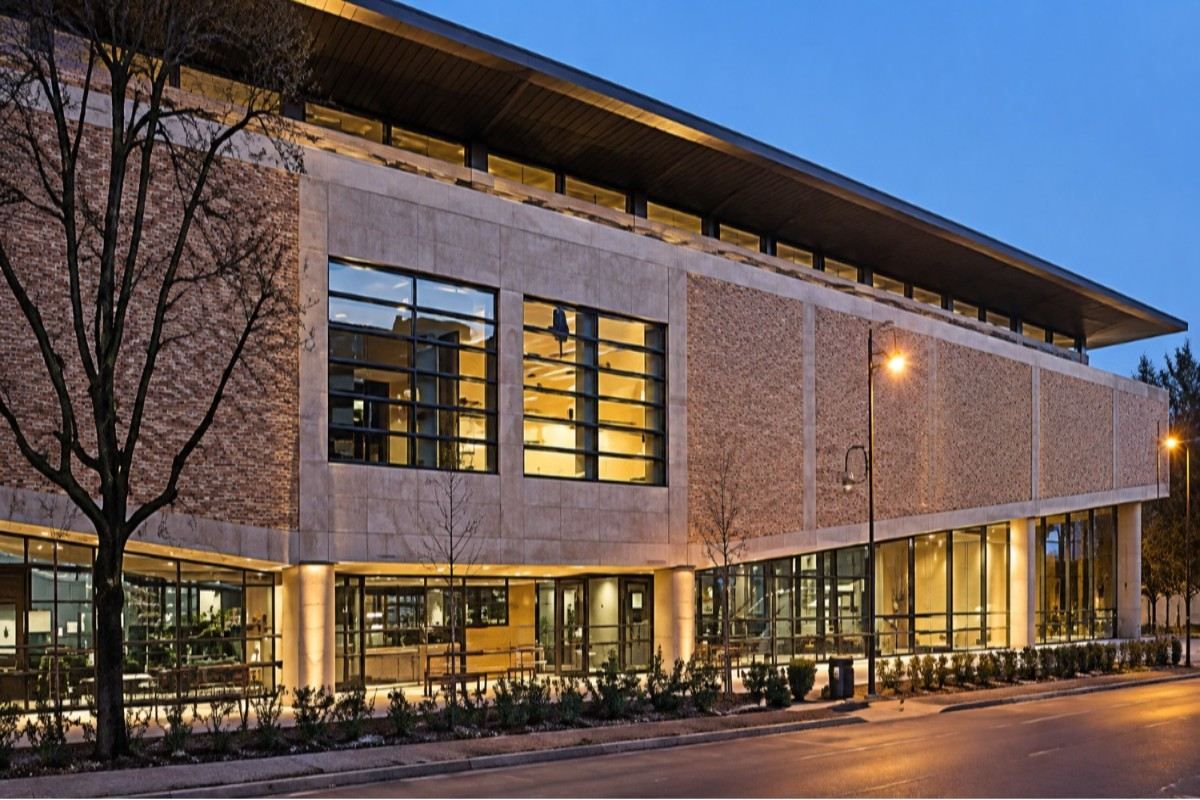
Explore fees, eligibility, and admission guidance for MBBS in G. d Annunzio University of Chieti Pescara School of Medicine and Health Sciences in Italy.
 Partner
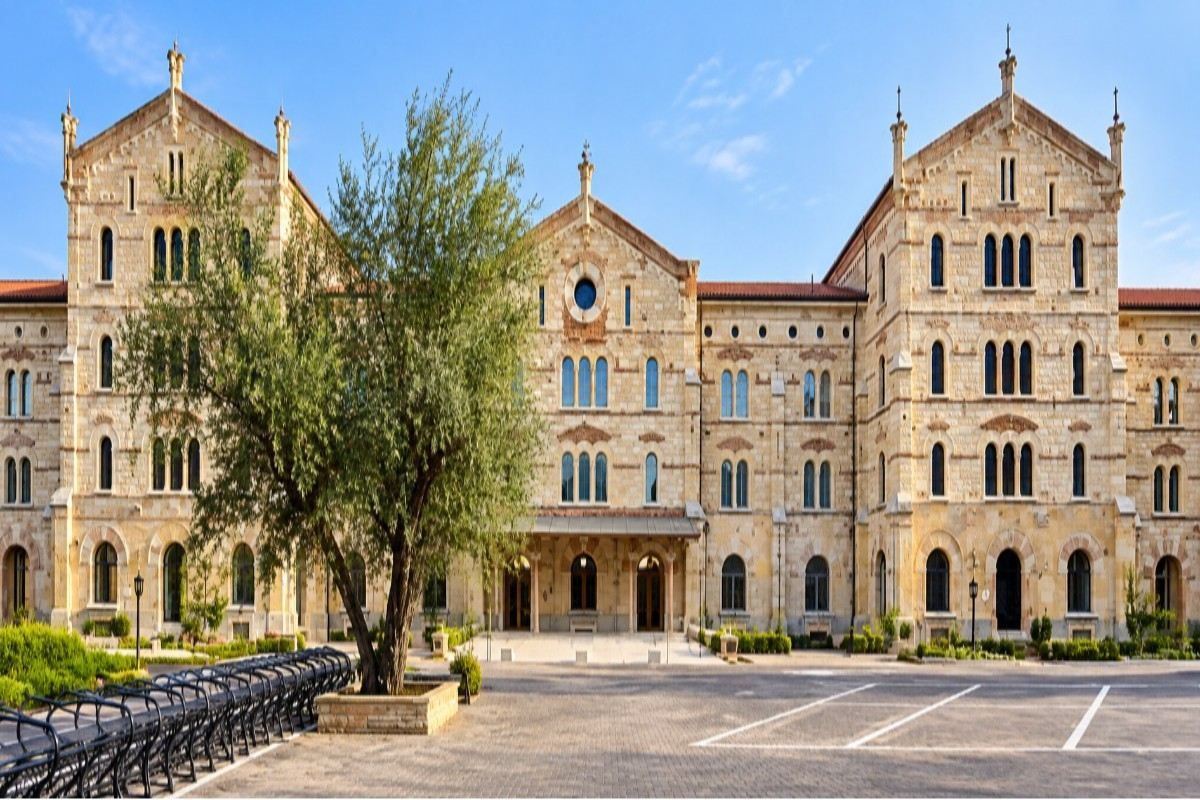
Explore fees, eligibility, and admission guidance for MBBS in University of Trento School of Medicine and Surgery in Italy.
 Partner
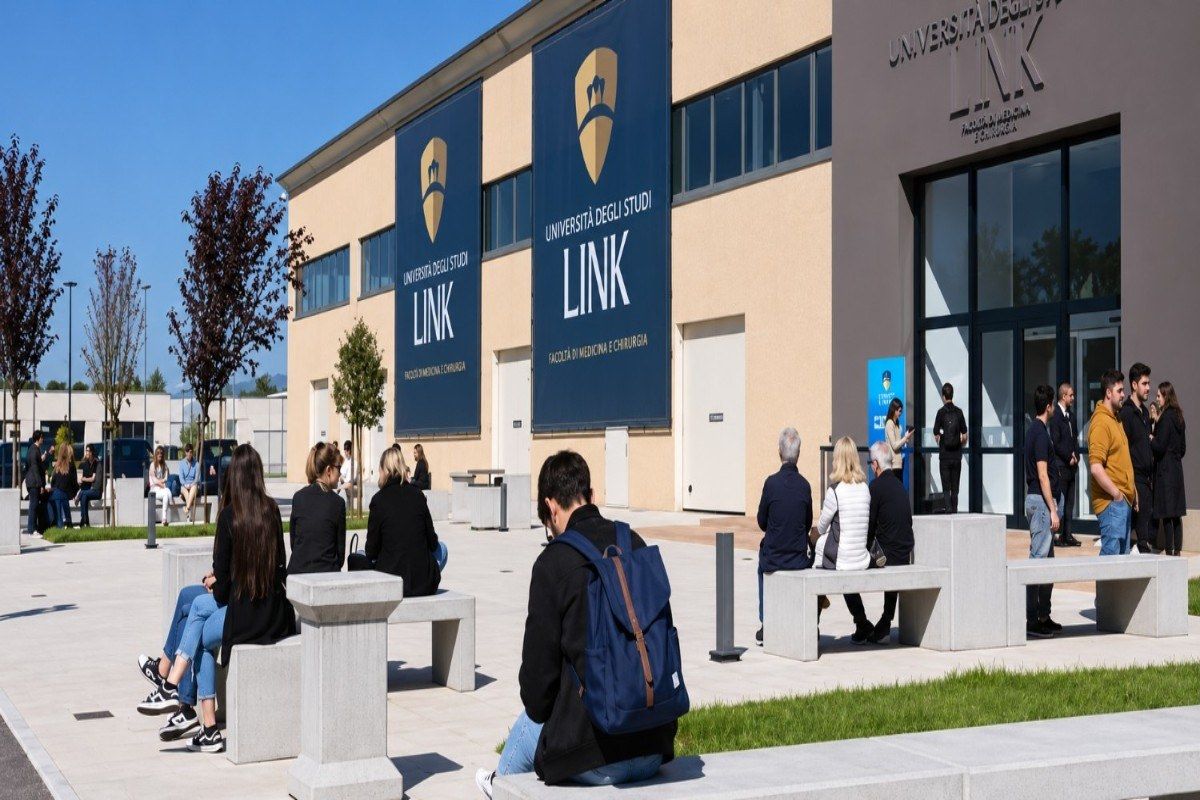
Explore fees, eligibility, and admission guidance for MBBS in University of Verona Faculty of Medicine and Surgery in Italy.
 Partner
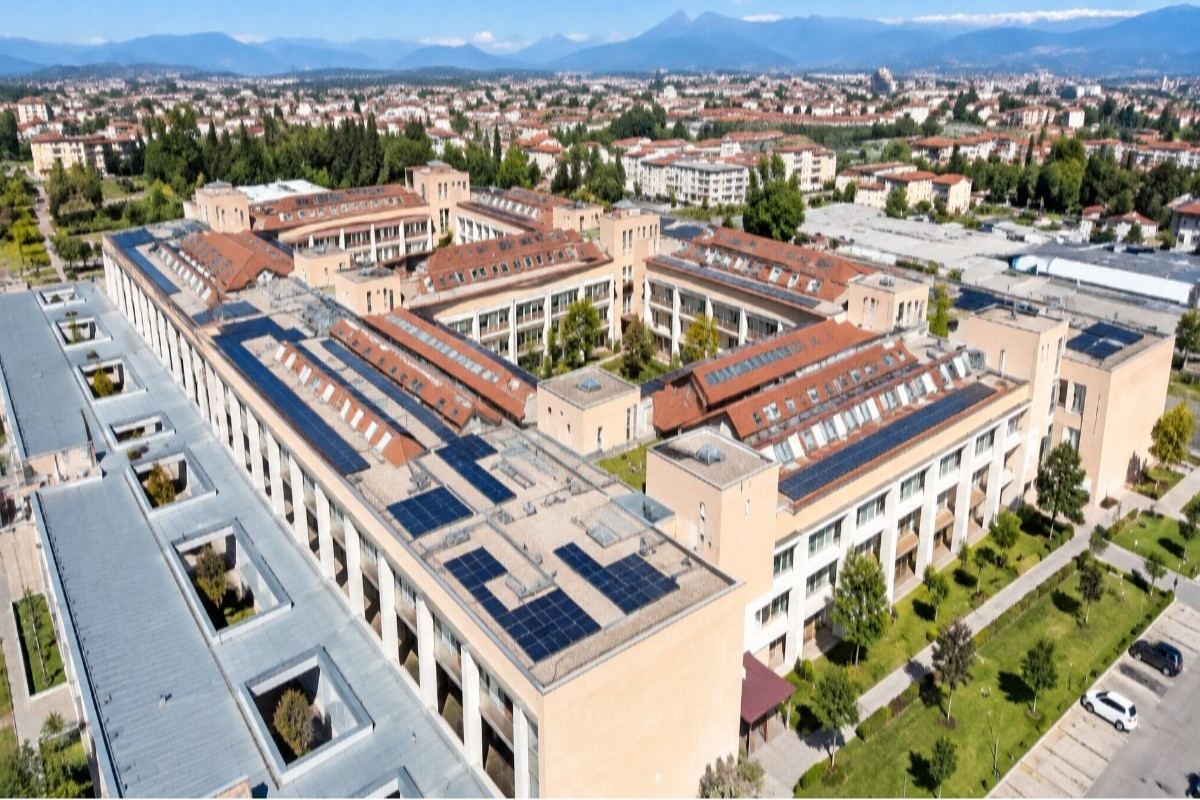
Explore fees, eligibility, and admission guidance for MBBS in LINK University Faculty of Medicine and Surgery in Italy.
 Partner
Explore fees, eligibility, and admission guidance for MBBS in University of Udine Faculty of Medicine and Surgery in Italy.
 Partner
Explore fees, eligibility, and admission guidance for MBBS in University of Trieste Faculty of Medicine and Surgery in Italy.
Our team provides university-specific guidance and a full Italy context briefing at every intake. Book a free counselling session →
Approximately ₹65–85 Lakhs total over 6 years tuition (€5,000–11,000/year at standard rate, potentially much lower with ISEE) plus living costs (€600–900/month in Bologna; €700–1,100/month in Rome). Bologna is significantly more affordable than Rome.
Bologna is consistently rated Italy's best student city, with 40 km of medieval porticos, extraordinary food (the gastronomic capital of Italy), a compact walkable centre, and a student population of approximately 100,000 that shapes the city's entire culture. It is one of the finest places in Europe to spend 6 years.
For the English-medium international tracks, Italian language is not required for academic instruction or clinical teaching. Basic Italian for daily life and some patient interaction is helpful, and most students pick up functional Italian within the first year. Dedicated Italian language courses are available through the university.
Approximately 38–46% for graduates from Italian English-medium programmes with a strong preference for a Western EU destination.
IMAT is typically held in September each year, meaning IMAT preparation must begin well before the test date. Start IMAT preparation at least 6 months before the September test. Results and university rankings are typically announced in October–November.
Yes. Direct flights from Rome Fiumicino (FCO) to Delhi and Mumbai run via Air India, Alitalia, and Gulf carriers, with a total travel time of approximately 9–12 hours. Bologna is 35 minutes from Bologna Marconi Airport (BLQ) with connections to Rome and then India. Semester breaks provide good home visit windows.
Yes. We provide useful sources dedicated to IMAT coaching, handle the Italian university application after IMAT results, manage full Type D visa documentation (including ISEE guidance), and handle Bologna/Rome arrival and Permesso di Soggiorno.
Italy offers English-medium instruction (via IMAT), while Spain is Spanish-medium; this is the key distinction. Italy's tuition is broadly comparable to Spain's for standard fees, but may be lower with an ISEE declaration. Italy's cultural experience (food, art, history) is comparable in quality to Spain's. Spain has a warmer, more consistently Mediterranean climate.