When people talk about Tor Vergata, they usually say two things. They say it is a young public university. They also say it has a strong English medical programme. Both of these points make the university worth a closer look. Founded in 1982, Tor Vergata does not have the centuries-old history of Sapienza. Instead, it has a purpose-built campus, its own teaching hospital and a competitive admissions system.
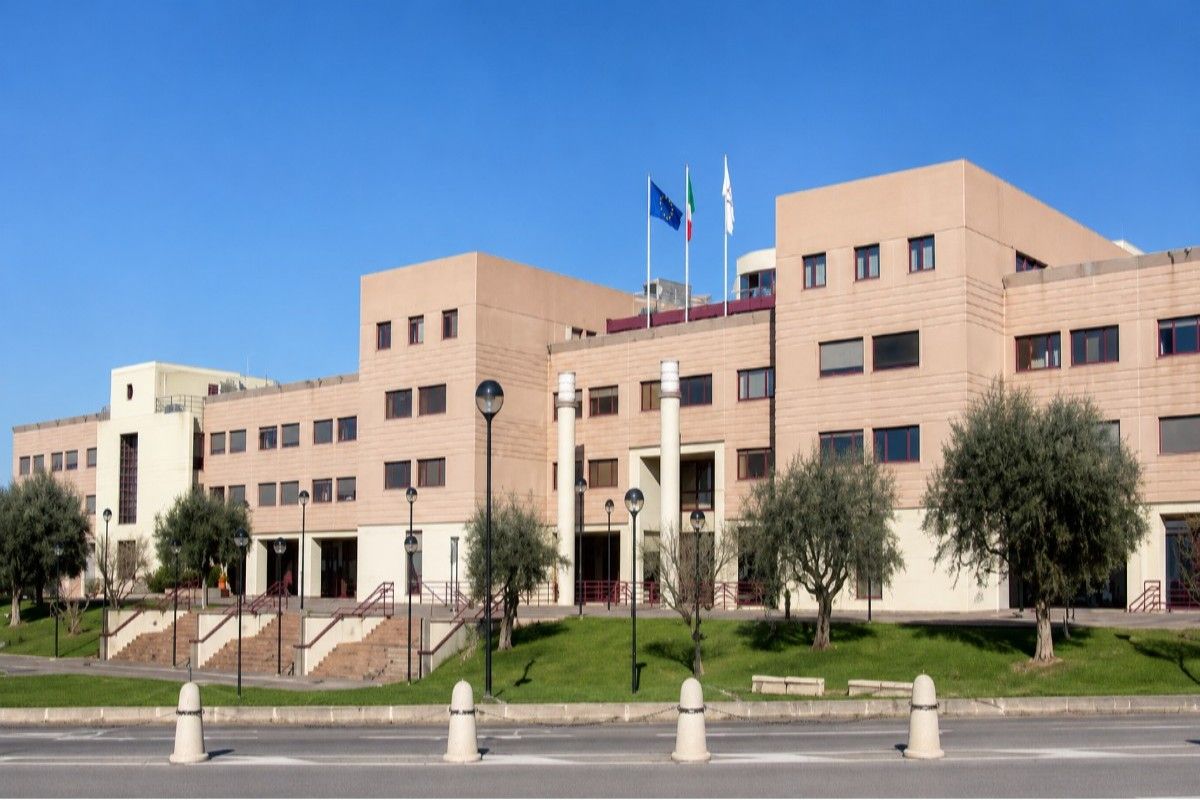
Tor Vergata sits on the south-eastern edge of Rome, outside the city's main ring road. The campus covers a large area and was designed as an integrated university campus. Unlike many older Italian universities spread throughout historic city centres, Tor Vergata brings many academic facilities together in one location.
The university is a public institution, officially known as the University of Rome II. It is regulated by the Italian higher-education system and has several major academic schools, including Medicine, Engineering, Law and Economics. Around 35,000 students study across the university.
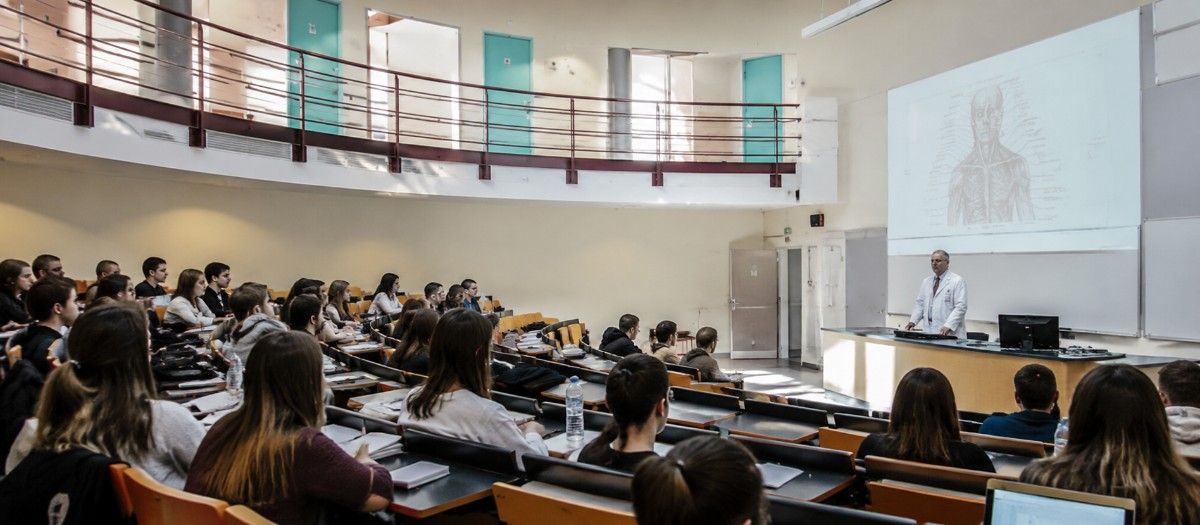
The medical school is known as the International Medical School (IMS) and offers a six-year Medicine and Surgery degree taught in English. The programme carries 360 ECTS credits and leads to the Italian medical qualification on completion.
Clinical training takes place at Policlinico Tor Vergata (PTV), the university's integrated teaching hospital. The hospital is located next to the medical school, making the transition between lectures, laboratories and clinical training convenient for students.
Admission is competitive. International students are applying through the IMAT route, and available places are limited. The IMAT consists of 60 questions and covering areas such as biology, chemistry, physics, mathematics and logic. The source states a scoring system of +1.5 for a correct answer and -0.4 for an incorrect answer, with a maximum possible score of almost 90.
Tuition is income-linked rather than a single fixed fee for every international student. Depending on the applicable income bracket, tuition can range from close to zero to around EUR 5,000 or more. Students who do not provide the required income documentation may be placed in a higher fixed-fee bracket. For this reason, applicants should confirm their exact tuition category directly with the university.
The academic programme is taught in English, but Italian becomes important during clinical training. Students are generally expected to reach around B1 Italian by the third year because patients, nurses and hospital staff communicate in Italian. The university offers Italian classes, but students should treat language preparation as an important part of medical training.
Student life at Tor Vergata also extends beyond medicine. The university has research facilities, sports infrastructure and a large campus environment. The campus is also associated with national research institutions, including the National Research Council and the Italian Space Agency.
For Indian students, Tor Vergata offers several attractive features: it is a public Italian university, admission is merit-based through the national system, tuition is linked to income, and the teaching hospital is directly connected to the campus. However, applicants must carefully verify current fees, seat numbers, admission rules and Indian regulatory requirements before making a final decision.
Why Università degli Studi di Roma “Tor Vergata” Deserves a Harder Look Than You've Given It
Most shortlists mention Tor Vergata as a cheaper and less established alternative to Sapienza. However, that description does not tell the whole story. The university's purpose-built structure and hospital-linked medical campus make it quite different from many traditional Italian universities.
Tor Vergata is a public Italian university rather than a private medical college created primarily around international students. Its Medicine and Surgery programme follows the national IMAT admission system, while its dedicated teaching hospital provides students with direct access to a clinical environment.
The purpose-built campus is another important advantage. The medical school, laboratories and Policlinico Tor Vergata are located within the same broader campus environment. This can reduce the time and expense associated with travelling between separate teaching and hospital locations during a six-year programme.
The income-linked tuition system is also worth considering. Students in lower income brackets may pay substantially less than students in higher brackets. Therefore, families should not compare Tor Vergata using one fixed tuition number without first understanding their own applicable income category.
Another factor is admission competition. Seat allocations and cut-off scores can change from year to year. A previous year's score or seat count should be therefore never be treated as a guarantee for a future intake. Students should verify the latest official admission call and ranking information before applying in it.
Why Università degli Studi di Roma “Tor Vergata” Deserves a Harder Look Than You've Given It
Most shortlists mention Tor Vergata as a cheaper and less established alternative to Sapienza. However, that description does not tell the whole story. The university's purpose-built structure and hospital-linked medical campus make it quite different from many traditional Italian universities.
Tor Vergata is a public Italian university rather than a private medical college created primarily around international students. Its Medicine and Surgery programme follows the national IMAT admission system, while its dedicated teaching hospital provides students with direct access to a clinical environment.
The purpose-built campus is another important advantage. The medical school, laboratories and Policlinico Tor Vergata are located within the same broader campus environment. This can reduce the time and expense associated with travelling between separate teaching and hospital locations during a six-year programme.
The income-linked tuition system is also worth considering. Students in lower income brackets may pay substantially less than students in higher brackets. Therefore, families should not compare Tor Vergata using one fixed tuition number without first understanding their own applicable income category.
Another factor is admission competition. Seat allocations and cut-off scores can change from year to year. A previous year's score or seat count should therefore never be treated as a guarantee for a future intake. Students should verify the latest official admission call and ranking information before applying.