
 Partner
📍Uk, Liverpool
 Study destination: Uk
For Indian students who want to study medicine in one of the world's most developed healthcare and academic systems, MBBS in UK is a highly competitive but academically rewarding option. The United Kingdom is home to several internationally known medical schools, large NHS teaching hospitals, advanced research centres, and structured clinical training environments.
The degree is not always called “MBBS” in the UK. Depending on the university, students may graduate with qualifications such as MBBS, MBChB, BM BCh or MB BChir. These qualifications all represent primary medical degrees that can lead towards medical registration in the UK after meeting the applicable professional requirements.
The demand for MBBS in UK for Indian students is mainly driven by the quality of medical education, extensive clinical exposure, research opportunities, international recognition, and access to the National Health Service. However, unlike several lower-cost MBBS-abroad destinations, medicine in the UK requires a substantial financial commitment and a highly competitive admission profile.
Students planning MBBS in London should be particularly careful about budgeting because London combines some of the UK's most prestigious medical schools with some of its highest tuition and living expenses.
For the 2026–27 academic year, international medicine fees at major UK medical schools range widely. For example, UCL lists £57,300 per year for Medicine MBBS BSc, the University of Edinburgh lists £54,650, the University of Glasgow lists £62,730, while the University of Birmingham charges different rates for pre-clinical and clinical years.
The UK is different from many other destinations because students are educated directly within one of the world's most established public healthcare systems.
Medical education combines university teaching with clinical placements in:
NHS hospitals
General practices
Community health services
Specialist centres
Teaching hospitals
Research institutions
Simulation and clinical skills centres
The course is academically intensive, and admission is selective, but students gain access to a highly structured training environment.
Indian students consider study medicine in UK for several reasons:
Globally established medical universities
GMC-regulated medical education
Clinical training through the NHS
Strong research environment
Modern medical infrastructure
Early patient interaction at many universities
Internationally diverse campuses
English-medium education
Wide range of medical specialties
Strong postgraduate training pathways
Opportunities for intercalated degrees
Exposure to evidence-based medicine
Advanced simulation laboratories
International academic reputation
Structured professional development
The major challenge is not education quality but cost and competition.
Particular | Details |
Course | Medicine / MBBS / MBChB / BM BCh |
Popular Search Term | MBBS in UK |
Typical Duration | 5–6 years |
Graduate Entry | Around 4 years at selected universities |
Medium of Instruction | English |
Main Admission Route | UCAS |
Entrance Test | UCAT required by many medical schools |
Application Deadline for Most 2027 Medicine Courses | 15 October 2026 |
Typical Intake | September |
International Tuition Fees | Approx. £32,000–£70,000+ per year depending on university and study stage |
Approx. INR Equivalent | Roughly ₹41 lakh–₹89 lakh+ per year at current exchange rates |
Major Study Cities | London, Manchester, Birmingham, Edinburgh, Glasgow, Oxford, Cambridge |
Clinical Training | NHS hospitals and healthcare settings |
University-specific | |
Relevant for students who want to meet applicable Indian foreign-medical education requirements | |
Student Visa | Required for most Indian students |
Living Cost | High, especially in London |
The 2027 UCAS equal-consideration deadline for most medicine courses is 15 October 2026 at 18:00 UK time.
The UK attracts students who are looking for more than just a medical degree. There are several reasons due to which many Indian students prefer to pursue their MBBS In UK, which are listed below:
The UK has one of the strongest medical education systems in the world. The medical schools here combine:
Medical sciences
Clinical communication
Professional behaviour
Evidence-based medicine
Clinical reasoning
Public health
Research
Patient-centred care
Here the students do not normally spend the entire early course in classrooms. Many universities introduce clinical or patient contact from the early stages.
A major advantage of MBBS in UK for Indian students is access to clinical training within the National Health Service.
Students may rotate through:
General medicine
Surgery
General practice
Pediatrics
Obstetrics and gynecology
Psychiatry
Neurology
Emergency medicine
Oncology
Dermatology
Geriatric medicine
Community healthcare
Manchester, for example, states that its students gain clinical experience in hospital and community settings throughout the five-year course, with extensive placement-based learning from Year 3 onward.
Medical courses are taught in English, which removes the language barrier found in some non-English-speaking MBBS destinations.
However, Indian students must still meet the university's English-language requirements.
Accepted tests may include:
IELTS Academic
TOEFL
Other university-approved English qualifications
Requirements differ by medical school and are often stricter for medicine than for general undergraduate courses.
Admission requirements in the UK are highly university-specific. Therefore, Indian applicants generally need a very strong academic profile to get admission.
Students are usually expected to demonstrate excellent performance in subjects such as:
Chemistry
Biology
Physics or Mathematics where required
Most leading medical schools expect academic performance equivalent to high UK A-level grades. Typical offers at some universities are around:
AAA
A*AA
Similar high International Baccalaureate performance
For example, Birmingham lists an AAA-style academic requirement for Medicine, while Imperial lists AAA for its medicine course.
Indian Class 12 qualifications are assessed differently by each university, so students should confirm whether their board and subjects are accepted directly.
The University Clinical Aptitude Test (UCAT) is a major part of UK medical admissions.
Many medical universities use UCAT scores to shortlist candidates for interviews. A strong UCAT score does not guarantee admission, but a weak score can significantly reduce available university options.
This test assesses areas such as:
Verbal reasoning
Decision-making
Quantitative reasoning
Situational judgement
The exact selection weight given to UCAT differs from one medical school to another. Students should ideally begin UCAT preparation months before the testing window rather than treating it as a last-minute examination.
Students intending to return to India after completing their medical degree abroad should carefully review the applicable Indian regulations before admission.
Indian candidates should not assume that studying medicine in the UK automatically removes Indian foreign-graduate requirements.
They should verify:
NEET-related requirements
Course duration
Internship or practical-training structure
Registration eligibility
Licensing requirements in the UK
Current NMC rules applicable to their admission year
Because a UK medical degree may follow a different structure from medical programs in other countries, students should evaluate the exact course before enrolling.
Admission to UK medicine is competitive and usually begins much earlier than admissions in many other countries.
Step-by-Step Admission Process
Students should compare:
Academic requirements
UCAT policy
Course duration
Tuition fees
International seats
Clinical teaching style
City
Living costs
English requirements
Interview format
Most applicants to medical schools in the UK are required to take the UCAT (University Clinical Aptitude Test) before finalising their UCAS choices. For the 2026 cycle, the UCAT consists of Verbal Reasoning, Decision Making, Quantitative Reasoning and Situational Judgement and takes just under two hours. The three cognitive sections are each scored from 300–900, giving a total score between 900 and 2700, while Situational Judgement is reported separately in Bands 1–4.
There is no single UCAT cut-off for all UK medical schools. Each university uses UCAT differently, and the threshold can change every year according to the number and quality of applicants. For 2026 entry, the University of Manchester used a threshold of 2060 for home applicants and 2250 for overseas applicants, while the University of Bristol's final Medicine interview threshold was 2240 for home applicants and 2270 for overseas applicants.
Universities such as Birmingham and Newcastle do not set a fixed UCAT cut-off in advance. Instead, applicants are ranked against the current applicant pool, often alongside academic performance and other selection criteria.
Therefore, international students should not rely on one universal “safe UCAT score.” A stronger score—particularly around the upper deciles—can improve competitiveness, but students should always check the latest UCAT policy of each medical school before applying.
The UCAT syllabus is aptitude-based rather than subject-based. It tests reading and critical reasoning, logical decision-making, numerical problem-solving, and professional judgement in realistic situations; it does not require advanced medical knowledge.
For 2026, the exam fee was £70 for tests taken in the UK and £115 for tests taken outside the UK. Indian students sitting the UCAT outside the UK would therefore normally pay the international fee.
The UCAT is conducted at Pearson VUE test centres across the UK, with centres available in major cities and regional locations throughout England, Scotland, Wales and Northern Ireland. Candidates can choose the most convenient centre while booking through their UCAT account, subject to seat availability. The exact list of centres and appointment slots can change during the testing cycle, so applicants should use the official Pearson Test Centre Locator when booking. For the 2026 cycle, UCAT testing ran from 13 July to 24 September 2026.
A small number of UK medical pathways allow students to enter without taking the UCAT. For international students, some of the main examples include the University of Lancashire MBBS with Foundation Year and the University of Buckingham Pre-Medical programme.
These routes may allow students to progress toward a medical degree without UCAT, but applicants must still meet the required academic standards, complete the foundation or pre-medical course successfully, and satisfy any interview or internal assessment requirements.
Students should also understand that not every foundation programme in the UK leads directly to Medicine. Some universities may still require UCAT at the progression stage, while general foundation courses may not be accepted for entry into an MBBS or MB ChB programme.
Therefore, Indian students should always check whether the foundation course is specifically designed as a pathway to Medicine and whether progression to the medical degree is guaranteed or competitive.
Applications are generally submitted through UCAS. Medicine applicants usually have an earlier deadline than standard undergraduate applicants.
For 2027 entry, the principal medicine deadline is 15 October 2026.
Students provide:
Academic qualifications
Predicted or final grades
School details
Personal information
Relevant application responses
Reference
Universities may evaluate:
Academic performance
UCAT score
English proficiency
Personal circumstances
Application quality
Shortlisted applicants may attend:
Multiple Mini Interviews
Panel interviews
Online or in-person interviews
Interview topics can include:
Motivation for medicine
Ethics
Communication
NHS awareness
Teamwork
Problem solving
Professional behaviour
Successful students may receive a conditional offer based on final academic or language results.
Students accept the selected university according to UCAS procedures.
After satisfying the university's conditions and financial requirements, eligible international students receive a Confirmation of Acceptance for Studies.
Students then complete the student visa process.
Applicants should prepare documents carefully.
Common documents may include:
Valid passport
Class 10 documents
Class 12 marksheet/certificate
Predicted grades where applicable
School reference
UCAT score
English-language test score
NEET scorecard where relevant for Indian regulatory purposes
Financial documents
CAS after admission
Visa documents
Tuberculosis test certificate where applicable
Academic transcripts
Identity documents
Some universities may request additional evidence.
UK medicine applications have strict timelines.
Errors can affect:
UCAS processing
Offer conditions
Visa application
Fee-status assessment
CAS issuance
Students should keep all academic and financial records consistent.
The UK has many established medical schools.
Some widely considered institutions include:
Medical University | City | Typical Duration | Qualification |
London | 6 years | MBBS/BSc | |
London | 5 years | MBBS | |
Oxford | 6 years | BM BCh | |
Cambridge | 6 years | MB BChir | |
Manchester | 5 years | MBChB | |
Birmingham | 5 years | MBChB | |
Edinburgh | 6 years | MBChB | |
Glasgow | 5 years | MBChB | |
University College London | London | 6 years | MBBS BSc |
City St George's, University of London | London | 5 years | MBBS |
Course structure and intercalation opportunities vary by institution.
MBBS in London is especially attractive because London has several major medical schools and NHS teaching hospitals.
Students can consider institutions such as:
UCL
Imperial College London
King's College London
City St George's
Queen Mary University of London
Studying medicine in London offers access to specialist hospitals, research institutes, diverse patient populations and major healthcare centres.
The disadvantage is cost.
London is usually more expensive than most other UK university cities.
MBBS fees in London vary significantly by medical school.
For 2026–27:
UCL Medicine MBBS BSc: £57,300 per year for international students.
City St George's Medicine MBBS: £46,000 per year for international students.
These figures show why students should not use one generic “London MBBS fee” for every university.
Students should also expect:
Accommodation
Food
Local transport
Books/equipment
Placement travel
Visa expenses
Immigration Health Surcharge
Personal expenses
The MBBS in UK for Indian students fees are considerably higher than the tuition charged in many Asian or Eastern European destinations.
University | 2026–27 International Tuition | Notes |
UCL | £57,300 | 6-year Medicine MBBS BSc |
City St George's | £46,000 | 5-year MBBS |
University of Edinburgh | £54,650 | 6-year MBChB |
University of Glasgow | £62,730 | MBChB |
University of Manchester | £39,900 Years 1–2 | Pre-clinical fee |
University of Manchester | £60,900 | Clinical-stage rate applicable to students entering clinical years in 2026 |
University of Birmingham | £32,580 Years 1–2 | Pre-clinical |
University of Birmingham | £52,080 Years 3–5 | Clinical |
These university fees are published for 2026–27 and may increase in later academic years.
At a current indicative exchange rate of approximately £1 = ₹127, a yearly tuition fee of £50,000 is roughly ₹63.5 lakh.
Tuition is only one part of the total cost.
Expense | Approximate Pattern |
Tuition Fees | £32,000–£70,000+ per year |
Accommodation | Higher in London, moderate to high elsewhere |
Food | Depends on lifestyle |
Local Travel | Varies by city |
Clinical Placement Travel | May be additional |
Visa Fee | Applicable |
Immigration Health Surcharge | Applicable |
Books/Equipment | Additional |
Personal Expenses | Depends on lifestyle |
The total cost of MBBS in UK can be substantial over five or six years.
Living expenses depend strongly on location.
London is usually the most expensive major study destination.
For student-visa financial evidence, current UK rules require students to demonstrate funds of:
£1,529 per month in London
£1,171 per month outside London
for up to nine months, subject to the applicable visa conditions.
These visa thresholds are financial evidence requirements, not guaranteed real-world budgets.
Actual expenditure may be higher.
Students can choose between:
University halls
Private student accommodation
Shared flats
Private rental housing
Homestay in selected cases
University accommodation can be convenient in the first year because it provides:
Furnished rooms
Security
Internet
Shared social areas
Access to student communities
Utility-inclusive packages in many halls
London accommodation normally costs more than housing in cities such as Manchester, Birmingham or Glasgow.
Medicine scholarships for international students are limited compared with scholarships available for some non-clinical courses.
Possible funding sources may include:
University-specific awards
International student scholarships
External foundations
Education loans
Sponsorship
Merit-based awards
Students should never plan a UK medical degree on the assumption that a major scholarship will automatically be available.
International medical students should be prepared for substantial self-funding.
The term “affordable MBBS in UK” is relative. Medicine is expensive throughout the UK for overseas students. However, some institutions may have lower starting tuition than premium London or Scottish universities.
For example, Birmingham's 2026 international pre-clinical medicine fee is £32,580, which is lower than UCL's £57,300 or Glasgow's £62,730. However, Birmingham's clinical years cost more, so students must calculate the entire course rather than comparing only first-year tuition.
Factor | MBBS in UK | MBBS in India |
Typical Duration | 5–6 years | 5.5 years |
Medium | English | English |
Admission Exam | UCAT at many universities + academic selection | NEET UG |
Admission Competition | Extremely high | Extremely high for government colleges |
International Tuition | Very high | Varies widely |
Clinical System | NHS | Indian healthcare system |
International Exposure | High | Primarily domestic |
Degree Title | MBBS/MBChB/BM BCh etc. | MBBS |
Clinical Training | NHS hospitals and GP settings | Teaching hospitals |
Local Registration | GMC pathway | NMC/State Medical Council pathway |
Students should choose based on long-term career plans rather than assuming that one system is universally better.
Country | Approx. Tuition/Year | Living Cost | Medium | Admission Competition | Clinical Exposure |
UK | £32,000–£70,000+ | High | English | Very high | Strong |
Lower | Moderate | English/Russian depending on university | Moderate | Strong at established institutions | |
Lower | Low–Moderate | English at selected universities | Moderate | Good to strong | |
Lower | Low | English at selected universities | Moderate | Moderate to good | |
Moderate | Moderate–High | English | Moderate | Strong at established universities | |
Moderate | Low–Moderate | English | Competitive | Strong patient exposure |
The UK is clearly the premium-cost option in this comparison. Its main strengths are not affordability but clinical integration, academic reputation and access to the NHS.
London offers the largest concentration of internationally known medical schools.
Advantages include:
Major NHS teaching hospitals
Specialist centres
Research institutes
International population
Large student community
Excellent public transport
The main disadvantage is cost.
Manchester combines a large medical school with extensive NHS clinical networks.
The University of Manchester runs a five-year MBChB and places students across hospitals and community healthcare settings.
Birmingham is one of the UK's largest cities and offers a major teaching-hospital environment.
Its five-year Medicine and Surgery MBChB incorporates clinical and scientific education.
Edinburgh offers a six-year integrated medical degree.
The 2026–27 international medicine fee is £54,650 annually.
Glasgow offers a major Scottish medical-school environment.
Its 2026–27 international MBChB fee is £62,730 per year.
Oxford's medicine course follows a six-year structure combining pre-clinical sciences and clinical medicine.
For 2026 entry, overseas clinical-year fees were listed at £65,250 per year for students entering that fee stage, showing the high cost of advanced clinical education.
Cambridge provides a six-year medicine pathway with strong scientific and clinical training.
International medical tuition is among the highest in the UK, with 2026–27 medicine tuition listed at £70,554, excluding applicable college costs where relevant.
Most undergraduate medical degrees in the UK take five or six years.
Examples:
King's: 5 years
Manchester: 5 years
Birmingham: 5 years
City St George's: 5 years
UCL: 6 years
Edinburgh: 6 years
Oxford: 6 years
Cambridge: 6 years
Some universities offer optional intercalated degrees that can extend the total study period.
Graduate-entry medicine may be completed in around four years at selected institutions.
There is no single identical syllabus across all universities.
Medical schools follow outcomes required by the UK medical regulatory framework while designing their own course structure.
Stage | Major Areas |
Early Years | Anatomy, physiology, biochemistry, pathology foundations |
Integrated Medical Sciences | Pharmacology, microbiology, genetics, immunology |
Clinical Introduction | Communication, examination, diagnostics |
Clinical Years | Medicine, surgery, pediatrics, psychiatry, OBGYN |
Advanced Placements | Emergency medicine, GP, specialties |
Final Year | Preparation for clinical practice |
Students may study:
Anatomy
Physiology
Biochemistry
Pathology
Pharmacology
Microbiology
Immunology
Medical ethics
Evidence-based medicine
General medicine
Surgery
Pediatrics
Obstetrics and gynecology
Psychiatry
Neurology
Oncology
General practice
Public health
Emergency medicine
UK curricula often integrate subjects rather than teaching every discipline as a completely separate block.
Clinical training is one of the strongest aspects of UK medical education.
Students learn in:
NHS hospitals
General practices
Community services
Specialist units
Emergency departments
Surgical wards
Outpatient clinics
Training can involve:
Patient interviews
Clinical examinations
Ward rounds
Case discussions
Diagnostic reasoning
Clinical documentation
Team-based care
Communication skills
Prescribing principles
Medical ethics
Students develop:
Patient communication
History taking
Physical examination
Clinical decision-making
Diagnostic reasoning
Teamwork
Professionalism
Evidence interpretation
Ethical judgement
Patient safety awareness
UK medical graduates follow the General Medical Council registration pathway.
A medical degree does not by itself mean a graduate can immediately practise independently.
Graduates typically move into supervised postgraduate training and must satisfy the professional requirements applicable at the time of graduation.
Modern UK medical education also incorporates the Medical Licensing Assessment framework into the qualification process.
Indian students who later want to practise in India should check the NMC rules applicable to their admission and graduation year.
They should verify:
NEET eligibility
Course length
Internship and clinical training
Local registration eligibility
Primary medical qualification requirements
Screening/licensing rules applicable in India
Students should do this before admission, not after completing a five- or six-year course.
One of the main attractions of studying medicine in the UK is the possibility of continuing into UK postgraduate medical training.
Graduates may progress towards areas such as:
Internal medicine
Surgery
Pediatrics
Psychiatry
General practice
Radiology
Anaesthetics
Obstetrics and gynecology
Emergency medicine
Dermatology
Cardiology
Neurology
Entry into postgraduate specialties remains competitive.
Graduates who want to pursue medical training in the United States can explore the USMLE and US residency pathway, subject to the eligibility requirements applicable at that time.
A UK medical qualification can provide a strong academic background, but it does not provide automatic US medical registration.
Student life varies significantly by city.
Medical students can experience:
University societies
Sports clubs
Medical associations
Research projects
Cultural events
International communities
Student unions
Academic conferences
Volunteering
Clinical societies
London offers the greatest variety but also the highest expenses.
Smaller cities may offer lower living costs and a more campus-centred lifestyle.
Indian students generally find food adjustment easier in the UK than in many other international destinations.
Major cities offer:
Indian grocery stores
Vegetarian food
Vegan options
North Indian food
South Indian food
Halal options
International supermarkets
Cities such as London, Birmingham, Manchester, Leicester, Glasgow and Edinburgh have diverse food cultures.
The UK has an extensive public transport network.
Students commonly use:
Buses
Trains
Underground systems
Trams
Cycling
Walking
London has the Underground and a large bus network.
Clinical placements may sometimes require travel beyond the main university campus, so medical students should include placement transport in their budget.
The UK has a temperate climate.
Students generally experience:
Cool winters
Mild summers
Frequent rain
Short winter daylight hours
Variable weather
Indian students may need time to adjust to colder, darker winters, but temperatures are usually less extreme than in many parts of Russia or Central Asia.
The UK has large international student communities, but normal personal safety precautions remain important.
Students should:
Follow university guidance
Use safe transport
Keep documents secure
Understand local laws
Maintain valid immigration status
Save emergency contacts
Follow accommodation rules
Keep health insurance/visa documentation current
Campus safety services are available at most universities.
International students may have limited work rights depending on their visa conditions.
However, medicine is academically demanding.
Students should not build their financial plan around earning enough through part-time work to pay medical-school tuition.
Tuition can exceed £50,000 per year at many universities, so part-time earnings are not a realistic substitute for proper funding.
Medical graduates may pursue careers in:
NHS medical practice
General practice
Hospital medicine
Surgery
Research
Public health
Medical education
Healthcare management
Academic medicine
International healthcare
Career progression depends on licensing, postgraduate training and specialty selection.
The UK may suit students who:
Have an excellent academic record
Can compete for selective medical-school places
Are prepared for UCAT
Have strong English communication
Can manage a high financial commitment
Want NHS clinical exposure
Are interested in research
Want a long-term international medical career
Are comfortable living independently abroad
It may be less suitable for students whose main priority is finding the cheapest MBBS-abroad option.
Explore active university options with fee, duration, and accreditation details before you shortlist your preferred campus.
PartnerChoose the right country, shortlist the right university, and understand your next steps with one clear plan built around your NEET score and budget.
Arrange a free counselling sessionMBBS in Uzbekistan 2026-27: Fees, Universities, NMC Advisory & Everything Else Nobody Tells You Upfront
Lowest-Cost NMC-Compliant MBBS Abroad | English Medium | No Donation | ₹15-35 Lakh Total | National FMGE Average 25%
MBBS in Russia 2026 Affordable Fees, NMC-Compliant Universities & Global Recognition
MBBS in Belarus 2026-27: Fees, Universities, Eligibility, Admission & NEET
● NMC, WHO/WDOMS, and EU/ECTS-recognized universities are available; always verify your specific university's current standing directly rather than relying on a blanket "NMC approved" claim
Yes. UK medical universities award primary medical qualifications under different names such as MBBS, MBChB, BM BCh and MB BChir.
Most undergraduate medical programs take 5–6 years.
Yes. Indian students can apply if they meet the university's academic, admissions-test, English-language and other eligibility requirements.
International medicine tuition commonly ranges from around £32,000 to £70,000+ per year, depending on the medical school and clinical stage.
Expert will call you within 2 hours
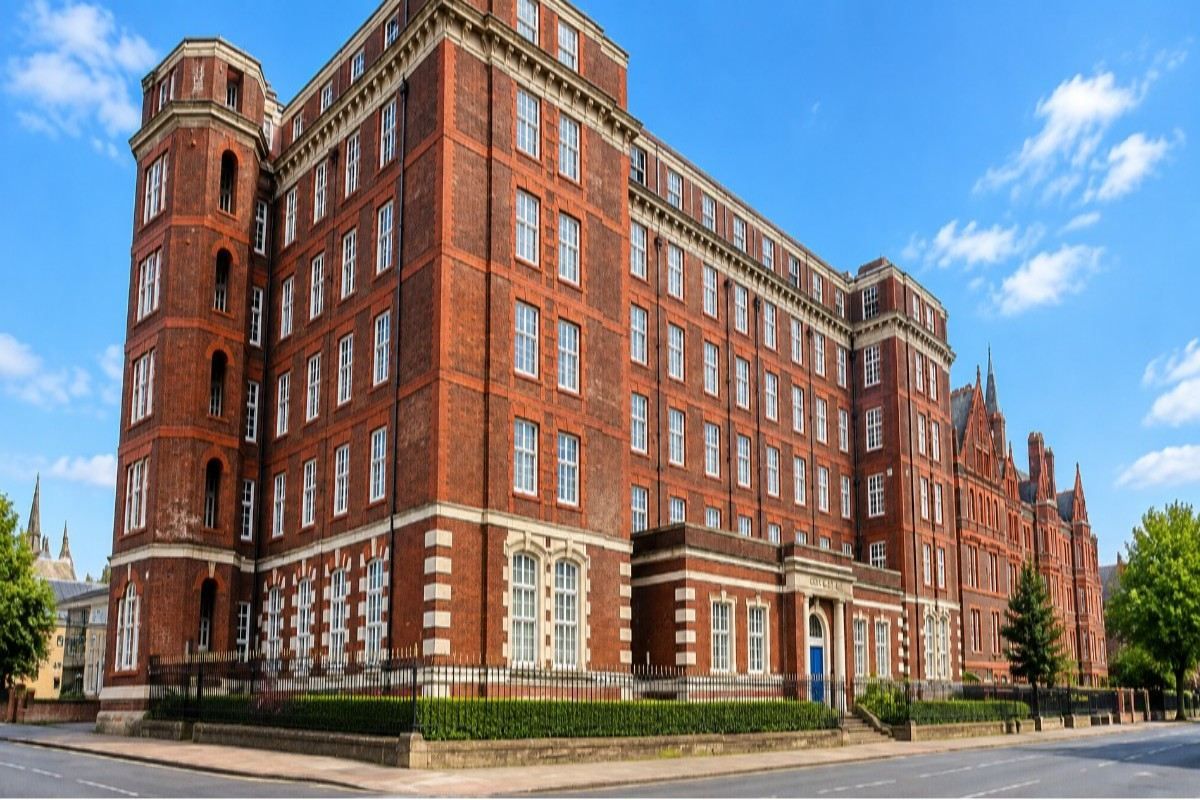
Explore fees, eligibility, and admission guidance for MBBS in University of Liverpool School of Medicine in Uk.
 Partner
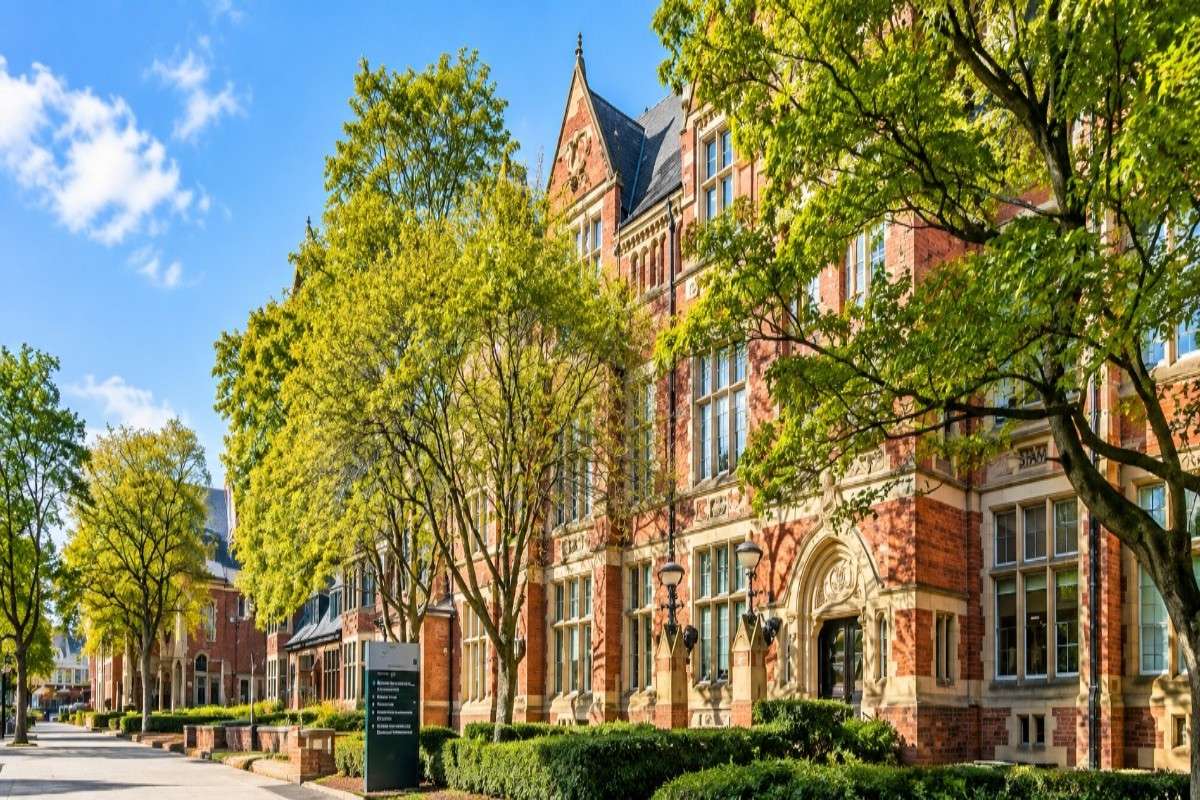
Explore fees, eligibility, and admission guidance for MBBS in University of Leeds School of Medicine in Uk.
 Partner
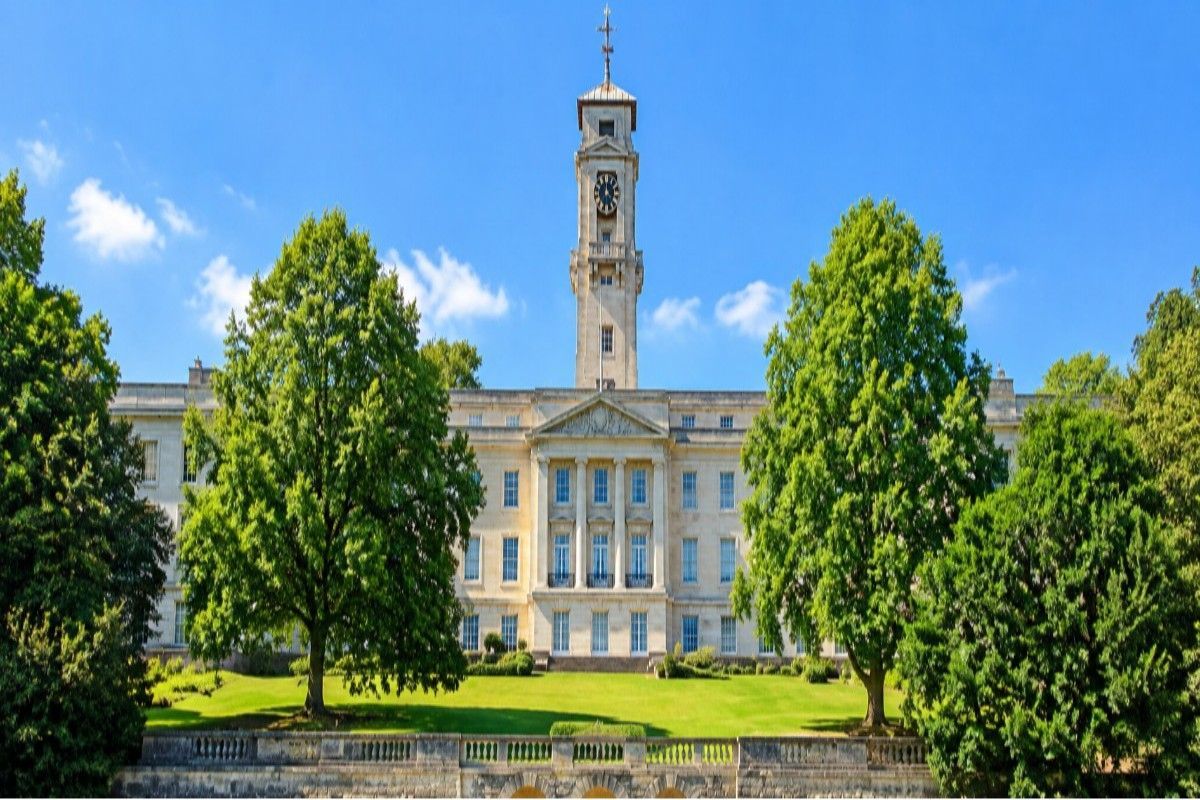
Explore fees, eligibility, and admission guidance for MBBS in University of Nottingham School of Medicine in Uk.
 Partner
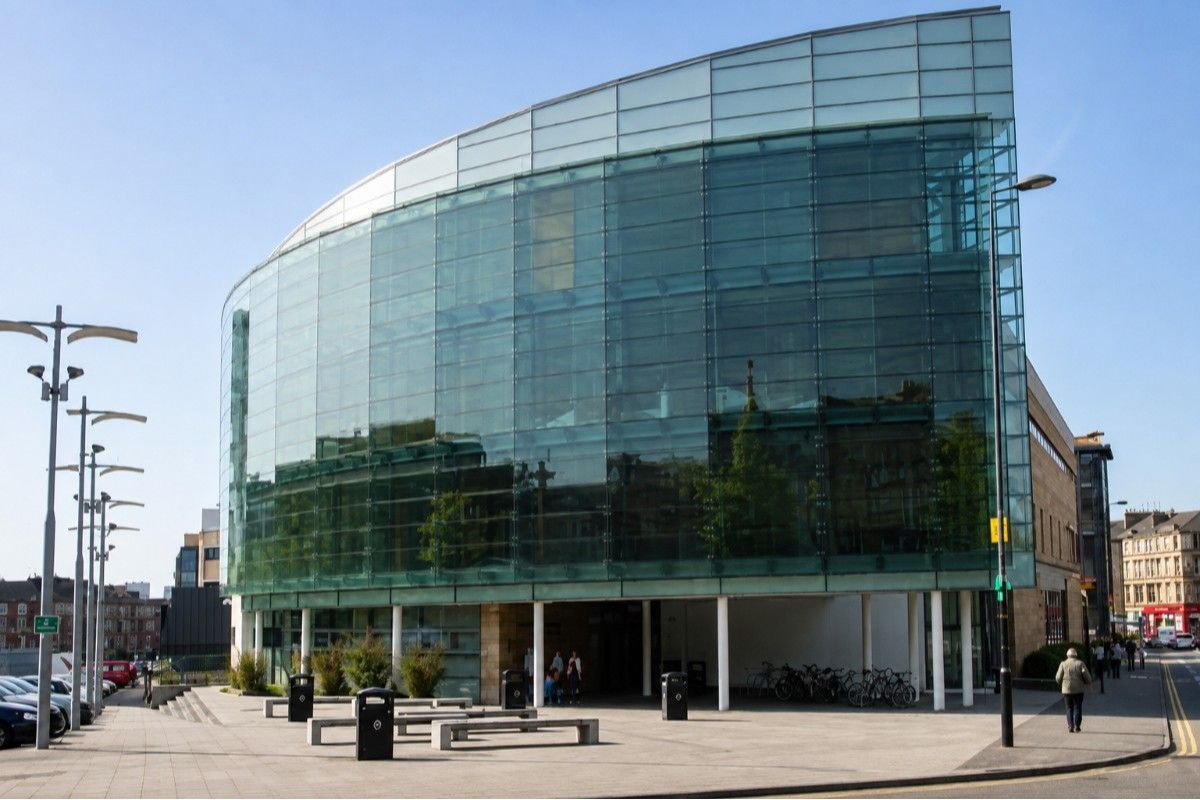
Explore fees, eligibility, and admission guidance for MBBS in University of Glasgow School of Medicine Dentistry and Nursing in Uk.
 Partner
Explore fees, eligibility, and admission guidance for MBBS in University of Sunderland School of Medicine in Uk.
 Partner
Explore fees, eligibility, and admission guidance for MBBS in University of St Andrews School of Medicine in Uk.
Our team provides university-specific guidance and a full Uk context briefing at every intake. Book a free counselling session →
For 2026–27, UCL lists £57,300 per year, while City St George's lists £46,000 per year for international medicine students. University College London
Yes. London generally has both high medical-school tuition and higher accommodation/living costs than most other UK cities.
Major London medical schools include UCL, Imperial College London, King's College London, City St George's and Queen Mary University of London.
UK universities generally assess students according to their own admission requirements. However, Indian students who want future medical registration in India should verify the applicable NEET and NMC rules before enrolling abroad.
Many UK medical schools require UCAT, although admission policies differ by university.
An accepted English-language qualification may be required for international students. The exact test and minimum score vary by university.
Yes, if your Indian qualification is accepted by the selected university and you satisfy its academic, admissions-test and English requirements.
For most 2027-entry medicine courses, the UCAS deadline is 15 October 2026.