
1. What makes the University of Leeds School of Medicine unique?
+A: Its School of Medicine dates to 1831, seventy-three years before the University itself was chartered, and students begin clinical placements from Year 1 across four NHS Trusts.
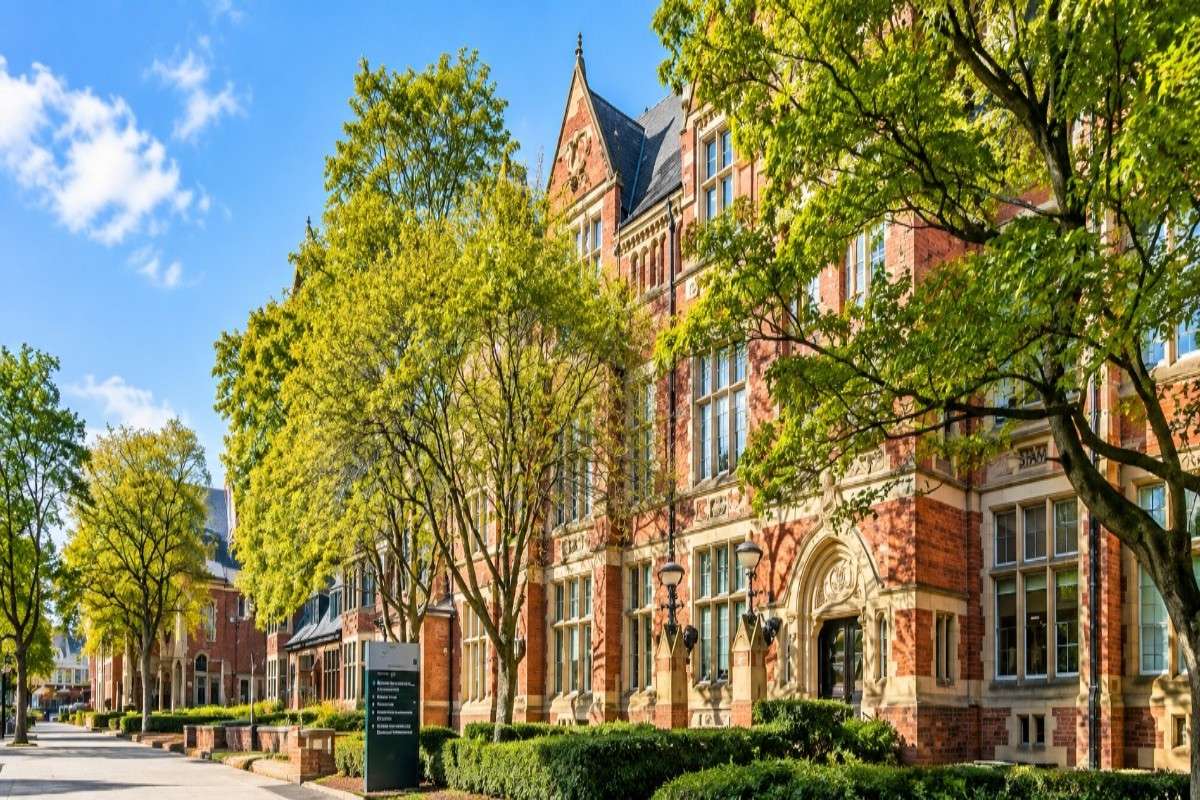
 Uk | Est. 1831
Uk | General Medical Council (GMC), United Kingdom | English medium
Expert will call you within 2 hours
When it comes to selling UK medical schools to Indian families, almost every agent jumps straight to Oxford, Cambridge, and Imperial, treating everything else as secondary. This fails to take into account a detail worth mentioning - the Leeds School of Medicine was established even before the University of Leeds itself. Back in 6 June 1831, six Leeds physicians and surgeons decided to create an independent medical school so that local students could finally get medical qualifications without having to go to Edinburgh or London, and this new institution welcomed its first cohort just three months later in October, seventy-three years before the University of Leeds got its own royal charter in 1904. Being one of only ten provincial medical schools founded in England between 1824 and 1834, Leeds School of Medicine used to be housed at Leeds Public Dispensary before becoming a part of the Yorkshire College in 1884, which later became the University of Leeds.
This background might not matter much in terms of prestige, but it does matter in terms of what it created - almost two hundred years of continuous connections with hospitals of West Yorkshire. Current MBChB students are trained at four NHS Hospital Trusts, including Leeds General Infirmary and St James's University Hospital, as well as GPs practices, hospices, and other services across the region. Starting their clinical placements in Year 1, and not in Year 3 or 4 like in many traditional medical schools, students start examining patients, taking their histories, and participating in ward rounds earlier than most of their peers from other universities. Five-year MBChB programme is accredited by the General Medical Council, and its final-year examination takes place during GMC's nationwide Medical Licensing Assessment that all UK medical graduates are supposed to take in order to become provisionally registered. The course is based on an integrated system of four strands studied and further developed each year – Fundamentals of Medicine, Clinical Practice, Professional Practice, and Student Choice, and not on the old system of two preclinical and three clinical years studied separately. Approximately half of medical students at Leeds choose to intercalate – to study a BSc or MSc for an extra year, either after Year 2, Year 3, or Year 4, and Year 5 features six-week overseas elective when recent cohorts were working in Nepal, Tanzania, Vanuatu, and Ethiopia.
So why would an Indian student choose Leeds rather than a more prestigious university if its international tuition is equal to £49,000 per year, being very close to the top of the UK fee table and being exceeded only by Cambridge University? Well, one reason is that Leeds is among those few Russell Group medical schools that accept school-leavers directly from Class 12, unlike Warwick's graduate-entry MBChB programme, for instance. In exchange, there is an extremely high admission threshold – AAA offer with Chemistry and Biology, UCAT score that needs to pass approximately 2,600 point barrier to get to the interview stage in the latest cycle, multiple mini-interview, and IELTS requirement of 7.5 with no bands lower than 7.5 in Speaking, which is among the highest English-language requirements in UK medical schools. Furthermore, Leeds is honest about what it does not offer – neither its main international scholarships, International Excellence Scholarship nor International Regional Scholarship, which usually covers Indian applicants, is applicable to the MBChB programme. Families thinking of applying for Leeds need to consider self-funding or external scholarships such as Inlaks Shivdasani Foundation scholarship and not university scholarships to cover the tuition fee.
In contrast to the high tuition fee, the ranking situation looks stable for Leeds – according to the Complete University Guide 2026, it is ranked 21st in the UK for Medicine, while QS World University Rankings by Subject 2026 gives it a rank among the best 100 universities worldwide for Life Sciences and Medicine. Furthermore, it is located at a Russell Group research university with a budget of almost £1 billion per year, which can be seen at facilities such as the recently refurbished Medical Teaching Centre and Clinical Skills Education Centre with high-fidelity simulation suites and ultrasound training equipment managed by NHS-trained professionals. Leeds has Patient Carer Community, which is basically a committee of people suffering from chronic diseases and their carers that directly collaborate with medical students on communication and consultation skills, rather than act as one-off guest lecturers – this is a quite rare facility.
Leeds as a city makes the financial situation slightly better than London – monthly expenses of Leeds-based students are estimated as from £900 to £1,300, which is significantly cheaper than in the capital, and the mandatory Immigration Health Surcharge fee for the Student visa is fixed at £776 a year regardless of where in the UK you study. Of course, it cannot reduce a headline tuition fee equal to thousands of pounds, but it reduces the gap between the total cost of studying in Leeds and the fee itself.
No hidden charges, no donation. The full picture of costs at MBBS in University of Leeds School of Medicine.
Tuition Fee
Approximately GBP 49,000 (Approx. Rs. 63.21 lakh)
GBP 49,000 Approx. Rs. 63.21 lakh
Hostel Fee
GBP 7,500-9,500 Approx. Rs. 9.68 lakh-12.26 lakh
GBP 7,500-9,500 Approx. Rs. 9.68 lakh-12.26 lakh
Food & Meals
GBP 3,000-4,000 Approx. Rs. 3.87 lakh-5.16 lakh
per month
Insurance
GBP 776 Approx. Rs. 1.00 lakh
per year
Donation
No Donation
No Hideen Fees
Total Estimated Cost
Approx. GBP 300,000-315,000 for the complete 5-year programme
5-year
25–35%
Average FMGE first-attempt pass rates for students from many overseas medical universities. Students from structured programs consistently score higher.
Students returning to India need to clear the FMGE/NExT exam. MBBS in University of Leeds School of Medicine integrates exam-oriented coaching into the regular curriculum so students are prepared from day one.
A structured program that takes you from foundational sciences to clinical mastery.
Psychological and societal aspects of human development, health and illness Communication skills and research methods, with clinical placements beginning from the first term
• Biomedical sciences integrating anatomy, physiology, biochemistry and pharmacology with radiology and clinical assessment
Consultation, diagnostic and practical skills alongside clinical laboratory science and disease investigation Ethics, law in healthcare, epidemiology and population health data A two-week enterprise project exploring an area outside mainstream medicine
Anatomy of the musculoskeletal and nervous systems
• Consolidation of clinical and consultation skills through simulation and hospital-based teaching • Evidence-based medicine linked to GMC-identified learning outcomes
• Five five-week clinical placements: Medicine, Surgery, Elderly Medicine, Primary Care, and a block covering ENT, Ophthalmology, Dermatology and Radiology
• Anaesthetic and perioperative care, acute and critical care, women's and children's health, chronic illness, rehabilitation and palliative care • Five six-week specialist clinical placements • An extended, self-directed research project (ENQUIRE dissertation)
• Genetic, social and environmental determinants of disease and response to treatment
• Preparation for and sitting of the GMC Medical Licensing Assessment (MLA) • A six-week elective placement, in the UK or abroad, for focused clinical experience
• Six four-week placements, including dedicated Primary Care and musculoskeletal (rheumatology and orthopaedics) rotations
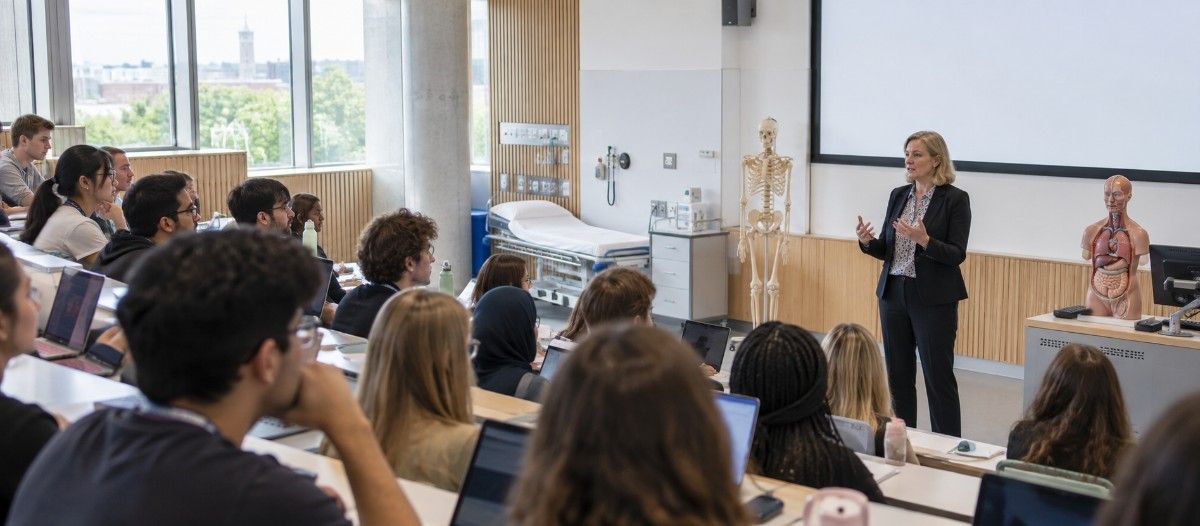

Furnished hostel rooms with Wi-Fi, laundry, 24/7 security, and Indian mess on or near campus.
Indian restaurants and mess facilities serving vegetarian and non-vegetarian home-style food daily.
Strong Indian community with cultural events, festival celebrations, and peer support groups.
Students get hands-on clinical training in government and private hospitals affiliated with the university.
Practical information for students planning to study at MBBS in University of Leeds School of Medicine.
Prepare for all seasons. Thermal wear for winters, light clothing for summers. University provides heating in hostels.
Student visa processed with university invitation letter. Direct and connecting flights from major Indian cities.
Health insurance included in fees. Medical facility on campus plus city hospitals easily accessible.
Local SIM cards available. WhatsApp and video calls keep you connected with family back home.
Average monthly expenses of $150–$250 covering food, transport, and personal needs.
University library, online databases, and study groups. Seniors mentor juniors through academic challenges.
Our team guides you through every step — from application to arriving on campus.
Compare universities based on fees, city, UCAT requirements, and clinical exposure, starting 12–18 months before your intended entry, not the cycle you’re applying in.
Registration opens in May; the testing window runs July–September. Most successful applicants begin focused preparation 3–4 months ahead, alongside board exam preparation.
Book and complete IELTS, PTE, or TOEFL well ahead of the UCAS deadline, allowing time for a retake if needed.
Submit your application, including personal statement and up to 4 medicine choices, before the 15 October deadline.
Prepare for and attend interviews (MMI or Panel format) typically scheduled November through February.
Offers (conditional or unconditional) typically arrive through winter and spring; conditional offers require meeting stated academic and English-score conditions.
Once Class 12 results and any other conditions are confirmed, your university issues the Confirmation of Acceptance for Studies (CAS), which is required for your visa application.
Apply using your CAS reference number; arrange maintenance funds according to the 28-day rule well in advance rather than at the last minute.
Book flights, confirm accommodation, complete any on-arrival formalities during orientation week, open a local bank account, and begin building connections with your university’s Indian/South Asian student community.
Admission Helpline — Contact our counsellors for step-by-step assistance.
“The faculty here is incredibly supportive. The clinical training during hospital rotations has given me real confidence in patient care.”
“Affordable fees without compromising on quality. The campus facilities and hostel life made my transition abroad very smooth.”
“English medium instruction and WHO-recognized curriculum were the deciding factors for me. No regrets so far — excellent experience overall.”
“The university helped with everything from visa to accommodation. Hospital exposure from year three has been invaluable for my FMGE prep.”
“Just cleared my licensing exam on the first attempt. The structured coaching and mock exams during final year were a game-changer.”
“Safe campus, good food options, and a strong Indian student community. The teaching methodology is very practical and hands-on.”
A: Its School of Medicine dates to 1831, seventy-three years before the University itself was chartered, and students begin clinical placements from Year 1 across four NHS Trusts.
A: Yes. The entire five-year MBChB programme is delivered in English, and IELTS 7.5 overall (7.5 in Speaking) is required for entry.
A: Yes. The MBChB is GMC-accredited and the school is listed in the World Directory of Medical Schools, supporting routes such as USMLE and PLAB.
A: Yes. Unlike graduate-entry-only schools such as Warwick, Leeds accepts school-leavers with 90%+ in CBSE/CISCE including Chemistry and Biology.
A: Yes. Indian students seeking future recognition of a foreign medical qualification in India must hold a valid NEET qualification.
A: No. Leeds' two main international scholarships explicitly exclude the MBChB; most Indian students self-fund or seek external awards.
A: Four West Yorkshire NHS Trusts, including Leeds Teaching Hospitals, host placements from Year 1 through Year 5, expanding in scope each year.
A: Recent cycles have needed a score of roughly 2,600 or above for Home applicants to be shortlisted, with international applicants typically needing more.
A: Yes. Around half of Leeds medical students intercalate for a BSc or MSc year after Year 2, 3 or 4 of the MBChB.
A: Applicants typically need academic transcripts, passport copies, UCAT and IELTS scores, a personal statement, and a UCAS reference.
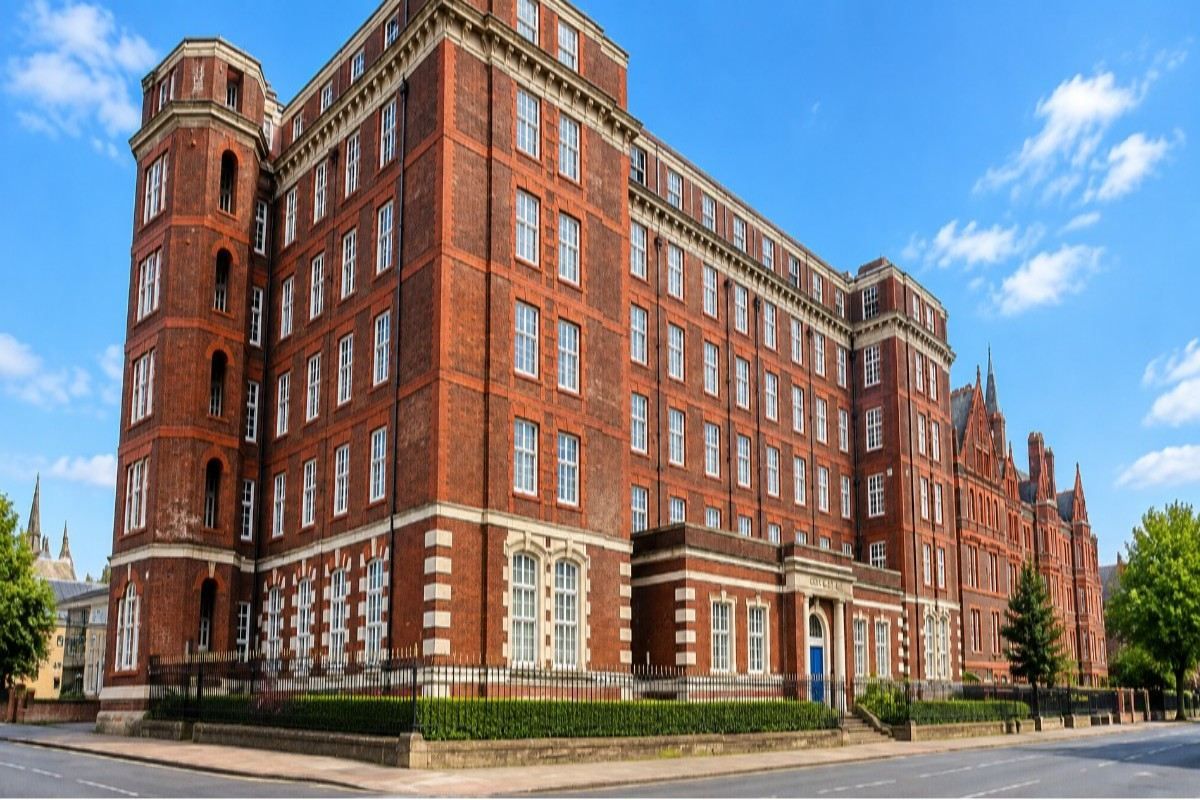
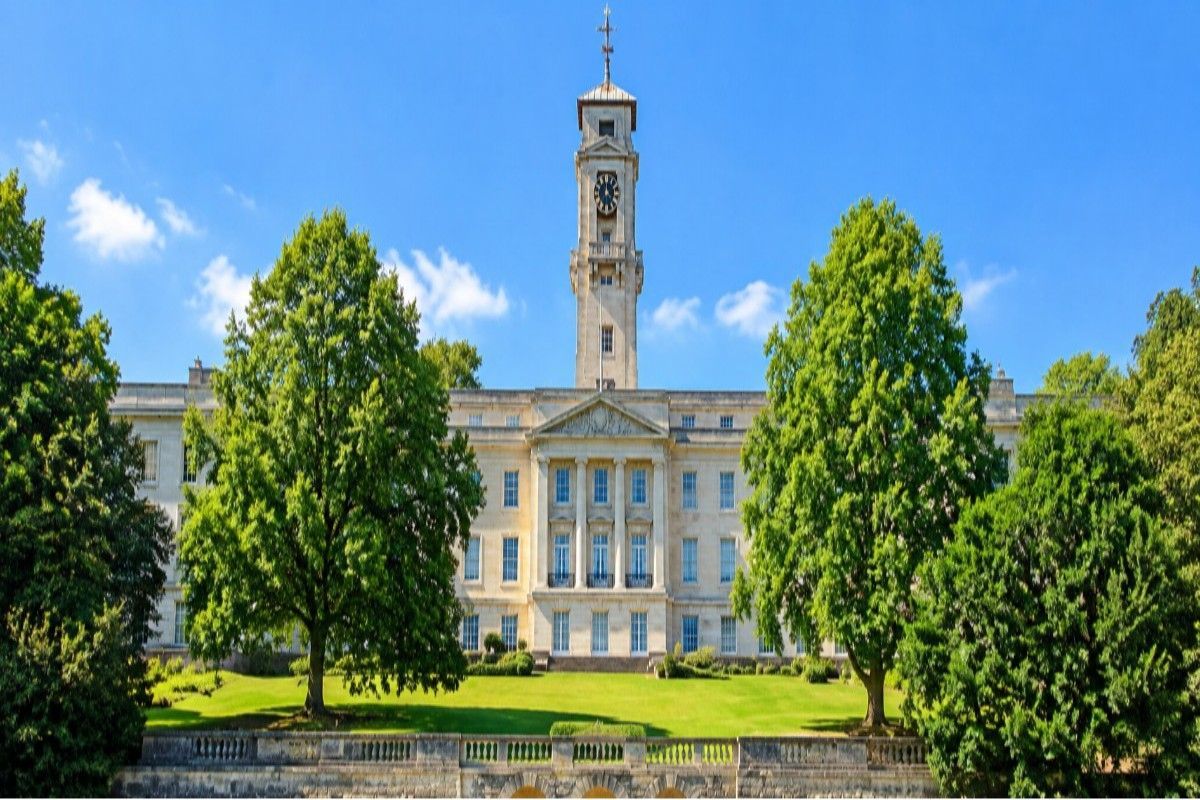
Our expert counsellors will guide you through the complete admission process — from documents to airport pickup.