
1. Is this programme taught in English?
+Yes. All teaching is in English.
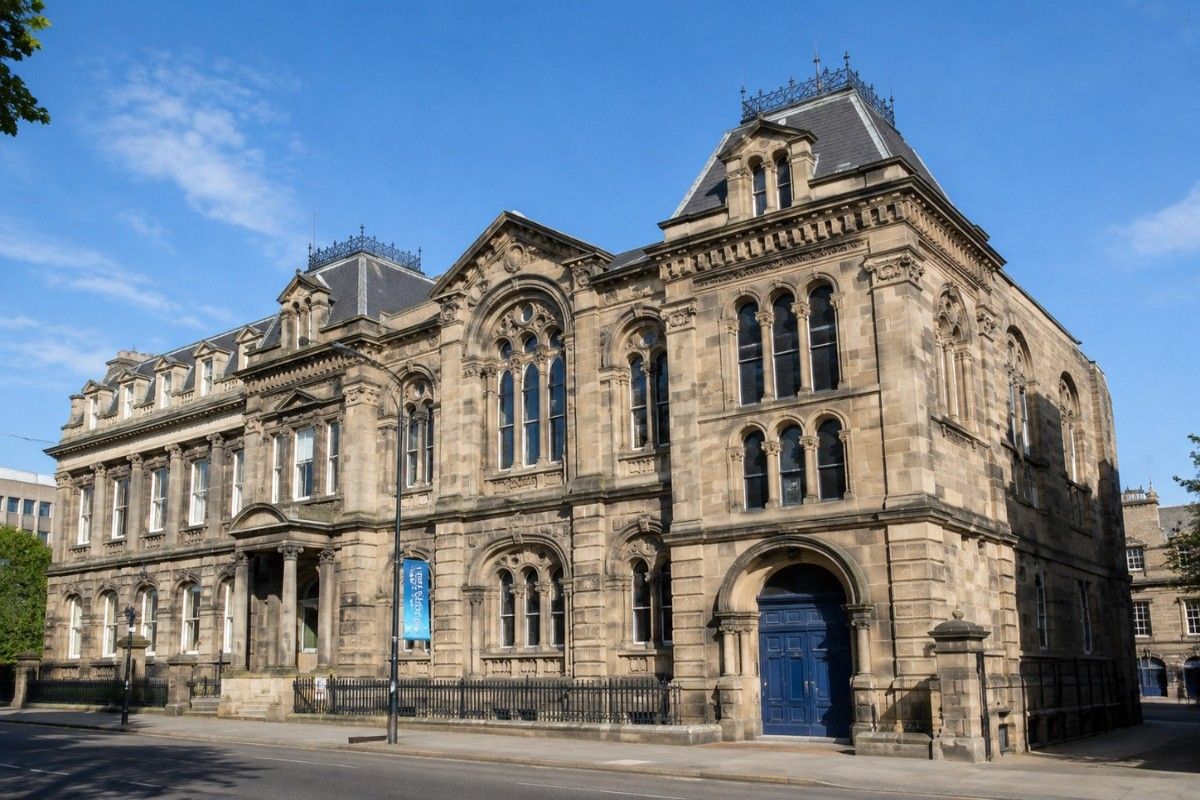
 Uk | Est. 1726
Uk | Fully recognised by the General Medical Council (GMC), within the University of Edinburgh's College of Medicine and Veterinary Medicine. | English medium
Expert will call you within 2 hours
The University of Edinburgh Medical School holds a claim that few schools on earth can match. It is the oldest medical school in the United Kingdom. It is also the oldest in the whole English speaking world. The Faculty of Medicine was set up in 1726, during the Scottish Enlightenment. Medical teaching in the city goes back much further than that. The barber surgeons of Edinburgh were training students in the early 16th century. The year 2026 marks a real milestone for the school. It is 300 years since the Faculty of Medicine was founded. The school is marking the year with a long run of events. Those events look back at its history and ahead to a fairer future.
The founding of the faculty in 1726 was not just an academic step. The city planned it with care. Edinburgh copied the leading medical faculties of Padua in Italy and Leiden in the Netherlands. The city had two clear aims. It wanted better health care for its own people. It also wanted more money flowing into the city. To do that, it needed to draw students from abroad to Scotland. Before this, young Scots had to travel to Europe to train, and that cost a great deal. So Edinburgh built its medical school around the foreign student from the very first year. That fact is worth knowing if you are weighing up an application today.
The school has shaped modern medicine in ways that still matter. Joseph Lister worked out his antiseptic surgery methods here in the 1870s. His work made surgery far safer across the world. James Young Simpson showed that chloroform could be used as an anaesthetic here in 1847. That single step changed how patients experienced surgery and childbirth. In recent years the Roslin Institute cloned Dolly the Sheep in 1996. The institute is closely tied to the university and its strong work in biology. That project drew news coverage across the globe. In all, the school is linked to 13 Nobel Prize winners. Seven of those awards were in Physiology or Medicine. Few single schools can point to that kind of record.
The modern MBChB course runs for five years. Year 3 is set aside for an intercalated Bachelor of Medical Sciences degree. That extra degree sets Edinburgh apart from schools with a straight clinical run. Edinburgh does not run a separate four year fast track course for graduates. Some other UK schools do. Instead, students who already hold a suitable degree may move straight from Year 2 into Year 4. In effect, they skip the Year 3 research year. This gives graduates a shorter route through the course. At the same time, standard entrants keep the fuller five year plan with research built in.
Clinical training takes place in some of the best hospitals in Scotland. The two main sites are the Edinburgh Royal Infirmary and the Western General Hospital. Both are seen as centres of excellence in Scotland and across the UK. The link between school and hospital is very old here. Soon after the faculty was founded in 1726, the city opened a public hospital. It began in rented rooms in 1729. A purpose built Royal Infirmary followed in 1741. So Edinburgh has used the same teaching hospital model for close to three full centuries. Students today walk into a system that has been refined for that long.
Entry to the course is hard, and that is no surprise. Edinburgh sits among the most selective medical schools in the UK. You need top grades in advanced level science subjects. Biology and Chemistry are both required. You also need a strong UCAT score. After that comes the Multiple Mini Interview, a set of short stations that test how you think and speak. International students whose past study was not in English need IELTS 7.0 or higher. Students from other school systems face the same high bar. Applicants with the Polish Matura, for example, usually need 85 to 90 percent on extended level papers. The bar stays high no matter which route you come from.
Costs vary a great deal here, and the rules can confuse people. What you pay depends on where you live. Students who live in Scotland pay just 1,820 pounds a year. Students from the rest of the UK pay 9,250 pounds a year, the standard home rate. International students pay far more, and the amount changes part way through the course. The rate is 32,100 pounds a year in the pre clinical years. It rises to 49,900 pounds a year once clinical training begins. Over five years, total tuition for an international student can pass 200,000 pounds. Living costs sit on top of that. Edinburgh is a lovely city, but it is not a cheap one. Rent, food and travel all need to be planned for well before you arrive.
Indian students should note one rule that applies here as it does everywhere. A valid NEET score is needed to satisfy the National Medical Commission in India. That rule holds no matter how famous the school is. Edinburgh is fully recognised by the General Medical Council in the UK. Its degree is accepted almost everywhere in the world. Even so, a graduate who wants to practise in India must still clear the FMGE or NExT exam. That rule applies to every foreign medical degree, whatever the standing of the school that grants it. Plan for that exam early rather than late.
Life in Edinburgh adds a lot to the course itself. The city is small enough to walk across and rich in history. Students live close to lecture halls, hospitals and libraries. The medical school sits within the College of Medicine and Veterinary Medicine. That college brings together human health, animal health and basic science under one roof. Research groups work on genetics, tissue repair and the brain. Students can join those groups during the intercalated year. Many go on to publish work before they even graduate. Clubs, sports and student societies fill the rest of the week. The student body is mixed, with people from across the UK and dozens of other countries.
Support systems are well built after so many years of practice. Each student has a personal tutor. Clinical placements come with named supervisors on each ward. Careers advice starts early and runs through to the foundation years that follow the degree. Most new international students are offered a room in university housing for their first year. After that, most move into shared flats in the city. The library holds one of the largest medical collections in Britain, including manuscripts kept since the 18th century. Simulation suites let students practise procedures on models before they meet real patients on the wards.
To sum up, Edinburgh offers the deepest history of any school in this series. It will mark 300 years of teaching in 2026. Its five year course with a built in research degree is unusual and valuable. Its hospital links are strong and its research record is world class. The cost for international students is high and should be planned for with care. If you want history, research and a proven teaching tradition, and you can meet the entry bar, Edinburgh is one of the strongest choices in UK medical education.
No hidden charges, no donation. The full picture of costs at MBBS in University of Edinburgh Medical School.
Tuition Fee
USD 63,373 / INR 52.97 lakh
USD 40,767 - INR 34.07 lakh
Hostel Fee
USD 12,000 (INR 10.03 lakh) per year
USD 12,000 - INR 10.03 lakh
Food & Meals
USD 4,200 - INR 3.51 lakh
Per Year
Insurance
USD 800 - INR 0.67 lakh
Per Year
Donation
No Donation
No Hideen Fee
Total Estimated Cost
USD 80,373 ~ INR 67.18 lakh
5 Year
25–35%
Average FMGE first-attempt pass rates for students from many overseas medical universities. Students from structured programs consistently score higher.
Students returning to India need to clear the FMGE/NExT exam. MBBS in University of Edinburgh Medical School integrates exam-oriented coaching into the regular curriculum so students are prepared from day one.
A structured program that takes you from foundational sciences to clinical mastery.
Introduction to professionalism, communication, public health, and patient-centered care.
Integrated study of normal human structure and function, biomedical sciences, and early clinical skills.
Increased patient contact and development of diagnostic and examination skills.
Organ system modules integrating anatomy, physiology, pathology, pharmacology, and clinical reasoning.
Research, evidence-based medicine, and preparation for clinical placements.
Advanced systems-based learning with disease mechanisms and therapeutics.
Specialized clinical postings across departments with case presentations.
Full-time hospital and community clinical placements across Scotland.
Greater responsibility in patient management and multidisciplinary teamwork.
Senior clinical clerkships in major specialties including paediatrics, obstetrics & gynaecology, psychiatry, emergency medicine, and general practice.
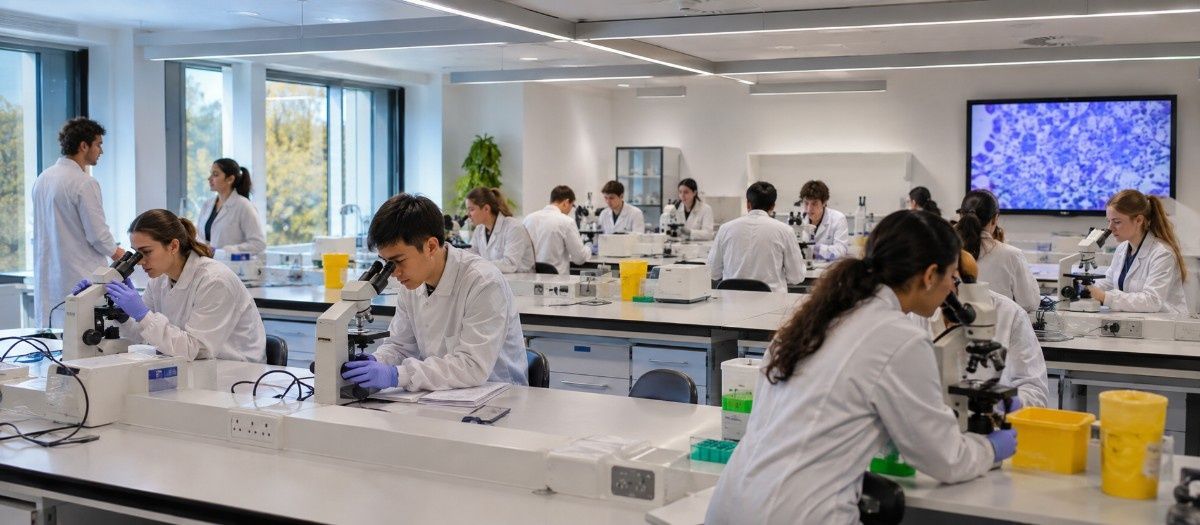
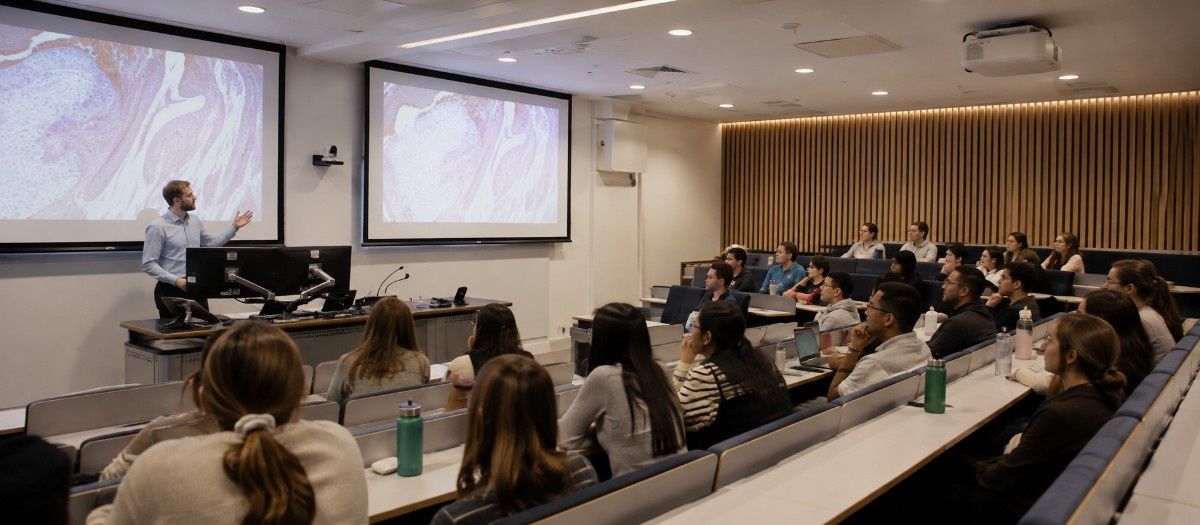
Furnished hostel rooms with Wi-Fi, laundry, 24/7 security, and Indian mess on or near campus.
Indian restaurants and mess facilities serving vegetarian and non-vegetarian home-style food daily.
Strong Indian community with cultural events, festival celebrations, and peer support groups.
Students get hands-on clinical training in government and private hospitals affiliated with the university.
Practical information for students planning to study at MBBS in University of Edinburgh Medical School.
Prepare for all seasons. Thermal wear for winters, light clothing for summers. University provides heating in hostels.
Student visa processed with university invitation letter. Direct and connecting flights from major Indian cities.
Health insurance included in fees. Medical facility on campus plus city hospitals easily accessible.
Local SIM cards available. WhatsApp and video calls keep you connected with family back home.
Average monthly expenses of $150–$250 covering food, transport, and personal needs.
University library, online databases, and study groups. Seniors mentor juniors through academic challenges.
Our team guides you through every step — from application to arriving on campus.
Compare universities based on fees, city, UCAT requirements, and clinical exposure, starting 12–18 months before your intended entry, not the cycle you’re applying in.
Registration opens in May; the testing window runs July–September. Most successful applicants begin focused preparation 3–4 months ahead, alongside board exam preparation.
Book and complete IELTS, PTE, or TOEFL well ahead of the UCAS deadline, allowing time for a retake if needed.
Submit your application, including personal statement and up to 4 medicine choices, before the 15 October deadline.
Prepare for and attend interviews (MMI or Panel format) typically scheduled November through February.
Offers (conditional or unconditional) typically arrive through winter and spring; conditional offers require meeting stated academic and English-score conditions.
Once Class 12 results and any other conditions are confirmed, your university issues the Confirmation of Acceptance for Studies (CAS), which is required for your visa application.
Apply using your CAS reference number; arrange maintenance funds according to the 28-day rule well in advance rather than at the last minute.
Book flights, confirm accommodation, complete any on-arrival formalities during orientation week, open a local bank account, and begin building connections with your university’s Indian/South Asian student community.
Admission Helpline — Contact our counsellors for step-by-step assistance.
“The faculty here is incredibly supportive. The clinical training during hospital rotations has given me real confidence in patient care.”
“Affordable fees without compromising on quality. The campus facilities and hostel life made my transition abroad very smooth.”
“English medium instruction and WHO-recognized curriculum were the deciding factors for me. No regrets so far — excellent experience overall.”
“The university helped with everything from visa to accommodation. Hospital exposure from year three has been invaluable for my FMGE prep.”
“Just cleared my licensing exam on the first attempt. The structured coaching and mock exams during final year were a game-changer.”
“Safe campus, good food options, and a strong Indian student community. The teaching methodology is very practical and hands-on.”
Yes. All teaching is in English.
Yes. You need a good UCAT score, top science grades and a good MMI (Multiple Mini Interview).
Yes, under standard National Medical Commission rules for studying medicine abroad.
For international students, GBP 32,100 a year in the pre clinical years and GBP 49,900 a year in the clinical years.
Yes. It is fully recognised by the GMC and accepted widely across the world.
Mainly at the Edinburgh Royal Infirmary and the Western General Hospital.
There is no separate four year course, but graduate entrants can move from Year 2 straight to Year 4 and skip the intercalated year.
Strength in genomics, regenerative medicine and neurobiology, linked to the Roslin Institute.
Most new international students are guaranteed a university room in year one. Budget around USD 12,000 a year for housing.
Students who want deep historical prestige, strong research ties and world class hospital training, and who can meet the demanding entry bar and cost.
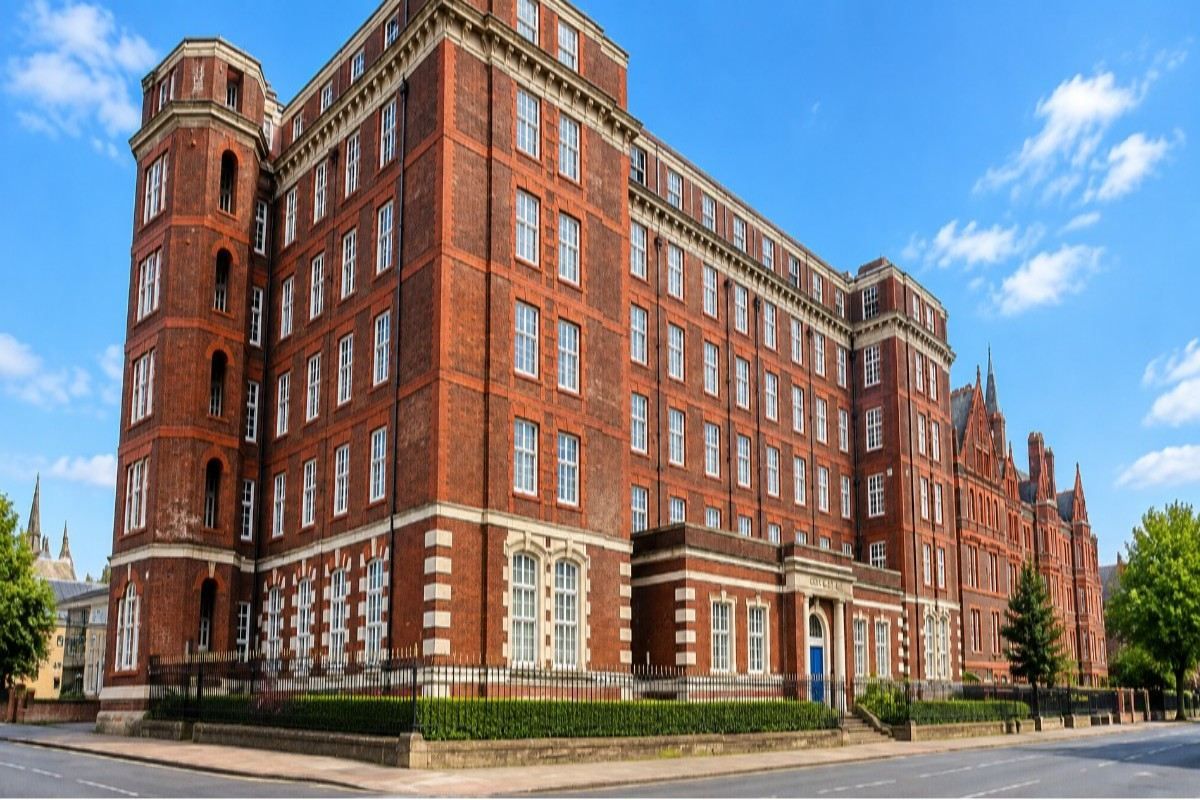
Our expert counsellors will guide you through the complete admission process — from documents to airport pickup.