
Q1 When was the University of Sunderland's School of Medicine established?
+It was established in 2018, one of only five new UK medical schools created that year, with its first cohort of 51 students starting in September 2019.
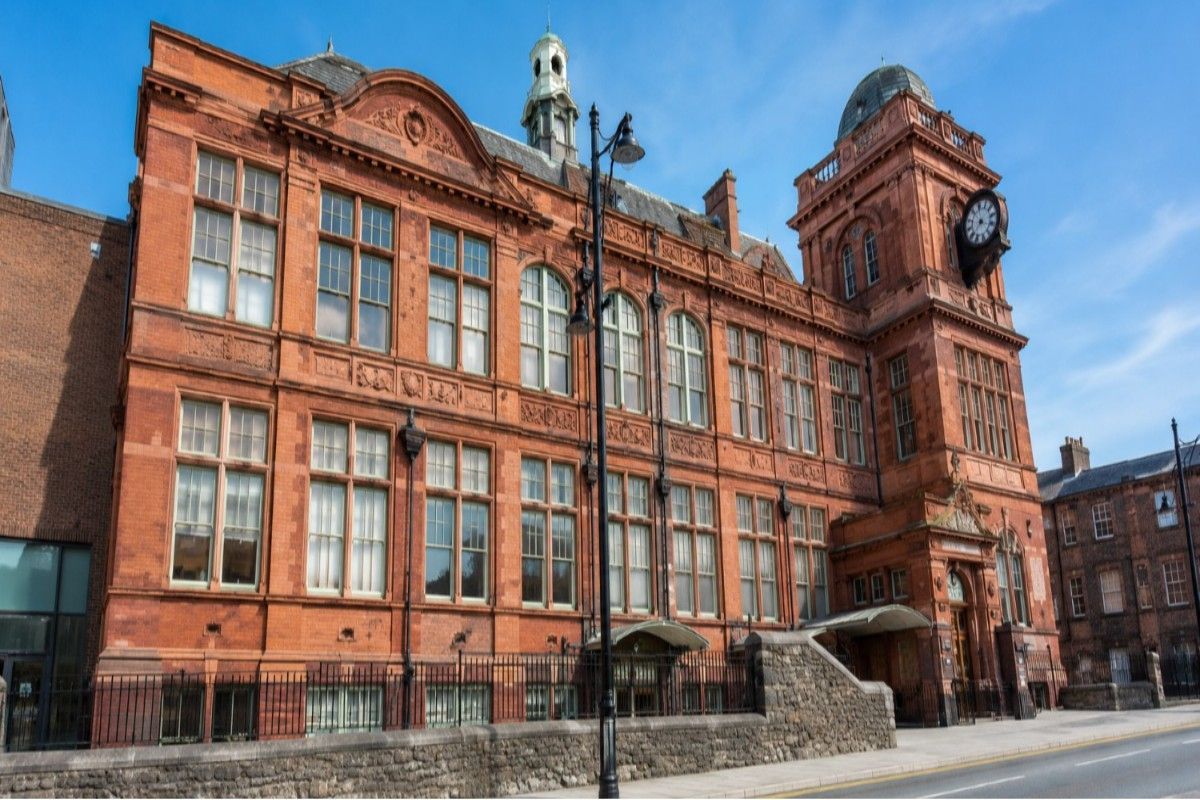
 Uk | Est. 2018
Uk | The MBChB degree, following GMC approval gained after the first cohort's 2024 graduation, allows registration to award Primary Medical Qualifications recognised by the UK's General Medical Council. | English medium
Expert will call you within 2 hours
People mostly just call it Sunderland for short. Its own educational lineage is genuinely, remarkably old, tracing back to 674 AD, when Benedict Biscop founded St Peter's Church and Monastery on the exact riverbank where the university's Sir Tom Cowie Campus now sits. So, this university's connection to learning in Sunderland predates its modern institutional identity by well over a thousand years.
Here's a fact most guides skip entirely, and it's genuinely remarkable. Among St Peter's earliest students was a boy who went on to become known across the world as the Venerable Bede, one of history's most influential scholars, whose works in theology, science, and history still shape those fields today. So, when Sunderland's own materials describe the university as blending tradition with innovation, that claim rests on a specific, verifiable connection to one of the most significant scholars in English history, not a vague historical gesture.
The modern University of Sunderland's more recent history is considerably younger: it opened as Sunderland Technical College in 1901, initially offering "sandwich" courses combining internship placements with academic study for engineering students, and was granted full university status in 1992. Today it operates across multiple sites, including two campuses in Sunderland itself, a campus in London's Canary Wharf financial district used for business, tourism, and nursing degrees, and a newer development in Hong Kong.
The School of Medicine itself is genuinely one of the newest in the whole of the UK. In 2018, Sunderland was named one of only five new medical schools established specifically to address a documented regional imbalance in medical education places across England, and to widen access into the medical profession more broadly. The School was developed in partnership with Keele University to build its curriculum, welcomed its first cohort of 51 students in September 2019, and was officially opened in March 2020 by the university's Chancellor, the singer Emeli Sandé. Its first cohort graduated as doctors in 2024, and the school has since gained General Medical Council approval to award Primary Medical Qualifications.
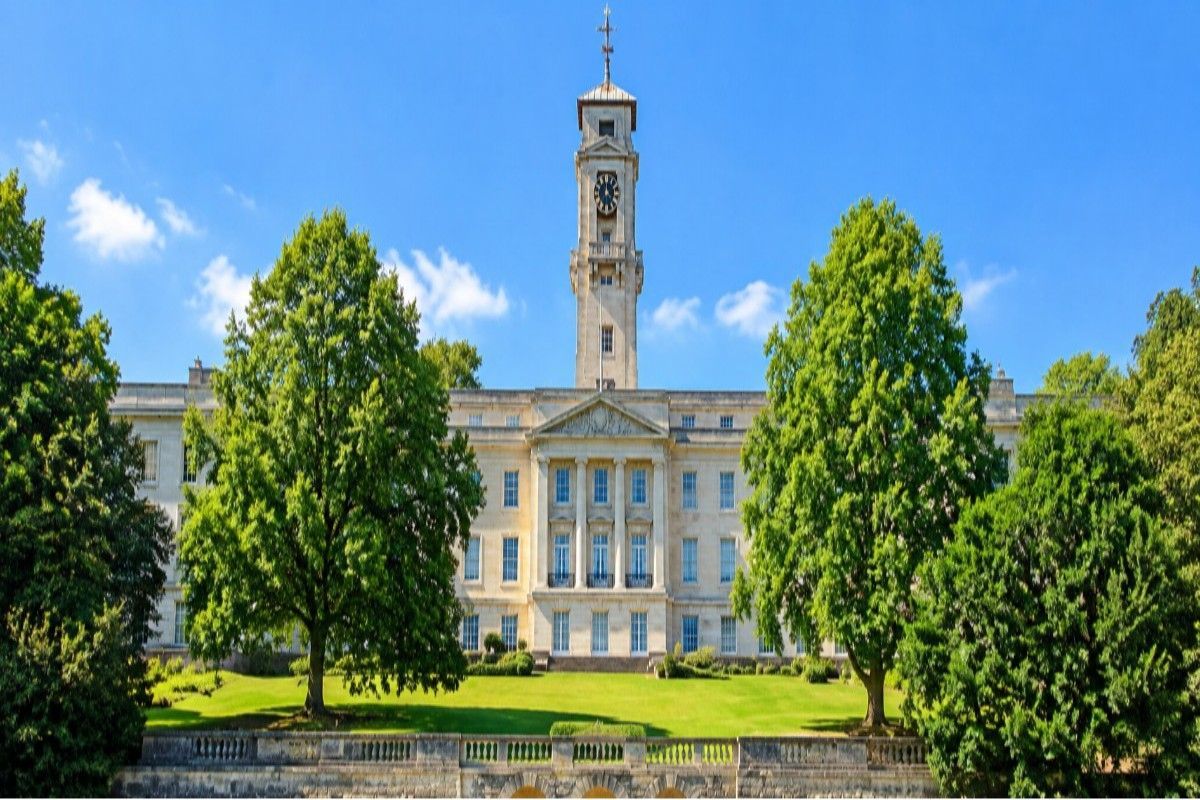
Sunderland is a city on England's North East coast, and the School of Medicine sits within the Sir Tom Cowie Campus at St Peter's, the same historic riverbank site where Benedict Biscop's monastery once stood, now home to the university's main Sciences Department, including its well-known Pharmacy School, Living Labs, School of Nursing, and the newer School of Medicine together.
Clinical training runs through partnerships with three hospital trusts, two mental health trusts, and 63 GP practices across the wider North East region, alongside various community services, giving students genuinely broad exposure across hospital, mental health, and primary care settings. So, clinical placements here draw on a real, documented regional healthcare network rather than a single teaching hospital alone.
Sunderland's MBChB runs five years, built around Problem-Based Learning within what the school describes as a spiral curriculum, deliberately building complexity year on year rather than teaching each topic once and moving on. The programme runs in three phases: Phase 1, covering Years 1 and 2, is predominantly campus-based, teaching the basics of biomedical, behavioural, and social science alongside early clinical exposure; Phase 2, covering Years 3 and 4, shifts toward substantially more clinical placement time, building directly on the earlier scientific foundation; and Phase 3, in Year 5, prepares students specifically for professional practice as Foundation Year 1 doctors. Students can also choose to intercalate, either after Year 2 for a BSc or after Year 4 for an MSc, either at Sunderland itself or, with permission, at another university.
Here's a genuinely important point worth being upfront about, since sources on this specific question conflict directly. One detailed education-consultancy source states plainly that Sunderland's School of Medicine welcomes applications from international students. However, a separate, detailed UK-wide comparison of medical school fees specifically lists Sunderland among a small group of UK medical schools, alongside Anglia Ruskin, Edge Hill, Bangor, Lincoln, and Pears Cumbria, that admit Home, UK, students only, meaning they aren't options for international applicants at all. This pattern would actually be consistent with Sunderland's own founding purpose, since it was created specifically as one of five new medical schools built to address a regional shortage of UK-trained doctors, a goal some newer medical schools pursue by restricting places to UK fee-status students specifically. Given this genuine, direct conflict in publicly available information, any international applicant, including Indian applicants, should confirm Sunderland's current international eligibility status directly with the School of Medicine's own admissions office before assuming either position applies.
Admission requires A Levels or equivalent qualifications, typically at AAA including science subjects, alongside a UCAT score, a personal statement, academic references, and a Multiple Mini Interview. The Home, UK, tuition fee is the standard regulated rate of GBP 9,250 a year. Because Sunderland's own international eligibility status isn't consistently confirmed across sources, no single, reliable overseas tuition figure can be responsibly quoted here; applicants should request this directly from the university rather than relying on any third-party estimate. All first-year medical students are reported to receive free accommodation, including fully equipped kitchens, on-site laundry, and fast internet, a genuinely distinctive benefit not commonly offered at other UK medical schools. NEET remains a requirement for Indian applicants under India's own national rules if Sunderland does prove to accept international applications, and Indian graduates would still need to clear the FMGE or NExT exam to practise medicine back in India.
Quick Overview
Parameter | Details |
Established | University roots to 1901 (Sunderland Technical College); university status 1992; School of Medicine established 2018, first cohort September 2019 |
Institution Type | Public post-1992 university |
Location | Sunderland, Tyne and Wear, North East England, United Kingdom |
MBChB, a 5-year standard-entry Medicine course | |
Duration | 5 years, structured in three phases |
Medium of Instruction | English |
Foreign Quota Note | Sources genuinely conflict on international eligibility: some describe Sunderland Medicine as open to international applicants, others list it among UK medical schools that admit Home (UK) students only; confirm directly before applying |
Teaching Hospital | Partnerships with 3 hospital trusts, 2 mental health trusts, and 63 GP practices across the North East |
Fee Structure
Fee Component | Amount | Notes |
Tuition Fee (Home/UK students) | GBP 9,250 per year | The standard regulated UK undergraduate tuition fee for medicine |
Tuition Fee (International, if applicable) | Not consistently published | Given the genuine conflict over international eligibility, no single confirmed overseas rate is publicly established; confirm directly |
Accommodation (Year 1, medical students) | Free, reported for all first-year medical students | Includes fully equipped kitchens, on-site laundry, and fast internet, per independent guides |
Scholarships/Bursaries | Reportedly available for eligible students, including some international applicants | Based on academic merit or financial need; confirm current terms directly |
Living Costs | Not consistently reported | Sunderland and the wider North East generally run more affordably than London or the South of England |
Most rival pages describing newer UK universities have little historical depth to draw on. Sunderland's own campus sits on the exact site of the monastery where the Venerable Bede, one of history's most significant scholars, was among the very first students. So, this genuinely young medical school operates from one of England's oldest and most historically significant sites of learning.
Most guides describe accommodation purely as a cost students must budget for. Sunderland reportedly provides free accommodation, including a fully equipped kitchen and laundry access, to every first-year medical student. So, this represents a genuine, documented financial benefit not commonly found at other UK medical schools, whatever a student's eventual overseas fee status turns out to be.
Be very clear about the single most important open question here. Sources genuinely, directly conflict on whether Sunderland's School of Medicine accepts international applicants at all: one detailed source says it does, another equally detailed source lists it among UK medical schools restricted to Home, UK, students only. This isn't a minor pricing discrepancy; it's a fundamental question of whether international applicants can even apply, and it must be confirmed directly with Sunderland's own admissions office before any Indian or other international applicant invests time in this option. As one of the newest UK medical schools, having graduated its first cohort only in 2024, Sunderland also doesn't yet carry the multi-decade track record some other schools in this series can point to.
So, who fits here best? UK Home-fee-status applicants drawn to a genuinely innovative, spiral-curriculum medical school with free first-year accommodation and deep historical roots fit well here. International applicants, including those from India, should treat this school as a genuine open question rather than a confirmed option, and verify eligibility directly before applying. Still, the school's remarkable historical setting, its documented regional healthcare partnerships, and its successful first graduating cohort in 2024 are real, well-established strengths for those who are eligible.
No hidden charges, no donation. The full picture of costs at MBBS in University of Sunderland School of Medicine.
Tuition Fee
£9,790 for Home (UK) students
GBP £9,250 per year
Hostel Fee
Approximately £3,112 - £4,800 (about INR 4.03 L - 6.22 L) per year
Approximately £3,112 - £4,800 (about INR 4.03 L - 6.22 L) per year
Food & Meals
GBP £120 - £180 per year
per month
Insurance
GBP £800 - £1,000 per year
per year
Donation
No Donation fee
No Hidden fee
Total Estimated Cost
Approx. GBP 46,250 over 5 years
5 year
25–35%
Average FMGE first-attempt pass rates for students from many overseas medical universities. Students from structured programs consistently score higher.
Students returning to India need to clear the FMGE/NExT exam. MBBS in University of Sunderland School of Medicine integrates exam-oriented coaching into the regular curriculum so students are prepared from day one.
A structured program that takes you from foundational sciences to clinical mastery.
Includes early clinical exposure alongside predominantly campus-based teaching.
Covers the basics of biomedical, behavioural, and social science through Problem-Based Learning.
Offers an optional MSc intercalation opportunity after Year 4.
Builds on the scientific foundation from Phase 1 with substantially increased clinical placement time.
Runs through the school's network of hospital trusts, mental health trusts, and GP practices.
Prepares students specifically for professional practice as Foundation Year 1 doctors.
International graduates, where eligible to study here, would face their own country's separate licensing requirements, such as India's FMGE or NExT.
Graduates receive the MBChB degree, with GMC approval to award Primary Medical Qualifications confirmed following the first 2024 graduating cohort.
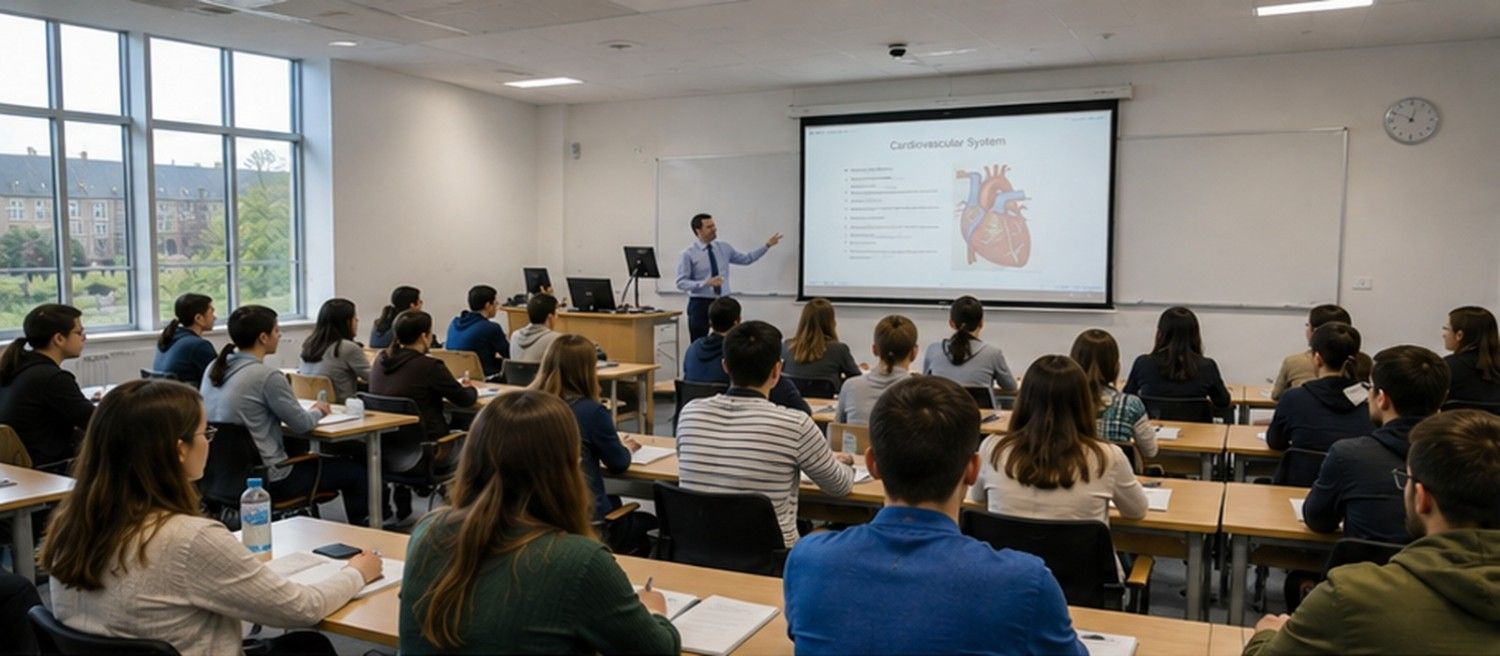

Furnished hostel rooms with Wi-Fi, laundry, 24/7 security, and Indian mess on or near campus.
Indian restaurants and mess facilities serving vegetarian and non-vegetarian home-style food daily.
Strong Indian community with cultural events, festival celebrations, and peer support groups.
Students get hands-on clinical training in government and private hospitals affiliated with the university.
Practical information for students planning to study at MBBS in University of Sunderland School of Medicine.
Prepare for all seasons. Thermal wear for winters, light clothing for summers. University provides heating in hostels.
Student visa processed with university invitation letter. Direct and connecting flights from major Indian cities.
Health insurance included in fees. Medical facility on campus plus city hospitals easily accessible.
Local SIM cards available. WhatsApp and video calls keep you connected with family back home.
Average monthly expenses of $150–$250 covering food, transport, and personal needs.
University library, online databases, and study groups. Seniors mentor juniors through academic challenges.
Our team guides you through every step — from application to arriving on campus.
Compare universities based on fees, city, UCAT requirements, and clinical exposure, starting 12–18 months before your intended entry, not the cycle you’re applying in.
Registration opens in May; the testing window runs July–September. Most successful applicants begin focused preparation 3–4 months ahead, alongside board exam preparation.
Book and complete IELTS, PTE, or TOEFL well ahead of the UCAS deadline, allowing time for a retake if needed.
Submit your application, including personal statement and up to 4 medicine choices, before the 15 October deadline.
Prepare for and attend interviews (MMI or Panel format) typically scheduled November through February.
Offers (conditional or unconditional) typically arrive through winter and spring; conditional offers require meeting stated academic and English-score conditions.
Once Class 12 results and any other conditions are confirmed, your university issues the Confirmation of Acceptance for Studies (CAS), which is required for your visa application.
Apply using your CAS reference number; arrange maintenance funds according to the 28-day rule well in advance rather than at the last minute.
Book flights, confirm accommodation, complete any on-arrival formalities during orientation week, open a local bank account, and begin building connections with your university’s Indian/South Asian student community.
Admission Helpline — Contact our counsellors for step-by-step assistance.
“The faculty here is incredibly supportive. The clinical training during hospital rotations has given me real confidence in patient care.”
“Affordable fees without compromising on quality. The campus facilities and hostel life made my transition abroad very smooth.”
“English medium instruction and WHO-recognized curriculum were the deciding factors for me. No regrets so far — excellent experience overall.”
“The university helped with everything from visa to accommodation. Hospital exposure from year three has been invaluable for my FMGE prep.”
“Just cleared my licensing exam on the first attempt. The structured coaching and mock exams during final year were a game-changer.”
“Safe campus, good food options, and a strong Indian student community. The teaching methodology is very practical and hands-on.”
It was established in 2018, one of only five new UK medical schools created that year, with its first cohort of 51 students starting in September 2019.
Sources genuinely conflict on this point: some describe Sunderland as open to international applicants, while others list it among UK medical schools that admit Home (UK) students only. Confirm directly before applying.
It runs five years, structured across three phases building toward Foundation Year 1 readiness.
The School of Medicine sits on the Sir Tom Cowie Campus, the exact site of the 674 AD monastery school where the Venerable Bede was among the first students.
Home (UK) students pay the standard regulated fee of GBP 9,250 a year; no single, reliable international fee figure is consistently published, given the genuine conflict over international eligibility.
Training runs through 3 hospital trusts, 2 mental health trusts, and 63 GP practices across the North East region.
Yes, its first cohort graduated in 2024, and the school has since gained GMC approval to award Primary Medical Qualifications.
The university's Chancellor, singer Emeli Sandé, officially opened the school in March 2020.
Free accommodation, including a fully equipped kitchen and laundry access, is reportedly provided for all first-year medical students.
It was one of five new medical schools established in 2018 specifically to address a documented regional imbalance in medical education places and widen access to the profession.
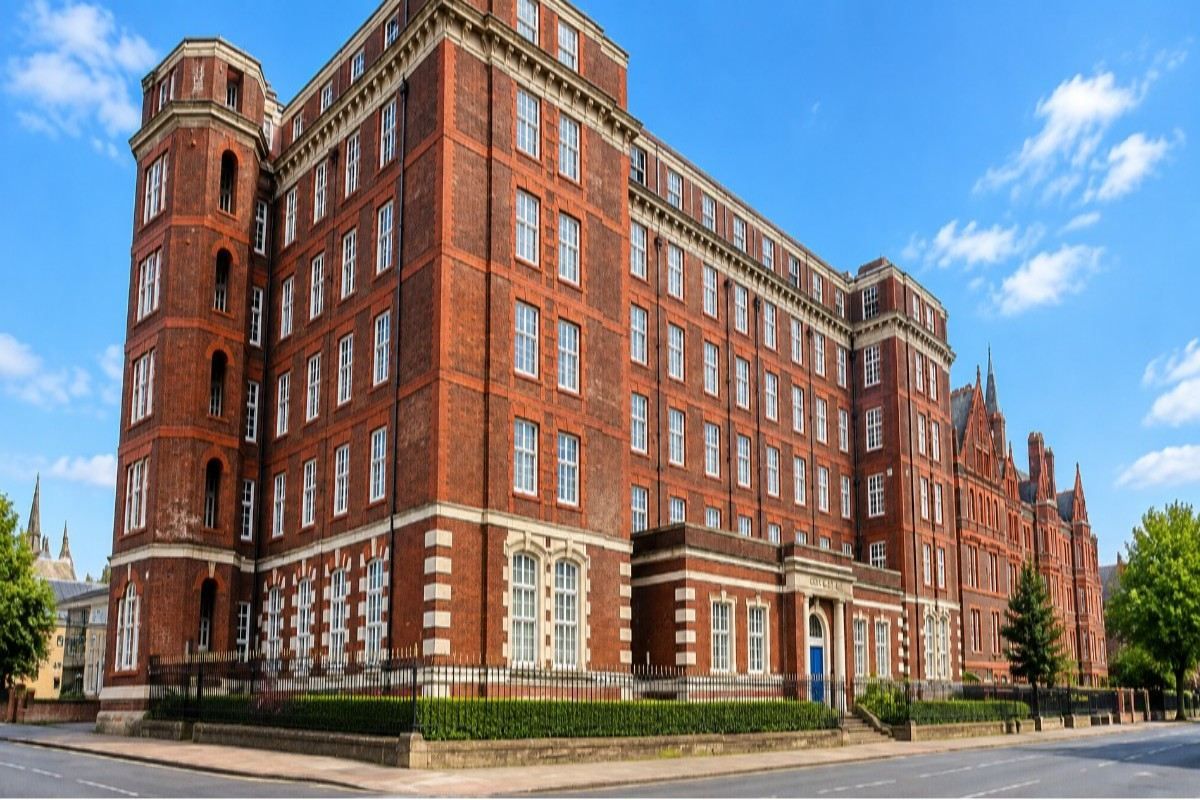
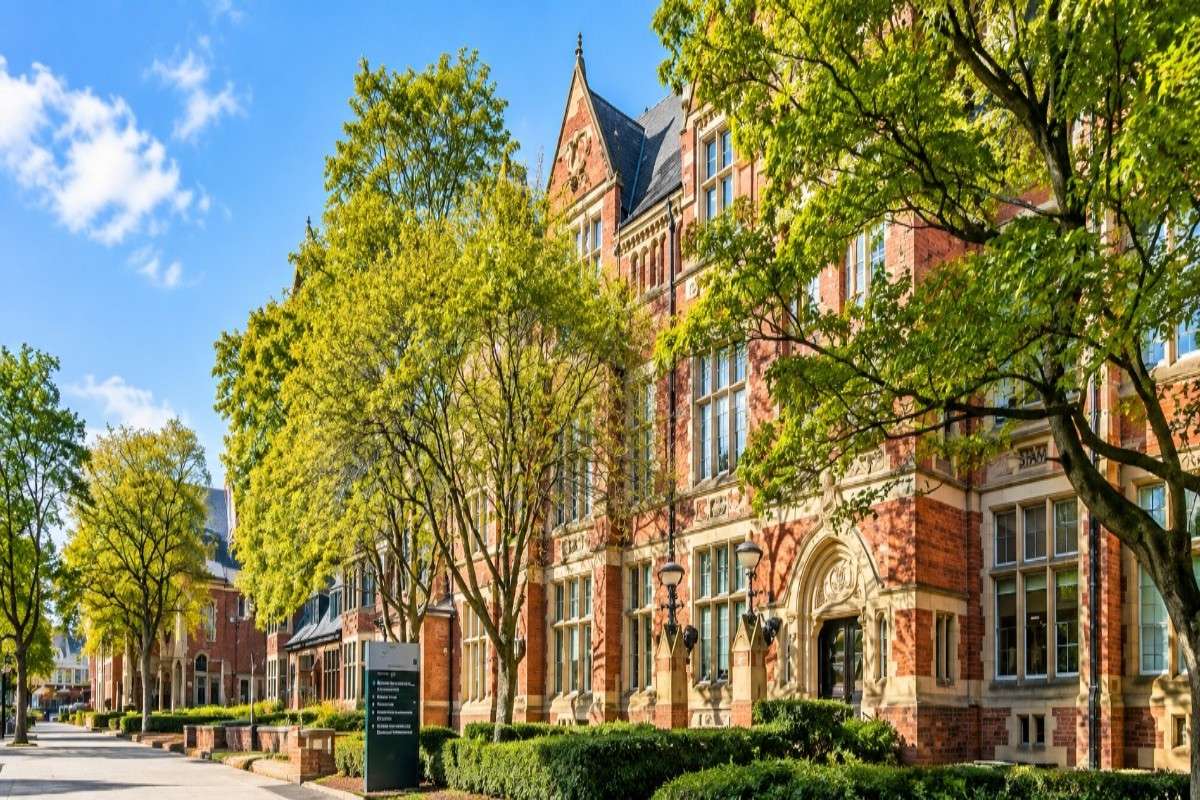
Our expert counsellors will guide you through the complete admission process — from documents to airport pickup.