
Q1. How did this university get its start?
+Recognised as a private-initiative institution in December 1969, then converted to a state university by presidential decree in January 1971.
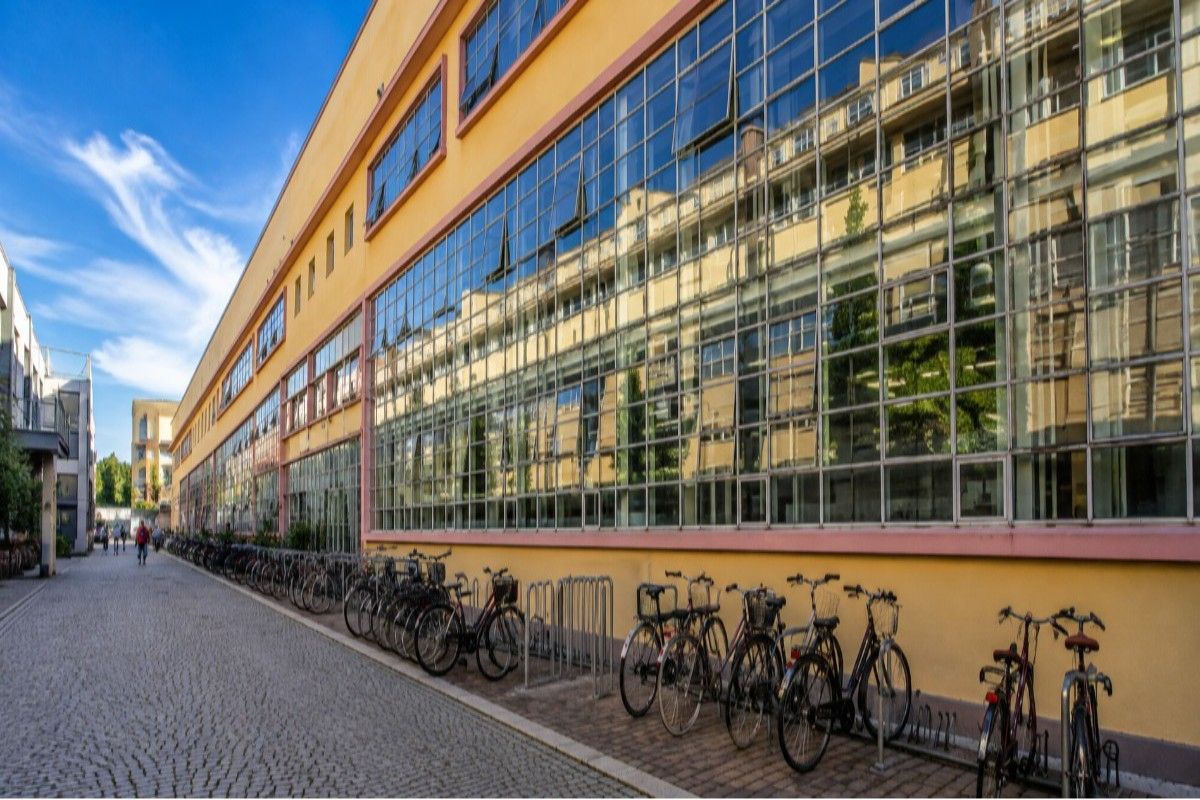
 Italy | Est. 1969
Italy | : Recognised under Italy's national MUR framework as a nationally programmed course. A confirmed World Directory of Medical Schools listing could not be verified in this research. | Primarily Italian; no dedicated English-taught medicine track was found, though this wasn't ruled out with complete cert medium
Expert will call you within 2 hours
The University and What Makes It Different
This university's founding story has a small twist worth explaining properly. It was first recognised by Italy's Ministry of Education in December 1969 as the "Libera Università di Ancona," a free, private-initiative institution. Barely a year later, in January 1971, a presidential decree converted it into a proper state university, renamed Università degli Studi di Ancona, later becoming Università Politecnica delle Marche. So while it briefly carried a private label at the very start, it's effectively been a public university for the whole of its operational history.
Medicine here isn't a later addition bolted onto an existing university, it was there from the very beginning, arguably even slightly ahead of it. The Faculty of Medicine was established by presidential decree just a month before the university's own state conversion, and its inaugural lectures ran in the 1970/71 academic year, with roughly 370 students at that very first lesson in November 1970, formally inaugurated on 23 October that year.
The degree today is the standard Laurea Magistrale a Ciclo Unico in Medicina e Chirurgia, LM-41, described in some materials simply as a six-year EU curriculum. Alongside it, the faculty runs a genuinely broad range of allied-health degrees, nursing, midwifery, physiotherapy, and biomedical laboratory techniques among them, plus more than thirty postgraduate specialisation schools and doctoral programmes in biomedical sciences. No dedicated English-taught or IMAT-based international track for medicine turned up in research for this page, though this wasn't ruled out with complete certainty.
There's a genuinely distinguishing regional fact worth stating plainly. This appears to be the only medical faculty in the entire Marche region, based on available sources, a real point of difference from regions like Lombardy or Campania where multiple medical schools compete within a single area.
Torrette, Built Directly Around Its Own Hospital
The faculty's physical history took a dramatic turn in 1982, when a landslide damaged its original Posatora facility, first opened in 1973. That forced an eventual relocation to the current site at Torrette, in Ancona, purpose-positioned directly next to the teaching hospital rather than requiring students to commute separately between campus and clinical placements.
That teaching hospital, the Azienda Ospedaliero-Universitaria delle Marche, brings together three previously separate hospital companies, Umberto I as the general hospital, the Lancisi as a dedicated cardiology centre, and the Salesi as a paediatric hospital, merged under a 2003 regional reorganisation law. Two physical sites make up the network, the main Torrette complex housing Umberto I and Lancisi together, and a separate central-Ancona site for Salesi's paediatric services.
Ancona itself, and the wider Marche region, doesn't carry the same instant international name recognition as Tuscany or the Amalfi Coast, but it offers a genuinely calmer, less touristed slice of central Italy along the Adriatic coast. Worth knowing plainly, though: regional reporting has flagged Ancona as facing a real student-housing shortage, with only a few hundred subsidised units available against well over 16,000 enrolled students university-wide, described in one local outlet as the worst-ranked situation of its kind regionally.
Living costs otherwise run genuinely affordable. Third-party estimates put shared accommodation for two or three tenants, utilities included, at around 200 to 300 euros a month per person, with overall monthly costs, housing, food, transport, and basic study expenses combined, estimated around 500 to 600 euros. The regional right-to-study body, ERDIS, offers scholarships for lower-income, off-site students covering full fee exemption plus a maintenance grant reportedly worth 2,000 to 5,500 euros a year, alongside discounted meals and priority housing access.
Course Structure, Cost, and Practical Details
On structure: six years, the standard national framework. Since the 2020 reform, the degree carries qualifying status directly, and the practical component built into the final part of the course, not added afterward, is a 300-hour Tirocinio Pratico-Valutativo across medical, surgical, and general-medicine placements.
Admission is presumed to run through Italy's national semestre filtro system, consistent with the same reform applied at every other Italian public university's Italian-taught track, though a UNIVPM-specific confirmation page wasn't located directly in research. Given this is a public university operating under the same national law as its peers, there's no particular reason to expect a deviation here.
Tuition figures found in research come from a third-party source rather than the university's own fee page directly, worth flagging honestly. That source cites a range from roughly 396 euros a year at the lowest ISEE bracket, under 13,000, up to around 2,033 euros at the top, above 85,000, with a full stamp-duty-only exemption for students with a disability rating of 66 percent or higher, a reduced contribution for certain second-year students within a specific ISEE band, and a 10 percent sibling discount for households with multiple children enrolled here. Students who don't consent to automated income verification are charged the maximum band by default. Treat these figures as broadly indicative rather than independently confirmed against the primary source.
Given medicine's genuinely founding role in this university's own creation, the hospital-adjacent Torrette campus, and its position as the only medical faculty in the whole Marche region, this is a solid, well-established option, though the region's flagged student-housing shortage is worth planning around carefully before committing.
Quick Overview
Parameter | Details |
Founded | University recognised 1969, state status 1971; Faculty of Medicine established December 1969, inaugurated 23 October 1970 |
Institution Type | Public university |
Location | Torrette, Ancona, Marche, Italy |
Laurea Magistrale a Ciclo Unico in Medicina e Chirurgia (LM-41) | |
Duration | 6 years |
Medium of Instruction | Italian; no dedicated English-taught medicine track found |
Semestre filtro (national reform, presumed applicable, from AY 2025/26) | |
Teaching Hospital | Azienda Ospedaliero-Universitaria delle Marche (Umberto I, Lancisi, Salesi) |
Fee Structure
Fee Component | Amount | Notes |
Tuition Fee (ISEE-based, third-party figures) | Approx. EUR 396 (ISEE under 13,000) to EUR 2,033 (ISEE above 85,000) | Third-party sourced, not confirmed against the primary fee page |
Disability Exemption | Stamp duty only | For disability rating of 66% or higher |
Sibling Discount | 10% reduction | For households with multiple children enrolled at UNIVPM |
Living Costs (shared accommodation) | Approx. EUR 200 to 300 per month per person | Third-party estimate, utilities included |
Total Cost | Best obtained from the university itself | Confirm current tuition figures directly against the official fee page |
Why UNIVPM's Medical Faculty Deserves a Harder Look Than You've Given It
Medicine Was There From the Founding
UNIVPM's medical faculty was established by the same founding decree as the university, in December 1969, with first lectures the following year, and remains the only medical faculty in the Marche region.
A Campus Rebuilt After a Landslide
The original Posatora facility was damaged by a 1982 landslide, prompting relocation to the current Torrette campus beside the Ospedali Riuniti hospital complex, placing the faculty directly next to its main teaching hospital.
Honest Assessment
There's no English-taught track, and ISEE tuition bands come only from a third-party aggregator. Ancona has also been cited as facing a notable student-housing shortage. What you get is a faculty central to the university's identity since 1969.
No hidden charges, no donation. The full picture of costs at MBBS in Polytechnic University of Marche Faculty of Medicine and Surgery.
Tuition Fee
€156 to €2,500
Approx. EUR 396 to EUR 2,033 per year
Hostel Fee
€200 to €350 per month
€200 to €350 per month
Food & Meals
€150 to €300
per month
Insurance
€58.33
per month
Donation
no donation
no hidden fee
Total Estimated Cost
€39,000 and €75,000
6 year
25–35%
Average FMGE first-attempt pass rates for students from many overseas medical universities. Students from structured programs consistently score higher.
Students returning to India need to clear the FMGE/NExT exam. MBBS in Polytechnic University of Marche Faculty of Medicine and Surgery integrates exam-oriented coaching into the regular curriculum so students are prepared from day one.
A structured program that takes you from foundational sciences to clinical mastery.
• No UNIVPM-specific confirmation page was located, though no deviation from national policy is expected. owledge with lab sessions and introductory clinical exposure.
• Presumed open enrolment with no upfront entrance exam, followed by three national common exams, consistent with national law for public universities.
• Builds toward clinical placements within the same integrated campus-hospital site. eper understanding of human body systems and disease mechanisms.
• Foundation medical sciences taught at the Torrette campus, positioned directly beside the teaching hospital.
• A 300-hour Tirocinio Pratico-Valutativo runs across the final years, integrated into the degree rather than following it.
• Clinical training across the Azienda Ospedaliero-Universitaria delle Marche's Umberto I, Lancisi, and Salesi sites.
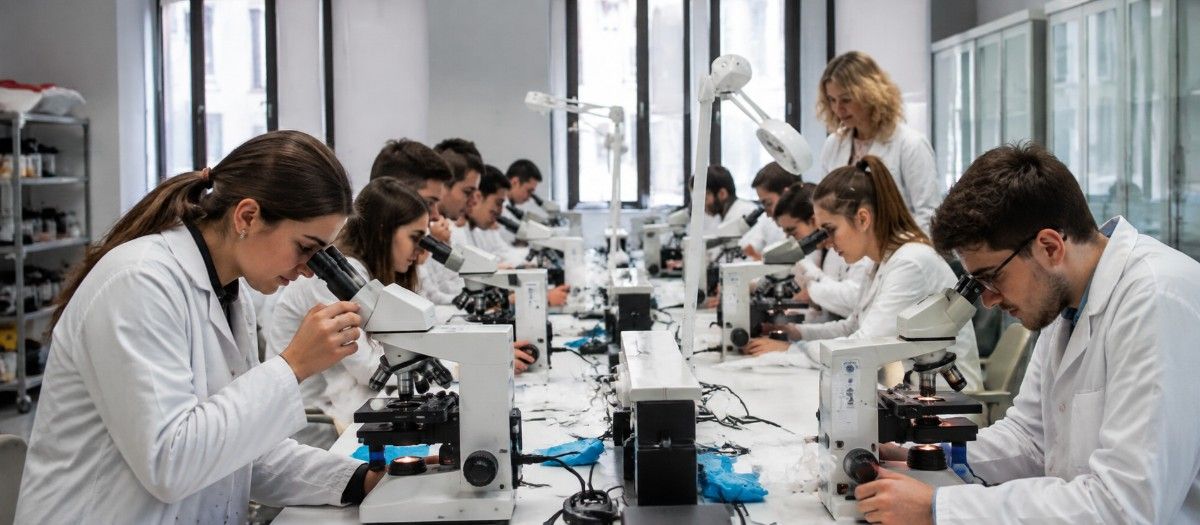
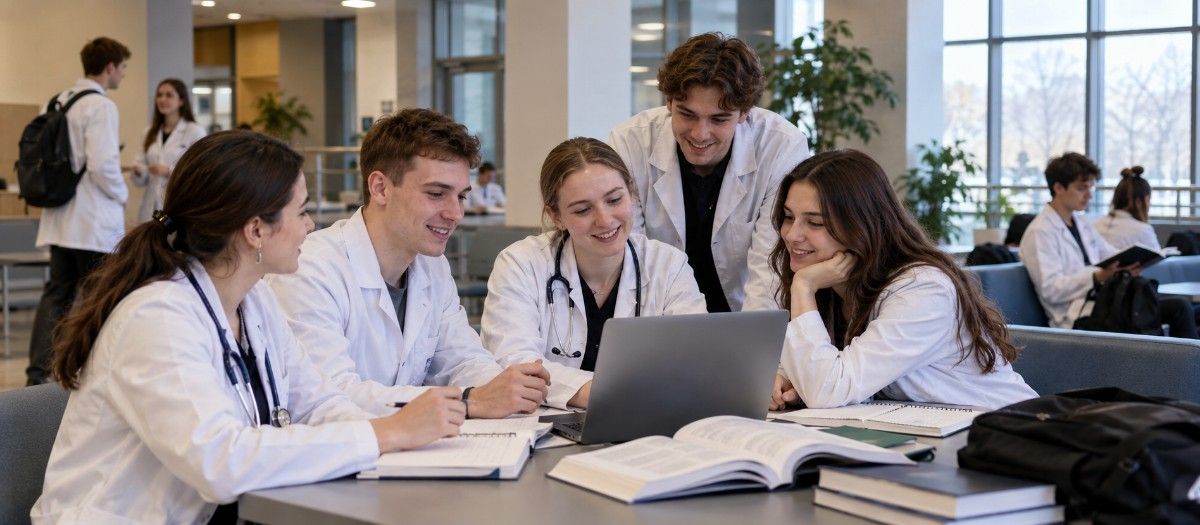
Furnished hostel rooms with Wi-Fi, laundry, 24/7 security, and Indian mess on or near campus.
Indian restaurants and mess facilities serving vegetarian and non-vegetarian home-style food daily.
Strong Indian community with cultural events, festival celebrations, and peer support groups.
Students get hands-on clinical training in government and private hospitals affiliated with the university.
Practical information for students planning to study at MBBS in Polytechnic University of Marche Faculty of Medicine and Surgery.
Prepare for all seasons. Thermal wear for winters, light clothing for summers. University provides heating in hostels.
Student visa processed with university invitation letter. Direct and connecting flights from major Indian cities.
Health insurance included in fees. Medical facility on campus plus city hospitals easily accessible.
Local SIM cards available. WhatsApp and video calls keep you connected with family back home.
Average monthly expenses of $150–$250 covering food, transport, and personal needs.
University library, online databases, and study groups. Seniors mentor juniors through academic challenges.
Our team guides you through every step — from application to arriving on campus.
Our Italy specialist explains the IMAT process, the income-based fee system, Bologna vs Rome vs other universities, and a total cost comparison with Hungary and Poland.
Our team registers you for IMAT (September test) and begins structured coaching. Biology, Chemistry, Physics, Maths, Critical Thinking. Begin preparation at least 6 months before the test.
Full Italian visa and IMAT application document set academic certificates, income documentation if applicable.
IMAT taken at designated test centres. We provide post-test analysis and guidance on university rankings.
Following IMAT ranking, the Italian university issues an admission confirmation. Our team can help with this process.
Full documentation submitted to the Italian Embassy or Consulate. Begin immediately after receiving the admission letter.
Our team advises qualifying families on the income-based fee reduction process.
Bologna /Rome orientation, accommodation, portico culture, Italian transport, Trenitalia app, banking, SIM card.
Our local team in Bologna (BLQ) or Rome (FCO) meets you and manages the first-week settlement.
We manage the Permesso application at the local Post Office within 8 days of arrival with our support, which is renewed annually.
Admission Helpline — Contact our counsellors for step-by-step assistance.
“The faculty here is incredibly supportive. The clinical training during hospital rotations has given me real confidence in patient care.”
“Affordable fees without compromising on quality. The campus facilities and hostel life made my transition abroad very smooth.”
“English medium instruction and WHO-recognized curriculum were the deciding factors for me. No regrets so far — excellent experience overall.”
“The university helped with everything from visa to accommodation. Hospital exposure from year three has been invaluable for my FMGE prep.”
“Just cleared my licensing exam on the first attempt. The structured coaching and mock exams during final year were a game-changer.”
“Safe campus, good food options, and a strong Indian student community. The teaching methodology is very practical and hands-on.”
Recognised as a private-initiative institution in December 1969, then converted to a state university by presidential decree in January 1971.
By decree in December 1969, effectively founding-era, with inaugural lectures in the 1970/71 academic year.
No dedicated English-taught medicine track was found, though this wasn't ruled out with complete certainty.
Presumed to follow the national semestre filtro system used across Italian public universities, though a specific confirmation page wasn't located.
Third-party figures suggest roughly EUR 396 to EUR 2,033 a year depending on ISEE, though this should be confirmed against the university's own fee page.
Across the Azienda Ospedaliero-Universitaria delle Marche's Umberto I, Lancisi, and Salesi hospital sites.
Based on available sources, yes, a genuinely distinguishing regional fact.
No, not automatically. India's standard foreign-degree licensing route, including NExT, would still apply.
Not especially. Regional reporting has flagged a real shortage of subsidised student accommodation here.
Public, essentially from the very start of its operational history, despite a brief initial private-initiative label.

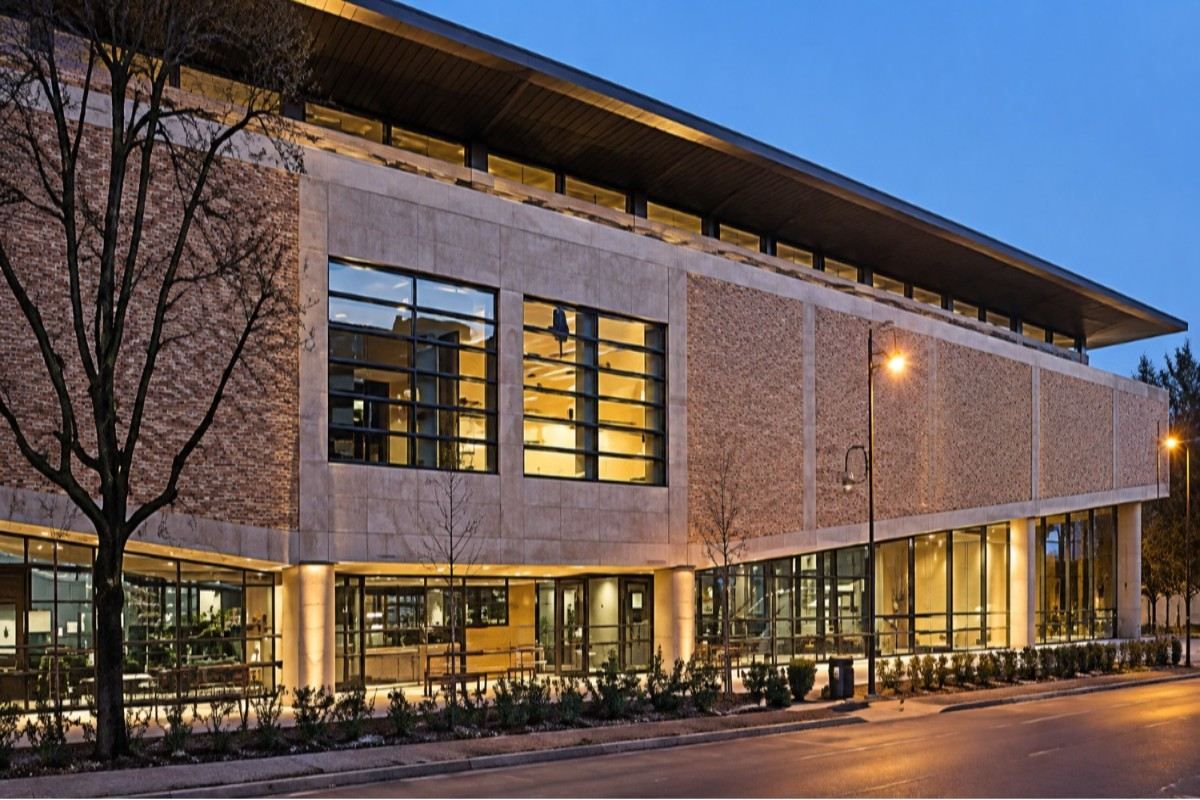
Our expert counsellors will guide you through the complete admission process — from documents to airport pickup.