
1. Is the Medicine and Surgery program taught in English?
+Yes, the English-taught track (BEMC) launched in 2012 and runs as a full six-year, single-cycle Master's degree.
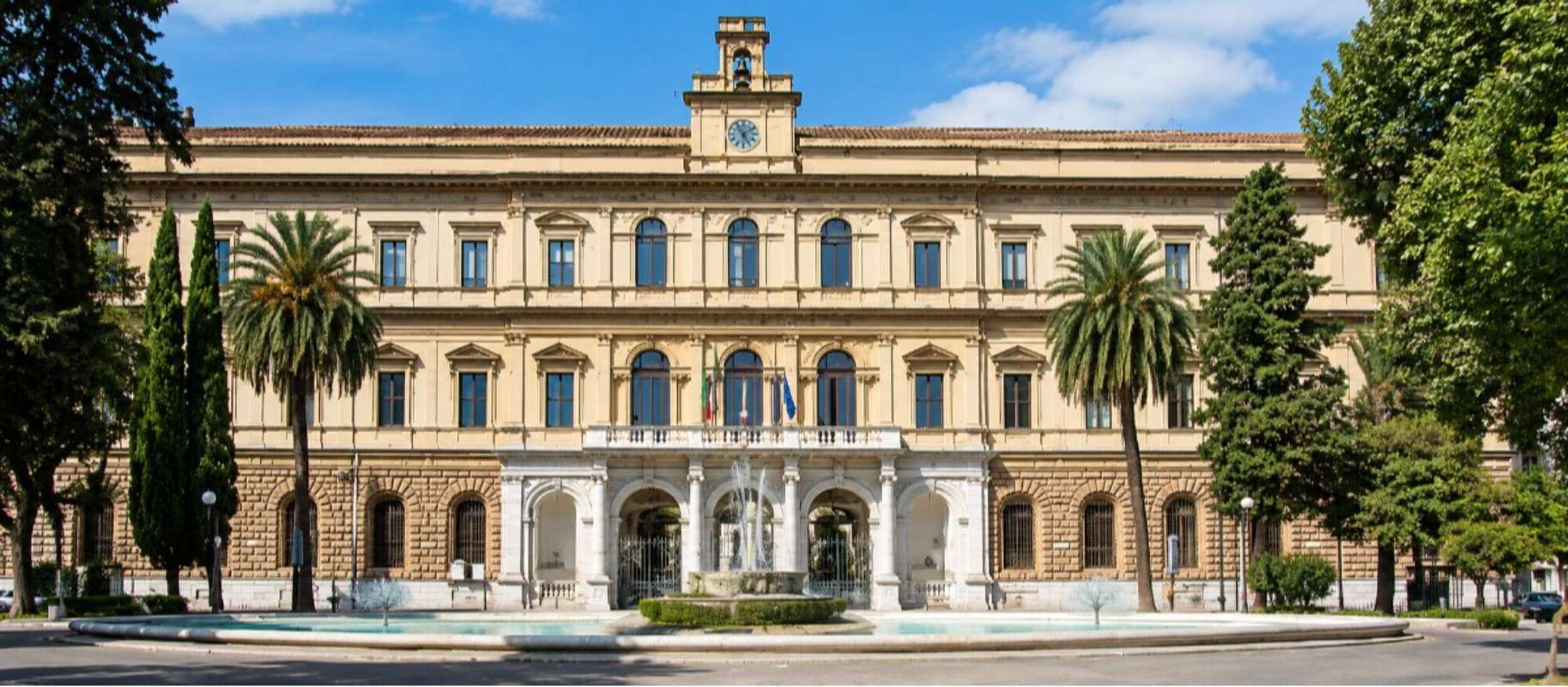
 Italy | Est. 1925
Italy | Aligned with EU Directive 2005/36/EC; WHO listed; listed in the World Directory of Medical Schools (WDOMS) | English (English-taught track launched 2012) medium
Expert will call you within 2 hours
The city of Bari is in the area of Puglia in Italy. It is on the country's southeast coast and looks out over the Adriatic Sea. Not only is it an old port city, but it is also home to the oldest and biggest public college in Southern Italy. In this place is the Faculty of Medicine and Surgery of the University of Bari "Aldo Moro," which is usually just called "UniBa." People from countries other than Italy can go to this medical school, which has been around for a long time and teaches in English.
Since the university was founded in 1925, it has a very long institutional history that goes back a hundred years. It is named after Aldo Moro, who was Prime Minister of Italy and a professor at the school earlier in his career. The twelve faculties that make up UniBa are spread out across campuses in Bari, Brindisi, and Taranto. About 1,500 academic staff members work to support it. The school has more than 500 agreements with other universities around the world to work together. It also has a busy exchange program called Erasmus+ that pairs students with universities all over Europe. The percentage of international students at the university is about 10% of all the students.
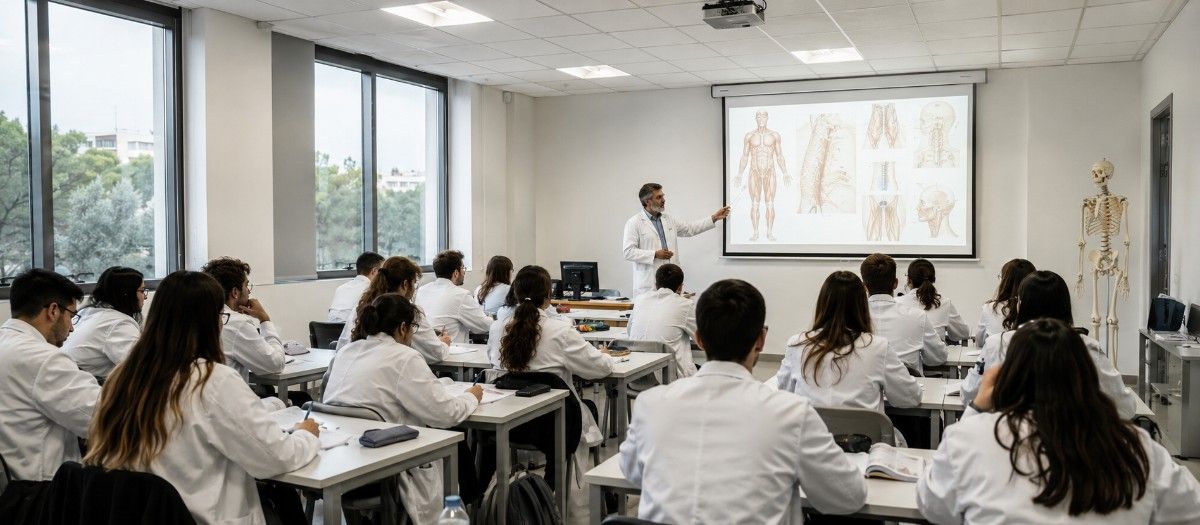
Beginning in 2012, the English-taught Medicine and Surgery program, which is also known by its course code BEMC, was created. The program is set up like a single-cycle Master's degree, which takes six years and twelve semesters to finish. This is how things are usually done in the Italian system for teaching medicine. It takes students from the time they first sign up until they have a full medical degree, without having a separate undergraduate and graduate division. The main goals of the program, which is to train what the institution calls "scientist-physicians," are said to be small class sizes and real, all-encompassing hands-on experience throughout the course.
The Italian Medical Admissions Test (IMAT) is the only standardised test that most medical schools in Italy use to admit students. There is only one hundred minutes to take the test, which covers biology, chemistry, physics, math, and logical thought. European Union applicants and applicants from outside the EU both take the same test. After the test, separate merit lists are made for each group. Numbers that were just made public show that each year there are about 42 seats open for applicants from the EU and 11 seats open for applicants from outside the EU. In the past, non-EU applicants have needed numbers in the low to middle 40s on the IMAT to get in. Even though Bari has been around for a long time and has a great reputation, it still gets a lot of applications every year, making it a very competitive option. Bari is near the end of the list of Italian medical schools where seats are hard to come by.
The structure of the study is based on the well-known way that doctors are taught in Italy. In the first few years of school, students learn about basic sciences like anatomy, physiology, biochemistry, and histology. In later years, students study clinical topics that are used in real life, like neurology, surgery, and family medicine. Similar to what is required for similar programs in Italy, students have to do a large amount of work as interns. Under this part, students do supervised clinical rotations at the Policlinico di Bari, which is one of the biggest hospital complexes in Southern Italy and is connected to the university. Because of the close relationship between the medical faculty and the main teaching hospital used by the school, students get real, in-depth experience in a busy clinical setting while they are working toward their degree.
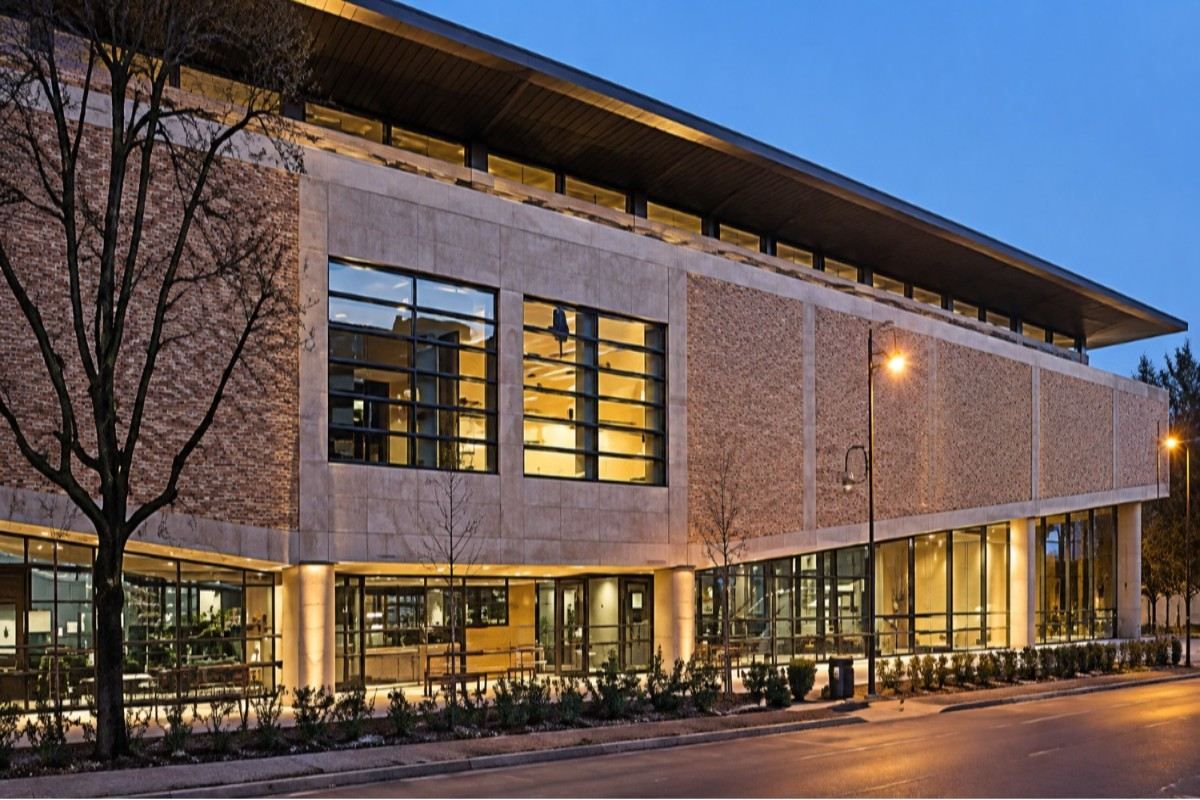
There are twelve libraries at the University of Bahrain, which are spread out among its many buildings and schools. In addition, there are modern simulation labs where students can practice their clinical skills in a safe and controlled environment before they start working with real patients. There is a direct link between the teaching space and the clinical training because the Faculty of Medicine and Surgery is housed on the grounds of the Policlinico hospital. This is better than having them spread out in different places.
All of Italy's public colleges use the same income-adjusted, ISEE-based method to figure out how much something costs. Bari University is no different. Instead of being based on a single flat rate, tuition is based on how much money the family makes. This rule applies to both the English- and Italian-language medical programs. According to the law, students who can show that they have a low income can pay as little as a few hundred euros a year. If a student has a higher income or can't show the necessary documents, on the other hand, their fees may go up to levels more typical of middle-range tuition in Europe. International applicants should directly ask about the ISEE assessment process and the current price structure for Bari. This is because the ISEE test process can work in a way that is different from the flat-rate tuition models that most non-Italian schools use, which are talked about in other parts of this series.
The basis on which the degree is based must be very strong and can be checked by someone else. The university's medical program is listed in the World Directory of Medical Schools under the reference F0000742. This means that potential students can check this listing themselves instead of just believing what other people say. The WDOMS search engine can be used to directly check this listing. The degree is also recognised by the National Medical Commission of India, the World Health Organisation (WHO), and the European Union Directive 2005/36/EC. It is important to note that the General Medical Council of the United Kingdom recognises the medical degree that UniBa offers. This means that graduates can apply to become doctors in the UK, which is something that not all Italian medical schools can say. The university is connected to both UNIMED and GUIDE, which are foreign academic partnership networks. This adds to the university's already good reputation in the academic world.
At a very different pace, life moves more slowly in Bari than in the bigger towns in northern Italy. A historic old town, a lively food scene rooted in Puglia's regional cuisine, and generally lower living costs than cities like Milan or Rome are some of the things that give it a strong Adriatic flavour. The larger Puglia area is easy to get to if you want to spend the weekend exploring. Puglia is known for its beaches, olive trees, and unique trulli architecture.
It is known that the University of Bari "Aldo Moro" has one of the best medical schools in Italy that is taught in English. It is available to students who want to go to an Italian medical school that has been around for a long time, has been checked out by a third party, and is officially recognised by the UK General Medical Council (GMC) as well as other medical boards in Europe and around the world. Before sending in their application, potential students must make sure that the university knows their exact ISEE-based price bracket and current IMAT seat numbers.
No hidden charges, no donation. The full picture of costs at MBBS in University of Bari Aldo Moro Faculty of Medicine and Surgery.
Tuition Fee
EUR ~200-3,000 INR ~22,384 - 335,769
EUR 200-1,500 INR ~ 1.84-13.8 lakh
Hostel Fee
EUR ~4,500 INR ~41.4 lakh
EUR ~4,500 INR ~41.4 lakh
Food & Meals
EUR ~4,000 INR ~36.8 lakh
per year
Insurance
EUR ~150 INR ~16788
per year
Donation
No Donation Fee
No hidden Fee
Total Estimated Cost
EUR ~8,700 -9,570 INR ~80.0 lakh - 108.2 lakh
6 year
25–35%
Average FMGE first-attempt pass rates for students from many overseas medical universities. Students from structured programs consistently score higher.
Students returning to India need to clear the FMGE/NExT exam. MBBS in University of Bari Aldo Moro Faculty of Medicine and Surgery integrates exam-oriented coaching into the regular curriculum so students are prepared from day one.
A structured program that takes you from foundational sciences to clinical mastery.
Foundation of medical knowledge with lab sessions and introductory clinical exposure.
Anatomy, Histology, Biochemistry, Medical Biology
Deeper understanding of human body systems and disease mechanisms.
Surgery, Neurology, Family Medicine, elective specialities, and progressive clinical placements at the Policlinico di Bari.
Hospital rotations begin. Students interact with patients under supervision.
Emergency medicine, further clinical rotations, and a final research thesis.

Furnished hostel rooms with Wi-Fi, laundry, 24/7 security, and Indian mess on or near campus.
Indian restaurants and mess facilities serving vegetarian and non-vegetarian home-style food daily.
Strong Indian community with cultural events, festival celebrations, and peer support groups.
Students get hands-on clinical training in government and private hospitals affiliated with the university.
Practical information for students planning to study at MBBS in University of Bari Aldo Moro Faculty of Medicine and Surgery.
Prepare for all seasons. Thermal wear for winters, light clothing for summers. University provides heating in hostels.
Student visa processed with university invitation letter. Direct and connecting flights from major Indian cities.
Health insurance included in fees. Medical facility on campus plus city hospitals easily accessible.
Local SIM cards available. WhatsApp and video calls keep you connected with family back home.
Average monthly expenses of $150–$250 covering food, transport, and personal needs.
University library, online databases, and study groups. Seniors mentor juniors through academic challenges.
Our team guides you through every step — from application to arriving on campus.
Our Italy specialist explains the IMAT process, the income-based fee system, Bologna vs Rome vs other universities, and a total cost comparison with Hungary and Poland.
Our team registers you for IMAT (September test) and begins structured coaching. Biology, Chemistry, Physics, Maths, Critical Thinking. Begin preparation at least 6 months before the test.
Full Italian visa and IMAT application document set academic certificates, income documentation if applicable.
IMAT taken at designated test centres. We provide post-test analysis and guidance on university rankings.
Following IMAT ranking, the Italian university issues an admission confirmation. Our team can help with this process.
Full documentation submitted to the Italian Embassy or Consulate. Begin immediately after receiving the admission letter.
Our team advises qualifying families on the income-based fee reduction process.
Bologna /Rome orientation, accommodation, portico culture, Italian transport, Trenitalia app, banking, SIM card.
Our local team in Bologna (BLQ) or Rome (FCO) meets you and manages the first-week settlement.
We manage the Permesso application at the local Post Office within 8 days of arrival with our support, which is renewed annually.
Admission Helpline — Contact our counsellors for step-by-step assistance.
“The faculty here is incredibly supportive. The clinical training during hospital rotations has given me real confidence in patient care.”
“Affordable fees without compromising on quality. The campus facilities and hostel life made my transition abroad very smooth.”
“English medium instruction and WHO-recognized curriculum were the deciding factors for me. No regrets so far — excellent experience overall.”
“The university helped with everything from visa to accommodation. Hospital exposure from year three has been invaluable for my FMGE prep.”
“Just cleared my licensing exam on the first attempt. The structured coaching and mock exams during final year were a game-changer.”
“Safe campus, good food options, and a strong Indian student community. The teaching methodology is very practical and hands-on.”
Yes, the English-taught track (BEMC) launched in 2012 and runs as a full six-year, single-cycle Master's degree.
Yes, the IMAT is required for both EU and non-EU applicants, with separate merit lists compiled for each group.
Tuition follows Italy's ISEE income-based system rather than a flat rate, so actual fees depend on documented family income; confirm your specific bracket directly with the university.
Italian medical admissions run through the IMAT rather than NEET; however, standard NMC rules for foreign medical graduates, including FMGE/NExT, still apply for practice in India after graduation.
Yes. It is listed in the World Directory of Medical Schools under reference F0000742, which can be checked directly through the WDOMS search portal, rather than relying solely on third-party claims.
Yes, notably. UniBa's medical degree is recognised by the UK's General Medical Council, supporting a route toward UK medical registration, a distinction not every Italian medical school carries as clearly.
At the Policlinico di Bari, one of Southern Italy's largest hospital complexes, directly integrated with the Faculty of Medicine and Surgery campus.
Genuinely competitive, with historically only around 11 non-EU seats available per intake and entry scores in the low-to-mid 40s out of the maximum IMAT score in recent years.
Bari is a historic Adriatic coastal city with a strong regional food culture, generally lower living costs than Italy's northern cities, and easy access to the wider Puglia region's coastline and countryside.
Yes, including access to 12 libraries, advanced simulation labs, Erasmus+ exchange opportunities, and more than 500 global academic partnership agreements.

Our expert counsellors will guide you through the complete admission process — from documents to airport pickup.