The University and What Makes It Different
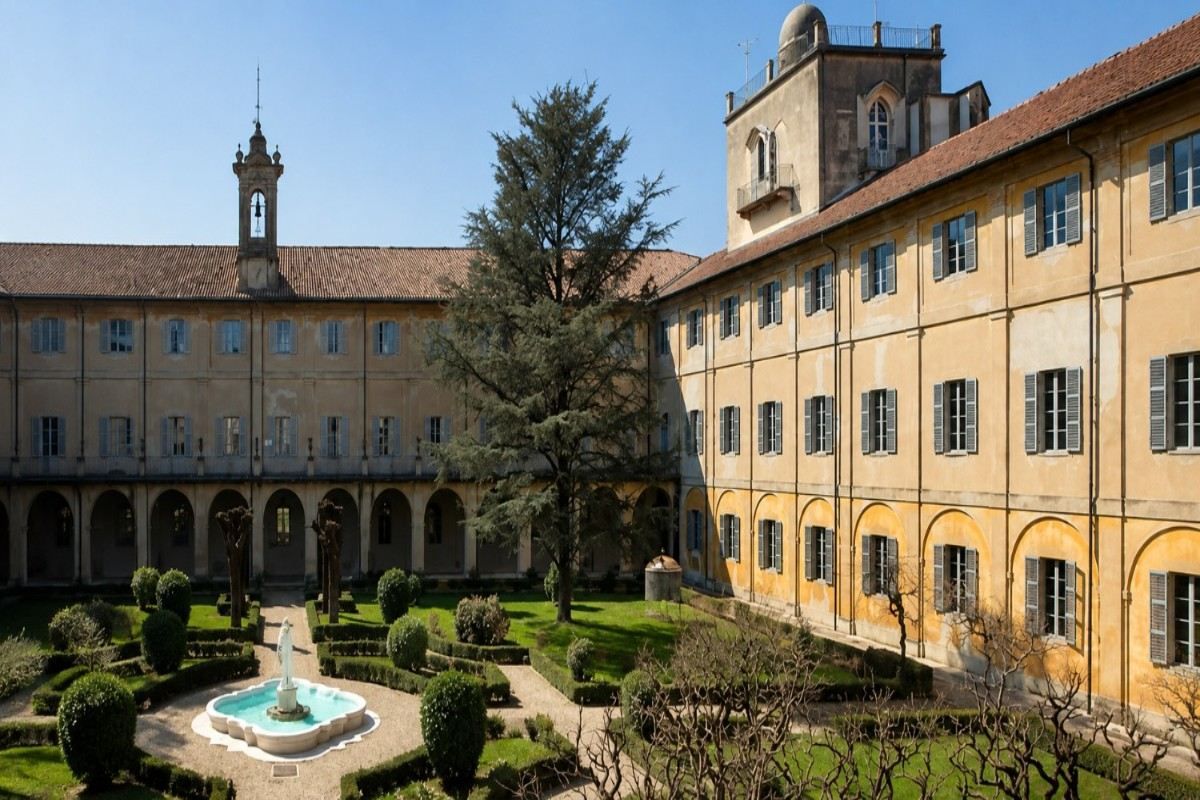
People mostly just call it UniPr, or simply the University of Parma. It's genuinely one of Europe's oldest universities, though sources differ on the exact founding moment, with some tracing formal origins to 962 and others linking its roots back to 781, when Charlemagne's meeting with the scholar Alcuin is said to have laid the groundwork for the Palatine Schools. So, whichever precise date you go with, this is an institution with genuinely deep medieval roots, not a modern university borrowing old imagery.
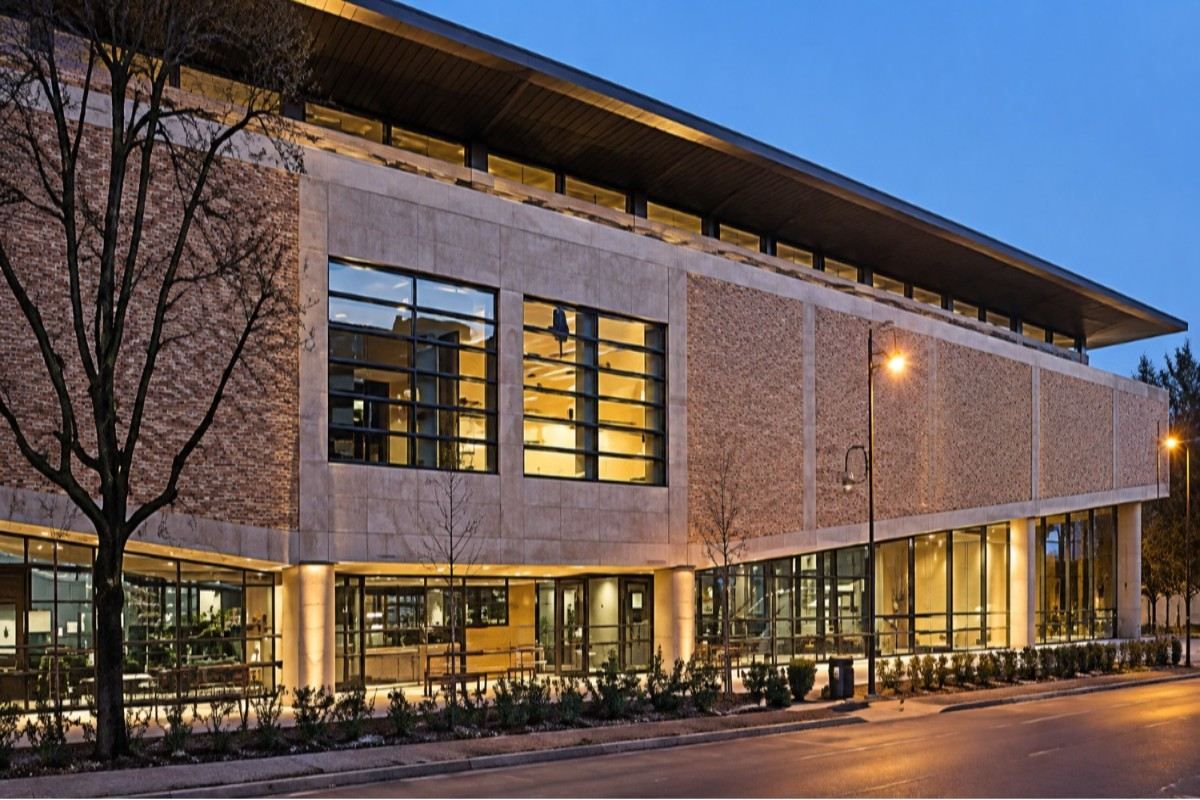
By the late 1800s and into the 1900s, Parma already had well-established faculties, including Law and Medicine and Surgery, taught at the university's historic main site in Parma city itself. From the 1960s onward, the university expanded rapidly, eventually building the Parco Area delle Scienze, a proper modern campus with a congress centre, libraries, study halls, and laboratories. So, the university's medical teaching in Parma itself carries well over a century of continuous, documented history.
Here's the detail that makes this specific programme genuinely different, and worth understanding clearly before anything else. The Medicine and Surgery programme covered on this page doesn't run in Parma city at all. It runs about 65 kilometres away, in Piacenza, a separate city within the same Emilia-Romagna region. This English-taught programme was announced on 7 July 2021 and activated from the 2021/22 academic year, created through a genuinely multi-institutional collaboration between the University of Parma, the AUSL di Piacenza, Piacenza's local health authority, the Comune di Piacenza, the city government, and with financial support from the Emilia-Romagna regional government. So, this programme's very existence rests on a specific, documented partnership between a university and an entire local governmental and healthcare ecosystem, not a decision made by the university alone.
The university itself has been explicit that this Piacenza programme isn't a duplicate of its long-established Italian-language Medicine and Surgery degree taught in Parma. It's a deliberately separate, complementary programme, built specifically around English-medium teaching and an international student body, while the older Italian-language course continues to run in Parma as it always has. According to the Department of Medicine and Surgery's own director, this was the very first English-language course the department had ever offered, and also the first course of any kind fully delivered in Piacenza itself, with a Dental Hygiene programme in English following a year later. So, this programme carries genuine institutional firsts behind it, not just a marketing label.
Here's a fact most guides skip entirely. The 2023/24 academic year for this programme was formally inaugurated on 9 April 2024, not in a university lecture hall, but at the Palazzo Gotico, Piacenza's historic medieval town hall, in the city's central Piazza Cavalli. At that ceremony, the University of Parma's rector spoke about plans for an entirely new hospital to be built in Piacenza within roughly eight years, designed to modern healthcare standards, while the Department of Medicine and Surgery's director noted this had been the department's first English-language course. So, this programme's short history is already dotted with genuinely specific, dated, and well-documented civic moments.
A distinctive structural fact sets this programme apart from many others covered in similar guides. Piacenza's hospital system used for clinical training is not shared with any other university's medical programme; it's described as uniquely dedicated to this specific Medicine and Surgery degree. So, students here train within a hospital network built and reserved specifically for their own cohort, rather than competing for placements alongside students from other medical schools using the same hospitals.
The Piacenza Campus and Its Setting
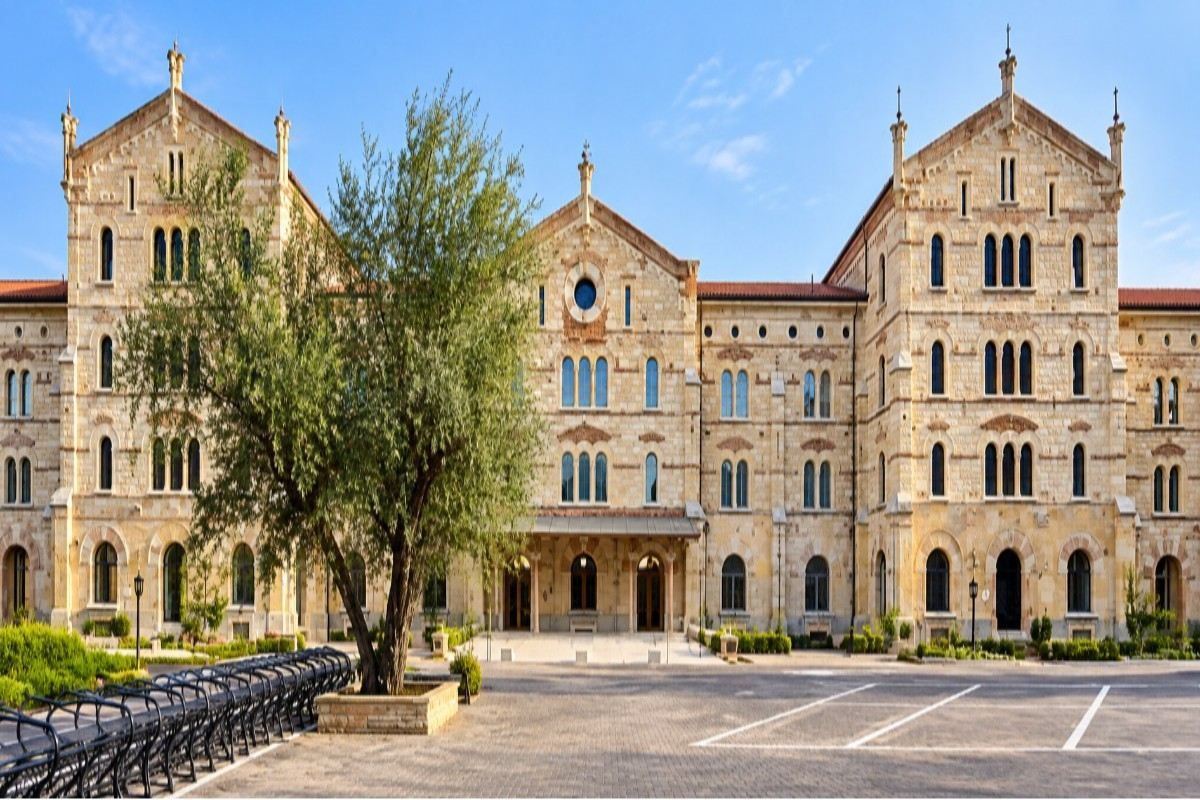
Piacenza is a historic city in Emilia-Romagna, roughly half the population of Parma, but similarly well-organised as a place to live and study. Teaching for this programme currently takes place chiefly at the Collegio Alberoni site, with the university also renovating additional buildings, including Palazzo Portici, to accommodate growing student numbers as the programme matures. So, the physical campus here is still visibly developing, much like the programme itself.
Clinical training runs through the AUSL di Piacenza network, covering both hospital settings and community health facilities spread across the wider province, giving students exposure to primary care and community medicine alongside hospital-based training. The local health authority has also been recognised for research work, including a project called Telecuore, which reportedly won national and international awards, giving students a genuine research-active clinical environment to train within.
One honest trade-off worth knowing concerns student life itself. Piacenza is home to several university branches, including a campus of the Università Cattolica, so it isn't without student presence. However, it doesn't offer the same concentrated, large-scale university social life that Parma's main campus provides, since Piacenza's university population is spread across multiple institutions rather than centred around one dominant campus community. So, students choosing this programme should understand they're trading some of that broader campus atmosphere for a dedicated, non-shared clinical training environment.
Course Structure, Cost, and Practical Details
This is a Single-Cycle Degree, a Laurea Magistrale a Ciclo Unico, running six years, or 72 months, entirely in English, combining what would elsewhere be separate undergraduate and graduate stages into one continuous programme. The curriculum covers a comprehensive sweep of medical training, from health promotion through to emergency medicine, applied research, current medical technologies, and health economics and management, with a deliberate emphasis on communication skills, self-directed learning, problem-solving, and the medical humanities.
Admission runs through the International Medical Admissions Test, IMAT, a national entrance exam prepared by Italy's own Ministry of University and Research, identical in content across every test location where it's offered, including numerous centres outside Italy. Places, test dates, and exact content are set annually by ministerial decree, and successful applicants are selected through a national ranking list. For the 2022/2023 academic year, the programme offered 100 total places, split into 60 seats for EU citizens and 40 seats specifically reserved for non-EU applicants residing abroad, with average admission scores that year running to around 44.4 for EU candidates and 41.9 for non-EU candidates. So, applicants should expect a genuinely competitive, standardised national selection process rather than a university-specific interview or portfolio review.
Fee figures here are genuinely distinctive compared to most other destinations covered in similar guides. Tuition runs on an income-scaled model, from as little as roughly EUR 150 a year up to a maximum of around EUR 2,625 a year, calculated according to family income, measured through Italy's ISEE system, and academic merit. Full fee waivers are available for a range of students, including those with disabilities, ER-GO scholarship recipients, Emilia-Romagna's regional right-to-education body, and some holders of Italian Government Scholarships. ER-GO scholarship winners receive both a full fee exemption and an annual stipend, with applications generally due through the ER-GO website by a November deadline each year. So, depending on individual circumstances, six years of tuition here could run anywhere from under a thousand euros to somewhere in the low five figures, a genuinely different cost structure from flat-rate international tuition elsewhere.
Graduates of this programme don't complete a separate rotating internship year appended after the six years, since clinical training runs throughout the single-cycle degree itself. However, as with any Italian medical degree, graduates must pass Italy's state licensing examination, the Esame di Stato, and register with Italy's medical professional body before practising independently. NEET remains a genuine requirement for Indian applicants here, exactly as it does for most other MBBS-abroad destinations, and Indian graduates would still need to clear the FMGE or NExT exam to practise medicine back in India.
Quick Overview
Parameter | Details |
Established | University of Parma traces back over a thousand years; the English-taught Piacenza Medicine and Surgery programme launched in 2021 |
Institution Type | Public Italian university (Università degli Studi di Parma), programme delivered in Piacenza |
Location | Piacenza, Emilia-Romagna, Italy (a separate city from Parma, roughly 65 km away) |
Programme | Medicine and Surgery, a Single-Cycle Degree (Laurea Magistrale a Ciclo Unico), taught entirely in English |
Duration | 6 years (72 months); no separate internship year, though the state licensing exam follows graduation |
Medium of Instruction | English |
Foreign Quota Note | Admission via IMAT; national quota split, with a set number of seats reserved for non-EU applicants residing abroad |
Teaching Hospital | AUSL di Piacenza network, dedicated solely to this programme and not shared with other university medical courses |
Fee Structure
Fee Component | Amount | Notes |
Annual Tuition | Approx. EUR 150 to EUR 2,625 per year | Based on family income (ISEE) and academic merit; genuinely income-scaled, not a flat rate |
Full Fee Waivers | Available for eligible students | Includes students with disabilities, ER-GO scholarship holders, and some Italian Government Scholarship recipients |
ER-GO Scholarship | Full fee exemption plus an annual stipend | Regional right-to-education body for Emilia-Romagna; application deadline generally in November |
Living Costs | Generally affordable for northern Italy | Piacenza is reported as more affordable than many other northern Italian cities |
Approx. Total Programme Cost | Roughly EUR 900 to EUR 15,750 over 6 years (tuition only) | Wide range reflects the income-based fee structure; confirm your own bracket directly with the university |
Why This Programme Deserves a Harder Look Than You've Given It
A Hospital Network Built Just for This Cohort
Most rival pages describe clinical placements as arrangements shared across several universities using the same hospitals. This programme genuinely differs: the AUSL di Piacenza's hospital and community health network is described as dedicated solely to this Medicine and Surgery degree, not shared with any other university's medical students So, clinical training capacity here isn't stretched across competing cohorts from multiple institutions.
Genuinely Income-Scaled Tuition, Not a Flat International Rate
Most guides list a single tuition figure and move on. This programme's fees range from roughly EUR 150 to EUR 2,625 a year depending on family income and merit, with full waivers and stipends available for qualifying students. So, the real cost here can vary enormously between two students in the same cohort, based on genuine, documented financial circumstances rather than a one-size-fits-all international sticker price.
Honest Assessment
Be upfront about a few real considerations here. This programme runs in a different city from the University of Parma's main historic campus, so students shouldn't expect Parma's own well-established student life and atmosphere. The programme is still genuinely young, having launched only in 2021, and its permanent campus facilities, including a planned new hospital roughly eight years out from 2024, are still very much under development. Admission via the IMAT is nationally competitive, and non-EU seats are limited to a fixed annual quota.
So, who fits here best? Students drawn to a genuinely dedicated, non-shared clinical training hospital network, and comfortable with a smaller, still-developing university city, fit well here. Students who want to benefit from Italy's income-scaled tuition model, potentially paying only a few hundred euros a year, fit well too. However, applicants specifically seeking Parma's own historic main-campus atmosphere, or a long-established, fully mature international programme, should weigh this carefully. Still, the dedicated hospital system and the genuinely progressive fee structure are real, well-documented strengths.