
 Partner
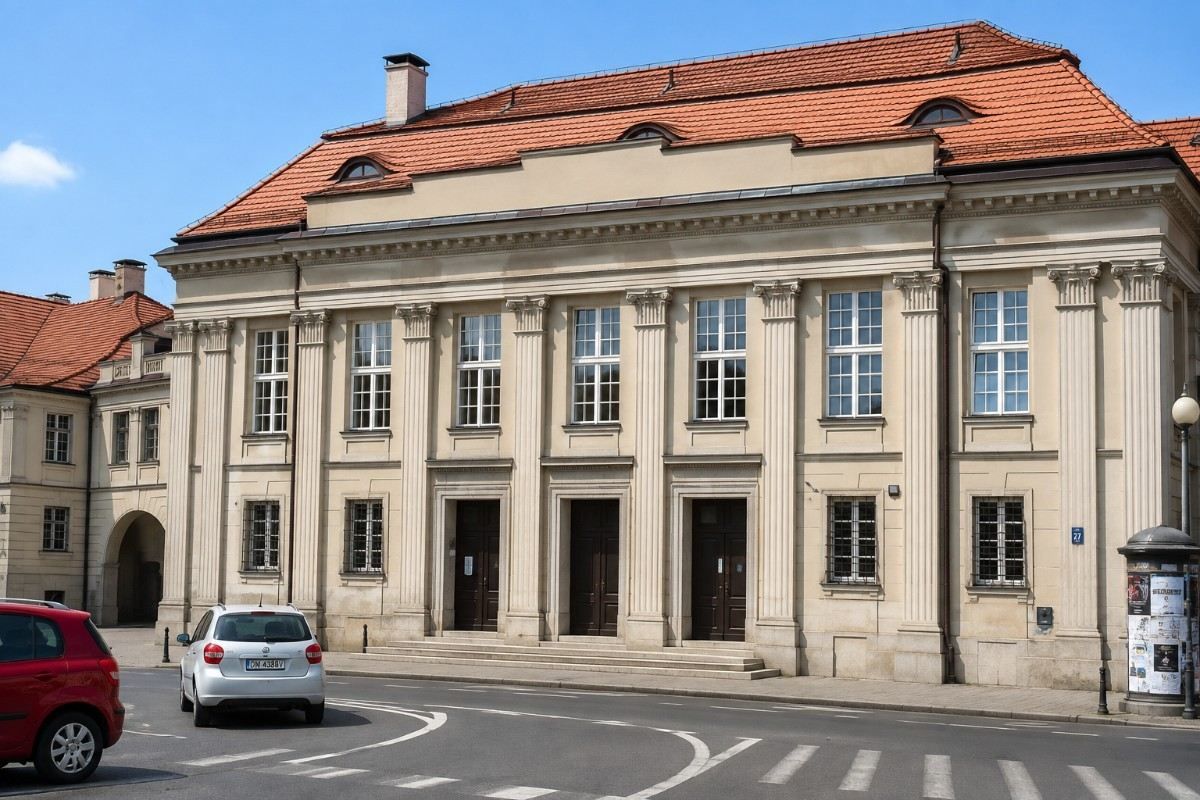
📍Poland, Kalisz
 Study destination: Poland
MBBS in Poland offers Indian students an opportunity to pursue MBBS abroad in Europe through established universities offering six-year English-medium medicine programmes with clinical training.
For MBBS in Poland for Indian students (2026–27), key considerations include tuition fees, NEET eligibility, entrance exams, university recognition, internship arrangements and medical licensing requirements.
The qualification is commonly referred to as Doctor of Medicine (MD), with a standard duration of 6 years (12 semesters, 360 ECTS credits). A separate postgraduate internship and licensing process may apply.
Before admission, students should verify compliance with the NMC FMGL Regulations, 2021, particularly English-medium instruction, foreign internship requirements and eligibility for professional medical licensing in Poland and registration in India.
There are several reasons why international students consider studying medicine in Poland. The country offers established medical universities, English-medium programmes, European academic standards and supervised clinical learning.
One major advantage of MBBS in Poland for Indian students is the availability of English-taught medicine programmes at selected universities.
Institutions such as the Medical University of Warsaw, Medical University of Łódź, Medical University of Gdańsk and Poznań University of Medical Sciences offer programmes for international applicants.
Students generally study:
Human Anatomy
Physiology
Biochemistry
Histology
Pathology
Pharmacology
Microbiology
Internal Medicine
General Surgery
Pediatrics
Obstetrics and Gynaecology
English-medium teaching helps students who have completed their schooling in English adjust to medical education.
However, Polish-language proficiency remains important during hospital placements because patients and healthcare professionals commonly communicate in Polish.
Poland has an established medical education system supported by universities, teaching hospitals and research institutions.
The medical curriculum in Poland generally includes:
Basic medical sciences
Pre-clinical subjects
Laboratory practicals
Clinical medicine
Diagnostic sciences
Hospital placements
Medical simulation training
Supervised patient examinations
Professional ethics
Students should compare universities based on teaching facilities, clinical exposure and academic quality rather than assuming every institution offers identical training.
The standard MBBS course duration in Poland is 6 years, generally consisting of 12 semesters and 360 ECTS credits.
Students begin with basic medical sciences and gradually progress to clinical subjects, supervised hospital training and practical examinations.
However, the six-year undergraduate programme does not automatically include the separate postgraduate internship required under Polish professional licensing arrangements.
Indian students must verify whether the available internship pathway satisfies the applicable NMC internship requirements for foreign medical graduates.
Clinical education is an important part of medical education in Poland.
Students may receive supervised training through teaching hospitals and affiliated healthcare institutions.
Clinical activities may include:
Hospital ward rounds
Patient history taking
Physical examinations
Clinical case discussions
Diagnostic procedures
Surgery observation
Emergency medicine
Pediatrics
Internal Medicine
Community healthcare
The duration and quality of clinical training depend on the institution.
Poland follows the European Higher Education Area framework and uses the European Credit Transfer and Accumulation System.
Students may participate in medical research, scientific conferences, clinical workshops, academic societies and international university activities.
However, studying in a European Union country does not automatically grant unrestricted medical practice rights throughout Europe.
Poland has public and private healthcare institutions offering medical treatment, diagnostic services and specialist care.
Established medical universities may provide access to:
Teaching hospitals
Medical laboratories
Clinical simulation centres
Diagnostic imaging facilities
Research departments
Specialist healthcare units
Medical libraries
Students should verify the facilities accessible to international undergraduate medical students.
Some potential benefits of studying MBBS in Poland include:
Six-year undergraduate medicine programme
English-medium education at selected universities
Established public medical universities
European higher education framework
Clinical training in teaching hospitals
Medical simulation facilities
Research and academic opportunities
International student communities
Exposure to European healthcare practices
Opportunities to learn Polish
Medical workshops and conferences
Student exchange programmes
Public transportation facilities
University accommodation options
Postgraduate medical education opportunities
Students should also consider tuition fees, language requirements, internship accessibility and NMC eligibility after MBBS in Poland.
Poland is a Central European country known for historical cities, cultural heritage, educational institutions and healthcare facilities.
It shares borders with Germany, Czechia, Slovakia, Ukraine, Belarus, Lithuania and Russia's Kaliningrad region.
Warsaw is the capital. Poland belongs to the European Union and the Schengen Area. Its official language is Polish, and its currency is the Polish Złoty (PLN).
Major university cities include:
Warsaw
Kraków
Łódź
Gdańsk
Wrocław
Poznań
Lublin
Białystok
Katowice
Szczecin
Students planning MBBS admission in Poland should compare cities based on universities, accommodation costs, teaching hospitals, transportation and lifestyle.
Polish culture reflects historical traditions, literature, music, festivals and regional customs.
Students may experience Christmas celebrations, Easter traditions, Independence Day, university festivals, cultural events and international student activities.
Learning basic Polish can help students communicate with local residents and participate in everyday life.
Poland generally experiences four distinct seasons.
Winters can be cold, with snowfall and below-freezing temperatures. Summers are warmer, while spring and autumn bring changing weather conditions.
Coastal cities such as Gdańsk may experience different weather patterns from inland cities.
Indian students should prepare winter clothing, including jackets, thermal wear, gloves and suitable footwear.
Poland offers traditional European cuisine and international food options.
Indian students may find:
Rice
Vegetables
Bread
Pasta
Soups
Potatoes
Salads
Vegetarian meals
Chicken dishes
Indian cuisine
Self-cooked food
Indian restaurants and grocery shops are generally easier to find in larger cities.
Students following vegetarian diets should check ingredients because some Polish dishes contain meat or animal-based products.
Students pursuing medicine in Poland may participate in:
Medical conferences
Research projects
Academic clubs
University sports
Cultural programmes
International student societies
Language exchanges
Community volunteering
Scientific workshops
These activities help students develop friendships and adapt to a new academic environment.
Particular | Details |
Course Name | Medicine / Doctor of Medicine programme |
Common Search Term | MBBS in Poland |
Qualification | Polish undergraduate medical degree |
Course Duration | 6 years(including internship) |
Academic Structure | Generally 12 semesters |
Academic Credits | Approximately 360 ECTS |
Medium of Instruction | English at selected universities |
Clinical Language | Polish proficiency is important |
Eligibility | Recognised Class 12 or equivalent |
Required Subjects | Science subjects under university criteria |
NEET | Required under applicable Indian regulations |
Entrance Examination | University-specific test or interview |
Universities | Established public medical universities |
Tuition Fees | Approximately €15,000–€19,000 annually at several institutions |
Living Expenses | Approximately €500–€750+ monthly |
Main Intake | Generally September–October |
Clinical Training | Teaching hospitals and affiliated institutions |
Postgraduate Internship | Separate Polish regulatory pathway |
Polish Licensing Examination | LEK, subject to applicable requirements |
Student Visa | Polish national study visa |
Indian Registration | Subject to NMC regulations |
Capital | Warsaw |
Currency | Polish Złoty (PLN) |
Tuition, admission and professional licensing conditions should be verified for the relevant academic year.
Students frequently ask, how many years is MBBS in Poland? The standard MBBS duration in Poland is six academic years, generally comprising 12 semesters and 360 ECTS credits.
The programme covers foundational sciences, pre-clinical learning, clinical subjects and supervised hospital education.
However, undergraduate clinical training and postgraduate professional internship are separate considerations.
The first two years focus on understanding the human body and developing foundational medical knowledge.
Students generally study:
Human Anatomy
Physiology
Biochemistry
Histology
Embryology
Medical Genetics
Cell Biology
Biophysics
Medical Psychology
Medical Ethics
Students attend lectures, laboratory sessions and practical assessments.
Some universities introduce clinical communication and early hospital observation.
During the middle phase, students study diseases, diagnostic methods and treatment principles.
Common subjects include:
Pathology
Pharmacology
Microbiology
Immunology
Internal Medicine
General Surgery
Diagnostic Imaging
Clinical Examination
Public Health
Epidemiology
Supervised practical education and hospital-based activities may begin or increase during these years.
The final years concentrate on advanced medical subjects and hospital learning.
Students may study:
Internal Medicine
General Surgery
Pediatrics
Obstetrics and Gynaecology
Orthopaedics
Psychiatry
Dermatology
Ophthalmology
ENT
Neurology
Emergency Medicine
Anaesthesiology
Family Medicine
Students complete relevant practical examinations, clinical placements and academic assessments.
The internship after MBBS in Poland differs from the internship structure commonly followed in India.
Polish undergraduate medicine programmes include clinical placements during the six-year degree.
However, these placements should not automatically be considered equivalent to the separate foreign internship required under the applicable Indian FMGL framework.
Poland has a postgraduate physician internship called Staż Podyplomowy, generally lasting 13 months.
This training is associated with the country's professional medical licensing pathway.
International graduates must verify whether they can undertake the internship and whether it satisfies the institutional and clinical requirements relevant to their future registration.
The Polish postgraduate internship generally involves supervised clinical training in authorised healthcare settings.
Training may cover:
Internal Medicine
General Surgery
Pediatrics
Obstetrics and Gynaecology
Emergency Medicine
Family Medicine
Other clinical departments
Exact arrangements depend on applicable Polish regulations.
Indian students should not assume that completing a Polish postgraduate internship automatically establishes NMC internship compliance.
They must verify the institution, duration, curriculum, supervision and official certification.
The medium of instruction for MBBS in Poland is an important consideration for Indian students.
Several medical universities offer six-year English-medium programmes. In these programmes, lectures and academic examinations are generally conducted in English.
However, Polish is useful during clinical education because patients commonly communicate in the local language.
Students considering English-medium MBBS in Poland should confirm:
Classroom teaching language
Laboratory instruction language
Written examination language
Clinical teaching arrangements
Final examination language
Official curriculum documentation
Written confirmation is preferable to relying solely on promotional information.
Learning Polish helps students take patient histories, understand symptoms and communicate with hospital staff.
Universities may provide Polish-language courses as part of the international medicine curriculum.
Students intending to practise medicine in Poland may need to demonstrate Polish proficiency under applicable professional regulations.
Graduating from an English-medium programme does not automatically remove local language requirements.
The main MBBS admission intake in Poland generally begins around September or October.
Each university follows its own application calendar.
Students should prepare for:
Academic document verification
Entrance examination registration
English-language requirements
University application
Admission interview
Tuition payment
Visa processing
Accommodation arrangements
Application deadlines vary. Students targeting a future intake should begin preparations early, particularly when academic qualification recognition is required.
The total cost of MBBS in Poland for Indian students depends on the university, tuition structure, accommodation and lifestyle.
The annual MBBS tuition fees in Poland for Indian students range from approximately €15,000–€19,000 (₹16.35 lakh–₹20.71 lakh).
Approximate conversion based on €1 = ₹109.50. Actual fees in INR may vary with exchange rates. Some institutions publish fees in Polish Złoty rather than euros.
Students must budget for accommodation, food, transportation, insurance, study materials and personal expenses.
AThe approximate monthly living expenses in Poland range from €500–€750 (₹53,250–₹79,877) or more for Indian students.
Warsaw and Kraków may involve higher living costs than some smaller cities.
For annual tuition of €15,000–€19,000, six-year tuition may reach €90,000–€114,000 (approximately ₹95.85 lakh–₹1.21 crore).
Living expenses over six years may total €36,000–€54,000 (approximately ₹38.34 lakh–₹57.51 lakh).
The illustrative total cost of studying MBBS in Poland is therefore approximately €126,000–€168,000 (₹1.34 crore–₹1.79 crore), excluding additional expenses and postgraduate training.
The MBBS in Poland eligibility criteria depend on the medical university and the regulations applicable to Indian students.
Indian applicants generally need:
Class 12 or equivalent qualification
Physics
Chemistry
Biology
Required academic marks
Recognised secondary education documents
English-language proficiency
University entrance examination results
Applicable NEET qualification
Universities may assess academic marks in Biology, Chemistry, Physics or Mathematics.
Indian students may need official recognition of their secondary school qualifications.
Depending on the qualification and applicable Polish rules, the process may involve the relevant educational authority or the Polish National Agency for Academic Exchange (NAWA).
Students should verify the requirements before submitting applications.
Polish medical universities may conduct examinations in:
Biology
Chemistry
Physics
Mathematics
Scientific reasoning
English communication
The exact assessment format differs by institution.
Indian students intending to pursue medical registration in India must satisfy the applicable NEET qualification requirements for MBBS abroad.
Polish universities generally use their own admission selection procedures.
A university offer does not remove Indian regulatory obligations, and qualifying NEET does not guarantee admission.
Students must satisfy applicable age conditions under Indian regulations and the selected university's admission rules. For mbbs in Poland the student must be at least 17 years old, in December of the year of admission.
The entrance exam for MBBS in Poland differs from India's centralised medical entrance system.
Polish medical universities establish their own admission rules for international students. Some conduct written or online examinations, while others organise oral assessments, academic interviews or alternative qualification-based selection.
The Medical University of Warsaw entrance examination may involve a competency assessment covering relevant science subjects. Depending on the applicable admission route, the university may consider recognised standardised test results or other eligible qualifications.
Applicants should verify:
Secondary education requirements
Biology and Chemistry eligibility
Examination syllabus
Registration deadlines
Application fees
Alternative admission routes
Final selection procedure
The Medical University of Łódź entrance examination generally includes an academic assessment and interview. Under relevant recruitment arrangements, students may be assessed in two subjects selected from Biology, Chemistry, Physics and Mathematics.
The exact format and exemption conditions depend on the university's current admission rules.
The Medical University of Gdańsk admission process follows institution-specific selection procedures. International applicants should confirm accepted qualifications, required science subjects, entrance assessments and application deadlines.
Fees vary by university and admission route. Additional expenses may include:
Academic qualification recognition
Certified translations
English-language assessment
Document legalisation
Application processing
Travel for examinations
Students should pay only through authorised university payment channels.
Below we have provide the steps to apply for medical entrance examination in poland:
Step 1: Check University Eligibility
Select the university and review its academic requirements.
Step 2: Prepare Documents
Collect academic certificates, transcripts and identification documents.
Step 3: Register Online
Complete the university's admission application.
Step 4: Select the Examination Route
Choose the applicable assessment or recognised alternative qualification.
Step 5: Pay the Application Fee
Complete the prescribed payment.
Step 6: Attend the Assessment
Appear for the written, online or oral examination.
Step 7: Check Results
Review the admission decision and selection conditions.
Step 8: Complete Admission
If selected, follow enrolment and tuition payment instructions.
Entrance examinations are common, but not every university follows identical procedures.
Some institutions may accept alternative qualifications or assessment routes. Students should verify the current admission requirements before registering.
The NMC rules for MBBS in Poland are particularly important for Indian students planning to practise medicine in India.
The Foreign Medical Graduate Licentiate Regulations, 2021, establish important conditions concerning foreign medical qualifications, clinical training, internship and professional licensing eligibility.
Students should also review subsequent applicable NMC notifications and clarifications.
Major considerations include:
Minimum 54 months of qualifying medical education
At least 12 months of qualifying foreign internship
Internship at the same foreign medical institution under applicable requirements
English as the medium of instruction
Required medical subjects
Appropriate clinical training
Eligibility for professional licensing in the country awarding the qualification
Prescribed Indian screening or licensing examination
Required supervised internship in India
Medical registration through the competent authority
Under the NMC FMGL Regulations, 2021, qualifying foreign medical education generally requires a minimum of 54 months.
Polish undergraduate medicine programmes normally last six academic years.
However, the six-year duration alone does not establish complete compliance.
The curriculum, language, foreign internship and professional licensing requirements must also be considered.
The NMC internship requirements for foreign medical graduates generally include at least 12 months of qualifying foreign internship in addition to the required medical course.
The regulations specify conditions concerning the institution, location and relevant clinical training.
Polish medicine programmes include practical hospital placements within the undergraduate degree.
However, these placements should not automatically be treated as a separate NMC-compliant internship.
Students should request clear information about available postgraduate training arrangements.
Poland has a separate postgraduate physician internship called Staż Podyplomowy.
It generally lasts 13 months and forms part of the country's medical licensing framework.
Indian students should verify whether international graduates can undertake this training.
They must also establish whether the internship is completed under institutional arrangements that satisfy the applicable Indian foreign internship requirements.
The availability of a postgraduate internship in Poland does not automatically guarantee NMC FMGL compliance.
The FMGL framework requires the qualifying foreign medical education to be conducted in English.
Students enrolled in a Polish university's English Division should obtain official written confirmation covering the complete academic programme.
Polish-language classes for patient communication do not necessarily change the academic medium of instruction.
However, all teaching and assessment arrangements should be verified.
The NMC Gazette requirements for MBBS abroad address professional registration or licensing eligibility in the country awarding the medical qualification.
This makes Poland's postgraduate internship, examination and medical chamber registration procedures relevant.
Students should confirm that their proposed education and training pathway offers the local professional eligibility required under applicable Indian rules.
Eligible foreign medical graduates may also be required to complete a supervised internship in India.
The foreign internship and Indian internship are separate regulatory considerations.
Students should follow the requirements applicable when they apply for Indian medical registration.
Indian students should verify:
Course duration
Official qualification
Teaching language
Required academic subjects
Hospital training
Foreign internship structure
Internship institution
Polish medical licensing pathway
Indian screening examination eligibility
Applicable NMC regulations
Students should avoid selecting a university solely because promotional material describes it as NMC approved.
Students researching a medical licence after MBBS in Poland should understand that completing a medical degree and obtaining unrestricted professional practice rights are different stages.
The requirements depend on applicable Polish laws, professional regulations and the graduate's circumstances.
After successfully completing the six-year undergraduate medicine programme, students receive the university's medical qualification.
This confirms completion of the prescribed academic curriculum.
However, the degree alone may not satisfy all conditions for independent medical practice.
The Polish postgraduate physician internship, Staż Podyplomowy, generally lasts 13 months.
It provides supervised professional training and is associated with the Polish medical licensing pathway.
International graduates should verify internship eligibility, language requirements, registration procedures and immigration conditions.
Students should also confirm which institution provides training and issues the completion certificate.
The LEK examination in Poland, formally known as Lekarski Egzamin Końcowy, is the Polish Medical Final Examination.
It forms part of Poland's physician qualification framework.
Students should verify examination registration, eligibility, language requirements and the professional conditions applicable at the time they seek licensing.
Passing LEK should not automatically be treated as proof that all medical registration requirements have been completed.
Doctors seeking professional registration in Poland must satisfy the applicable requirements of the competent medical chamber and national regulatory framework.
Conditions may involve:
Recognised medical qualification
Relevant postgraduate training
Medical examination requirements
Polish-language proficiency
Professional registration documentation
Legal eligibility to practise
Requirements may differ for graduates from outside the European Union.
Indian graduates may explore medical practice in Poland if they satisfy all relevant legal and professional requirements.
However, completing an English-medium medical degree does not automatically grant unrestricted permission to practise.
Students should investigate these conditions before admission rather than waiting until graduation.
Yes. Under the applicable foreign medical graduate framework, eligibility for professional licensing in the country awarding the qualification is important.
However, meeting Polish licensing requirements does not automatically establish eligibility for registration in India.
Both regulatory systems must be considered independently.
Students searching for NMC recognised medical universities in Poland, WHO recognised medical colleges in Poland or WDOMS listed medical universities in Poland should distinguish institutional recognition from professional registration eligibility.
Students should confirm that the medical university is legally authorised to provide the selected programme and award the relevant qualification.
The university's official name, teaching campus and qualification should be verified.
The World Directory of Medical Schools (WDOMS) provides information about medical institutions worldwide.
Students may check their preferred university's listing.
However, appearing in WDOMS does not automatically guarantee eligibility for medical registration in India.
Students often search for WHO approved medical universities in Poland.
The World Health Organization does not provide blanket approval guaranteeing that every graduate of an overseas medical university may practise medicine in India.
International directory listings should not replace qualification and licensing verification.
Indian students must evaluate the complete medical education pathway, including course duration, English-medium instruction, required subjects, clinical training, foreign internship and local licensing eligibility.
Students researching for the top medical universities in Poland, best medical colleges in Poland for Indian students and medical universities in Poland for international students may consider the following established institutions.
Medical University | Location | University Type |
Medical University of Warsaw | Warsaw | Public |
Medical University of Łódź | Łódź | Public |
Medical University of Gdańsk | Gdańsk | Public |
Wrocław Medical University | Wrocław | Public |
Poznań University of Medical Sciences | Poznań | Public |
Medical University of Lublin | Lublin | Public |
Jagiellonian University Medical College | Kraków | Public |
Medical University of Białystok | Białystok | Public |
Medical University of Silesia | Katowice | Public |
Pomeranian Medical University | Szczecin | Public |
These institutions offer medical education, but international admission, tuition fees and licensing arrangements must be verified individually.
The Medical University of Warsaw is an established public medical university located in Poland's capital.
It offers a six-year medicine programme through its English Division.
Applicants should check entrance examination requirements, tuition fees, clinical training and professional licensing considerations.
The Medical University of Łódź offers an English-language medicine programme combining basic medical education with clinical learning.
Students should verify academic eligibility, entrance examination requirements and annual tuition.
The Medical University of Gdańsk offers medicine and related healthcare education.
Students may receive clinical training through associated medical facilities.
Applicants should confirm admission requirements, fees and accommodation availability.
Wrocław Medical University offers undergraduate medicine, laboratory education and supervised clinical learning.
Students should review its English-language programme and current tuition schedule.
Poznań University of Medical Sciences provides international medical education, medical research and practical clinical training.
Applicants should verify admission criteria, tuition arrangements and hospital affiliations.
The Medical University of Lublin provides education in medicine and other healthcare disciplines.
International students should confirm entrance examinations, programme language and clinical training.
Jagiellonian University Medical College, located in Kraków, is associated with one of Poland's historic universities.
It provides medical education and research opportunities.
Students should verify programme-specific academic and admission requirements.
The Medical University of Białystok provides medical teaching through academic departments and affiliated healthcare facilities.
International applicants should review programme availability, fees and entrance requirements.
The Medical University of Silesia offers medical education across its relevant academic campuses.
Students should confirm their assigned campus, teaching language and clinical training arrangements.
Pomeranian Medical University, located in Szczecin, provides undergraduate medical education.
Applicants should check tuition, academic selection and postgraduate licensing considerations.
Many established Polish medical universities are public institutions.
However, English-medium undergraduate medicine programmes commonly charge tuition fees for international students.
Students should compare university recognition, admission criteria, fees, clinical training, hospital facilities, internship and licensing requirements.
Public university status alone does not establish Indian medical registration eligibility.
The MBBS fee structure in Poland for Indian students varies depending on the university, programme and admission year.
Some institutions publish tuition in euros, while others use Polish Złoty.
At several established universities, a preliminary tuition range is €15,000–€19,000 annually.
The exact amount depends on the institution and may change between academic years.
Medical University | Indicative Annual Tuition |
Medical University of Warsaw | Around €18,800 (approximately ₹20.02 lakh) annually |
Medical University of Łódź | Around €15,100 (approximately ₹16.08 lakh) in the first year |
Medical University of Gdańsk | Confirm current university fee schedule |
Wrocław Medical University | Confirm current university fee schedule |
Poznań University of Medical Sciences | University-specific annual tuition |
Medical University of Lublin | University-specific |
Jagiellonian University Medical College | University-specific |
Medical University of Białystok | University-specific |
Medical University of Silesia | University-specific |
Pomeranian Medical University | University-specific |
Figures are indicative and should not be treated as guaranteed fee quotations.
Using an illustrative exchange rate of €1 = ₹107:
Annual Tuition | Approximate INR |
€14,000 | ₹14.98 lakh |
€15,000 | ₹16.05 lakh |
€16,000 | ₹17.12 lakh |
€17,000 | ₹18.19 lakh |
€18,000 | ₹19.26 lakh |
€19,000 | ₹20.33 lakh |
€20,000 | ₹21.40 lakh |
Actual conversion rates depend on the date of payment.
Accommodation costs depend on location, room sharing, facilities, heating, utilities and deposits.
Students should ask whether hostel accommodation is included in the university package or charged separately.
Students may use university cafeterias, local restaurants, self-cooking arrangements and Indian grocery stores.
Food costs depend on lifestyle and personal preferences.
Additional expenses may include application fees, entrance examinations, academic qualification recognition, insurance, residence permits, laboratory charges and examinations.
The illustrative total cost of MBBS in Poland is approximately €126,000–€168,000 (₹1.34 crore–₹1.79 crore), excluding travel, insurance, administrative charges and separate postgraduate training expenses.
Students searching for low-cost MBBS in Poland or affordable medical universities in Poland should compare complete programme costs rather than annual tuition alone.
Although Poland has public medical universities, English-medium medicine programmes generally involve substantial international tuition fees.
Students should compare:
Total six-year tuition
University recognition
Admission requirements
Teaching language
Clinical training
Teaching hospitals
Internship arrangements
Hostel fees
Living expenses
Professional licensing requirements
NMC compliance
A university with lower tuition may still involve higher accommodation or additional academic expenses.
Hostel facilities for MBBS students in Poland vary by university and city.
Some universities provide student dormitories, while others require international students to arrange private housing. Common accommodation options include:
University dormitories
Student residences
Shared apartments
Private rented rooms
Independent accommodation
Facilities may include furnished rooms, beds, study tables, internet, shared kitchens, laundry services, heating and security arrangements.
Students should confirm:
Monthly rent
Room sharing
Security deposit
Utility charges
Heating expenses
Internet facilities
Distance from the university
Transportation to hospitals
Accommodation availability may be limited, so students should begin searching after receiving admission confirmation.
Food arrangements in Poland differ from the dedicated hostel-mess systems available in some Asian medical education destinations.
Not every university provides an Indian mess.
Students generally use cafeterias, restaurants or self-cooking facilities.
Food options may include:
Rice
Dal
Vegetables
Roti
Bread
Pasta
Salads
Potatoes
Chicken dishes
Vegetarian meals
Polish cuisine
Indian restaurants and grocery stores are more commonly available in larger cities.
Students should confirm whether their accommodation includes kitchen facilities.
The cost of living in Poland for Indian students depends on the location, accommodation and personal lifestyle.
Expense | Typical Consideration |
Accommodation | Dormitory or shared apartment |
Food | Groceries, cafeteria or restaurants |
Transportation | Bus, tram, metro or train |
Mobile and Internet | SIM card and internet plan |
Health Insurance | University and immigration requirements |
Study Materials | Books, equipment and printing |
Clothing | Winter clothing |
Personal Expenses | Daily needs and recreation |
Travel | Domestic and international transportation |
Warsaw and Kraków may be more expensive than smaller university cities. Students should allow for inflation and any additional living expenses during postgraduate training.
Scholarships for MBBS in Poland may be available through selected universities or institutional funding programmes.
However, full scholarships covering six-year English-medium medical education are limited and should not be assumed.
Eligibility may depend on:
Academic performance
Entrance examination results
Nationality
Financial circumstances
University policies
Available funding
Students should confirm whether a scholarship covers tuition, accommodation or other expenses and whether it remains valid throughout the programme.
Indian students can travel to Poland through major international airports. Common departure cities include Delhi, Mumbai, Bengaluru, Hyderabad, Chennai and Kolkata.
Major arrival airports include Warsaw Chopin Airport, Kraków John Paul II International Airport, Gdańsk Lech Wałęsa Airport and Wrocław Airport. Travel costs depend on airline schedules, routes and booking season.
Indian citizens generally require a Polish national study visa for long-term medical education.
Students planning MBBS admission in Poland must follow the applicable consular procedures.
Documents may include:
Valid passport
University admission letter
Tuition payment confirmation
Academic certificates
Qualification recognition documents
Proof of financial resources
Health insurance
Accommodation confirmation
Visa application form
Passport-size photographs
Students may need additional residence formalities after arriving in Poland.
Students planning postgraduate internship after graduation should verify whether their residence permission allows the proposed training.
A student visa does not automatically authorise every postgraduate professional activity.
Additional residence or immigration conditions may apply.
Poland has public transportation networks connecting major educational cities. Students may use buses, trams, metro services in Warsaw, regional trains, intercity trains, taxis and cycling facilities.Eligible students may receive transport discounts.
Warsaw is Poland's capital and home to the Medical University of Warsaw. It offers established healthcare institutions, public transport and international student communities, although accommodation may be relatively expensive.
Kraków is known for historic architecture, university culture and Jagiellonian University Medical College. Students can access cultural activities, healthcare facilities and transportation.
Łódź is home to the Medical University of Łódź. The city provides university facilities, accommodation options and urban transportation.
Gdańsk is a coastal city and home to the Medical University of Gdańsk. It offers educational institutions, healthcare facilities and cultural attractions.
Wrocław has a large student community and is home to Wrocław Medical University.
Poznań offers medical education through Poznań University of Medical Sciences and has established transportation and student facilities.
Lublin is an educational centre in eastern Poland and home to the Medical University of Lublin.
Białystok is home to the Medical University of Białystok and offers a comparatively smaller urban environment.
Szczecin is home to Pomeranian Medical University and provides university and city services.
Medical students may participate in football, basketball, volleyball, badminton, swimming, cycling, gym activities, academic societies, medical workshops, cultural programmes, research presentations and community volunteering.
These activities support social interaction and adjustment to university life.
Students comparing MBBS in Poland vs MBBS in India should understand the differences in course structure, admission, internship and licensing.
Feature | MBBS in Poland | MBBS in India |
Undergraduate Duration | Generally 6 years | Approximately 5.5 years including internship |
Qualification | Polish medical degree, commonly described as MD | MBBS |
Medium | English at selected universities | Generally English |
NEET | Required under applicable Indian rules | Required |
Admission | University-specific assessments | NEET counselling |
Clinical Training | Polish teaching hospitals | Indian teaching hospitals |
Internship | Separate postgraduate arrangements may apply | One-year compulsory rotating internship |
Tuition | University-dependent | Government/private college-dependent |
Indian Registration | Foreign medical graduate pathway | Domestic graduate pathway |
Indian students planning to practise in India should prioritise eligibility under the relevant NMC regulations.
Country | Typical Duration | Tuition Level | Teaching Language |
Poland | Around 6 years | Moderate–High | English at selected universities |
Russia | Around 6 years | Moderate | English/Russian |
Georgia | Around 6 years | Moderate | English at selected universities |
Uzbekistan | Around 6 years | Lower–Moderate | English/local languages |
Kyrgyzstan | Around 5–6 years | Lower–Moderate | English/local languages |
Kazakhstan | Around 5–6 years | Moderate | English/local languages |
Nepal | Around 5.5 years | Moderate–High | English |
Italy | Around 6 years | Variable | Italian/English |
Germany | Around 6 years or more | Variable | Primarily German |
These durations describe broad academic structures and do not guarantee compliance with Indian foreign medical graduate regulations.
The MBBS syllabus in Poland progresses from foundational medical sciences to advanced clinical education.
Academic Stage | Common Subjects |
Years 1–2 | Anatomy, Physiology, Biochemistry, Histology, Genetics |
Years 2–3 | Pathology, Microbiology, Pharmacology, Immunology |
Years 3–4 | Internal Medicine, Surgery, Diagnostic Sciences |
Years 4–5 | Pediatrics, Obstetrics and Gynaecology, Clinical Medicine |
Years 5–6 | Specialist Subjects, Hospital Rotations, Clinical Practice |
Clinical training in Poland is an important part of undergraduate medicine programmes.
Students may participate in:
Hospital ward rounds
Patient history taking
Physical examinations
Clinical diagnosis
Case discussions
Surgery observation
Emergency care
Internal Medicine
Pediatrics
Obstetrics and Gynaecology
Community healthcare
The duration, supervision and assessment of clinical training vary between institutions.
Students should verify the availability of teaching hospitals and distinguish undergraduate clinical placements from separate postgraduate internship requirements.
Confirm the university's legal authorisation and the qualification awarded.
Obtain written confirmation covering the complete programme.
Meet the applicable Indian eligibility requirements.
Verify course duration, medical subjects, clinical training, internship and local licensing eligibility.
Determine whether international graduates can undertake the required training.
Check LEK, language requirements, postgraduate training and medical chamber registration conditions.
Include tuition, hostel, food, insurance, travel, academic charges and postgraduate training costs.
Understand admission deposits, withdrawal procedures, instalment schedules and tuition refund conditions.
Completing MBBS in Poland may lead to different career pathways, subject to professional licensing requirements.
Indian medical graduates must satisfy the applicable NMC foreign medical graduate regulations before practising medicine in India.
The pathway may involve qualification verification, foreign internship, the prescribed screening or licensing examination, supervised internship in India and medical registration.
Graduates intending to practise medicine in Poland must meet the relevant requirements concerning medical qualifications, postgraduate internship, LEK, Polish-language proficiency and medical chamber registration.
Eligible graduates may pursue specialities including internal medicine, surgery, pediatrics, orthopaedics, radiology, dermatology, psychiatry, anaesthesiology and obstetrics and gynaecology.
Graduates must assess their eligibility for ECFMG certification, USMLE examinations and residency programmes.
Students must satisfy the relevant General Medical Council registration pathway.
Graduates may explore the applicable Australian Medical Council and professional registration requirements.
Graduates may pursue research, public health, medical education and healthcare administration programmes.
The MBBS admission process in Poland for Indian students depends on the selected university.
AMW Career Point can assist students with eligibility assessment, university comparison and application preparation.
Confirm Class 12 qualifications, science subjects, required marks, NEET and English proficiency.
Compare recognition, tuition fees, entrance examinations, clinical facilities, internship arrangements and licensing requirements.
Verify whether Indian secondary education qualifications require recognition under Polish procedures.
Complete the selected university's application form.
Submit academic certificates, identification and supporting records.
Participate in the university's assessment where required.
Review the official admission letter and enrolment conditions.
Make payments through authorised university channels and retain receipts.
Complete the Polish study visa procedure.
Confirm university housing or suitable private accommodation.
Arrange flights, insurance and required travel documentation.
Finish document verification, university enrolment, orientation and applicable residence formalities.
Indian students may need:
Class 10 certificate and marksheet
Class 12 certificate and marksheet
Physics, Chemistry and Biology marks
NEET scorecard
Valid passport
Passport-size photographs
Academic transcripts
English-language proficiency evidence
Entrance examination results
University application form
Admission letter
Tuition payment receipt
Academic recognition documents
Certified translations
Apostilled documents where required
Medical fitness certificate
Health insurance
Proof of funds
Accommodation confirmation
Visa application documents
Requirements may change between admission cycles.
Graduates may require medical degree certificates, transcripts, clinical training records, internship applications, language proficiency evidence, professional examination results and medical chamber registration documents.
The exact requirements depend on applicable Polish regulations.
Explore active university options with fee, duration, and accreditation details before you shortlist your preferred campus.
PartnerChoose the right country, shortlist the right university, and understand your next steps with one clear plan built around your NEET score and budget.
Arrange a free counselling sessionMBBS in Uzbekistan 2026-27: Fees, Universities, NMC Advisory & Everything Else Nobody Tells You Upfront
Lowest-Cost NMC-Compliant MBBS Abroad | English Medium | No Donation | ₹15-35 Lakh Total | National FMGE Average 25%
MBBS in Russia 2026 Affordable Fees, NMC-Compliant Universities & Global Recognition
● Government-owned universities across all four main cities (Minsk, Vitebsk, Grodno, Gomel); WDOMS-listed, though NMC/FMGL 2021 eligibility must be verified for your specific course before paying any fee
● NMC, WHO/WDOMS, and EU/ECTS-recognized universities are available; always verify your specific university's current standing directly rather than relying on a blanket "NMC approved" claim
MBBS in Poland for Indian students offers English-medium medical education at selected universities, European academic exposure and supervised clinical training. However, students should carefully evaluate tuition fees, internship accessibility, Polish licensing and NMC requirements before admission.
The standard MBBS course duration in Poland is six academic years, generally comprising 12 semesters and approximately 360 ECTS credits. Separate postgraduate internship requirements may apply for professional medical licensing.
MBBS in Poland fees for Indian students may range between approximately €15,000 and €19,000 annually at several established institutions. Actual fees depend on the university and academic year. Accommodation, food, insurance and other expenses are additional.
Expert will call you within 2 hours
Explore fees, eligibility, and admission guidance for MBBS in President Stanisław Wojciechow ski Kalisz University, Faculty of Medicine and Health Sciences in Poland.
 Partner
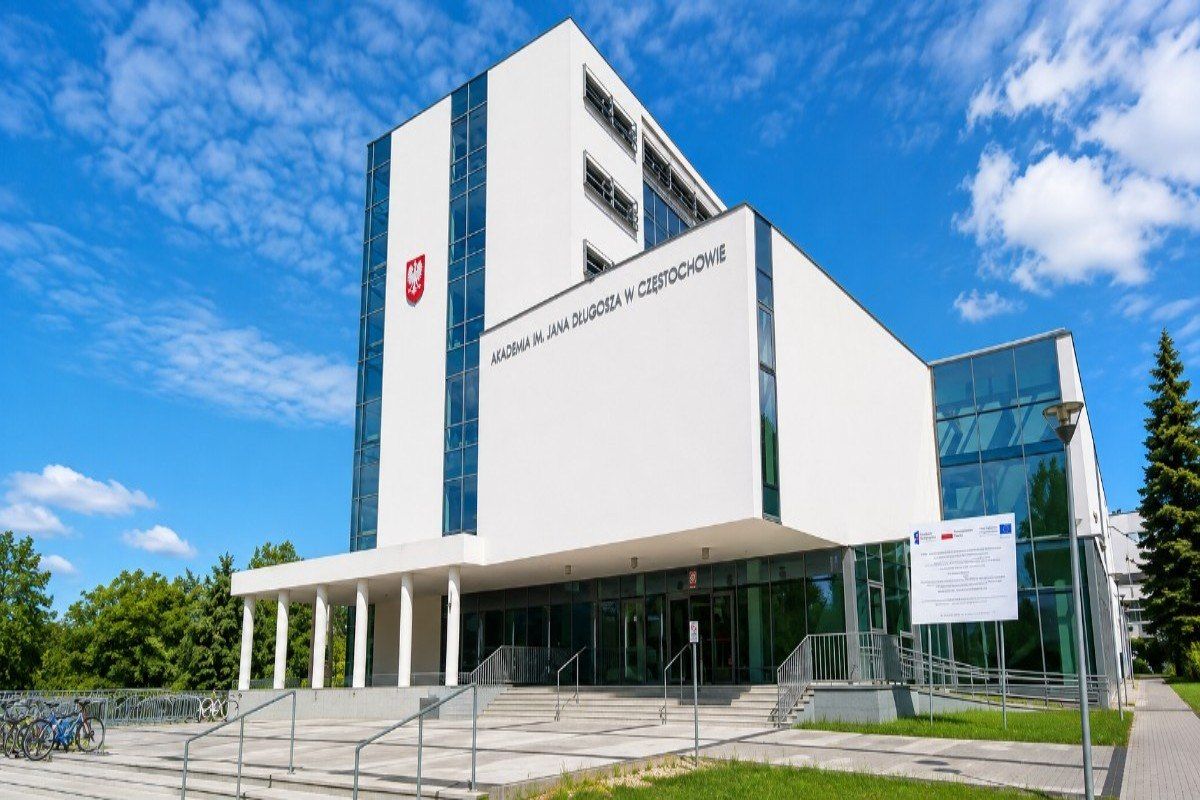
Explore fees, eligibility, and admission guidance for MBBS in Jan Długosz University in Częstochowa, Dr. Władysław Biegański Collegium Medicum in Poland.
 Partner
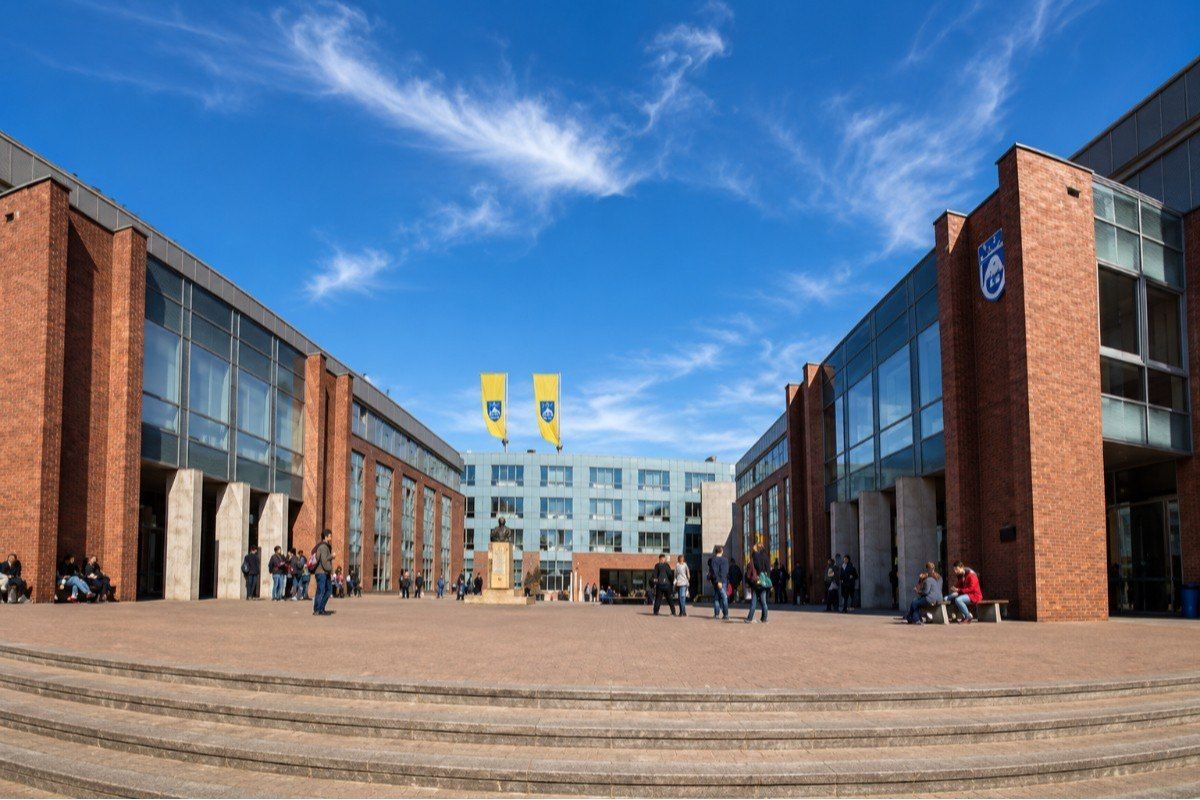
Explore fees, eligibility, and admission guidance for MBBS in University of Zielona Góra Faculty of Medicine and Health Sciences in Poland.
 Partner
Explore fees, eligibility, and admission guidance for MBBS in Andrzej Frycz Modrzewski Krakow University, Faculty of Medicine and Health Sciences in Poland.
 Partner
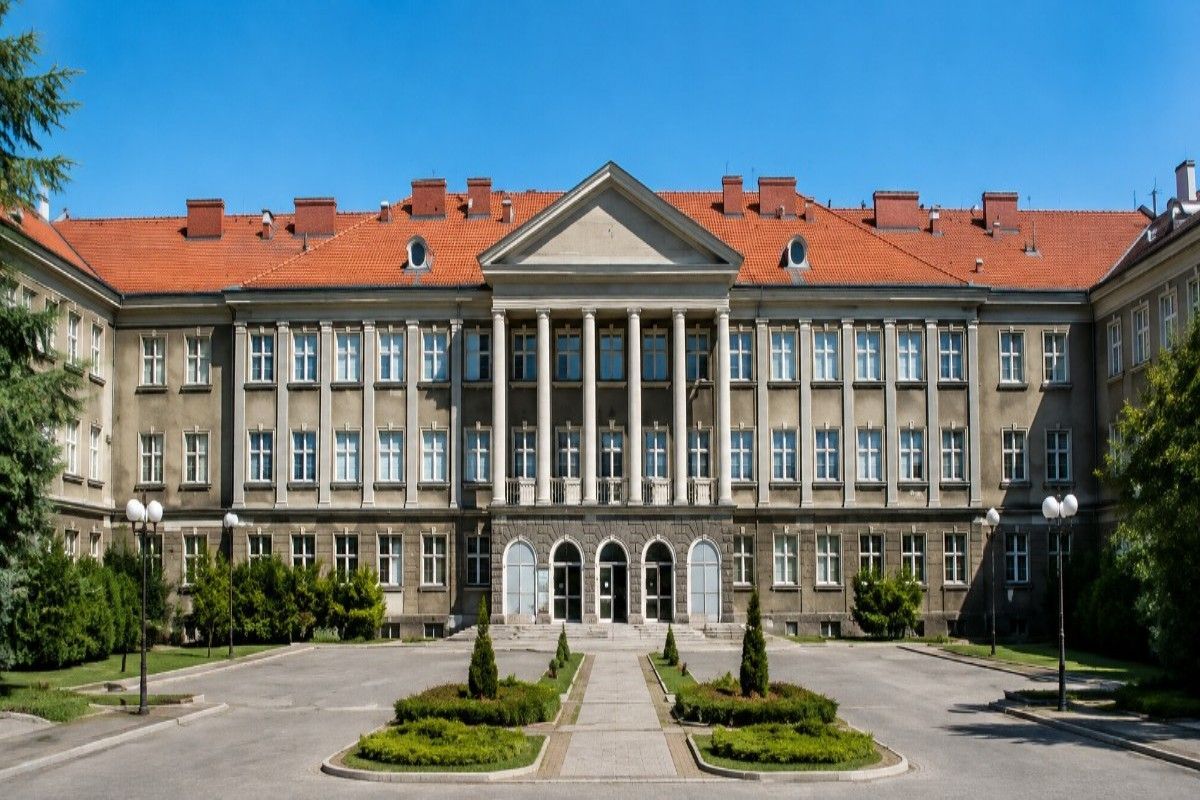
Explore fees, eligibility, and admission guidance for MBBS in University of Warsaw Faculty of Medicine in Poland.
 Partner
Explore fees, eligibility, and admission guidance for MBBS in Warmia and Mazury in Olsztyn Collegium Medicum School of Medicine in Poland.
Our team provides university-specific guidance and a full Poland context briefing at every intake. Book a free counselling session →
Indian students intending to seek medical registration in India must satisfy the applicable NEET qualification requirements for MBBS abroad. Polish medical universities generally follow their own academic admission procedures.
Some Polish universities may not use NEET as their primary admission examination. However, Indian students planning medical registration in India must comply with the applicable Indian regulations. Admission without NEET does not automatically establish Indian registration eligibility.
Yes. Several universities offer English-medium medicine programmes in Poland. However, Polish-language proficiency is important for clinical communication and may be required for professional medical licensing.
A Polish medical qualification may be considered within the Indian foreign medical graduate registration framework if the graduate satisfies all applicable NMC FMGL requirements, including medical education duration, English-medium instruction, clinical training, foreign internship and local licensing eligibility.
Established institutions include the Medical University of Warsaw, Medical University of Łódź, Medical University of Gdańsk, Wrocław Medical University, Poznań University of Medical Sciences, Jagiellonian University Medical College and Medical University of Lublin.
Under the applicable NMC FMGL Regulations, a qualifying foreign internship of at least 12 months is an important requirement for Indian medical registration. Poland has a separate postgraduate physician internship generally lasting 13 months. Students must verify whether their particular training arrangement satisfies the Indian requirements.
Indian students may pursue medical registration in India after completing a qualifying foreign medical degree and satisfying the applicable NMC requirements. These may include a foreign internship, local professional licensing entitlement, the prescribed Indian screening or licensing examination, compulsory supervised internship in India and registration with the appropriate medical council.