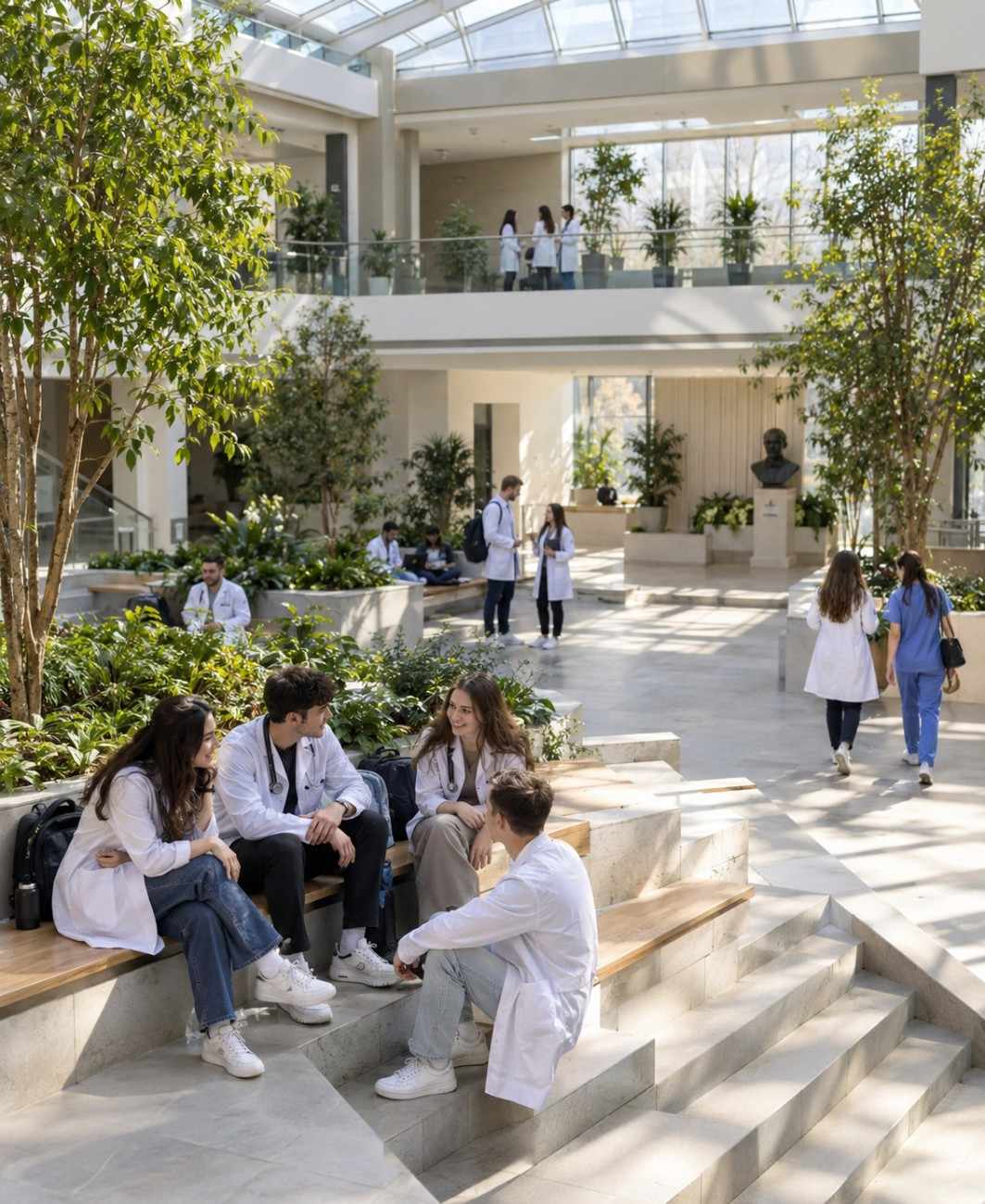
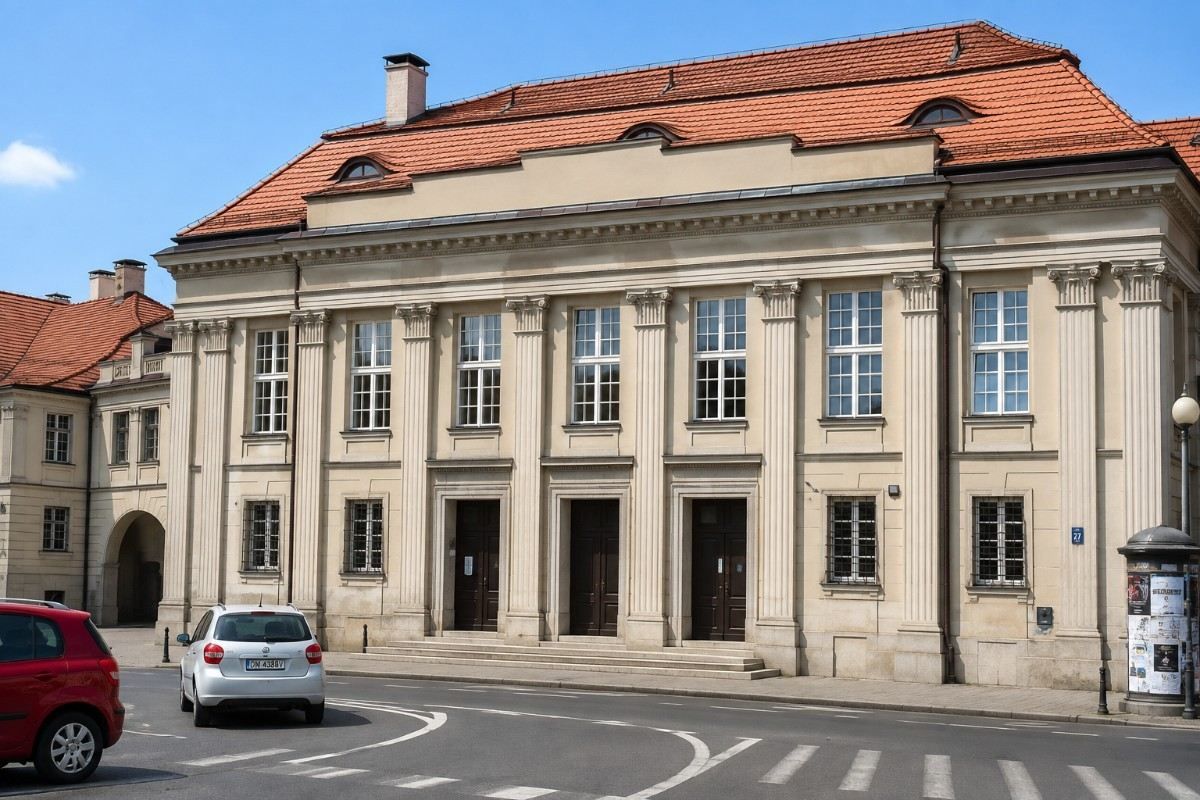
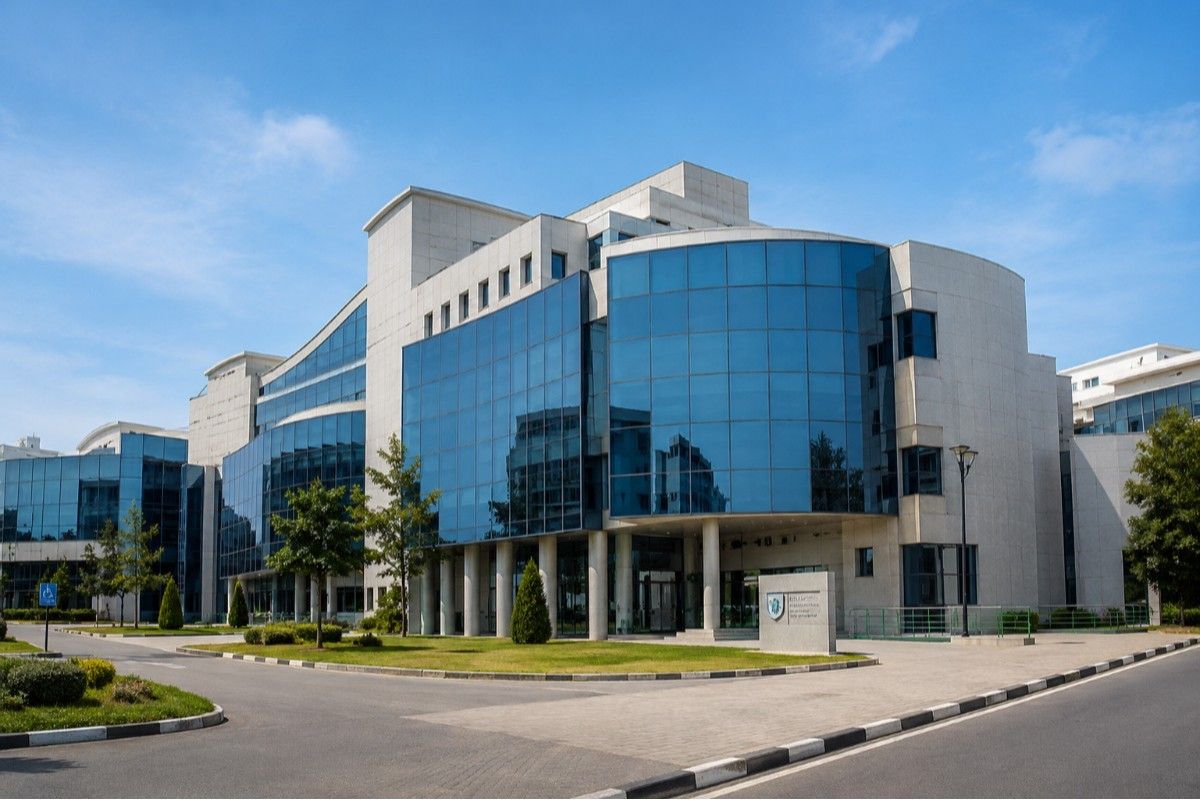
The Medical University of Gdansk (MUG) is one of Poland's leading medical universities, internationally recognised for excellence in medical education, biomedical research, clinical training, and healthcare innovation. Located in the historic Baltic city of Gdansk, the university combines a rich academic heritage with state-of-the-art research facilities, modern teaching hospitals, and an internationally oriented curriculum. It has earned a strong reputation for producing highly competent physicians, dentists, pharmacists, nurses, and healthcare professionals who contribute significantly to healthcare systems across Europe and the world.
The university traces its origins to 1945, when the Medical Academy of Gdansk was established shortly after the Second World War. Over the decades, it expanded its educational programmes, research capabilities, and international collaborations before officially becoming the Medical University of Gdansk in 2009. Today, it is regarded as one of Poland's premier medical institutions, attracting students from more than 70 countries.
Medical education at MUG is designed to prepare future physicians who possess strong scientific knowledge, advanced clinical competence, ethical professionalism, and lifelong learning skills. The university continuously updates its curriculum to reflect advances in biomedical science, healthcare technology, and evidence-based medicine, ensuring graduates remain competitive within the global medical profession.
The six-year Doctor of Medicine programme begins with comprehensive instruction in anatomy, physiology, biochemistry, molecular biology, histology, embryology, genetics, pathology, microbiology, immunology, pharmacology, and behavioural sciences. These foundational subjects provide students with an in-depth understanding of normal human function and disease mechanisms before they transition into clinical medicine.
The university employs modern teaching methodologies that combine lectures with small-group tutorials, problem-based learning, laboratory practicals, simulation-based education, digital learning platforms, and clinical case discussions. Students are encouraged to develop critical thinking, clinical reasoning, communication skills, and evidence-based decision-making from the earliest stages of their education.
Clinical training is conducted through the University Clinical Centre (UCK), one of the largest and most advanced teaching hospitals in Poland. The hospital provides highly specialised healthcare services while serving as the university's principal clinical education facility. Students gain practical experience across internal medicine, general surgery, paediatrics, obstetrics and gynaecology, psychiatry, neurology, cardiology, oncology, emergency medicine, orthopaedics, anaesthesiology, infectious diseases, dermatology, ophthalmology, radiology, and numerous subspecialties.
The University Clinical Centre is equipped with advanced diagnostic imaging systems, robotic surgery technologies, specialised intensive care units, transplant programmes, cardiovascular centres, and comprehensive oncology services. This modern clinical environment enables students to observe and participate in the management of complex medical conditions under the supervision of experienced physicians and healthcare professionals.
Research is one of the university's greatest strengths. Faculty members conduct internationally recognised research in cardiology, oncology, neuroscience, molecular medicine, immunology, genetics, endocrinology, diabetology, infectious diseases, transplantation, regenerative medicine, public health, pharmaceutical sciences, and biomedical engineering. Research findings from the university regularly contribute to scientific journals, international conferences, and healthcare innovation.
The Medical University of Gdansk actively encourages student participation in research through scientific societies, laboratory placements, research grants, and collaborative projects. Students often contribute to publications, clinical trials, and interdisciplinary studies while developing valuable research skills that complement their clinical education.
International cooperation forms an important component of the university's mission. MUG maintains partnerships with leading universities, hospitals, and research institutes throughout Europe, North America, and Asia. Student exchange programmes, Erasmus+ mobility initiatives, international electives, collaborative research projects, and visiting faculty programmes provide valuable global exposure and broaden students' understanding of different healthcare systems.
The English Division has become one of the university's major attractions for international students. The English-language MD programme follows the same academic standards as the Polish curriculum while creating a multicultural learning environment where students from diverse backgrounds study together. Graduates successfully pursue residency programmes and medical careers throughout Europe, North America, the Middle East, and Asia.
Medical education at MUG follows European Union educational standards under the Bologna Process. The curriculum places strong emphasis on patient-centred care, ethical practice, interdisciplinary teamwork, evidence-based medicine, healthcare communication, professionalism, and continuous professional development.
The university also invests heavily in clinical simulation. Modern simulation laboratories equipped with advanced patient simulators allow students to practice emergency procedures, surgical techniques, diagnostic examinations, teamwork, and communication skills before working with real patients. This approach significantly enhances clinical confidence and patient safety.
Gdansk provides an exceptional environment for international education. Situated on Poland's Baltic coast, the city is known for its rich maritime history, beautiful architecture, thriving economy, and vibrant student community. Together with neighbouring Gdynia and Sopot, it forms the Tricity metropolitan area, one of Poland's largest academic and economic regions.
Students enjoy modern public transportation, affordable living costs, cultural festivals, museums, theatres, restaurants, shopping centres, sports facilities, beaches, and numerous recreational opportunities. The city's international airport and excellent transport connections make travel throughout Europe highly convenient.
Accommodation options include university dormitories, student residences, shared apartments, and private rentals located close to the university campus and teaching hospitals. International students benefit from dedicated support services, orientation programmes, academic advising, student organisations, language assistance, and career guidance throughout their studies.
Graduates of the Medical University of Gdansk are recognised for their strong academic preparation, extensive clinical experience, research capabilities, and professional ethics. Many continue into competitive residency programmes, doctoral research, specialised medical training, and healthcare leadership positions across the world.
Today, the Medical University of Gdansk continues to strengthen its position as one of Central Europe's leading medical universities by combining outstanding education, innovative research, advanced clinical training, and international collaboration. Its commitment to academic excellence and patient-centred medicine makes it one of the most respected destinations for medical education in Poland.