Wroclaw Medical University is one of Poland's oldest and most respected medical universities, recognised internationally for its high standards in medical education, advanced biomedical research, and comprehensive clinical training. Situated in the historic city of Wrocław, the university has built a strong reputation for producing competent physicians, dentists, pharmacists, nurses, and healthcare professionals who serve patients across Europe and around the world. Combining over two centuries of academic tradition with modern educational methodologies, Wroclaw Medical University continues to play a vital role in Poland's healthcare and scientific landscape.
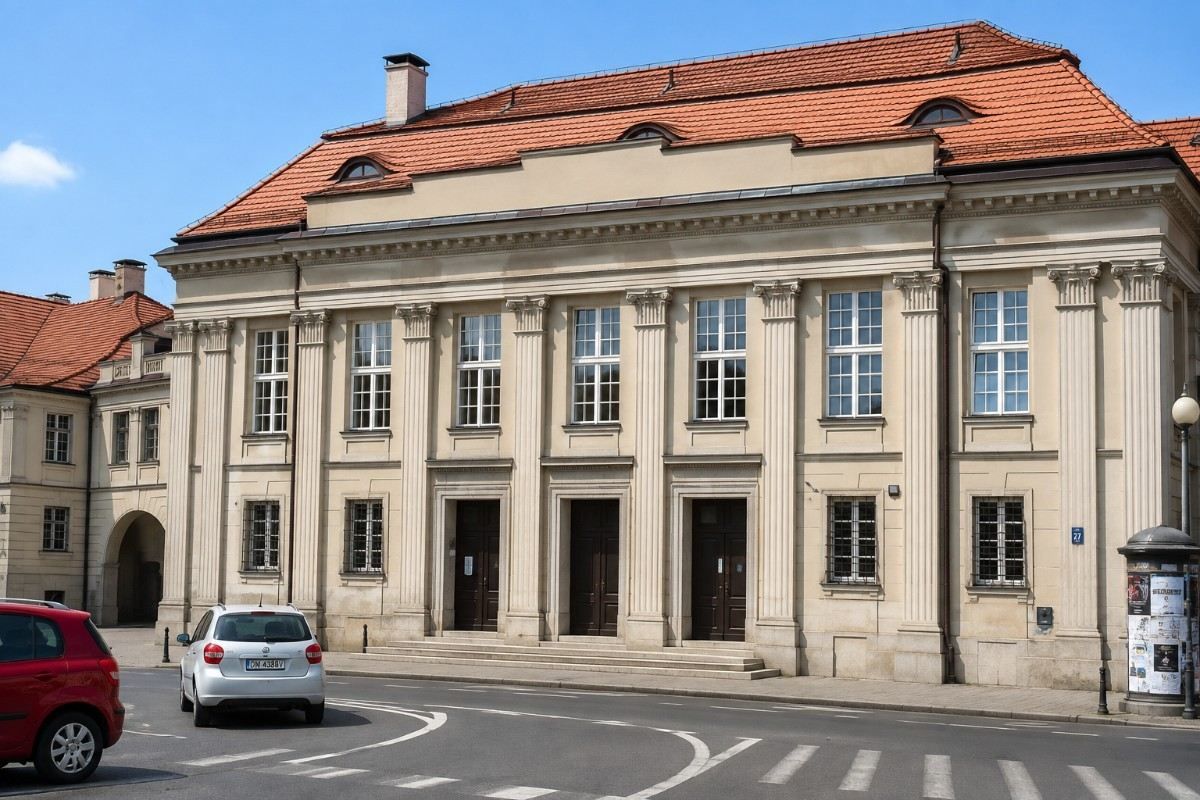
The university's roots date back to 1811 when the Faculty of Medicine was established at the University of Wrocław following the merger of two prominent European universities. In 1950, the medical faculty became an independent institution, officially forming Wroclaw Medical University. Since then, the university has continuously expanded its academic programmes, research capabilities, international partnerships, and clinical infrastructure, becoming one of Poland's leading medical education institutions.
The university is committed to preparing future healthcare professionals through an education system that combines scientific excellence, ethical practice, patient-centred care, and lifelong learning. The six-year Doctor of Medicine programme follows European Union educational standards while integrating the latest developments in biomedical science, healthcare technology, and evidence-based medicine.
Students begin their medical education by studying fundamental biomedical sciences including anatomy, physiology, biochemistry, histology, embryology, molecular biology, genetics, pathology, microbiology, immunology, pharmacology, and behavioural sciences. These disciplines provide a strong scientific foundation upon which advanced clinical knowledge is gradually built throughout the programme.
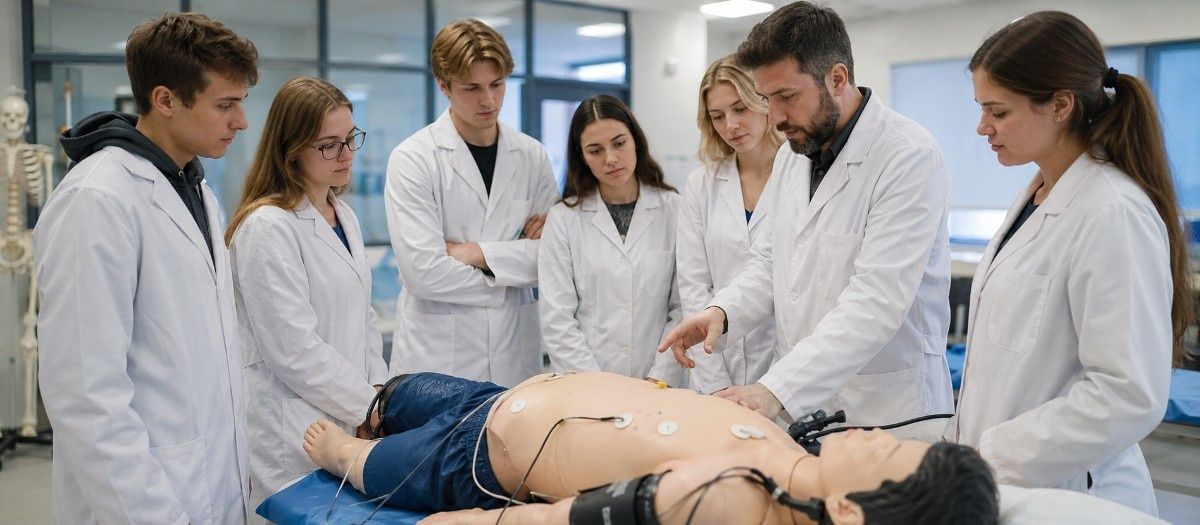
The curriculum incorporates modern teaching methods that encourage active learning and critical thinking. Traditional lectures are complemented by small-group tutorials, anatomy dissections, laboratory practicals, clinical simulations, digital learning resources, problem-based learning, and interactive case discussions. Students are introduced to patient communication and clinical reasoning at an early stage, enabling them to develop confidence before entering hospital settings.
Clinical education represents one of the university's greatest strengths. Students receive practical training through the University Clinical Hospital and an extensive network of affiliated teaching hospitals located throughout Wrocław. These hospitals provide comprehensive exposure to internal medicine, surgery, paediatrics, obstetrics and gynaecology, psychiatry, neurology, cardiology, oncology, emergency medicine, orthopaedics, anaesthesiology, dermatology, ophthalmology, radiology, infectious diseases, and family medicine. Under the supervision of experienced clinicians, students gradually develop diagnostic, therapeutic, procedural, and communication skills required for independent medical practice.
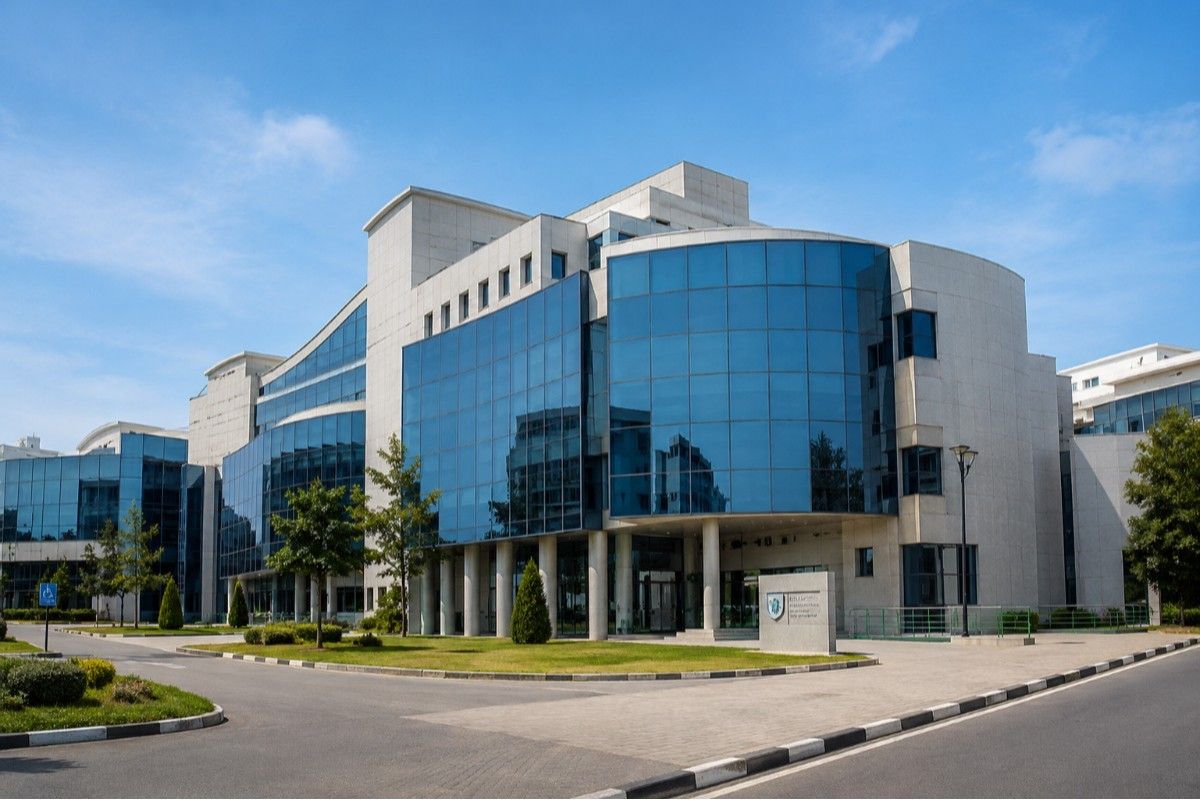
The University Clinical Hospital is among the largest and most technologically advanced healthcare institutions in Poland. Equipped with modern operating theatres, specialised intensive care units, transplant centres, cardiovascular institutes, oncology departments, advanced imaging technologies, and sophisticated diagnostic laboratories, it offers students extensive exposure to complex medical cases and multidisciplinary patient care.
Research forms a cornerstone of academic life at Wroclaw Medical University. Faculty members actively contribute to international scientific advancement through research in oncology, cardiology, neuroscience, molecular medicine, immunology, genetics, endocrinology, transplantation, regenerative medicine, infectious diseases, pharmaceutical sciences, and public health. The university continually invests in advanced research infrastructure, enabling scientists and students to conduct innovative studies using modern biomedical technologies.
Students are encouraged to participate in research projects from the beginning of their medical education. Through scientific clubs, laboratory placements, faculty mentorship, research grants, and conference participation, students gain valuable experience in scientific investigation while strengthening their analytical and critical thinking skills.
International cooperation is an important element of the university's educational strategy. Wroclaw Medical University collaborates with universities, hospitals, and research institutions throughout Europe, North America, and Asia. Exchange programmes, Erasmus+ mobility initiatives, international electives, collaborative research projects, and visiting professor programmes expose students to different healthcare systems and broaden their professional perspectives.
The university has successfully operated an English-language medical programme for many years, attracting students from dozens of countries worldwide. The English Division follows the same curriculum and academic standards as the Polish programme while fostering a multicultural educational environment. International graduates have successfully entered residency programmes and healthcare systems across Europe, North America, the Middle East, and Asia.
Medical education follows the Bologna Process and European Union standards, ensuring international recognition and academic compatibility. Throughout the curriculum, students are trained in evidence-based medicine, ethical practice, interdisciplinary teamwork, communication skills, professionalism, digital healthcare technologies, and patient safety.
Simulation-based education plays an increasingly important role within the university. Modern clinical simulation centres equipped with advanced patient simulators enable students to practice emergency procedures, surgical techniques, diagnostic examinations, resuscitation protocols, teamwork, and communication before treating actual patients. These facilities significantly enhance both competence and confidence while improving patient safety.
Wrocław is one of Poland's largest academic and cultural cities. Often referred to as the "City of One Hundred Bridges," it combines rich European history with modern infrastructure, vibrant student life, and a rapidly growing economy. Numerous universities, museums, theatres, parks, shopping centres, music festivals, restaurants, and sporting facilities create an exciting environment for domestic and international students alike.
Living expenses in Wrocław remain relatively affordable compared to many Western European cities. Students can choose from university dormitories, private residences, shared apartments, and rental accommodation located conveniently near the university campus and teaching hospitals. Efficient public transportation and extensive cycling infrastructure make commuting simple and economical.
International students receive comprehensive support throughout their studies, including orientation programmes, academic advising, language assistance, student organisations, cultural activities, counselling services, and career guidance. These support systems help students successfully adapt to academic life while fostering personal and professional development.
Graduates of Wroclaw Medical University are highly regarded for their strong scientific foundation, practical clinical skills, research experience, and ethical professionalism. Many pursue specialist training, doctoral research, academic careers, or healthcare leadership positions throughout Europe and beyond.
Today, Wroclaw Medical University continues to strengthen its international reputation through outstanding medical education, innovative biomedical research, advanced clinical training, and global collaboration. Its commitment to academic excellence, patient-centred healthcare, and scientific innovation makes it one of Poland's premier destinations for aspiring medical professionals.