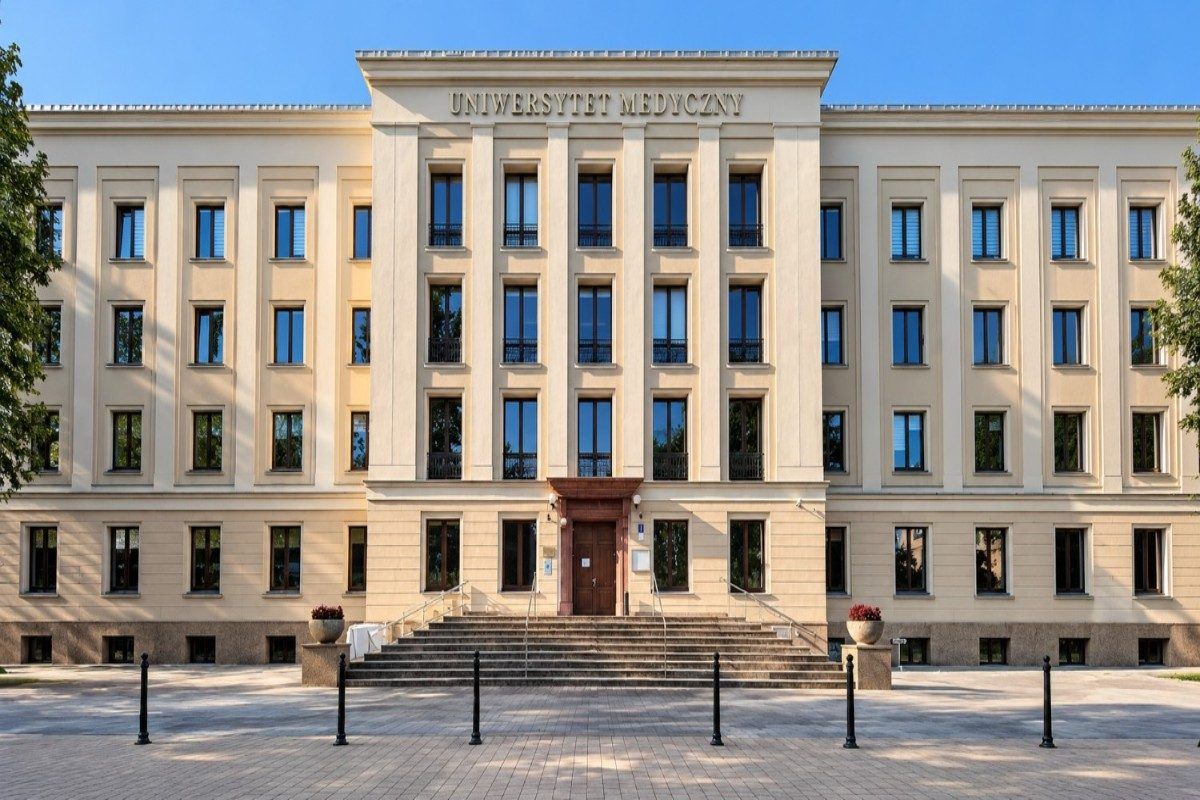
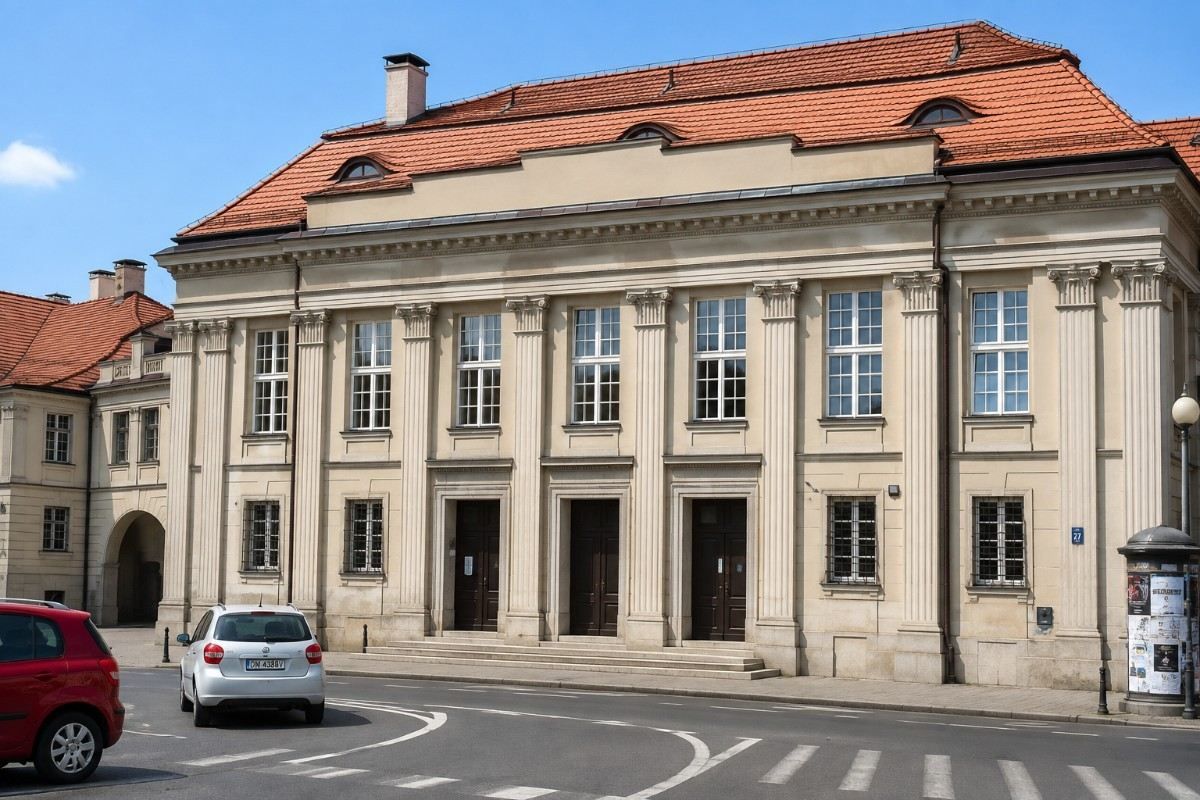
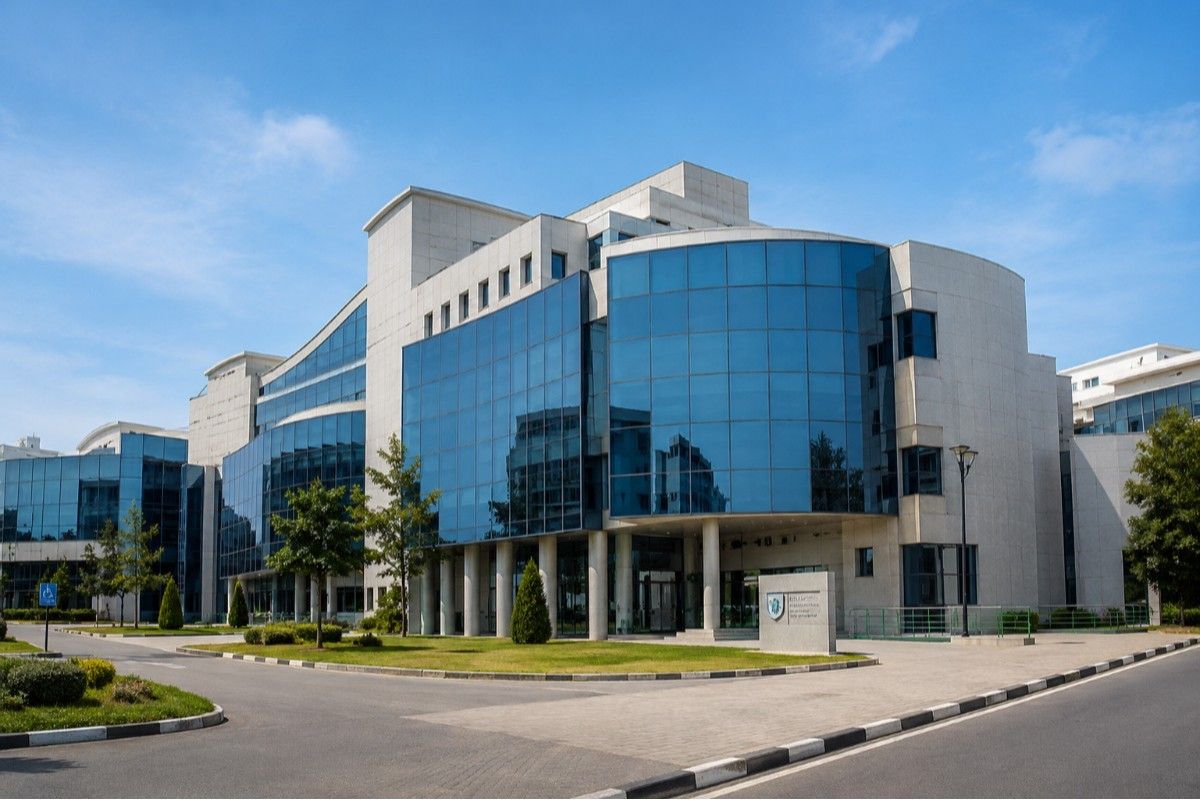
Poznan University of Medical Sciences (PUMS) is one of Poland's oldest, most prestigious, and internationally recognised medical universities. Renowned for its excellence in medical education, biomedical research, clinical training, and healthcare innovation, the university has educated thousands of physicians, dentists, pharmacists, nurses, and healthcare professionals who now practice across Europe and around the world. Located in the historic city of Poznań, the university combines centuries of academic tradition with modern teaching methodologies, advanced research facilities, and world-class clinical education.
The university traces its origins to 1919, when the Faculty of Medicine was established at Poznań University. As medical education expanded, the institution evolved into an independent medical university dedicated exclusively to healthcare sciences. Over more than a century, Poznan University of Medical Sciences has developed into one of Poland's leading centres for medical education and scientific research while maintaining strong partnerships with hospitals, research institutes, and universities across the globe.
PUMS is particularly recognised for its commitment to evidence-based medicine, patient-centred healthcare, and continuous scientific innovation. The university offers modern medical programmes that integrate strong theoretical foundations with extensive practical clinical experience. Students are trained to become competent, ethical, and compassionate physicians capable of meeting the challenges of contemporary healthcare systems.
The six-year Doctor of Medicine (MD) programme begins with comprehensive instruction in anatomy, physiology, biochemistry, histology, embryology, molecular biology, genetics, pathology, microbiology, immunology, pharmacology, and behavioural sciences. These subjects provide students with a thorough understanding of normal human biology and disease processes before they progress into clinical medicine.
As students advance through the programme, teaching gradually shifts towards patient care, clinical reasoning, and practical medical skills. Problem-based learning, simulation training, anatomy laboratories, virtual learning technologies, and small-group tutorials complement traditional lectures, encouraging students to develop analytical thinking and clinical decision-making abilities. Early patient exposure enables students to apply theoretical knowledge within real healthcare environments under faculty supervision.
Clinical education is delivered through the university's extensive network of teaching hospitals and affiliated healthcare institutions. Students complete rotations in internal medicine, general surgery, paediatrics, obstetrics and gynaecology, psychiatry, neurology, cardiology, oncology, orthopaedics, emergency medicine, anaesthesiology, dermatology, infectious diseases, radiology, and family medicine. These rotations provide valuable experience in diagnosing and managing a wide range of medical conditions while working alongside experienced physicians and multidisciplinary healthcare teams.
Research represents one of the university's greatest strengths. Faculty members conduct internationally recognised research across numerous medical disciplines, including oncology, cardiology, neurology, molecular medicine, genetics, immunology, endocrinology, infectious diseases, transplantation, regenerative medicine, pharmacology, and public health. Modern laboratories, clinical research centres, simulation facilities, and advanced biomedical technologies support scientific innovation and interdisciplinary collaboration.
Poznan University of Medical Sciences has established strong partnerships with healthcare institutions, universities, and research organisations throughout Europe, North America, and Asia. International collaboration enables students to participate in exchange programmes, joint research initiatives, clinical electives, and international scientific conferences. These opportunities broaden students' academic perspectives while exposing them to different healthcare systems and medical practices.
One of the university's distinguishing features is its well-established English Division, which has welcomed international students for many years. The English-language MD programme follows the same academic standards as the Polish programme while attracting students from numerous countries. This multicultural learning environment promotes international collaboration, cultural exchange, and global networking among future healthcare professionals.
Medical education at PUMS follows European Union educational standards and complies with the Bologna Process. The curriculum emphasises evidence-based medicine, ethical medical practice, communication skills, professionalism, interdisciplinary teamwork, patient safety, and lifelong learning. Students are encouraged to continuously develop both their scientific knowledge and practical clinical competencies.
The university places considerable emphasis on simulation-based medical education. Modern clinical simulation centres equipped with advanced patient simulators allow students to practice emergency procedures, clinical examinations, surgical techniques, and communication skills in realistic yet controlled learning environments before entering hospital settings.
Poznań itself is one of Poland's largest academic cities and an important centre for business, science, culture, and innovation. Home to numerous universities and a large student population, the city offers an energetic yet affordable environment for international education. Its well-developed transportation network, modern infrastructure, historic architecture, museums, theatres, shopping centres, parks, and cultural festivals contribute to an excellent quality of student life.
Students can choose from university dormitories, private residences, shared apartments, and rental accommodation throughout the city. Compared with many Western European destinations, Poznań offers relatively affordable living expenses while maintaining high educational standards and modern urban amenities.
International students benefit from comprehensive support services including orientation programmes, academic advising, language assistance, student organisations, cultural activities, and career guidance. The university actively supports student wellbeing through counselling services, sports facilities, extracurricular clubs, and opportunities for volunteer work within the healthcare sector.
Graduates of Poznan University of Medical Sciences are highly regarded for their strong clinical knowledge, practical skills, research experience, and professional ethics. Many continue their education through postgraduate residency programmes in Poland and abroad or pursue careers in biomedical research, public health, medical education, and healthcare management.
Today, Poznan University of Medical Sciences continues to strengthen its position among Europe's leading medical universities through excellence in education, innovative research, international collaboration, and comprehensive clinical training. Its commitment to preparing competent physicians capable of delivering high-quality patient care makes it a preferred destination for medical students from around the world.