
🎓
Genuine Clinical Exposure:
AMU's teaching hospitals carry real patient volume, and WDOMS records clinical training as roughly 50–74% of the overall program, supporting hands-on learning rather than a purely lecture-based degree.
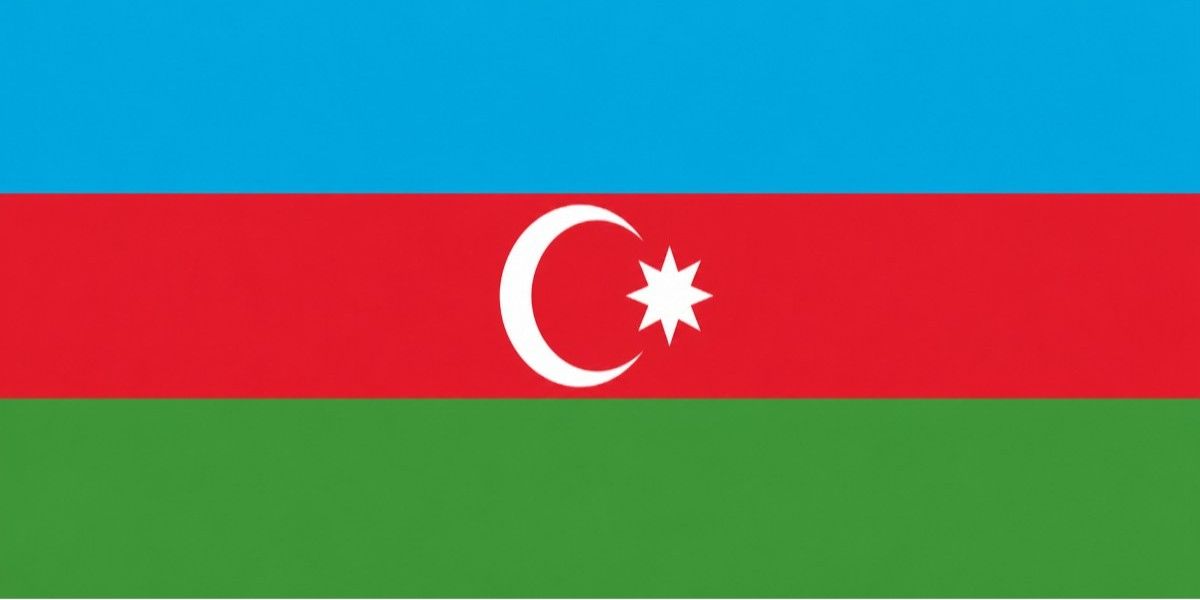 Study destination: Azerbaijan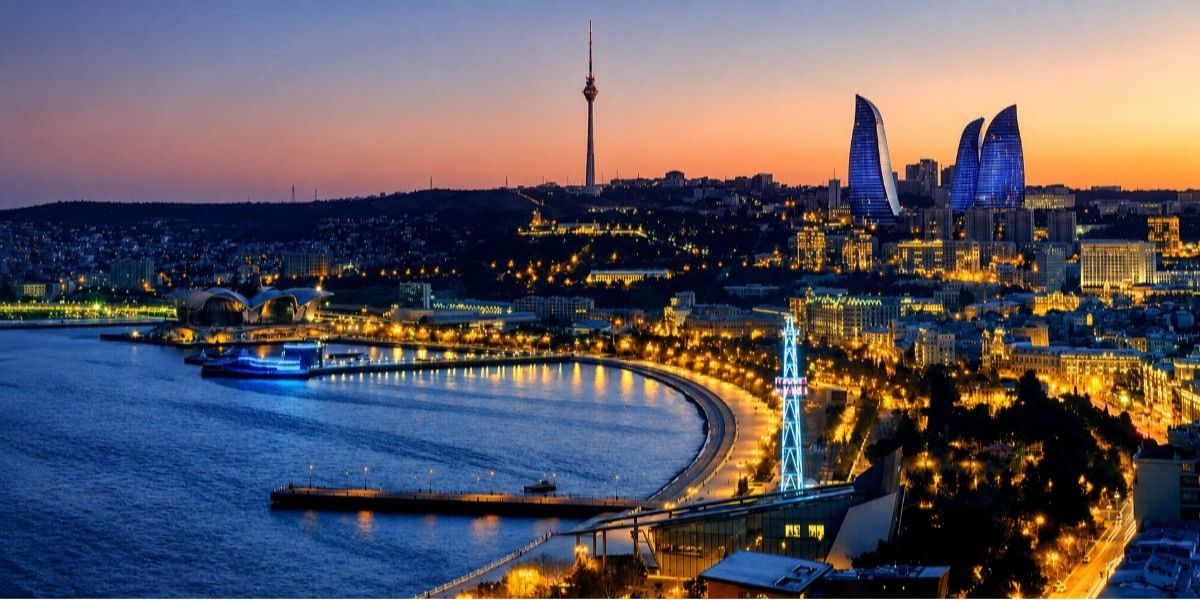
If you have spent even one evening scrolling through counseling forums, you already know the drill: NEET score not high enough for a government seat, private colleges in India quoting a capitation fee that makes your father go quiet at the dinner table, and an agent on WhatsApp promising "100% guaranteed, NMC approved" admission somewhere you've never heard of. This destination keeps coming up in that search, and for once, it deserves the attention. Azerbaijan Medical University and a handful of other government institutions in Baku and Nakhchivan run English-medium programs. These six-year MD programs are treated as MBBS-equivalent once you're back in India, at a fraction of what a private Indian college charges. This guide covers the 2026-27 admission cycle in full, real fee ranges, the exact NMC rules that decide whether your degree will even count, hostel and food costs in rupees, the admission calendar, and the honest downsides nobody's brochure mentions.
Parameter | Details |
Country | Azerbaijan |
Capital | Baku |
Course | MD (General Medicine), treated as MBBS-equivalent |
Duration | 6 years (54 months academic + 12-month internship, per NMC norms) |
Medium of Instruction | English (some programs also offer Russian/Azerbaijani) |
Eligibility | 10+2 with Physics, Chemistry, Biology, min. 50% (general), 40% (reserved category) |
NEET | Mandatory for Indian students |
IELTS/TOEFL | Not mandatory at most universities; university-specific in some cases |
Tuition Fee Range | USD 3,500 – 8,000 per year |
Hostel Fee | USD 500 – 1,500 per year |
Living Cost | USD 150 – 350 per month |
Intake | Main intake September; some universities also February |
Internship | 12 months, in the same institution (NMC requirement) |
Recognition | Listed on WDOMS; NMC eligibility depends on FMGL Regulations 2021 compliance. |
Leading University | Azerbaijan Medical University (AMU), Baku |
Before you commit six years of your life and your family's savings to a country, it helps to actually know something about it, which is more than most consultancy pages bother to tell you.
Azerbaijan sits at the crossroads of Europe and Asia, wedged between the Caspian Sea to the east and the Caucasus Mountains to the west, bordered by Russia, Georgia, Armenia, and Iran. It's one of the more understated destinations for Indian medical aspirants, mostly because it doesn't have the marketing machine that Georgia or Russia does — but the country itself is stable, secular, and used to hosting international students.
Baku, the capital, is where almost all the medical universities are based. It's a modern, oil-wealthy city with a mix of Soviet-era architecture, glass skyscrapers, and a walkable old town (Icherisheher) that's a UNESCO World Heritage Site. It doesn't feel like a "developing country" experience the way some other budget MBBS destinations do.
The currency is the Azerbaijani Manat (AZN). As of August 2026, 1 AZN is trading at roughly ₹56 (the rate hovers between ₹55.9 and ₹57 depending on the day), and the Manat itself is pegged fairly closely to the US Dollar, so most universities and agents quote fees in USD; at present, 1 USD is worth approximately ₹95–96. Keep both of these numbers handy; you'll need them for every fee calculation later in this guide. We'll flag that these rates change week to week, so treat them as a planning estimate rather than a fixed number.
Azerbaijani is the official language, but Russian has been widely spoken since the Soviet era, and English is increasingly common among younger people and university staff, especially in Baku. The population is around 10.2 million, and the time zone is UTC+4, just 30 minutes behind Indian Standard Time, so there's barely any jet lag to worry about. Direct, one-stop flights from Delhi and Mumbai to Baku typically take 6 to 9 hours, depending on the route and layovers.
For most Indian families evaluating this option, the appeal comes down to five things: an English-medium curriculum, food that can be adapted to Indian tastes, a large enough peer group of Indian and South Asian students that you're not alone, weather that's manageable with some preparation, and a total cost that's genuinely lower than a private seat back home, without giving up on real clinical exposure.
To be fair to you, here's the other side, which most competitor pages skip entirely:
English-medium options exist mainly at 3–4 universities; not every Azerbaijani medical college teaches in English, so university choice matters enormously.
Verifying a university's actual WDOMS status and NMC-compliant structure takes real homework; you cannot outsource this to an agent's word alone.
Clinical rotations and ward interactions with local patients sometimes happen partly in Azerbaijani or Russian, particularly in the junior years, which can be a genuine adjustment.
Baku is noticeably more expensive to live in than Nakhchivan or smaller Azerbaijani cities; your monthly budget depends heavily on which city you pick.
NMC compliance is a non-negotiable box to tick before you enroll, not something to sort out after graduation.
Rules, fee structures, and hostel policies vary university to university; what's true for AMU may not be true for Nakhchivan State University or Odlar Yurdu.
"The agent told me it's NMC approved" is not verification. It's a sales pitch. Always cross-check independently.
This is the section every parent actually scrolls to first, so let's get straight to the numbers, quoted in USD (as universities bill), with approximate INR conversions at the current rate of ₹95.7 per USD (as of August 2026).
University | Type | Annual Tuition (USD) | Approx. Annual Tuition (INR) |
Azerbaijan Medical University (AMU), Baku | Government | $5,000 – $7,500 | ₹4.8 – ₹7.2 lakh |
Nakhchivan State University (NSU) | Government | $3,500 – $4,500 (often tuition + hostel combined) | ₹3.3 – ₹4.3 lakh |
Odlar Yurdu University | Private | $3,800 – $4,800 | ₹3.6 – ₹4.6 lakh |
Fees can vary by intake year, program track, and any scholarship or tuition waiver the university offers that particular cycle; verify the current figure directly with the university's official admissions office before you pay anything, and don't rely on a single screenshot from an agent.
University hostel accommodation here typically runs $500 to $1,500 per year, depending on the city, room-sharing arrangement (2-, 3-, or 4-sharing), and whether the university bundles hostel accommodation into the tuition figure (as some Nakhchivan-based quotes do). In INR terms, that's roughly ₹48,000 to ₹1.4 lakh annually. Private shared apartments in Baku cost more than university hostels but offer more independence; expect $150–$300 a month if you go this route.
Indian students typically budget $100 to $180 per month for food in Azerbaijan, whether cooking for themselves in a hostel kitchen or using a mess/canteen. Some universities and private operators run an Indian mess for an additional $150 per month, paid annually, for students who'd rather not cook regularly.
Local transport (buses and the metro in Baku) is cheap; most students spend $15 to $30 a month. A metro card in Baku costs a fraction of what public transport does in a comparable European city.
Mandatory student health insurance in Azerbaijan generally costs $150 to $300 per year, and universities usually arrange this as part of the enrolment package. Budget an additional $30–$50 a month for phone/internet, toiletries, and personal expenses.
Student visa fees, invitation letter processing, and document attestation/notarization together usually add up to $100 to $250 as a one-time cost before you fly, excluding the visa fee charged by the Azerbaijan embassy/consulate in India, which is separate and subject to change.
This is one area almost no competitor page actually covers in useful detail, so here's what matters:
Several Indian public-sector banks (SBI, Bank of Baroda, Canara Bank, PNB) and private banks (ICICI, Axis) offer education loans for MBBS abroad, typically up to ₹75 lakh–1.5 crore depending on the bank and collateral.
Non-collateral loans are usually capped lower (often ₹4–7.5 lakh under government schemes, or higher through NBFCs with a co-applicant). In contrast, collateral-backed loans (property, fixed deposits) unlock the full amount most families need for a full six-year budget.
Required documents generally include admission/offer letter, fee structure from the university, KYC of student and co-applicant, income proof of co-applicant, and collateral documents if applicable.
Interest rates for education loans in India for abroad MBBS programs are typically in the range of 9% to 12.5% per annum as of 2026. However, this varies by bank, loan amount, and whether you have collateral; always get a written quote before signing.
Many banks also offer a moratorium period (repayment starts after course completion + a grace period), which matters given the six-year duration.
Always compare at least two to three banks and read the fine print on processing fees and prepayment penalties; don't take the first offer from a loan agent tied to your consultancy.
Putting tuition, hostel, food, transport, insurance, visa, and one round-trip flight together, here's a realistic consolidated estimate for the full six-year program:
Component | Approx. Total (6 Years, USD) | Approx. Total (6 Years, INR) |
Tuition (mid-range university) | $27,000 – $42,000 | ₹26 – ₹40 lakh |
Hostel | $3,600 – $9,000 | ₹3.4 – ₹8.6 lakh |
Food | $7,200 – $12,600 | ₹6.9 – ₹12 lakh |
Transport | $1,000 – $2,000 | ₹0.95 – ₹1.9 lakh |
Insurance | $900 – $1,800 | ₹0.85 – ₹1.7 lakh |
Visa/documentation (one-time) | $100 – $250 | ₹10,000 – ₹24,000 |
Flights (yearly, round-trip, approx.) | $2,400 – $4,200 | ₹2.3 – ₹4 lakh |
Estimated Total (6 years) | $42,000 – $71,850 | ₹40 – ₹68.5 lakh |
This range depends entirely on which university you choose (Nakhchivan and Baku State are on the lower end; AMU and Khazar are on the higher end) and on your personal lifestyle. Treat this as a planning tool, not a quote; always request the exact, written fee structure from the specific university before you commit.
This is not a one-university story, even though most competitor content treats it that way. Here's how the main options actually compare, English-medium status included, something most pages leave out entirely.
Location: Baku. Type: Government (Ministry of Health). Established: 1930. Course: 6-year MD (Medicine). Medium: English (also Russian, Azerbaijani tracks exist). International students: 12,000+ enrolled overall, several hundred Indian students among them. Clinical facilities: Multiple attached teaching hospitals with genuine patient load. Recognition/listing: Listed on WDOMS as an operational state medical school. Official website: available via AMU's own domain; always cross-check current fee and admission notices there directly.
University | Type | English-Medium for Int'l Students | Approx. Tuition/Year | Notes |
Azerbaijan Medical University | Government | Yes | $5,000–$7,500 | Largest, most established, biggest Indian cohort |
Nakhchivan State University | Government | Yes | $3,500–$4,500 | Lowest cost; smaller city, smaller Indian community |
Odlar Yurdu University | Private | Yes | $3,800–$4,800 | Newer medical faculty; verify accreditation status each cycle |
A rule worth repeating: "government" or "private" status, English-medium availability, and WDOMS listing can all differ from what a brochure claims; check the university's own official site and the current WDOMS entry before paying any fee, every single admission cycle, not just once.
This exact question is: MBBS in Azerbaijan Medical University is govt or private? comes up constantly in student forums, so let's settle it clearly: Azerbaijan Medical University is a government (state) university, run directly under Azerbaijan's Ministry of Health and Ministry of Science and Higher Education. It is not privately owned, and it does not charge a capitation or donation fee. If you see the claim that MBBS in Azerbaijan Medical University is a government university repeated across multiple sources, that part checks out, but don't confuse "government university" with "automatically NMC approved." The two are separate questions, and only the second depends on compliance with the FMGL Regulations 2021, as explained later in this guide.
AMU, based in Baku, was founded in 1930 and is sometimes referred to by its historical name, Nariman Narimanov Azerbaijan Medical University. It operates under the direct oversight of Azerbaijan's Ministry of Health and Ministry of Science and Higher Education. It has produced tens of thousands of doctors and pharmacists over nine decades.
AMU offers faculties in General Medicine, Pediatrics, Dentistry, Pharmacy, Public Health, and Nursing, supported by multiple attached teaching hospitals in Baku, where clinical rotations, ward rounds, and supervised patient interaction take place throughout the senior years of the program.
AMU began offering its MBBS-equivalent MD program in English for international students, including Indian students, in the mid-2010s, and today hosts thousands of international students, including hundreds from India.
Duration is 6 years (54 months of academic content, per WDOMS record, structured to align with NMC's 54-month minimum, plus a 12-month internship). Annual tuition runs $5,000–$7,500 depending on the program track; hostel fees are separate and typically $500–$1,200 per year; admission is direct, based on the 10+2 PCB percentage and a valid NEET score, without a separate entrance exam at AMU.
AMU is listed on WDOMS (World Directory of Medical Schools) as a currently operational state medical school, with its Medicine program duration recorded as 6 years and its languages of instruction listed as English, Russian, and Azerbaijani. WDOMS also records that foreign and international students are admitted and that clinical training accounts for roughly 50–74% of the overall program, with confirmed access to clinical teaching facilities. On 20 August 2026, AMU published a notice on its official site regarding 2026/27 residency admissions, a reminder that this kind of institutional data is refreshed annually, which is exactly why your own research needs to be redone every admission cycle rather than copied from an old blog post.
Advantages: the largest Indian student base among Azerbaijani medical universities, the longest track record, and the strongest hospital network. Disadvantages: Baku's cost of living is higher than smaller cities, and being the most popular choice means intake seats can fill up faster in a strong admission year.
Period | Activity |
January – March | Research universities, compare fees and WDOMS status. |
April – May | Shortlist and finalize university choice |
May – July | Submit application and documents. |
July – August | Receive acceptance/offer and invitation letter. |
August – September | Visa processing and travel arrangements |
September | Academic session begins (main intake) |
A smaller secondary intake around February exists at some universities, including AMU, but seat availability is limited compared to the September cycle. Apply early; visa processing timelines and document attestation can take several weeks, and last-minute applications are the single biggest cause of students missing the intake altogether.
English is the primary medium of instruction for international students in the MD program, though Azerbaijani and Russian tracks are also available for local and Russian-speaking students. Clinical rotations occasionally involve patient interactions where a Russian- or Azerbaijani-speaking senior student or intern helps translate, particularly in the early clinical years, something worth asking about directly when you shortlist a university.
Most pages stop at "it's a 6-year course." That's technically true but incomplete, and the missing detail is exactly what determines whether your degree counts back home.
Under India's NMC Foreign Medical Graduate Licentiate (FMGL) Regulations, 2021, a foreign medical degree must be at least 54 months of academic education, followed by a compulsory 12-month internship completed in the same foreign institution where you did your degree, not split across countries, and not done partly in India. The entire course and internship, theory and practical, must be conducted in English. On top of that, specific clinical subjects are mandated, including General Medicine and Surgery, Community Medicine, Psychiatry, Pediatrics, Anesthesia, Obstetrics and Gynecology, Otorhinolaryngology, Orthopedics, Ophthalmology, Dermatology, and Emergency/Casualty services.
Azerbaijan's leading universities structure their MD programs to run for 6 academic years, comfortably covering the 54-month minimum, with the internship year built into the same institution. Still, the exact structure (how the theory, pre-clinical, and clinical years are split) can differ slightly among AMU, Nakhchivan State, and private universities. Confirm the year-by-year breakdown with your chosen university's official curriculum document, not a third-party summary.
Before you pay a single rupee, verify:
Course duration meets the 54-month minimum (excluding internship)
Medium of instruction is genuinely English throughout, not partially
Internship is 12 months, completed in the same institution
Curriculum includes the NMC-mandated subject list
The university allows and structures clinical training properly, with real patient access
You will be eligible to practice in Azerbaijan itself upon graduation (a requirement under FMGL Regulations, not just India-specific paperwork)
The university's WDOMS listing is current and matches what's being claimed to you
NMC has repeatedly issued advisories urging students to conduct independent due diligence on any foreign medical program before enrolling, rather than relying solely on claims from consultancies, a caution worth taking seriously, given how much is at stake.
The honest, non-marketing answer: it depends on the specific university, the specific program, and your own compliance with FMGL Regulations 2021, not a blanket "yes" or "no" for the whole country. Avoid any source (including this one, without proper verification) that says "all Azerbaijan MBBS universities are NMC approved", NMC does not "approve" foreign universities the way people assume; it sets criteria (duration, medium, internship structure, subject coverage) that your specific degree must satisfy before you're eligible to sit the National Exit Test (NExT) and get licensed in India. Two students from the same country, even the same city, can end up in very different positions depending on which university and which specific program track they chose.
This is the single most misunderstood part of the whole decision, and almost no competitor page explains it properly.
WDOMS listing means a medical school appears in the World Directory of Medical Schools, essentially a directory/database entry confirming the school exists and offers a medical program. It is not an accreditation, an endorsement, or an automatic guarantee of recognition anywhere.
National recognition means the Azerbaijani government itself recognizes the institution and its degree domestically, necessary but separate from India's requirements.
NMC eligibility is a distinct, India-specific determination based on whether your specific course structure complies with the FMGL Regulations, 2021 (duration, English medium, internship, mandated subjects).
Licensing is the final step, actually being allowed to practice, which requires clearing the National Exit Test (NExT) in India (or the equivalent in another country) after your degree is recognized as eligible.
Being listed on WDOMS is a genuinely useful first checkpoint (AMU, for instance, is confirmed as a currently operational, listed state medical school). Still, it is not, by itself, proof that your degree will be accepted for the National Exit Test in India. Treat WDOMS listing as step one of four, not the finish line.
The general structure across Azerbaijani medical universities follows an internationally familiar pattern:
Pre-clinical subjects (Years 1–2): Anatomy, Physiology, Biochemistry, Histology, Medical Biology
Para-clinical subjects (Years 2–3): Pathology, Pharmacology, Microbiology, Pathophysiology
Clinical subjects (Years 3–5): Internal Medicine, General Surgery, Obstetrics & Gynecology, Pediatrics, Psychiatry, and the other NMC-mandated specialties
Clinical rotations (Years 5–6): Hands-on rotations across departments at teaching hospitals
Internship (Year 6 or immediately after): 12 months of supervised clinical practice at the same institution
The exact subject sequencing and credit structure differs by university; request the official year-wise curriculum document from your shortlisted college rather than relying on a generic table; that's the only way to confirm it actually satisfies NMC's subject-coverage requirement.
Clinical exposure at AMU and other government universities occurs at attached teaching hospitals in Baku (or Nakhchivan, depending on the university), where students rotate through internal medicine, surgery, pediatrics, obstetrics and gynecology, and other core departments under the supervision of faculty. WDOMS data for AMU indicates clinical training accounts for roughly 50–74% of the overall program, a meaningful proportion that supports genuine hands-on learning rather than a purely lecture-based degree. Indian students should confirm in writing that their internship will be completed at the same institution where they studied, as this is an NMC requirement, not a suggestion.
Expense Category | Monthly Estimate (USD) | Monthly Estimate (INR, approx.) |
Accommodation (hostel) | $40 – $125 | ₹3,800 – ₹12,000 |
Food | $100 – $180 | ₹9,600 – ₹17,200 |
Transport | $15 – $30 | ₹1,400 – ₹2,900 |
Mobile/Internet | $10 – $20 | ₹950 – ₹1,900 |
Personal expenses | $20 – $50 | ₹1,900 – ₹4,800 |
Medical/insurance (monthly average) | $12 – $25 | ₹1,150 – ₹2,400 |
Entertainment/misc | $15 – $30 | ₹1,400 – ₹2,900 |
Monthly Total | $212 – $460 | ₹20,300 – ₹44,000 |
Annual Estimate | $2,544 – $5,520 | ₹2.4 – ₹5.3 lakh |
Living in Nakhchivan or Baku State's smaller-city environment tends to sit toward the lower end of this range; Baku, being the capital and priciest city, tends toward the higher end.
Scholarship availability for the MD/MBBS program varies by university and year and is generally more limited than in countries with dedicated government scholarship schemes for international medical students. Some private universities occasionally offer merit-based tuition waivers or partial fee reductions for high-scoring applicants — but treat any scholarship claim as something to verify directly with the university's admissions office in writing, not something to assume based on a consultant's promise. Only list or rely on a scholarship that you can confirm is currently valid for the medical program specifically, not a general university scholarship that may not apply to
In India: Graduates must clear the National Exit Test (NExT), complete any remaining internship requirements as applicable, and register with the NMC/State Medical Council before practicing, contingent on your specific Azerbaijan program meeting FMGL Regulations 2021.
In the USA: Requires clearing the USMLE (United States Medical Licensing Examination) series and matching into a residency program, a separate, demanding pathway that your Azerbaijan degree alone does not guarantee.
In the UK: Requires the PLAB test (or an equivalent GMC-recognized route) before you can practice.
In Australia: Requires clearing the AMC (Australian Medical Council) exams and completing local registration requirements.
A degree earned here does not, by itself, guarantee automatic licensing to practice in India, the US, UK, or Australia; each of these pathways involves additional exams and registration steps that you should plan for from the start of your course, not after graduation.
Postgraduate pathways include PG programs within Azerbaijan itself, returning to India to compete for PG seats (via NEET-PG, after completing NExT-linked requirements), or pursuing licensing exams abroad, USMLE for the US, PLAB for the UK, or AMC for Australia, as a route into postgraduate training in those countries. Completing the course does not automatically translate into a PG seat anywhere; each route has its own competitive exam and eligibility criteria that you'll need to prepare for separately.
Factor | MBBS in Azerbaijan | MBBS in India (Private) |
Admission | Direct, based on PCB % + NEET | NEET rank + counseling, often high cutoffs for private seats |
NEET | Mandatory | Mandatory |
Tuition (6 years, approx.) | $27,000–$42,000 (₹26–40 lakh) | ₹60 lakh–₹1.5 crore+ |
Duration | 6 years | 5.5 years (incl. 1-year internship) |
Medium | English | English |
Clinical exposure | Genuine, hospital-based | Genuine, hospital-based |
Living cost | Moderate, city-dependent | Lower, generally |
Recognition | Conditional on FMGL Regulations 2021 compliance | Direct, no extra screening test needed |
Licensing | Requires NExT after eligibility confirmed | Requires NExT (same exam, no eligibility gate) |
PG pathway | Competitive, same NEET-PG route as domestic graduates once eligible | Competitive, direct NEET-PG route |
Factor | Azerbaijan | Uzbekistan | Kyrgyzstan | Bangladesh | |||
Approx. tuition/year (USD) | $3,500–$7,500 | $4,000–$7,000 | $6,000–$9,000 | $3,000–$5,500 | $3,500–$5,500 | $3,000–$4,500 | $4,000–$6,000 |
English medium | Yes (select universities) | Yes (select universities) | Yes (widely) | Yes (select universities) | Yes (select universities) | Yes (widely) | Yes |
Indian student population | Growing, moderate | Very large | Large | Moderate | Moderate | Large | Large |
Climate | Cold winters | Very cold winters | Moderate | Cold winters | Hot summers, cold winters | Cold winters | Similar to India |
Distance/flight time from India | 6–9 hrs | 6–8 hrs | 5–7 hrs | 4–6 hrs | 4–5 hrs | 5–7 hrs | 1–2 hrs |
NMC/FMGL awareness among universities | Improving | Well-established | Well-established | Well-established | Improving | Well-established | Established |
There's no universal "best" answer here; a student prioritizing lowest cost and proximity might prefer Bangladesh or Kyrgyzstan; a student wanting a stronger existing Indian peer network might lean toward Russia or Georgia. Azerbaijan sits in a reasonable middle ground: moderate cost, genuine English-medium options at select universities, and a shorter, more comfortable flight than most Central Asian or Russian cities. Evaluate on your own priorities, total budget, English-medium confidence, climate tolerance, and how much weight you place on an established Indian community versus a smaller, growing one.
Suits you if: You want a genuinely English-medium program, have a moderate (not rock-bottom) budget, are comfortable in an international, mixed-nationality environment, don't mind cold winters, and are willing to personally verify NMC compliance rather than take an agent's word for it.
May not suit you if: You want a huge range of established, well-known university choices (Azerbaijan's usable, English-medium list is genuinely short), you expect Indian-style food and community everywhere without effort, you'd rather avoid dealing with the added complexity of foreign licensing exams later, or you tend to choose based on popularity/word-of-mouth rather than independently verifying a university's status.
Choosing a university purely because it has the lowest quoted fee, without checking curriculum and internship structure.
Trusting "NMC approved" claims from an agent without independently verifying against FMGL Regulations 2021.
Ignoring how much clinical training and hospital access a university actually offers.
Not checking the internship structure, specifically, whether it's completed at the same institution.
Assuming every Azerbaijani university teaches medicine in English without confirming it in writing.
Overlooking university-specific admission rules that differ from what's advertised generically for the whole country.
Paying an agent in cash without a written, itemized fee breakdown.
Not physically or virtually inspecting hostel conditions before committing.
Never calculating the full six-year cost, and being surprised by cumulative expenses later.
Ignoring the visa and invitation-letter timeline until it becomes urgent, then rushing critical paperwork.
☐ Confirm current WDOMS listing status directly on the WDOMS website
☐ Verify national recognition in Azerbaijan
☐ Confirm the program is genuinely English-medium for international students, in writing
☐ Check course duration meets the 54-month minimum
☐ Confirm clinical training structure and hospital access
☐ Confirm the internship is 12 months at the same institution
☐ Review the teaching hospital's scale and departments
☐ Ask for the full year-wise curriculum
☐ Get the complete, written fee structure, tuition, hostel, and any hidden charges
☐ Ask about the level of support the university/consultant offers Indian students
☐ Understand the specific licensing pathway your degree supports
☐ Cross-check current NMC FMGL Regulations 2021 compliance independently
Before you transfer a single fee installment, confirm you have, in writing:
☐ University’s official offer letter
☐ Exact program/course name stated clearly
☐ Official tuition fee document
☐ Hostel fee document
☐ Medium of instruction confirmation in writing
☐ Full course duration confirmed
☐ Clinical training details
☐ Internship structure and location confirmed
☐ Recognition information
☐ WDOMS record independently verified
☐ Current NMC FMGL Regulations 2021 requirements checked
☐ Refund policy read and understood
☐ Visa documentation requirements understood
Factor | Rating (out of 5) |
Affordability | ★★★★☆ |
Academic Quality | ★★★☆☆ (varies significantly by university) |
Clinical Exposure | ★★★★☆ (WDOMS records 50–74% of the AMU program as clinical training) |
Safety | ★★★★☆ |
Student Life | ★★★★☆ |
Cost of Living | ★★★☆☆ |
International Recognition | ★★★☆☆ (conditional on NMC FMGL Regulations 2021 compliance) |
Climate Tolerance Needed | ★★★☆☆ (cold winters factor this in) |
We blend country research, university comparison, and admission guidance so students can evaluate the right path without guesswork.
AMU's teaching hospitals carry real patient volume, and WDOMS records clinical training as roughly 50–74% of the overall program, supporting hands-on learning rather than a purely lecture-based degree.
Azerbaijan's leading medical universities are listed on WDOMS. This confirms that the school is listed as a recognized medical program in the directory; it is not, by itself, automatic proof of NMC eligibility or Indian licensing, which depends on compliance with the FMGL Regulations 2021.
Tuition is roughly a third to a half of what a private Indian medical college charges, with no capitation or donations required by government universities. The total 6-year cost sits around ₹40–68.5 lakh, including tuition, hostel, food, and other expenses.
Explore active university options with fee, duration, and accreditation details before you shortlist your preferred campus.
 Partner
Choose the right country, shortlist the right university, and understand your next steps with one clear plan built around your NEET score and budget.
Arrange a free counselling sessionMBBS in Uzbekistan 2026-27: Fees, Universities, NMC Advisory & Everything Else Nobody Tells You Upfront
Lowest-Cost NMC-Compliant MBBS Abroad | English Medium | No Donation | ₹15-35 Lakh Total | National FMGE Average 25%
MBBS in Russia 2026 Affordable Fees, NMC-Compliant Universities & Global Recognition
● Government-owned universities across all four main cities (Minsk, Vitebsk, Grodno, Gomel); WDOMS-listed, though NMC/FMGL 2021 eligibility must be verified for your specific course before paying any fee
● NMC, WHO/WDOMS, and EU/ECTS-recognized universities are available; always verify your specific university's current standing directly rather than relying on a blanket "NMC approved" claim
It can be a solid, affordable option for Indian students who prioritize English-medium teaching and a moderate budget, provided the specific university and program comply with NMC's FMGL Regulations 2021.
Tuition typically ranges from $3,500 to $8,000 per year depending on the university, with hostel, food, and other living costs adding roughly $2,500 to $5,500 annually.
A realistic consolidated estimate, including tuition, hostel, food, transport, insurance, visa, and flights, is approximately $42,000 to $71,850 (roughly ₹40 to ₹68.5 lakh), depending on university choice.
Yes. NEET is mandatory for any Indian student pursuing an MBBS equivalent degree abroad, as it's an Indian regulatory requirement, not a university one.
Expert will call you within 2 hours
Students study alongside Indian, Pakistani, and other international classmates as well as local Azerbaijani students. Baku's Indian community, while smaller than in some other MBBS-abroad destinations, is genuinely present, with informal mess facilities and support networks.
The 6-year structure aligns with NMC's 54-month-plus-internship framework, and FMGL-compliant universities offer a workable pathway back to India via the National Exit Test (NExT), provided you verify compliance before enrolling.
Baku offers a modern, walkable capital city experience with a manageable cost of living compared to Western Europe, plus a short, convenient flight connection to India.
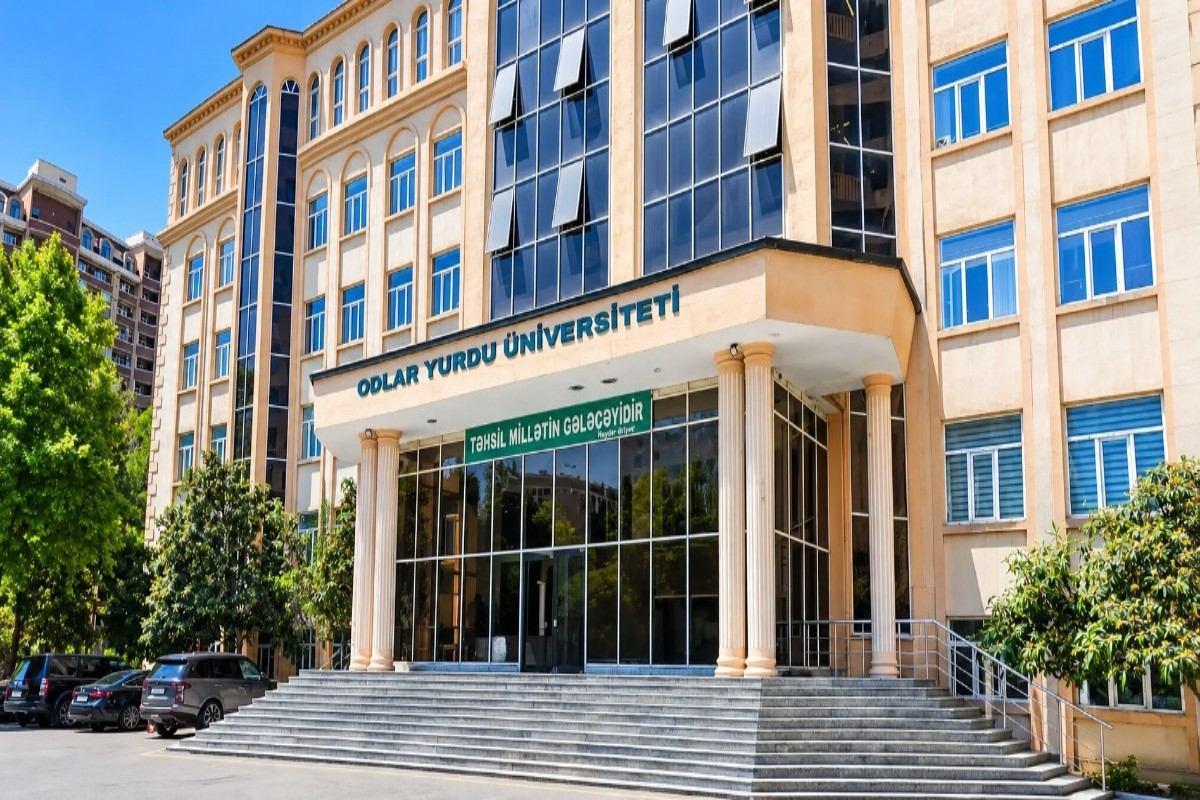
Explore fees, eligibility, and admission guidance for MBBS in Odlar Yurdu University Medical Faculty in Azerbaijan.
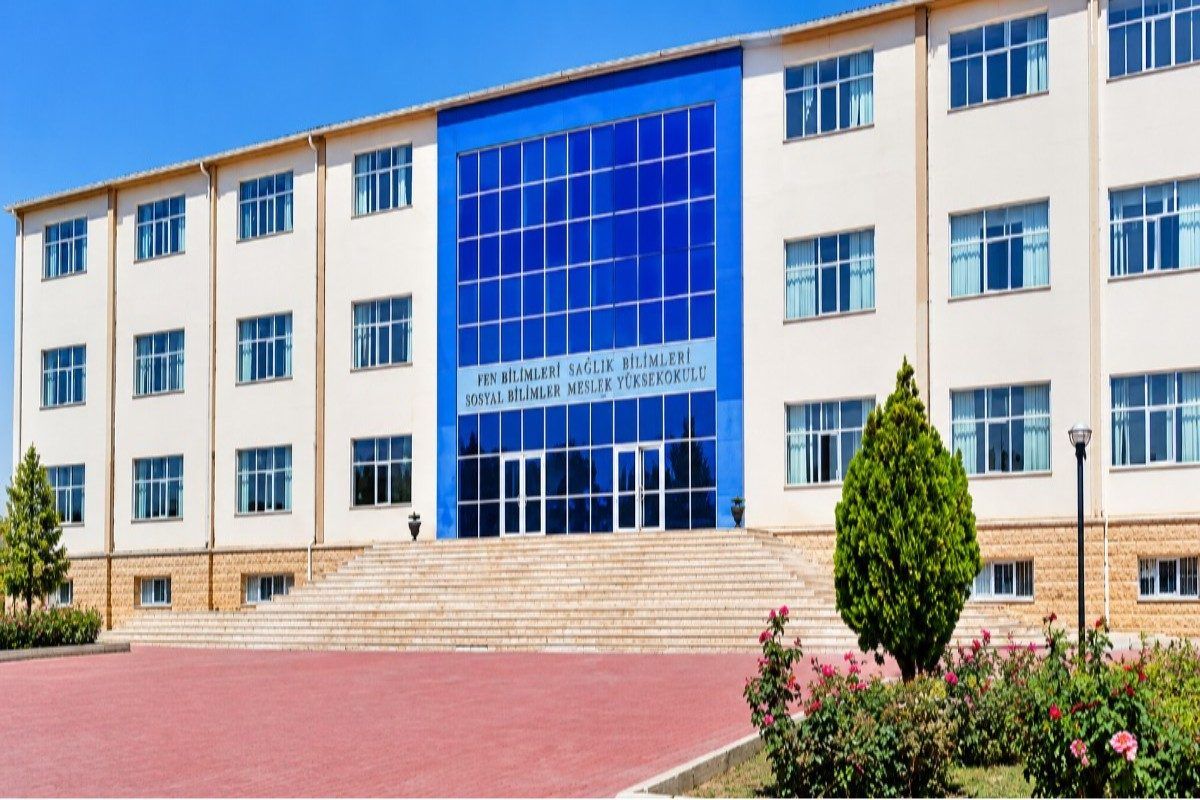 Partner
Explore fees, eligibility, and admission guidance for MBBS in Nakhchivan State University Faculty of Medicine in Azerbaijan.
 Partner
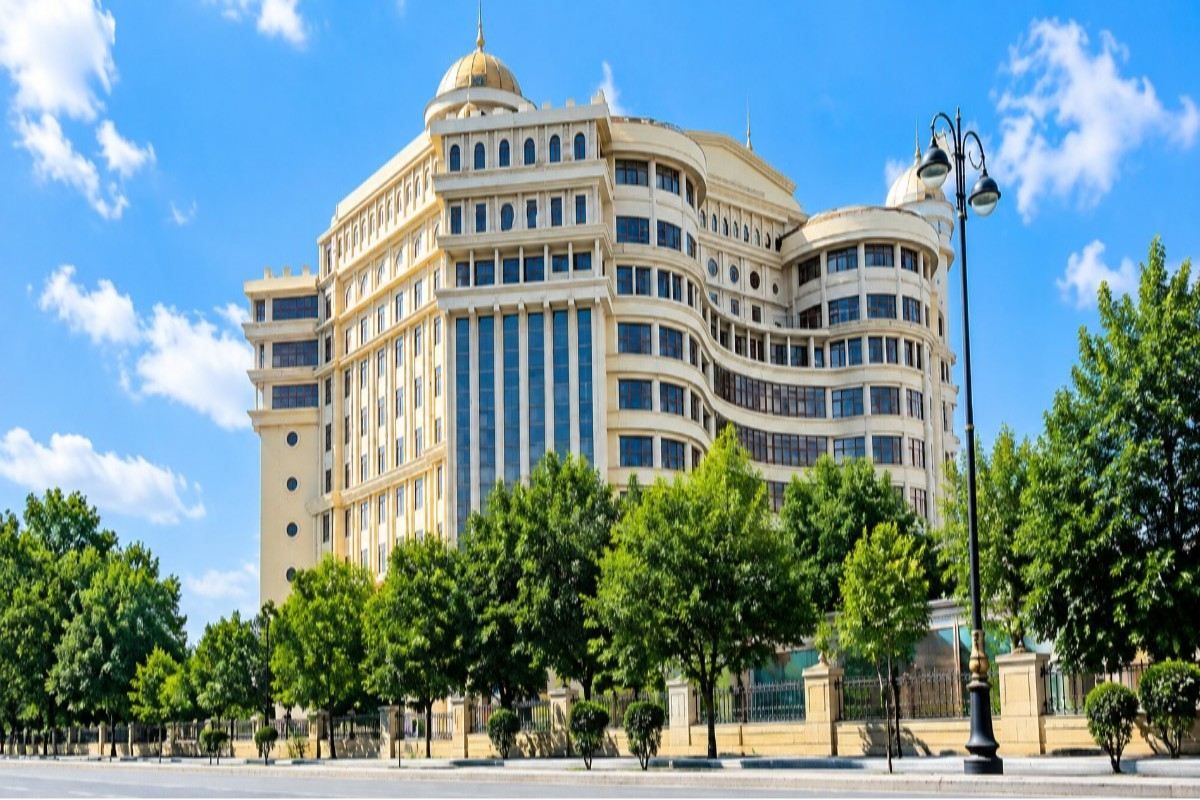
Explore fees, eligibility, and admission guidance for MBBS in Azerbaijan Medical University in Azerbaijan.
Our team provides university-specific guidance and a full Azerbaijan context briefing at every intake. Book a free counselling session →
Usually not, since programs are English-medium, but some universities may have their own English-proficiency requirement — confirm directly.
10+2 with Physics, Chemistry, and Biology, minimum 50% aggregate (40% for reserved categories at most universities), plus a qualifying NEET score.
Generally, a minimum of 17 years by 31 December of the admission year; there's typically no strict upper age limit, but check with your chosen university.
6 years total, including a 12-month internship completed at the same institution, in line with NMC's 54-month academic minimum.
At the main universities offering international student tracks, including AMU, Nakhchivan State University, Baku State University, Odlar Yurdu, and Khazar, yes, though always confirm in writing for your specific program.
Azerbaijan Medical University is the most established and has the largest Indian student presence, but "best" depends on your budget and priorities; Nakhchivan State University is the most affordable. At the same time, Khazar offers a modern private-campus experience.
Azerbaijan Medical University is a government university, operating under Azerbaijan's Ministry of Health and Ministry of Science and Higher Education; it is not a private institution.
Check the university's official website footer or "About" page (it will state its affiliation with the Ministry of Health), and cross-check it against its WDOMS entry, which lists the ownership/governance type. Don't rely on a consultant's claim alone for this.