
🎓
A Century-Old Public University Option:
YSMU was founded in 1920, giving it a century of institutional infrastructure, teaching hospital affiliations, and faculty experience with international batches, not a program bolted on in the last decade.
 Study destination: Armenia
If you’ve spent even a weekend researching MBBS abroad, you’ve probably noticed something: every Armenia page online reads like it was written by five different people who never talked to each other. One page still calls the regulator “MCI.” Another quietly lists a Kyrgyzstan university’s fee table under an Armenia URL. A third throws around a “$1,000/month hostel” figure that no student in Yerevan has ever actually paid.
This page exists to fix that. Every number here- tuition, hostel rent, mess bills, the AMD-INR rate- is checked against a primary source and dated. Where the data is genuinely fluid (and a lot of it is, because Armenia is midway through a visa system overhaul), that’s flagged rather than papered over. If you’re weighing MBBS in Armenia for Indian students against other options, the goal here is to give you numbers you can actually act on, not numbers copied from someone else’s outdated blog.
Parameter | Details |
Country | Armenia (Republic of Armenia) |
Capital | Yerevan |
Course | MD / General Medicine (equivalent to MBBS) |
Duration | 6 years (5 years academic + 1 year internship) |
Medium of Instruction | English (Russian and Armenian streams also exist) |
Mandatory for Indian students | |
IELTS/TOEFL | Not mandatory at most universities; university-specific |
Intake | September (primary); some universities allow limited spring intake |
Currency | Armenian Dram (AMD / ֏) |
Degree Awarded | MD (Doctor of Medicine) / Diploma in General Medicine |
Approximate Annual Tuition | $4,000 – $7,000 (varies by university and year) |
Internship | 12 months, within the same foreign institution |
Recognition | WHO (World Directory of Medical Schools), NMC-compliant under FMGL 2021, ECFMG, ANQA-accredited |
Short answer: for the right kind of student, yes; for the wrong kind, it can be an expensive mistake.
MBBS in Armenia for Indian students works well if you’re looking for a genuinely affordable, English-medium medical degree, you’re comfortable studying and living in a small, culturally different country for six years, and, this is the part people skip, you’re willing to do the compliance homework. Hence, your degree is actually usable back home. It does not work well if you’re chasing a “guaranteed NMC registration” or expecting the ease of a domestic MBBS seat; no foreign degree, Armenian or otherwise, gives you that.
The honest framing: Armenia is a solid, mid-tier MBBS-abroad destination, cheaper and less crowded than Georgia, more established than several newer entrants, but smaller in scale (fewer total Indian students) than Russia or the Philippines. If your NEET score didn’t get you a government or affordable private seat in India, and you’ve done the FMGE/NExT math with open eyes, MBBS in Armenia for Indian students is a genuinely reasonable option, not a shortcut, but not a scam either.
This is the one section almost no competitor page gets right, and it matters more than it looks.
Armenian universities do not award a degree literally called “MBBS.” At Yerevan State Medical University, for instance, the official program is a 6-year integrated General Medicine program leading to an MD (Doctor of Medicine), Physician qualification, delivered across roughly 12 semesters. This is standard across most of continental Europe and the former Soviet bloc; the MD/General Medicine structure is the functional equivalent of the Indian MBBS, not a separate, higher, or lower degree.
Why the confusion? Because “MD” in India means a postgraduate specialization (after MBBS), while “MD” in Armenia (and Russia, Georgia, and much of Europe) is the first professional medical degree, equivalent to India’s MBBS. When a counselor tells you “you’ll get an MD after 6 years,” that’s accurate in the Armenian system but easy to misread as a PG degree if you’re used to Indian terminology. For NMC recognition and FMGE/NExT eligibility, what matters isn’t the label on the certificate; it’s whether the program satisfies the duration, subject, and internship conditions under FMGL 2021. This is a distinction competitor pages routinely skip, and it’s exactly the kind of clarity that should sit at the top of any serious guide to MBBS in Armenia.
The full duration of MBBS in Armenia is 6 years, structured in the same broad pattern used across most European medical schools:
Years 1–2 (Pre-clinical): Anatomy, Physiology, Biochemistry, Histology, Medical Biology, and foundational sciences.
Years 3–4 (Para-clinical): Pathology, Pharmacology, Microbiology, Forensic Medicine, and the transition into clinical subjects.
Years 5–6 (Clinical): Internal Medicine, Surgery, Obstetrics & Gynecology, Pediatrics, and rotations across major hospital departments, culminating in a compulsory 12-month internship within the same institution.
This 5+1 structure (5 years academic, 1 year internship) is important to understand precisely because it maps directly onto what the NMC requires. The duration of MBBS in Armenia, 5 years of academic instruction plus a 12-month internship, comfortably clears the NMC’s 54-month minimum academic requirement, provided the university’s official transcript reflects genuine 54-month instruction and not a compressed calendar. Always ask for the semester-wise credit breakdown before enrolling; what’s on paper and what’s reflected in your actual transcript need to match.
Most Armenian medical universities that host international students teach the General Medicine / MBBS-equivalent program entirely in English, particularly YSMU, Yerevan Haybusak University, and Erebuni Medical Academy. Russian-medium and Armenian-medium streams also exist at several universities, aimed largely at regional and domestic students, so if you’re an Indian applicant, always confirm in writing that you’re being enrolled in the English-medium international faculty, not a mixed-medium track where later-year clinical postings assume Armenian or Russian fluency. This is a university-specific detail, not a blanket country-wide guarantee, and it’s worth getting in writing from the admissions office before you pay a single dollar.
There’s no blanket “IELTS not required” rule that applies to every university in Armenia, despite what several competitor pages claim. In practice:
YSMU and most major universities admit students without a formal IELTS/TOEFL score, relying instead on prior English-medium schooling and, occasionally, a short interview.
Some universities may still ask for a basic English proficiency declaration or an internal test, particularly for students without a strong English-medium academic background.
Confirm this university-by-university rather than assuming the entire country waives it; it’s a small detail that occasionally trips up applicants at the visa stage, where consular officers sometimes expect proof of English competency even if the university itself didn’t ask for it.
Month | Activity |
March – May | Applications open; document collection and university shortlisting. |
June – July | Application submission, provisional admission letters issued |
July – August | Fee payment, visa application and processing |
August – early September | Travel, arrival in Yerevan, university registration |
September | Classes commence; academic year begins. |
October – November | Residence card application window |
Note: This timeline is indicative and needs annual verification directly with your shortlisted university, since exact dates shift year to year and some universities run a limited secondary intake later in the academic year.
The MBBS in Armenia fee structure varies meaningfully by university, and this is the part almost every competitor page glosses over: by which year of the tuition schedule you’re in, since several universities charge a slightly higher first-year fee than subsequent years. For MBBS in Armenia for Indian students specifically, the fee is quoted and payable in USD at most universities, not AMD, which shields you somewhat from local currency fluctuation. However, the residence permit and insurance charges are typically billed in AMD.
University | Annual Tuition (USD, approx.) | Annual Hostel Fee (USD, approx.) | Notes |
$5,500 (1st year) / $5,000 (Yr 2 onward)* | $600 | Public university; oldest and largest international intake | |
$4,500 – $5,500 | $500 – $600 | Private university, established 1990 | |
$4,800 – $5,500 | $500 | Smaller international cohort | |
$4,000 – $5,000 | $500 | tution (est. 2021) | |
Mkhitar Gosh Armenian-Russian International University | $4,000 – $4,800 | $500 – $600 | Mixed medium; confirm English-stream fees separately |
Figures reported for YSMU vary across sources between $5,000–$6,500/year depending on when the source was published; treat $5,000-$5,500/year as the more consistently reported current range, but always re-verify the exact figure with the university’s international admissions office before paying, since annual increases are common and not always reflected quickly on third-party sites.
Additional one-time/annual costs to budget for, beyond tuition and hostel: - Application/registration fee: $100 – $300 (one-time) - Medical insurance (mandatory at most universities): $150 – $300/year - Visa and residence permit fees: approx. AMD 105,000 (₹27,000) for the residence card, plus visa processing charges - Study materials, lab coat, and equipment: $100 – $200 in year one
“Last Updated” disclosure: This MBBS in Armenia fee structure was compiled from official university fee pages and current study-abroad consultancy listings as of August 2026. Tuition fees for international students are revised periodically by Armenian universities; always request a signed, current fee schedule from the university’s official admissions office before making any payment.
Here’s a full-year budget estimate for MBBS in Armenia for Indian students living in a university hostel and eating primarily at the mess/local cafeteria, not the inflated “expat cost of living” numbers you’ll see on generic cost-of-living sites, which assume a private city apartment and full restaurant dining.
Expense Head | Estimated Annual Cost (USD) | Estimated Annual Cost (INR, approx.) |
Tuition Fee | $4,000 – $6,500 | ₹3.5 – ₹5.7 lakh |
Hostel Fee | $500 – $600 | ₹44,000 – ₹53,000 |
Food/Mess (monthly $80–150 × 12) | $960 – $1,800 | ₹85,000 – ₹1.58 lakh |
Medical Insurance | $150 – $300 | ₹13,000 – ₹26,000 |
Visa/Residence Card (annual renewal + initial) | $80 – $280 (first year higher) | ₹7,000 – ₹25,000 |
Local Transport & Personal Expenses | $600 – $1,000 | ₹53,000 – ₹88,000 |
Approximate Total (per year) | $6,300 – $10,500 | ₹5.5 – ₹9.2 lakh |
Six-year total (tuition + living, excluding one-time travel/setup costs): roughly $40,000 – $63,000, or approximately ₹35 lakh – ₹55 lakh.
Exchange rate used for these conversions: 1 USD = ₹88 and 1 AMD = ₹0.25 (mid-market rates, August 2026). Both figures fluctuate; always recheck the live rate before financial planning, especially since the AMD has strengthened noticeably against the INR over the past year.
This is a realistic, hostel-and-mess budget, not a minimum-possible figure and not a worst-case one. Students who move into private apartments or eat out frequently in central Yerevan will spend meaningfully more; see the Cost of Living section below for that comparison.
Founded: 1920
Location: Yerevan (Koryun Street)
Type: Public
Program: General Medicine (MD), Dentistry, Pharmacy
Duration: 6 years (Medicine)
Medium: English, Russian, Armenian (separate streams)
Annual Tuition: $5,000 – $5,500
Hostel: Two dedicated hostel buildings, separate for male/female students
Recognition: WHO/WDOMS listed, ECFMG-recognized, ANQA-accredited
Official Website:am
The largest, oldest, and most internationally established medical university in Armenia; hosts the majority of Indian students in the country.
Founded: 1990
Location: Yerevan
Type: Private
Program: General Medicine
Duration: 6 years
Medium: English
Annual Tuition: $4,500 – $5,500
Hostel: Available, located a short distance from the main campus, with separate arrangements for Indian students
Recognition: WHO-listed; accredited by ANQA
Founded: 2021
Location: Yerevan
Type: Private
Program: Bachelor of Medicine (MBBS-equivalent), Doctor of Medicine
Duration: 6 years
Medium: English
Annual Tuition: $4,000 – $5,000
Newer institution; verify accreditation and hospital-affiliation status carefully given its shorter operating history compared to YSMU.
Founded: 1996
Location: Yerevan
Type: Private
Annual Tuition: $4,000 – $4,800
Confirm whether your specific batch is taught in the English-medium stream, since the university also runs Russian-medium cohorts.
Founded: 1991
Location: Yerevan
Type: Private
Recognition: Cited by multiple sources as WHO- and formerly MCI/now-NMC-relevant; always independently verify current status rather than relying on this alone
Smaller international student body compared to YSMU or Haybusak.
University | Est. | Type | Approx. Annual Fee | Hostel Fee | Best For |
YSMU | 1920 | Public | $5,000–$5,500 | $600 | Established reputation, largest Indian cohort |
Yerevan Haybusak | 1990 | Private | $4,500–$5,500 | $500–$600 | Dedicated Indian mess/hostel facilities |
Erebuni Medical Academy | 2021 | Private | $4,000–$5,000 | $500 | Lower fees, newer infrastructure |
Mkhitar Gosh ARIU | 1996 | Private | $4,000–$4,800 | $500–$600 | Budget-conscious applicants |
University of Traditional Medicine | 1991 | Private | $4,800–$5,500 | $500 | Smaller batch sizes |
Lowest budget: Mkhitar Gosh Armenian-Russian International University or Erebuni Medical Academy, both in the $4,000–$4,800/year tuition range.
Government/public university preference: YSMU is the only state-run option among Armenia’s major medical institutions.
Established reputation and clinical exposure: YSMU, given its century-long affiliation network with Yerevan’s major teaching hospitals.
English-medium, Indian-community comfort: YSMU or Yerevan Haybusak, both with dedicated Indian hostel wings and mess facilities.
Newer campus infrastructure: Erebuni Medical Academy, though weigh this against its shorter accreditation track record.
Year | Focus Areas |
Year 1 | Anatomy, Histology, Medical Biology, Biochemistry, Latin, Medical Ethics |
Year 2 | Physiology, Biochemistry (advanced), Microbiology, Immunology |
Year 3 | Pathological Anatomy, Pathophysiology, Pharmacology, Propaedeutics of Internal Diseases |
Year 4 | Internal Medicine, General Surgery, Forensic Medicine, Radiology |
Year 5 | Obstetrics & Gynecology, Pediatrics, Neurology, Psychiatry, Clinical rotations |
Year 6 | Advanced clinical rotations, electives, pre-internship exams |
The exact sequencing and credit weightage of the MBBS course in Armenia is university-specific; this table reflects the broadly common structure across YSMU and comparable institutions, not a single, universally binding syllabus.
YSMU, in particular, operates and is affiliated with multiple teaching hospitals across Yerevan, giving students supervised, hands-on exposure from the para-clinical years onward. Clinical postings are typically arranged in rotation across departments, Internal Medicine, Surgery, Pediatrics, Obstetrics & Gynecology, under the supervision of practicing clinicians who are also faculty members. This is a genuinely strong point for Armenia relative to some smaller MBBS-abroad destinations that lack dedicated affiliated hospitals and instead rely on ad hoc arrangements.
This is one of the most commonly confused points, and getting it wrong can cost you an entire year.
Under NMC’s FMGL Regulations 2021, the 12-month internship must be completed in the same foreign institution where you completed your academic course, not split, and not completed back in India instead. Historically, some students tried to save money by doing their academics abroad and their internship in India; this is now explicitly disallowed. Split internships are rejected outright by the NMC.
After completing your Armenia-based internship and returning to India, you are still required to clear the FMGE (or its successor, NExT) and complete India’s own registration process before you can practice. The Armenian internship satisfies the foreign-degree completion requirement; it does not substitute for Indian licensing.
The Foreign Medical Graduate Licentiate (FMGL) Regulations, 2021, notified by the National Medical Commission on 18 November 2021, are the current governing framework, not the older “MCI Screening Test” language that several outdated competitor pages still use. Key non-negotiable conditions:
Minimum 54 months of academic instruction, not “approximately 5 years”; exactly 54 months of documented academic coursework, excluding internship.
English medium of instruction for the entire course.
12 months of compulsory internship in the same foreign institution, not split between countries.
Total course + internship must be completed within 10 years from the date of joining.
The curriculum must be broadly equivalent to the subjects prescribed under India’s Regulations on Graduate Medical Education, 1997 (as amended).
The NMC does not maintain or endorse an official “approved list” of foreign universities; any agent or website claiming a university is “NMC approved” is using inaccurate language; what actually matters is whether your specific program satisfies FMGL 2021’s conditions.
This deserves a nuanced answer, not a yes/no headline.
Is MBBS from Armenia valid in India? Yes, conditionally, an Armenian MD/General Medicine degree can lead to a valid medical license in India, but validity is not automatic on graduation. It depends on three separate things lining up:
(1) you qualified NEET-UG before starting the course
(2) your specific university program satisfies the FMGL 2021 conditions (54-month duration, English medium, single-institution internship)
(3) you pass the FMGE or NExT exam and complete India’s registration formalities after returning.
In other words, that answer comes down to your compliance trail, not a blanket country-level guarantee. A degree from the same university can be perfectly valid for one student and problematic for another, depending on whether they followed the NEET-first, single-institution-internship rules correctly. This is exactly why “guaranteed NMC registration” claims from agents are a red flag; no one can guarantee an outcome that depends on your own exam performance and documentation.
After completing the MBBS course in Armenia and its mandatory internship, Indian graduates must clear India’s licensing exam before practicing domestically. Currently, this is the FMGE (Foreign Medical Graduate Examination), which is progressively being phased into the unified NExT (National Exit Test). The same licensing exam will eventually apply to graduates of Indian medical colleges as well, closing the gap between domestic and foreign-trained doctors’ pathways. Exact NExT rollout timelines for foreign graduates have shifted more than once, so confirm the current applicable exam directly on the National Board of Examinations or NMC’s official portal before your graduating year.
Country-level or university-level FMGE pass percentage claims circulate widely, but treat any specific number you see (including on this page, if we cite one) with caution unless it’s sourced to an official, dated FMGE/NBE result release broken down by university. Aggregate country-wide pass rates can be misleading, since they blend strong and weak-performing cohorts from different universities and years. If a university genuinely publishes its own FMGE pass data, ask for the source document rather than accepting a marketing claim at face value.
Generic cost-of-living calculators (aimed at expats renting private apartments) often quote $800–$1,500/month for Yerevan figures that don’t reflect how most international medical students actually live, in subsidized university hostels with access to low-cost mess food. A more realistic student budget:
Expense | Monthly Cost (USD, approx.) | Monthly Cost (INR, approx.) |
Hostel accommodation | $40 – $55 (as part of $500–600/year) | ₹3,500 – ₹4,800 |
Food (mess/self-cooked) | $80 – $150 | ₹7,000 – ₹13,000 |
Local transport | $15 – $25 | ₹1,300 – ₹2,200 |
Utilities/personal expenses | $50 – $100 | ₹4,400 – ₹8,800 |
Total (hostel-based student) | $185 – $330/month | ₹16,000 – ₹29,000/month |
If you instead choose a private apartment in central Yerevan, average 1-bedroom rent alone runs roughly $500–$750/month as of 2026; your total monthly cost climbs well past $700–$900, closer to the generic expat estimates. For budget planning, the hostel-based figure is the realistic baseline for the large majority of Indian medical students.
Most Armenian universities, including YSMU, require international students to hold annual medical insurance as a condition of enrollment; this typically costs $150–$300/year and covers basic outpatient and emergency care. Confirm exactly what’s covered (some plans exclude pre-existing conditions or major surgeries) and whether the university mandates its own bundled insurance or accepts an external policy.
Fact | Detail |
Capital | Yerevan |
Official Language | Armenian |
Currency | Armenian Dram (AMD) |
Population | Approximately 2.9–3 million |
Religion | Predominantly Armenian Apostolic Christianity |
Area | Approx. 29,743 sq. km |
Government | Parliamentary Republic |
YSMU and some other universities offer merit-based scholarships, occasionally including substantial tuition fee waivers for academically strong candidates with a good NEET-UG performance, reportedly up to a full tuition waiver in exceptional cases at YSMU. However, this is competitive and not guaranteed. Scholarship applications are typically submitted directly to the university’s international office (or through an authorized representative) alongside your admission application; never pay an unofficial “processing fee” to a third party specifically to “secure” a scholarship; route any scholarship application through the university directly.
The Armenian Dram (AMD) is the local currency. As of August 2026, 1 USD = 367 AMD, and 1 AMD = ₹0.25 (mid-market rates), meaning roughly 1 USD = ₹88. These rates fluctuate daily; treat the figures here as a planning reference, not a transaction rate, and always check a live converter before making large transfers.
Practical money tips: international debit/credit cards work at most ATMs in Yerevan, though it’s worth carrying some cash for smaller vendors and hostel-adjacent shops; Wise and similar low-fee transfer services are generally cheaper than traditional bank wire transfers for sending money from India; and always compare rates before large one-time payments like tuition, since spreads between providers can be meaningfully different on amounts in the thousands of dollars.
Armenia does not have a widely publicized, student-visa-linked part-time work permit system comparable to some Western study destinations, and medical program schedules in particular leave limited room for regular part-time work given clinical rotation hours from the mid-course years onward. Verify current rules directly with the Migration and Citizenship Service or your university’s international office before assuming any part-time work rights; this is a genuinely fluid area, especially with the residency system overhaul scheduled for November 2026, and outdated blog claims here are common.
In India: Requires clearing FMGE/NExT and completing NMC registration; opens the path to government and private practice, further specialization, and public-sector medical roles.
UK: Requires clearing the PLAB (Professional and Linguistic Assessments Board) exam and GMC registration.
USA: Requires clearing the USMLE series and matching into a residency program through ECFMG certification.
Australia: Requires AMC (Australian Medical Council) examinations and registration.
Other countries: Licensing requirements vary significantly; there is no country where an Armenian medical degree grants automatic, unrestricted practice rights — any claim of “practice anywhere in the world” should be treated as a red flag, not a selling point.
Graduates can pursue postgraduate specialization through several routes: NEET-PG in India (after completing FMGE/NExT and registration), residency programs within Armenia itself for those who wish to stay in the region, or PG/residency-matching pathways abroad (such as USMLE-linked residency matching in the US, or equivalent processes in the UK, Canada, or Australia) each with its own separate exam and eligibility requirements distinct from the Indian pathway.
Parameter | MBBS in Armenia | MBBS in India (Private) |
Entrance Exam | NEET (eligibility only, no cutoff for admission) | NEET (with competitive cutoff/counselling) |
Total Course Fee (6 yrs) | Approx. ₹28–38 lakh (tuition only) | ₹50 lakh – ₹1.2 crore+ |
Donation/Capitation | None reported at major universities | Common at many private colleges |
Medium | English | English |
Recognition Process | NMC via FMGE/NExT after graduation | Direct (Indian MCI/NMC-recognized college) |
Practice in India | Requires FMGE/NExT clearance | Direct eligibility post-internship |
Country | Approx. Annual Tuition | Key Consideration |
Armenia | $4,000 – $6,500 | Small, established Indian cohort at YSMU; stable fee structure |
$5,000 – $9,000 | Larger number of NMC-relevant universities; higher living costs | |
$4,000 – $7,000 | Largest Indian student base abroad; geopolitical/travel considerations post-2022 | |
$3,500 – $5,500 | Lower fees; fewer long-established English-medium options | |
$3,000 – $4,500 | Among the cheapest; smaller institutional track record | |
$3,500 – $5,000 | Growing destination; newer regulatory track record for Indian students |
Armenia sits in the middle of this pack, not the absolute cheapest, but generally cheaper than Georgia, with a smaller but more established Indian student pipeline (largely concentrated at YSMU) than the newer entrants like Uzbekistan or Kyrgyzstan.
The advantages of MBBS in Armenia go beyond the generic “affordable and English-medium” pitch:
No donation or capitation fee structure at major public and private universities.
Century-old institutional history at YSMU, with established teaching hospital affiliations.
Compact, walkable Yerevan reduces daily commute and living friction.
Established Indian student community dating back to 1985.
WHO/WDOMS-listed universities with ANQA accreditation.
Reasonably short flight connectivity from India via Gulf hubs.
Lower overall six-year cost compared to most private Indian medical colleges.
These advantages of MBBS in Armenia matter most when weighed honestly against the disadvantages below, not in isolation.
This is the section most competitor pages either skip entirely or handle with a token line. The real disadvantages of studying MBBS in Armenia:
Language barrier beyond the classroom. Instruction is in English, but daily life, hospital paperwork in later clinical years, and interactions outside the university are often in Armenian or Russian, a genuine adjustment, not a footnote.
Cold winters and a real seasonal adjustment. Yerevan winters are harsher than many Indian students expect, and this affects daily life, especially in the first year.
Smaller scale means fewer alternatives if something goes wrong. Compared to Russia or the Philippines, Armenia has fewer universities overall and a smaller Indian student base, so if a specific university runs into accreditation trouble, your options to transfer are more limited.
Regulatory changes are genuinely in motion right now. The November 2026 immigration system overhaul is a real, near-term disruption, not a hypothetical one, and any page (including this one) that doesn’t flag it isn’t giving you the full picture.
No automatic global practice rights. Every one of the disadvantages of studying MBBS in Armenia around “recognition” comes back to the same root cause: a foreign medical degree, from any country, requires a separate licensing exam wherever you eventually want to practice. Armenia is not an exception, and treating it as one is the single most common and costly misunderstanding students carry into this decision.
A practical decision checklist, not a generic “consider these factors” list:
Get the semester-wise curriculum in writing and cross-check the total instructional duration against the NMC’s 54-month requirement yourself; don’t take an agent’s word for it.
Confirm the university’s current ANQA accreditation status directly, not through a screenshot from a consultancy website.
Ask specifically whether your batch will be taught in the English-medium stream, in writing, before paying any fee.
Request the exact, current fee schedule signed by the university’s international admissions office, including whether tuition increases annually and by how much.
Ask for the names of affiliated teaching hospitals and, if possible, contact current students for an honest read on hostel and mess conditions.
Clarify insurance requirements and whether it’s bundled into your fee or paid separately.
Treat any of the following as an immediate warning sign, regardless of how established or friendly the agent or website seems:
“Guaranteed NMC registration” or “guaranteed FMGE pass.” No one, not a university, not a consultancy, can guarantee an exam outcome that depends on your own performance.
“Practice anywhere in the world after this degree.” As covered above, every country has its own separate licensing exam; this claim is a reliable sign of either ignorance or dishonesty.
Vague or shifting fee quotes that change between your first inquiry and your final invoice.
Pressure to pay a large sum immediately to “lock in a seat” before you’ve seen a written offer letter or verified accreditation independently.
Reluctance to put anything in writing; a legitimate university’s international office will confirm medium of instruction, fee structure, and hostel details over email without hesitation.
Written admission/invitation letter received directly from the university
Fee structure confirmed in writing, including any annual increases
Medium of instruction (English-stream placement) confirmed in writing
University’s ANQA accreditation independently verified
Curriculum duration cross-checked against the 54-month FMGL requirement
Hostel and insurance costs itemized separately from tuition
Payment made directly to the university’s official account, with a receipt, not to a personal or unofficial agent account
Several Indian nationalized and private banks offer education loans specifically for MBBS abroad, including Armenia, typically covering tuition, hostel fees, and sometimes living expenses, against collateral (for higher loan amounts) or a co-applicant’s income (for smaller amounts). Public sector banks such as SBI, Bank of Baroda, and Punjab National Bank run dedicated “study abroad” loan schemes, alongside private lenders and NBFCs that specialize in education financing. Interest rates for education loans in India for MBBS abroad have generally ranged in the low-to-mid single digits above the bank’s base lending rate. However, exact current rates, processing fees, and collateral requirements change with monetary policy and vary by lender; always get a current, written quote directly from at least two or three banks before committing, rather than relying on a fixed number from any blog, including this one. Standard documentation typically includes the university’s admission and fee letter, proof of co-applicant income, academic records, and collateral documents where applicable.
Factor | Rating (out of 5) |
Affordability | ★★★★☆ |
Academic Quality | ★★★★☆ (strongest at YSMU; varies by university) |
Clinical Exposure | ★★★★☆ (strong at YSMU given its affiliated-hospital network) |
Safety | ★★★★☆ |
Student Life | ★★★★☆ |
Cost of Living | ★★★★☆ |
International Recognition | ★★★★☆ (WHO/WDOMS listed, ANQA-accredited) |
Climate Tolerance Needed | ★★★☆☆ (harsh winters factor this in) |
We blend country research, university comparison, and admission guidance so students can evaluate the right path without guesswork.
YSMU was founded in 1920, giving it a century of institutional infrastructure, teaching hospital affiliations, and faculty experience with international batches, not a program bolted on in the last decade.
Armenian medical universities relevant to Indian students are generally WHO/WDOMS-listed and ANQA-accredited. Recognition confirms the degree is a valid qualification from a listed institution; FMGE/NExT and a single-institution internship are still required to practice in India.
Major universities, including YSMU, report no donation or capitation fee beyond the stated tuition. The full 6-year cost sits around ₹35–55 lakhs, including tuition, hostel, and living expenses.
Explore active university options with fee, duration, and accreditation details before you shortlist your preferred campus.
 Partner
Choose the right country, shortlist the right university, and understand your next steps with one clear plan built around your NEET score and budget.
Arrange a free counselling sessionMBBS in Uzbekistan 2026-27: Fees, Universities, NMC Advisory & Everything Else Nobody Tells You Upfront
Lowest-Cost NMC-Compliant MBBS Abroad | English Medium | No Donation | ₹15-35 Lakh Total | National FMGE Average 25%
MBBS in Russia 2026 Affordable Fees, NMC-Compliant Universities & Global Recognition
● Government-owned universities across all four main cities (Minsk, Vitebsk, Grodno, Gomel); WDOMS-listed, though NMC/FMGL 2021 eligibility must be verified for your specific course before paying any fee
● NMC, WHO/WDOMS, and EU/ECTS-recognized universities are available; always verify your specific university's current standing directly rather than relying on a blanket "NMC approved" claim
Yes, it is valid. But you must pass the FMGE/NExT exam to practice in India.
The cost is approx. ₹20 to ₹30 lakhs total, which includes tuition and living expenses as well.
Students who want to study MBBS in Armenia must clear the NEET exam. It is mandatory after the official notification issued by the Medical Council of India.
English and Russian are two major languages in the classroom of Armenian medical colleges. You can choose the language of study according to your preferences
Expert will call you within 2 hours
Students study alongside Indian, Armenian, and other international classmates. YSMU and Yerevan Haybusak both have dedicated Indian mess and hostel facilities built up over four decades of Indian enrollment.
The 6-year structure aligns with the Indian MBBS timeline, and NMC-compliant universities offer a visible, if imperfect, career pathway back to India through FMGE/NExT.
Yerevan keeps hostels, campuses, and affiliated teaching hospitals within a few kilometers of each other, a genuinely practical, if under-marketed, advantage for daily student life.
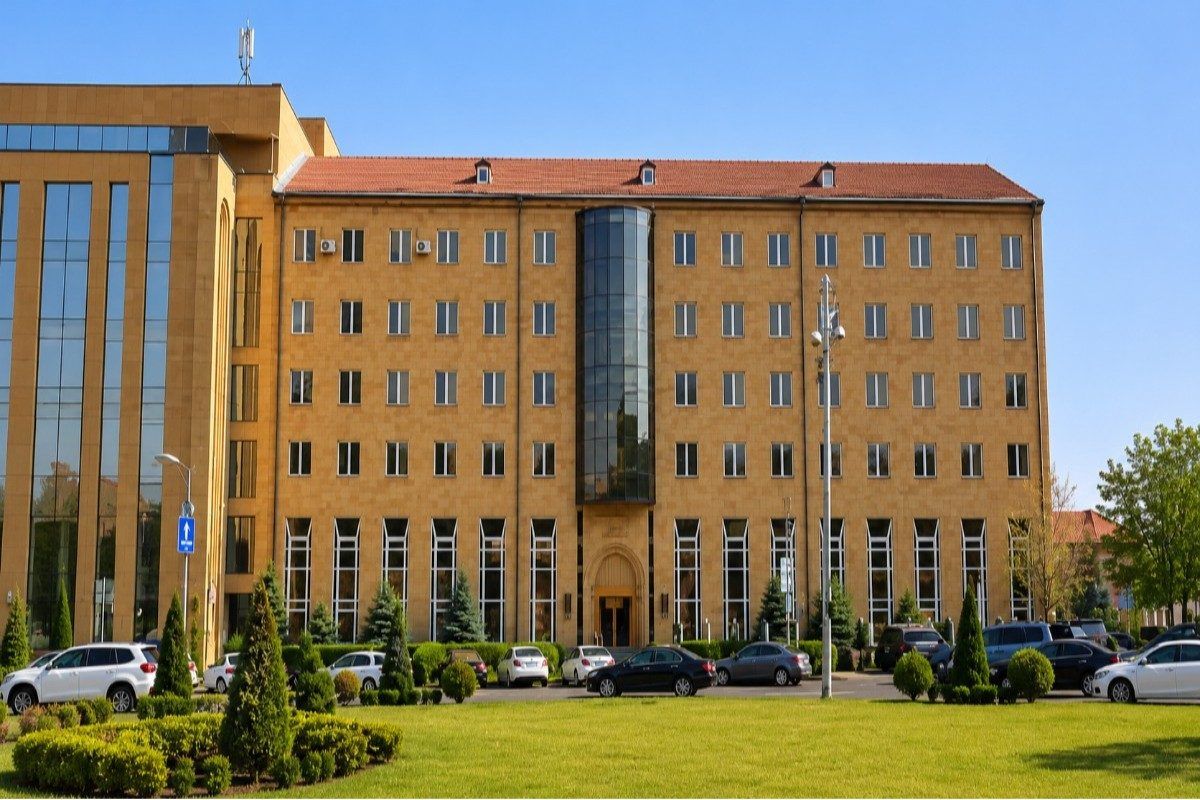
Explore fees, eligibility, and admission guidance for MBBS in Yerevan Gladzor University Faculty of Medicine in Armenia.
 Partner
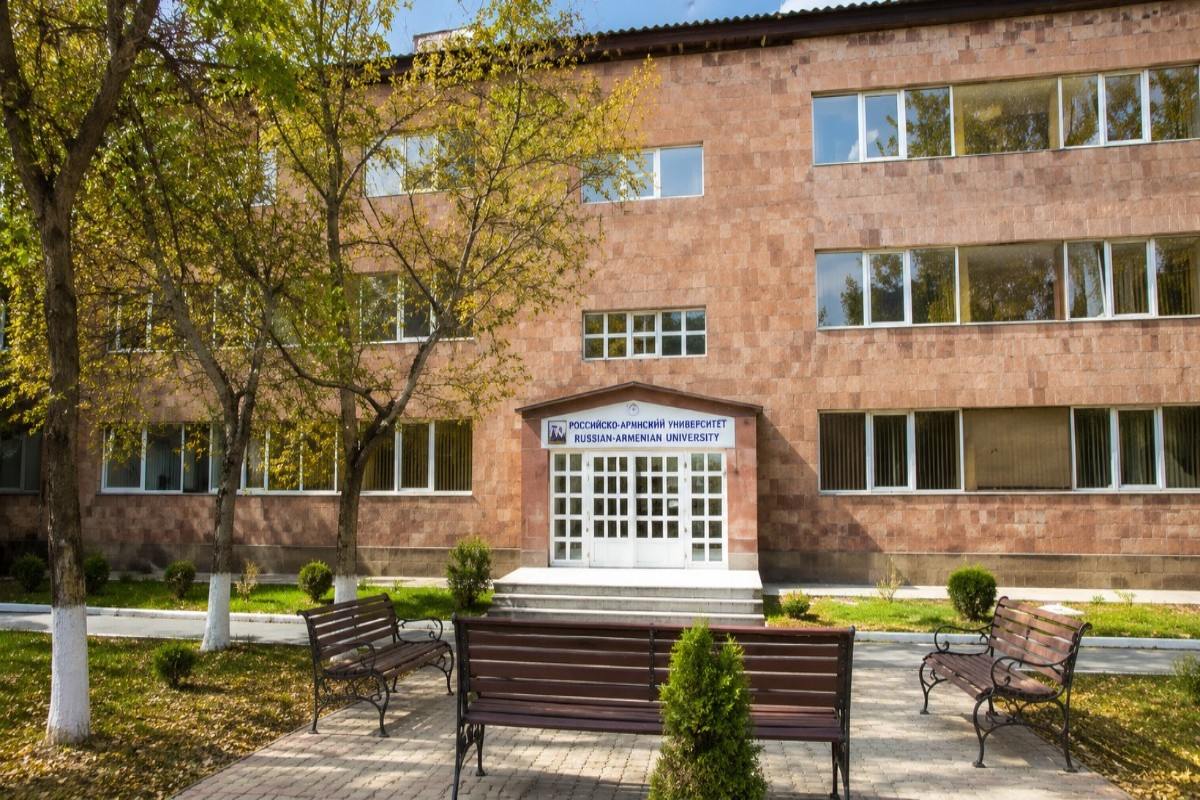
Explore fees, eligibility, and admission guidance for MBBS in Erebuni Medical Academy Foundation in Armenia.
 Partner
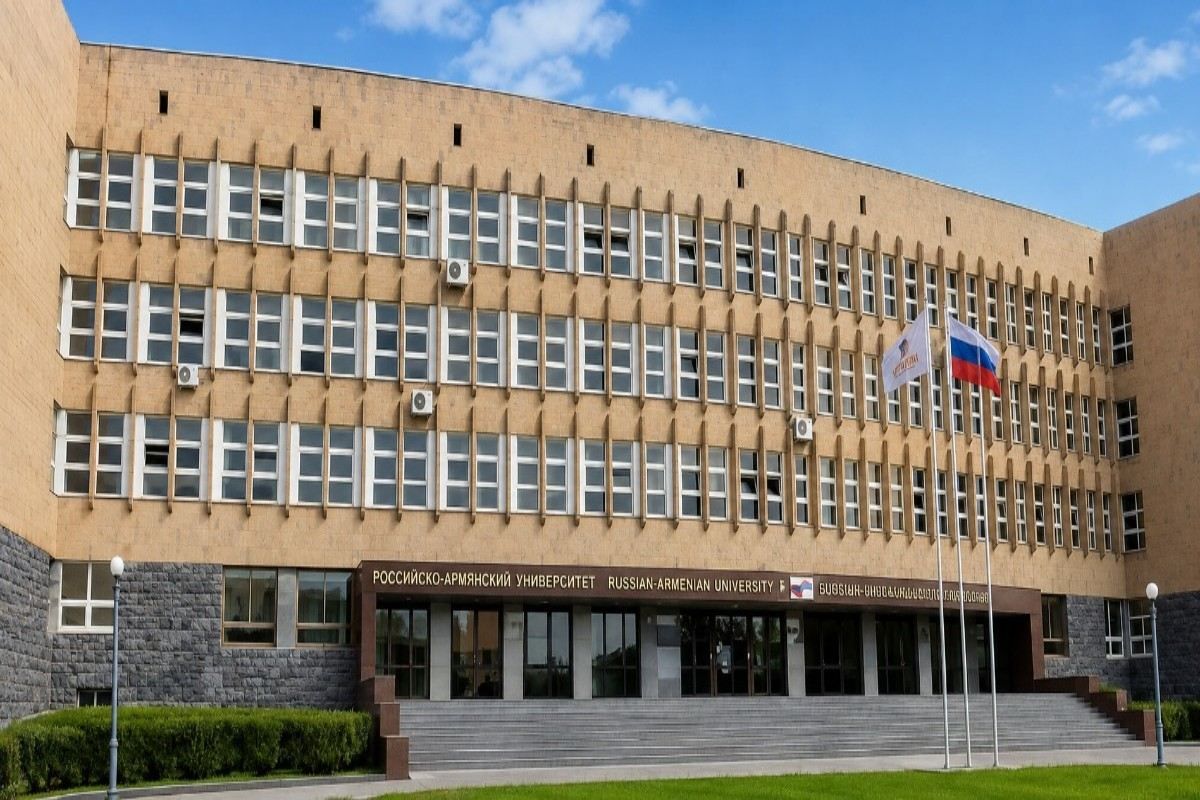
Explore fees, eligibility, and admission guidance for MBBS in Armenian Russian International University Mkhitar Gosh Faculty of Medicine in Armenia.
 Partner
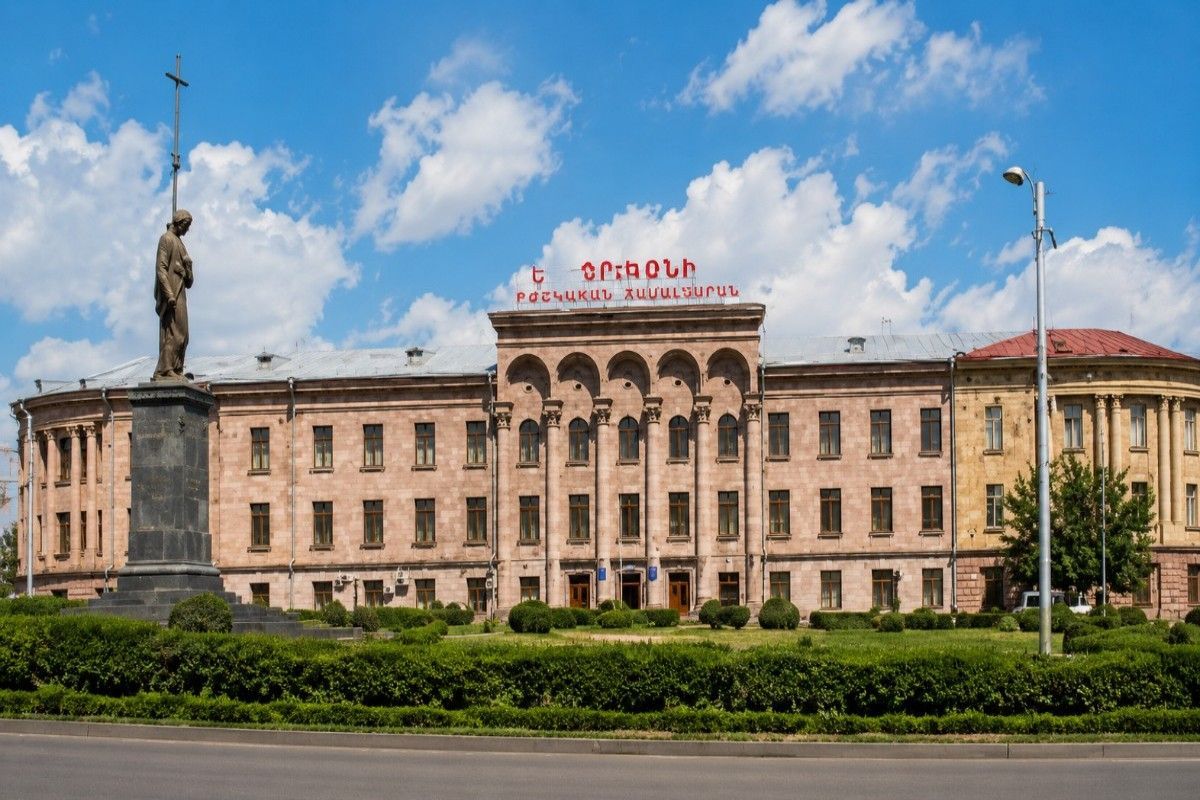
Explore fees, eligibility, and admission guidance for MBBS in Progress University of Gyumri Faculty of Medicine in Armenia.
 Partner
Explore fees, eligibility, and admission guidance for MBBS In Saribekyan International Medical University in Armenia.
 Partner
Explore fees, eligibility, and admission guidance for MBBS in Armenian Medical Institute Faculty of Medicine in Armenia.
Our team provides university-specific guidance and a full Armenia context briefing at every intake. Book a free counselling session →
The different universities offer MBBS in Armenia, and it ranges from $3,000 to $6,000 per year. Living costs are also low in Armenia, and many students have a living cost of around $300-$500 every month.
Yes, several universities in Armenia have scholarships for meritorious or financially weaker Indian/international students.
The cost of living in Armenia is quite affordable compared to other countries. A student usually has a living cost of $300 to $500 per month, covering accommodation, food, transportation, and personal expenses.
Medical colleges of Armenia are approved by top medical bodies in the world, including the National Medical Commission. Students can work in India and in Armenia after they complete their medical education and can easily earn up to 4 to 8 lakh per annum.
You can enroll in an MD/MS course after completing MBBS in Armenia. Students have to pass the NEET PG exam and proceed for counseling to get MD MS admission in India.
The top medical universities in Armenia are Yerevan State University, American University of Armenia, and Russian-Armenian University.