
Q1. When was Erebuni Medical Academy Foundation founded?
+In 2019, in Yerevan, though its Doctor of Medicine programme only got its own licence in 2021.
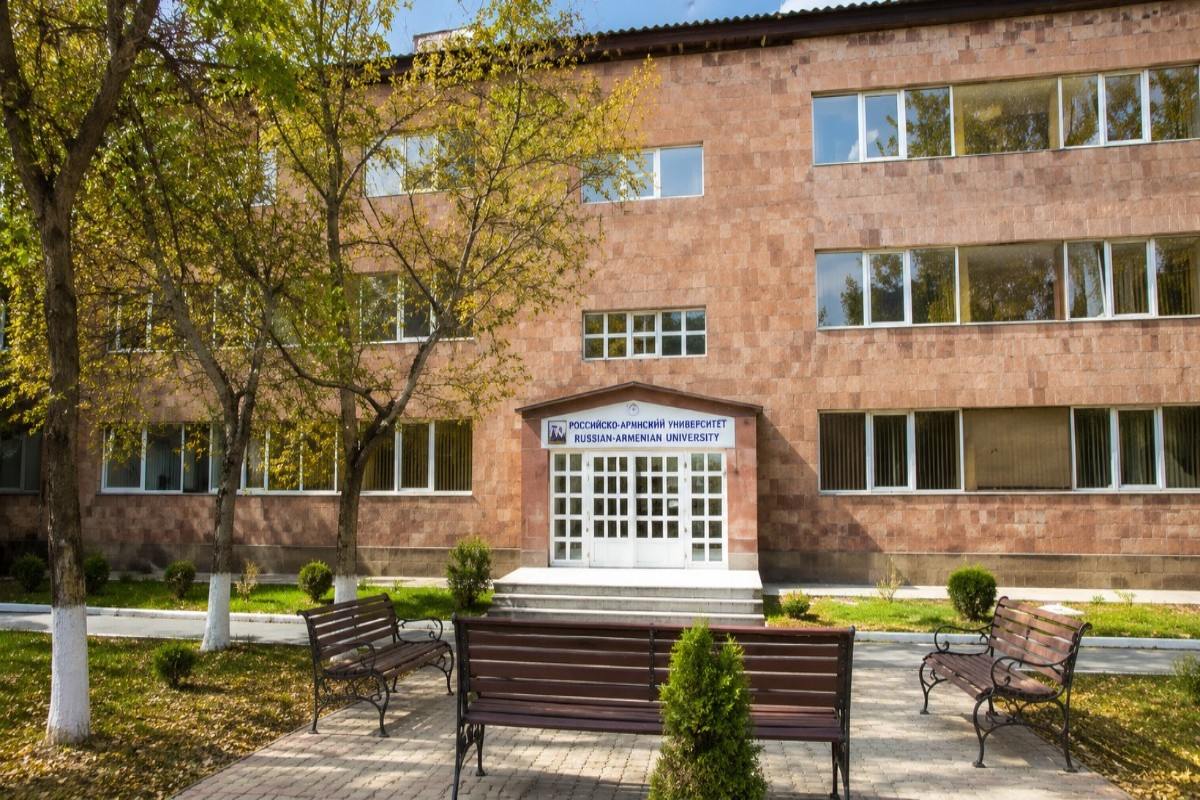
 Armenia | Est. 2019
Armenia | A private academy accredited by IAAR, listed in the World Directory of Medical Schools, and recognised by the WHO, FAIMER, and India's National Medical Commission. | English carries the MBBS programme for international students, alongside Armenian and Russian. medium
Expert will call you within 2 hours
Most people just call it Erebuni, or Erebuni Medical Academy. It's a genuinely young institution, and honestly, that's part of the story here — it was set up in Yerevan in 2019, licensed by Armenia's Ministry of Education and Science, but it didn't start out as a medical degree-granting academy at all.
Here's something a lot of write-ups skip over. Erebuni's very first licence, issued in July 2019, only covered mid-level medical training — nursing, nursing administration, midwifery, dental technician work, pharmacy, and medical cosmetology. The full Doctor of Medicine programme, the one equivalent to an MBBS, only got its own separate licence two years later, in July 2021. So this is a place that grew into being a full medical university rather than starting out as one.
There's another detail worth knowing too. Erebuni ties itself directly to Erebouni Medical Center, Armenia's largest medical center, which itself dates back to 1991 and runs eight core clinics — everything from cardiology and neurosurgery to emergency care — plus more than 40 specialised departments. That relationship is what gives students their clinical grounding once they move past the classroom stage.
It's a private academy, accredited by Armenia's IAAR and listed in the World Directory of Medical Schools. Clinical exposure runs through Erebouni Medical Center and other affiliated hospitals in Yerevan, and as recently as June 2026, the academy signed a fresh cooperation agreement with the European University of Armenia to expand joint research and academic exchange.
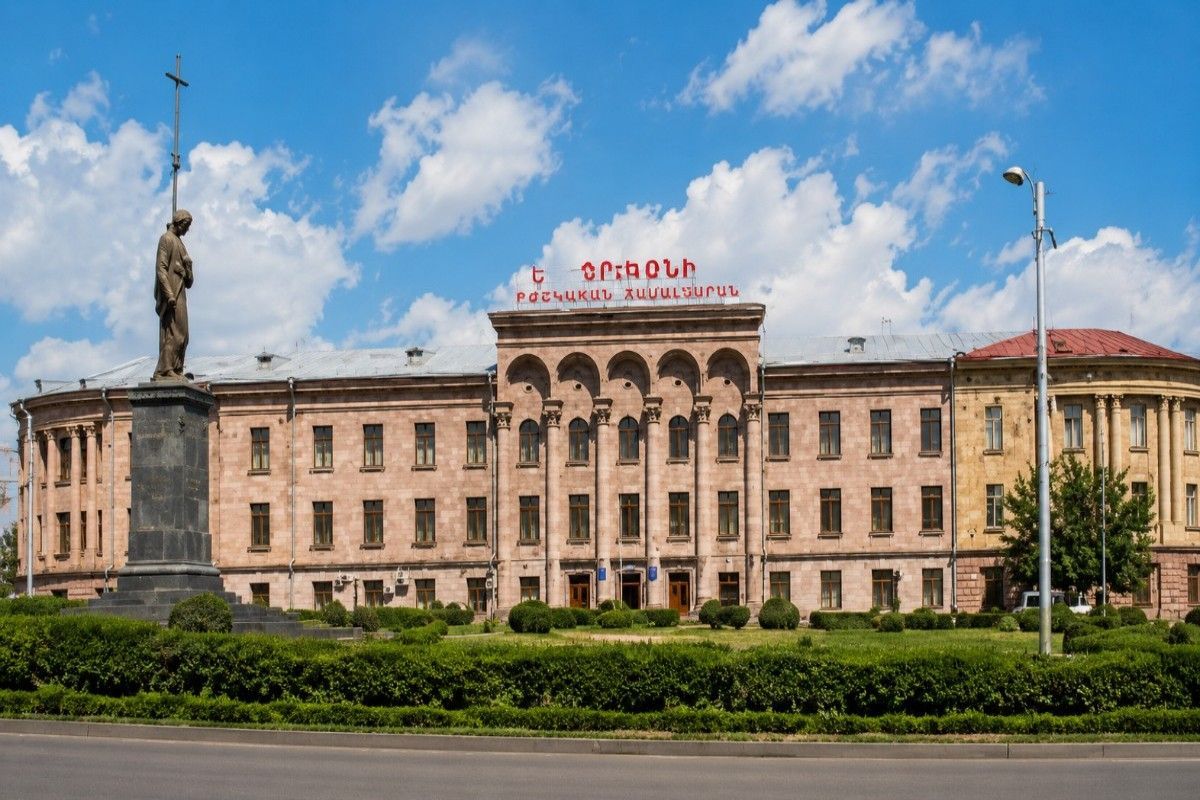
Erebuni's campus sits at 133 Titogradyan Street in Yerevan, Armenia's capital, with student housing located about four kilometres away. Being right in Yerevan means students get city-based hospital access without needing to travel far for clinical placements, and the surrounding neighbourhood gives them the kind of everyday student life you'd expect in a capital city rather than a smaller regional town.
What really sets Erebuni apart is how deliberately it leans on its hospital connection. The academy built high-standard simulation labs with mannequins and teaching materials on campus, but it pairs that with real patient contact through Erebouni Medical Center's high daily patient volume — something a newer academy without an established hospital tie genuinely couldn't offer in the same way.
Let's be straightforward about this. Medicine at Erebuni isn't a Staatsexamen-style degree like you'd find in parts of Europe. It runs as a six-year continuous integrated General Medicine programme, leading to a Doctor of Medicine qualification that's treated as MBBS-equivalent internationally.
English carries the entire MBBS programme for international students, even though the country itself runs on Armenian, and lectures are also delivered in Russian for students who prefer it.
Getting in doesn't involve a university entrance exam. Indian applicants do need a qualifying NEET score though, generally with around 55 percent aggregate in PCB for general category candidates and 45 percent for reserved categories, and there's an age window too — roughly 17.5 to 25 at the time of admission.
On cost, Erebuni sits in the mid-range compared with some of Armenia's other medical schools. Reports put tuition somewhere between USD 3,500 and 5,100 a year depending on the source, which works out to roughly INR 26 to 27 lakh for the whole six-year programme, including hostel and other charges.
Parameter | Details |
Founded | 2019, in Yerevan; mid-level programmes licensed 2019, full MD/MBBS-equivalent licensed 2021 |
Institution Type | Private academy, licensed by Armenia's Ministry of Education and Science |
Location | Yerevan, capital of Armenia |
Programme | Doctor of Medicine (MBBS-equivalent), General Medicine |
Duration | 6 years, taught as a continuous integrated programme |
Medium of Instruction | English (also Armenian and Russian) |
Direct application; no entrance exam; NEET required for Indian applicants | |
Teaching Hospital | Erebouni Medical Center and other affiliated hospitals in Yerevan |
Fee Component | Amount | Notes |
Tuition Fee | Approx. USD 3,500 to 5,100 per year | Figures vary by source, confirm the current rate with the academy |
Total Programme Cost | Approx. INR 26 to 27 lakh | Across the full six-year course, tuition and hostel included |
Hostel Accommodation | Available on or near campus | Double and triple sharing, with self-cooking facilities |
Living Costs | Generally affordable | Lower than most Western European or North American cities |
Registration and Other Charges | Varies | Confirm current one-time and incidental costs directly |
Donation | No Donation | Fees are tuition and hostel-based, not capitation-based |
Most competing pages never really explain this. Erebuni's first licence only covered nursing, midwifery, dental technician training, pharmacy, and cosmetology — the full MD programme came two years later in 2021. That's a genuinely different founding path than a school built around a medical degree from day one.
A lot of guides treat "affiliated hospital" as a vague marketing phrase. At Erebuni, it means Erebouni Medical Center — a facility running since 1991 with eight core clinics and more than 40 specialised departments. That's a genuinely large clinical base for students to train inside, not a small partner clinic.
Let's be honest about a few things. This is still a young academy, so it doesn't carry decades of graduate history the way some older Armenian medical schools do, and tuition here sits somewhat higher than a few of the cheaper options in the country. Indian applicants still need to clear NEET before enrolling, and FMGE or NExT afterward before they can practise back home. So who does this suit? Students after a genuinely well-connected teaching hospital relationship and a more recently modernised facility, who don't mind that the medical degree itself is a newer addition to the academy's overall offerings. If a long-established institutional history matters most to you, this probably isn't the top pick. But for those prioritising strong clinical access and current infrastructure, Erebuni is worth a proper look.
No hidden charges, no donation. The full picture of costs at MBBS in Erebuni Medical Academy Foundation.
Tuition Fee
$4,300–$4,600 ≈ ₹4.12–₹4.40 lakh per year.
USD 3,500–5,100 ≈ ₹3.35–₹4.88 lakh.
Hostel Fee
$500–$800(₹47,000–₹75,000/year).
$500–$800(₹47,000–₹75,000/year)
Food & Meals
$3,000–$5,300 ≈ ₹2.87–₹5.07 lakh
Per Year
Insurance
$100–$200 ≈ ₹9,573–₹19,146
Per Year
Donation
No Donation
No hidden fee
Total Estimated Cost
$46,800–$67,700 ≈ ₹44.8 lakh–₹64.8 lakh
6 year
25–35%
Average FMGE first-attempt pass rates for students from many overseas medical universities. Students from structured programs consistently score higher.
Students returning to India need to clear the FMGE/NExT exam. MBBS in Erebuni Medical Academy Foundation integrates exam-oriented coaching into the regular curriculum so students are prepared from day one.
A structured program that takes you from foundational sciences to clinical mastery.
Anatomy, medical biology, histology/embryology, chemistry/biochemistry, physiology foundations and medical terminology establish the basic sciences. Medical Informatics is introduced in the first semester, alongside humanities, social-science and professional subjects.
Anatomy, Histology, Biochemistry, Medical Biology
Physiology, biochemistry, microbiology/immunology and other biomedical disciplines deepen understanding of normal human structure and function. Students progress from basic sciences toward disease mechanisms and the foundations required for clinical medicine.
Physiology, Microbiology, Pathology, Pharmacology
Pathological anatomy/pathology, pathophysiology and pharmacology introduce mechanisms of disease and principles of treatment. Propaedeutics and introductory clinical disciplines begin the transition from laboratory-based learning to patient-oriented medicine. The Academy's teaching structure includes dedicated anatomy, physiology, pathology, pharmacology, microbiology and preclinical medicine facilities.
Internal Medicine, Surgery, Obstetrics & Gynaecology
Internal medicine, surgery and major clinical specialties become increasingly prominent, with practical teaching and case-based learning. Ophthalmology, pharmacology and other clinical subjects are taught through theoretical and practical classes; the IAAR evaluation observed ophthalmology and pharmacology teaching and reviewed clinical training bases.
Paediatrics, Neurology, Ophthalmology, ENT
Major clinical disciplines include internal medicine and its specialties, surgery and allied fields, pediatrics, obstetrics and gynecology, infectious diseases and other specialist medicine. Students undertake supervised practical education at clinical institutions, including Erebuni Medical Center and other Yerevan medical facilities.
Psychiatry, Dermatology, Radiology, Emergency Medicine
The final year emphasizes advanced clinical practice, integration of diagnostic and therapeutic skills, specialty exposure and preparation for professional medical practice. Students complete practical training and the program's final state certification; the Academy's assessment system includes theoretical examinations, practical assessment and a final qualification examination leading to the Medical Doctor qualification.
Full-time clinical rotations, FMGE/NExT coaching
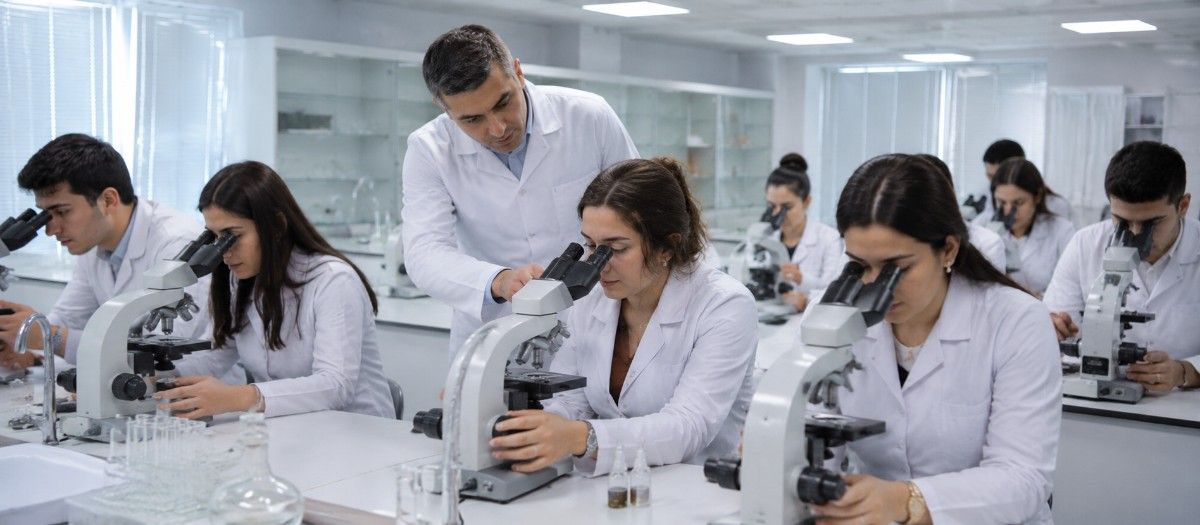

Furnished hostel rooms with Wi-Fi, laundry, 24/7 security, and Indian mess on or near campus.
Indian restaurants and mess facilities serving vegetarian and non-vegetarian home-style food daily.
Strong Indian community with cultural events, festival celebrations, and peer support groups.
Students get hands-on clinical training in government and private hospitals affiliated with the university.
Practical information for students planning to study at MBBS in Erebuni Medical Academy Foundation.
Prepare for all seasons. Thermal wear for winters, light clothing for summers. University provides heating in hostels.
Student visa processed with university invitation letter. Direct and connecting flights from major Indian cities.
Health insurance included in fees. Medical facility on campus plus city hospitals easily accessible.
Local SIM cards available. WhatsApp and video calls keep you connected with family back home.
Average monthly expenses of $150–$250 covering food, transport, and personal needs.
University library, online databases, and study groups. Seniors mentor juniors through academic challenges.
Our team guides you through every step — from application to arriving on campus.
Compare universities on fees, hostel facilities, and accreditation status, not just the lowest tuition figure, and request the current semester-wise curriculum to self-check FMGL 2021 compliance.
Submit the application with Class 10 and 12 mark sheets, passport copy, NEET admit card/scorecard, and passport-size photographs, either directly to the university’s international office or through a registered representative.
The university’s international admissions office verifies the submitted documents.
Most universities issue a provisional admission/invitation letter within 1–3 weeks of a complete application.
Pay the first-year tuition fee (or an initial deposit, depending on the university) to convert the provisional offer into a confirmed seat.
Apply for the Armenian student visa/entry permit at the nearest consulate or through the e-visa system, using the university’s invitation letter.
Book travel and prepare original documents: academic transcripts, medical fitness certificate, passport, and photographs, for physical submission on arrival.
In the final weeks before travel, finalize documents, arrange winter clothing and medical insurance, confirm hostel allotment in writing, and arrange initial currency exchange.
Arrive in Yerevan, complete university registration, and get medical/health screening done as required by the institution.
Apply for temporary residence status at Armenia’s Migration and Citizenship Service within the permitted window, open a local bank account, attend orientation, get the class schedule, and begin building a mess/cooking routine and connections with the Indian student community.
Admission Helpline — Contact our counsellors for step-by-step assistance.
“The faculty here is incredibly supportive. The clinical training during hospital rotations has given me real confidence in patient care.”
“Affordable fees without compromising on quality. The campus facilities and hostel life made my transition abroad very smooth.”
“English medium instruction and WHO-recognized curriculum were the deciding factors for me. No regrets so far — excellent experience overall.”
“The university helped with everything from visa to accommodation. Hospital exposure from year three has been invaluable for my FMGE prep.”
“Just cleared my licensing exam on the first attempt. The structured coaching and mock exams during final year were a game-changer.”
“Safe campus, good food options, and a strong Indian student community. The teaching methodology is very practical and hands-on.”
In 2019, in Yerevan, though its Doctor of Medicine programme only got its own licence in 2021.
Six years, run as a continuous integrated General Medicine programme.
Yes, for international students, though Armenian and Russian are also used.
No separate university test exists, though Indian applicants need a qualifying NEET score.
Roughly INR 26 to 27 lakh in total, tuition and hostel included, across the six years.
A Doctor of Medicine degree, treated as MBBS-equivalent internationally.
Erebouni Medical Center, Armenia's largest medical facility, along with other affiliated Yerevan hospitals.
Not right away — graduates still need to clear the FMGE or NExT exam first.
Private, licensed by Armenia's Ministry of Education and Science.
The academy was first licensed in 2019 for mid-level medical programmes; the full Doctor of Medicine track was added two years later once it received a separate licence.
Our expert counsellors will guide you through the complete admission process — from documents to airport pickup.