
Q1. Why was the University of Udine founded?
+Following the 1976 Friuli earthquake, locals gathered 125,000 signatures petitioning for a university as part of the region's rebuilding, leading to its 1978 founding.
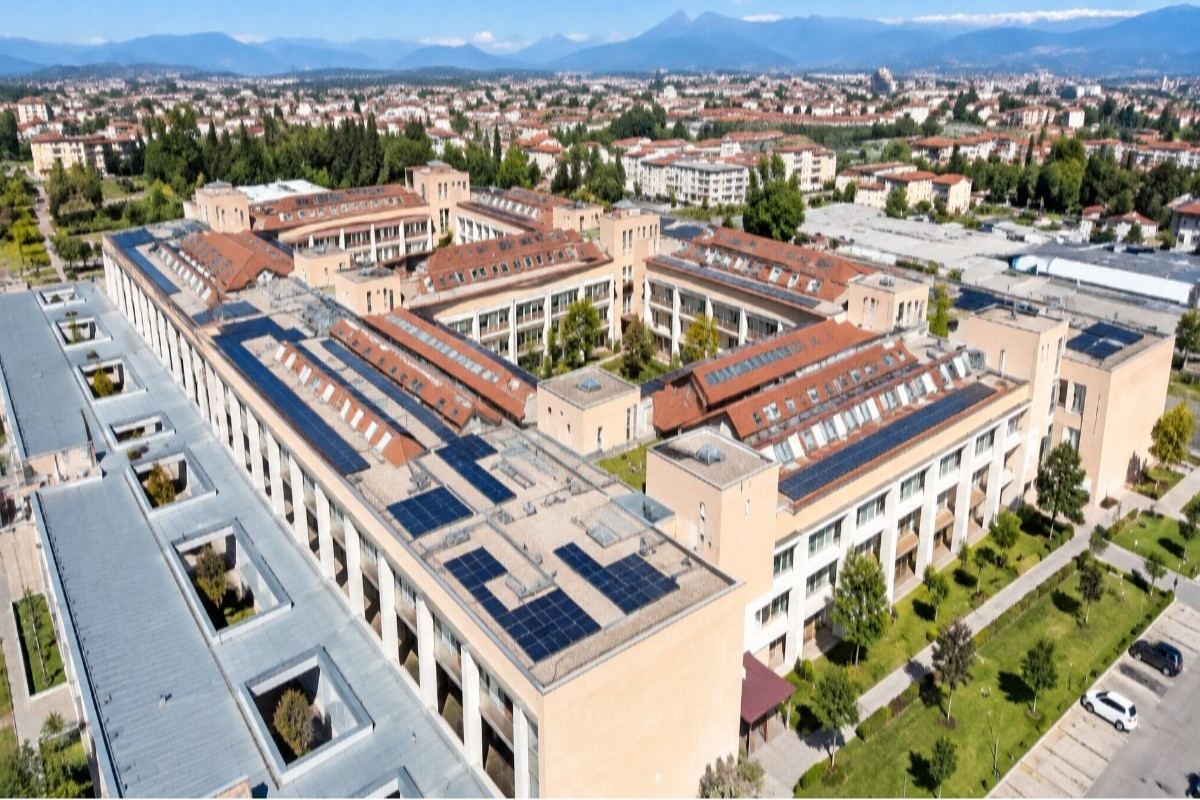
 Italy | Est. 1978
Italy | Recognised under Italy's national MUR framework. A confirmed World Directory of Medical Schools listing could not be verified in this research. | Entirely in Italian; no English-taught track was found for this programme. medium
Expert will call you within 2 hours
The University and What Makes It Different
There's a genuinely unusual origin story here worth telling properly. The University of Udine wasn't handed down by a royal decree or a papal bull the way a lot of older Italian universities were. It exists because ordinary people asked for it. After the devastating 1976 Friuli earthquake, locals collected 125,000 signatures, well past the roughly 50,000 needed, petitioning for a university as part of the region's rebuilding effort. That petition led directly to a 1977 financing law and a 1978 presidential decree, and teaching actually began on 1 November 1978.
Medicine wasn't part of that founding wave, though. The first two faculties were Foreign Languages and Literature and Engineering. Exactly when medicine arrived as its own faculty isn't something that turned up in any official source checked for this page, so that specific date is genuinely an open question rather than something worth guessing at.
Like several other Italian universities, the old "Facoltà" language here is outdated. Since 2017 the medical side of the university has been organised as the Dipartimento di Medicina, or DMED, formed by merging two earlier medical departments. It briefly went by a different name, Dipartimento di Area Medica, until the very end of 2023, when it was renamed to DMED.
The degree itself is Italy's standard Laurea Magistrale a Ciclo Unico in Medicina e Chirurgia, explicitly labelled "abilitante," meaning qualifying, in the university's own course documentation. There's no English-taught or IMAT track here that turned up in any research for this page, so this is a straightforwardly Italian-medium programme.
Udine's Layout and the Story Behind Its Campus
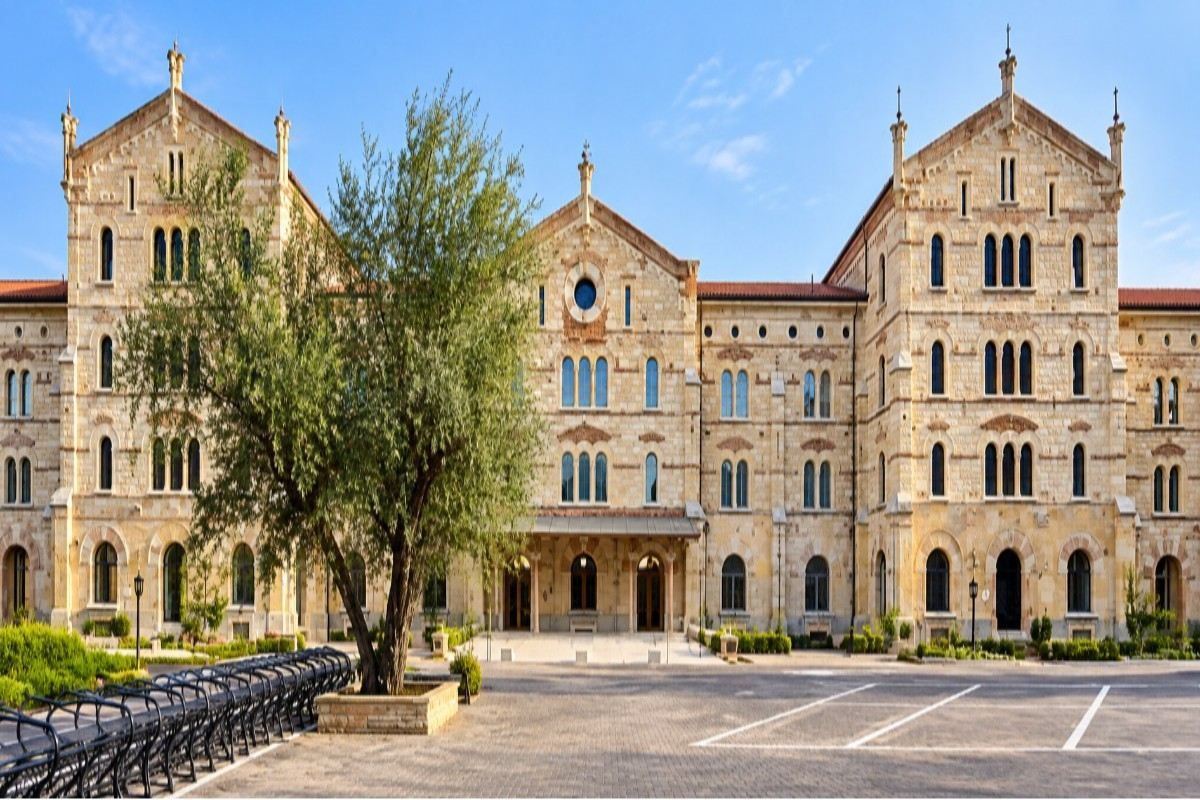
The physical layout is one of the more distinctive things about studying medicine in Udine. Teaching splits across what the university calls the Polo Medico, three separate sites. Sede Kolbe, a former Capuchin friary complete with a deconsecrated church now used as a main lecture hall, handles the first two years. Sede Tullio, built into or right alongside the Santa Maria della Misericordia hospital complex, takes over for the clinical years from three through six. A third site, Age Labs, is dedicated to translational research rather than day-to-day teaching.
That repurposed-friary detail is worth sitting with for a second. It's not every medical school where your first-year lectures happen inside a former religious building. It gives the early years of the programme a genuinely distinctive physical character compared with the more standard purpose-built science campuses you'd find elsewhere on this list.
Udine the city sits in Friuli-Venezia Giulia, in Italy's northeast, and carries some of that same regional character as Trieste and Trento, further from the tourist-heavy centre of the country and with its own distinct food and cultural traditions. It's a smaller, calmer setting than Italy's big southern or central cities.
Rent has been climbing here too, worth knowing before you commit. Third-party figures put a one-bedroom flat in the city centre at around 630 euros a month, a bit less outside the centre, with regional press citing roughly a nine percent year-on-year rent increase and student rooms running near 300 euros. ARDIS, the regional right-to-study body, runs about 600 subsidised beds including a dedicated student house, which is worth applying for early given regional bodies like this tend to fill up fast.
Course Structure, Cost, and Practical Details
Structurally, this is the usual six years and 360 credits. Since Italy's 2020 reform, the degree itself carries qualifying status, and the practical requirement that replaced the old State Exam is a Tirocinio Pratico-Valutativo built into the final stretch of study, not a separate post-graduation internship, worth 15 credits split across medical, surgical, and general-medicine placements.
Admission has been running through the new national semestre filtro system for two years running now, both the 2025/26 and 2026/27 cycles, which puts Udine slightly ahead of some other Italian universities in terms of actual lived experience with the reform. The structure is the familiar one: open enrolment into the first semester, no upfront test, then three common national exams in chemistry and biochemistry, physics, and biology that determine your national ranking for continuing into semester two. A flat 250-euro enrolment fee applies to the semestre filtro itself.
On money, Udine has actually published some genuinely useful, recent figures. The no-tax exemption threshold for the 2025/26 year sits at an ISEE of 30,000 euros, up from 28,000 the year before, and there's a reduced-fee band extending to 35,000 that knocks roughly 280 euros off the standard rate. Support continues, on a sliding basis, up to an ISEE of 60,000 through the regional ARDIS scheme. What isn't confirmed is whether medicine specifically follows these general bands exactly, so treat them as the best available reference point rather than a guaranteed figure for this particular degree.
Between the earthquake-recovery origin story, the repurposed-friary campus, and genuinely current fee data, Udine offers something a little different from the more predictable Italian medical school pitch, worth a proper look if the Friuli-Venezia Giulia region and its particular character appeal to you.
Quick Overview
Parameter | Details |
Founded | University founded 1978, following a grassroots post-earthquake petition; medicine faculty founding year not confirmed |
Institution Type | Public university |
Location | Udine, Friuli-Venezia Giulia, Italy |
Programme | Laurea Magistrale a Ciclo Unico in Medicina e Chirurgia (LM-41), "abilitante" |
Duration | 6 years, 360 credits |
Medium of Instruction | Italian only; no English-taught track found |
Admission Route | Semestre filtro (national reform, running since AY 2025/26) |
Teaching Hospital | Santa Maria della Misericordia, Udine, via ASUFC |
Fee Structure
Fee Component | Amount | Notes |
Tuition Fee (general, ISEE-based) | No-tax exemption up to ISEE EUR 30,000; reduced band to EUR 35,000 | Not confirmed as medicine-specific |
Semestre Filtro Enrolment | Flat EUR 250 | Charged for the filter-semester admission process |
Extended ARDIS Support | Sliding scale up to ISEE EUR 60,000 | Via the regional right-to-study agency |
Living Costs (rent) | Approx. EUR 300 per month (single room); EUR 510 to 630 (1BR flat) | Third-party figures; rents rose roughly 9% year on year |
Total Cost | Best obtained from the university itself | Confirm whether general fee bands apply to medicine specifically |
Why Udine's Medical Programme Deserves a Harder Look Than You've Given It
A Campus Born From a Community Petition
After the 1976 Friuli earthquake, locals collected around 125,000 signatures petitioning for a university as part of the rebuilding, far more than the roughly 50,000 required.
A Medical Campus Inside Repurposed Historic Buildings
The Polo Medico spans three sites: Sede Kolbe, a former Capuchin friary used as a lecture hall, for early years, and Sede Tullio, embedded within the Santa Maria della Misericordia hospital, for clinical years.
Honest Assessment
There's no English-taught track, and the exact year medicine was added isn't publicly confirmed. What's clear is a distinctive civic origin story and a medical campus genuinely woven into the city.
No hidden charges, no donation. The full picture of costs at MBBS in University of Udine Faculty of Medicine and Surgery.
Tuition Fee
EUR 30,000 per year
EUR 30,000 per year
Hostel Fee
€340 – €450 / month
€340 – €450 / month
Food & Meals
€180–€300
per month
Insurance
Approx. €700
per year
Donation
no donation
no hidden fee
Total Estimated Cost
N/A
Contact us
25–35%
Average FMGE first-attempt pass rates for students from many overseas medical universities. Students from structured programs consistently score higher.
Students returning to India need to clear the FMGE/NExT exam. MBBS in University of Udine Faculty of Medicine and Surgery integrates exam-oriented coaching into the regular curriculum so students are prepared from day one.
A structured program that takes you from foundational sciences to clinical mastery.
• The only admission pathway here, run for two consecutive cycles now (2025/26 and 2026/27).
• Open enrolment with no upfront entrance exam, followed by three national common exams in chemistry/biochemistry, physics, and biology.
• Builds toward the transition to hospital-embedded teaching from year three.
• Foundation medical sciences taught at Sede Kolbe, a repurposed former Capuchin friary.
• A 15-credit Tirocinio Pratico-Valutativo runs across the final years, integrated into the degree rather than following it.
• Clinical training at Sede Tullio, built alongside the Santa Maria della Misericordia hospital.
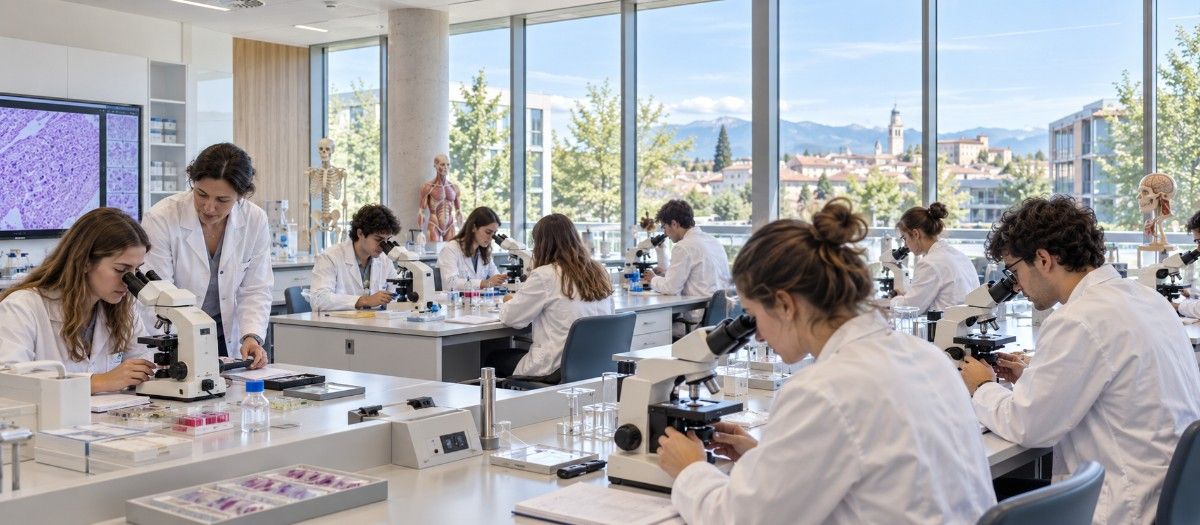
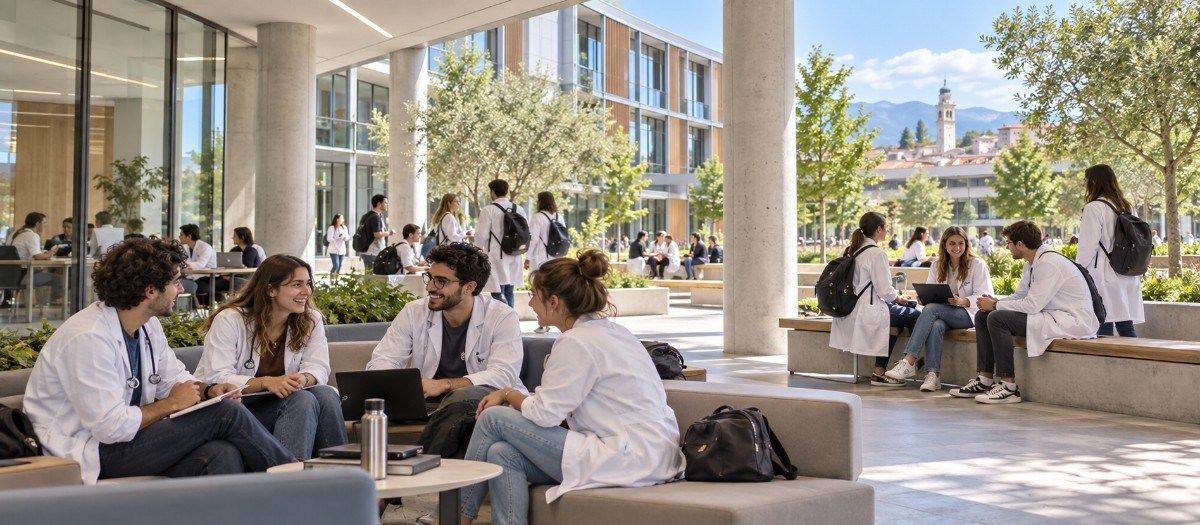
Furnished hostel rooms with Wi-Fi, laundry, 24/7 security, and Indian mess on or near campus.
Indian restaurants and mess facilities serving vegetarian and non-vegetarian home-style food daily.
Strong Indian community with cultural events, festival celebrations, and peer support groups.
Students get hands-on clinical training in government and private hospitals affiliated with the university.
Practical information for students planning to study at MBBS in University of Udine Faculty of Medicine and Surgery.
Prepare for all seasons. Thermal wear for winters, light clothing for summers. University provides heating in hostels.
Student visa processed with university invitation letter. Direct and connecting flights from major Indian cities.
Health insurance included in fees. Medical facility on campus plus city hospitals easily accessible.
Local SIM cards available. WhatsApp and video calls keep you connected with family back home.
Average monthly expenses of $150–$250 covering food, transport, and personal needs.
University library, online databases, and study groups. Seniors mentor juniors through academic challenges.
Our team guides you through every step — from application to arriving on campus.
Our Italy specialist explains the IMAT process, the income-based fee system, Bologna vs Rome vs other universities, and a total cost comparison with Hungary and Poland.
Our team registers you for IMAT (September test) and begins structured coaching. Biology, Chemistry, Physics, Maths, Critical Thinking. Begin preparation at least 6 months before the test.
Full Italian visa and IMAT application document set academic certificates, income documentation if applicable.
IMAT taken at designated test centres. We provide post-test analysis and guidance on university rankings.
Following IMAT ranking, the Italian university issues an admission confirmation. Our team can help with this process.
Full documentation submitted to the Italian Embassy or Consulate. Begin immediately after receiving the admission letter.
Our team advises qualifying families on the income-based fee reduction process.
Bologna /Rome orientation, accommodation, portico culture, Italian transport, Trenitalia app, banking, SIM card.
Our local team in Bologna (BLQ) or Rome (FCO) meets you and manages the first-week settlement.
We manage the Permesso application at the local Post Office within 8 days of arrival with our support, which is renewed annually.
Admission Helpline — Contact our counsellors for step-by-step assistance.
“The faculty here is incredibly supportive. The clinical training during hospital rotations has given me real confidence in patient care.”
“Affordable fees without compromising on quality. The campus facilities and hostel life made my transition abroad very smooth.”
“English medium instruction and WHO-recognized curriculum were the deciding factors for me. No regrets so far — excellent experience overall.”
“The university helped with everything from visa to accommodation. Hospital exposure from year three has been invaluable for my FMGE prep.”
“Just cleared my licensing exam on the first attempt. The structured coaching and mock exams during final year were a game-changer.”
“Safe campus, good food options, and a strong Indian student community. The teaching methodology is very practical and hands-on.”
Following the 1976 Friuli earthquake, locals gathered 125,000 signatures petitioning for a university as part of the region's rebuilding, leading to its 1978 founding.
Not confirmed. Medicine wasn't among the university's founding 1978 faculties, and no source located gives a specific year for its addition.
No. No English-taught track for medicine was found in research for this page.
Through the national semestre filtro system, which Udine has now run across two consecutive academic years, 2025/26 and 2026/27.
Pre-clinical teaching happens at a former Capuchin friary, while clinical years are taught alongside the city's main hospital.
The no-tax exemption threshold is an ISEE of EUR 30,000 for the current year, though it isn't confirmed whether medicine follows this general band exactly.
At Santa Maria della Misericordia hospital, via the Azienda Sanitaria Universitaria Friuli Centrale.
No, not automatically. India's standard foreign-degree licensing route, including NExT, would still apply.
Public, operating under Italy's national higher education framework.
Yes, ARDIS, the regional right-to-study agency, offers around 600 subsidised beds, worth applying for early.

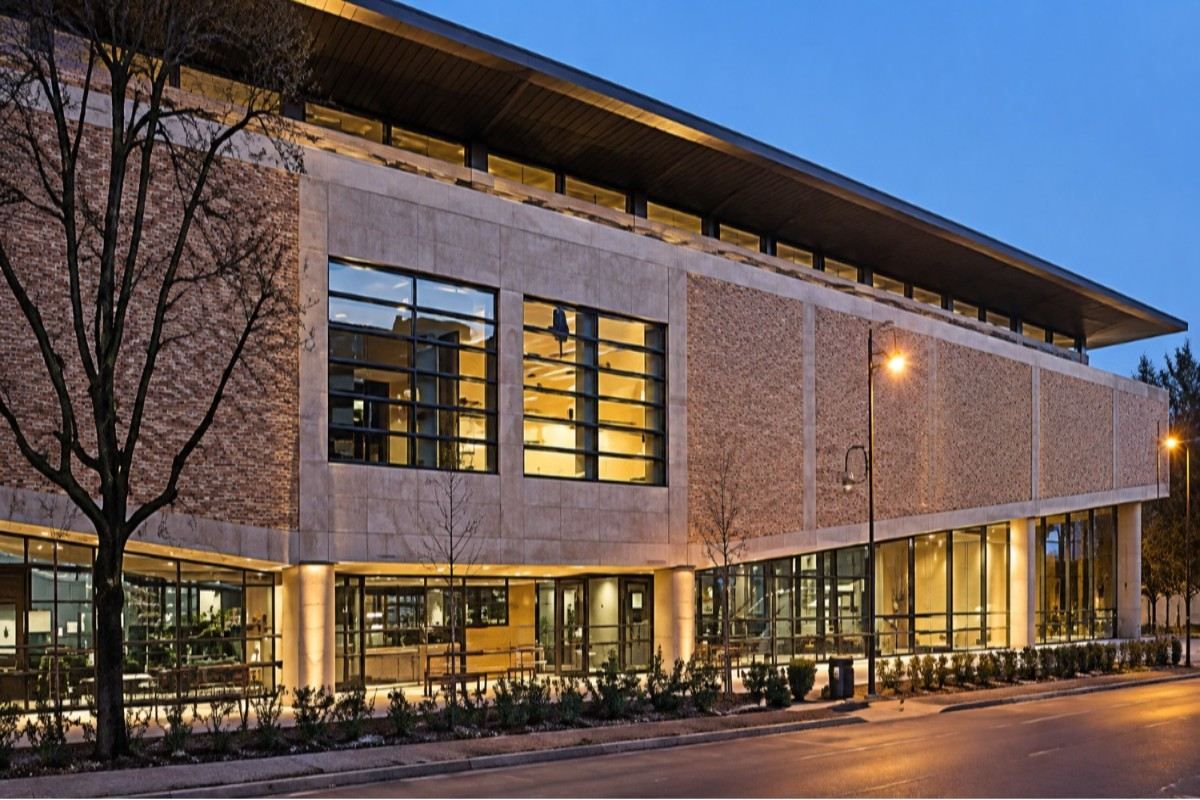
Our expert counsellors will guide you through the complete admission process — from documents to airport pickup.