
1. What makes Federico II Medical School distinctive?
+Its extraordinary history as one of the world's oldest state-founded universities, combined with a large teaching hospital and very low, income-banded tuition.
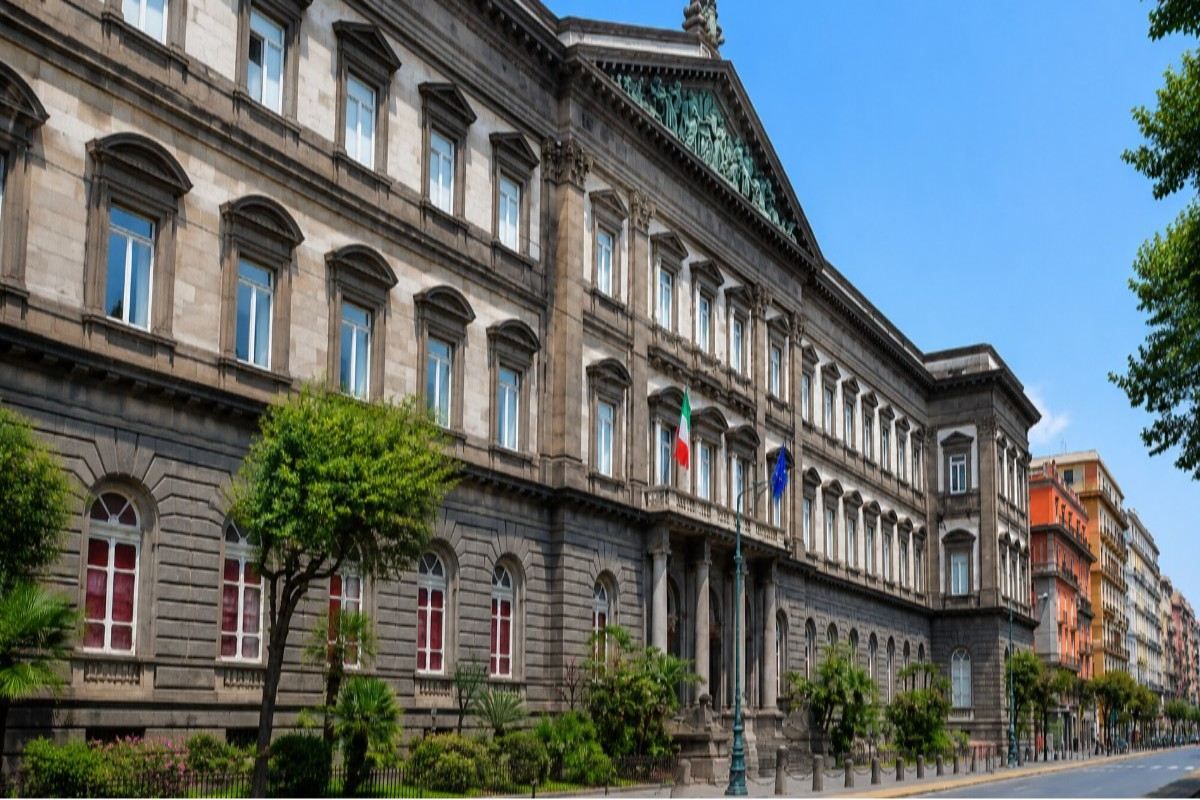
 Italy | Est. 1224
Italy | Italian Ministry of University and Research (MUR); listed in the World Directory of Medical Schools (WDOMS) | English (international track, since 2015); Italian (domestic track) medium
Expert will call you within 2 hours
The University of Naples Federico II was founded in 1224 by Holy Roman Emperor Frederick II, making it one of the oldest universities in the world and the oldest state-funded, non-religious university anywhere, established specifically to train administrators and professionals for the Kingdom of Sicily rather than as a Church-run institution. That founding purpose gave it an unusually practical, state-oriented character from the very beginning, and medicine grew into one of its central faculties over the following centuries.
Medical teaching at Federico II is anchored around the Azienda Ospedaliera Universitaria (AOU) Federico II, also known locally as the Policlinico di Napoli, a large university hospital that functions as both a major regional referral centre and the school's principal clinical training site. The hospital has a strong reputation in surgical innovation and emergency medicine, and mandatory student clerkships there begin from the fourth semester of the course.
The Corso di Laurea Magistrale a Ciclo Unico in Medicine and Surgery is a six-year, single-cycle degree carrying 360 ECTS credits, and Federico II has offered it entirely in English since 2015, in addition to its long-running Italian-medium course. The English-taught programme follows the same core scientific and clinical curriculum as the Italian track, with the difference being the language of instruction, assessment and course materials throughout.
Admission to the English-taught track is decided through the IMAT, the standardised English-language admissions test used by Italian public universities offering international medicine programmes. The exam is sat in a single sitting each September and covers logical reasoning, general knowledge, biology, chemistry, physics and mathematics, and Federico II allocates its non-EU seats by IMAT rank once the ministry publishes the year's quota, without a separate interview stage.
Tuition fees follow Italy's income-banded model and are notably affordable. As a public university, Federico II calculates fees using the ISEE income assessment for students with Italian financial documentation, and non-EU students are generally assessed on a similar basis, typically paying only the compulsory regional tax and stamp duty at the lowest bands, up to a maximum of roughly €2,500 to €3,500 per year at the top of the scale, figures that rarely climb into four figures for most applicants.
Naples is considerably cheaper to live in than Italy's northern cities. Rent for a shared room typically runs from about €200 to €450 per month depending on location and room type, with cheaper university-run residences available in limited numbers for students who qualify on income or merit grounds, and overall living costs tend to run 30 to 50 percent lower than in Milan, which meaningfully reduces the total cost of a six-year degree.
The city itself is one of Italy's oldest and most historically layered, sitting on the Bay of Naples with Mount Vesuvius visible across the water, and home to a rich culinary tradition, a UNESCO-listed historic centre, and easy access to Pompeii, the Amalfi Coast and other major cultural sites. It has a very different pace and character from Italy's northern business hubs, with a large, close-knit local population and a growing international student community around its universities.
Indian students weighing Federico II against other Italian options need to plan for the return journey to India just as carefully as they plan the degree itself. NEET remains necessary for eventual registration with the National Medical Commission, even though it is not used in Federico II's own IMAT-based admissions process. Graduates hoping to practise in India afterward must also clear NExT, the exam that has replaced the older FMGE screening test for foreign medical graduates.
English is the language of instruction on the international track, but hospital wards, patient interactions and daily administrative processes in Naples run in Italian, so most international students build working Italian language skills over their early years, both informally and through university-run language support, since it becomes genuinely important once clinical placements intensify from the middle years of the course onward.
The medical school and its degree are listed in the World Directory of Medical Schools, and the programme is accredited by the Italian Ministry of University and Research, meaning the degree is automatically recognised across the European Union under EU mutual recognition rules and independently verifiable by regulatory bodies worldwide, on the same footing as other Italian public medical schools running IMAT-based English programmes.
In summary, Federico II combines one of the longest unbroken academic histories of any university in the world with a large, clinically active teaching hospital and genuinely low tuition costs, all set in one of Italy's most historically rich and comparatively affordable major cities. The trade-offs are an Italian-speaking clinical environment once placements begin and the additional NExT step after graduation for any student planning to return to India to practise.
No hidden charges, no donation. The full picture of costs at MBBS in University of Naples Federico II School of Medicine and Surgery.
Tuition Fee
EUR 156-3,500 per year
EUR 156-3,500 per year
Hostel Fee
EUR 200-450 per month
EUR 200-450 per month
Food & Meals
EUR 600-900
per month
Insurance
EUR 700
per year
Donation
no donation fee
no hidden fee
Total Estimated Cost
EUR 55,000-80,000
6-year programme
25–35%
Average FMGE first-attempt pass rates for students from many overseas medical universities. Students from structured programs consistently score higher.
Students returning to India need to clear the FMGE/NExT exam. MBBS in University of Naples Federico II School of Medicine and Surgery integrates exam-oriented coaching into the regular curriculum so students are prepared from day one.
A structured program that takes you from foundational sciences to clinical mastery.
Foundational coursework in biophysics, medical statistics and general and organic chemistry. Introduction to problem-based learning methods used throughout the remaining years of the course.
• Human anatomy, histology, embryology, biochemistry, physiology and medical biology, alongside early professionalism and communication skills training
Training in semeiotics and clinical examination technique ahead of more intensive clinical years. Continued integration of laboratory science with structured teaching in preparation for ward-based learning.
General and systemic pathology, microbiology, immunology and pharmacology, alongside preparatory training ahead of hospital clerkships
Case-based and laboratory learning combined with structured hospital rotations across core departments Development of clinical reasoning through supervised history-taking and physical examination of patients
Internal medicine, general surgery and related surgical specialties, with mandatory clerkships beginning at the AOU Federico II from this semester onward
Rotations through further specialties including paediatrics, obstetrics and gynaecology, psychiatry, neurology and public health.. Exposure to Federico II's strengths in surgical innovation and emergency medicine through specialty rotations
Growing clinical responsibility under supervision, alongside continued case discussions and theoretical coursework
Final examinations and completion of the Laurea thesis, a supervised research or clinical project. Completion of Italy's Esame di Stato (state licensing examination) required to practise medicine after graduation
Extended clinical internship (tirocinio pratico valutativo) across major departments at the Policlinico di Napoli and affiliated hospitals
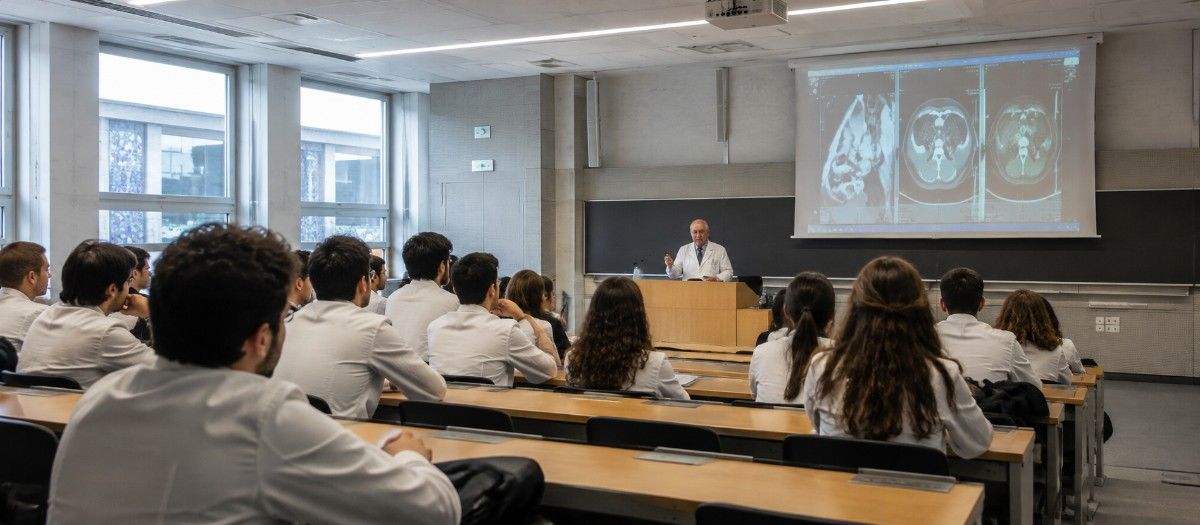
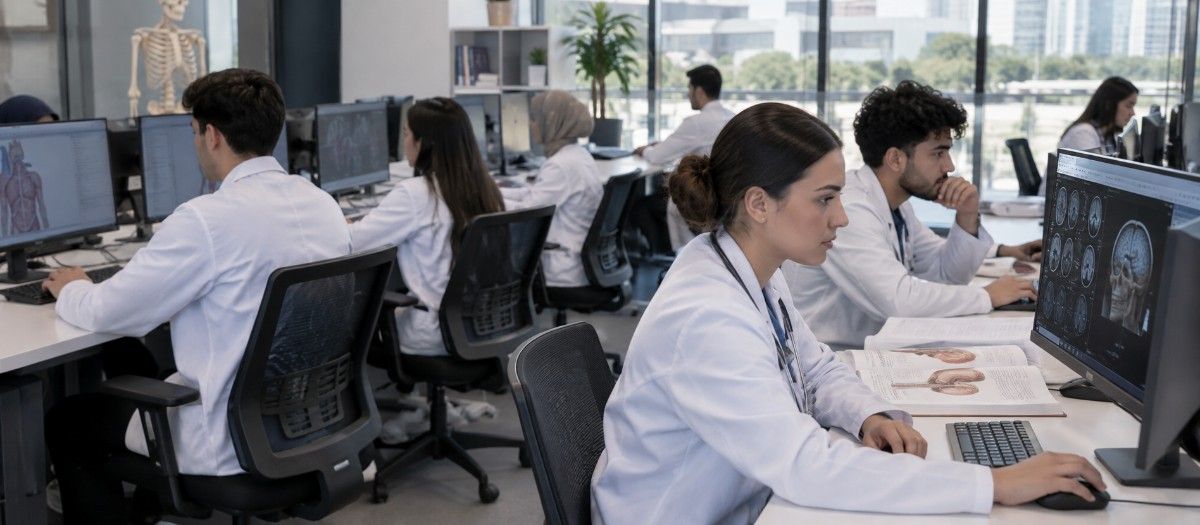
Furnished hostel rooms with Wi-Fi, laundry, 24/7 security, and Indian mess on or near campus.
Indian restaurants and mess facilities serving vegetarian and non-vegetarian home-style food daily.
Strong Indian community with cultural events, festival celebrations, and peer support groups.
Students get hands-on clinical training in government and private hospitals affiliated with the university.
Practical information for students planning to study at MBBS in University of Naples Federico II School of Medicine and Surgery.
Prepare for all seasons. Thermal wear for winters, light clothing for summers. University provides heating in hostels.
Student visa processed with university invitation letter. Direct and connecting flights from major Indian cities.
Health insurance included in fees. Medical facility on campus plus city hospitals easily accessible.
Local SIM cards available. WhatsApp and video calls keep you connected with family back home.
Average monthly expenses of $150–$250 covering food, transport, and personal needs.
University library, online databases, and study groups. Seniors mentor juniors through academic challenges.
Our team guides you through every step — from application to arriving on campus.
Our Italy specialist explains the IMAT process, the income-based fee system, Bologna vs Rome vs other universities, and a total cost comparison with Hungary and Poland.
Our team registers you for IMAT (September test) and begins structured coaching. Biology, Chemistry, Physics, Maths, Critical Thinking. Begin preparation at least 6 months before the test.
Full Italian visa and IMAT application document set academic certificates, income documentation if applicable.
IMAT taken at designated test centres. We provide post-test analysis and guidance on university rankings.
Following IMAT ranking, the Italian university issues an admission confirmation. Our team can help with this process.
Full documentation submitted to the Italian Embassy or Consulate. Begin immediately after receiving the admission letter.
Our team advises qualifying families on the income-based fee reduction process.
Bologna /Rome orientation, accommodation, portico culture, Italian transport, Trenitalia app, banking, SIM card.
Our local team in Bologna (BLQ) or Rome (FCO) meets you and manages the first-week settlement.
We manage the Permesso application at the local Post Office within 8 days of arrival with our support, which is renewed annually.
Admission Helpline — Contact our counsellors for step-by-step assistance.
“The faculty here is incredibly supportive. The clinical training during hospital rotations has given me real confidence in patient care.”
“Affordable fees without compromising on quality. The campus facilities and hostel life made my transition abroad very smooth.”
“English medium instruction and WHO-recognized curriculum were the deciding factors for me. No regrets so far — excellent experience overall.”
“The university helped with everything from visa to accommodation. Hospital exposure from year three has been invaluable for my FMGE prep.”
“Just cleared my licensing exam on the first attempt. The structured coaching and mock exams during final year were a game-changer.”
“Safe campus, good food options, and a strong Indian student community. The teaching methodology is very practical and hands-on.”
Its extraordinary history as one of the world's oldest state-founded universities, combined with a large teaching hospital and very low, income-banded tuition.
Yes, since 2015, and no separate IELTS or TOEFL certificate is required for admission to the English-medium track.
Yes. All non-EU applicants must sit the IMAT, and seats are allocated purely by IMAT ranking, with no separate interview.
Yes, provided they meet the PCB subject requirements and register for the IMAT; NEET is not used for Federico II's own admission but is required later for NMC registration.
Yes, for future NMC registration in India, although Federico II's own admissions process is based solely on the IMAT score.
FMGE has been replaced by NExT; graduates returning to India must clear NExT and meet NMC Foreign Medical Graduate requirements.
Tuition alone typically comes to well under EUR 15,000 over six years for most income bands, before accommodation and living costs, which are notably lower than in northern Italy.
Yes, graduates must pass Italy's Esame di Stato to practise in Italy, and separately NExT if planning to practise in India.
Mandatory clerkships begin from the fourth semester at the AOU Federico II, with full hospital-based rotations continuing through Year 6.
Yes, Naples is considerably cheaper than Milan or Rome, with living costs often 30 to 50 percent lower than in northern Italian cities.

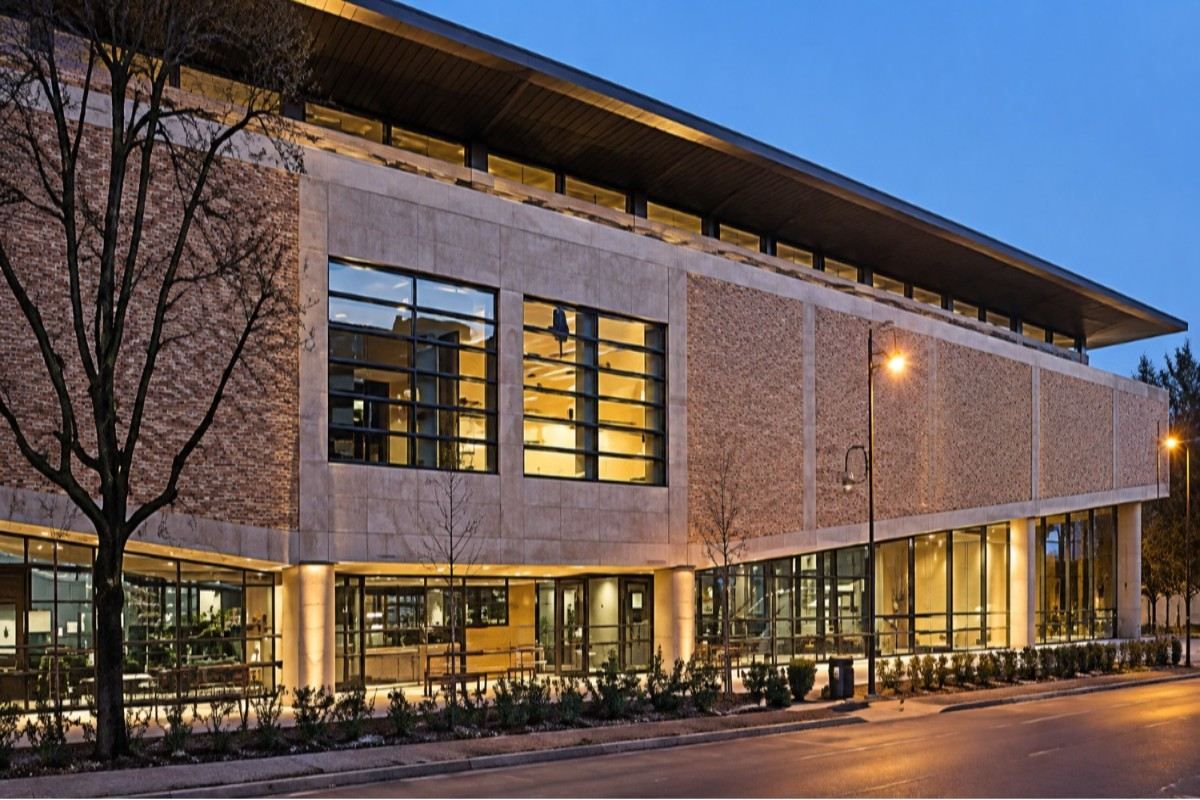
Our expert counsellors will guide you through the complete admission process — from documents to airport pickup.