
Q1 Is this the only medical school in southeastern Bulgaria?
+Yes. The Faculty of Medicine at Prof. Dr. Assen Zlatarov University is described as the only medical faculty anywhere in southeastern Bulgaria.
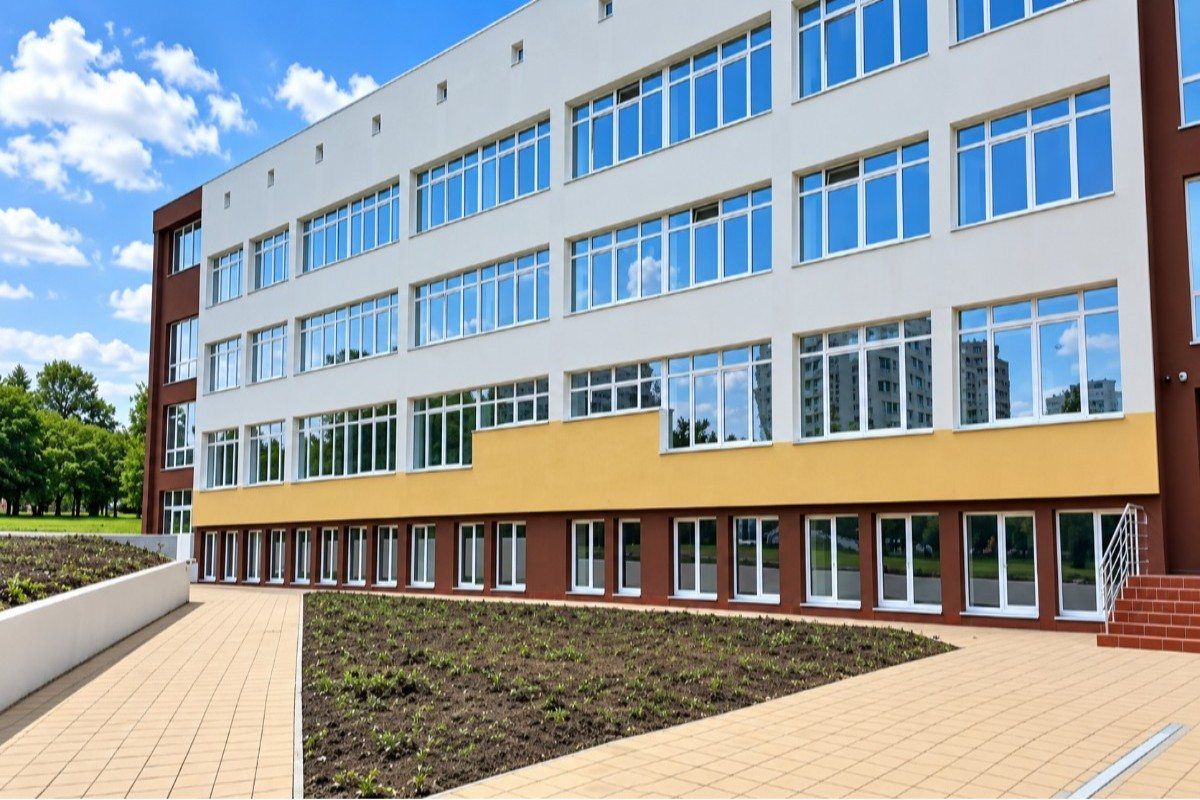
 Bulgaria | Est. 2019
Bulgaria | Institutionally accredited by Bulgaria's National Evaluation and Accreditation Agency (NEAA); recognised across the European Union | English (for international students); exact start date of the English-medium track varies across sources (2019 vs. 2023) medium
Expert will call you within 2 hours
Burgas is a port city in Bulgaria that is on the Black Sea. This beach city is well-known for its mild weather and steady flow of summer visitors. It is the only medical school in this part of southeastern Bulgaria, and it is part of Prof. Dr. Assen Zlatarov University. You can live in a place on the coast instead of one of Bulgaria's bigger university cities in the middle of the country, like Sofia or Plovdiv, and still go to this school.
There are real, long-standing roots at the university as a whole, but the medical school is fairly new. It began on October 6, 1963, as an institute for chemical technology, in line with Burgas's history as a place where things were made and improved. In 1995, when Bulgaria's National Assembly gave its official yes, it turned into a real university. The natural sciences, the social sciences, and the technical sciences are now its three main departments. It also has a technical college, a college for tourism, and its own Medical College, which trains nurses and other health workers.
When you really think about it, the Faculty of Medicine is pretty new. The school of medicine is one of the newest in Bulgaria; it opened in 2019. There are a few slightly different times for when the English-taught track first began. Some sources say that teachers who teach in English have been there since the school opened in 2019, while others say that the English program started in 2023. So, people who want to apply should ask the university directly when teaching in English began and how many full groups have finished the program so far. This knowledge changes how much of a real track record there is for the degree that is taught in English.
It takes six years to get a Master's in medicine. For kids from other countries, the school only speaks English. There are ten classes in the program, and at the end, students must do an internship before they can graduate. This makes sure that the students have a form that is the same at all medical schools in Bulgaria and Europe. Once you finish college, there is no way to become a doctor because there isn't one in Bulgaria. Up to the second year, students can transfer from other medical schools. However, if they came in with a different course load, they may need to take extra classes to catch up with the current course sequence.
In line with how most medical schools in Europe work, the course is set up in stages. It is in the early years that core sciences like anatomy, physiology, biochemistry, and histology are taught. In the later years, students learn more about general medicine, pathology, pharmacology, microbiology, and areas that are used in the real world. They do full clinical rotations in all major specialties before they have to do an internship. This has changed in the last few years.
There are things on the Burgas site that make it look like a brand-new building. There are six classroom rooms that make up the medical school. Along with that, there is a Central Research Laboratory and an Electronic Computing Center. Students can use up-to-date labs and simulation centers to practice their clinical skills in real life. This gives them a modern place to train that was made with modern ways of teaching in mind instead of using equipment that is decades old. The university runs three student canteens, three student hostels, and sports facilities as a whole. Every student who doesn't already live in Burgas will have a place to stay in one of the dorms.
To get in, you need to fill out an official application and pass a test. Those who want to apply must have an official high school diploma and biology and chemistry grades that have been changed to the Bulgarian system of grades in line with national education rules. If English is not your first language, you must be able to say and understand English at least at the B1 level. At the filing stage, it costs 150 euros to handle the paperwork. This is on top of the school fee. Students-to-be should check with the university directly to make sure they understand how the current entrance test is set up, as information from outside sources on this subject varies.
Many people have different ideas about how much this school costs, which is something you should be aware of. Most sources say that the annual cost of the Medicine program taught in English is between 10,000 and 10,000 euros. For all of Bulgaria's medical schools, the average fee range is between 7,500 and 10,500 euros. This is on the higher end of that range. One small but real difference has been reported in the numbers given. To be sure of the exact amount before making any financial plans, it is best to ask the university for a direct, up-to-date, written fee schedule.
Being aware that the degree is based on strong European grounds. The school says that the MD degree is valid all over the European Union. These rules help college graduates who want to work as doctors in many countries after they finish school. The university also works with research universities and universities in many other countries, including the UK, France, Germany, Romania, Turkey, Spain, Italy, Hungary, Serbia, Poland, Slovenia, and Slovakia. Staff and students can share academic materials, do research together, and talk about their ideas through these deals.
Burgas has a lot to offer outside of school hours. The airport is only eleven kilometers from the city center, making it easy for students to get to other places. The city is right on the Black Sea. Most of the time, it costs less to live here than in Sofia or Plovdiv, two larger places in the middle of Bulgaria. During the summer, the city is always full of people from all over the world. It has a really lively, international feel, and there are lots of festivals and outdoor events to enjoy.
There is only one place in Bulgaria where students can get a medical degree in English. It is in a brand-new, purpose-built building in a quiet coastal city instead of one of Bulgaria's busier cities in the middle of the country. Since both the medical faculty and the English-taught track are pretty new, people who want to enrolll should carefully look into the current fees, the program's history, and its status as a recognized school before they do so. They shouldn't just believe the general marketing claims they see on websites that offer education consulting.
No hidden charges, no donation. The full picture of costs at MBBS in Prof. Dr. Assen Zlatarov University Faculty of Medicine.
Tuition Fee
Reported as either €10,000 or €10,500 per year across different sources (~USD 11,000-11,550; ~INR 9.2-9.66 lakh) confirm the exact current f
11,000-11,550 USD per year
Hostel Fee
1,980-2,640 USD per year
1,980-2,640 USD per year
Food & Meals
3,300-3,960 USD
per year
Insurance
Contact Us
/year
Donation
no donation
no hidden fee
Total Estimated Cost
~97,680-108,900 USD
6 year
25–35%
Average FMGE first-attempt pass rates for students from many overseas medical universities. Students from structured programs consistently score higher.
Students returning to India need to clear the FMGE/NExT exam. MBBS in Prof. Dr. Assen Zlatarov University Faculty of Medicine integrates exam-oriented coaching into the regular curriculum so students are prepared from day one.
A structured program that takes you from foundational sciences to clinical mastery.
Builds the foundation of medical education through core subjects covering human structure, body functions, biochemical processes, and microscopic anatomy.
Anatomy, Physiology, Biochemistry, Histology
Strengthens foundational medical knowledge and prepares students for applied and disease-oriented medical subjects.
Anatomy, Physiology, Biochemistry, Histology
Introduces disease mechanisms, medicines, microorganisms, and their clinical relevance in diagnosis and treatment.
Pathology, Pharmacology, Microbiology
Focuses on applied medical learning with increasing exposure to clinical diagnosis, patient assessment, and major medical specialties.
General Medicine and Clinical Subjects
Other Specialties Students undertake clinical rotations across major specialties at affiliated clinical training sites and develop practical patient-care skills.
Medicine, Surgery, Pediatrics, Obstetrics
The final stage includes supervised practical training and the required pre-graduate internship, completing the six-year medical program.
Pre Graduate Internship Clinical Rotations and Internship
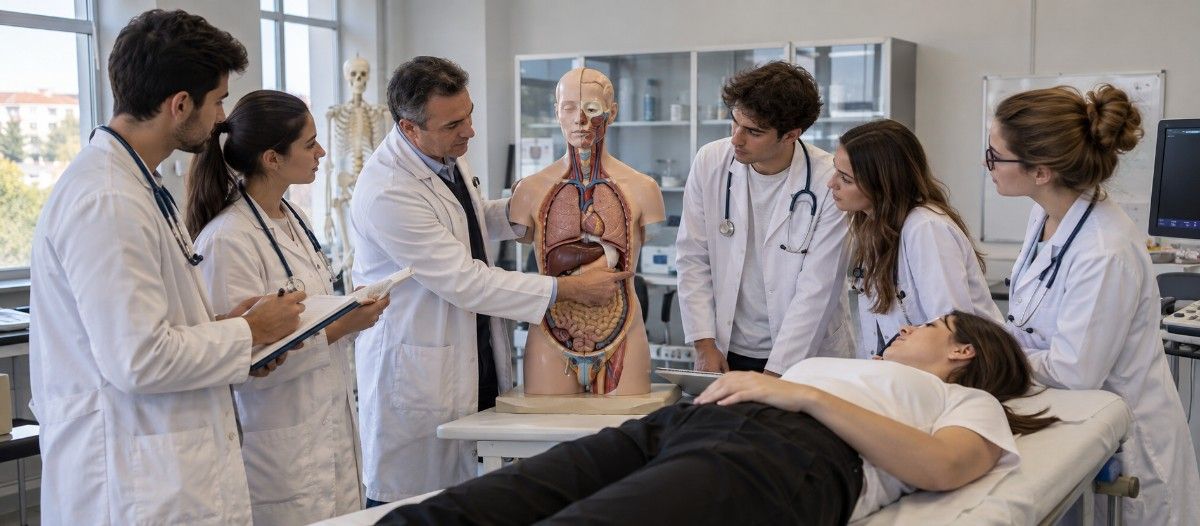

Furnished hostel rooms with Wi-Fi, laundry, 24/7 security, and Indian mess on or near campus.
Indian restaurants and mess facilities serving vegetarian and non-vegetarian home-style food daily.
Strong Indian community with cultural events, festival celebrations, and peer support groups.
Students get hands-on clinical training in government and private hospitals affiliated with the university.
Practical information for students planning to study at MBBS in Prof. Dr. Assen Zlatarov University Faculty of Medicine.
Prepare for all seasons. Thermal wear for winters, light clothing for summers. University provides heating in hostels.
Student visa processed with university invitation letter. Direct and connecting flights from major Indian cities.
Health insurance included in fees. Medical facility on campus plus city hospitals easily accessible.
Local SIM cards available. WhatsApp and video calls keep you connected with family back home.
Average monthly expenses of $150–$250 covering food, transport, and personal needs.
University library, online databases, and study groups. Seniors mentor juniors through academic challenges.
Our team guides you through every step — from application to arriving on campus.
Compare universities based on fees, location, and entrance exam format, using the university-wise fee and profile tables earlier in this guide.
Confirm your qualifying NEET score, PCB percentage, and age meet the eligibility criteria detailed above.
Gather certificates, passport, photographs, and a medical certificate as per the Documents Checklist.
Complete apostille or embassy attestation on academic documents where required.
Submit your application to your chosen university, directly or via a registered representative.
Format depends on the university, typically Biology and Chemistry, occasionally with an interview.
Universities release ranking or selection outcomes after processing entrance-exam results.
This letter is required for both the visa application and your financial planning.
Confirm your seat by paying the first-year tuition fee as invoiced by the university.
Apply at the Bulgarian embassy/consulate in India, with a realistic processing time of 4–8 weeks.
Admission Helpline — Contact our counsellors for step-by-step assistance.
“The faculty here is incredibly supportive. The clinical training during hospital rotations has given me real confidence in patient care.”
“Affordable fees without compromising on quality. The campus facilities and hostel life made my transition abroad very smooth.”
“English medium instruction and WHO-recognized curriculum were the deciding factors for me. No regrets so far — excellent experience overall.”
“The university helped with everything from visa to accommodation. Hospital exposure from year three has been invaluable for my FMGE prep.”
“Just cleared my licensing exam on the first attempt. The structured coaching and mock exams during final year were a game-changer.”
“Safe campus, good food options, and a strong Indian student community. The teaching methodology is very practical and hands-on.”
Yes. The Faculty of Medicine at Prof. Dr. Assen Zlatarov University is described as the only medical faculty anywhere in southeastern Bulgaria.
6 years, made up of 10 academic semesters, followed by a required pre-graduate internship.
Yes. The Faculty of Medicine offers a full Master's Degree in Medicine taught in English for international students; the exact year this English track began varies slightly across sources (2019 or 2023), so confirm directly with the university.
Reported figures vary between €10,000 and €10,500 per year across different sources. Confirm the exact current rate directly with the university before making financial plans.
Yes, in line with standard National Medical Commission rules for studying medicine abroad.
No. Graduate-entry medicine does not exist within the Bulgarian system. Transfers from other medical universities are accepted, generally up to the second year.
The university describes its MD degree as recognised across the European Union. Indian graduates must still clear FMGE or NExT under NMC rules to practise in India, and graduates aiming for other countries should confirm that country's own specific licensing requirements.
Six academic buildings, a Central Research Laboratory, an Electronic Computing Centre, updated labs, and simulation centres for hands-on clinical skills training.
Burgas is a Black Sea coastal city with a relaxed pace, lower living costs than Sofia or Plovdiv, an airport just 11 km from the city centre, and a lively, tourist-driven atmosphere with festivals and outdoor events throughout summer.
Because available sources report two different years, 2019 and 2023, for when English-medium teaching began at this faculty. Given the school's overall short history, this detail affects how many full cohorts have actually completed the English-taught program, so it's worth confirming directly with the university before applying.
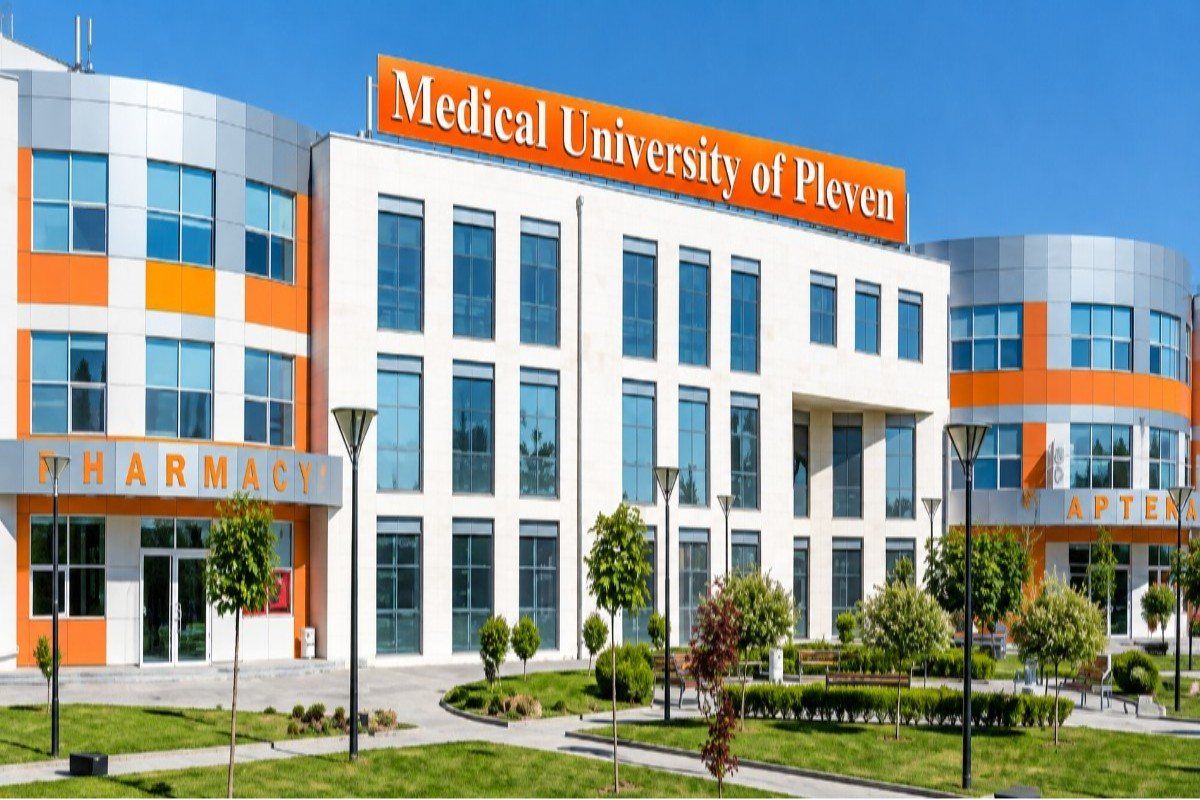
Our expert counsellors will guide you through the complete admission process — from documents to airport pickup.