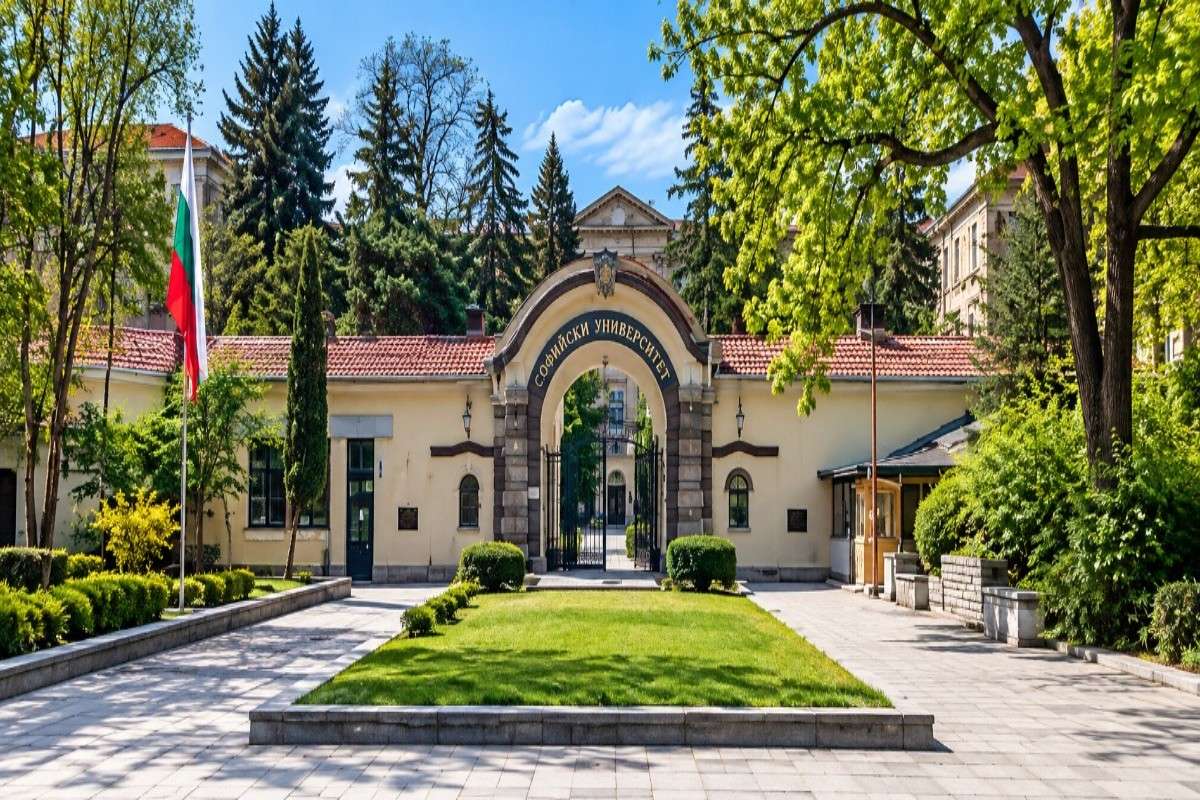
Sofia University "St. Kliment Ohridski" is the oldest and best university in Bulgaria, which most people know. The building is also the oldest in Bulgaria. Bulgaria let everyone in in 1888, not long after it became its own country. The school is named after a scholar from the Middle Ages named Saint Kliment of Ohrid. He did a lot to help Slavic writing and knowledge spread in the area. This school is thought to be the best in Bulgaria right now for general study. You can learn a lot of different things there, from law and history to physics, biology, and the natural sciences in general.
The history of this university shows that science has played a big role. Since the beginning of the 20th century, the Sofia University Faculty of Medicine's main goal has been to teach medicine as part of the university's overall purpose. The medical school part of the main university split off from the main university in 1950. This is what led to the Medicine University of Sofia being built. This school was a separate building that only taught pharmacy, medicine, and dentistry. This split is important to understand if you want to learn more about Bulgarian medical education today. It helps to show that some older records, alumni networks, and history references of "Sofia University medicine" actually come from the same place. This is because, since the middle of the 20th century, medical education in Sofia, the capital city of Bulgaria, has been provided by two different but linked institutions.
Despite the break, Sofia University continued to teach and do research in the area of health. Biology, biochemistry, and other important life sciences are taught well at the university. There is a direct link between these programs and the medical and health-related research that is done in all of the school's science departments. There are some students at Sofia University who are more interested in the biological and science side of medicine than in the clinical, hands-on side. Most of the time, these students feel at home in one of the bigger science departments at school. Students in these departments can work with teachers who are experts in fields that are directly related to health and illness.
It's important to know how big the bigger university really is because it has a lot of academic weight. For many years, most of the top world rankings have named it the best university in Bulgaria. In Bulgaria, it is also the institution that does the most study in both the arts and the sciences. Any student with links to the university can access a very well-equipped academic community, strong library systems, and a history of serious scholarship that goes back more than one hundred years. This is true whether they are there for medical training or closely related science programs. This is because the school has a long history of doing important research.
Sofia makes everything better, even for the students here. This city has more cultural sites, museums, and work opportunities than any other in the country because it is the capital. It also gives students good ways to get around Europe and visit other places. Living in Sofia costs more than in most of Bulgaria's smaller towns, but it's still a lot less than in most big cities in Western Europe. Students can see a city in the middle of Europe without spending as much as they would in a city like Berlin or Vienna.
It is now only possible to get a clinical MD degree in Sofia, Bulgaria's capital city, from the Medical University of Sofia. This is because of the institutional separation that was talked about above in 1950. People who want to go to medical school need to remember this more than anyone else. People who want to apply to medical school should be very careful with anything that says "Sofia University" and "medicine" on it. They should check for themselves if a certain program is offered at Sofia University's science faculties or at the Medical University of Sofia, which is a separate school. Why is this? Because these two institutions are now seen as separate, even though they share a past and a hometown.
These are some of the things that the science and biology departments at Sofia University can study: genetics, biochemistry, microbiology, environmental health, and many more. In these areas, students often do extra work outside of school with hospitals, state research institutes, and universities that work with other countries. They can learn how to use applied research in real life health problems by doing these things. You shouldn't take this research track if you want to go straight into a six-year clinical MD program. You should take the clinical MD track instead if you want to go into biomedical science, public health, or more graduate medical school.
Sofia University's process for getting people into science and biology programs is the same as the process for getting into public universities in Bulgaria as a whole. This usually requires a recognized high school diploma, good grades in basic science classes, and an application test or interview about the area. For programs taught in English, you must also show that you can speak and write English well. Those who want to apply should check with the academic office directly to make sure they understand the current standards before sending in their application. These rules are very different based on the program and department you are applying to.
When it comes to full clinical medical degrees, Bulgaria's medical colleges charge more than Sofia University. This is because Sofia University uses the same pricing system as most of Bulgaria's state universities. This is because the programs at Sofia University in this area are more focused on science and biology than on a full road of clinical training that leads to a license to practice medicine. It shows that what is being taught is different.
The libraries at the university have a lot of helpful books and computers, and the science areas have cutting-edge labs. Sofia University is also very connected to study centers across Bulgaria that are open to the public. Since the school is in the middle of Sofia, it is close to important hospitals, research centers, and government offices. Students who want to do health policy or study work on top of their main studies will benefit from how close everything is.
It is the oldest and most prestigious university in Bulgaria. People who want to go there or learn more about biological sciences that are important for medicine will find that Sofia University "St. Kliment Ohridski" has a long and strong academic history. Since 1950, there has been a real split in the institutions that teach medicine in the capital city of Bulgaria. Make sure the course you want to take is at Sofia University or the Medical University of Sofia, which is connected but not the same. This is important for students who want to go straight into hospital medicine after a six-year clinical MD program.