
Q1. When was Notre Dame Sydney's School of Medicine established?
+The purpose-built Darlinghurst medical campus officially opened in 2008, following the university's Sydney expansion from 2006.
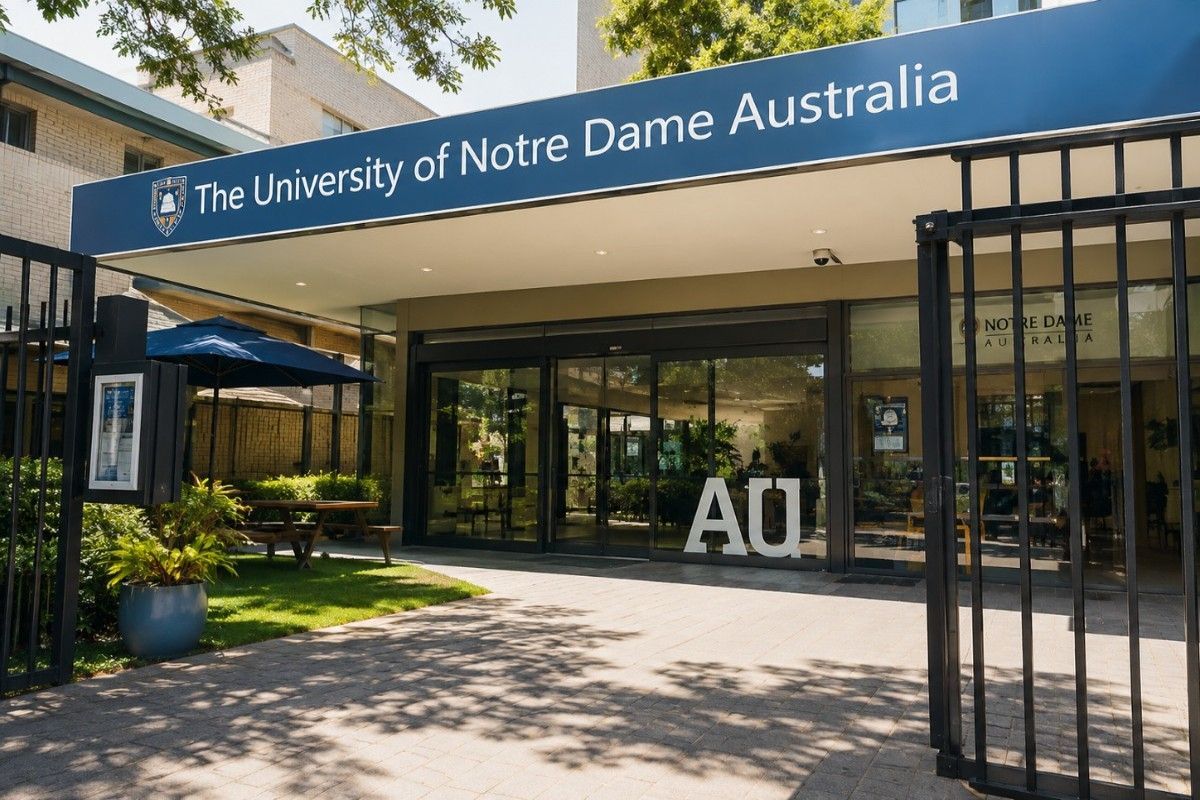
 Australia | Est. 1989
Australia | A private university accredited under Australian higher education law. The MD is accredited by the Australian Medical Council, and graduates become eligible for registration with the Medical Board of Australia after completing the required internship year. | English runs through the entire Doctor of Medicine programme. medium
Expert will call you within 2 hours
People just call it Notre Dame Sydney, or UNDA Medicine. Its founding story starts on the opposite coast of Australia entirely. The University of Notre Dame Australia was established by an Act of the Western Australian Parliament on 21 December 1989, becoming Australia's first Catholic university, with its original Fremantle campus opening in 1992. Sydney only entered the picture in 2006, when the university opened its Broadway campus, followed by a purpose-built health sciences site in Darlinghurst that officially opened on 13 July 2008.
Here is a fact most guides skip entirely. Notre Dame Sydney's Doctor of Medicine is not an undergraduate degree at all. It is a four-year graduate-entry programme, meaning every student already holds a completed bachelor's degree before starting, and admission runs through GAMSAT and GPA scores rather than school-leaving results alone.
Another detail worth knowing. The Darlinghurst campus sits deliberately close to St Vincent's Hospital, a major Sydney teaching hospital founded in 1857, placing Notre Dame's medical students inside one of the most established hospital and research precincts in the country from their very first clinical exposure.
This is a private Catholic university, and its School of Medicine draws directly on the university's founding values of respect for human life, human dignity, social justice, and ethics, welcoming students of any faith or none. Clinical training runs through eight clinical schools spread across Sydney, Melbourne, and rural New South Wales and Victoria, anchored by the St Vincent's and Mater Clinical School at Darlinghurst.
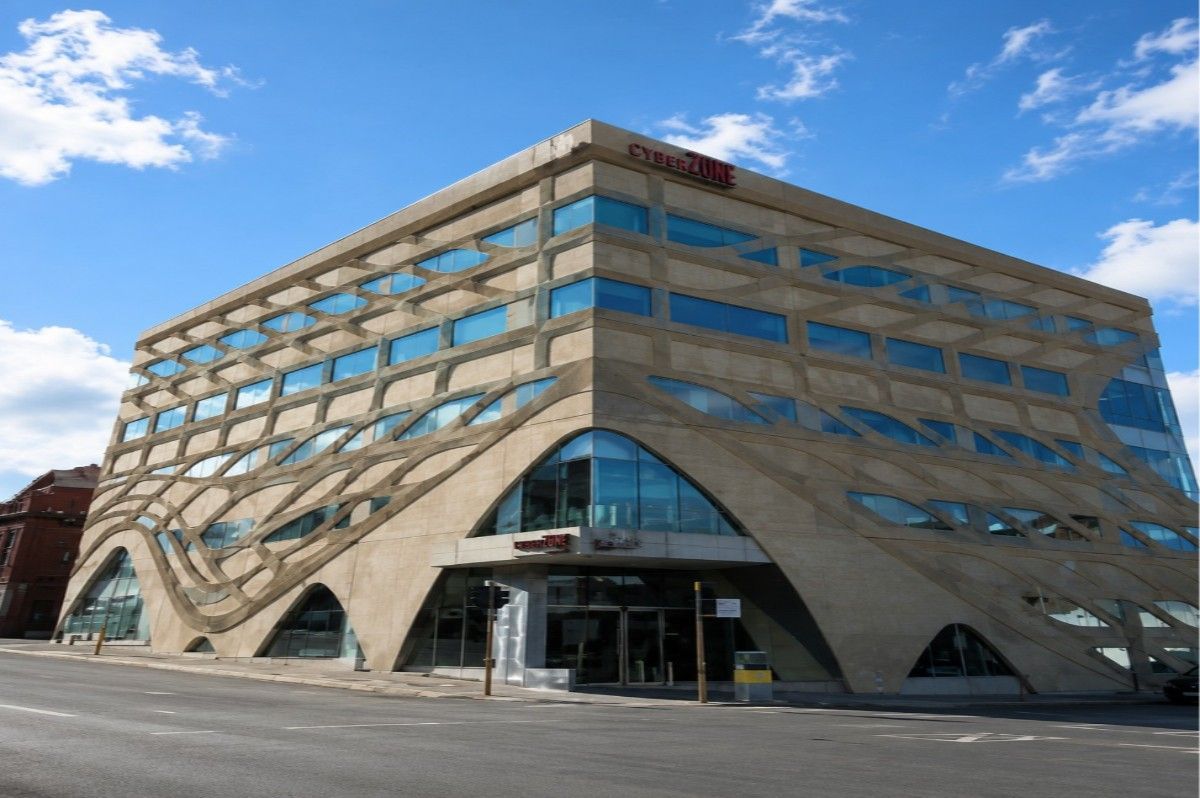
Darlinghurst sits just east of Sydney's central business district, a lively inner-city suburb known for its cafes, shopping, and proximity to Hyde Park and the Art Gallery of New South Wales. The purpose-built Darlinghurst campus houses a lecture theatre, library, and dedicated spaces for clinical skills training and problem-based learning, while laboratory sessions run offsite near the university's Broadway campus in Chippendale.
What makes Notre Dame's clinical network distinctive is how far it stretches beyond Sydney itself. Alongside the St Vincent's and Mater Clinical School, students train through clinical schools in Lithgow, Wagga Wagga, Hawkesbury, and Auburn, plus a Melbourne clinical school at Werribee, giving Sydney-based students real exposure to both city and rural or regional healthcare settings.
Here is where this page needs to be direct with you. Medicine at Notre Dame Sydney is not an undergraduate MBBS-style degree. It is a four-year graduate-entry Doctor of Medicine, delivered through Problem Based Learning in small clinician-led groups during the Foundation Years, Years 1 and 2, followed by clinical placements across the eight clinical schools in the Clinical Years, Years 3 and 4.
Teaching runs in English, and every student completes a supervised applied medical research project as part of the degree, alongside a genuine emphasis on bioethics, rural medicine, palliative care, and Aboriginal and Torres Strait Islander health.
Admission runs through GEMSAS, Australia's centralised graduate medical admissions system. Applicants are ranked using a combination of GAMSAT score, undergraduate GPA, and the CASPer situational judgement test, weighted equally at 30 percent each with 10 percent for bonus points, before an online Multi-Mini Interview decides final offers. A minimum GAMSAT of 52 overall, with at least 50 in each section, and a GPA of at least 5.2 out of 7.0 are generally required.
On cost, Notre Dame runs a mixed system. A limited number of Commonwealth Supported Places and Bonded Medical Places are available to eligible domestic students at the subsidised government contribution rate, while the remaining domestic and international places are full fee-paying, with indicative annual tuition reported at roughly AUD 77,600 a year.
Parameter | Details |
Founded | UNDA founded 1989 in Western Australia; Sydney campuses opened 2006 (Broadway) and 2008 (Darlinghurst, Medicine and Nursing) |
Institution Type | Private Catholic university, Australia's first, welcoming students of any faith or none |
Location | Darlinghurst, Sydney, New South Wales, Australia, near St Vincent's Hospital |
Programme | Doctor of Medicine (MD), graduate-entry postgraduate degree |
Duration | 4 years, following completion of an undergraduate bachelor's degree |
Medium of Instruction | English |
Admission Route | GEMSAS application; GAMSAT, GPA, and CASPer shortlisting, then an online Multi-Mini Interview |
Teaching Hospital | St Vincent's and Mater Clinical School, Darlinghurst, plus seven further clinical schools across NSW and Victoria |
Fee Component | Amount | Notes |
Commonwealth Supported Place (CSP) | Government-subsidised student contribution rate | Limited places available to eligible domestic students |
Bonded Medical Place (BMP) | Government-subsidised rate, tied to a rural service commitment | Roughly 17 places offered in the 2027 intake |
Domestic Full Fee-Paying | Indicative AUD 77,600 per year | FEE-HELP loans available for eligible students |
International Tuition | Indicative AUD 77,600 per year or higher | Confirm the current figure directly with Notre Dame |
Living Costs (rent) | Approx. AUD 300 to 550 per week | Sydney runs among the higher end for Australian cities |
Food and Other Costs | Approx. AUD 150 to 250 per week | Groceries, transport, and leisure |
Most rival pages never explain this properly. Notre Dame's MD threads bioethics, social justice, and Catholic founding values through its entire curriculum, not as an add-on subject but as a genuine part of how the university selects and trains its future doctors, while remaining open to students of any faith or none.
Many guides assume a Sydney medical school trains everyone inside the city. Notre Dame's eight clinical schools stretch from Darlinghurst out to Lithgow, Wagga Wagga, Hawkesbury, and Auburn, and even across to Werribee in Melbourne, giving students genuine exposure to regional and interstate healthcare settings.
Be clear about a few real points here. This is a graduate-entry degree, so applicants need a completed bachelor's degree and a strong GAMSAT score before they can even apply, and most places are full fee-paying rather than government-subsidised. Admission is genuinely competitive and multi-staged, running through GEMSAS rather than a single university application. So, who fits here best? Graduate applicants with a solid academic record and GAMSAT score who want a values-driven, ethics-focused medical education inside one of Sydney's most established hospital precincts, and who are comfortable with the largely full-fee cost structure. Students hoping for an undergraduate-entry, government-subsidised route should look elsewhere. Still, for those who fit the graduate-entry pathway, Notre Dame Sydney offers a distinctive Catholic ethical grounding, a genuinely wide clinical network, and direct ties to St Vincent's Hospital.
No hidden charges, no donation. The full picture of costs at MBBS in University of Notre Dame Australia School of Medicine.
Tuition Fee
AUD 77,600 ≈ ₹53.2 lakh per year.
A$77,600 ≈ ₹53.3 lakh per year
Hostel Fee
A$14,560–A$38,220≈ ₹10.0–₹26.2 lakh /year
A$14,560–A$38,220≈ ₹10.0–₹26.2 lakh Per Year
Food & Meals
A$12,480–A$19,136 / ₹8.6–₹13.1 lakh
Per Year
Insurance
A$14,560–A$38,220≈ ₹10.0 lakh–₹26.2 lakh
Per Year
Donation
No Donation fee
No Hidden Fee
Total Estimated Cost
A$475,000–A$625,000 ≈ ₹3.26 crore–₹4.29 crore
4 Year
25–35%
Average FMGE first-attempt pass rates for students from many overseas medical universities. Students from structured programs consistently score higher.
Students returning to India need to clear the FMGE/NExT exam. MBBS in University of Notre Dame Australia School of Medicine integrates exam-oriented coaching into the regular curriculum so students are prepared from day one.
A structured program that takes you from foundational sciences to clinical mastery.
The first year, Foundations of a Medical Vocation, develops understanding of normal human structure and function while introducing patient-centred interviewing, physical examination, ethics, professionalism, patient safety, research methods and population health. Teaching is principally through Problem-Based Learning (PBL) in small clinician-led groups, supported by tutorials, lectures, practical sessions, workshops and self-directed learning.
Anatomy, Histology, Biochemistry, Medical Biology
Students progress from normal structure and function to pathophysiology and disease processes, covering the major organ systems and developing clinical examination and diagnostic reasoning skills. The curriculum continues to integrate clinical communication, First Nations holistic health and culture, public health, ethics, professionalism, patient safety, research and critical analysis.
Physiology, Microbiology, Pathology, Pharmacology
Students begin the major clinical apprenticeship, applying biomedical knowledge and clinical reasoning in supervised clinical environments. Rotations include general practice, medicine, surgery, paediatrics and child health, women's health and psychiatry, supplemented by clinical skills teaching and weekly back-to-base learning.
Internal Medicine, Surgery, Obstetrics & Gynaecology
The final year consists of clinical placements with rotations through community-based practice, emergency medicine, intensive care, anaesthetics, surgery and medicine, with students undertaking clinical training through Sydney, Melbourne and rural clinical settings according to the program structure. Students complete an elective clinical experience and a compulsory Population and Public Health Applied Learning Activity/research project, while developing differential diagnosis, investigation planning and patient-management skills for internship.
Paediatrics, Neurology, Ophthalmology, ENT

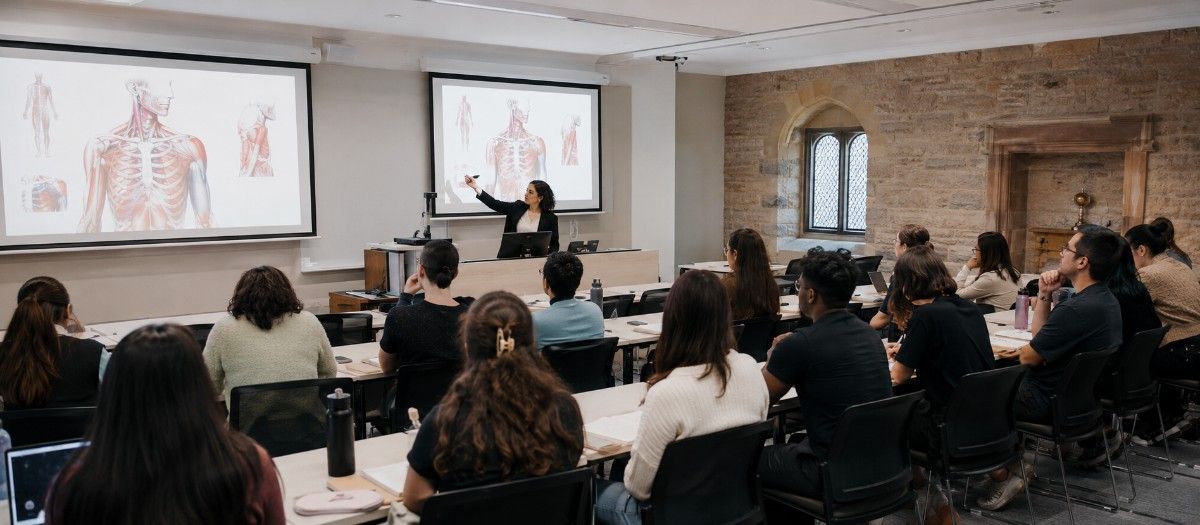
Furnished hostel rooms with Wi-Fi, laundry, 24/7 security, and Indian mess on or near campus.
Indian restaurants and mess facilities serving vegetarian and non-vegetarian home-style food daily.
Strong Indian community with cultural events, festival celebrations, and peer support groups.
Students get hands-on clinical training in government and private hospitals affiliated with the university.
Practical information for students planning to study at MBBS in University of Notre Dame Australia School of Medicine.
Prepare for all seasons. Thermal wear for winters, light clothing for summers. University provides heating in hostels.
Student visa processed with university invitation letter. Direct and connecting flights from major Indian cities.
Health insurance included in fees. Medical facility on campus plus city hospitals easily accessible.
Local SIM cards available. WhatsApp and video calls keep you connected with family back home.
Average monthly expenses of $150–$250 covering food, transport, and personal needs.
University library, online databases, and study groups. Seniors mentor juniors through academic challenges.
Our team guides you through every step — from application to arriving on campus.
Discuss your academic profile, budget, and target universities before shortlisting anything.
Compare universities based on eligibility, fees, city, and pathway (UG vs graduate entry), not just brand recognition.
Verify your academic record and entrance exam plan against each shortlisted university’s specific requirements.
Gather transcripts, SOP, LORs, and test scores in the format each university requires.
Submit applications to your shortlisted universities.
Receive a conditional or unconditional offer letter.
Pay the initial deposit to confirm your place and receive your Confirmation of Enrolment.
Apply for the Subclass 500 visa with your CoE, Genuine Student statement, financial evidence, and OSHC proof.
Book flights, confirm accommodation, and complete pre-departure orientation requirements.
Complete on-arrival formalities at your university and begin your course.
Admission Helpline — Contact our counsellors for step-by-step assistance.
“The faculty here is incredibly supportive. The clinical training during hospital rotations has given me real confidence in patient care.”
“Affordable fees without compromising on quality. The campus facilities and hostel life made my transition abroad very smooth.”
“English medium instruction and WHO-recognized curriculum were the deciding factors for me. No regrets so far — excellent experience overall.”
“The university helped with everything from visa to accommodation. Hospital exposure from year three has been invaluable for my FMGE prep.”
“Just cleared my licensing exam on the first attempt. The structured coaching and mock exams during final year were a game-changer.”
“Safe campus, good food options, and a strong Indian student community. The teaching methodology is very practical and hands-on.”
The purpose-built Darlinghurst medical campus officially opened in 2008, following the university's Sydney expansion from 2006.
Four years, as a graduate-entry Doctor of Medicine following a completed bachelor's degree.Four years, as a graduate-entry Doctor of Medicine following a completed bachelor's degree.
Yes. The Doctor of Medicine programme is taught entirely in English.
Yes. A set number of international places are offered each year, alongside domestic CSP, Bonded, and full-fee places.
Most places are full fee-paying, at roughly AUD 77,600 per year, though a limited number of subsidised CSP and Bonded places exist for eligible domestic students.
Graduates receive the Doctor of Medicine (MD), accredited by the Australian Medical Council.
The St Vincent's and Mater Clinical School, based at St Vincent's Hospital in Darlinghurst.
Not automatically. Indian graduates would still need to clear India's usual foreign-degree licensing route, such as NExT.
It is a private Catholic university, Australia's first, though it does offer some government-subsidised places.
It follows the graduate-entry model used at several Australian medical schools, requiring a completed bachelor's degree and a strong GAMSAT score before admission through GEMSAS.

Our expert counsellors will guide you through the complete admission process — from documents to airport pickup.