
Q1. Can international students apply straight after Class 12?
+A. Yes, UTAS runs a direct-entry path for school leavers, alongside a separate graduate-entry route. This gives international applicants more choice than graduate-only medical schools.
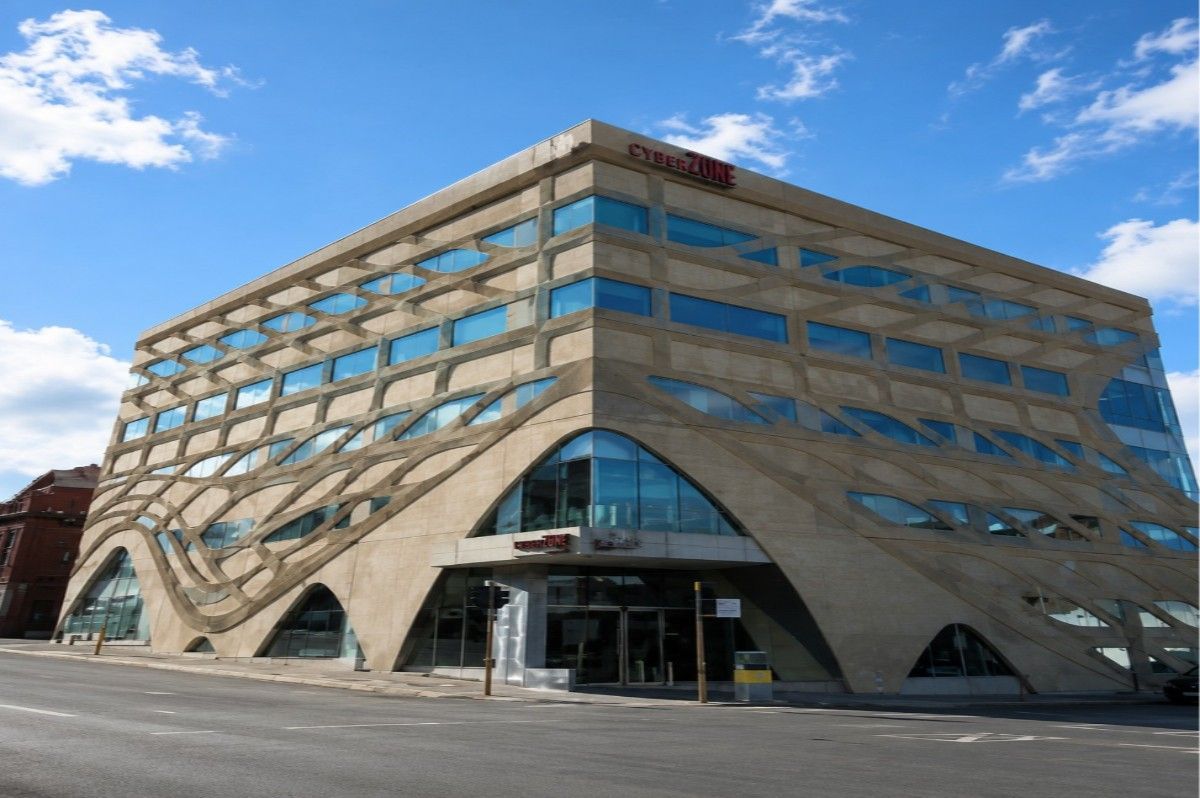
 Australia | Est. 1965
Australia | Australian Medical Council (AMC); Medical Board of Australia; TEQSA-registered Australian higher education provider. | English medium
Expert will call you within 2 hours
The University of Tasmania offers something rare among Australian medical schools. It lets students apply straight after high school. It also promises something few other universities can match. Every graduate gets a guaranteed intern placement in a Tasmanian hospital. This "100% intern placement rate" claim applies clearly to domestic Tasmanian graduates. International students should confirm the exact terms directly with UTAS first. Internship access across Australia usually favours citizens and permanent residents.
UTAS itself is Australia's fourth-oldest university. It was founded in 1890 in Hobart. The Tasmanian School of Medicine traces back further still, to 1965. Today, UTAS sits at 314th in the 2026 QS World University Rankings. It draws more than 34,000 students from over 120 countries. About 6,800 of these are international students.
The actual medical degree has a specific name. It’s called the Bachelor of Medical Science and Doctor of Medicine, or BMedScMD for short. This is one combined degree, not two separate ones. It runs for five years. Students get a maximum of seven years if they need extra time. School leavers can apply directly. Graduates with a completed bachelor's degree can also apply through a separate path. This dual entry system puts UTAS in the same group as Griffith and Curtin. This differs from graduate-only schools like Flinders or ANU.
Four core themes shape everything students learn. These are Clinical Practice, Professionalism and Leadership, Health and Society, and Science and Scholarship. These themes align directly with the Australian Medical Council's own guidelines. The first three years focus on campus-based learning. Students work through real cases in small groups. They do not sit through long, passive lectures. From 2026, this teaching will happen in more places. Students can now study at Hobart, Cradle Coast, or Launceston. This gives students more choice in where they start.
Years four and five shift entirely into clinical placements. Students move to one of three Clinical Schools. These are Hobart, Launceston, or the Rural Clinical School in Burnie. Each site gives students a different flavour of training. Hobart Clinical School works closely with the Royal Hobart Hospital. This is Tasmania's largest hospital. It also serves as the state's main specialist referral centre. Hobart also holds formal ties with Calvary Hospitals and the ICON Cancer Centre. It links to BreastScreen Tasmania too. A wide network of urban and rural general practices rounds this out. Launceston Clinical School has run since 2004. Since 2011, it has occupied a purpose-built space. This sits on the top floor of Launceston General Hospital. The Rural Clinical School in Burnie gives students deep exposure to regional health care. Tasmania has real, ongoing workforce needs in this area.
Rural and Tasmanian students sit at the very core of how UTAS builds each class. Half of all domestic places go to rural applicants. UTAS uses the Modified Monash Model to define this. This system classifies how remote an area is. A quarter of all domestic places go to the most remote areas specifically. On top of this, at least 75% of domestic places go to Tasmanian residents. These quotas apply only to domestic applicants. They do not touch international student places directly. But they do shape each cohort's overall feel. Most seats each year go to Tasmanians and rural Australians by design.
For school leavers, entry runs on ATAR and the UCAT ANZ test. There is no interview for this path. Some students find this less stressful than multi-stage interviews used elsewhere. Applicants get ranked mainly by their ATAR. The UCAT score works as a tie-breaker between similar candidates. Chemistry at the senior secondary level is a required subject. Year 12 English is required too.
Graduate applicants take a different route. They require a completed bachelor’s degree, usually completed within the last 10 years. They also require a minimum unweighted GPA of 6.5. A GAMSAT score of 50 or above in every section is also required. GPA and GAMSAT are used in tandem to rank applicants. Roughly 25 places open each year through this graduate path. UTAS also runs its own feeder degrees. This includes the Bachelor of Medical Research. Strong students can move directly into the MD program during their final year. They need a minimum 65% cumulative average to do this.
International students follow a separate set of entry tests. Domestic school leavers use the standard UCAT ANZ. International applicants can instead sit the ISAT. This needs an overall score of at least 170. It also needs a minimum of 165 in each section. Applicants can also submit an MCAT score of at least 491. This must come from a test taken within the last five years. A UCAT-ANZ result at or above the 50th percentile works too. Note one key difference here. UTAS scores the UCAT-ANZ differently for international applicants. It uses all four cognitive sections. Domestic applicants only use three. Chemistry remains a required subject for everyone.
Research at UTAS runs through the Menzies Institute for Medical Research. This sits right inside the Medical Sciences Precinct in Hobart. The Royal Hobart Hospital sits right alongside it. This closeness between researchers, doctors, and patients mirrors other strong Australian medical hubs. Menzies focuses on brain science and diseases like dementia. It also studies chronic disease prevention and human gene disorders. Almost 97% of UTAS research rates at or above world standard. This comes with more than AUD 114 million in yearly research funding. Over 400 industry research partnerships back this work too.
Life in Hobart offers a real change of pace. This differs from studying medicine in Sydney or Melbourne. Tasmania sits less than an hour's flight from Melbourne. Yet it feels worlds away. The city runs at a relaxed, small-city rhythm. Wilderness and coastline sit close by. Living costs are noticeably lower than in Australia's major mainland cities. UTAS guarantees housing for new international students. Weekly costs typically run between AUD 180 and 300. This depends on the type of housing chosen. For students weighing total cost against quality of life, Tasmania makes a strong case.
Graduates leave the BMedScMD ready for supervised practice. This means working as an intern in Australia or New Zealand. The program stays tightly linked to the Tasmanian health system. Its goal of a 100% intern placement rate reflects this. UTAS wants to train doctors that Tasmania genuinely needs. It wants to give them every real chance to stay and work there after graduating. For international students, this tight-knit system brings real benefits. Cohorts stay small. Students build close ties with clinical staff. Hands-on training starts early. Still, international students should double-check the exact internship and registration rules before committing.
In short, UTAS suits two kinds of applicants well. The first is a strong school leaver. This student wants to start medical school right away. They skip an unrelated bachelor's degree first. They also feel drawn to a smaller, close-knit island community. This beats a huge city campus for some students. The second type is a graduate applicant. This student wants a medical education tied closely to real research. They want a clear rural health mission built into their training. For international students specifically, two things matter most. Weigh the entry test options with care. Confirm internship and registration details directly with UTAS. Doing both makes for a smoother path through this well-regarded, distinctive program.
No hidden charges, no donation. The full picture of costs at MBBS In University of Tasmania Tasmanian School of Medicine.
Tuition Fee
About USD 54,270 per year (about INR 51.16 lakh), based on the published 2025 AUD tuition fee
USD 54,270 INR 51.16 lakh
Hostel Fee
From about USD 8,650 per year (about INR 8.15 lakh) for on-campus housing, guaranteed for new international students.
USD 8,650 INR 8.15 lakh
Food & Meals
USD 5,530 INR 5.22 lakh
per year
Insurance
USD 520 INR 0.49 lakh
PER year
Donation
No Donation
No Hidden Fees
Total Estimated Cost
About USD 344,860 INR 3.25 crore
total 5 year
25–35%
Average FMGE first-attempt pass rates for students from many overseas medical universities. Students from structured programs consistently score higher.
Students returning to India need to clear the FMGE/NExT exam. MBBS In University of Tasmania Tasmanian School of Medicine integrates exam-oriented coaching into the regular curriculum so students are prepared from day one.
A structured program that takes you from foundational sciences to clinical mastery.
Students study integrated biomedical sciences through lectures, anatomy laboratories, clinical simulation, communication training, evidence-based medicine, and early patient interactions across urban and rural healthcare settings.
Human Anatomy, Physiology, Biochemistry, Pathology, Pharmacology, Microbiology, Immunology, Medical Ethics, Clinical Skills, Population Health.
Students undertake full-time clinical placements in Tasmania's major teaching hospitals and regional health centres, gaining hands-on experience in patient care, clinical decision-making, diagnostic procedures, and multidisciplinary healthcare delivery.
Internal Medicine, Surgery, Paediatrics, Psychiatry, Obstetrics & Gynaecology, General Practice, Emergency Medicine, Rural Medicine, Public Health.


Furnished hostel rooms with Wi-Fi, laundry, 24/7 security, and Indian mess on or near campus.
Indian restaurants and mess facilities serving vegetarian and non-vegetarian home-style food daily.
Strong Indian community with cultural events, festival celebrations, and peer support groups.
Students get hands-on clinical training in government and private hospitals affiliated with the university.
Practical information for students planning to study at MBBS In University of Tasmania Tasmanian School of Medicine.
Prepare for all seasons. Thermal wear for winters, light clothing for summers. University provides heating in hostels.
Student visa processed with university invitation letter. Direct and connecting flights from major Indian cities.
Health insurance included in fees. Medical facility on campus plus city hospitals easily accessible.
Local SIM cards available. WhatsApp and video calls keep you connected with family back home.
Average monthly expenses of $150–$250 covering food, transport, and personal needs.
University library, online databases, and study groups. Seniors mentor juniors through academic challenges.
Our team guides you through every step — from application to arriving on campus.
Discuss your academic profile, budget, and target universities before shortlisting anything.
Compare universities based on eligibility, fees, city, and pathway (UG vs graduate entry), not just brand recognition.
Verify your academic record and entrance exam plan against each shortlisted university’s specific requirements.
Gather transcripts, SOP, LORs, and test scores in the format each university requires.
Submit applications to your shortlisted universities.
Receive a conditional or unconditional offer letter.
Pay the initial deposit to confirm your place and receive your Confirmation of Enrolment.
Apply for the Subclass 500 visa with your CoE, Genuine Student statement, financial evidence, and OSHC proof.
Book flights, confirm accommodation, and complete pre-departure orientation requirements.
Complete on-arrival formalities at your university and begin your course.
Admission Helpline — Contact our counsellors for step-by-step assistance.
“The faculty here is incredibly supportive. The clinical training during hospital rotations has given me real confidence in patient care.”
“Affordable fees without compromising on quality. The campus facilities and hostel life made my transition abroad very smooth.”
“English medium instruction and WHO-recognized curriculum were the deciding factors for me. No regrets so far — excellent experience overall.”
“The university helped with everything from visa to accommodation. Hospital exposure from year three has been invaluable for my FMGE prep.”
“Just cleared my licensing exam on the first attempt. The structured coaching and mock exams during final year were a game-changer.”
“Safe campus, good food options, and a strong Indian student community. The teaching methodology is very practical and hands-on.”
A. Yes, UTAS runs a direct-entry path for school leavers, alongside a separate graduate-entry route. This gives international applicants more choice than graduate-only medical schools.
A. The minimum score for the ISAT is 170 overall and 165 on each section, and the MCAT needs at least 491. The UCAT-ANZ needs at least the 50th percentile, using all four cognitive sections.
A. UTAS advertises a 100% intern placement rate in Tasmanian hospitals. This claim is clearest for domestic graduates. International students should confirm the exact terms directly with UTAS. Most internships offered in Australia are only available to Australian citizens and permanent residents.
A. No. These quotas apply only to domestic applicants. That said, most places each year go to rural and Tasmanian students under these quotas. This makes the overall cohort smaller and more Tasmania-focused than some larger mainland medical schools.
A. At one of three Clinical Schools. Hobart works closely with the Royal Hobart Hospital. Launceston sits inside Launceston General Hospital. The Rural Clinical School in Burnie offers regional and remote exposure.
A. This is subject to the current National Medical Commission rules for graduates returning to register in India. As these change from time to time it is advisable to confirm directly with the NMC before applying.
A. Not for the school-leaver path. This route ranks applicants by ATAR and UCAT ANZ alone. The graduate-entry path ranks applicants by combined GPA and GAMSAT score instead.
A. UTAS keeps a close bond with the Menzies Institute for Medical Research. This sits right next to the Royal Hobart Hospital. Students get real exposure to active medical research alongside their clinical work.
A. UTAS provides on-campus and off-campus accommodation for international students who are commencing their studies. Accommodation costs range from AUD 180 to AUD 300 per week depending on the type of accommodation.
A. There is a strong emphasis on general practice, hospital-based specialities and rural and remote medicine. This reflects the program’s training model with a focus on Tasmania. Like most Australian medical graduates, graduates also go on to further speciality training after their internship.

Our expert counsellors will guide you through the complete admission process — from documents to airport pickup.