
Q1. Can international students study medicine after 12th?
+Yes. This makes Monash stand out. Most top Australian schools want a bachelor's degree first. Monash also runs a direct-entry path for school leavers.

 Australia | Est. 1958
Australia | Australian Medical Council (AMC). Also backed by the Medical Board of Australia and TEQSA. | English medium
Expert will call you within 2 hours
On the Australian continent, Monash University is home to the most extensive healthcare education faculty. Because of one particular reason, its medical program stands apart. It provides students from other countries with a genuine option. After completing a bachelor's degree, students are only eligible to enroll in the majority of medical schools in Australia. In addition, this is the case at UQ. One thing sets Monash apart. It provides two different routes. There is a degree that lasts for five years and begins immediately after high school. A four-year degree is the alternative option, and it is reserved for individuals who already possess a bachelor's degree. Regarding Indian households, this is important. An excellent student in the twelfth grade is able to begin their medical career immediately. They do not have to first complete a degree that is unrelated to the field. The vast majority of the best universities in Australia do not provide this option.
In 1958, Monash University was established. To honor Sir John Monash, it was given his name. He served as a general and an engineer during World War I. As time went on, the medical field expanded alongside the university. It is currently located inside the Faculty of Medicine, Nursing, and Health Sciences for the time being. This is the most extensive faculty at Monash. Additionally, it conducts the most research. It is comprised of ten schools. It is comprised of more than twenty offices. It manages a total of 28 clinical and educational centers. It is comprised of six interconnected institutes. There are currently over 75,000 graduates who are part of its alumni network. They originate from more than ninety different countries. Currently, many are in charge of hospitals and research centers. Some have entered politics at the national level.
In the QS World University Rankings for the year 2026, Monash University is ranked in the 36th spot. This is the finest outcome in its history. When compared to the previous year, it has increased. The university continues to be ranked in the top 50 in the world. The research universities that make up Australia's Group of Eight include this institution. Research in the medical field is also very strong. Within a single year, the faculty members brought in more than 380 million Australian Dollars (AUD) from their research. No other Australian institution receives a greater amount of cash from the government for health research than Monash does. The Monash Health Translation Precinct is responsible for a significant portion of this work. This website was developed in collaboration with two other individuals. The Hudson Institute of Medical Research and Monash Health are the two organizations in question. It is a gathering area for patients, doctors, and scientists all in one location. In this way, new discoveries are able to reach patients more quickly.
School dropouts are a good fit for the five-year degree program. A significant portion of the first two years are spent on campus at Clayton. It is the largest site that Monash has. Students continue to have some clinical experience at an early stage. Both urban and rural settings are visited by them. From the third to the fifth year, students are placed in either hospitals or clinics. Melbourne and rural Victoria are both included in these locations. Students put in approximately forty hours of work each week in these contexts. Work experience in emergency medicine and elderly care is added during the last year. A specialist placement is another option available to students. The ISAT is an exam that is taken by applicants from other countries. Instead, domestic school leavers are required to do a different test. Every year, approximately 80 to 90 spots are reserved for students from other countries.
A distinct course of study is followed by the four-year degree. The first year of schooling begins in Churchill. The location of this town is in the Victoria region. There, students learn fundamental aspects of medical science. The fields of health sociology, clinical skills, ethics, and medical legislation are all taken into consideration. Beginning in the third year, students are fully immersed in clinical work. Similar to the other pathway, this one will take you through both Melbourne and rural Victoria. The selection process takes into consideration two factors. The grade point average accounts for forty percent of the total score. An interview accounts for the remaining sixty percent. Neither the MCAT nor the GAMSAT is required for admission to Monash. Among schools in Australia, this is an exceptional occurrence. The procedure is simplified as a result. Every year, there are approximately thirty spots available for students from other countries.
Neither of the two routes leads to a different degree. There is a vast hospital network that both of them use. In terms of size, this is among the largest in the nation. The majority of postings are managed by Monash Health and Alfred Health. The Alfred Hospital is the primary trauma facility in Melbourne. Students also have the opportunity to work in hospitals in Box Hill, Dandenong, Casey, and Frankston. In close proximity to the Peninsula campus is the final one. It also offers classes in nursing and other health-related subjects. The pupils are provided with a diverse selection of training locations. Large-scale trauma centers are what they see. In addition to that, they visit smaller regional hospitals.
A well-defined framework is followed in the classroom at Monash. The structure is based on four primary ideas. Personal development, health in society, clinical skills, and medical science are the four components that make up this. In the course of the lectures, workshops, and simulations, these topics continually come up. Neither one of them is taught independently of the other. In addition, a research placement is included in the degree program. During this time, students collaborate with a researcher or a registered physician. Their research experience is enhanced as a result of this. In line with the greater objective of the faculty. This objective is to transform laboratory science into actual patient treatment.
Clinical training begins at an early age and continues without rest. Students go to local hospitals and clinics even when they are still in their early years. People skills are developed through this process far before any therapeutic treatment begins. Both of these routes incorporate data collected in real time in rural Victoria. In the course of these excursions, students participate as members of a health team. I have made this decision on purpose. There is still a shortage of medical professionals in outlying areas of Australia.
Students from other countries become part of a sizable community here. Students come from more than one hundred different countries to study at Monash. At both Clayton and Peninsula, there is accommodation available on campus. Additionally, the university provides assistance with financial matters. In addition, discounts are available for siblings who are studying together. It includes reductions in tuition costs for graduates who continue their education. There are around one hundred scholarships available across the entirety of the university.
The graduates receive a degree that is of genuine significance. Support for it comes from the Australian Medical Council. This indicates that graduates will have an easier time registering in both Australia and New Zealand. They do not take the additional local exams that are necessary for other degrees. First, after they graduate, medical students participate in a supervised internship. The next step is for them to undergo specialized training. Depending on the industry, this training can take numerous more years to complete. Students who intend to go back home should verify the local regulations as soon as possible. Changes to these rules are possible over time.
In a nutshell, Monash is great for two different kinds of students. A strong school leaver is the first type of student. They intend to begin their medical careers immediately following the completion of the 12th grade. The delay of a degree that is unconnected is skipped by them. The graduates make up the second category. They seek a more straightforward route with fewer requirements for entry. The training for both types takes place in one of the largest hospital networks in Australia. Both of them attend a university that is ranked among the top 40 in the world.
No hidden charges, no donation. The full picture of costs at MBBS In Monash University Faculty of Medicine, Nursing and Health Sciences.
Tuition Fee
About USD 63,780 Per Annum. That is close to INR 60.1 lakh.
USD 63,780 INR 60.12 lakh
Hostel Fee
Starts around USD 10,380 per year. That is close to INR 9.8 lakh. This covers housing at Clayton or Peninsula.
USD 10,380 INR 9.78 lakh
Food & Meals
USD 8,650 INR 8.15 lakh
per year
Insurance
USD 520 INR 0.49 lakh
per year
Donation
No Donation
No Hidden Fees
Total Estimated Cost
Approx. USD 415,650 (INR 3.93 crore)
total 5 year
25–35%
Average FMGE first-attempt pass rates for students from many overseas medical universities. Students from structured programs consistently score higher.
Students returning to India need to clear the FMGE/NExT exam. MBBS In Monash University Faculty of Medicine, Nursing and Health Sciences integrates exam-oriented coaching into the regular curriculum so students are prepared from day one.
A structured program that takes you from foundational sciences to clinical mastery.
Students learn core biomedical sciences alongside clinical communication, anatomy practicals, simulation-based training, problem-based learning, and early clinical exposure.
Topics include anatomy, biochemistry, genetics, immunology, and more. Students also start clinical visits early on.
• Students undertake comprehensive clinical placements in medicine, surgery, paediatrics, psychiatry, women's health, rural healthcare, and speciality disciplines while developing professional clinical skills.
• Medicine • Surgery • Psychiatry • Pediatrics • Obstetrics & Gynaecology • Advanced Clinical Medicine • Rural Placements • Research • Critical Care • Public Health • Internship Preparation • Electives • Specialty Rotations • Leadership in Medicine
Students are based at the Monash School of Rural Health in Churchill, where they study foundational medical sciences alongside ethics, health sociology, law, professional practice, and early clinical skills in a rural healthcare setting.
Topics include basic medical science, health sociology, ethics, and law.

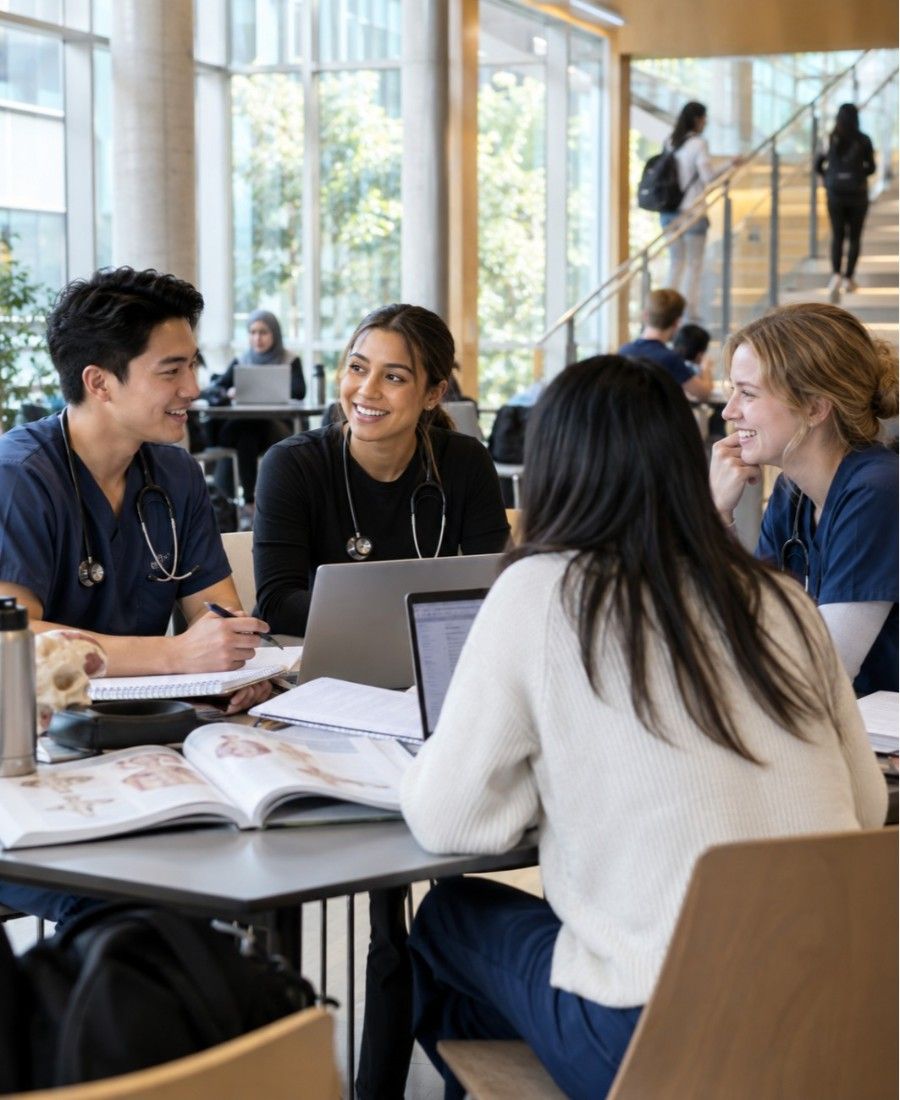
Furnished hostel rooms with Wi-Fi, laundry, 24/7 security, and Indian mess on or near campus.
Indian restaurants and mess facilities serving vegetarian and non-vegetarian home-style food daily.
Strong Indian community with cultural events, festival celebrations, and peer support groups.
Students get hands-on clinical training in government and private hospitals affiliated with the university.
Practical information for students planning to study at MBBS In Monash University Faculty of Medicine, Nursing and Health Sciences.
Prepare for all seasons. Thermal wear for winters, light clothing for summers. University provides heating in hostels.
Student visa processed with university invitation letter. Direct and connecting flights from major Indian cities.
Health insurance included in fees. Medical facility on campus plus city hospitals easily accessible.
Local SIM cards available. WhatsApp and video calls keep you connected with family back home.
Average monthly expenses of $150–$250 covering food, transport, and personal needs.
University library, online databases, and study groups. Seniors mentor juniors through academic challenges.
Our team guides you through every step — from application to arriving on campus.
Discuss your academic profile, budget, and target universities before shortlisting anything.
Compare universities based on eligibility, fees, city, and pathway (UG vs graduate entry), not just brand recognition.
Verify your academic record and entrance exam plan against each shortlisted university’s specific requirements.
Gather transcripts, SOP, LORs, and test scores in the format each university requires.
Submit applications to your shortlisted universities.
Receive a conditional or unconditional offer letter.
Pay the initial deposit to confirm your place and receive your Confirmation of Enrolment.
Apply for the Subclass 500 visa with your CoE, Genuine Student statement, financial evidence, and OSHC proof.
Book flights, confirm accommodation, and complete pre-departure orientation requirements.
Complete on-arrival formalities at your university and begin your course.
Admission Helpline — Contact our counsellors for step-by-step assistance.
“The faculty here is incredibly supportive. The clinical training during hospital rotations has given me real confidence in patient care.”
“Affordable fees without compromising on quality. The campus facilities and hostel life made my transition abroad very smooth.”
“English medium instruction and WHO-recognized curriculum were the deciding factors for me. No regrets so far — excellent experience overall.”
“The university helped with everything from visa to accommodation. Hospital exposure from year three has been invaluable for my FMGE prep.”
“Just cleared my licensing exam on the first attempt. The structured coaching and mock exams during final year were a game-changer.”
“Safe campus, good food options, and a strong Indian student community. The teaching methodology is very practical and hands-on.”
Yes. This makes Monash stand out. Most top Australian schools want a bachelor's degree first. Monash also runs a direct-entry path for school leavers.
No, not at Monash. This surprises many people. Most other Australian schools ask for one of these tests. Monash looks at your GPA and interview score instead.
The ISAT and it has two parts. These are Critical Reasoning and Quantitative Reasoning. You need good scores in both. An interview follows if you get shortlisted.
Mostly at Monash Health and Alfred Health sites. The Alfred handles major trauma cases in Melbourne. Students also train at Box Hill, Dandenong, Casey, and Frankston Hospitals. Rural Victoria training is part of both paths.
This depends on NMC rules at the time you graduate. These rules can change. Always check directly with the NMC for the latest position.
Yes. Students complete a research placement with a supervisor. This connects to Monash's larger focus. That focus is turning lab science into real patient care.
Monash offers on-campus rooms at Clayton and Peninsula. Many off-campus rentals also exist nearby in Melbourne.
Yes. Monash lists over 100 scholarships across the university. Sibling discounts and alumni fee cuts also exist. Check the scholarships page for current details.
The degree is AMC-backed and recognised by the Medical Board of Australia. Working in another country depends on that country's own rules. This can be USMLE, FMGE/NExT, PLAB or any other local test.
These include general practice, surgery, specialty medicine, research, and public health work. Most graduates start with an internship. They then choose a specialty training path.
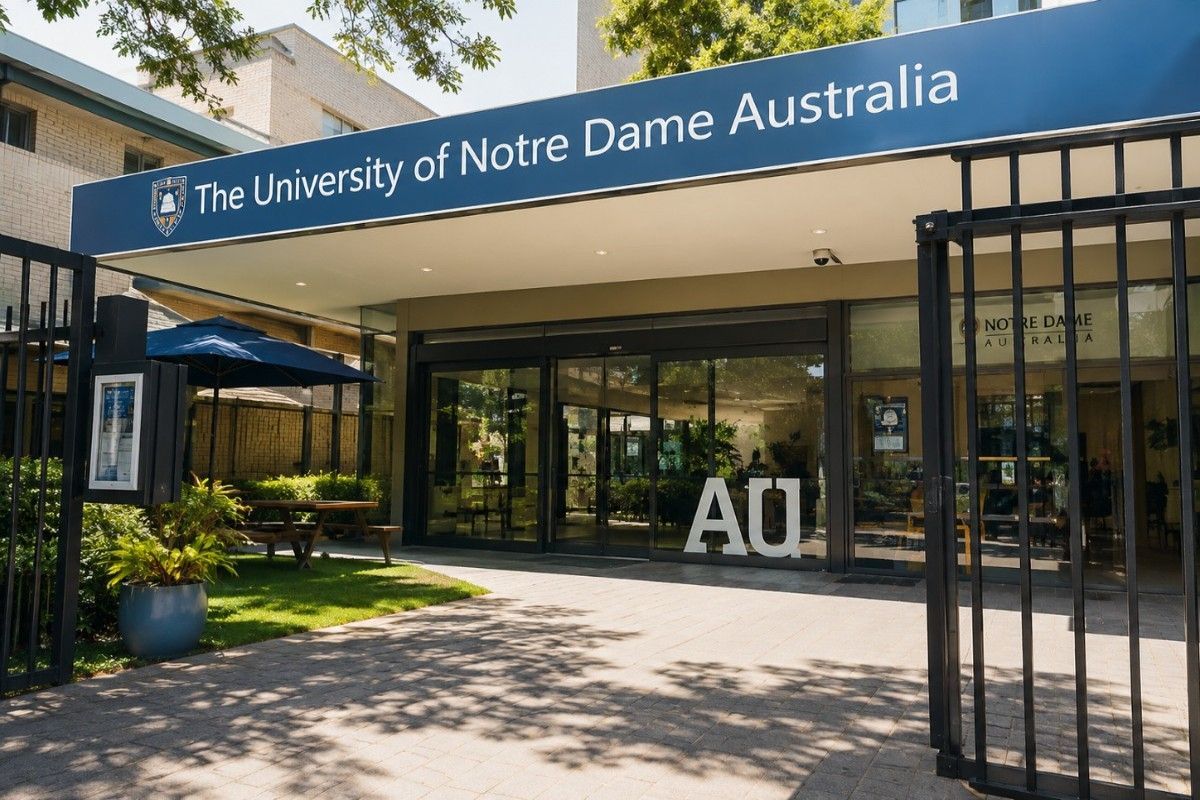
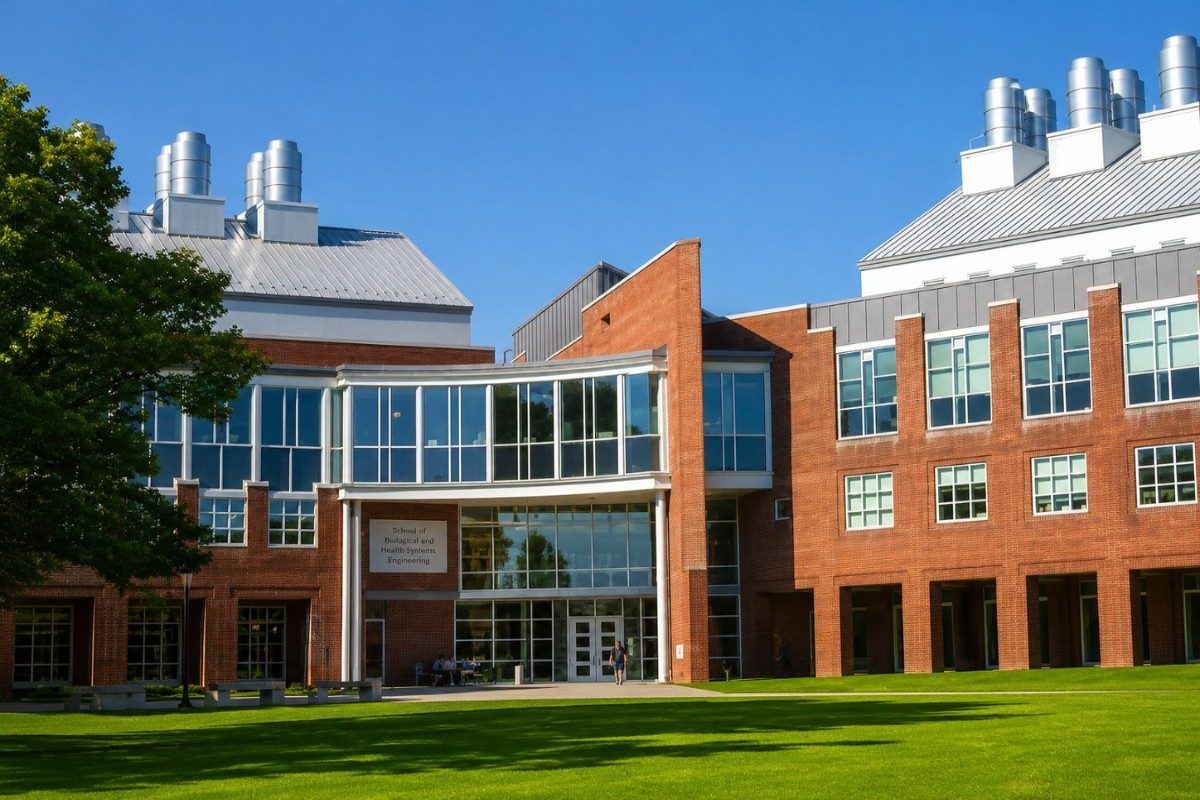

Our expert counsellors will guide you through the complete admission process — from documents to airport pickup.