
Q1. Is Flinders' Doctor of Medicine the same as an MBBS?
+A. Not structurally. Flinders awards a Doctor of Medicine (MD). This counts as equal to an MBBS for registration. But it runs as a 4-year graduate-entry degree, not direct entry from school.
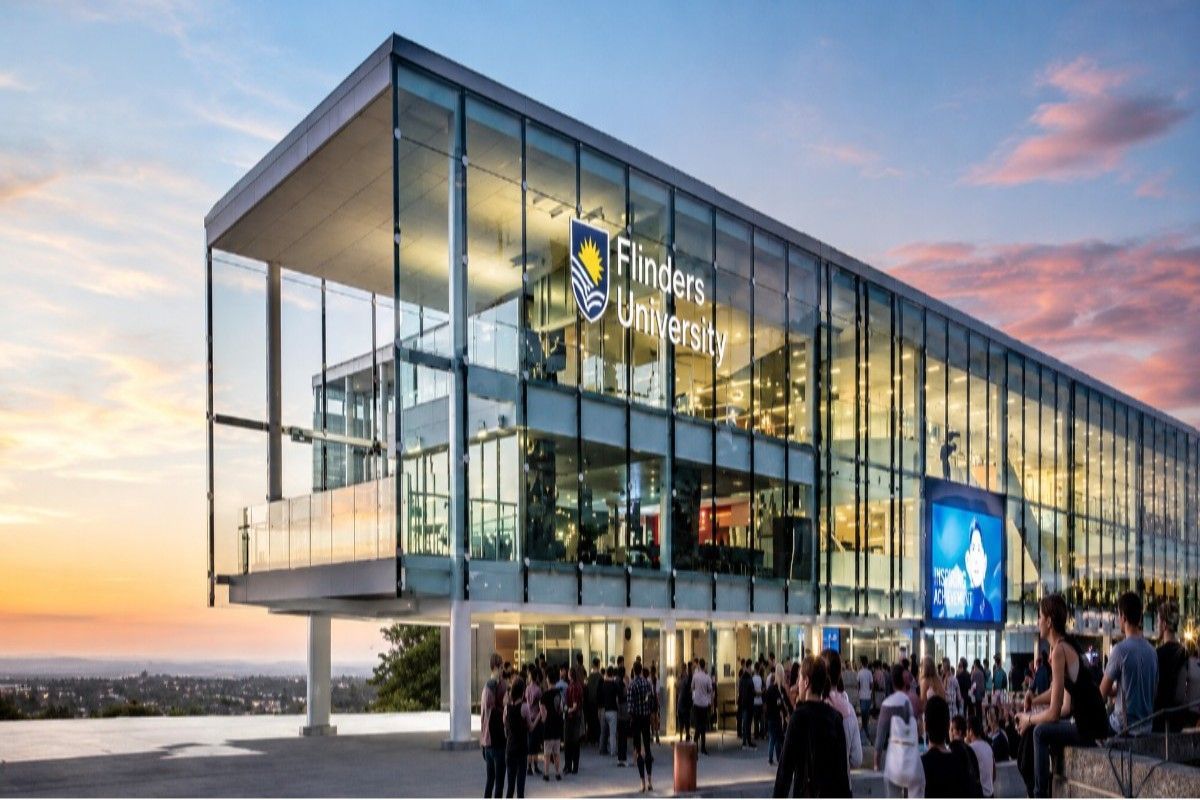
 Australia | Est. 1966
Australia | MD accredited by the Australian Medical Council (AMC); graduates eligible for provisional registration with the Medical Board of Australia. | English medium
Expert will call you within 2 hours
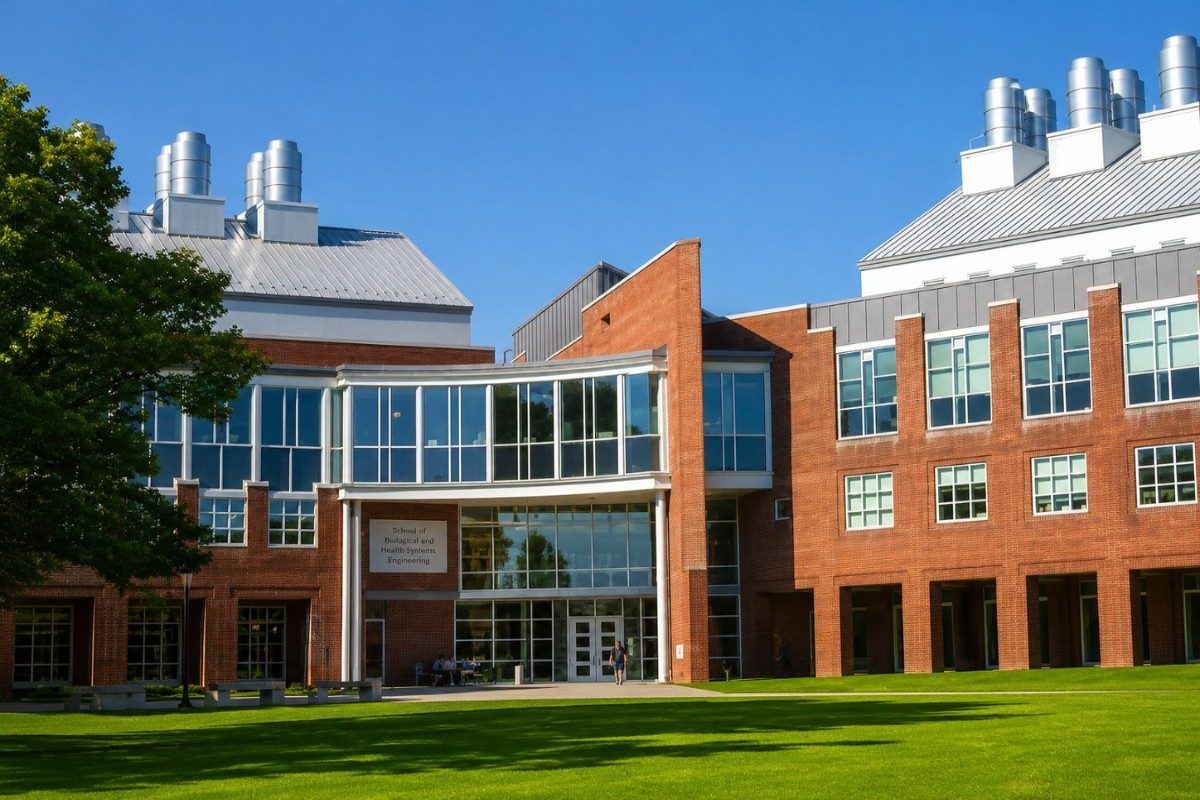
Flinders University's College of Medicine and Public Health sits at Bedford Park in Adelaide. It builds on one clear idea. The medical school sits inside a working public hospital, the Flinders Medical Centre. Students learn medicine where it actually happens. They do not train in a lecture theatre cut off from patient care. For international families weighing an Australian medical degree, Flinders offers a genuinely research-active option. It does not run a six-year direct-entry MBBS, though. Instead, it offers the Doctor of Medicine (MD). This is a four-year graduate-entry degree. Almost all international applicants enter it after finishing a bachelor's degree first. It counts as equal to an MBBS for registration.
The medical school's story starts with Flinders University itself, founded in 1966. It was named after British navigator Matthew Flinders. An early decision shaped everything that followed. Rather than build a standalone medical faculty, the university built the Flinders Medical Centre right next to campus. It then placed its medical school inside that new public hospital. This was the first such setup in Australia. The first undergraduate medical students arrived in 1974. The FMC opened the year after. That partnership has now lasted five decades. In 2024, Flinders marked fifty years of medicine with a gala event. Alumni and academics from across Australia and overseas attended. In 2011, the university expanded further north. It launched the Northern Territory Medical Program. This delivers the same MD in Darwin. The goal is to ease the doctor shortage in remote communities.
Today, the College sits within a wider university. Flinders ranks 387th in the world by QS World University Rankings 2026. It sits in the 301-350 band globally in the Times Higher Education World University Rankings 2026. Life sciences and medicine rank in the top 300 globally on QS subject tables. Flinders also holds the number-one spot in South Australia. This covers teaching quality, student support, and student-to-teacher ratio. These figures place Flinders outside Australia's largest or highest-ranked medical faculties. But its research strengths run deep. These span biomedical and clinical sciences, molecular science, and health and medicine. This gives the program real academic depth behind its clinical training.
The College builds its teaching around three broad themes. These run through all four years. They are the doctor-patient relationship, knowledge of health and illness, and the role of health professions in society. Learning stays student-centred throughout. Clinical skills, professional attributes, and personal judgement grow from day one. They are not saved for later placements. Flinders was also an early adopter of problem-based and case-based learning in Australian medical education. This approach still shapes how students work through clinical cases. They work in small groups rather than sitting through passive lectures alone.
The MD unfolds across four years. One key feature stands out early. Students get into real world clinical placement in their very first year. Many medical programs defer clinical exposure to later years. Early years combine foundational science with hands-on clinical, procedural and communication skills. This builds toward more independent clinical reasoning over time. Later years place students fully in hospital and community settings. This spans the full range of medical specialities. The degree closes with a structured transition period. This readies graduates for an internship. Three core themes run through the whole degree. These are doctor-patient interactions, socially responsible health practices, and the basics of clinical research. Graduates leave with both clinical skills and a research-minded outlook.
Clinical training spans an unusually wide area for an Australian medical school. The main teaching hospital is the Flinders Medical Centre. This major public hospital sits right next to campus. Placements also run across metropolitan Adelaide, rural South Australia, and remote communities. These stretch through the Central Australian Corridor into Darwin and beyond. This wide reach reflects a clear institutional goal. The College wants to lead globally in building a skilled, culturally safe rural and remote health workforce. It pays particular attention to First Nations communities. Students on the Northern Territory Medical Program train through facilities in Alice Springs, Katherine, and Nhulunbuy. Few other Australian programs match this depth of exposure to Indigenous health and remote medicine.
Research sits at the core of the College's identity. The Flinders Health and Medical Research Institute started in 2019. It houses a large, mixed-discipline group of researchers. They work across molecular discovery, precision medicine, and community-led health projects. FHMRI runs flagship programs in Sleep Health and Eye and Vision. It also runs impact programs in Health Equity and Cancer. These focus on turning lab findings into real clinical benefit. A new Health and Medical Research Building recently opened. It sits as the centrepiece of the Flinders Village development. Researchers, clinicians, and industry partners now share purpose-built space to work more closely together. Around ninety per cent of Flinders' research rates at or above world standard. This comes from Australia's national research assessment. This figure shows genuine research strength, not just marketing talk.
Flinders is a medium sized international university. It has about 25,000-26,000 students in total. This includes more than 4,000 to 5,400 international students from over 90 countries. Newcomers do not arrive in a thin support system. Dedicated international student services run arrival briefings and orientation days. They offer ongoing support too. Academic advisers and wellbeing services sit alongside university-wide counselling and disability support. Within the MD itself, workload and standards stay the same for international and domestic students. There is no separate or lighter track. This keeps the qualification consistent and credible worldwide.
Campus life at Bedford Park benefits from Adelaide's reputation. It ranks among Australia's more liveable and affordable state capitals. The main campus sits on a hillside. It offers views over both the city and the coast. It is a twenty-minute train or bus ride from central Adelaide. The Flinders Village development keeps adding student housing, research facilities, and retail spots right on-site. Flinders Living runs catered college housing at University Hall. It also offers self-catered options at Deirdre Jordan Village. Both sit within walking distance of te aching spaces. Students who prefer city living can use the Victoria Square campus. Partnered private housing also sits a short train ride from Bedford Park.
Graduates who finish the MD qualify for provisional registration with the Medical Board of Australia. This requires finishing an intern year, too. The Australian Medical Council accredits the program itself. From there, career paths run in familiar directions. These include general practice, hospital-based specialities, rural and remote medicine, public health, and clinical or lab-based research. Flinders' rural and Indigenous health focus gives graduates a real edge. It helps with careers in underserved communities. International students who plan to return home to practise should check their own country's current recognition rules. This should happen well before committing to the program, since these rules shift over time.
In the end, students pick Flinders for a genuinely distinctive mix. This includes an on-hospital-campus training model dating back fifty years. It also includes one of the country's widest rural and remote clinical footprints. A research institute actively works across sleep health, eye disease, cancer, and health equity, too. This suits applicants who already hold, or nearly hold, a bachelor's degree. It also suits those who want hands-on clinical exposure from year one. Students join a smaller, tightly connected medical community rather than a large, high-volume program. For students drawn to rural, remote, or Indigenous health, few Australian medical schools offer a more focused path into that kind of practice.
No hidden charges, no donation. The full picture of costs at MBBS In Flinders University College of Medicine and Public Health.
Tuition Fee
USD 63,080 (about INR 59.64 lakh), the official commencing fee, is reviewed each year.
USD 63,080; INR 59.64 lakh
Hostel Fee
USD 9,340-13,490 (about INR 8.83-12.75 lakh), depending on catered or self-catered choice.
USD 10,380; INR 9.81 lakh
Food & Meals
USD 4,150; INR 3.92 lakh
per year
Insurance
USD 520; INR 0.49 lakh
per year
Donation
No Donation
No Hidden Fees
Total Estimated Cost
USD ~312,470; INR ~2.95 crore
4 years, MD only
25–35%
Average FMGE first-attempt pass rates for students from many overseas medical universities. Students from structured programs consistently score higher.
Students returning to India need to clear the FMGE/NExT exam. MBBS In Flinders University College of Medicine and Public Health integrates exam-oriented coaching into the regular curriculum so students are prepared from day one.
A structured program that takes you from foundational sciences to clinical mastery.
Students build essential medical knowledge through anatomy laboratories, biomedical sciences, communication training, simulation exercises, and early clinical skills development
Students study foundational science alongside early clinical, procedural, and communication skills.
Small-group, case-based learning deepens their grasp of the doctor-patient relationship and health-and-illness themes.
Students build on their biomedical science base. They also grow their clinical reasoning skills.
Students participate in hospital and community-based clinical placements, managing patients under supervision while developing diagnostic reasoning, procedural skills, and multidisciplinary teamwork.
Students train fully in hospital and community placements. Training covers the major specialties.
They gain more independence in patient care. A structured transition period follows. This prepares graduates directly for internship.
Clinical Rotations, Emergency Medicine, Rural Placements, Research Project
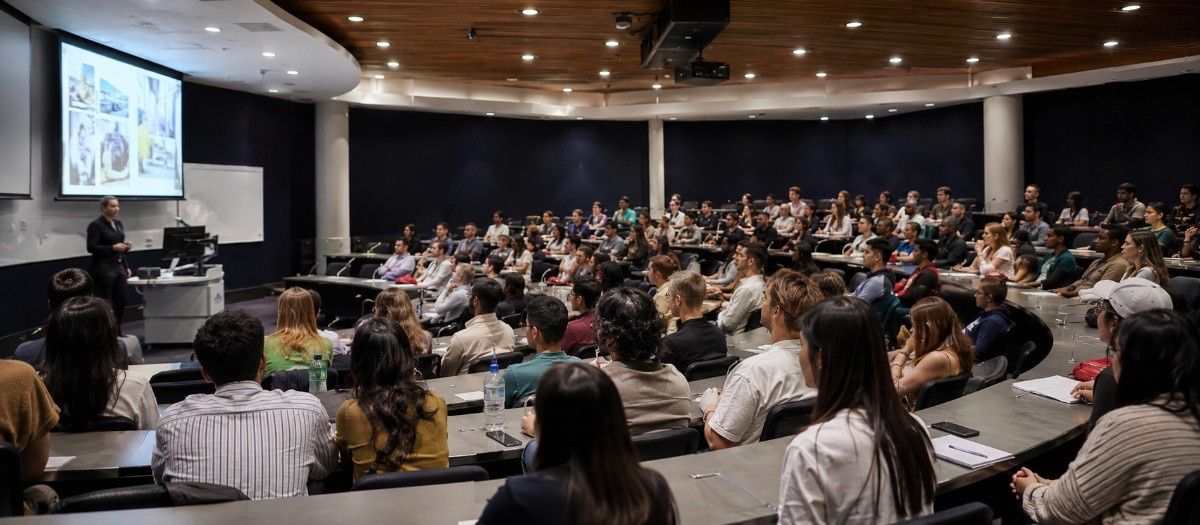

Furnished hostel rooms with Wi-Fi, laundry, 24/7 security, and Indian mess on or near campus.
Indian restaurants and mess facilities serving vegetarian and non-vegetarian home-style food daily.
Strong Indian community with cultural events, festival celebrations, and peer support groups.
Students get hands-on clinical training in government and private hospitals affiliated with the university.
Practical information for students planning to study at MBBS In Flinders University College of Medicine and Public Health.
Prepare for all seasons. Thermal wear for winters, light clothing for summers. University provides heating in hostels.
Student visa processed with university invitation letter. Direct and connecting flights from major Indian cities.
Health insurance included in fees. Medical facility on campus plus city hospitals easily accessible.
Local SIM cards available. WhatsApp and video calls keep you connected with family back home.
Average monthly expenses of $150–$250 covering food, transport, and personal needs.
University library, online databases, and study groups. Seniors mentor juniors through academic challenges.
Our team guides you through every step — from application to arriving on campus.
Discuss your academic profile, budget, and target universities before shortlisting anything.
Compare universities based on eligibility, fees, city, and pathway (UG vs graduate entry), not just brand recognition.
Verify your academic record and entrance exam plan against each shortlisted university’s specific requirements.
Gather transcripts, SOP, LORs, and test scores in the format each university requires.
Submit applications to your shortlisted universities.
Receive a conditional or unconditional offer letter.
Pay the initial deposit to confirm your place and receive your Confirmation of Enrolment.
Apply for the Subclass 500 visa with your CoE, Genuine Student statement, financial evidence, and OSHC proof.
Book flights, confirm accommodation, and complete pre-departure orientation requirements.
Complete on-arrival formalities at your university and begin your course.
Admission Helpline — Contact our counsellors for step-by-step assistance.
“The faculty here is incredibly supportive. The clinical training during hospital rotations has given me real confidence in patient care.”
“Affordable fees without compromising on quality. The campus facilities and hostel life made my transition abroad very smooth.”
“English medium instruction and WHO-recognized curriculum were the deciding factors for me. No regrets so far — excellent experience overall.”
“The university helped with everything from visa to accommodation. Hospital exposure from year three has been invaluable for my FMGE prep.”
“Just cleared my licensing exam on the first attempt. The structured coaching and mock exams during final year were a game-changer.”
“Safe campus, good food options, and a strong Indian student community. The teaching methodology is very practical and hands-on.”
A. Not structurally. Flinders awards a Doctor of Medicine (MD). This counts as equal to an MBBS for registration. But it runs as a 4-year graduate-entry degree, not direct entry from school.
A. Usually not. This adds years to the timeline for most international applicants who have to complete a bachelor’s degree before applying for graduate entry.
A. Typically, GAMSAT 50+ minimum per section or MCAT 124+ per section, overall 496+. Competitive GPA and IELTS 7.0.
A. This is as per the present NMC regulations for foreign medical graduates. Please check requirements directly with the NMC before enrolling.
A. Mainly at the Flinders Medical Centre, right next to campus. Placements also run across metropolitan Adelaide, rural South Australia, and the Northern Territory.
A. Yes. The Flinders Health and Medical Research Institute runs programs in sleep health, eye and vision, cancer, and health equity. Student research pathways exist too.
A. University Hall, catered accommodation on campus Deirdre Jordan Village is a self-catered accommodation on campus The Switch in the CBD off-campus accommodation
A. Yes. Flinders has Go Beyond Scholarships including Vice-Chancellor, Excellence, Global and Kickstart awards. These provide partial tuition discounts to eligible students.
A. Yes, the MD is AMC accredited. Graduates must meet the licensing requirements of the country they wish to practice in, e.g., USMLE or FMGE/NExT.
A. Flinders runs the Northern Territory Medical Program and rural SA placements. This gives direct exposure to Indigenous and remote health that few other schools match.
A. General practice, hospital specialties, rural medicine, public health and clinical research. This follows a required intern year and further specialist training.
A.Bedford Park sits on a hillside with city and coastal views. It offers on-campus housing and sporting facilities. It sits a short ride from central Adelaide.

Our expert counsellors will guide you through the complete admission process — from documents to airport pickup.