
 Partner
📍Ireland, Dublin
 Study destination: Ireland

Pursuing MBBS in Ireland gives Indian students the chance to study medicine in English at reputable universities with modern medical teaching hospitals, clinical training and research facilities. Most MBBS courses take between 5-6 years to complete after class 12, whilst graduate entry courses usually take 4 years to complete after obtaining an accredited Bachelor's degree.
Those interested in studying MBBS in Ireland as an Indian student should compare Ireland MBBS fees, university entry requirements, NEET requirements, entrance exams, cost of living, internships, medical licensing and NMC regulations.
Ireland has a well-established healthcare system. This includes public universities, healthcare-specific institutions, teaching hospitals and a national healthcare system.
Students looking to study MBBS abroad may prefer studying in Ireland due to the English-based education system, accredited medical courses, clinical training and research-based learning.
However, there is high competition for medical courses. The fees for international students are relatively high. There is also an independent internship system for postgraduates which needs to be carefully considered under Indian regulations.
Ireland offers medical education at various reputed and established institutions including Trinity College Dublin, University College Dublin, University College Cork, University of Galway, RCSI University of Medicine and Health Sciences and University of Limerick.
Medical courses cover basic medical science, clinical subjects, practical skills, patient-focused learning and supervised practice in hospitals.
The Medical Council of Ireland regulates the standards of medical education and professional registration.
MBBS Abroad Language requirements are very important for Indian students. Medical courses in Ireland are taught in English.
You may be required to prove your English capability with an IELTS Academic/TOEFL or alternative approved qualification, depending on which university you apply to.
This is a bonus for anyone looking at the NMC language requirements but won’t necessarily guarantee full compliance.
Most direct entry medical courses in Ireland are 5-6 years long. Students will complete an introduction to medical science subjects, para-clinical subjects, clinical medicine, practical exams and hospital based learning. Following graduation students will usually undertake a medical internship, prior to registering as a full medical professional in Ireland.
Irish medical education provides supervised clinical learning through university-affiliated hospitals and healthcare institutions.
Students may participate in:
Hospital ward rounds
Patient history taking
Physical examinations
Clinical case discussions
Diagnostic investigations
Surgical observations
Internal Medicine
General Surgery
Pediatrics
Obstetrics and Gynaecology
Psychiatry
Emergency Medicine
Family Medicine
Community healthcare
Clinical placements depend on the university and academic stage.
Ireland offers an international study environment.
Medical students can attend clinical workshops, get involved with student societies, attend academic seminars and volunteer. International students will need to meet specific criteria for entry and payment of fees. These will be different to Irish and EU students.
Medical universities in Ireland provide opportunities to learn about:
Biomedical sciences
Molecular medicine
Medical genetics
Neuroscience
Oncology
Immunology
Cardiology
Epidemiology
Public health
Clinical research
Pharmaceutical sciences
Digital healthcare
Medical technology
Research opportunities depend on the university and available projects.
Medical education in Ireland is supported by teaching hospitals, research centres and modern academic facilities.
Depending on the university, students may access:
Anatomy laboratories
Clinical simulation centres
Medical skills laboratories
Diagnostic facilities
University hospitals
Biomedical research laboratories
Medical libraries
Digital learning platforms
Clinical examination facilities
Community healthcare centres
Students should verify the facilities and hospital placements offered through their selected programme.
Potential benefits include:
English-medium medical education
Established medical universities
Five- and six-year undergraduate programmes
Graduate-entry medicine options
Modern teaching hospitals
Supervised clinical education
Medical research opportunities
Clinical simulation laboratories
International academic environment
Evidence-based medical curriculum
Advanced healthcare facilities
University student support services
Community healthcare training
Postgraduate medical education pathways
International medical career opportunities
However, Indian students must consider high tuition fees, living expenses, competitive admissions, internship availability, local licensing requirements and NMC compliance.
Ireland is a country situated in north western Europe. The capital city is known as Dublin and the official currency is the Euro (EUR or €).
Ireland is well known for many things including their Universities, Health Care, Green countryside, Cultural, Technology and Research.
The country has two official languages, Irish and English, while English is widely used in higher education, healthcare and everyday communication.
Major cities and educational destinations include Dublin, Cork, Galway, Limerick, Waterford, Kilkenny, Sligo, Athlone, Maynooth and Dundalk. Students searching for MBBS in Ireland for Indian students should compare university eligibility, accommodation costs, clinical training and academic facilities.
Particular | Details |
Country | Ireland |
Capital | Dublin |
Location | Northwestern Europe |
Official Languages | Irish and English |
Main Medical Teaching Language | English |
Currency | Euro (EUR) |
Major Medical Education Cities | Dublin, Cork, Galway, Limerick |
Primary Medical Qualification | MB, BCh, BAO or equivalent Irish medical degrees |
Standard Undergraduate Duration | Generally 5–6 years |
Graduate-Entry Medicine | Generally 4 years |
Admission After Class 12 | Available at eligible institutions |
International Admission | Available, competitive |
Main Medical Admission Tests | HPAT, GAMSAT, MCAT or university-specific assessment |
Main Intake | Generally September |
Medical Education Regulator | Medical Council of Ireland |
Postgraduate Internship | Generally 12 months |
Indian Registration | Subject to applicable NMC regulations |
Culture
Ireland offers a great variety of cultures, with traditional music, festivals, sports and university life. Major cities such as Dublin, Cork and Galway offer an international community of students. The food and cultural society as well as social support might be familiar for Indian students.
Environment & Climate
Ireland has a temperate climate which means the summer is mild, winter is cool and rainfall is frequent. Generally Ireland does not have extreme temperatures compared to many continental countries in Europe. You should be prepared for rain, wind, warm clothing and changing seasons.
Food
There is a wide range of food available in Ireland. Rice, bread, vegetables, potatoes, chicken and vegetarian dishes are available. There are Indian restaurants and shops in major cities. Students can save money on food by cooking for themselves, living in shared accommodation and using the university canteen.
Student Life
Medical students in Ireland can get involved with sports, societies, research, volunteering and culture. Universities offer support for international students, academic support and advice on accommodation. You will need to put a lot of effort into your medical studies with classes, exams and clinical work.
Particular | Details |
Common Search Term | MBBS in Ireland |
Primary Medical Qualification | MB, BCh, BAO or equivalent |
Undergraduate Duration | 5–6 years |
Graduate-Entry Duration | 4 years |
Medium of Instruction | English |
Admission After Class 12 | Available |
International Medical Admission | Competitive |
NEET | Relevant under applicable Indian rules |
Entrance Examinations | HPAT for applicable EU routes; GAMSAT/MCAT or other assessment for graduate entry |
RCSI International Undergraduate Tuition 2026–27 | €61,000/year |
University College Cork International Tuition 2026–27 | €52,100/year |
University of Galway International Tuition 2026–27 | €55,000/year |
Trinity Medicine International Fee Schedule 2026–27 | Maximum €60,000/year |
University of Limerick Graduate Medicine Non-EU Tuition | €56,600/year |
Estimated Annual Living Expenses | €15,000–30,000+, depending on location |
Main Intake | September |
Local Internship | Generally 12 months, subject to allocation |
Indian Registration | Subject to NMC requirements |
Currency | Euro |
Currency Note: For illustrative INR conversions throughout this page, €1 = ₹104 is used, approximately reflecting the exchange rate on 13 November 2026. It is a planning assumption, not a guaranteed payment rate.
Upstox
Important Admission & Fee Note: Published tuition figures generally apply to the specified international or non-EU category. Fees may increase annually, and admission to an Irish medical programme does not guarantee an internship position or eligibility for Indian medical registration.
The standard MBBS in Ireland course duration varies according to the admission pathway and university.
Ireland awards medical qualifications commonly titled Bachelor of Medicine, Bachelor of Surgery and Bachelor of Obstetrics (MB, BCh, BAO), rather than using MBBS as the universal formal degree title.
Many Irish universities offer five-year medical programmes for academically eligible school-leaver applicants.
Students study foundational medical sciences, clinical subjects and supervised hospital-based medicine. The programme generally comprises 60 months of university education.
Students planning medical registration in India should verify whether the course meets all the specific duration and training requirements of the NMC.
Some universities offer six-year medical programmes that include a foundation or additional preclinical year.
For example, RCSI determines whether eligible school-leaver students enter its five-year or six-year pathway according to their educational qualifications. The foundation year may include additional scientific and academic preparation. Students should confirm the exact qualification, duration and curriculum.
Ireland also offers four-year graduate-entry medical programmes for applicants with a recognised previous bachelor's degree.
Universities such as RCSI, University College Dublin, University College Cork and University of Limerick offer graduate-entry pathways.
However, a four-year medical programme is shorter than the 54-month minimum qualifying medical education duration prescribed under the NMC FMGL framework.
Indian students should not assume that a previous non-medical bachelor's degree automatically resolves this requirement.
The initial academic stage generally covers:
Human Anatomy
Physiology
Biochemistry
Cell Biology
Histology
Medical Genetics
Microbiology
Immunology
Medical Ethics
Clinical Communication
Introduction to Patient Care
The exact timing depends on the programme.
Students generally learn about:
Pathology
Pharmacology
Microbiology
Epidemiology
Immunology
Public Health
Clinical Diagnostics
Medical Psychology
Healthcare Ethics
Some universities integrate basic and clinical sciences throughout the curriculum.
Advanced medical education includes:
Internal Medicine
General Surgery
Pediatrics
Obstetrics and Gynaecology
Psychiatry
Orthopaedics
Neurology
Emergency Medicine
Family Medicine
Dermatology
Ophthalmology
ENT
Clinical training takes place through approved hospital and community healthcare placements.
The final medical year generally focuses on clinical clerkships, patient assessment, supervised training and preparation for medical graduation.
Clinical Department | Main Training Focus |
Internal Medicine | Diagnosis and treatment of medical conditions |
General Surgery | Surgical assessment and patient management |
Pediatrics | Child healthcare |
Obstetrics and Gynaecology | Maternal and reproductive medicine |
Emergency Medicine | Urgent medical assessment |
Psychiatry | Mental healthcare |
Orthopaedics | Musculoskeletal disorders |
Neurology | Neurological conditions |
Family Medicine | Primary healthcare |
Community Medicine | Preventive and population healthcare |
Students should verify the exact medical curriculum of their selected university.
Irish medical education is followed by a separate internship pathway for eligible graduates.
Students participate in clinical placements throughout the relevant academic stages.
Activities may include:
Patient history taking
Physical examinations
Ward rounds
Diagnostic discussions
Clinical case presentations
Surgical observations
Emergency assessments
Medical documentation
Ireland's standard intern year provides 12 months of supervised postgraduate medical training after medical graduation.
Successful completion of an approved internship may lead to a Certificate of Experience, supporting progression to the relevant professional registration category.
Medical internship posts are allocated through the Health Service Executive (HSE) recruitment process. Graduates of recognised Irish medical schools may apply, subject to the applicable eligibility and selection requirements.However, internship places are competitive and are not guaranteed for non-EU graduates.
Indian students completing an eligible Irish medical degree may be able to apply for an Irish medical internship.
However, they should verify:
Medical graduation eligibility
Immigration status
HSE internship application requirements
Allocation priority and selection rules
Available internship positions
Medical Council registration eligibility
Work authorisation
Completion certificates
The NMC Rules for MBBS Abroad 2026 generally require a separate 12-month qualifying foreign internship.
A standard 12-month Irish intern year may be relevant, but students must verify that the programme, internship location, supervision and professional licensing conditions satisfy the applicable Indian requirements.
Internship eligibility in Ireland should never be interpreted as a guaranteed internship placement.
The principal teaching language for medical education in Ireland is English.
Irish medical universities conduct lectures, examinations, clinical instruction and academic activities primarily in English. Students should confirm the exact programme language in their admission documentation.
Accepted English proficiency evidence depends on the university.
Qualifications may include:
IELTS Academic
TOEFL iBT
PTE Academic, where accepted
Cambridge English qualifications
Previous English-medium education
University-approved exemptions
Minimum scores vary by institution and applicant category.
Admission without IELTS may be possible where a university accepts another English test or a valid exemption. However, students must satisfy both university admission requirements and the applicable Irish immigration language requirements.
Medical students must demonstrate sufficient English proficiency for:
Patient communication
Medical terminology
Clinical documentation
Hospital teamwork
Clinical examinations
Patient safety
The Medical Council of Ireland may require evidence of English proficiency for specified registration categories. Accepted professional evidence may include IELTS Academic or OET Medicine, subject to the applicable registration rules. These professional standards should not be confused with undergraduate university admission requirements.
Regarding IELTS and TOEFL requirements for MBBS in Ireland for Non-EU students, RCSI, UCD and Trinity College Dublin generally require an IELTS Academic score of 6.5 overall, with no band below 6.0, or an accepted TOEFL equivalent. UCD's published TOEFL iBT requirement is 90 overall, while University of Galway and UCC generally require IELTS 6.5 overall, with at least 6.5 in each band for undergraduate Medicine. UCC also specifies TOEFL iBT 90, with minimum scores of Listening 23, Reading 21, Speaking 22 and Writing 23 under its published scoring criteria.
Some universities may accept previous English-medium education as proof of language proficiency. Students planning to study MBBS in Ireland for Indian students should verify the latest entrance examination, IELTS, TOEFL and university-specific admission requirements before applying, as criteria may change between academic intakes.
MBBS Abroad Language Requirements are particularly important for Indian students. Ireland's English-medium medical education may address the language condition under the NMC FMGL framework, but students must also verify degree duration, foreign internship and local licensing eligibility.
The main intake for undergraduate medical education in Ireland generally begins in September. But, you should know that application deadlines vary according to university and applicant category.
Particular | Details |
Main Intake | September |
Application Period | University-specific |
Academic Eligibility | Class 12 or recognised equivalent |
Entrance Examination | Applicant-category-specific |
English Proficiency | University-specific |
International Admissions | Available at selected institutions |
Admission Offer | Following academic assessment |
Tuition Payment | According to university deadlines |
Student Visa | Before travel |
Course Commencement | Generally September |
Students researching MBBS in Ireland 2026 should understand that autumn 2026 medical programmes have already commenced.
For the 2027 intake, applicants should verify newly published deadlines and university-specific requirements.
For example, RCSI's 2027 non-EU school-leaver medicine admission information lists a 15 January 2027 application deadline and a Casper assessment for relevant privately funded applicants.
Students planning the 2027 intake should review:
University admission eligibility
Class 12 academic requirements
Non-EU applicant status
English proficiency
Entrance examination requirements
Application deadlines
Annual tuition fees
Scholarship eligibility
Accommodation
Visa requirements
Internship availability
NMC compliance
The MBBS in Ireland for Indian students fees depend on the university, programme duration, applicant category and accommodation costs.
Medical education in Ireland is relatively expensive for international students, particularly in Dublin.
The fees in Ireland for MBBS courses by non-European Union students are different at various universities. For Indian and other non-EU students, the tuition fees per year for an MBBS (MB BCh BAO) or equivalent medical degree is generally between €35,000 to €61,000 per year, (Around ₹37 Lakhs to ₹65 Lakhs per year).
For 2026–27, official medical tuition examples include:
RCSI University of Medicine and Health Sciences: €61,000 annually (approximately ₹63.44 lakh).
University College Cork: €52,100 annually (approximately ₹54.18 lakh).
University of Galway: €55,000 annually (approximately ₹57.20 lakh).
Trinity College Dublin: International Medicine fee schedule lists a maximum of €60,000 annually (approximately ₹62.40 lakh).
University of Limerick: €56,600 annually (approximately ₹58.86 lakh) for its four-year non-EU Graduate Entry Medicine programme.
The University College Dublin fee depends on the applicable programme and admission category and must be confirmed from the university's current official fee assessment.
RCSI's published 2027–28 non-EU school-leaver medical tuition is €62,000 annually, compared with €61,000 in its 2026–27 prospectus.
International students should plan for approximately €15,000–30,000 or more annually (₹15.60–31.20 lakh), depending on accommodation, city and lifestyle.
Trinity College Dublin estimates undergraduate annual living expenses of approximately €19,937–29,050, excluding tuition fees.
Trinity College Dublin
Students should include:
Tuition fees
University application charges
Student accommodation
Food and groceries
Health insurance
Local transportation
Books and academic materials
Medical equipment
Clinical placement expenses
Student visa
Residence permit
International flights
Personal expenses
Internship-related expenses
The eligibility criteria for MBBS in Ireland for Indian students depend on university admission requirements, academic qualifications, entrance examination policies and English-language proficiency.
Applicants generally need:
Recognised Class 12 qualification
Physics, Chemistry and Biology or other accepted science subjects
Competitive academic grades
English proficiency
University application approval
Entrance examination or assessment where applicable
NEET qualification for the relevant Indian registration pathway
Valid passport
Supporting academic documents
Yes, eligible Indian students can apply for undergraduate medicine in Ireland after Class 12. Universities including RCSI offer direct-entry medical programmes for international school-leaver applicants.
The programme may last five or six years, depending on the university and the applicant's previous educational preparation.
There is no single nationwide Indian Class 12 percentage cutoff applicable to every Irish medical university. Irish universities assess Indian qualifications according to institution-specific academic criteria. Competitive medical admission generally requires strong results in science subjects.
Students should obtain the exact Indian qualification equivalency requirements from the chosen university.
Universities may request:
Class 10 certificate
Class 12 marksheet
Academic transcripts
School-leaving certificate
Subject-specific grades
English proficiency certificate
Academic references
Additional assessments
The university determines whether the applicant meets its entry requirements.
Students frequently ask whether NEET is compulsory for MBBS in Ireland.
Irish medical universities generally do not use India's NEET examination as their principal international medical admission test.
However, Indian students intending to return and practise medicine in India must consider applicable NEET eligibility and NMC requirements.
Students searching for NEET rank, NEET score and minimum marks for MBBS abroad should understand that Ireland does not operate a nationwide Indian NEET cutoff for medical admission.
Selection is based on university eligibility, academic performance and applicable assessments. A high NEET rank does not guarantee admission to an Irish medical university. Likewise, qualifying NEET does not replace the university's entrance requirements.
Students generally begin undergraduate medical education in Ireland around 17–21 years of age, depending on their previous educational qualifications.
There is no universal maximum admission age for every programme. Applicants following the Indian NEET pathway must also meet the applicable minimum age requirement, generally 17 years by 31 December of the examination year.
International applicants may need:
Recognised secondary education
Competitive science grades
English proficiency
Appropriate entrance assessment
Medical school admission approval
Tuition payment capability
Student visa eligibility
Relevant medical fitness documentation
Students should verify whether their chosen institution requires:
HPAT-Ireland
Casper
GAMSAT
MCAT
Personal statement
Interview
Academic references
Additional medical admission assessments
Not every test is required by every university.
Ireland does not have one universal medical entrance examination for all applicants. Admission requirements vary between undergraduate EU applicants, non-EU international applicants and graduate-entry applicants.
MBBS in Ireland admission requirements vary for EU and Non-EU students, depending on the medical university and admission pathway. For EU school-leaver applicants, the HPAT-Ireland (Health Professions Admission Test) is generally required for undergraduate Medicine at Trinity College Dublin (TCD), University College Dublin (UCD), University College Cork (UCC), University of Galway and Royal College of Surgeons in Ireland (RCSI).
However, Non-EU students, including Indian applicants, generally do not require HPAT and are assessed based on academic qualifications, university-specific entrance requirements and interviews, where applicable.
For Graduate Entry Medicine, GAMSAT is commonly required for EU applicants at UCD, UCC, RCSI and University of Limerick (UL), while Non-EU graduate applicants may be eligible to submit MCAT or GAMSAT, depending on the university. University of Limerick uses GAMSAT for eligible Non-EU applicants and MCAT for specified North American applicants. UCD and UCC also accept MCAT or GAMSAT for eligible graduate-entry pathways. Additionally, RCSI requires the Casper Situational Judgement Test (SJT) for its 2027 Non-EU undergraduate Medicine admission process.
Assessment | Purpose |
Class 12 Evaluation | Assess school-leaver qualifications |
HPAT-Ireland | Undergraduate medicine selection for applicable EU applicants |
Casper | Situational judgement assessment at selected institutions |
GAMSAT | Graduate-entry medicine admission |
MCAT | Accepted by some graduate-entry pathways |
University Interview | Assess applicant suitability where required |
English Proficiency | Confirm academic and clinical language readiness |
NEET | Relevant under applicable Indian regulations |
HPAT-Ireland stands for the Health Professions Admission Test. It is used for undergraduate medical admission through applicable Irish and EU admission pathways. The test assesses reasoning and interpersonal understanding relevant to medical education. However, non-EU applicants should not assume that HPAT is required.
RCSI explicitly states that privately funded non-EU school-leaver applicants are not required to take HPAT-Ireland.
HPAT-Ireland generally assesses:
Logical reasoning and problem-solving
Interpersonal understanding
Non-verbal reasoning
The examination is different from India's NEET UG, which assesses Physics, Chemistry and Biology.
Particular | Details |
Examination | Health Professions Admission Test |
Common Name | HPAT-Ireland |
Country | Ireland |
Main Purpose | Undergraduate medicine selection |
Applicant Category | Primarily applicable Irish/EU route |
Main Sections | 3 |
Assessment Areas | Reasoning, interpersonal understanding and non-verbal reasoning |
NEET Equivalent | No |
Non-EU Requirement | University-specific |
Students targeting the 2027 medical intake should verify the examination calendar and application deadlines for their applicable admission category.
Indian non-EU applicants should first determine whether the chosen university requires HPAT or uses a separate international selection process.
GAMSAT stands for the Graduate Medical School Admissions Test. It is used by selected Irish medical universities for graduate-entry medicine.
The examination assesses:
Reasoning in humanities and social sciences
Written communication
Reasoning in biological and physical sciences
Applicants generally need previous university education.
The Medical College Admission Test (MCAT) may be accepted for selected international graduate-entry medicine pathways.
For example, the University of Limerick publishes a graduate-entry selection route using GAMSAT, with MCAT accepted for applicants from North America.
Indian applicants should verify whether MCAT is accepted for their exact nationality and application category.
Casper is an online assessment evaluating personal and professional characteristics relevant to medical education. RCSI requires privately funded non-EU school-leaver applicants to complete Casper for its 2027 undergraduate medicine intake. The assessment may cover:
Communication
Ethical judgement
Empathy
Professional behaviour
Decision-making
Problem-solving
Interpersonal skills
There is no universal medical entrance examination cutoff for all international applicants.
Selection depends on:
Academic qualifications
Applicant category
Entrance assessment
English proficiency
Interview where required
Available places
University selection policies
Feature | Ireland | India |
Undergraduate Medical Admission | University- and category-specific | NEET UG |
School-Leaver Assessment | HPAT for applicable EU applicants; other international assessments | NEET UG |
Graduate Entry | GAMSAT/MCAT where accepted | Separate postgraduate pathways |
Academic Requirements | Recognised school or university qualification | Class 12 PCB |
International Admission | Available, competitive | Applicable counselling categories |
Selection | Academic review and relevant assessments | NEET rank and counselling |
Determine whether the university classifies the student as an EU or non-EU applicant.
Check Class 12 qualifications and required subject grades.
Consider the Indian requirements applicable to future medical registration.
Determine whether HPAT, Casper, GAMSAT, MCAT or another assessment is required.
Complete the necessary registration before the deadline.
Arrange marksheets, transcripts and identification documents.
Apply through the university's prescribed international admission process.
Participate if invited by the medical school.
Review the offer and programme conditions.
Confirm the qualification, duration, tuition, clinical training and postgraduate internship eligibility.
Applicants may need:
Valid passport
Class 10 certificate
Class 12 certificate
Academic transcripts
English proficiency certificate
Entrance examination registration
University application form
Academic references
Passport photographs
Application fee receipt
Additional supporting documentation
Feature | Irish Medical Admission | NEET UG |
Country | Ireland | India |
Main Purpose | Admission to selected medical programmes | Indian undergraduate medical admission |
Examination | Applicant-category-dependent | National examination |
Main Assessment | Reasoning, academic ability or professional suitability | Physics, Chemistry and Biology |
Previous Degree | Required for graduate entry | Not required |
Selection | University-specific | NEET rank and counselling |
Medical Registration | Irish Medical Council | Indian medical authorities |
Ireland offers recognised medical programmes through public universities and specialist medical institutions.
International students may apply to eligible medical programmes at:
RCSI University of Medicine and Health Sciences
Trinity College Dublin
University College Dublin
University College Cork
University of Galway
University of Limerick, for eligible graduate-entry pathways
Admission requirements differ by institution.
RCSI University of Medicine and Health Sciences is a specialist independent higher education institution offering medical education.
Students should not assume that every private college offering biomedical sciences or healthcare courses is authorised to award a primary medical qualification.
Medical admission is competitive regardless of whether the institution is a public university or an independent specialist institution. Students must meet the relevant academic, assessment and professional standards.
The NMC Rules for MBBS Abroad 2026 are essential for Indian students who want to practise medicine in India after completing medical education in Ireland.
The NMC Foreign Medical Graduate Licentiate Regulations, 2021, prescribe requirements concerning qualifying medical education, English-medium instruction, foreign internship and professional licensing entitlement.
Requirement | Important Consideration |
Qualifying Medical Education | Minimum 54 months |
Foreign Internship | Minimum 12 months under applicable regulations |
Medium of Instruction | English |
Medical Curriculum | Prescribed medical subjects |
Clinical Training | Appropriate supervised education |
Internship Institution | Must meet applicable FMGL conditions |
Local Licensing | Required professional entitlement |
Indian Examination | FMGE or other prescribed licensing examination |
Indian Internship | Minimum 12 months as applicable |
Registration | Competent Indian medical authority |
Five- and six-year undergraduate medical programmes may meet the numerical minimum course duration requirement, subject to the actual academic structure.
However, course duration alone does not establish complete NMC compliance.
Four-year graduate-entry medical programmes require particular scrutiny. The medical degree stage generally lasts 48 months, which is shorter than the 54-month minimum prescribed by the FMGL framework. A preceding non-medical bachelor's degree should not automatically be combined with the graduate-entry medical degree to establish compliance.
Irish medical programmes are generally taught in English. However, students should obtain university confirmation of the language used throughout academic and clinical training.
Ireland generally follows a separate one-year internship after medical graduation.
Students must verify that the internship meets the applicable NMC requirements.
Importantly, Irish internship posts are not guaranteed to international graduates.
Clinical placements during the academic programme are separate from the postgraduate internship.
Students should confirm:
Degree duration
Clinical training schedule
Teaching language
Internship availability
Internship duration
Hospital affiliation
Local licensing eligibility
Professional registration conditions
The Irish Medical Council regulates professional medical registration. Medical graduation alone does not automatically grant unrestricted professional licensing.
Indian students must verify whether the completed qualification and training satisfy the professional entitlement conditions required under the applicable NMC framework.
Eligible foreign medical graduates generally need to complete the prescribed supervised internship in India.
An Indian internship does not automatically correct deficiencies in the foreign degree or prescribed training.
Students should verify:
FMGL Regulations, 2021
Current NMC advisories
NEET qualification
Academic duration
English-medium instruction
Required medical subjects
Foreign internship
Irish professional licensing
FMGE requirements
Internship and registration in India
Students must distinguish medical graduation from internship registration, general registration and specialist registration.
Irish medical universities commonly award the MB, BCh, BAO qualification or its equivalent.
The precise degree title depends on the university.
The Medical Council regulates doctors and sets standards for undergraduate medical education and professional registration in Ireland.
Eligible graduates applying for Irish internships generally need to complete the relevant Medical Council registration process.
The Health Service Executive operates the annual medical internship recruitment campaign.
An internship generally lasts twelve months.
Successful completion of an approved internship may provide the Certificate of Experience required for progression within the Irish registration framework.
Graduates may pursue training in specialties such as:
Internal Medicine
Surgery
Pediatrics
Obstetrics and Gynaecology
Psychiatry
Anaesthesiology
Radiology
Orthopaedics
Emergency Medicine
General Practice
Eligible Indian graduates may pursue medical practice in Ireland if they satisfy the applicable internship, registration, language, professional training and immigration requirements. It must be noted that only completing graduation from an Irish university does not automatically guarantee medical employment.
No. Ireland and India operate separate medical licensing systems. Indian students must independently satisfy the applicable NMC requirements.
Students researching NMC recognised medical colleges in Ireland, WHO approved medical universities and WDOMS listed medical schools should distinguish educational accreditation from professional medical licensing.
The Medical Council of Ireland is responsible for accrediting recognised medical education programmes. Students should verify the exact institution, programme and award.
The WDOMS provides information about medical schools worldwide. Students can use it to verify school identity and programme information. However, WDOMS inclusion does not automatically establish eligibility for Indian medical registration.
Students frequently search for WHO approved MBBS colleges in Ireland.
The World Health Organization does not provide blanket university approvals guaranteeing professional practice rights in India.
Students should rely on official Irish accreditation and applicable NMC regulations rather than claims of WHO certification.
The NMC does not guarantee registration merely because an Irish university is internationally recognised.
Students must satisfy the applicable requirements for their exact qualification, course duration, internship and licensing pathway.
Students searching for the Best medical colleges in Ireland, Top medical colleges in Ireland and Best Medical Universities for Indian students should compare recognised medical programmes, academic duration, international tuition, entrance assessments and internship eligibility.
Ireland has established medical schools offering direct-entry and graduate-entry medical education.
Medical University | Location | Qualification | Typical Duration |
Dublin | MB, BCh, BAO | 5 years | |
Dublin | MB, BCh, BAO | Generally 5–6 years | |
Dublin | MB, BCh, BAO | 5–6 years | |
Cork | MB, BCh, BAO | 5 years | |
Galway | MB, BCh, BAO | 5–6 years | |
Limerick | BM BS | 4-year graduate entry; separate 6-year undergraduate route with restricted non-EU eligibility |
The institutions are listed for comparison, not as an official ranking. International eligibility and programme duration depend on the specific course.
Medical Council
Trinity College Dublin, located in Dublin, is a public research university offering a five-year undergraduate Medicine programme through its School of Medicine. The programme includes foundational medical sciences, clinical training and hospital-based learning.
For 2026–27, the published international Medicine fee is listed as a maximum of €60,000 annually (approximately ₹62.40 lakh). The exact fee depends on the applicable university assessment and year of study.
Admission is competitive, and international applicants should confirm academic and entrance examination requirements.
University College Dublin (UCD) provides undergraduate and graduate-entry medical education through its School of Medicine. Programmes combine medical sciences, clinical skills and supervised hospital training.
The medical education pathway generally lasts five or six years for undergraduate entry, depending on the admission route.
International tuition for 2026–27 must be confirmed directly from UCD's official programme-specific fee schedule. Students should not use domestic or EU tuition figures to estimate fees applicable to Indian applicants.
RCSI University of Medicine and Health Sciences, located in Dublin, offers a five- or six-year undergraduate Medicine programme awarding MB, BCh, BAO (Hons).
The programme combines basic medical sciences, clinical training and hospital-based medical education.
For 2026–27, non-EU undergraduate Medicine tuition is €61,000 annually (approximately ₹63.44 lakh), excluding certain additional charges.
For 2027–28, published non-EU tuition is €62,000 annually (approximately ₹64.48 lakh).
Privately funded non-EU applicants must meet the applicable admission requirements, including Casper for the published 2027 entry cycle.
University College Cork (UCC) offers a five-year undergraduate Medicine programme through its School of Medicine. The curriculum includes foundational sciences, clinical education and supervised hospital placements.
For 2026–27, non-EU medical tuition is €52,100 annually (approximately ₹54.18 lakh), excluding the applicable €210 capitation charge.
The university also offers a four-year graduate-entry Medicine programme, with published non-EU tuition of €56,100 annually (approximately ₹58.34 lakh). Students should verify the admission route and degree structure before applying.
The University of Galway offers undergraduate medical education through its School of Medicine, including medical sciences, clinical training and hospital placements. Depending on academic eligibility, the medical pathway may last five or six years.
For 2026–27, published international medical tuition is €55,000 annually (approximately ₹57.20 lakh), excluding any additional charges where applicable.
Students should confirm international admission conditions and the precise programme duration.
The University of Limerick offers a four-year Graduate Entry Medicine programme combining medical sciences, problem-based learning and clinical education.
For the published programme, non-EU tuition is €56,600 annually (approximately ₹58.86 lakh).
The university also offers a separate six-year undergraduate medicine course, but its published admission information states that the direct-entry programme is not available to non-EU applicants.
Indian students considering graduate-entry medicine must carefully assess the four-year medical degree duration under NMC regulations.
Irish medical education is offered through established universities with recognised medical schools. International applicants should verify tuition, admission eligibility and internship opportunities.
RCSI is a specialist independent higher education institution offering recognised medical programmes. Students should not confuse healthcare-related diplomas or biomedical science degrees with primary medical qualifications.
The Ireland MBBS fees for Indian students depend on the university, medical programme and non-EU applicant category.
International medical tuition in Ireland is substantially higher than in many other MBBS abroad destinations.
For 2026–27, verified annual international tuition fees include:
University College Cork: €52,100 (approximately ₹54.18 lakh)
University of Galway: €55,000 (approximately ₹57.20 lakh)
RCSI University of Medicine and Health Sciences: €61,000 (approximately ₹63.44 lakh)
Other universities publish their own fee schedules, and additional mandatory charges may apply.
Currency Note: INR conversions use an illustrative exchange rate of €1 = ₹104.
Medical University | Annual Non-EU Tuition | Approximate INR |
RCSI Undergraduate Medicine | €61,000 | ₹63.44 lakh |
University College Cork Undergraduate Medicine | €52,100 | ₹54.18 lakh |
University of Galway Undergraduate Medicine | €55,000 | ₹57.20 lakh |
Trinity College Dublin Medicine | Up to €60,000 | Up to ₹62.40 lakh |
University of Limerick Graduate Entry Medicine | €56,600 | ₹58.86 lakh |
University College Cork Graduate Entry Medicine | €56,100 | ₹58.34 lakh |
University College Dublin | Confirm current non-EU programme fee | Programme-specific |
The figures represent the stated annual tuition categories and do not necessarily include compulsory charges, insurance or accommodation.
Students comparing MBBS in Ireland for Indian students fees should consider:
University
Applicant category
Undergraduate or graduate entry
Programme duration
Tuition increases
Clinical training charges
Accommodation
Health insurance
Other mandatory university fees
Using the illustrative conversion of €1 = ₹104:
Euro Amount | Approximate INR |
€100 | ₹10,400 |
€500 | ₹52,000 |
€1,000 | ₹1.04 lakh |
€2,500 | ₹2.60 lakh |
€5,000 | ₹5.20 lakh |
€10,000 | ₹10.40 lakh |
€20,000 | ₹20.80 lakh |
€30,000 | ₹31.20 lakh |
€40,000 | ₹41.60 lakh |
€50,000 | ₹52.00 lakh |
€60,000 | ₹62.40 lakh |
€100,000 | ₹1.04 crore |
€200,000 | ₹2.08 crore |
€300,000 | ₹3.12 crore |
€400,000 | ₹4.16 crore |
Actual INR payments depend on exchange rates and bank charges.
Irish medical universities charge programme-specific application fees.
Additional costs may include:
English examinations
HPAT, GAMSAT, MCAT or Casper where required
Document verification
Application processing
Credential evaluation
University registration
Medical screening
Vaccinations
Students should confirm the refund and cancellation policies.
Accommodation expenses depend on the city and housing type. Students may provisionally budget approximately €700–1,600 or more monthly (₹72,800–₹1.66 lakh) for shared or student accommodation. Dublin may be more expensive than smaller cities. These are indicative rental figures rather than official university hostel quotations.
Students may provisionally budget approximately €250–450 monthly (₹26,000–₹46,800) for groceries and meals. Self-cooking may help reduce expenses.
Non-EU students generally need appropriate private medical insurance under the applicable immigration requirements.
Students may provisionally budget €400–1,000 annually (₹41,600–₹1.04 lakh), depending on the policy and provider. Actual insurance quotations vary.
Students should budget for:
Student visa
Residence registration
Medical insurance
Vaccinations and medical screening
Accommodation deposit
Academic materials
Clinical equipment
International flights
Personal expenses
Travel to clinical placement locations
Additional university charges
The total cost of MBBS in Ireland for Indian students should be calculated over the complete programme.
For illustration, the following estimate uses a five-year undergraduate course at University College Cork with tuition of €52,100 per year and a hypothetical living budget of €20,000 annually.
Expense | Approximate Five-Year Cost |
Annual Tuition at €52,100 | €260,500 |
Five-Year Living Expenses at €20,000 Annually | €100,000 |
Insurance and Academic Materials Budget | €5,000 |
Visa, Residence and Administrative Budget | €2,000 |
International Travel Budget | €5,000 |
Combined Planning Estimate | €372,500 |
Approximate INR | ₹3.87 crore |
This is a mathematical planning example, not an admission offer or official package.
It assumes tuition remains unchanged and does not include future inflation, repeated academic years or a separately required internship.
For a hypothetical six-year pathway with annual tuition of €61,000 and annual living expenses of €24,000:
Expense | Approximate Six-Year Cost |
Six-Year Tuition | €366,000 |
Six-Year Living Expenses | €144,000 |
Insurance, Travel and Other Expenses | €20,000 |
Combined Planning Estimate | €530,000 |
Approximate INR | ₹5.51 crore |
This is an illustrative model only. Actual six-year tuition may vary because of foundation-year pricing, annual fee increases and programme-specific charges.
Students maintaining a comfortable lifestyle in Dublin may need a larger living budget than students sharing accommodation in smaller cities.
A broad five- or six-year financial planning range of approximately ₹3.8–5.8 crore or more may be appropriate for higher-tuition Irish medical universities, depending on duration, accommodation and future exchange rates.
This range is not a guaranteed cost for every medical school.
Students searching for affordable MBBS in Ireland or the cheapest medical colleges in Ireland should compare:
Actual international tuition
Programme duration
Living expenses
Scholarship eligibility
Admission requirements
Internship arrangements
NMC compliance
A lower annual tuition fee does not necessarily result in a lower total programme cost.
Accommodation varies by university and city.
Students may choose:
University residences
Purpose-built student accommodation
Shared apartments
Private rented rooms
Homestays
Independent housing
Student accommodation may include:
Furnished rooms
Internet access
Shared kitchens
Study desks
Heating
Laundry facilities
Security arrangements
Common study areas
Public transport connections
Students should verify whether electricity, heating, internet and other utilities are included in rent.
Shared accommodation may cost approximately €700–1,600 or more monthly, depending on the city and housing arrangement.
It must be noted that private accommodation in Dublin may exceed this range. Students should begin housing applications early.
Indian students in Ireland may use university cafeterias, supermarkets, restaurants and self-cooking facilities.
Rice, lentils, vegetables, flour, spices and other Indian grocery products are available in many major cities. Indian restaurants can be found in Dublin, Cork, Galway and other urban centres. Students should not assume that every university provides a dedicated Indian mess.
A preliminary monthly food budget may range from €250–450 (₹26,000–₹46,800). Actual costs depend on eating habits and accommodation facilities.
The new cost of studying Medicine (MBBS equivalent, MB BCh BAO) in Ireland for Indian students is between €10,000-€29,000+ per annum (approx. ₹9 Lakhs-₹26 Lakhs+) per year. The overall cost will depend on where you are living and which city you are in. The cost of living will depend on your university location, accommodation choice and personal lifestyle. Some cities such as Dublin will be more expensive for accommodation.
Expense | Approximate Monthly Cost |
Shared Accommodation | €700–1,600+ (₹72,800–₹1.66 lakh) |
Food | €250–450 (₹26,000–₹46,800) |
Transportation | €50–120 (₹5,200–₹12,480) |
Mobile and Internet | €20–60 (₹2,080–₹6,240) |
Personal Expenses | €150–300 (₹15,600–₹31,200) |
Health Insurance | Policy-dependent |
Students may use approximately €1,400–2,500 or more monthly as a preliminary budget, depending on the city and accommodation.
Students may plan for approximately €15,000–30,000 or more annually (₹15.60–31.20 lakh).
Trinity College Dublin's published 2026 estimate of €19,937–29,050 for undergraduate student living expenses provides a useful reference for Dublin.
Dublin is Ireland's capital and a major centre for medical education and healthcare. The estimated monthly living cost is €1,700–2,400 (approximately ₹1.77–2.50 lakh), including shared accommodation, food, transportation and personal expenses. Students should arrange accommodation early due to high rental costs.
Cork is home to University College Cork and offers student accommodation, shared apartments and private rentals. The estimated monthly living cost is €1,400–2,000 (approximately ₹1.46–2.08 lakh), depending on accommodation and lifestyle.
Galway is a popular university city, home to the University of Galway. The estimated monthly living cost is €1,300–1,900 (approximately ₹1.35–1.98 lakh), including accommodation, groceries, transportation and personal expenses.
Limerick is home to the University of Limerick and offers various student accommodation options. The estimated monthly living cost is €1,300–1,800 (approximately ₹1.35–1.88 lakh), depending on housing and spending habits.
Scholarship eligibility depends on university policy, programme, nationality and academic performance. Medical scholarships for international students may be limited.
Potential funding options include:
Academic merit scholarships
University scholarships
International student awards
Need-based assistance
External scholarships
Research-related funding
Government-supported scholarships for eligible programmes
Applicants may need:
Strong academic performance
Eligible nationality
University admission
English proficiency
Academic references
Scholarship application
Required financial documents
Ireland offers selected government scholarship schemes for eligible international students. However, many such awards are intended for postgraduate study and research. They should not automatically be presented as scholarships covering a five- or six-year undergraduate medical degree.
Selected universities may offer merit-based awards to eligible international students. Students should verify whether an award is available for the specific medical programme.
Fully funded medical scholarships for non-EU applicants are not guaranteed. Students should examine the amount, duration and eligibility conditions of each scholarship.
Indian students travelling to Ireland may depart from major international airports. Departure cities include Delhi, Mumbai, Bengaluru, Hyderabad, Chennai and Kolkata. Flight routes depend on airline schedules, departure city and travel season.
Common arrival airports include:
Dublin Airport (DUB)
Cork Airport (ORK)
Shannon Airport (SNN)
Ireland West Airport Knock (NOC), where appropriate connections operate
Dublin Airport is a major international gateway for students travelling to Irish universities.
Students may provisionally budget approximately ₹35,000–₹90,000 or more for a one-way economy flight from India to Ireland. Actual fares depend on airline, baggage allowance, connections and travel dates.
Students may use airport buses, trains with connecting transport, taxis and university-arranged transfers. Accommodation and arrival arrangements should be confirmed before departure.
Indian students intending to study medicine in Ireland generally require a long-stay study visa, commonly referred to as a D Study Visa, followed by the applicable immigration registration after arrival.
Ireland is not part of the Schengen Area, so a Schengen visa does not replace the permission required to enter Ireland.
Applicants generally need:
University admission letter
Valid passport
Academic certificates
Proof of tuition payment
Evidence of English proficiency
Financial documents
Private medical insurance
Visa application
Supporting documents
The published standard Irish visa fees are:
Visa Type | Fee | Approximate INR |
Single-entry visa | €60 | ₹6,240 |
Multiple-entry visa | €100 | ₹10,400 |
Additional processing or service charges may apply.
Non-EEA students staying in Ireland for more than 90 days generally need to register their immigration permission.
The standard registration fee is €300 (approximately ₹31,200), with applicable exemptions. Renewal fees may also apply.
For a qualifying long-term course, Irish immigration rules generally require evidence of immediate access to at least €10,000 (approximately ₹10.40 lakh) for living expenses.
Students must also demonstrate access to sufficient funds for subsequent years, alongside tuition fees. The amount required for immigration purposes should not be confused with actual living expenses, which may be considerably higher.
For courses charging more than €6,000, Irish immigration guidance generally requires evidence that at least €6,000 has been paid before applying for the study visa.
Students must arrange appropriate private medical insurance under the applicable immigration requirements.
Students must comply with the conditions of their student immigration permission, including enrolment and registration requirements.
Eligible students holding Stamp 2 immigration permission may generally work up to 20 hours per week during term time and 40 hours per week during permitted holiday periods, subject to the applicable rules.
However, medical education requires substantial academic and clinical commitment. Students should not depend on part-time employment to finance high international medical tuition.
Ireland has public transportation services in major cities.
Students may use:
Public buses
Trams in Dublin
Commuter trains
Intercity trains
Taxis
Cycling
Walking
University transport services
Students should consider accommodation near their university or teaching hospital.
Dublin is Ireland's capital and major medical education centre. It is home to Trinity College Dublin, University College Dublin and RCSI University of Medicine and Health Sciences. The city offers university hospitals, research facilities and international communities. However, accommodation costs here can be high.
Cork is home to University College Cork. The city offers medical education, teaching hospitals and student accommodation options.
Galway is home to the University of Galway. It provides a university-oriented environment, clinical education facilities and student activities.
Limerick is associated with the University of Limerick. The university offers graduate-entry medicine and a separate undergraduate medicine pathway with different admission conditions.
Waterford is a regional educational and healthcare centre. However, students should not assume that every university or healthcare institution in the city offers a recognised primary medical degree.
Medical students may participate in football, cricket, rugby, basketball, swimming, fitness activities, university societies, cultural programmes, medical student organisations, research projects and volunteering.
Extracurricular activities can help students develop communication, teamwork and leadership skills. However, medical education requires substantial time for lectures, laboratory studies, clinical placements and examinations.
Students comparing MBBS in Ireland and MBBS in India should understand differences in programme duration, tuition, admission and professional licensing.
Feature | MBBS in Ireland | MBBS in India |
Primary Qualification | MB, BCh, BAO or equivalent | MBBS |
Undergraduate Duration | Generally 5–6 years | 4.5 years plus internship |
Graduate-Entry Medicine | 4 years at selected universities | Different postgraduate medical education framework |
Medium of Instruction | English | Generally English |
NEET | Relevant under applicable Indian rules | Mandatory |
Entrance Examination | Applicant-category-specific | NEET UG |
Clinical Training | Irish teaching hospitals | Indian teaching hospitals |
Internship | Separate Irish intern year, subject to allocation | Compulsory internship |
Tuition | Relatively high for non-EU applicants | Government/private college-dependent |
Medical Registration | Irish Medical Council | Indian medical regulatory framework |
Indian Registration | Subject to NMC foreign graduate requirements | Domestic graduate pathway |
Students planning to practise in India should pay particular attention to the structure and availability of the qualifying foreign internship.
Students exploring MBBS abroad should compare academic duration, tuition fees, language requirements and future professional licensing.
Country | Typical Medical Education Duration | Tuition Category | Main Teaching Language |
Ireland | 5–6 years undergraduate | High | English |
Generally 5–6 years | High | English | |
Generally 5–6 years for direct-entry programmes | High | English | |
Generally 3–4 years after prior university education | High where international admission is available | English/French | |
Generally 6 years | Moderate–High | English at selected universities | |
Generally 6 years | Moderate–High | English at selected universities | |
Generally 6 years | Moderate | English/Romanian | |
Generally 6 years | Public/private university-dependent | English/Italian | |
Generally 6 years | Moderate | English at selected universities | |
Generally 6 years | Moderate | English/Russian | |
Generally 6 years | Moderate | English/Armenian/Russian | |
Programme-specific, often 5–6 years | Lower–Moderate | English/local languages |
The comparison is indicative. NMC eligibility must be assessed for the exact degree programme.
The MBBS syllabus in Ireland generally combines foundational sciences, para-clinical subjects, clinical medicine and supervised practical training.
The exact arrangement differs between five-year, six-year and four-year graduate-entry programmes.
Academic Stage | Common Subjects |
Early Years | Anatomy, Physiology, Biochemistry |
Preclinical and Integrated Stage | Pathology, Pharmacology, Microbiology |
Intermediate Clinical Stage | Internal Medicine, Surgery, Pediatrics |
Advanced Clinical Stage | Obstetrics and Gynaecology, Psychiatry, Neurology |
Final Medical Year | Advanced Clinical Training and Medical Assessments |
After Graduation | Irish Internship, subject to eligibility and allocation |
This table provides a general overview and is not an exact semester syllabus for every university.
Students may study Anatomy, Physiology, Biochemistry, Cell Biology, Histology, Genetics and related subjects.
Common subjects include Pathology, Pharmacology, Microbiology, Immunology, Epidemiology, Public Health and Medical Ethics.
Clinical education may include:
Internal Medicine
General Surgery
Pediatrics
Obstetrics and Gynaecology
Psychiatry
Neurology
Orthopaedics
Dermatology
Ophthalmology
ENT
Emergency Medicine
Family Medicine
Students participate in supervised clinical and laboratory learning.
Activities may include medical examination, patient communication, clinical documentation and case-based learning.
Medical universities may conduct written examinations, practical assessments, clinical examinations, OSCEs, coursework and final professional assessments. These requirements vary by institution.
Irish medical education includes supervised clinical learning in teaching hospitals and community healthcare settings.
Students may develop basic skills in patient interviewing, communication, physical examination and clinical reasoning.
Students may participate in:
Hospital ward rounds
Clinical case presentations
Physical examinations
Diagnostic discussions
Surgical observations
Emergency medicine
Community healthcare
The later medical years generally provide more extensive exposure to clinical departments.
Medical schools are associated with recognised hospitals and clinical training networks.
Students should verify the exact clinical training arrangements of their chosen programme.
Clinical placements completed during the medical degree must be distinguished from the separately required foreign internship.
Students should verify the complete medical education and professional licensing pathway before enrolment.
Before applying, students should verify the institution's medical education accreditation, precise qualification, academic duration, admission requirements and applicant category.
Students should also confirm English-medium instruction, tuition fees, accommodation, clinical training and medical internship availability.
For Indian registration, particular attention is required regarding the NMC Rules for MBBS Abroad 2026, NEET eligibility, foreign internship and local professional licensing entitlement.
Students comparing the Best Medical Universities for Indian applicants should prioritise the complete pathway from admission to professional medical registration.
Graduates of eligible Irish medical programmes may pursue internships, postgraduate medical training, professional licensing and healthcare careers. Eligibility depends on qualifications, medical registration and immigration requirements.
Indian graduates intending to practise medicine in India must satisfy the applicable NMC regulations.
These may include:
Qualifying foreign medical degree
Minimum prescribed academic duration
English-medium instruction
Required medical subjects
Clinical training
Foreign internship
Professional licensing eligibility
FMGE or applicable prescribed examination
Supervised internship in India
Medical registration
The Foreign Medical Graduate Examination (FMGE) is conducted by the National Board of Examinations in Medical Sciences (NBEMS).
The examination generally consists of 300 multiple-choice questions, with a passing requirement of 150 marks out of 300.
However, students should check whether their specific qualification qualifies for any exemption under the applicable Indian screening-test rules. Certain qualifications and circumstances may be treated differently under the current legal framework.
An exemption from FMGE, where applicable, does not automatically waive other relevant Indian registration requirements.
Particular | Details |
Examination | Foreign Medical Graduate Examination |
Common Name | FMGE |
Conducting Body | NBEMS |
Examination Format | Computer-based |
Total Questions | 300 |
Maximum Marks | 300 |
Passing Marks | 150 |
Negative Marking | No |
Main Purpose | Screening of eligible foreign medical graduates |
Students may prepare for medical licensing subjects including Anatomy, Physiology, Biochemistry, Pathology, Pharmacology, Microbiology, Community Medicine, Internal Medicine, Surgery, Pediatrics, Obstetrics and Gynaecology and other clinical disciplines. Students should review the latest examination bulletin.
Official institution-wise FMGE performance varies by examination session. Students should not rely on unverified claims about FMGE pass rates or guaranteed licensing success.
Eligible graduates may pursue professional medical practice after meeting the relevant internship and Medical Council registration conditions.
Medical graduates may apply for eligible postgraduate training programmes in Internal Medicine, Surgery, Pediatrics, Psychiatry, Anaesthesiology, Radiology, Emergency Medicine, General Practice and other specialties.
Graduates considering the United States generally need to satisfy the relevant USMLE, ECFMG certification, residency and state licensing requirements.
Graduates considering the United Kingdom may need to satisfy the applicable GMC registration pathway, including PLAB or an approved alternative where relevant.
Graduates planning medical practice in Australia may need to meet AMC assessment, supervised practice or another eligible registration pathway.
Graduates may explore careers in clinical research, biomedical sciences, public health, epidemiology, pharmaceutical research and healthcare management, subject to their qualifications.
The MBBS Abroad Admission Pathways in Ireland vary according to the university and admission category.
Shortlist institutions offering a recognised primary medical qualification.
Verify Class 12 subject and grade requirements.
Review the Indian requirements applicable to future medical practice.
Confirm whether the university considers the applicant EU or non-EU.
Check HPAT, Casper, GAMSAT, MCAT or other admission assessments as applicable.
Arrange marksheets, certificates, transcripts and passport.
Submit an accepted language qualification or eligible exemption.
Follow the university's prescribed application process.
Complete any required examination or interview.
Verify the official programme name, academic duration and admission conditions.
Review annual tuition, mandatory charges and payment deadlines.
Understand the Irish internship system and whether a place is guaranteed.
Confirm academic duration, foreign internship and local licensing arrangements.
Prepare documentation for tuition and living expenses.
Complete the applicable Irish study visa application.
Confirm student housing before travelling.
Arrange flights according to the university calendar.
Register the applicable student immigration permission after arrival.
Finalise academic registration and orientation.
Applicants may need:
Class 10 marksheet and certificate
Class 12 marksheet and certificate
Academic transcripts
Valid passport
NEET scorecard
English proficiency certificate
Entrance examination results
Academic references
Personal statement where required
University application form
Passport photographs
Admission offer letter
Fee payment documents
Medical or vaccination records
Additional supporting documents
Graduates may need:
Medical degree certificate
Academic transcripts
Internship completion certificate
Certificate of Experience
Clinical training records
Medical Council registration documentation
English-language evidence where required
Identity documents
Additional professional records
Students should follow the specific requirements of the relevant registration category.
Applicants generally need:
Valid passport
Completed visa application
University acceptance letter
Academic certificates
Proof of English proficiency
Evidence of tuition payment
Financial statements
Sponsor documentation where applicable
Private medical insurance
Explanation of educational gaps
Passport photographs
Additional supporting documents
Students may need:
Passport
Valid immigration permission
University enrolment confirmation
Proof of address
Evidence of private medical insurance
Registration application
Applicable registration fee
Additional documents required by Irish immigration authorities
Explore active university options with fee, duration, and accreditation details before you shortlist your preferred campus.
PartnerChoose the right country, shortlist the right university, and understand your next steps with one clear plan built around your NEET score and budget.
Arrange a free counselling sessionMBBS in Uzbekistan 2026-27: Fees, Universities, NMC Advisory & Everything Else Nobody Tells You Upfront
Lowest-Cost NMC-Compliant MBBS Abroad | English Medium | No Donation | ₹15-35 Lakh Total | National FMGE Average 25%
MBBS in Russia 2026 Affordable Fees, NMC-Compliant Universities & Global Recognition
MBBS in Belarus 2026-27: Fees, Universities, Eligibility, Admission & NEET
MBBS in Bulgaria: Fees, Top Medical Universities, Admission & Eligibility 2026–27
MBBS in Ireland for Indian students offers English-medium medical education, established universities and clinical training. However, students should consider high tuition fees, competitive admissions, internship availability and NMC compliance before applying.
The standard undergraduate MBBS in Ireland course duration is generally 5–6 years. Selected universities also offer 4-year graduate-entry medicine programmes after previous university education. Internship is generally a separate postgraduate stage.
Ireland MBBS fees for Indian students vary by university. For 2026–27, published non-EU medical tuition examples include approximately €52,100–61,000 annually (₹54.18–63.44 lakh), excluding accommodation and additional expenses.
Expert will call you within 2 hours
Explore fees, eligibility, and admission guidance for MBBS in Trinity College Dublin School of Medicine in Ireland.
 Partner
Explore fees, eligibility, and admission guidance for MBBS in Royal College of Surgeons in Ireland (RCSI) in Ireland.
 Partner
Explore fees, eligibility, and admission guidance for MBBS in University College Cork School of Medicine in Ireland.
 Partner
Explore fees, eligibility, and admission guidance for MBBS in University of Limerick School of Medicine in Ireland.
 Partner
Explore fees, eligibility, and admission guidance for University College Dublin School of Medicine, Dublin, Ireland in Ireland.
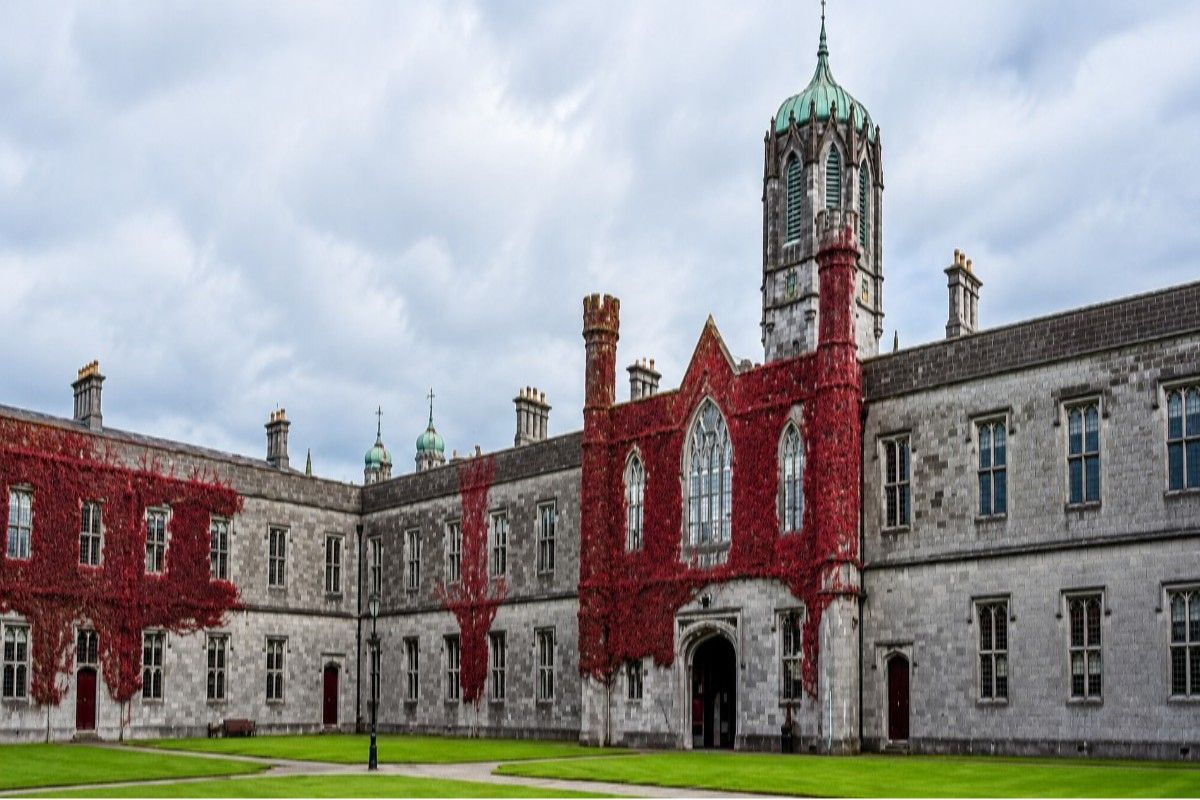 Partner
Explore fees, eligibility, and admission guidance for University of Galway School of Medicine, Galway, Ireland in Ireland.
Our team provides university-specific guidance and a full Ireland context briefing at every intake. Book a free counselling session →
The total cost depends on the university, programme duration and living expenses. A five-year medical programme may cost approximately ₹3.8–4.5 crore, while some six-year higher-tuition pathways may cost ₹5 crore or more, including estimated living expenses. Actual costs may vary.
The Best medical colleges in Ireland commonly considered by international applicants include Trinity College Dublin, University College Dublin, RCSI, University College Cork and University of Galway. University of Limerick also offers graduate-entry medicine.
Irish medical universities generally do not use NEET as their primary international admission examination. However, Indian students planning to practise medicine in India must satisfy applicable NEET and NMC eligibility requirements.
Yes. Irish medical education is generally taught in English, including lectures, examinations and clinical education. Applicants must satisfy the university's English-language requirements.
Yes. Eligible Indian students may apply to recognised undergraduate medical programmes after Class 12. Admission depends on academic qualifications, English proficiency, entrance assessments and university-specific selection.
An Irish medical qualification does not automatically guarantee Indian medical registration. Graduates must satisfy the applicable NMC regulations, including academic duration, internship and professional licensing requirements. The exact eligibility and any screening-test exemption must be assessed individually.
The Ireland MBBS fee structure depends on the university and applicant category. Published 2026–27 tuition examples include €52,100 at UCC, €55,000 at University of Galway, €61,000 at RCSI and up to €60,000 at Trinity College Dublin, with additional living and university expenses.