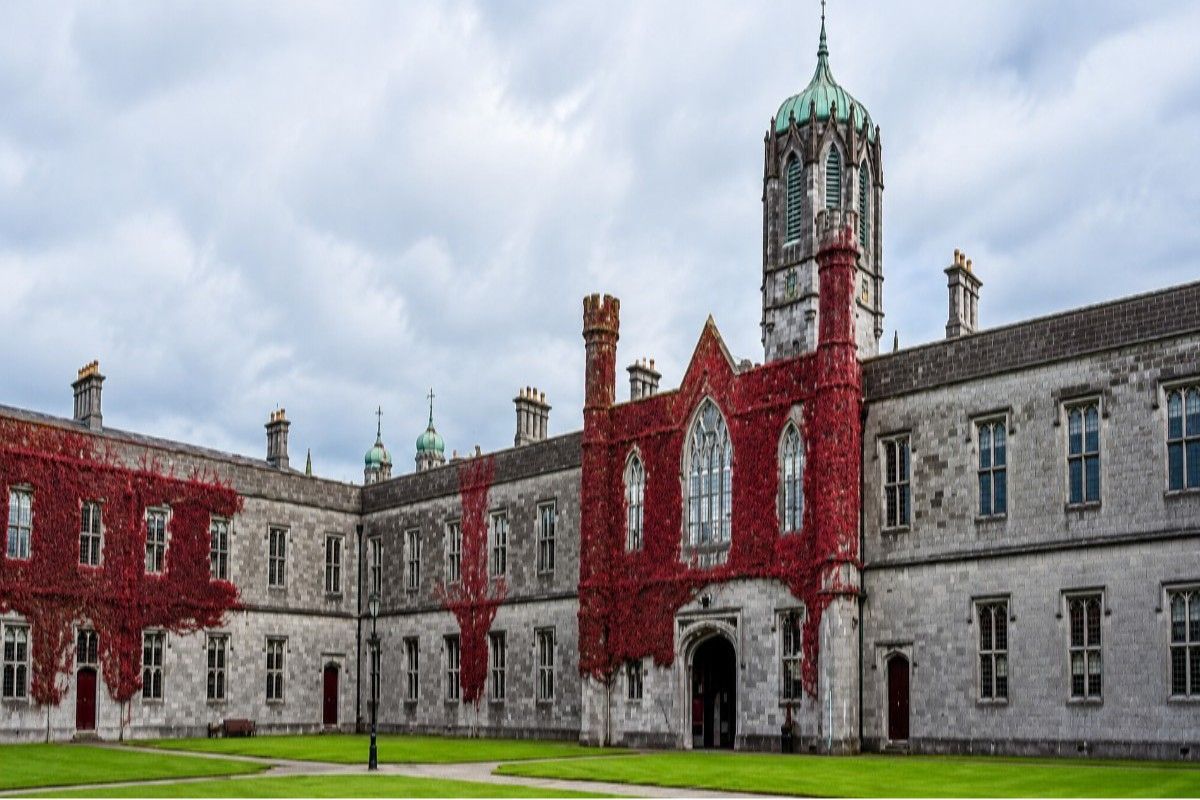
The University of Galway School of Medicine (formerly NUI Galway) is one of Ireland's oldest and most prestigious medical institutions. It is renowned for its strong tradition of clinical excellence, research focus, and location in a major academic and clinical hub on the west coast of Ireland.
| Feature | Detail |
| Official Name | University of Galway School of Medicine (Part of the College of Medicine, Nursing & Health Sciences) |
| Founding Year | Medical teaching has a long history, with the medical school formally established as part of the then-Queen's College, Galway, in 1845. |
| Institutional Status | Constituent school of the University of Galway, a highly ranked public research university. |
| Degree Awarded | BM BS (Bachelor of Medicine, Bachelor of Surgery) |
| Program Duration | 6 Years (Undergraduate Entry) or 4 Years (Graduate Entry Medicine - GEM). |
| Instruction Language | English Medium (Primary language of Ireland). |
| International Recognition | Highly recognised internationally, including by the Irish Medical Council (IMC), WHO WDOMS, and recognized globally. |
| NMC/International Compliance | The BM BS degree is recognised by the regulatory bodies of most countries, including for licensing exams like USMLE, MCCQE, and is generally accepted for licensing in India subject to standard rules (NExT examination). |
| Entry Requirement (6-Year) | High academic performance in the Leaving Certificate (Irish high school exam) or equivalent (e.g., A-levels, CBSE). Highly competitive. |
| Entry Requirement (4-Year GEM) | Mandatory primary degree (Bachelor's degree), high academic standing, and successful performance in the GAMSAT or MCAT standardised admissions tests. |
| Academic Focus | Strong focus on translational research, integrated learning, and early patient contact, with a unique emphasis on rural health and global health. |
The School of Medicine is located within the Health Sciences Building on the University of Galway's main campus.
Campus Layout: Located on the main campus, situated on the banks of the River Corrib, known for its mix of modern and historic architecture.
Medical Education Facilities: Housed primarily in the Áras de Bairéid (Clinical Science Institute) and the Health Sciences Building.
Lecture Theatres and Classrooms: Modern lecture halls and dedicated small-group teaching rooms for problem-based learning (PBL) and tutorials.
Simulation Center: Maintains the Clinical Skills and Simulation Centre (CSSC), providing high-fidelity simulation and skills training facilities for all phases of learning.
Anatomy Facilities: Features state-of-the-art Anatomy Laboratories, utilizing cadavers, prosections, models, and advanced imaging technology for anatomical instruction.
Laboratories: Dedicated teaching and research laboratories for foundational sciences, often shared with other health science disciplines.
Central Library: Students have access to the main James Hardiman Library, with extensive medical resources and digital databases.
IT Infrastructure: Excellent IT support and high-speed Wi-Fi access across the campus.
Student Amenities: Active student societies, including the large and influential Medical Society, and modern sports facilities.
Leading tertiary care hospital attached to the institution
Clinical training is delivered through the Saolta University Health Care Group, covering the West and Northwest of Ireland.
Saolta University Health Care Group: The medical school is fully integrated with the Saolta Group, ensuring comprehensive clinical experience across a wide geographical area.
Primary Teaching Hospital: University Hospital Galway (UHG) is the main acute hospital and primary teaching base, serving as the tertiary referral center for the region.
Affiliated Hospitals: Rotations take place across a network of affiliated hospitals, including:
Merlin Park University Hospital (Rehabilitation, Orthopaedics)
Sligo University Hospital
Mayo University Hospital
Portiuncula University Hospital (Ballinasloe)
Clinical Exposure Model: Students gain early patient contact from the beginning of the program, with structured, intensive clinical rotations from the intermediate years onward.
Bed Strength: The affiliated hospitals collectively provide substantial bed capacity for teaching and clinical rotations across multiple specialties.
Training Method: Emphasis on immersive bedside teaching, clerkships, and structured attachments in general practice and community settings.
Rural Health Focus: Strong exposure to regional and rural healthcare settings, providing a comprehensive understanding of varied health systems.
State University Affordability
Tuition fees for non-EU international students are substantial, reflecting the high cost and quality of medical education in Ireland.
Annual Tuition Fee (Non-EU): Approx. €30,000 – €35,000 EUR per year (or $32,000 – $37,000 USD).
Total 6-Year Tuition (Non-EU): Approx. €180,000 – €210,000 EUR (total academic fee for undergraduate entry).
Mandatory Charges: Includes student levy, examination fees, and medical indemnity insurance.
Accommodation (Annual): On-campus housing or private rental is available.
Estimate: Approx. €5,000 – €9,000 EUR per year (depending on type).
Cost of Living (Annual): High, relative to Eastern Europe/Central Asia.
Estimate: Approx. €10,000 – €12,000 EUR (excluding tuition).
No Capitation Fee: No non-refundable development or capitation fees are charged.
Galway City is often referred to as the "Cultural Heart of Ireland," known for its bohemian atmosphere, vibrant arts scene, and location on the Wild Atlantic Way.
General Atmosphere: Galway is a bustling, youthful, and highly dynamic coastal city, famous for its cultural festivals, street performers, and traditional music scene. It is a very student-friendly environment.
Safety Profile: The city is generally regarded as safe for students, offering a stable and welcoming environment.
Student Life: Extremely vibrant, driven by the large student populations at the University of Galway and Galway-Mayo Institute of Technology (GMIT). Social life revolves around pubs, cafes, and cultural events.
Climate: Experiences a temperate oceanic climate, with significant rainfall and often strong winds from the Atlantic, characterized by cool winters and mild summers.
Transportation: The city centre is compact and easily walkable. Local bus services connect the main residential and campus areas.
Famous Food/Culture: Famous for its seafood (especially Galway Bay oysters), traditional pubs, and status as a Gaeltacht (Irish-speaking) area, adding a unique cultural layer.
Indian Food Accessibility: There is a moderate presence of Indian and Asian restaurants and specialty grocery stores in the city to cater to the diverse population.
Language in Daily Life: English is the primary language, but Irish is culturally significant and more visible here than in most Irish cities.
Accommodation Areas: Popular student areas include the city center and areas immediately surrounding the campus (e.g., Newcastle, Shantalla).
Cost of Living: High, comparable to Dublin for accommodation and slightly lower for daily expenses.
The University of Galway is located in Galway City, one of Ireland's most beloved and culturally dynamic urban centres.
Accommodation: The university provides several modern, managed student residences (e.g., Corrib Village) located on or near the campus, usually in self-catered apartment complexes.
Room Configuration: Typically single-occupancy rooms in shared apartments.
Self-Catering: All accommodation options are self-catered, with well-equipped kitchens, which is necessary given the high cost of dining out.
Student Amenities: A huge array of clubs and societies (over 110), covering academic, cultural, and sporting interests.
Safety: The campus and the city of Galway are regarded as very safe, with a welcoming atmosphere.
Heating System: All modern buildings are well-maintained with central heating.
Admission Selection: Highly competitive, based on academic merit (Undergraduate Entry) or high GAMSAT/MCAT score and undergraduate GPA (Graduate Entry). The process includes interviews.
Internship Requirement: Graduates must complete a mandatory, structured 12-month pre-registration internship in Ireland (HSE) or an equivalent program abroad to gain full registration with the Irish Medical Council (IMC).
Career in Ireland/EU: Graduates are highly competitive for residency training in Ireland and the UK (via the highly sought-after Irish/UK matching systems).
NExT Eligibility (India): Graduates must successfully complete the full medical degree duration plus the mandatory 1-year internship to be eligible for the NExT exam and licensure in India.
Visa Requirements: Requires a valid student visa (Stamp 2) for non-EU citizens.
Language Requirement: No local language requirement (English is the primary language).
Well-equipped Library
Experienced Faculty
Computer Lab
Sports Activities
Heritage Campus