
🔬
ETH Zürich Ecosystem
The University of Zürich Faculty of Medicine operates within the intellectual orbit of ETH Zürich, consistently the world's top non-US research university. Research integration is exceptional.
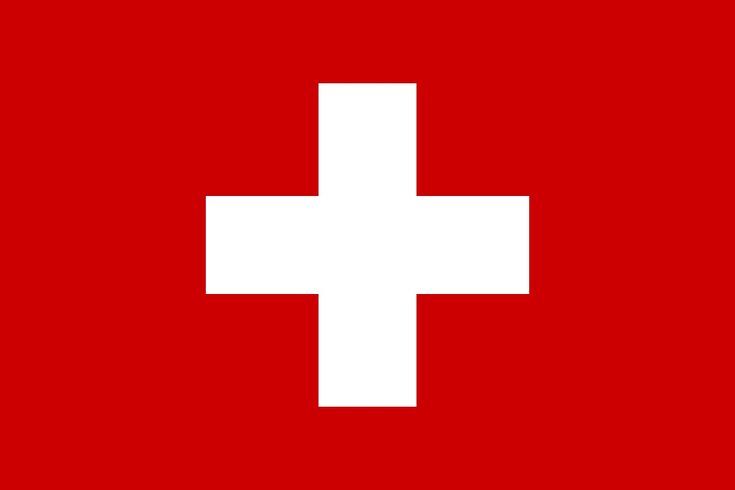 Study destination: Switzerland
We blend country research, university comparison, and admission guidance so students can evaluate the right path without guesswork.
The University of Zürich Faculty of Medicine operates within the intellectual orbit of ETH Zürich, consistently the world's top non-US research university. Research integration is exceptional.
CHF 720–1,500/year in semester fees, the lowest public university tuition in Western Europe. The entire cost is in living, not tuition.
Switzerland leads the Global Innovation Index every year. Pharmaceutical giants (Novartis, Roche, Pfizer, Swiss operations), medical device companies, and world-leading research hospitals all operate within walking distance of Zürich and Basel campuses.
Alps, lakes, world-class cities, Michelin-starred restaurants, impeccable public transport. Switzerland offers the highest quality of life environment of any MBBS abroad destination — for those who can afford it.
Explore active university options with fee, duration, and accreditation details before you shortlist your preferred campus.
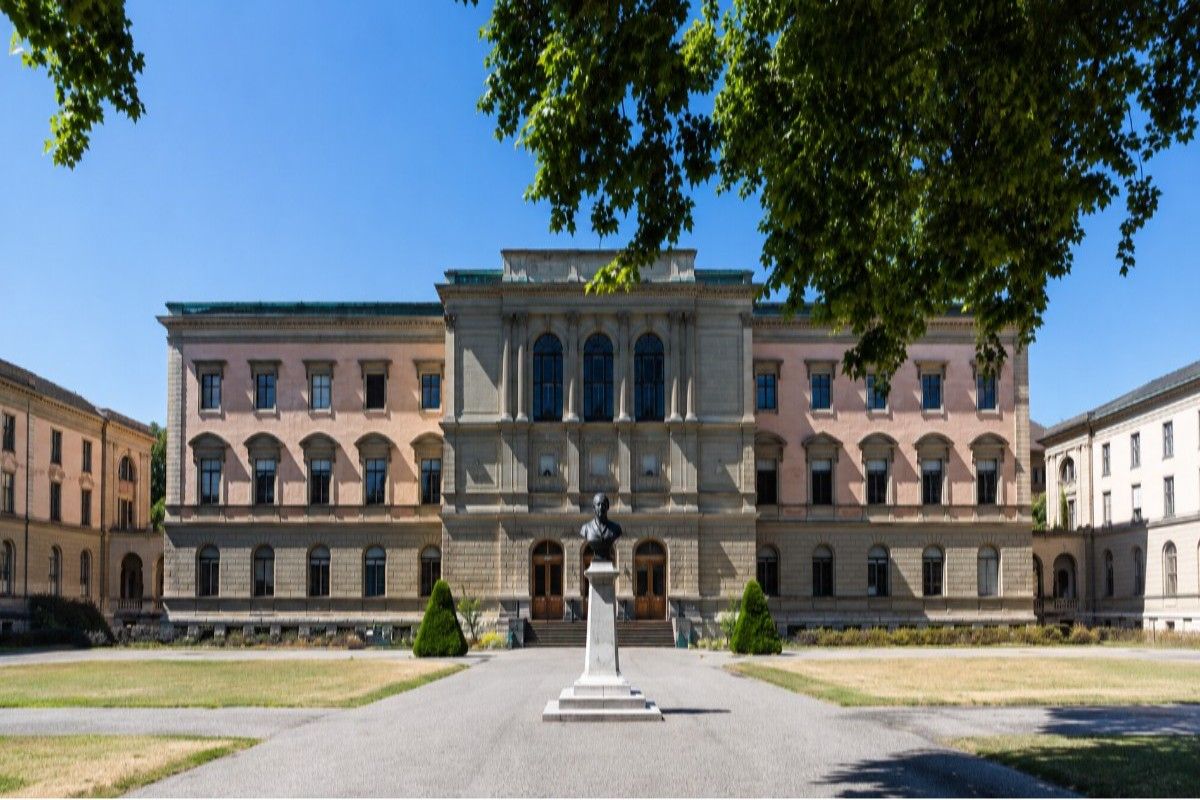 Partner
| University | Annual Tuition | Hostel Fee | Duration | Medium |
|---|---|---|---|---|
| MBBS in University of Geneva Faculty of Medicine | Approximately USD 1,100 (Approx. Rs. 91,500) | Approximately USD 10,500 per year (Approx. Rs. 8.73 lakh) for university residences and student accommodation in Geneva. | 6-Year MD Curriculum | Primarily French |
| MBBS in University of Fribourg - Faculty of Science and Medicine | Approximately USD 1,100 (Approx. Rs. 91,500) | Approximately USD 9,000 per year (Approx. Rs. 7.48 lakh) for university residences and student accommodation in Fribourg. | 6-Year MD Curriculum | French and German |
| MBBS in University of Bern Faculty of Medicine | Approximately USD 2,200 (Approx. Rs. 1.83 lakh) | Approximately USD 11,000 per year (Approx. Rs. 9.14 lakh) for university residences and student accommodation |
Switzerland is not an EU member but is a Schengen member. Indian students require a Swiss student residence permit before departure. Swiss Student Residence Permit (Aufenthaltsbewilligung — Category B) Applied for at the Swiss Embassy in New Delhi before departure. Required documents include: → Completed visa/permit application form → Valid passport (minimum 3 months beyond intended stay) → Admission letter from the Swiss medical faculty → Numerus clausus examination result/proof of admission qualification → Proof of financial means: minimum CHF 2,000/month (approximately ₹1.7 Lakhs/month) demonstrated in bank statements → German or French language proficiency certificate (C1 for medical programme admission) → Medical insurance valid for Switzerland → Accommodation proof Processing Time: 6–10 weeks. Begin at least 3 months before departure. Cantonal Registration — After Arrival Within 14 days of arrival, students register at the local cantonal migration authority (Migrationsamt). Our team helps manage this process and annual permit renewals. Key Notes → Switzerland is a Schengen student permit gives travel to the Schengen zone → Swiss medical school admission requires the numerus clausus examination → German C1 (for Zürich/Basel) or French C1 (for Geneva/Lausanne) mandatory
From counselling to visa readiness, here is the usual sequence students follow when planning admission in Switzerland.
Our Switzerland specialist conducts a full language, academic, financial, and career readiness assessment. Switzerland is only recommended after this session confirms a genuine fit.
Our team connects you with certified German (Goethe-Institut) or French (Alliance Française DALF) instructors targeting C1 certification.
We provide structured NC preparation, study skills assessment, scientific knowledge review, and practice examination sessions.
Full Swiss faculty application and permit document set — academic certificate translations, language certificates, and financial documentation.
Switzerland is one of the most prestigious and most demanding MBBS destinations, combining near-zero tuition with the world's highest living costs, exceptional academic selectivity, and strict language requirements. works with a very small number of thoroughly assessed Switzerland-track students each year. The numerus clausus examination preparation, Swiss faculty application, permit management, and Zürich/Geneva arrival are all managed by a Switzerland specialist. If Switzerland genuinely interests you, begin counselling 24 months before your intended intake.
Choose the right country, shortlist the right university, and understand your next steps with one clear plan built around your NEET score and budget.
Arrange a free counselling sessionYes. WHO-listed Swiss medical degrees from the University of Zürich, Geneva, Basel, and Lausanne qualify for FMGE/NExT in India, provided the applicant has a valid NEET score.
No. The University of Zürich and Basel teach in German; the University of Geneva and the University of Lausanne teach in French. German or French C1 is required. There is no English-medium undergraduate medical programme at Swiss public universities.
Zürich and Geneva are consistently among the world's three most expensive cities. Monthly living costs of CHF 2,000–3,000 (₹1.7–2.5 Lakhs) are realistic. Despite near-zero tuition, the total 6-year programme cost is approximately ₹1.2–1.6 Crores primarily due to living costs.
No. Switzerland is not an EU member; it is a Schengen member and has bilateral agreements with the EU covering professional qualifications. Swiss medical degrees receive European professional recognition through these bilateral agreements, but the process differs from direct EU member-state recognition.
Expert will call you within 2 hours
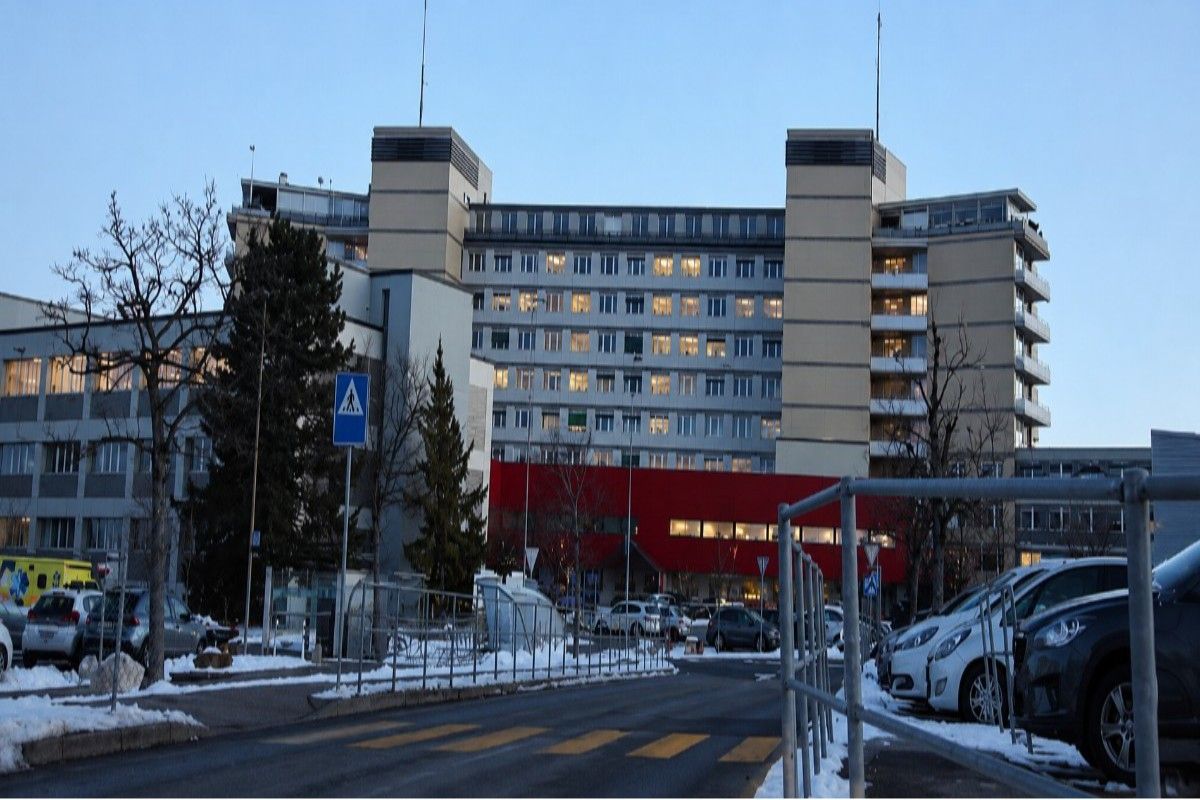
University Hospital Zürich (USZ), HUG Geneva, and Inselspital Bern are among Europe's finest teaching hospitals. Clinical training in Swiss hospitals sets a genuinely global standard.
Swiss physicians earn among the world's highest salaries, CHF 100,000–250,000+ annually, depending on speciality. For students who remain in Switzerland or the German-Swiss region, the long-term financial return is among the best of any medical career globally.
Explore fees, eligibility, and admission guidance for MBBS in University of Geneva Faculty of Medicine in Switzerland.
 Partner
Explore fees, eligibility, and admission guidance for MBBS in University of Fribourg - Faculty of Science and Medicine in Switzerland.
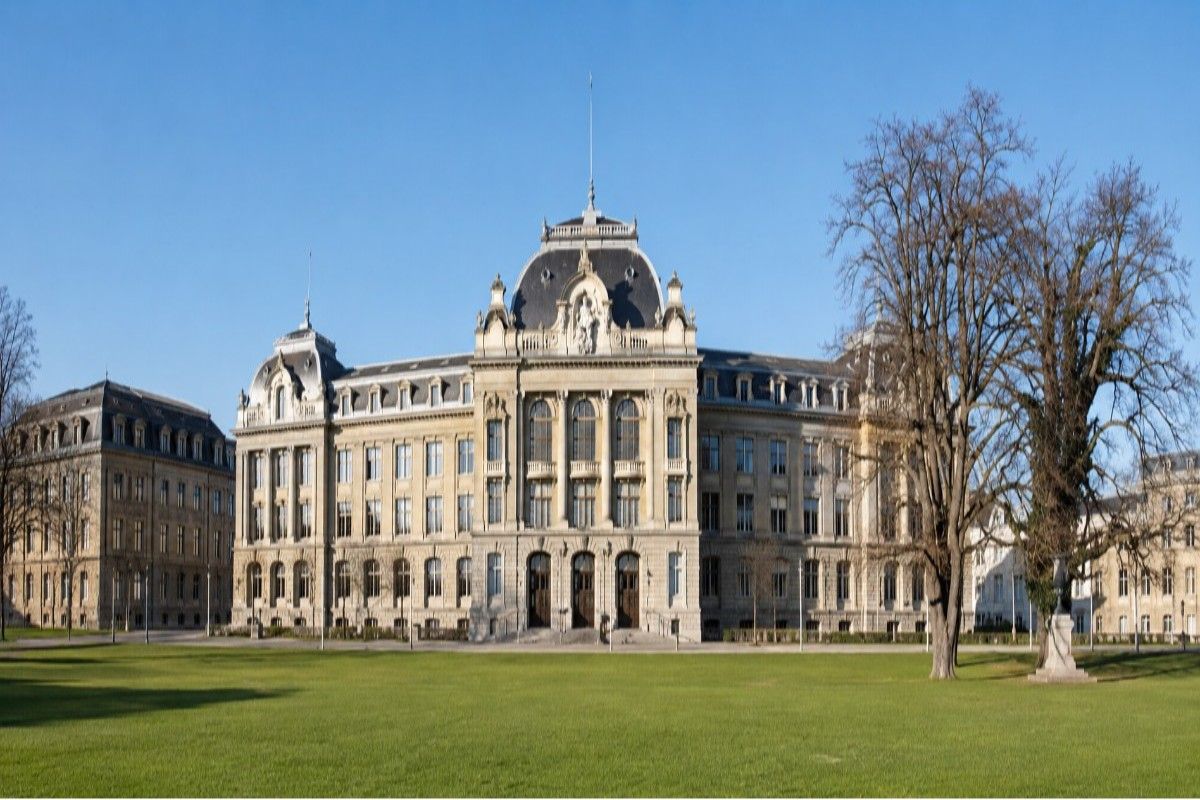 Partner
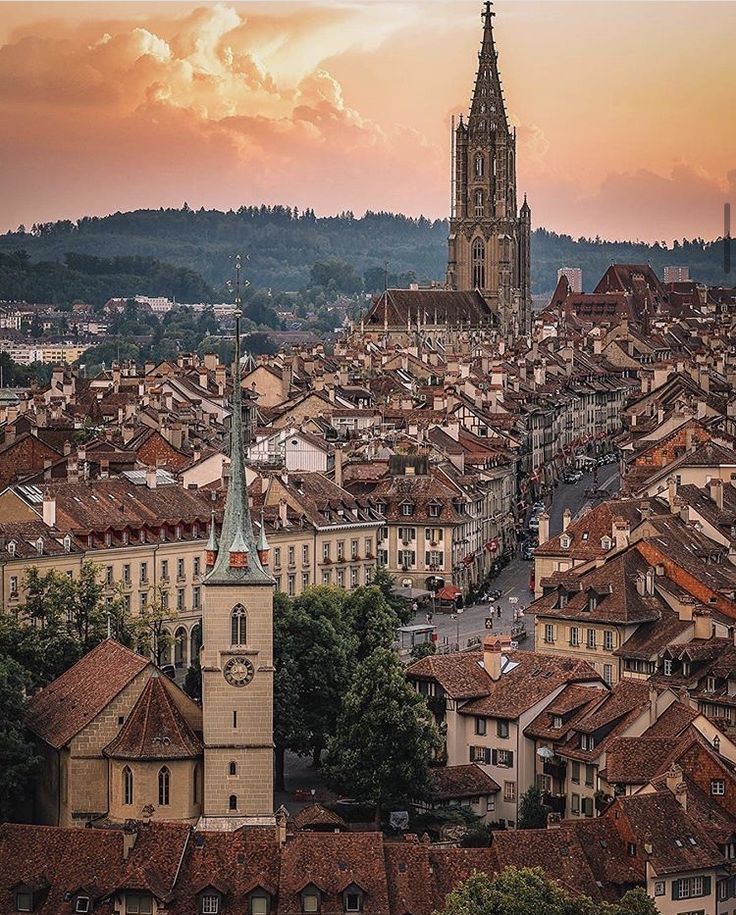
Explore fees, eligibility, and admission guidance for MBBS in University of Bern Faculty of Medicine in Switzerland.
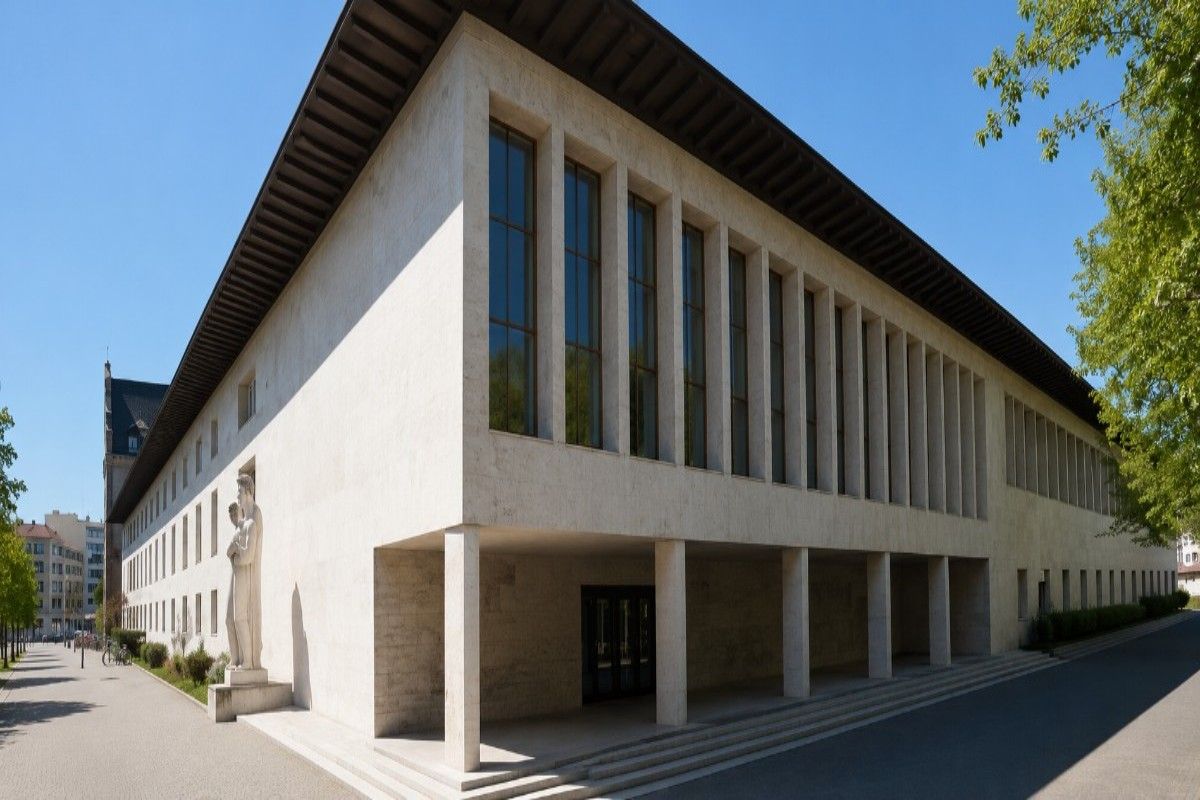 Partner
Explore fees, eligibility, and admission guidance for MBBS in University of Basel - Faculty of Medicine in Switzerland.
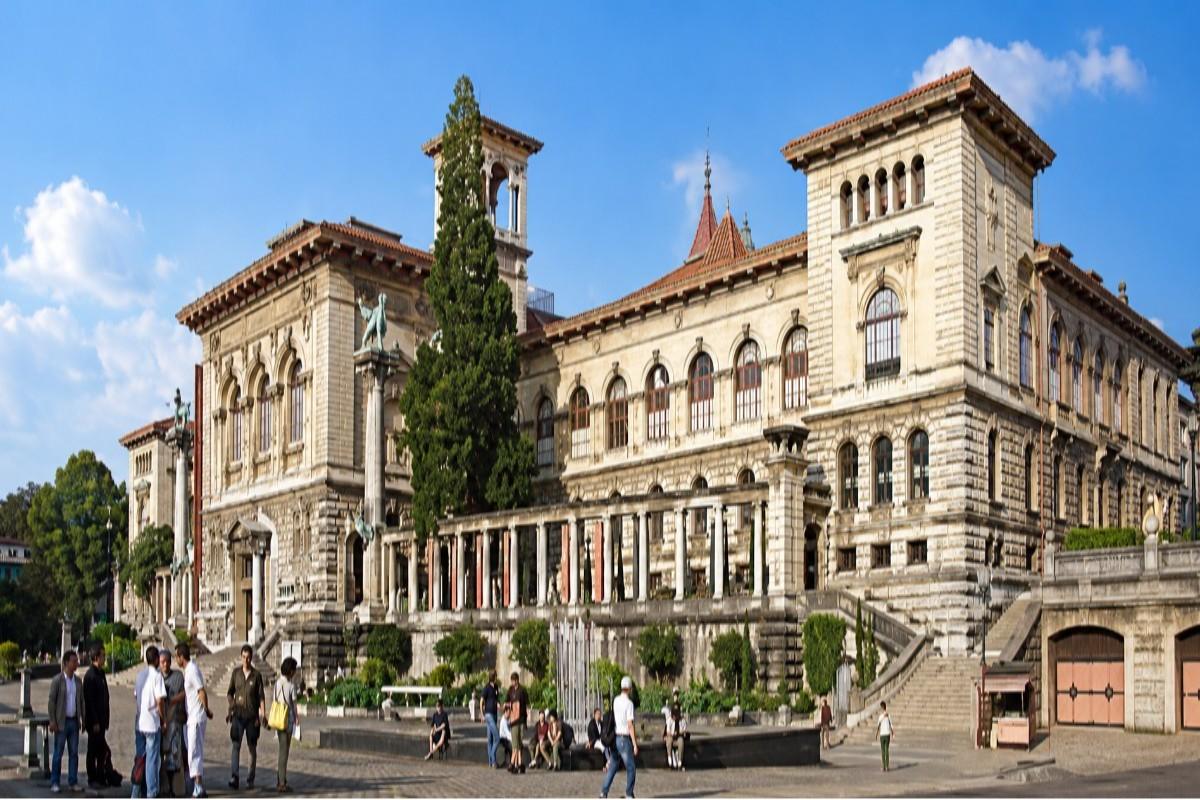 Partner
Explore fees, eligibility, and admission guidance for MBBS in Université de Lausanne (UNIL) - Faculty of Biology and Medicine (FBM) in Switzerland.
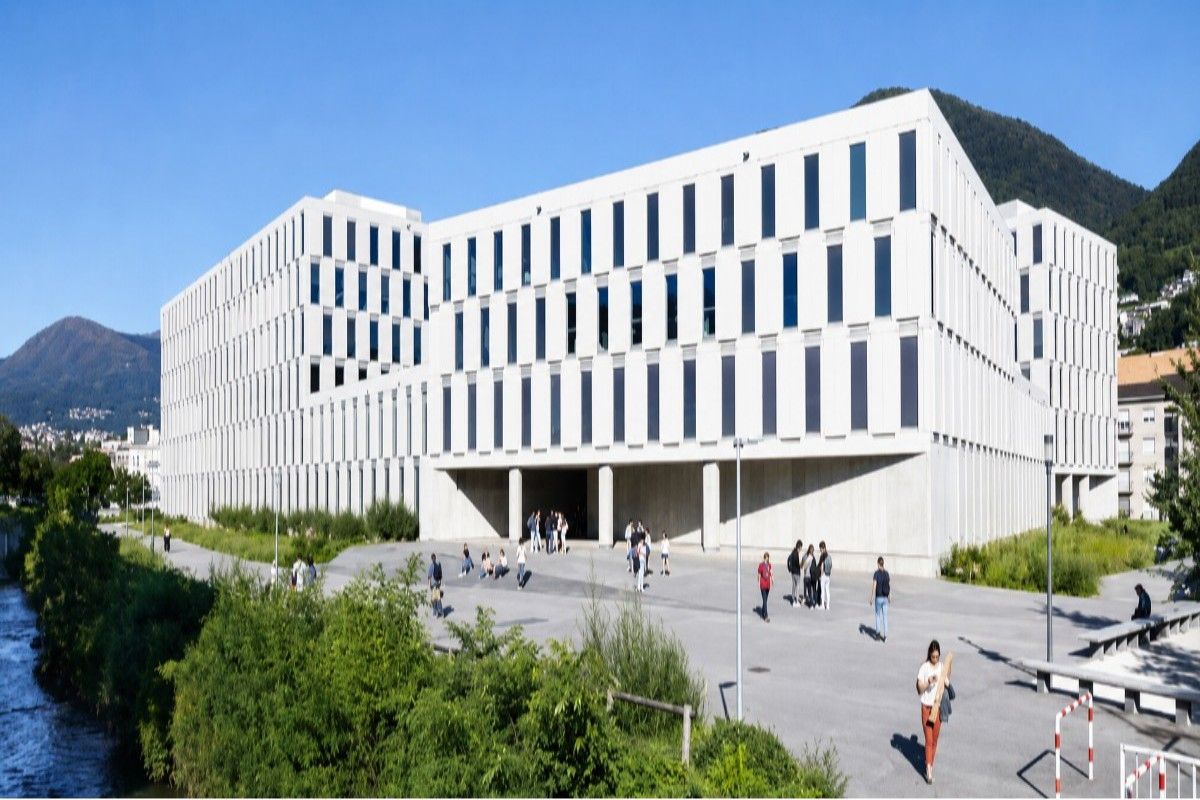 Partner
Explore fees, eligibility, and admission guidance for MBBS in Università della Svizzera Italiana – Faculty of Biomedical Sciences in Switzerland.
Our team provides university-specific guidance and a full Switzerland context briefing at every intake. Book a free counselling session →
| 6-Year MD Curriculum |
| Primarily German |
| MBBS in University of Basel - Faculty of Medicine | Approximately USD 2,000 (Approx. Rs. 1.66 lakh) | Approximately USD 10,800 per year (Approx. Rs. 8.98 lakh) for university residences and student accommodation in Basel. | 6-Year MD Curriculum | Primarily German |
| MBBS in Université de Lausanne (UNIL) - Faculty of Biology and Medicine (FBM) | USD 1,300 approx (Rs. 1.08 lakh approx) | USD 9,000 approx (Rs. 7.47 lakh approx) per year, varies by housing type | 6-Year MD Curriculum | French |
| MBBS in Università della Svizzera Italiana – Faculty of Biomedical Sciences | Approximately USD 4,500 (Approx. Rs. 3.74 lakh) | (USD and INR, with brief description): Approximately USD 9,500 per year (Approx. Rs. 7.90 lakh) for student residences and accommodation in | 6-Year MD Curriculum | Primarily Italian and English (depending on programme stage) |
Our team manages the application to the University of Zürich, Basel, Geneva, or Lausanne Faculty of Medicine.
NC examination taken (typically late August / early September).
Faculty admission confirmed after NC results. Our team immediately initiates the Wohnheim (student housing) application, which is oversubscribed and requires early filing.
Full permit documentation submitted to the Swiss Embassy in New Delhi. Begin immediately after admission.
Our team advises on routing to Zürich Airport (ZRH) or Geneva Airport (GVA). Local coordination confirmed.
Our team manages Migrationsamt cantonal registration (within 14 days of arrival) and university enrolment. Annual permit renewal is managed throughout your programme.
Swiss medical schools use the numerus clausus (NC), a selective entrance examination administered in the canton of study, typically in late August / early September. It tests study skills, scientific knowledge, and problem-solving ability and is the primary admissions gate.
Swiss medical licence (Arztdiplom), European professional recognition via bilateral agreements, USMLE (USA), PLAB (UK), and FMGE/NExT (India). Swiss physicians earn among the world's highest salaries and have strong international career mobility. Geneva specifically opens global health organisation career pathways.
Consistently yes, with Zürich topping or coming second in EIU, Mercer, and similar indices every year. Impeccable infrastructure, lakefront location, Alpine access, cultural density, and social trust levels that make daily life genuinely extraordinary. For students who can afford it, it is an exceptional place to spend 6 years.
Yes. Zürich Airport (ZRH) has connections to India via Dubai, Doha, or Mumbai with a total travel time of approximately 9–12 hours. Swiss Airlines and Gulf carriers offer regular connections.
Yes. Our team provides numerus clausus coaching, manages the Swiss faculty application and the Swiss Embassy Category B permit application, and handles cantonal registration on arrival in Zürich or Geneva.
Both offer near-zero public university tuition with very high living costs. Germany's numerus clausus (NC) is similarly competitive. Switzerland's living costs are higher than Germany's. Switzerland's academic environment, particularly through the ETH Zürich / University of Zürich research ecosystem, is arguably more research-leading.
Yes, Switzerland has a growing Indian diaspora. Indian restaurants, grocery stores, and cultural associations are established in both Zürich and Geneva. Geneva's international community includes a large Indian diplomatic and NGO presence.
Switzerland is right for an extremely small number of students: those with genuine German or French C1 proficiency, exceptional academic records, strong financial capacity to cover very high living costs, and a clear commitment to research medicine, European practice, or global health careers centred on Geneva.