
 Partner
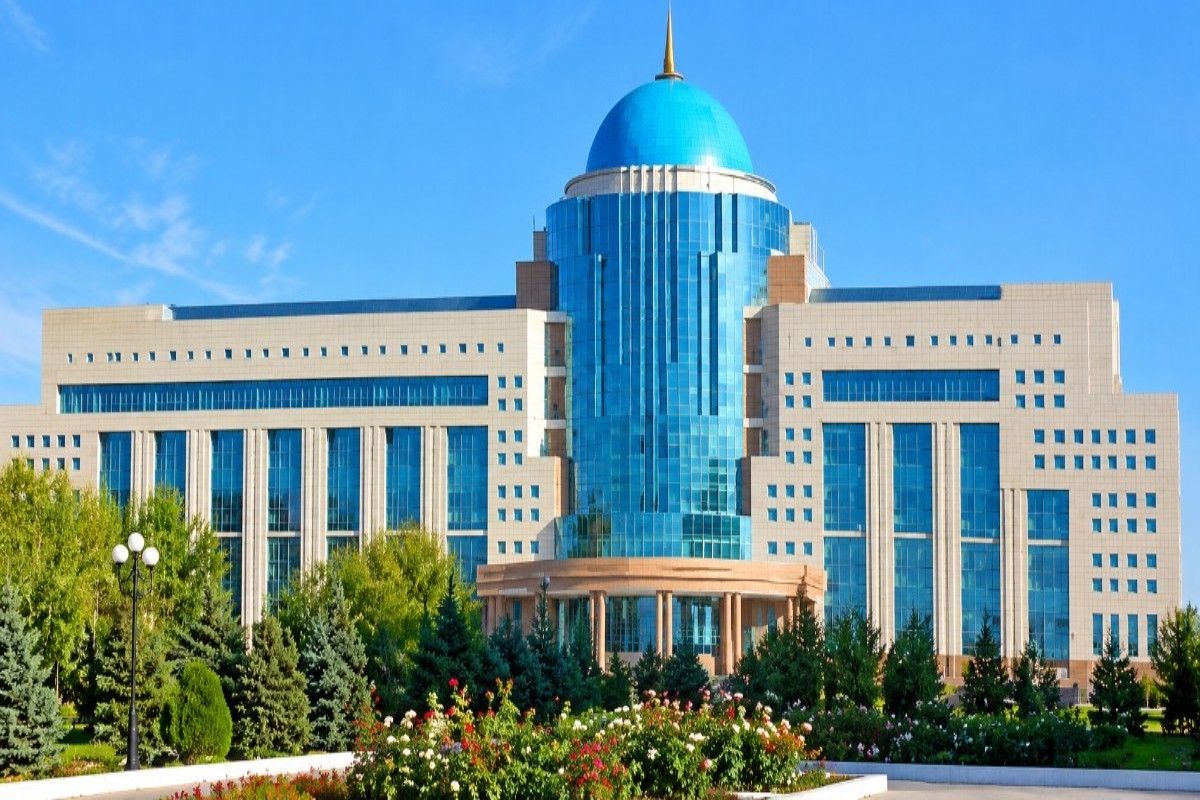
📍Kazakhstan, Turkistan
 Study destination: Kazakhstan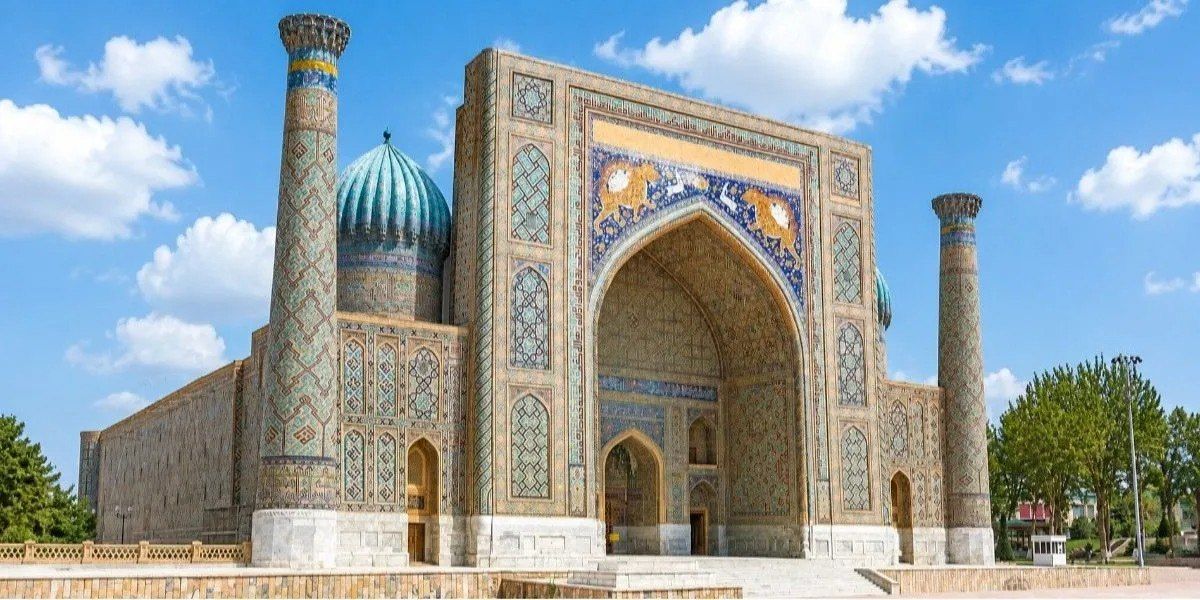
For Indian students who want to pursue medical education abroad at an affordable cost, MBBS in Kazakhstan has become one of the popular choices in recent years. Kazakhstan offers a combination of affordable tuition fees, quality medical education, modern infrastructure, and international exposure for students planning a career in medicine.
The demand for MBBS in Kazakhstan for Indian Students has increased because of the limited availability of affordable medical seats in India and the increasing competition in medical entrance examinations. Kazakhstan provides an opportunity for students to complete their medical education with comparatively lower expenses while gaining global exposure.
Kazakhstan is a lovely country located in Central Asia that is recognized for its amazing culture, beautiful landscapes, modern cities, and developed infrastructure. This country is popular for its grandiose mountains, magnificent lakes, ancient sites, and calm atmosphere. Cities like Almaty, Astana, Karaganda, and Shymkent offer comfortable living for international students.
Students who have chosen to pursue MBBS in Kazakhstan get an opportunity to experience a multicultural education system. Medical educational institutions in Kazakhstan offer theoretical knowledge as well as practical clinical training in hospitals and healthcare centres.
The Kazakhstan MBBS Fees for Indian Students are one of the major reasons behind the popularity of this destination. Compared to private medical colleges in India, studying medicine in Kazakhstan can be a more affordable option. The overall cost generally includes tuition fees, hostel accommodation, food expenses, insurance, and other basic living costs.
Compared to Indian private medical colleges, the cost of studying medicine in Kazakhstan is less. The overall fees generally include tuition fees, hostel expenses, food costs, insurance, and basic living costs.
Kazakhstan comprises several well-established Universities of Medicine in Kazakhstan that serve international students. The Universities provide facilities such as modern classrooms, laboratories, research centres, and clinical training facilities.
Students searching for the Best medical institute in Kazakhstan should evaluate universities properly on the basis of factors like education quality, hospital exposure, faculty experience, institutional infrastructure, hostel facility, and job opportunities.
However, before taking admission in any university, the students should know about the specific eligibility requirement, course framework, and rules.
Kazakhstan has become a preferred destination for students searching for MBBS Abroad because of its affordable education system and international learning environment.
There are several reasons why Indian students choose Kazakhstan for MBBS:
Affordable medical education
Lower tuition fees compared to many private medical colleges in India
English-medium MBBS programs
Modern medical infrastructure
Practical clinical exposure
Experienced teaching faculty
International student community
Affordable hostel facilities
Safe environment
Simple admission process
No donation or capitation fee
Opportunities for global medical careers
Particular | Details |
Course Name | MBBS / General Medicine Program |
Duration | 6 Years including internship |
Academic Structure | 5 Years Academic Study + 1 year Clinical Internship |
Medium of Instruction | English |
Eligibility | 10+2 with Physics, Chemistry and Biology |
Required for Indian Students | |
Annual Tuition Fees | Approximately USD 3,500–6,000 |
Total Estimated Cost | Approximately ₹25–40 Lakhs |
Intake | September |
Hostel Facility | Available |
Living Expenses | Affordable |
Student Community | International Students |
Fees may vary depending on the selected university, currency exchange rate, and academic year.
Every year, many Indian students choose Kazakhstan for medical education because it offers affordable fees, international exposure, and quality learning opportunities.
One of the biggest advantages of studying medicine in Kazakhstan is the affordable fee structure.The Kazakhstan MBBS Fees for Indian Students are generally lower than many private medical colleges in India. Students can complete their medical degree without paying large donation amounts.The total cost includes:
University tuition fees
Hostel charges
Food expenses
Medical insurance
Visa expenses
Personal expenses
The final cost depends on:
University selection
City
Accommodation type
Lifestyle
Exchange rate
Many medical universities in Kazakhstan offer English-medium medical programs for international students. Here students can study:
Medical theory
Practical subjects
Laboratory work
Clinical procedures
Medical research
Kazakhstan has continuously improved its medical education infrastructure.
Medical universities provide facilities such as:
Advanced laboratories
Modern classrooms
Simulation centres
Research facilities
Digital learning systems
Teaching hospitals
Clinical departments
These facilities help students develop practical medical skills along with theoretical knowledge.
Apart from education, Kazakhstan offers international students a unique cultural and lifestyle experience.
The country combines traditional heritage with modern development.
Kazakhstan has a diverse cultural background influenced by Central Asian traditions.
Students can experience:
Traditional festivals
Local customs
Kazakh music
Traditional food
Historical monuments
Cultural events
The people of Kazakhstan are known for their hospitality, making international students feel comfortable.
The admission requirements for MBBS Admission in Kazakhstan are generally simple for international students.
Students need to fulfil academic requirements before applying.
Indian students generally require:
Completion of 10+2 education
Physics, Chemistry and Biology as compulsory subjects
Required PCB percentage of 50% for General and 40% for SC, ST and OBC candidates
Minimum age of 17 years on 31st of December during the year of admission
Valid passport
NEET qualification
English Test- Should pass either IELTS, TOEFL, or Duolingo
Students should verify university-specific eligibility requirements before admission.
For an Indian student planning to study MBBS in Kazakhstan and later seek medical registration in India, the relevant framework is the NMC Foreign Medical Graduate Licentiate (FMGL) Regulations, 2021, notified on 18 November 2021. Some of the nmc rules include:
The foreign medical degree course must have a minimum duration of 54 months(4.5 Years).
The student should complete at least 12 months of internship(CRMI), i.e "Compulsory Rotating Medical internship” in the same foreign medical institution where the primary medical qualification is obtained by them.
The foreign medical degree must be taught in the English language only.
The course must include theory, practical and clinical training equivalent to the Indian MBBS curriculum, with the mandatory subjects specified under Schedule I.
The graduates must be registered with the relevant professional regulatory authority, or otherwise be competent to obtain a licence to practise medicine in the country where the degree was awarded, on terms comparable to citizens of that country.
The admission process for studying medicine in Kazakhstan is simple when students have all required documents.
Students should select a university after checking:
Tuition fees
Infrastructure
Faculty
Clinical facilities
Hostel availability
Course structure
Students need to submit:
Academic documents
Passport copy
Photographs
Other required certificates
AMW Career Point can help the students at every step of their application submission.
After document verification, the university issues an admission confirmation letter.
Students pay the required admission or tuition fee according to university instructions.
After receiving admission confirmation, students can apply for a student visa.
After visa approval, students travel to Kazakhstan and complete university registration.
Students should keep all documents ready before starting the admission process.
10th marksheet
12th marksheet
NEET scorecard
Valid passport
Passport-size photographs
Birth certificate
Aadhar Card
Pan Card
Medical fitness certificate
Admission letter
Apostille
Visa documents
Proper documentation helps students avoid unnecessary delays during admission and visa processing.
Students should:
Maintain original documents
Keep photocopies
Store digital copies
Check spelling details carefully
Maintain university communication records
Kazakhstan has several medical universities that attract students from all over the world including India. But before selecting the Best Medical College in Kazakhstan, students should consider:
University reputation
Clinical training
Faculty quality
Infrastructure
Fees
Student support
University Name | City | Duration | Medium |
Almaty | 6 Years with internship | English | |
Astana | 6 Years with internship | English | |
Almaty | 6 Years with internship | English | |
Shymkent | 6 Years with internship | English | |
Karaganda | 6 Years with internship | English | |
Semey | 6 Years with internship | English | |
Aktobe | 6 Years with internship | English |
The affordable Kazakhstan MBBS Fees for Indian Students is one of the main reasons why Kazakhstan has become a preferred destination for medical aspirants. The country provides medical education at a comparatively lower cost than many private medical colleges in India.
The total cost of studying MBBS in Kazakhstan depends on several factors such as the selected university, tuition fee structure, hostel charges, food expenses, city, and personal lifestyle.
Students should always compare the complete cost of education instead of considering only tuition fees.
Expense | Approximate Cost |
Tuition Fees | USD 3,500–6,000 per year |
Hostel Fees | USD 500–1,500 per year |
Food Expenses | USD 100–200 per month |
Medical Insurance | USD 100–200 per year |
Visa Extension Charges | As applicable |
Total Estimated Cost | Approximately ₹25–40 Lakhs |
The actual fees may vary according to the university, currency exchange rate, and academic year.
Different Medical Universities in Kazakhstan have different fee structures depending on their location, facilities, ranking, and infrastructure.
Medical University | Approximate Annual Tuition Fee |
Kazakh National Medical University | USD 5,000–6,000 |
Astana Medical University | USD 4,500–5,500 |
South Kazakhstan Medical Academy | USD 3,500–4,500 |
Karaganda Medical University | USD 4,000–5,000 |
Semey Medical University | USD 4,000–5,000 |
West Kazakhstan Medical University | USD 3,500–4,500 |
Students should confirm the latest fee structure before admission because fees can change according to university policies.
Students searching for Low Cost MBBS Abroad options can consider several affordable medical universities in Kazakhstan.
While choosing an affordable university, students should check:
Education quality
Clinical training facilities
Faculty experience
Hostel facilities
University infrastructure
Student support services
Some affordable options include:
South Kazakhstan Medical Academy
West Kazakhstan Medical University
Semey Medical University
Karaganda Medical University
Most medical universities in Kazakhstan provide hostel accommodation for international students.
University hostels are generally located near campuses, making transportation easier for students.
Furnished rooms
Heating system
Drinking Water
Internet facility
Quilt
Pillows
Common study areas
Cooked meals
Accommodation Type | University Hostel | Shared Apartment | Private Accommodation |
|---|---|---|---|
Approximate Cost | USD 500–1,500 per year | USD 150–300 per month | Depends on city |
Students can select accommodation according to their comfort and budget.
Medical scholarships for international students depend on university policies. Some universities may provide financial assistance or academic benefits.
Students may get:
Merit-based scholarships
Academic performance rewards
Tuition fee discounts
University grants
Students should check scholarship availability with their selected university.
Many students compare medical education in Kazakhstan with private MBBS colleges in India.
Feature | MBBS in Kazakhstan | Private MBBS in India |
Tuition Cost | More affordable | Generally higher |
Admission Process | Comparatively simple | Highly competitive |
Donation Fee | Usually not required | May apply in some colleges |
International Exposure | Higher | Limited |
Student Diversity | International students | Mostly Indian students |
Clinical Training | Hospital-based learning | Attached hospitals |
Students should choose a medical destination according to their academic goals and career plans.
Kazakhstan has several cities that provide medical education opportunities for international students.
Almaty is the largest city of Kazakhstan and one of the most popular destinations among international students.
Leading medical universities
Better transportation facilities
Modern lifestyle
International student community
Shopping and entertainment options
Better connectivity
Almaty is surrounded by beautiful mountains, making it one of the most attractive cities in Kazakhstan.
Astana is the capital city of Kazakhstan and a rapidly developing educational hub.
Modern infrastructure
Advanced facilities
Clean environment
International student support
Better public services
Students studying in Astana experience a modern city lifestyle.
Shymkent is another popular city for medical students.
Affordable living expenses
Comfortable environment
Medical education facilities
Student-friendly atmosphere
Karaganda is known for its educational institutions and peaceful environment.
Affordable lifestyle
Good academic environment
Medical training opportunities
Comfortable accommodation
Country | Approx. Tuition/Year | Cost of Living | Medium | NEET | Climate | Clinical Exposure |
Kazakhstan | 3,500–6,000 | Low–Moderate | English at selected universities | Required for Indian students seeking registration in India | Very cold winters, warm summers | Good to strong; varies by university |
3,000–7,000 | Moderate | English / Russian depending on university | Required for Indian students seeking registration in India | Very cold winters | Strong and well established | |
3,000–5,000 | Low | English at selected universities | Required for Indian students seeking registration in India | Cold winters, hot summers | Moderate to good | |
3,000–5,500 | Low | English at selected universities | Required for Indian students seeking registration in India | Cold winters | Good; varies by university | |
5,000–8,000 | Moderate–High | English | Required for Indian students seeking registration in India | Comparatively mild | Strong at established universities | |
4,000–6,000 | Low–Moderate | English for medical education | Required for Indian students seeking registration in India | Similar to eastern India | Good, with high patient exposure | |
2,500–5,500 | Low | English available at selected programs | Required for Indian students seeking registration in India | Cold winters | Developing; depends on institution |
The MBBS Course in Kazakhstan follows a structured medical curriculum that includes basic sciences, clinical subjects, practical training, and internship.
The duration of the medical program is generally six years.
Year | Major Subjects |
First Year | Anatomy, Histology, Biology, Medical Chemistry |
Second Year | Physiology, Biochemistry, Microbiology |
Third Year | Pathology, Pharmacology, Pathophysiology |
Fourth Year | Internal Medicine, Surgery, Pediatrics |
Fifth Year | Obstetrics & Gynecology, Neurology, ENT, Ophthalmology |
Sixth Year | Clinical Training and Internship |
Students study various medical subjects including:
Anatomy
Physiology
Biochemistry
Pharmacology
Pathology
Microbiology
Medicine
Surgery
Pediatrics
Gynecology
Neurology
Emergency Medicine
Medical Ethics
The curriculum focuses on developing medical knowledge and practical skills.
Clinical training is an essential part of medical education. Students studying MBBS in Kazakhstan receive practical exposure through affiliated hospitals and healthcare centres.
Students learn how to apply theoretical knowledge in real medical situations.
Hospital rotations
Patient examination
Case discussions
Laboratory procedures
Emergency department exposure
Surgical observation
Clinical diagnosis
Treatment planning
Students develop:
Patient communication skills
Diagnostic skills
Clinical decision-making
Medical documentation
Emergency response
Professional ethics
Teamwork skills
Clinical exposure helps students become confident medical professionals.
Indian students who complete their medical education abroad need to fulfil applicable requirements for medical registration in India.
Students should:
Qualify NEET before admission
Select a suitable medical university
Complete the required medical course
Complete necessary training requirements
Fulfil applicable licensing requirements
Students should always verify current regulations before admission.
Students interested in practising medicine in the United States can explore the USMLE pathway after completing their medical degree.
International medical career opportunities
Exposure to the US healthcare system
Opportunity for residency programs
Advanced specialization options
Students should understand eligibility requirements before starting preparation.
Students planning to practice medicine in the United Kingdom can explore the PLAB pathway.
Opportunity to work in the UK healthcare system
International medical exposure
Postgraduate training opportunities
Global career options
After completing MBBS, students can pursue postgraduate education in various medical specializations.
Popular specializations include:
Cardiology
Neurology
Surgery
Pediatrics
Orthopedics
Dermatology
Radiology
Psychiatry
Internal Medicine
Anesthesiology
Students can choose specialization according to their interests and career goals.
Student life is an important factor when choosing a destination for medical education abroad. Kazakhstan provides a comfortable and multicultural environment for international students.
Thousands of students from different countries study in Kazakhstan, creating a diverse campus atmosphere. Indian students can interact with students from different cultures and gain international exposure.
Medical universities in Kazakhstan provide a supportive environment where students can focus on academics while enjoying a balanced lifestyle.
International students can enjoy:
Multicultural campus environment
Affordable lifestyle
Modern cities
Student communities
Cultural activities
Shopping facilities
Sports activities
Restaurants and cafes
Public transportation facilities
Students can also explore Kazakhstan’s historical places, natural landscapes, and cultural attractions during holidays.
Food is one of the biggest concerns for Indian students while studying abroad. Kazakhstan provides various food options that help Indian students adjust comfortably.
Many universities and student communities support international students with suitable food facilities.
Students can find:
Indian restaurants
Vegetarian food options
Non-vegetarian Indian meals
Rice and curry dishes
Dal and roti options
South Indian food
North Indian food
Hostel mess facilities
Students who prefer cooking can also prepare their own meals in selected accommodations.
Accommodation plays an important role in student life. Most medical universities in Kazakhstan provide hostel facilities for international students.
University hostels are generally affordable and located near the campus.
Common facilities include:
Furnished rooms
Shared accommodation options
Heating facilities
Internet access
Security services
CCTV monitoring
Study areas
Laundry facilities
Common kitchens
Students can choose accommodation according to their budget and preferences.
Kazakhstan has a developed transportation system, especially in major cities like Almaty and Astana.
Students can easily travel between universities, hostels, markets, and other locations.
Metro
City buses
Taxis
Shared transport
Walking routes
Public transportation is affordable and convenient for students.
Kazakhstan experiences four distinct seasons throughout the year, with weather conditions varying across different regions. Summers are generally warm with longer daylight hours, while winters can be extremely cold with snowfall, requiring students to wear proper winter clothing. Spring and autumn offer pleasant weather, making it comfortable for students to adapt and enjoy outdoor activities. Indian students may need some time to adjust to the colder climate, especially during the winter season.
Safety is one of the important factors considered by parents and students while selecting an MBBS abroad destination. Kazakhstan provides a student-friendly environment with facilities that support international students.
University security systems
Hostel security
CCTV monitoring
International student support
Healthcare facilities
Emergency assistance
But students are advised to follow local laws and maintain normal safety precautions during their stay.
After completing MBBS in Kazakhstan, graduates can explore different career opportunities depending on their licensing requirements and career goals.
A medical degree from Kazakhstan can provide opportunities in various healthcare fields.
Graduates may work as:
General Physician
Medical Practitioner
Clinical Assistant
Healthcare Professional
Medical Researcher
Hospital Administrator
Medical Consultant
Medical Educator after higher studies
The career pathway depends on the country where the graduate plans to practice medicine.
Explore active university options with fee, duration, and accreditation details before you shortlist your preferred campus.
PartnerChoose the right country, shortlist the right university, and understand your next steps with one clear plan built around your NEET score and budget.
Arrange a free counselling sessionMBBS in Uzbekistan 2026-27: Fees, Universities, NMC Advisory & Everything Else Nobody Tells You Upfront
Lowest-Cost NMC-Compliant MBBS Abroad | English Medium | No Donation | ₹15-35 Lakh Total | National FMGE Average 25%
MBBS in Russia 2026 Affordable Fees, NMC-Compliant Universities & Global Recognition
● Government-owned universities across all four main cities (Minsk, Vitebsk, Grodno, Gomel); WDOMS-listed, though NMC/FMGL 2021 eligibility must be verified for your specific course before paying any fee
● NMC, WHO/WDOMS, and EU/ECTS-recognized universities are available; always verify your specific university's current standing directly rather than relying on a blanket "NMC approved" claim
Yes, Kazakhstan is considered a popular destination for Indian students because of affordable fees, international exposure, and practical medical training opportunities.
The duration of MBBS in Kazakhstan is generally 6 years, including academic education and clinical training.
The approximate cost of MBBS in Kazakhstan ranges between ₹25–40 Lakhs depending on the university, hostel, and other expenses.
Yes, Indian students planning to study medicine abroad need to fulfil applicable NEET requirements.
Expert will call you within 2 hours
Explore fees, eligibility, and admission guidance for MBBS in International Kazakh Turkish University in Kazakhstan.
 Partner
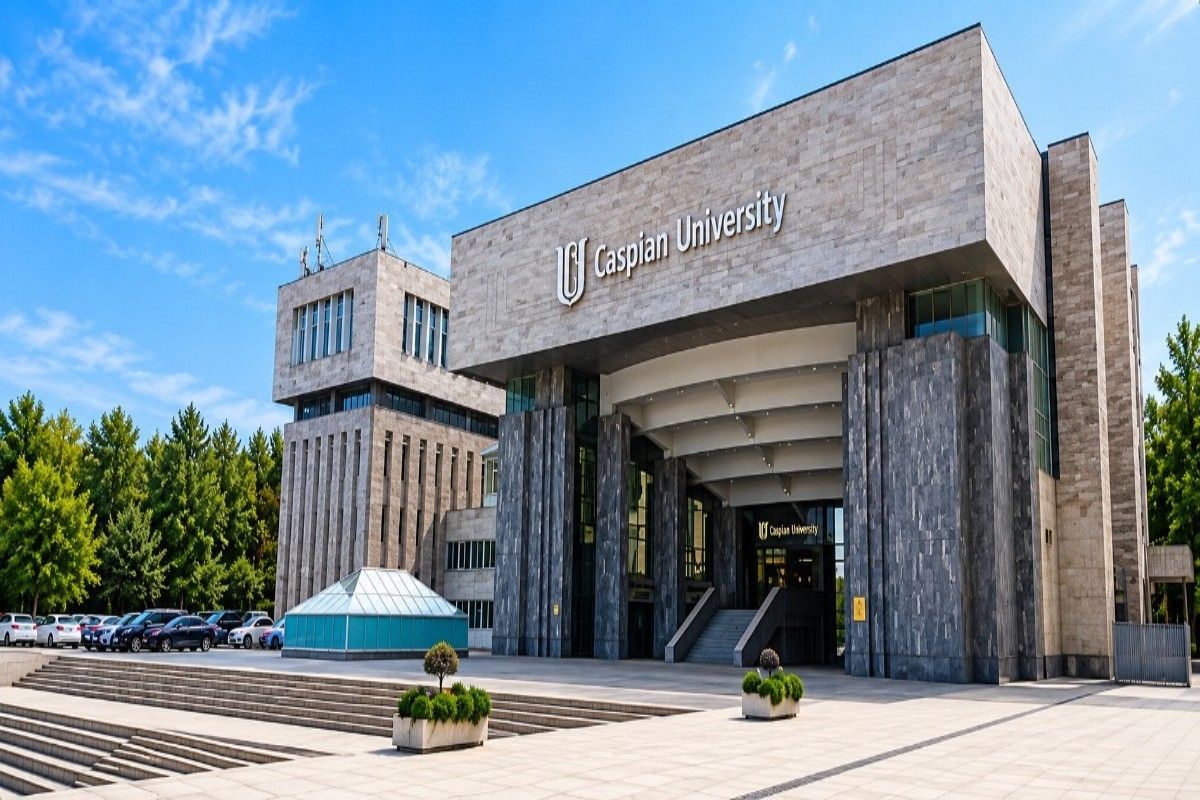
Explore fees, eligibility, and admission guidance for MBBS in Caspian University International School of Medicine in Kazakhstan.
 Partner
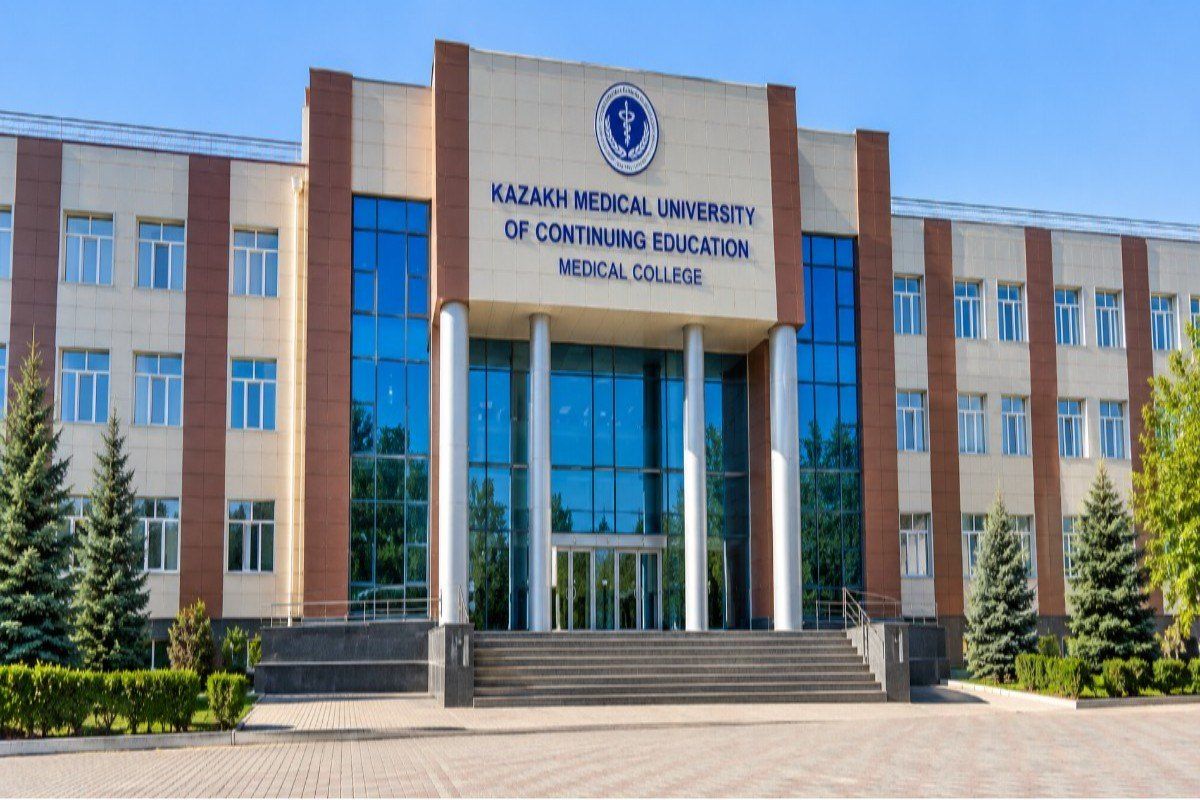
Explore fees, eligibility, and admission guidance for MBBS in Kazakh Medical University of Continuing Education Medical College in Kazakhstan.
 Partner
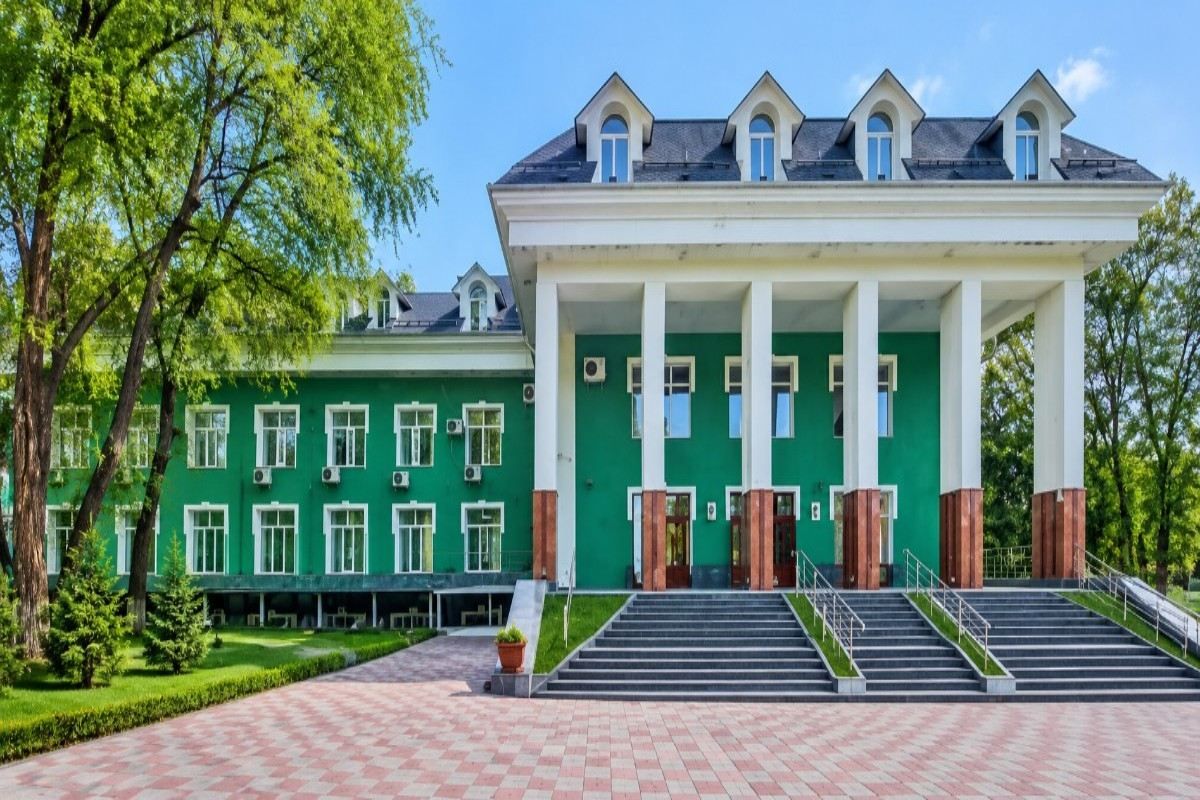
Explore fees, eligibility, and admission guidance for MBBS in Kenzhegali Sagadiev University of International Business Faculty of Medicine in Kazakhstan.
 Partner
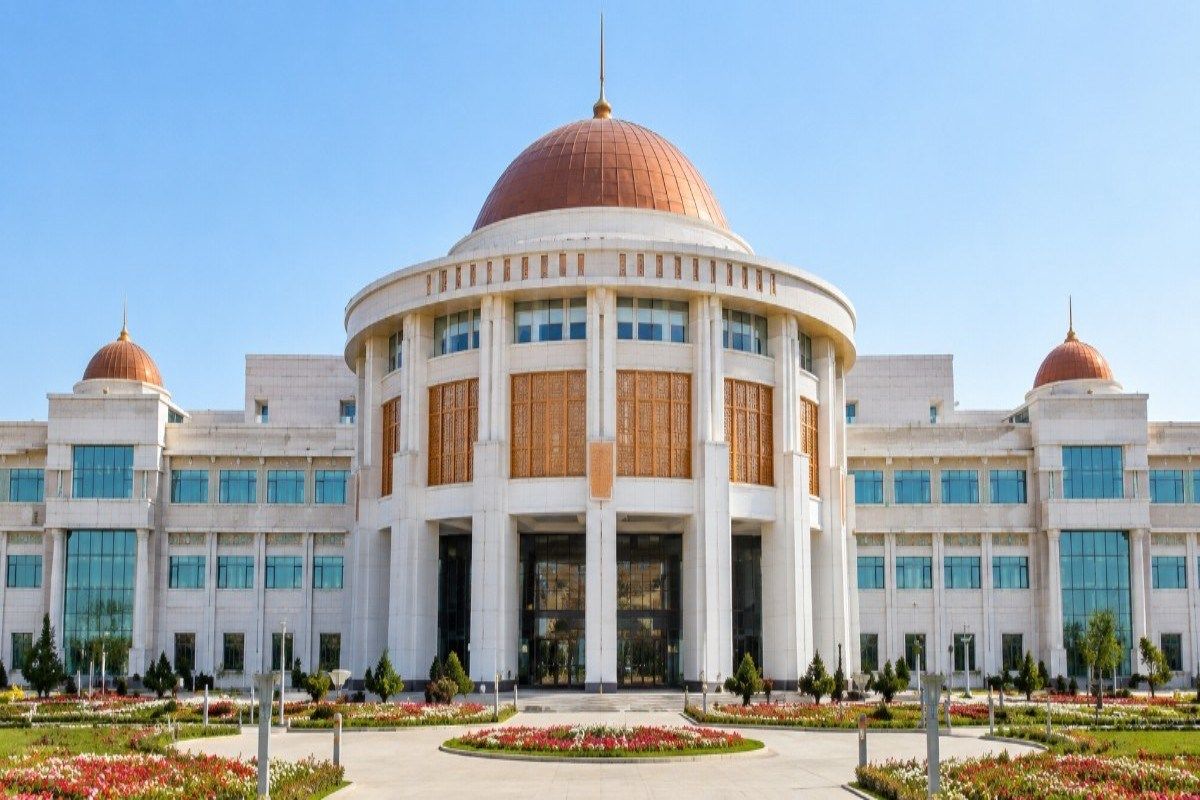
Explore fees, eligibility, and admission guidance for MBBS in Nazarbayev University School of Medicine in Kazakhstan.
 Partner
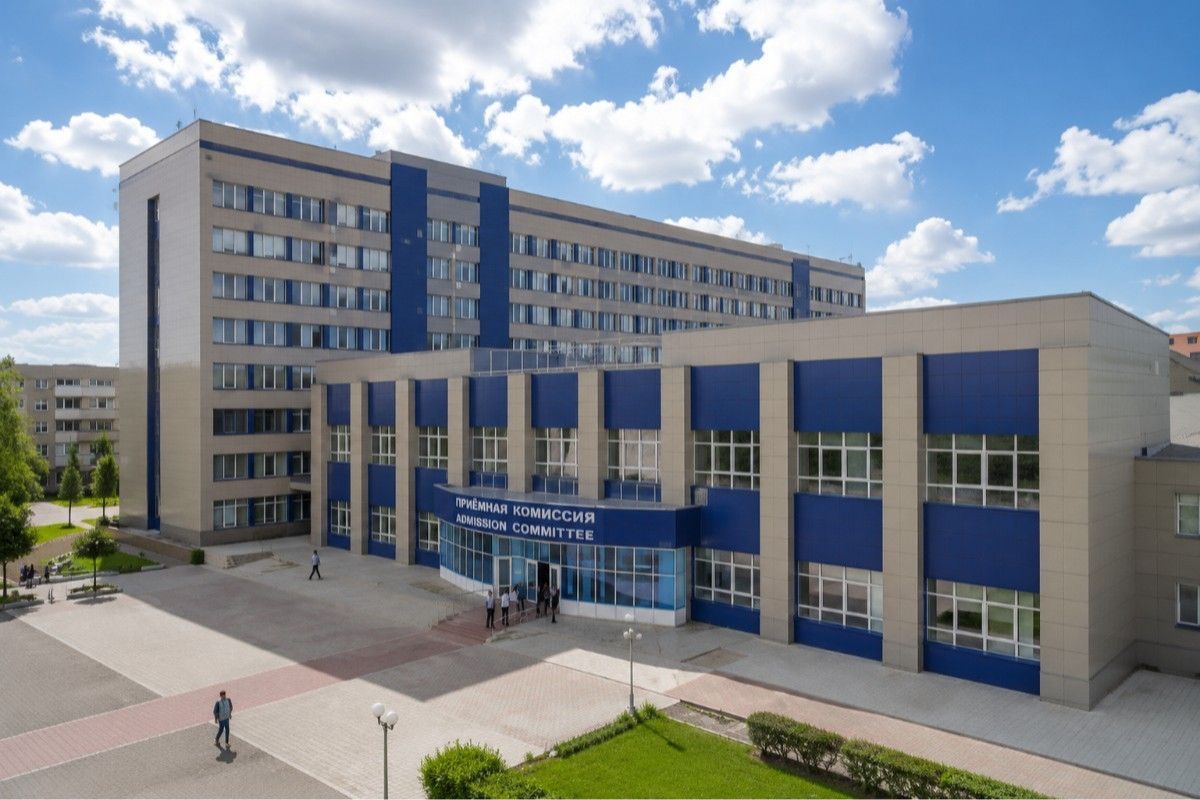
Explore fees, eligibility, and admission guidance for MBBS In Kokshetau University Medical Faculty in Kazakhstan.
Our team provides university-specific guidance and a full Kazakhstan context briefing at every intake. Book a free counselling session →
Some popular medical universities include: Kazakh National Medical University Astana Medical University South Kazakhstan Medical Academy Karaganda Medical University Semey Medical University Students should select universities based on their requirements, budget, and career plans.
Yes, most medical universities provide hostel accommodation for international students.
The total estimated cost may range between ₹25–40 Lakhs, including tuition fees, hostel, and living expenses.
Kazakhstan provides a comfortable environment for international students with university support systems, hostel facilities, and student communities.
Almaty and Astana are among the preferred cities because they provide better infrastructure, transportation facilities, and student services. Other cities like Shymkent, Karaganda, and Semey are also considered by international students.
Yes, after completing MBBS, students can explore postgraduate opportunities in different medical specializations according to eligibility requirements.