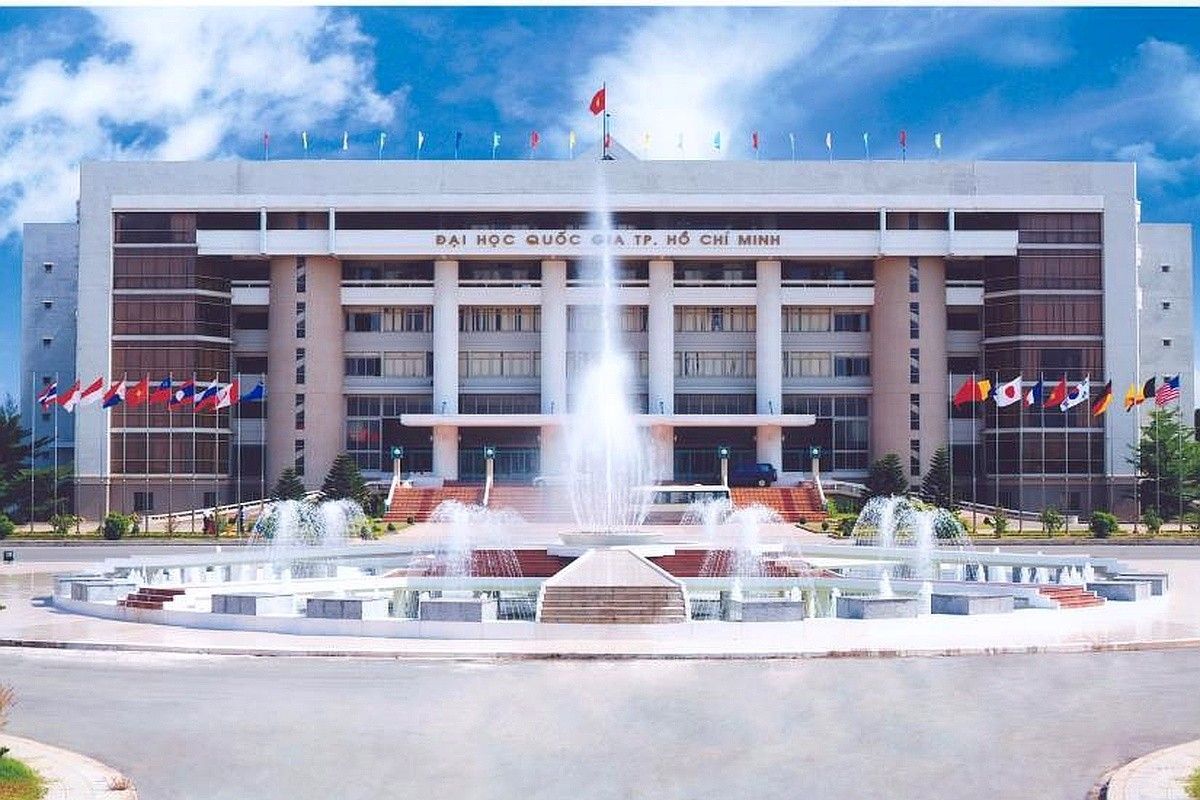
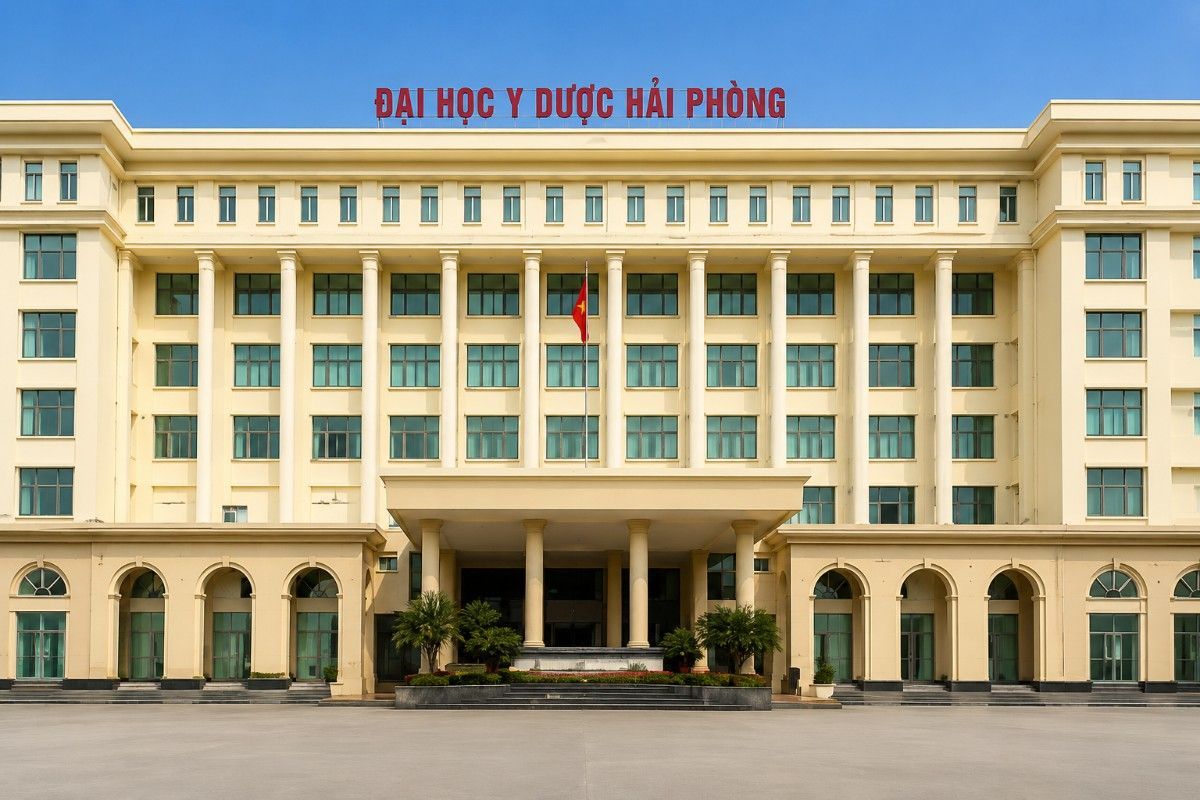
If you've spent even an evening scrolling through "MBBS in Vietnam" pages, you've probably noticed something odd. Every second website quotes tuition "as low as ₹2.8 lakhs a year," and almost none of them mention the law Vietnam passed in 2023 that will require every doctor practising there to clear a Vietnamese-language licensing exam from 2027 onward. That's not a small detail to leave out. We're not writing this to scare you away from Vietnam; for the right student, it's a genuinely solid option, but we are going to tell you the parts that fee-comparison tables conveniently skip. Consider this your honest starting point before you commit to MBBS in Vietnam.
We've sat across the table from families who picked a country based on the cheapest number on a WhatsApp forward, and we've watched a few of them scramble two years in when they realised the fine print didn't match the sales pitch. So, this guide tries to do something different: give you the real fee range (not the teaser number), the real language situation, the real FMGE reality, and the regulatory shift almost nobody outside a handful of specialist blogs is talking about. If you're weighing whether to study MBBS in Vietnam, these are exactly the details you need before signing anything. Every section below is built to give you a realistic picture of MBBS in Vietnam.
One ground rule before we start: fee figures, university rankings, exchange rates, and regulatory requirements shift often, sometimes within the same admission cycle. Treat every number in this guide as a planning estimate, not a locked-in promise, and always cross-verify directly with the university's international office and the National Medical Commission (NMC) before you transfer a single rupee.
Quick Overview of MBBS in Vietnam at a Glance
Parameter | Details |
Course Duration | 6 years total (5 years academic + 1 year internship) for the Basic Medical Course |
Estimated Total Budget (6 yrs) | ₹27–42 lakhs (tuition + hostel + living, varies sharply by university and city) |
Medium of Instruction | English for lectures and exams; Vietnamese becomes practically necessary from clinical years onward |
NEET Requirement | Mandatory for any Indian student who wants to practise in India later |
Entrance Exam (Vietnam side) | Not required for most universities; admission is merit-based on Class 12 marks. |
IELTS/TOEFL | Not mandatory at most universities (Vietnam National University, Hanoi, is a notable exception, requiring IELTS 5.5+ for some programs) |
Recognition | NMC (India), WHO, FAIMER, WDOMS |
Intake | Primary intake September–October; a smaller Spring intake runs March–April at select universities |
Degree Awarded | "Bachelor of Medicine" / General Medicine degree, treated as MBBS-equivalent by NMC when FMGL 2021 conditions are met. |
Country Overview
Vietnam is a long, S-shaped country running down Southeast Asia's eastern coast, with a population of roughly 99–101 million, the third-largest in ASEAN after Indonesia and the Philippines. Unlike the CIS countries that dominate the MBBS-abroad conversation, Vietnam has warm-to-tropical weather almost everywhere except its northern highlands, which matters more than it sounds when you're the one packing for six years away from home.
Capital: Hanoi (also the political and academic hub in the north).
Currency: Vietnamese Dong (VND). As of mid-2026, ₹1 is roughly 290–300 VND, and $1 is roughly 24,500–25,000 VND. Exchange rates fluctuate week to week, so check a live converter before you commit to a fee amount.
Population: Approximately 99–101 million.
Language: Vietnamese is the sole official language. English is spoken reasonably well in universities, hostels, and tourist-facing businesses in Hanoi and Ho Chi Minh City, but drops off fast outside those bubbles. Inside government hospitals, where your clinical training actually happens, Vietnamese is often the only language patients speak.
Religion: Officially non-religious for a large share of the population; among those with a stated religion, Buddhism (mainly Mahayana) is dominant, alongside smaller Catholic and Cao Đài communities. Daily life is largely secular and relaxed about religious practice.
Cuisine: Rice- and noodle-based, with pho, banh mi, and fresh herbs everywhere. Pork and seafood are staples, so vegetarian Indian students will need to actively seek out Indian or Buddhist-vegetarian eateries rather than assume default meals will suit them.
Time difference with India: Vietnam is 1.5 hours ahead of IST year-round (no daylight saving), so jet lag isn't a real concern.
Economy: One of Asia's fastest-growing manufacturing and export economies over the last two decades, which is part of why its universities and city infrastructure have modernised so quickly. This isn't a country stuck in the past; it's mid-transformation. That same modernisation is part of what makes MBBS in Vietnam appealing today.
A few things competitors rarely mention: Vietnam has the world's largest cave passage (Sơn Đoòng, big enough to fit a 40-storey skyscraper inside). It's also the world's second-largest coffee exporter after Brazil, and Vietnamese coffee culture is a genuine part of daily life you'll get pulled into. None of this changes your MBBS outcome, but it says something about the kind of place you're moving to for six years, not a frontier posting, a genuinely modern, fast-moving country.
Why Study MBBS in Vietnam, The Honest Case
Affordable tuition compared to Indian private colleges and even compared to several other MBBS-abroad destinations, most NMC-listed universities charge between ₹3–6.3 lakh a year in tuition alone.
No donation or capitation fee structure, what the university quotes is broadly what you pay, unlike the "additional charges" some Indian private colleges spring on families mid-course.
No separate entrance exam on the Vietnam side; admission runs on Class 12 marks, so a weak NEET rank (but a qualifying score) doesn't shut the door the way it might for an Indian government seat. This is one of the biggest reasons MBBS in Vietnam for Indian students continues to grow in popularity.
English-medium classroom teaching for the pre-clinical years, so there's no language barrier in lecture halls, even though hospitals are a different story (Section on Language Reality below).
Growing Indian student community, concentrated in Hanoi and Ho Chi Minh City, with informal mess groups and senior-junior networks that make the first year less isolating.
A real, if newly complicated, career pathway back to India through FMGE/NExT, plus reasonable onward pathways into USMLE, PLAB, and Gulf licensing routes.
Put together, this is why "MBBS in Vietnam for Indian students" keeps climbing search charts every intake cycle; it solves the affordability problem. Still, unlike some cheaper destinations, it does it without asking you to compromise on international recognition.
Who Should Choose This Country
Students with a realistic ₹27–42 lakh total budget who still want a genuinely recognised, NMC-eligible degree.
Students who are serious about FMGE/NExT prep starting in their clinical years, not as an afterthought post-graduation.
Students are comfortable with the idea that clinical-year patient interaction will require picking up conversational Vietnamese, not just English.
Students who are realistic about the fact that Vietnam is mid-reform on its own domestic medical licensing system, and who are choosing this route primarily for the India-return pathway rather than to practise long-term inside Vietnam. Anyone who plans to study MBBS in Vietnam should go in with this specific expectation set correctly.
Ideal Student Profile
You're likely a good fit if your family can realistically commit ₹27–42 lakh across six years; you cleared NEET's qualifying cutoff even if a government seat wasn't in reach; you're willing to start picking up basic Vietnamese from Year 1 rather than waiting to "figure it out later"; you can handle humid, warm weather and a genuinely different food culture without it being a dealbreaker; and your primary goal is to return to India via FMGE/NExT, with USMLE or PLAB as a secondary option you're keeping open.
Two Course Pathways in Vietnam, A Distinction Almost No One Explains Properly
This is one of the most confusing parts of researching MBBS in Vietnam, and most consultant websites either skip it or blur it into one paragraph. There are genuinely two different medical training pathways in the Vietnamese system:
Basic Medical Course (Bác sĩ Đa khoa / General Medicine) 6 years. This is the direct-entry pathway for students coming straight out of Class 12, and it's the one that matters for almost every Indian NEET-qualified applicant. Five years of academic and clinical coursework, followed by a mandatory one-year internship. This is the pathway that lines up with NMC's 54-month academic requirement plus a 12-month internship, and it's what the rest of this guide is built around. Almost every Indian student who decides to study MBBS in Vietnam ends up on this exact pathway.
Professional Medical Course 4 years. This is a bridge pathway for students who have already completed a 3-year Assistant Medical Course (a mid-level clinical assistant qualification) in Vietnam and want to upgrade to a full doctor qualification. It is not a shortcut for an international student who wants to skip straight to a 4-year MBBS; you would need to hold the 3-year assistant qualification already and have relevant work experience. If any consultant pitches you a "4-year MBBS in Vietnam," ask them directly which pathway they mean, because a 4-year route that doesn't satisfy NMC's 54-month rule will leave you unable to sit FMGE or NExT at all.
For Indian students, the Basic Medical Course is almost always the right choice and often the only realistic one.
Two Intake Periods, Plan Around Both
Most competing guides mention only the September–October intake, which is, in fact, the larger and more commonly used one. But a second, smaller Spring intake runs March–April at a handful of universities, primarily to accommodate students who missed the main cycle or completed Class 12 board results later than usual. If your NEET and board results land you outside the July–August application window for September admission, ask specifically whether your shortlisted university runs a Spring intake before assuming you've lost the whole year.
Intake | Application Window | Arrival | Notes |
Primary (September–October) | June–August | Late August–September | Larger batch size, wider university choice, and most of the Indian community support |
Spring (March–April) | December–February | February–March | Smaller batch, fewer universities offer it, less peer support in the first weeks |
MBBS Course Structure
The Basic Medical Course runs 6 years: 5 years of academic and clinical training, plus a mandatory 1-year internship at the university's affiliated teaching hospital. Teaching is lecture- and lab-heavy in Years 1–2, shifting toward ward-based clinical teaching from Year 3 onward at most universities, noticeably earlier than several CIS destinations, where real patient contact often doesn't start until Year 4. Attendance requirements are strict, typically 80%+ to sit end-of-semester exams. Understanding this structure early is essential for anyone planning to study MBBS in Vietnam. Assessment combines internal tests, practical/viva exams, and semester-end theory papers.
Year-wise Syllabus Overview
Broadly consistent across Vietnamese medical universities, though sequencing varies by institution.
Year | Focus Areas |
Year 1 | Anatomy, Physiology, Biochemistry, Medical Vietnamese (language foundation), Biophysics, Medical Ethics |
Year 2 | Histology, Microbiology, Pathophysiology, Parasitology, continued Anatomy, introductory Pharmacology |
Year 3 | Pathology, Pharmacology, Propaedeutics (clinical-method basics), and early hospital ward rotations begin. |
Year 4 | Internal Medicine, General Surgery, Obstetrics & Gynaecology, Pediatrics, full clinical rotations |
Year 5 | Advanced clinical subjects: Psychiatry, Dermatology, ENT, Ophthalmology, Forensic Medicine, Community Medicine, Emergency Medicine |
Year 6 (Internship) | Rotating internship across Medicine, Surgery, OBG, Pediatrics, and Emergency at the affiliated teaching hospital |
MBBS in Vietnam Fee Structure: What You'll Actually Pay
Here's the number the ₹2.8-lakh headlines don't want to advertise clearly: that figure is usually a single year's tuition alone at the cheapest possible institution, and it typically excludes hostel, food, insurance, and administrative charges. This gap between headline numbers and real MBBS fees in Vietnam is exactly why a university-by-university table matters. Below is a realistic, university-wise comparison based on currently published fee data. Understanding real MBBS fees in Vietnam, university by university, is the only way to budget accurately. Verify current-year figures directly with each university before committing, as these shift year to year and sometimes mid-cycle. Getting this fee picture right matters most for Indian students pursuing MBBS in Vietnam, since a small miscalculation compounds over six years.
University | City | Annual Tuition (USD) | Annual Tuition (INR) | 6-Yr Total Budget |
Hanoi Medical University (HMU) | Hanoi | $3,400–5,500 | ₹3.26–5.28L | ₹32–38L |
Ho Chi Minh City UMP | Ho Chi Minh City | $3,800–6,000 | ₹3.65–5.76L | ₹34–42L |
Can Tho University (CTUMP) | Can Tho | $3,500–5,200 | ₹3.36–4.99L | ₹33–40L |
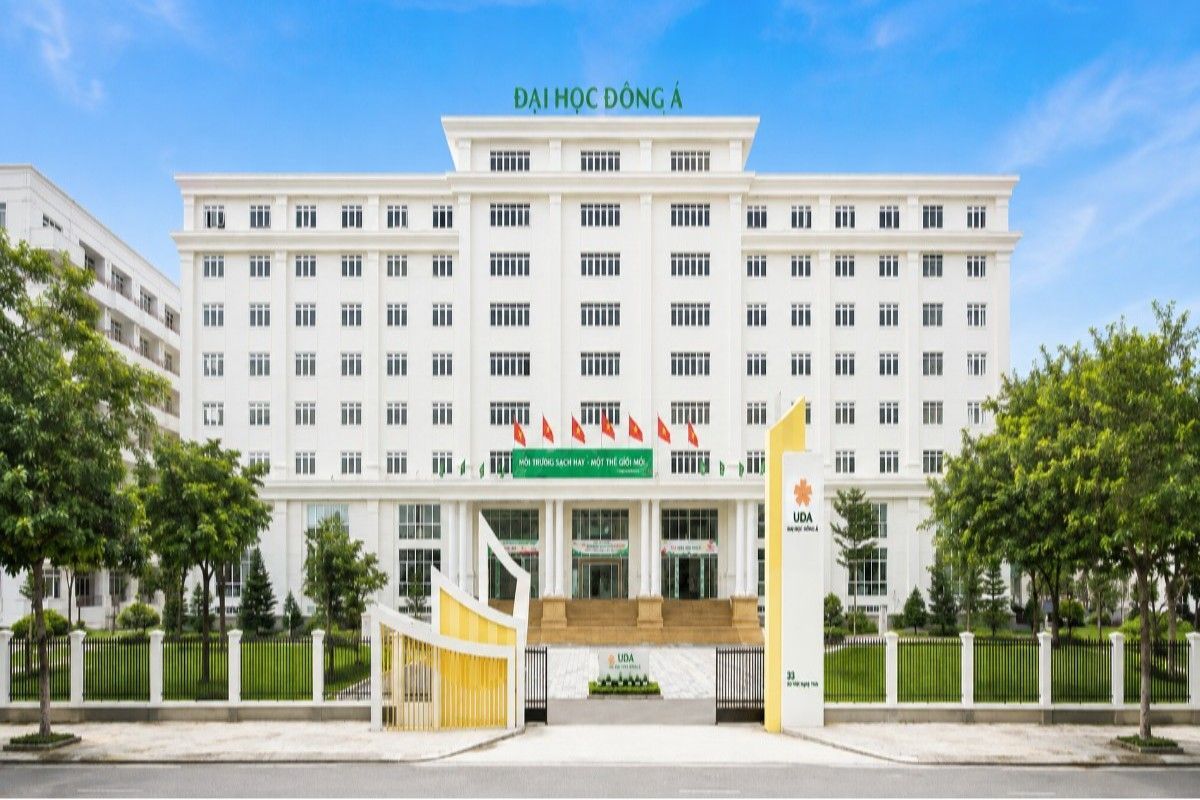
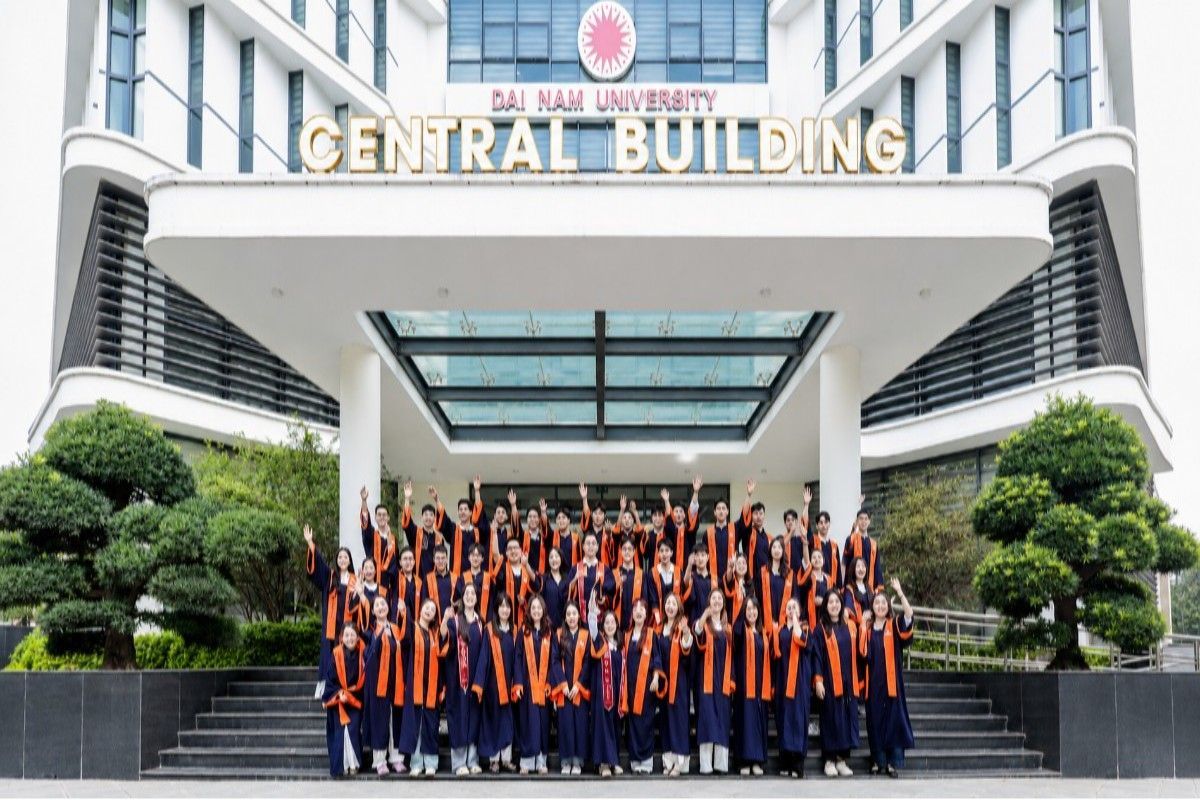
Dai Nam University (DNU) | Hanoi | $2,900–4,200 | ₹2.78–4.03L | ₹27–33L |
Vietnam National University, Hanoi (VNU) | Hanoi | $4,000–6,500 | ₹3.84–6.24L | ₹35–42L |
Hong Bang International University (HIU) | Ho Chi Minh City | $3,200–4,800 | ₹3.07–4.61L | ₹29–35L |
Nam Can Tho University | Can Tho | $1,900–3,000 | ₹1.82–2.88L | ₹26–30L |
Vo Truong Toan (VTT) University | Hau Giang | $2,200–3,300 | ₹2.11–3.17L | ₹27–31L |
Thai Binh University | Thai Binh | $2,600–3,800 | ₹2.50–3.65L | ₹27–32L |
Phan Chau Trinh University (PCTU) | Da Nang | $3,000–4,300 | ₹2.88–4.13L | ₹28–34L |
Total Cost Calculator: A Worked Example
Instead of quoting a vague range, let's run actual numbers for a mid-range university (say, tuition around $3,800/year, close to the Vietnam-wide median):
Tuition: $3,800 × 6 years = $22,800 (₹21.9 lakh at ₹96/$)
Hostel: $60–90/month × 12 × 6 = roughly $5,000–6,500 (₹4.8–6.2 lakh)
Living expenses (food, local transport, personal): $150–200/month × 12 × 6 = roughly $10,800–14,400 (₹10.4–13.8 lakh)
Insurance + registration + misc university charges: $150/year × 6 = $900 (₹0.86 lakh)
Estimated 6-year total: roughly $39,500–44,600, or approximately ₹28–37 lakh, before flights, visa renewals, and the hidden costs covered in the next section.
This is meaningfully higher than the "₹19–20 lakh" or "starting from ₹2.8 lakh a year" figures that several sites lead with, because those numbers quote tuition alone and quietly omit hostel, food, and miscellaneous fees. The true cost of MBBS in Vietnam only becomes clear once hostel, food, and incidental charges are added to tuition. Budget for the full number so Year 3 doesn't come as a financial shock. This worked example is the clearest way to see the genuine MBBS fees in Vietnam rather than a marketing headline.
Hidden Expenses Nobody Warns You About
Most guides stop at tuition and hostel. Here's what genuinely adds up over six years:
Air tickets: 1–2 round trips a year if you go home for holidays, roughly ₹28,000–45,000 per round trip on the Delhi/Mumbai–Hanoi or Ho Chi Minh City routes, so budget ₹3–5 lakh over the full course.
Visa renewal fees: Annual student visa/residence card renewal, typically $50–100/year plus any agent processing fee.
Medical tests: Pre-departure health checks in India, plus mandatory annual health screening in Vietnam for residence-card renewal.
Insurance: Mandatory health insurance, usually $100–180/year, sometimes bundled into the university fee and sometimes billed separately; always ask which.
Vietnamese language coaching: Several students end up paying for extra tutoring in conversational Vietnamese from Year 2–3 onward to cope with ward rotations; budget $200–400/year if your university's built-in language classes aren't enough.
Currency conversion losses: Converting INR to USD/VND repeatedly through the year loses money on spread and transfer fees; consolidating remittances into fewer, larger transfers helps.
Local transport: Motorbike-taxi apps (Grab, Xanh SM) and local buses, roughly $15–30/month.
University deposits: Some universities collect a refundable hostel or security deposit at admission; get the refund terms in writing. Ask for this in writing before you finalise the MBBS fees with any university in Vietnam.
Documentation and translation costs: Notarisation, apostille, and Vietnamese translation of academic transcripts, roughly ₹8,000–15,000 total.
Emergency fund: Keep at least $500–800 accessible for unplanned costs, a delayed transfer, a medical emergency, or an unexpected university charge.
None of this is meant to alarm you; it's meant to help you plan for a realistic ₹30–38 lakh rather than be blindsided by a ₹20 lakh figure that doesn't account for the full picture.
Cost of Living
Expense Category | Monthly Cost (Hanoi/HCMC) | Monthly Cost (Smaller Cities) |
Hostel/Accommodation | $80–130 | $50–90 |
Food (Indian mess + local) | $100–150 | $70–110 |
Local Transport | $20–35 | $12–20 |
Utilities, SIM, Internet | $15–25 | $10–18 |
Personal/Miscellaneous | $30–50 | $20–35 |
Total (approx.) | $245–390/month | $162–273/month |
Hanoi and Ho Chi Minh City are 20–30% more expensive than smaller university towns like Thai Binh, Hau Giang, or Can Tho, largely due to accommodation and the pricing of Western- and Indian-style food. City choice alone can shift the total cost of MBBS in Vietnam by several lakhs over six years.
Best MBBS Universities in Vietnam: Full Comparison
For each major university, weigh recognition status, city, teaching hospital affiliation, and the quality of clinical exposure, not just the lowest sticker price.
University | City | Est. | Type | NMC/WDOMS Status | Hostel |
Hanoi Medical University | Hanoi | 1902 | Government | NMC-listed, WDOMS active | Yes, on-campus |
Ho Chi Minh City UMP | Ho Chi Minh City | 1947 | Government | NMC-listed, WDOMS active | Yes, on-campus |
Can Tho University of Medicine & Pharmacy | Can Tho | 1979 | Government | NMC-listed, WDOMS active | Yes, on-campus |
Dai Nam University | Hanoi | 2006 | Private | WDOMS active, verify current NMC status | Yes |
Phan Chau Trinh University | Da Nang | 2010 | Private | WDOMS active, verify current NMC status | Yes |
Hong Bang International University | Ho Chi Minh City | 1997 | Private | WDOMS active | Yes |
Nam Can Tho University | Can Tho | 2013 | Private | WHO-listed, WDOMS active | Yes |
Vo Truong Toan University | Hau Giang | 2007 | Private | WDOMS active | Yes |
Vietnam National University, Hanoi | Hanoi | 1993* | Government | WDOMS active | Yes |
Thai Binh University of Medicine & Pharmacy | Thai Binh | 1968 | Government | WDOMS active | Yes |
*Medical faculty established later than the parent university.
A word on rankings: Vietnamese medical universities don't yet feature heavily in global QS or Times Higher Education medical-school rankings, and any page quoting a suspiciously precise "world rank" for a Vietnamese university deserves a second look; cross-check the specific ranking source before trusting it. Rankings aside, the quality of clinical training is what really matters for MBBS in Vietnam. What we can verify: Hanoi Medical University and Ho Chi Minh City UMP are consistently the two most academically established and clinically resourced government institutions in the country, which is why they anchor most serious shortlists despite carrying somewhat higher fees.
Other medical programs offered (beyond MBBS): Several of these universities also run Dentistry (5 years), Pharmacy (4–5 years), Nursing (4 years), and Medical Engineering/Biomedical Engineering (4 years) programs for Indian and other international applicants who don't want the full MBBS track.
Best Cities for Students Compared
City | Cost of Living | Climate | Indian Community | Safety | Public Transport |
Hanoi | Higher | Four seasons, cold Dec–Feb (10–15°C) | Large, established | Good, standard urban caution | Good (bus + growing metro) |
Ho Chi Minh City | Highest | Hot, humid year-round | Large, growing fast | Good | Good (bus + metro line) |
Can Tho | Lower | Hot, humid, Mekong Delta climate | Small but growing | Good | Basic, mostly bus/motorbike-taxi |
Da Nang | Moderate | Warm, coastal, milder than HCMC | Small | Very good, one of Vietnam's safest cities | Moderate |
Hai Phong | Lower | Similar to Hanoi, coastal humidity | Very small | Good | Basic |
If the budget allows for a small premium, Hanoi and Ho Chi Minh City offer the strongest support from the Indian community and access to food. If pure affordability matters most, Can Tho and Thai Binh offer lower costs, but with a thinner support network in exchange.
Language Reality: The Section Almost No Competitor Explains Honestly
This deserves its own section because it's arguably the single biggest risk factor in choosing Vietnam, and it's the one most fee-focused pages either skip entirely or bury inside a syllabus table as a throwaway line item ("Vietnamese Language in Year 1").
Here's what actually happens: Years 1 and 2 are taught in English, and most universities run compulsory Vietnamese-language classes alongside the core curriculum from Year 1. That's not a formality, it's preparation for what comes next. From Year 3 onward, as clinical rotations begin, you're standing at a patient's bedside in a government-run teaching hospital where the vast majority of patients speak only Vietnamese. Your professor may explain the case to you in English, but taking a history, explaining a procedure, or simply asking a patient where it hurts requires functional conversational Vietnamese, not fluency, but genuinely more than "hello" and "thank you."
Students who treat the Year 1–2 language classes as a box-ticking exercise tend to struggle visibly during clinical postings, and it shows up later in weaker command over case presentations, which is exactly the muscle that the FMGE and NExT test. Students who take those early language classes seriously, and supplement with informal practice (befriending Vietnamese classmates, practising with hostel staff, using language-exchange apps), tend to move through clinical years far more comfortably.
Practical takeaway: Don't choose Vietnam if you're expecting an entirely English-language experience end-to-end. Budget real effort and possibly some extra tutoring money, for Vietnamese from day one, not as an afterthought once you hit Year 3 and realise you're behind.
Recognition & Licensing
Vietnamese MBBS degrees are recognised by NMC only when the specific university and program satisfy all conditions under India's Foreign Medical Graduate Licentiate (FMGL) Regulations, 2021, published by the NMC on 18 November 2021. The five conditions that matter most:
At least 54 months of academic curriculum at a single recognised institution (Vietnam's Basic Medical Course runs 60 months of structured academics, comfortably clearing this bar).
A continuous 12-month internship, completed at the same university's affiliated hospital, not split across institutions or delayed.
English as the medium of instruction, examination, and assessment throughout the program.
A valid, qualifying NEET-UG score, obtained before joining the foreign course, is valid for three years from the exam date.
The university appears on NMC's current recognised list, with an active WDOMS listing; this changes periodically, so verify it fresh before every fee payment, not just at the start.
Miss even one condition and your degree, however good the education behind it, cannot be used to sit for FMGE or NExT in India. This is why "NMC-approved" needs to be verified against the live NMC list at the time you're paying fees, not against a screenshot a consultant showed you eight months ago.
FMGE / NExT Reality Let's Talk Real Numbers
This is the section most Vietnam-focused pages either skip or handle with vague phrases like "high FMGE pass rate." We'd rather give you the honest national picture and let you draw your own conclusions.
Nationally, across all foreign medical graduates (not Vietnam-specific), FMGE pass rates have hovered within a fairly wide band in recent sessions, roughly 12–24% in June and 20–30% in December, with a rough five-year average of 18–23%. NBEMS doesn't publish country-specific or university-specific breakdowns at a granular, citable level. You'll see some Vietnam-focused pages quote a precise-sounding "20–25% for Vietnam graduates," and others quote an even more optimistic "35–45%"; treat both with caution. Neither figure comes with a traceable, official NBE citation specific to Vietnam, and a suspiciously precise national-body-style number without a source is a common pattern on comparison sites trying to look authoritative. Treat any FMGE claim about MBBS in Vietnam for Indian students with the same scepticism.
What we can say with confidence: outcomes vary far more by universityand by how seriously a student took the language transition and clinical exposure than by country alone. Students from universities with structured ward rotations starting in Year 3, active English-medium clinical assessment, and genuine FMGE-prep support tend to outperform students from thinner programs, regardless of the country in which they studied. This is the single biggest factor to research before you choose to study MBBS in Vietnam at any particular university.
What This Means Practically
Don't choose a university purely on the lowest fees. Ask specifically about the ward-rotation start year and whether the affiliated hospital provides real patient contact starting in Year 3.
Start FMGE/NExT preparation during clinical years, not after you land back in India.
Plan, where possible, to sit the December session given its historically stronger pass rates.
Budget emotionally and financially for a possible second attempt, treat one FMGE sitting as the plan, not the guarantee.
NExT transition: The National Exit Test is intended to eventually replace FMGE as the sole licensing/exit exam for Indian and foreign medical graduates. As of mid-2026, the rollout timeline for foreign graduates has been revised multiple times, and FMGE continues in the interim. Don't lock in irreversible decisions based on assumptions about NExT's exact rollout date; check NMC's latest official notification before finalising plans.
Vietnam's Own Licensing Law: The 2026-27 Update Almost No One Is Covering
This is the single most important regulatory development affecting MBBS in Vietnam right now, and it's genuinely under-covered outside a handful of specialist blogs. On 9 January 2023, Vietnam's National Assembly passed Law No. 15/2023/QH15 on Medical Examination and Treatment, which took effect on 1 January 2024. Under this law, Vietnam is introducing its own National Competency Examination, run by Vietnam's National Medical Council, as a mandatory step for anyone, whether Vietnamese or foreign, seeking a medical practice license to work inside Vietnam. For doctors, this requirement applies from 1 January 2027; assistant doctors, nurses, and midwives follow from 2028, and other allied roles from 2029.
Here's the part to understand clearly, because it's easy to get scared by half-explained versions of this online: this law governs the license to practise medicine inside Vietnam, not your Indian FMGE/NExT eligibility. If your goal is to graduate from an NMC-recognised Vietnamese university and return to India to sit FMGE/NExT, this law does not block that pathway; your NMC eligibility runs through the FMGL 2021 conditions covered above, which are separate from Vietnam's domestic licensing system.
Where it does matter is if you're considering staying on to practise in Vietnam after graduation, or taking up any clinical work inside the country before returning home. Foreign practitioners seeking a new Vietnamese medical practice license will need to clear this competency exam from 2027 onward, and the exam is expected to be conducted in Vietnamese. Separately, the same broader law framework has flagged a longer-term expectation (with a much later 2032 compliance date under related provisions) that foreign physicians treating Vietnamese patients directly should be able to communicate with them in Vietnamese, reinforcing everything said in the Language Reality section above.
Practical takeaway: If you're Vietnam-bound purely for the India-return pathway, this law is background context, not a dealbreaker. If you're keeping the option open to work in Vietnam post-graduation, factor serious Vietnamese-language investment into your six years, because a certificate alone won't carry you through a Vietnamese-language competency exam later.
Scholarships & Education Loans
University and Government-Linked Scholarships
University merit scholarships: Several Vietnamese medical universities, including Dai Nam University and Phan Chau Trinh University, offer partial tuition waivers (typically 10–25%) for students with strong Class 12 marks or high NEET scores. These aren't heavily advertised; ask the international admissions office directly as part of your application.
Vietnam Government Scholarship Programs: Vietnam's Ministry of Education and Training runs bilateral scholarship arrangements with several partner countries. However, these are more commonly aimed at postgraduate and research programs than undergraduate MBBS seats for Indian students. Confirm current-year eligibility directly rather than assuming availability.
Need-based fee reductions: A handful of private universities offer case-by-case fee adjustments for documented financial hardship, again, something you have to ask about rather than find advertised on the website specifically.
Education Loans (India Side)
Public sector banks (SBI, Bank of Baroda, Canara Bank, PNB) and private lenders (HDFC Credila, Avanse) offer education loans for MBBS abroad, typically requiring the university's admission letter, a fee-structure document, collateral or a guarantor for loans above a threshold (usually ₹7.5–20 lakh depending on the bank), and academic records. Processing generally takes 3–6 weeks. Start your loan application the moment you have an admission letter, not after you've already made an out-of-pocket advance payment you can't easily recover.
Academic Reality: What It's Actually Like to Study MBBS in Vietnam
Teaching is lecture-based in Years 1–2, with structured lab sessions for anatomy and histology. Faculty quality is noticeably stronger at older government institutions (HMU, UMP, CTUMP) than at some newer private universities, though several private institutions compensate with smaller batches and more individual attention. Research opportunities are primarily available at larger government universities through affiliated hospital departments. Undergraduate research isn't a major feature here, the way it might be at a Western medical school.
Internal assessments combine written tests, practical/OSCE-style stations in later years, and viva exams, run semester-wise. Attendance is tracked seriously, and falling below the threshold can bar you from the semester exam regardless of academic standing.
Career Opportunities After MBBS in Vietnam
India: Practice after clearing FMGE/NExT and State Medical Council registration, the most common pathway.
Vietnam: Local practice is possible but now gated by the 2027 National Competency Exam for new license applicants, plus real Vietnamese fluency.
USMLE (USA): Viable with dedicated independent prep.
PLAB (UK): Achievable for well-trained clinical graduates.
AMC (Australia): Requires added registration through the Medical Board of Australia.
GCC licensing (DHA/HAAD/MOH): Popular given regional demand and simpler registration.
Postgraduate education: NEET PG in India (post-FMGE/NExT), or PG programs abroad per that country's entry rules.
Research: Available mainly through larger government-affiliated teaching hospitals for students who build faculty relationships during clinical years.
Student Life & Digital Life
Banking is handled through standard Vietnamese banks (Vietcombank, BIDV, VPBank), and opening an account typically requires your passport, visa, and enrollment letter. SIM cards (Viettel, Vinaphone, MobiFone) are cheap and widely available. Grab (ride-hailing/food delivery) and Xanh SM (electric taxi) are the two apps you'll use daily. Payments are increasingly cashless in Hanoi and Ho Chi Minh City via QR codes, though smaller cities stay more cash-dependent. Weekend life in the bigger cities revolves around cafes, lakes, parks, and an active international-student social scene. It's one of the more enjoyable parts of everyday life during MBBS in Vietnam.
Parents' Guide: What to Know Before Choosing MBBS in Vietnam for Your Child
Parents evaluating this decision should focus on four things beyond the fee number: Before anything else, it helps to have a single, honest reference point covering MBBS in Vietnam and fees for Indian students, since most comparison sites only tell half the story. First, confirm the specific university's current NMC and WDOMS status directly on official portals, not through a consultant's PDF. Second, understand that the "English medium" promise covers lectures and exams, not hospital-floor patient interaction from Year 3 onward; factor in that your child will need to build real conversational Vietnamese. Third, budget for the fuller ₹27–42 lakh range, not the lowest headline tuition figure you first saw. This is the number every family should keep in mind when researching MBBS in Vietnam and fees for Indian students. Fourth, have an honest, early conversation about FMGE/NExT as a genuine additional hurdle after graduation, not a formality. Starting that preparation conversation only after your child returns to India puts them a year behind students who started while still in Vietnam. Parents planning MBBS in Vietnam for their children should factor this timeline in from day one.
Before You Pay Any Fees: Verification Checklist
Confirm the university's current, active listing on NMC's official foreign medical institution list, not a list from a consultant's brochure.
Confirm active WDOMS (World Directory of Medical Schools) listing directly on the WDOMS website.
Get the complete fee breakdown in writing, including tuition, hostel, insurance, and any one-time charges, not just the headline annual tuition figure. Insisting on this breakdown is the single best way to avoid being misled about MBBS fees in Vietnam.
Ask specifically which year clinical/ward rotations begin, and whether patient contact is genuinely hands-on or observational.
Ask whether Vietnamese-language classes are compulsory and how many hours per week, especially from Year 2 onward.
Confirm the hostel deposit refund policy in writing before transferring any advance.
Verify the internship arrangement is at the university's own affiliated hospital for the full 12 months, continuously.
Red Flags to Watch For
A consultant who can't produce the university's current NMC listing on request, or gets vague when asked.
Any pitch of a "4-year MBBS" for a direct-entry Indian student, this is almost certainly a misrepresentation of the Professional Medical Course pathway explained earlier.
Any promise of "no NEET required" for a student who wants to practise in India eventually, technically true for Vietnam-side admission, but irrelevant and misleading for the FMGE/NExT pathway.
Suspiciously precise, uncited FMGE pass-rate percentages specific to Vietnam or to a single university.
Pressure to pay the full course fee upfront rather than in yearly or semester instalments.
No clear answer on whether the quoted fee includes hostel and insurance or excludes them. Vague answers here are among the clearest red flags when comparing MBBS fees across universities in Vietnam.
Common Mistakes Students Make
Choosing a university purely on the lowest tuition number without checking the clinical exposure quality.
Treating Year 1–2 Vietnamese language classes as unimportant, then struggling through clinical rotations from Year 3.
Not obtaining the NMC Eligibility Certificate before departure, which can complicate State Medical Council registration later.
Assuming the entry visa alone covers the full academic year without completing on-arrival residence registration.
Delaying FMGE prep until after graduation instead of starting during clinical years.
Not budgeting for the full ₹27–42 lakh range and running short by Year 4 or 5. This single planning mistake causes more mid-course financial stress than any other issue with MBBS fees in Vietnam.
Common Myths vs Reality
Myth | Reality |
"MBBS in Vietnam costs only ₹2.8 lakh total" | That figure is usually one year's tuition alone, not the 6-year total including hostel and living costs. |
"It's a fully English-medium experience end to end" | Lectures and exams are English-medium; clinical-year patient interaction genuinely needs conversational Vietnamese |
"No NEET needed at all" | True only for Vietnam-side admission; NEET remains mandatory for any Indian student wanting FMGE/NExT eligibility later. |
"All Vietnamese medical universities are NMC-recognised" | Recognition applies to specific universities meeting FMGL 2021 conditions, and this list can change; always verify the current status |
"The 2027 Vietnamese licensing law blocks Indian students from practising in India" | It governs licenses to practise inside Vietnam; it does not affect FMGE/NExT eligibility in India. |
"4-year MBBS available in Vietnam" | The 4-year Professional Medical Course is a bridge pathway for existing assistant-qualified professionals, not a direct-entry option for fresh Class 12 students. |
30-Day Pre-Departure Checklist
Confirm hostel allotment and fee-payment receipt in writing.
Apply for the student visa only after receiving the university's officially registered Letter of Invitation.
Arrange travel/health insurance covering the full academic year.
Get a head start on basic Vietnamese phrases and script familiarity; even two weeks of prep helps.
Carry multiple printed copies of every document: passport, NEET scorecard, admission/offer letter, medical fitness certificate, passport photographs.
Pack according to your specific city's climate (see Weather & Packing Guide above), not a generic "Southeast Asia is hot" assumption.
Arrange initial currency, a mix of cash USD/VND and an internationally usable card, for the first two to three weeks before you set up a local bank account.
Confirm airport pickup arrangements with the university's international office.
First 90 Days Abroad
Complete on-arrival residence registration with local authorities, usually arranged by the university during orientation week; this is what legally covers your stay, not the entry visa alone.
Open a local bank account and get a local SIM card in the first week.
Attend all orientation sessions, including any compulsory basic Vietnamese language orientation.
Connect with senior Indian students early; informal mess groups and note-sharing networks are often more useful than anything official in the first semester.
Start building a simple weekly routine around classes, language practice, and a sustainable food plan (self-cooking, mess, or a mix).
Register with the Indian Embassy/Consulate's local student contact list if one is offered, for emergency communication purposes.
Academic Calendar
Vietnamese medical universities generally run a two-semester academic year, roughly September–January and February–June, with the internship year following a separate hospital-rotation schedule rather than the standard semester calendar. Exact dates vary by university, so confirm the current-year calendar directly with your institution's academic office.
Internship: Vietnam vs India
Aspect | Vietnam | India |
Duration | 12 months at the university's affiliated hospital | 12 months, CRMI at an Indian medical college/hospital |
Language of patient interaction | Predominantly Vietnamese | Predominantly regional Indian languages/Hindi/English mix |
Supervision | Faculty-supervised rotations across Medicine, Surgery, OBG, Pediatrics, Emergency | Similar rotation structure under Indian MCI/NMC norms |
Recognition for India-return | Counted toward FMGL 2021's internship condition if continuous and at the same institution | Counted as India's own CRMI requirement post-FMGE/NExT clearance |
Vietnam vs Kazakhstan vs Russia vs Kyrgyzstan vs Georgia vs Bangladesh/Philippines
Country | 6-Yr Total Cost | Climate | Language Reality | Key Consideration |
Vietnam | ₹27–42L | Warm/tropical, mild northern winters | English classroom, Vietnamese needed clinically | New 2027 domestic licensing law (Vietnam-practice only) |
Kazakhstan | ₹27–38L | Cold, harsh winters (-15°C to -30°C) | English classroom, Russian/Kazakh needed clinically | Larger, more established Indian community |
Russia | ₹25–35L | Cold, long winters | English classroom, Russian needed clinically | The largest number of NMC-listed universities of any single country |
Kyrgyzstan | ₹22–32L | Cold winters, mountainous | English classroom, Russian/Kyrgyz needed clinically | Among the most budget-friendly CIS options |
Georgia | ₹28–40L | Mild, four distinct seasons | In English classrooms, Georgian is less clinically critical at some universities. | Strong reputation for clinical training quality |
Bangladesh | ₹20–30L | Hot, humid, monsoon-heavy | Bengali/English mix; culturally closer to India | Shortest flight/cultural distance for Indian students |
Philippines | ₹35–50L | Tropical, typhoon season | English is a genuine second official language | Curriculum structured closer to the US system, higher cost |
Vietnam sits solidly mid-table on cost, cheaper than Georgia or the Philippines, comparable to Kazakhstan, and pricier than Bangladesh or Kyrgyzstan, with climate as one of its clearest advantages over the CIS bloc and language as its clearest disadvantage compared to Bangladesh. Seen against these alternatives, the cost of MBBS in Vietnam looks reasonable rather than cheap, which is exactly how families should evaluate it. Weighed against these alternatives, the MBBS in Vietnam for Indian students still holds up as a balanced, mid-cost choice.
Honest Pros & Cons
Pros: Genuinely affordable compared to Indian private colleges; no donation/capitation structure; early clinical exposure at several universities; warm climate (a real quality-of-life factor over six years); NMC/WHO/WDOMS recognition available; growing, supportive Indian community in the two major cities.
Cons: The gap between "English-medium" marketing and Vietnamese-medium clinical reality is real and under-communicated; fee ranges quoted by many websites exclude hostel and living costs, understating the true cost; smaller cities have thin Indian food and community support; Vietnam's new domestic licensing law adds a layer of complexity for anyone considering practising locally; FMGE/NExT remains a genuine hurdle requiring serious, early preparation, not a rubber stamp.
Decision Scorecard
Factor | Rating (out of 5) |
Affordability | 4/5 |
Academic Quality (top-tier universities) | 4/5 |
Clinical Exposure | 4/5 |
Climate & Quality of Life | 4/5 |
Safety | 4/5 |
Recognition (NMC/WHO/WDOMS) | 4/5 |
Language Ease | 2.5/5 |
Community Support (outside Hanoi/HCMC) | 3/5 |
Latest 2026 Updates
Hanoi Medical University expanded its English-medium international seat allocation for the 2026–27 intake, with priority application deadlines typically falling in June.
Vietnam's National Competency Examination for medical practitioners remains on track for its 1 January 2027 start date for doctors, under Law No. 15/2023/QH15, relevant primarily to students considering local practice in Vietnam, not the India-return FMGE/NExT pathway.
NMC's FMGL 2021 conditions remain the operative framework for MBBS-abroad recognition; no major structural revision has been announced as of mid-2026, but always check NMC's official portal for the latest circular before finalising admission.
USD/INR has been trading in the ₹95–96 range through mid-2026, noticeably weaker for the rupee than a year earlier, which modestly raises the effective INR cost of any dollar-denominated tuition fee. This exchange-rate shift is worth tracking closely if you're budgeting for MBBS in Vietnam this year. Recalculate your budget against the live rate rather than an old screenshot. Exchange-rate swings like this directly affect your final MBBS fees in Vietnam, so recheck them every few months.