1. Is the degree from Can Tho University of Medicine and Pharmacy equal to an MBBS?
+Yes. The six-year Bac si Y khoa is treated as a primary medical qualification equal to MBBS, including for FMGE or NExT in India.
 Vietnam
Vietnam
Expert will call you within 2 hours
Can Tho University of Medicine and Pharmacy sits in Can Tho City, the largest city in Vietnam's Mekong Delta. Local people call it CTUMP. The Faculty of Medicine is the oldest and largest part of the school. It opened in July 1979, when the region badly needed doctors of its own. At that time the faculty was part of Can Tho University. Teachers came in turns from Ho Chi Minh City and Hanoi to give lectures. Doctors at Can Tho General Hospital taught the ward rounds. In December 2002 the medical faculty became a full university in its own right, and CTUMP was born. The Faculty of Medicine has stayed at the centre of it ever since.
The school is public. It reports to the Ministry of Health of Vietnam, not to a private board. That one fact shapes much of what students find here. Fees are set by government decision and published in writing each year. Teaching hospitals are state hospitals. Staff hold civil service posts. Some families worry that a private college may close or raise fees without notice. This setup takes that worry away. CTUMP is also listed in the World Directory of Medical Schools. The listed name is Can Tho University of Medicine and Pharmacy Faculty of Medicine. The country is Viet Nam. The start year is 1979.
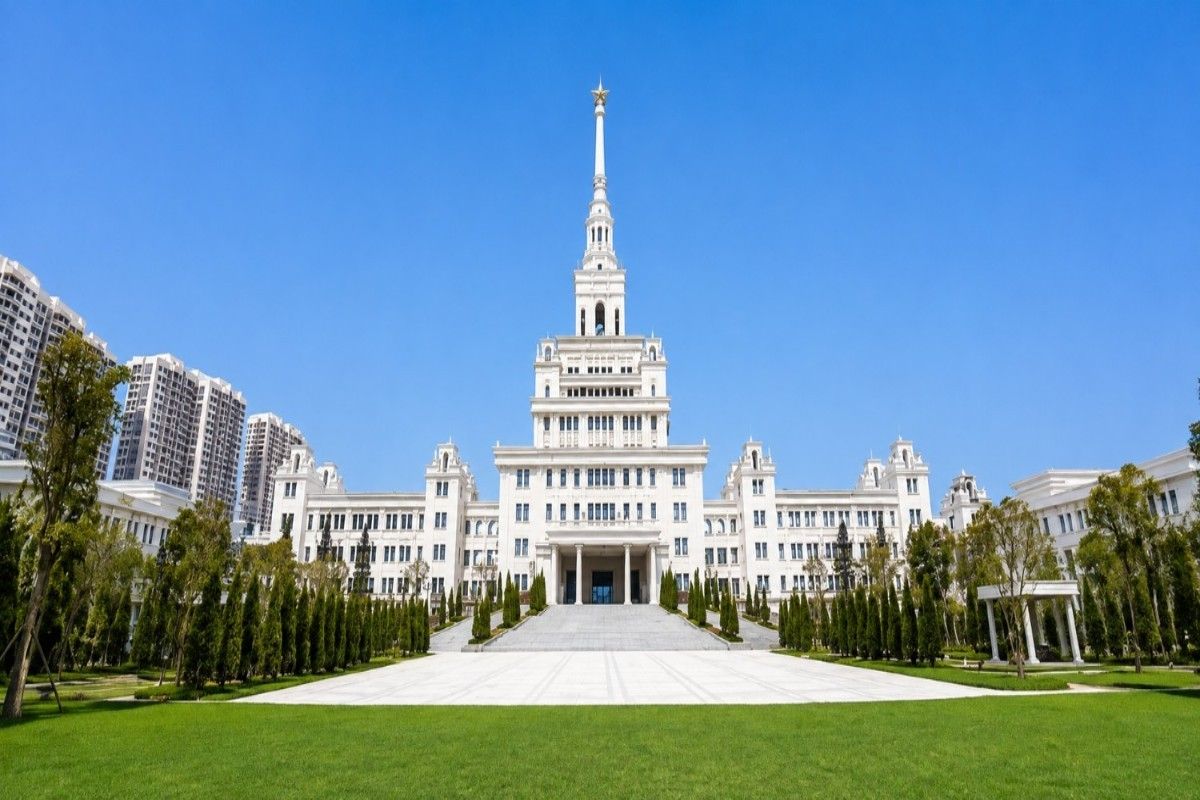
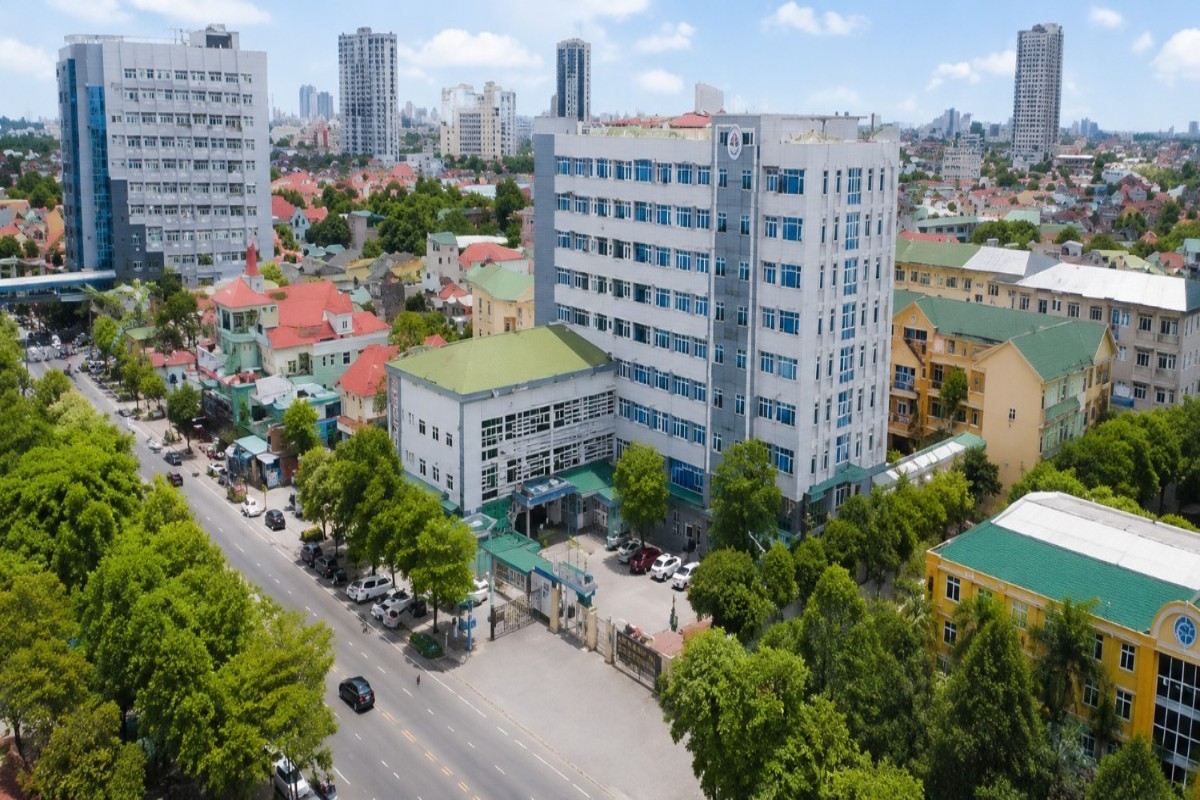
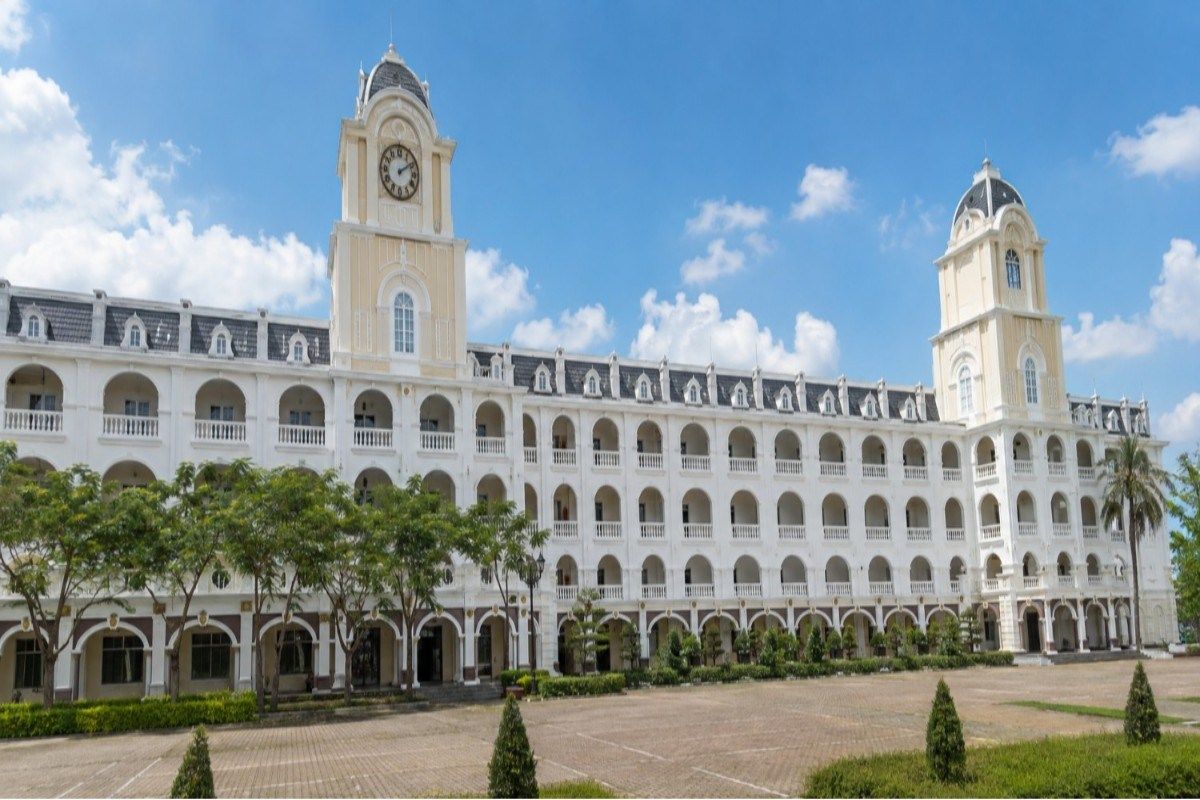
The main campus covers roughly 83 acres on Nguyen Van Cu Street in Ninh Kieu ward. It is a working campus rather than a showpiece one. Lecture blocks, laboratories, a skills centre, a library, hostels and a large university hospital share the same grounds. Students walk from an anatomy class to a ward in a few minutes. The Can Tho University of Medicine and Pharmacy Hospital is the anchor site for clinical training. Students also rotate through Can Tho Central General Hospital, Can Tho Obstetrics and Gynecology Hospital, Can Tho Children's Hospital, the oncology hospital and district health centres across the delta. Between them these sites cover a population of close to twenty million people.
That patient base is the strongest argument for studying here. The Mekong Delta is crowded, hot and wet. It carries a heavy load of dengue, tuberculosis, hepatitis B, snake bites, farm injuries and drowning. Cases of diabetes, stroke and heart disease are rising fast too. Wards are busy. A student who shows up and asks questions will see more real pathology in a week than many students see in a month elsewhere. Teachers here expect students to examine patients themselves, not to watch from the back of the room.
The Faculty of Medicine is large. It runs 27 departments, from anatomy and physiology through internal medicine, surgery, obstetrics, paediatrics, neurology, psychiatry and emergency medicine. Around 219 staff members work in the faculty, and about seven in ten hold a postgraduate degree. The list includes a professor, eight associate professors and twenty two PhD holders. It also includes more than a hundred masters and a group of senior clinical specialists. Dozens more are studying for higher degrees right now. Teaching is not left to junior doctors alone.
The medical degree takes six years of full time study. Vietnamese graduates receive the Bac si Y khoa, which is the Doctor of Medicine title used across the country. Most bodies that assess foreign degrees treat it as equal to the MBBS. India's National Medical Commission asks for a six year primary medical degree and a screening test. Students should still check the current NMC rules before they apply. Those rules change often.
CTUMP has taught international students for years. It is often described as the only public medical university in Vietnam that takes overseas undergraduates in medicine. Most of them come from India, with smaller groups from Nepal, Cambodia, Laos and Africa. Teaching for this group runs in English. Vietnamese language classes run alongside it, and they are not optional in spirit even if the timetable is light. From the third year on, wards run in Vietnamese. A student must be able to greet a patient and ask about pain. Students who work at the language in years one and two find clinical work much easier later.
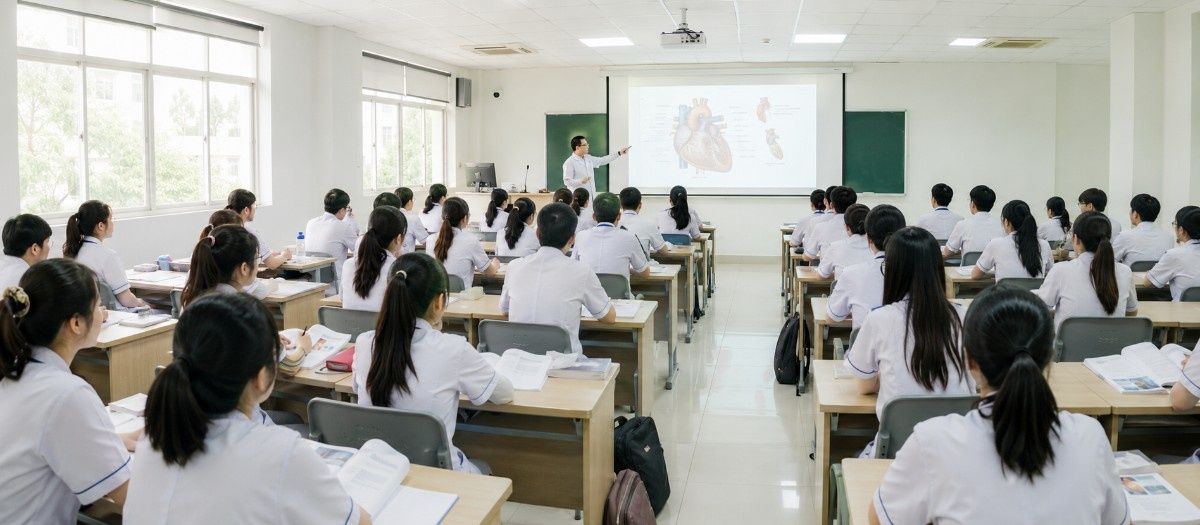
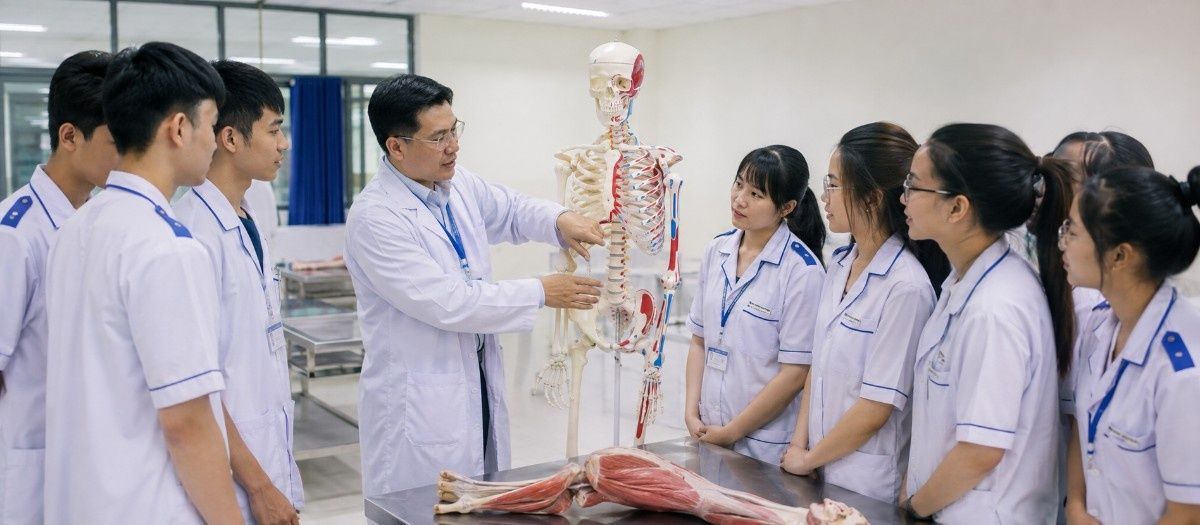
Class sizes for the international cohort stay modest. That matters in small group tutorials, bedside teaching and skills labs. The university runs a clinical skills centre with mannequins, suture trainers, delivery models and basic simulation gear. Students practise cannulas, catheters, chest examination and CPR there before they touch a patient. Anatomy is taught with cadaver dissection, prosections and models. Laboratories for biochemistry, microbiology, parasitology and pathology are used for real practical classes, not demonstrations.
Living in Can Tho is cheap by any standard. The city has about 1.2 million people. It is calm compared with Ho Chi Minh City, and it is safe to walk at night. On campus hostels are available, usually shared rooms with fans or air conditioning, a study desk and shared bathrooms. Many senior students rent rooms nearby instead. A hostel bed costs a few hundred dollars a year. Food is the real saving. A bowl of noodles at a street stall costs under a dollar. Indian and halal food is available in the city, and hostels with Indian mess arrangements have grown as the Indian student group has grown. Most students spend between 150 and 250 US dollars a month on everything outside tuition.
Getting there is simple. Can Tho International Airport connects to Ho Chi Minh City, Hanoi and a handful of regional cities. Ho Chi Minh City is about three and a half hours away by road. Direct flights from India to Vietnam take around five hours, which makes going home for a holiday realistic rather than a once in three years event.
Research at CTUMP has grown steadily. Staff publish on infection, drug resistance, heart disease, cancer screening and public health. The university works with partners in Japan, South Korea, France, Taiwan and the United States. It hosts visiting teachers and exchange students. Undergraduates can join research groups. Student science conferences run each year. This is not a world research giant. Still, a keen student can get a poster or a paper.
Student life is ordinary in the best sense. There are football and badminton teams, a music club and a choir. Students run health camps in rural communes and give blood. The festival calendar is busy. Indian students mark Diwali and Holi on campus. Vietnamese Tet closes much of the city for a week. Rural health trips are one of the better parts of the year. Students travel to villages in the delta. They run screening clinics with staff. They see how care works where there is no CT scanner.
The honest picture is this. CTUMP offers a long established public medical school, a huge clinical case load, low costs, and a degree recognised in the World Directory of Medical Schools. In return it asks for real work on Vietnamese. It asks for patience with slow paperwork. It asks you to live in a small Vietnamese city, not a capital. Students who accept that trade tend to do well here. Students who expect a Western style campus experience in English at every step do not. It suits the self reliant far more than the passenger.
No hidden charges, no donation. The full picture of costs at MBBS in Can Tho University of Medicine and Pharmacy.
Tuition Fee
Contact Us
4,560 USD - 4,01,300 INR
Hostel Fee
Contact Us
500 USD- 44,000INR
Food & Meals
1,200 USD-1,05,600INR
per month
Insurance
60 USD - 5,300INR
per year
Donation
No Donation
No Hidden Fee
Total Estimated Cost
6,990 USD 6,15,200INR
6 year
25–35%
Average FMGE first-attempt pass rates for students from many overseas medical universities. Students from structured programs consistently score higher.
Students returning to India need to clear the FMGE/NExT exam. MBBS in Can Tho University of Medicine and Pharmacy integrates exam-oriented coaching into the regular curriculum so students are prepared from day one.
A structured program that takes you from foundational sciences to clinical mastery.
The year bridges school science to medical study and starts Vietnamese for later ward work. Short hospital observations are included.
Subjects include physics, chemistry, biology, genetics, biostatistics, informatics, philosophy, foundation Vietnamese, English for medicine, anatomy and histology.
Nursing skills, first aid and patient communication are taught in the skills centre. This is the heaviest theory year, with strict practical exams.
Subjects include anatomy with dissection, physiology, biochemistry, histology, embryology, genetics, cell biology and continued Vietnamese.
basic investigations. Regular ward attachments begin at the university hospital and Can Tho Central General Hospital.
Subjects include pathology, pathophysiology, microbiology, parasitology, immunology, pharmacology, psychology and ethics. Clinical propaedeutics covers history taking, examination
Teaching moves to the wards, with case presentations, bedside teaching and practical exams.
Subjects include internal medicine, general surgery, paediatrics, obstetrics and gynaecology, infectious diseases, dermatology and medical imaging.
intensive care, plus emergency medicine, public health and forensic medicine. Students cover night duties and manage patients under supervision.
Subjects include cardiology, respiratory, gastroenterology, nephrology, endocrinology, neurology, psychiatry, ophthalmology, ENT, orthopaedics, urology, oncology, anaesthesia
Rural placements in delta district hospitals are required. A research thesis is completed and defended, followed by the state graduation examination.
Rotations through internal medicine, surgery, paediatrics, obstetrics and gynaecology, emergency medicine and community health.
Furnished hostel rooms with Wi-Fi, laundry, 24/7 security, and Indian mess on or near campus.
Indian restaurants and mess facilities serving vegetarian and non-vegetarian home-style food daily.
Strong Indian community with cultural events, festival celebrations, and peer support groups.
Students get hands-on clinical training in government and private hospitals affiliated with the university.
Practical information for students planning to study at MBBS in Can Tho University of Medicine and Pharmacy.
Prepare for all seasons. Thermal wear for winters, light clothing for summers. University provides heating in hostels.
Student visa processed with university invitation letter. Direct and connecting flights from major Indian cities.
Health insurance included in fees. Medical facility on campus plus city hospitals easily accessible.
Local SIM cards available. WhatsApp and video calls keep you connected with family back home.
Average monthly expenses of $150–$250 covering food, transport, and personal needs.
University library, online databases, and study groups. Seniors mentor juniors through academic challenges.
Our team guides you through every step — from application to arriving on campus.
Compare based on fees, clinical exposure starting year, city, and current NMC/WDOMS status, not just the cheapest headline number. This comparison step is where most of the confusion about MBBS in Vietnam and the fees for Indian students is actually resolved.
Submit academic transcripts and NEET scorecard to the university, either directly or through an authorised admission partner.
The university's international admissions office verifies submitted documents and academic eligibility.
Most universities issue this within 5–10 working days of document approval, though this can take longer during peak intake season.
Pay the first-year fee or an agreed-upon advance to confirm your seat.
The university registers your Letter of Invitation with the relevant Vietnamese education authority before the visa stage begins.
Apply for the student visa at the Vietnamese embassy/consulate in India; realistic processing time is 10–20 working days.
Book travel, confirm arrival dates with the university's international office, finalise documents, and arrange insurance in the final 30 days.
Complete on-arrival registration with local authorities within the required window (commonly 3–5 working days) — this is what legally covers your stay for the semester, not the entry visa alone.
Open a local bank account, get a local SIM card, attend orientation (including basic language sessions where offered), and start building routine and community connections.
Admission Helpline — Contact our counsellors for step-by-step assistance.
“The faculty here is incredibly supportive. The clinical training during hospital rotations has given me real confidence in patient care.”
“Affordable fees without compromising on quality. The campus facilities and hostel life made my transition abroad very smooth.”
“English medium instruction and WHO-recognized curriculum were the deciding factors for me. No regrets so far — excellent experience overall.”
“The university helped with everything from visa to accommodation. Hospital exposure from year three has been invaluable for my FMGE prep.”
“Just cleared my licensing exam on the first attempt. The structured coaching and mock exams during final year were a game-changer.”
“Safe campus, good food options, and a strong Indian student community. The teaching methodology is very practical and hands-on.”
Yes. The six-year Bac si Y khoa is treated as a primary medical qualification equal to MBBS, including for FMGE or NExT in India.
Yes. The international programme is in English, but Vietnamese classes are compulsory because ward work uses Vietnamese from year three.
For 2025-2026 the fee is VND 119,900,000 per year, about USD 4,560. The full six-year programme is VND 719,400,000, roughly USD 27,350.
Yes. Tuition is usually paid in three instalments per year, or as a single annual or full-programme payment.
Yes. The National Medical Commission has made NEET-UG score compulsory for Indian students for the admission year.
It is listed in the World Directory of Medical Schools (F0001375), used by NMC and the WHO-recognised WFME framework. Confirm current NMC rules before applying.
Mainly at the on-campus university hospital, plus Can Tho Central General Hospital, city obstetrics and children's hospitals, the oncology hospital and district health centres across the delta.
On-campus hostels offer shared rooms at a few hundred dollars a year. Many students later rent private rooms nearby. Indian mess options are available.
Most students spend USD 150-250 per month on food, transport, phone and personal items. Can Tho is much cheaper than Ho Chi Minh City and most Western destinations.
Student visas do not allow open part-time work. Most graduates return home to sit their licensing exam. CTUMP also offers master's and specialist programmes for those who stay on.
Our expert counsellors will guide you through the complete admission process — from documents to airport pickup.