1. Is Buon Ma Thuot Medical University recognised?
+Yes. It is listed in the World Directory of Medical Schools with School ID F0008518, and ECFMG confirms eligibility for graduation years 2021 to current.
 Vietnam | Est. 2014
Vietnam | • Listed in the World Directory of Medical Schools, FAIMER School ID F0008518, published jointly by WFME and FAIMER
Expert will call you within 2 hours
Buon Ma Thuot Medical University stands in Buon Ma Thuot city, the capital of Dak Lak province in Vietnam's Central Highlands. The school uses the short form BMU at home and BMTU abroad. In Vietnamese it is Truong Dai hoc Y Duoc Buon Ma Thuot. It is a private university. Teaching began in 2014, which makes it one of the younger medical schools in the country. The World Directory of Medical Schools lists it under the English name Buon Ma Thuot Medical University, with the city given as Buon Ma Thuot and the school identifier F0008518. The listing shows the school as private, currently operational, and teaching since 2014.
The Central Highlands had a real shortage of doctors when the school opened. Dak Lak is a large province of coffee farms and forest. Many people live far from a district hospital. Ethnic minority groups such as the Ede, M'nong and Jarai make up a large share of the population. Health figures here sit below the national average. The school was set up to train doctors who would stay in the region. That aim still shapes the place. Community postings are part of the course, not an extra.
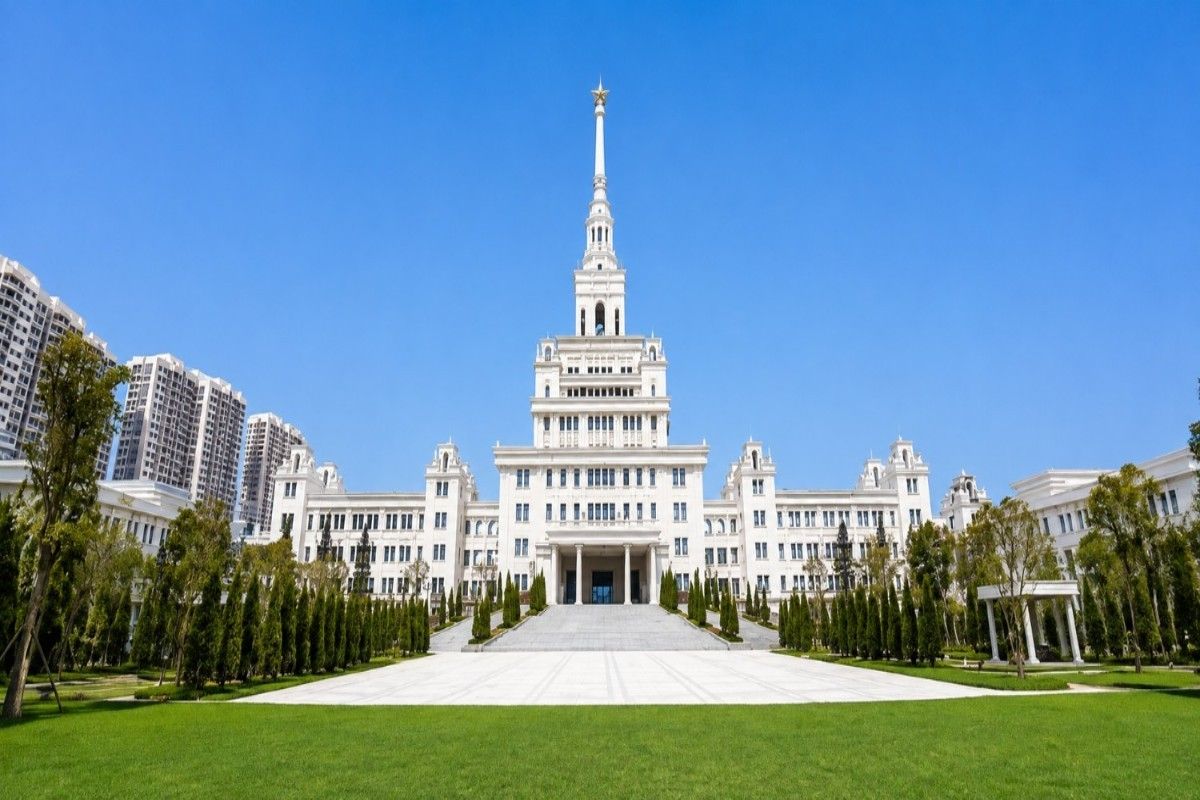
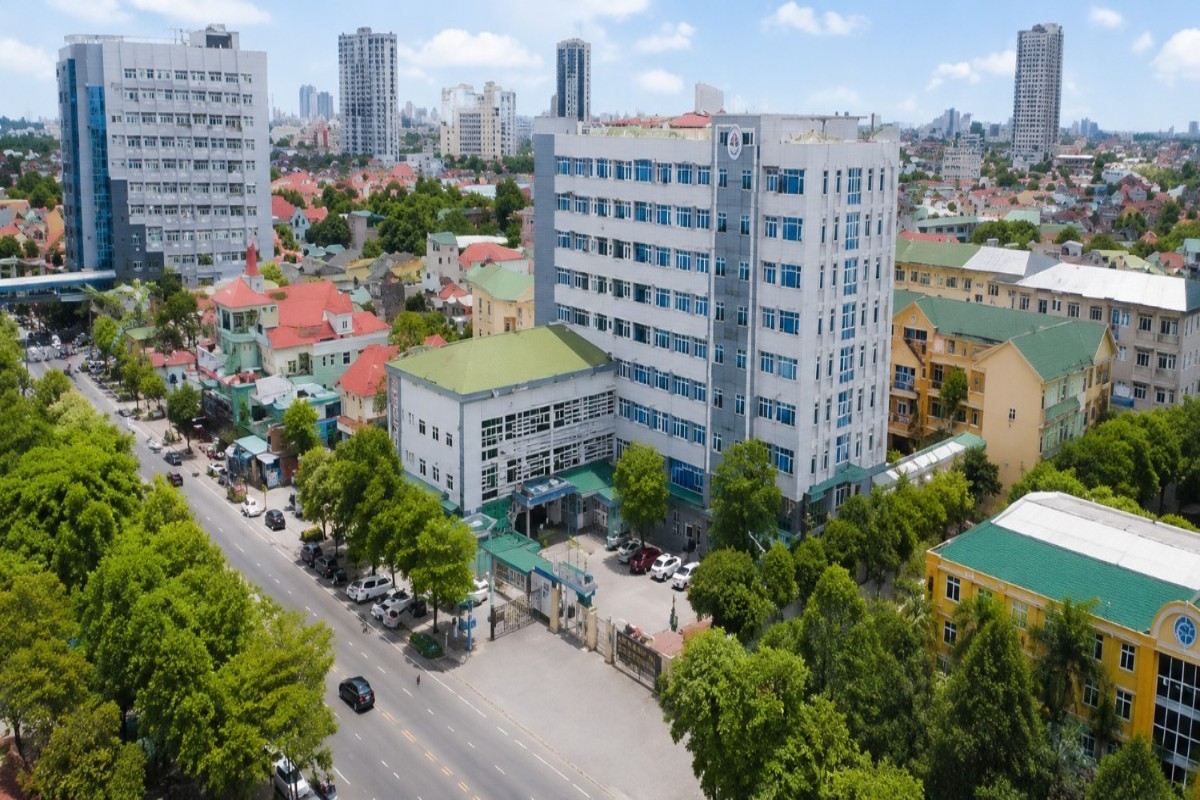
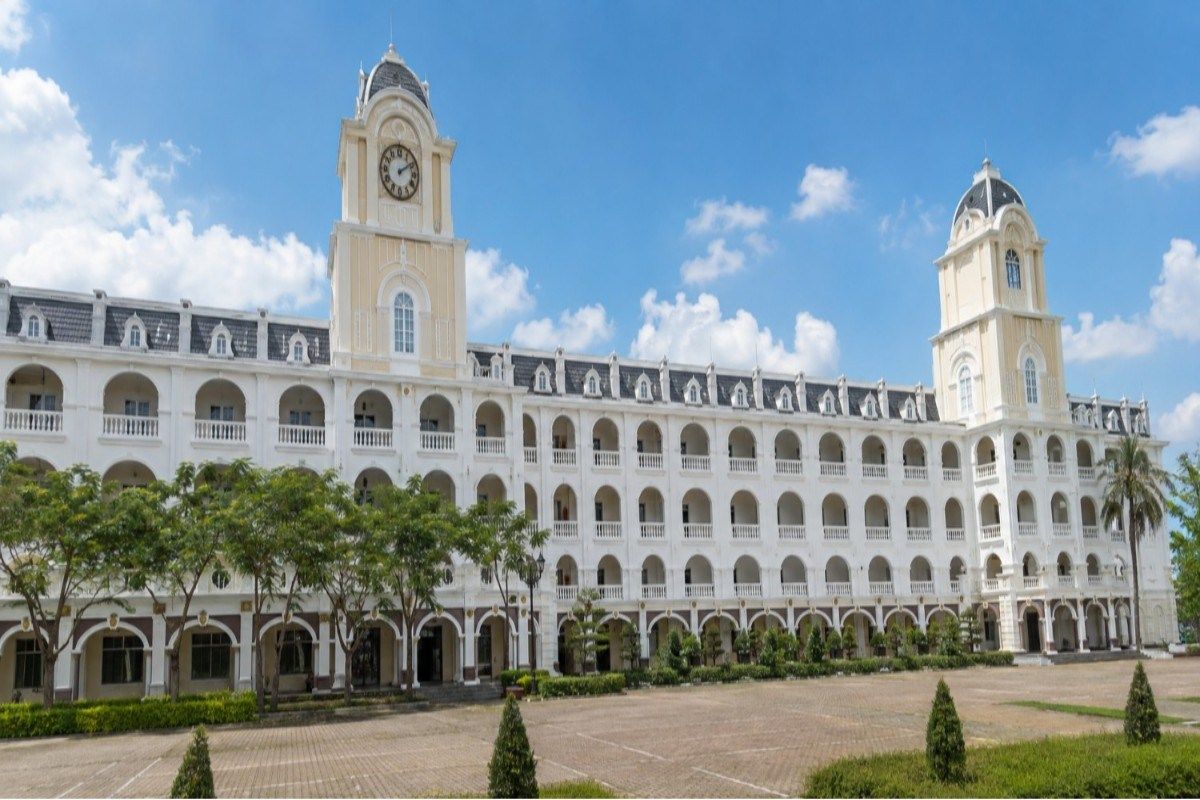
The campus sits at 298 Ha Huy Tap Street in Tan An ward. It is a modern build rather than an old colonial site. Lecture halls, laboratories, a skills centre and a library share the grounds with the university hospital. Students move between a classroom and a ward in minutes. The buildings are new, clean and air conditioned. Anyone who pictures a crumbling provincial college will be surprised.
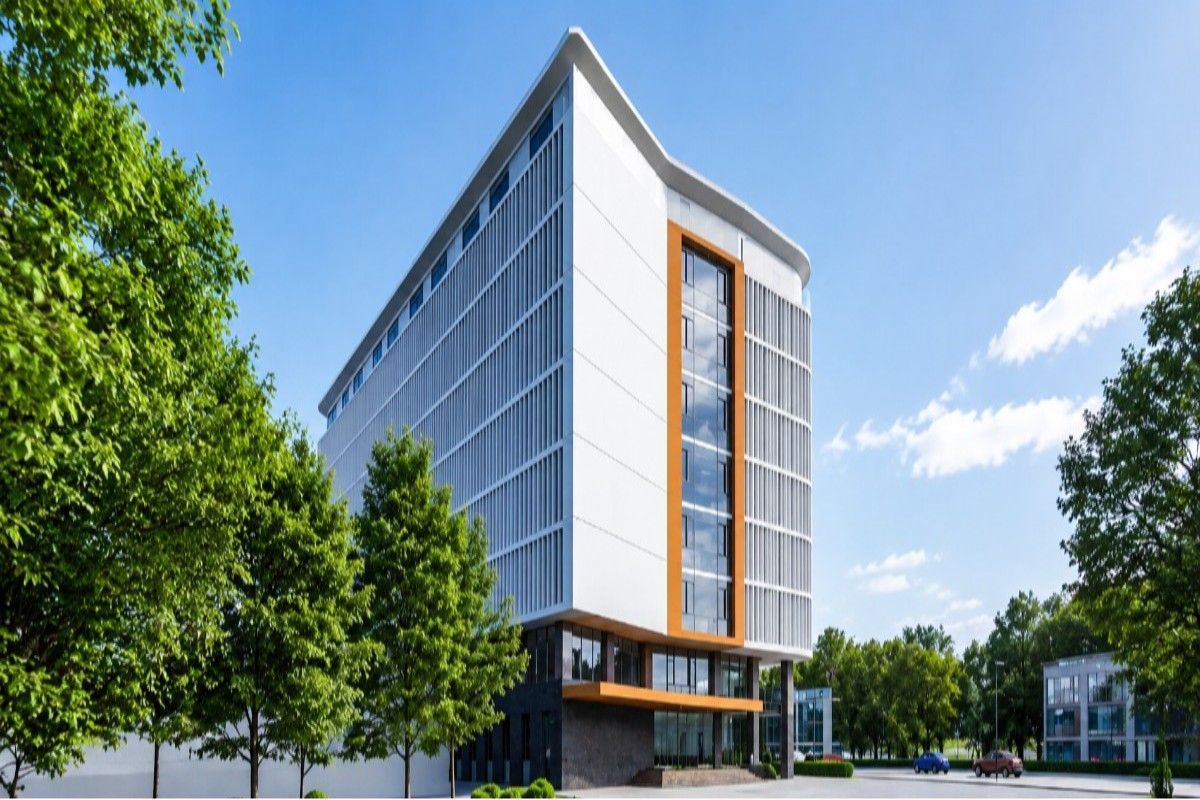
The hospital is the strongest asset. Benh vien Dai hoc Y Duoc Buon Ma Thuot, known as BUH, opened in February 2022. It belongs to the university and works on an institute and school model that ties training, research and patient care together. The Ministry of Health licences it under the 2023 Law on Medical Examination and Treatment. Its design won an Asia Architecture Design Award in 2023 as a notable healthcare building. For students the point is simpler. They have a modern hospital on their own campus, run by their own teachers, where they are expected rather than tolerated.
Cases here are varied. The highlands carry dengue, tuberculosis, malaria in border districts, hepatitis B, snake bite, and a heavy load of road and farm trauma. Diabetes, stroke and chronic lung disease are climbing as diets change. Malnutrition still turns up in remote communes. Students see conditions that a city hospital in a rich country would send to a specialist unit. They also see how care is delivered when the nearest CT scanner is two hours away. That mix builds judgement.
The medical course is registered as Y khoa, programme code 7720101. It runs six years, full time, at undergraduate level. Graduates receive the Bac si Y khoa, the Vietnamese medical doctor title. Most authorities that assess foreign degrees treat it as equal to the MBBS. The programme aims are published in full on the university website. They cover professional practice, medical knowledge, patient care and communication. The learning outcomes are mapped to the Ministry of Health core competency standard for general doctors, issued as Decision 1854 in 2015. The curriculum was built with reference to the programmes at the University of Medicine and Pharmacy in Ho Chi Minh City and at Hue. In plain terms, the syllabus follows the national template used by the older schools.
Language is worth being clear about. The World Directory records the language of instruction as Vietnamese and English. Foreign students are admitted, and an entrance exam is required. In practice the domestic track runs in Vietnamese, and international students take an English supported route with Vietnamese language study alongside it. Ward work in Dak Lak happens in Vietnamese, and many patients speak a minority language as well. Any student who ignores the language classes in the first two years will struggle later. Those who work at it find the clinical years far easier and far more rewarding.
Recognition matters to families, so here are the facts as published. The school appears in the World Directory of Medical Schools, which is run jointly by the World Federation for Medical Education and FAIMER. The Educational Commission for Foreign Medical Graduates states that students and graduates of this school may apply for ECFMG certification for graduation years 2021 to current, provided the other eligibility rules are met. That opens the route to the USMLE. The sponsor notes also state that, unless indicated otherwise, medical degrees from this school are acceptable to the provincial and territorial medical regulators in Canada. Indian students should still check the National Medical Commission rules that apply in their own admission year, because those rules change.
The university is not only a medical school. It also trains students in traditional medicine, preventive medicine, pharmacy, nursing, medical laboratory technology and public health. Since 2023 it has run Level I specialist training for qualified doctors. That spread means students share a campus with pharmacy and nursing peers, which is closer to how a hospital actually works.
Fees are published openly on the university site and are quoted per semester, with two semesters a year. Medicine is set at 32,500,000 Vietnamese dong per semester. Traditional medicine is lower, and nursing and public health are lower again. The school states in writing that tuition will not rise during the course. That promise removes a worry many families have about private colleges. International applicants should still ask the admissions office for the fee schedule that applies to them, since agent packages may bundle other services.
Living in Buon Ma Thuot is cheap and calm. The city has roughly four hundred thousand people. It sits about five hundred metres above sea level, so the weather is cooler and drier than the coast or the delta. Nights are pleasant for much of the year. This is the coffee capital of Vietnam, and cafe culture runs deep. Rent for a shared room is modest. Street food costs very little. A student who is careful can cover food, transport, phone and daily items on a small monthly budget. The city is safe and easy to walk. It is a working provincial capital, not a tourist strip, so there is little to spend money on beyond the basics.
Travel is easy. Buon Ma Thuot airport connects to Hanoi, Ho Chi Minh City, Da Nang and other cities, with flights of about an hour to the two big hubs. From there, flights to India take around five hours. Going home for a holiday is realistic rather than a rare event.
Research has grown along with the school. The university publishes its research areas, projects and a science journal. It also keeps a public quality assurance section covering policy, self assessment, external review and student surveys. That openness is unusual for a young private school and is a fair sign of intent.
Student life is simple. There are clubs, sport, blood drives and trips into the highland communes. Students help with screening camps and health talks in villages where the nearest clinic is tiny. These trips are often the part graduates remember.
No hidden charges, no donation. The full picture of costs at MBBS in Buon Ma Thuot Medical University.
Tuition Fee
Contact Us
2,47 USD -2,17,400INR
Hostel Fee
450 USD- 39,600 INR
450 USD- 39,600 INR
Food & Meals
1,100 USD - 96,800INR
per month
Insurance
60 USD - 5,300 INR
per year
Donation
No Donation
No Hidden Fee
Total Estimated Cost
4,750 USD 4,18,100 INR
6 year
25–35%
Average FMGE first-attempt pass rates for students from many overseas medical universities. Students from structured programs consistently score higher.
Students returning to India need to clear the FMGE/NExT exam. MBBS in Buon Ma Thuot Medical University integrates exam-oriented coaching into the regular curriculum so students are prepared from day one.
A structured program that takes you from foundational sciences to clinical mastery.
Anatomy and histology begin. The year moves students from school science to medical study and starts the language work needed later on the wards.
Subjects include physics, chemistry, biology, genetics, biostatistics, informatics, general education modules, English for medicine and foundation Vietnamese.
Nursing skills, first aid and patient communication are taught in the skills centre. This is the heaviest theory year, with strict practical assessments.
Subjects include anatomy with dissection, physiology, biochemistry, histology, embryology, cell biology and continued Vietnamese
Clinical propaedeutics covers history taking, physical examination and basic investigations. Ward attachments begin at the university hospital.
Subjects include pathology, pathophysiology, microbiology, parasitology, immunology, pharmacology, medical psychology and ethics.
Teaching shifts to the bedside, with case presentations and practical examinations.
Subjects include internal medicine, general surgery, paediatrics, obstetrics and gynaecology, infectious diseases, dermatology and medical imaging.
oncology, anaesthesia and intensive care, plus emergency medicine, traditional medicine, forensic medicine and public health. Students take night duties under supervision.
Subjects include cardiology, respiratory medicine, gastroenterology, nephrology, endocrinology, neurology, psychiatry, ophthalmology, ENT, orthopaedics, urology
Placements in highland district health centres are included. A graduation project is completed and defended, followed by the final state examination.
Rotations through internal medicine, surgery, paediatrics, obstetrics and gynaecology, emergency medicine and community health.
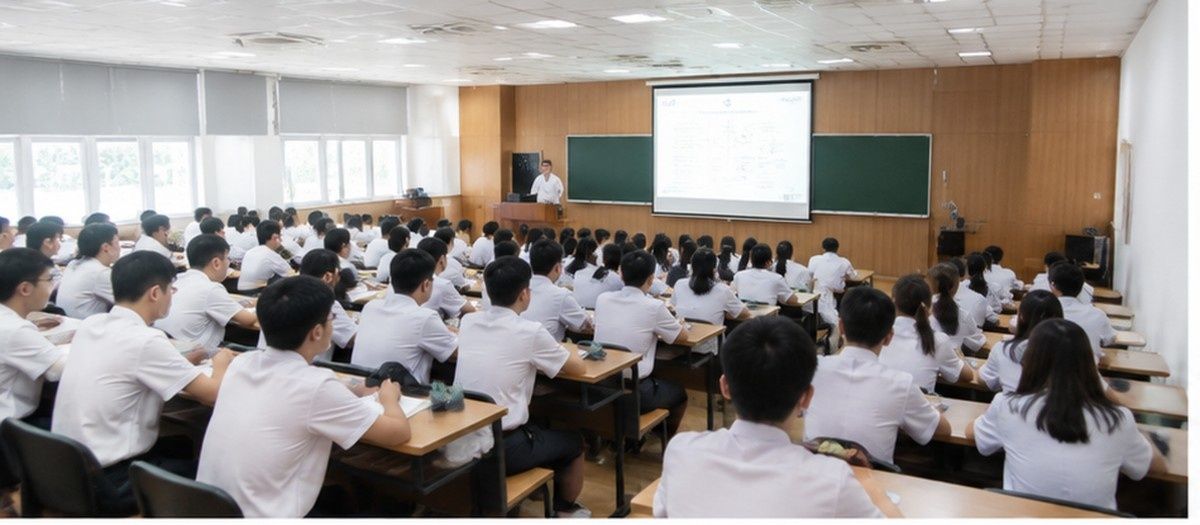
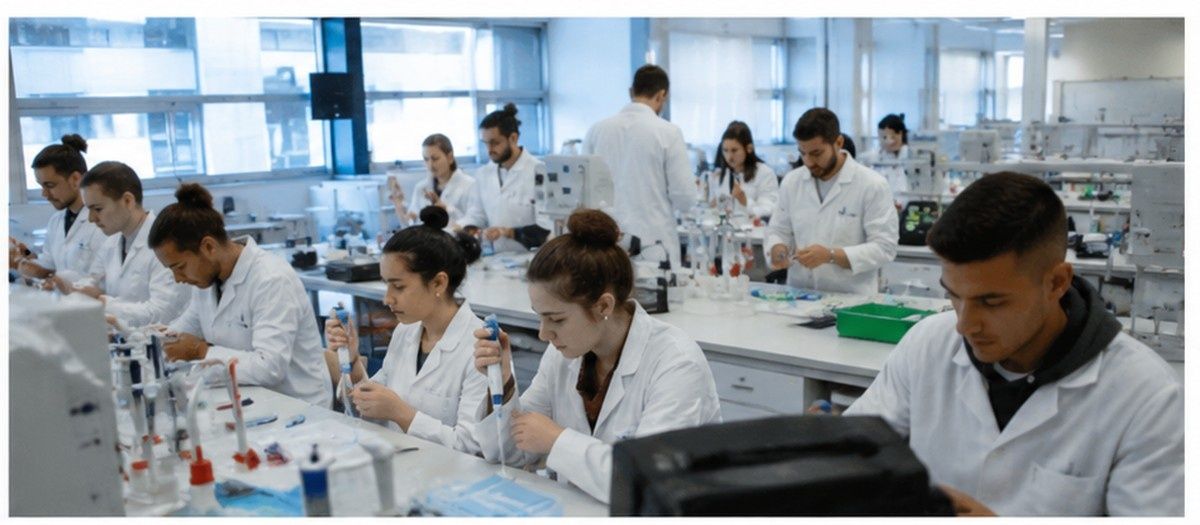
Furnished hostel rooms with Wi-Fi, laundry, 24/7 security, and Indian mess on or near campus.
Indian restaurants and mess facilities serving vegetarian and non-vegetarian home-style food daily.
Strong Indian community with cultural events, festival celebrations, and peer support groups.
Students get hands-on clinical training in government and private hospitals affiliated with the university.
Practical information for students planning to study at MBBS in Buon Ma Thuot Medical University.
Prepare for all seasons. Thermal wear for winters, light clothing for summers. University provides heating in hostels.
Student visa processed with university invitation letter. Direct and connecting flights from major Indian cities.
Health insurance included in fees. Medical facility on campus plus city hospitals easily accessible.
Local SIM cards available. WhatsApp and video calls keep you connected with family back home.
Average monthly expenses of $150–$250 covering food, transport, and personal needs.
University library, online databases, and study groups. Seniors mentor juniors through academic challenges.
Our team guides you through every step — from application to arriving on campus.
Compare based on fees, clinical exposure starting year, city, and current NMC/WDOMS status, not just the cheapest headline number. This comparison step is where most of the confusion about MBBS in Vietnam and the fees for Indian students is actually resolved.
Submit academic transcripts and NEET scorecard to the university, either directly or through an authorised admission partner.
The university's international admissions office verifies submitted documents and academic eligibility.
Most universities issue this within 5–10 working days of document approval, though this can take longer during peak intake season.
Pay the first-year fee or an agreed-upon advance to confirm your seat.
The university registers your Letter of Invitation with the relevant Vietnamese education authority before the visa stage begins.
Apply for the student visa at the Vietnamese embassy/consulate in India; realistic processing time is 10–20 working days.
Book travel, confirm arrival dates with the university's international office, finalise documents, and arrange insurance in the final 30 days.
Complete on-arrival registration with local authorities within the required window (commonly 3–5 working days) — this is what legally covers your stay for the semester, not the entry visa alone.
Open a local bank account, get a local SIM card, attend orientation (including basic language sessions where offered), and start building routine and community connections.
Admission Helpline — Contact our counsellors for step-by-step assistance.
“The faculty here is incredibly supportive. The clinical training during hospital rotations has given me real confidence in patient care.”
“Affordable fees without compromising on quality. The campus facilities and hostel life made my transition abroad very smooth.”
“English medium instruction and WHO-recognized curriculum were the deciding factors for me. No regrets so far — excellent experience overall.”
“The university helped with everything from visa to accommodation. Hospital exposure from year three has been invaluable for my FMGE prep.”
“Just cleared my licensing exam on the first attempt. The structured coaching and mock exams during final year were a game-changer.”
“Safe campus, good food options, and a strong Indian student community. The teaching methodology is very practical and hands-on.”
Yes. It is listed in the World Directory of Medical Schools with School ID F0008518, and ECFMG confirms eligibility for graduation years 2021 to current.
Yes. The six-year Bac si Y khoa is a primary medical qualification treated as equivalent to MBBS, including for FMGE or NExT in India.
WDOMS records Vietnamese and English as languages of instruction. International students follow an English-supported route, but Vietnamese classes are compulsory because wards run in Vietnamese.
Medicine is 32,500,000 VND per semester, about 65,000,000 VND or USD 2,470 per year. The university states fees will not rise during the course.
Yes. WDOMS accepts foreign students, there is an entrance examination.
Yes. As per the National Medical Commission any Indian student who wishes to study medicine abroad must attain a qualifying NEET-UG score for the year of admission.
Mainly at Buon Ma Thuot University Hospital on campus, which opened in 2022, plus district health centres and provincial facilities across Dak Lak.
Instruction began in 2014, so it is a young school. Its main strengths are new facilities and its own modern teaching hospital rather than long tradition.
It is low. The city is a quiet provincial capital with cheap food and rent, and most students manage on a small monthly budget outside tuition.
They can return home to sit their licensing examination, apply for ECFMG certification and the USMLE, or continue with postgraduate and Level I specialist training in Viet Nam.
Our expert counsellors will guide you through the complete admission process — from documents to airport pickup.