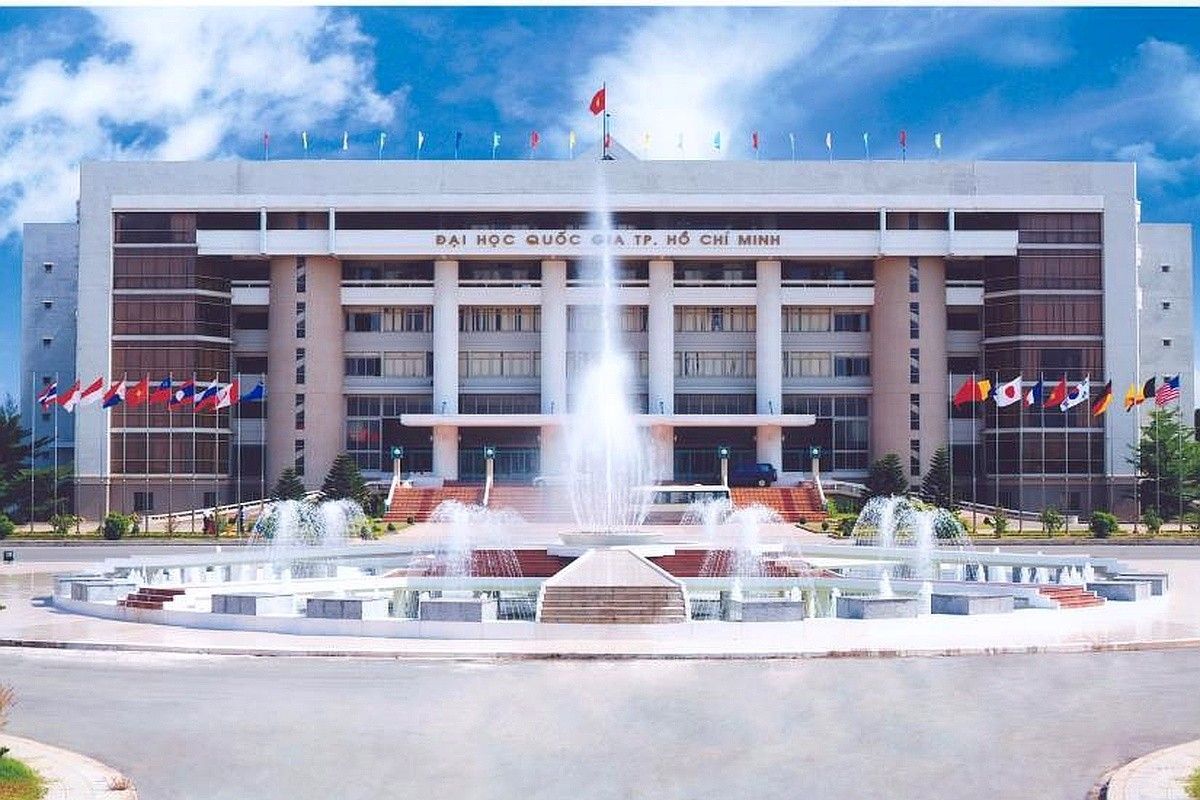
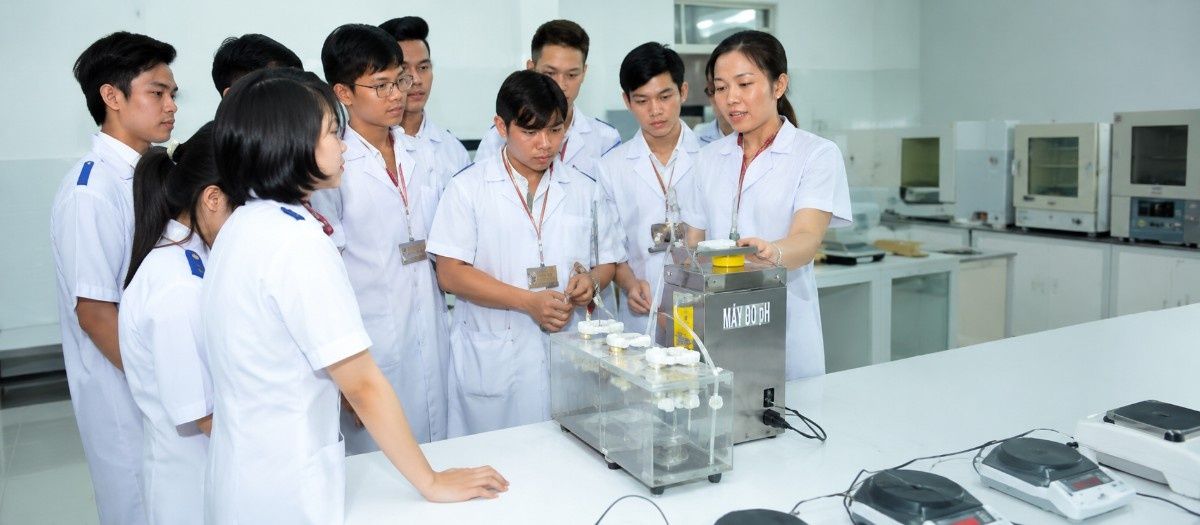
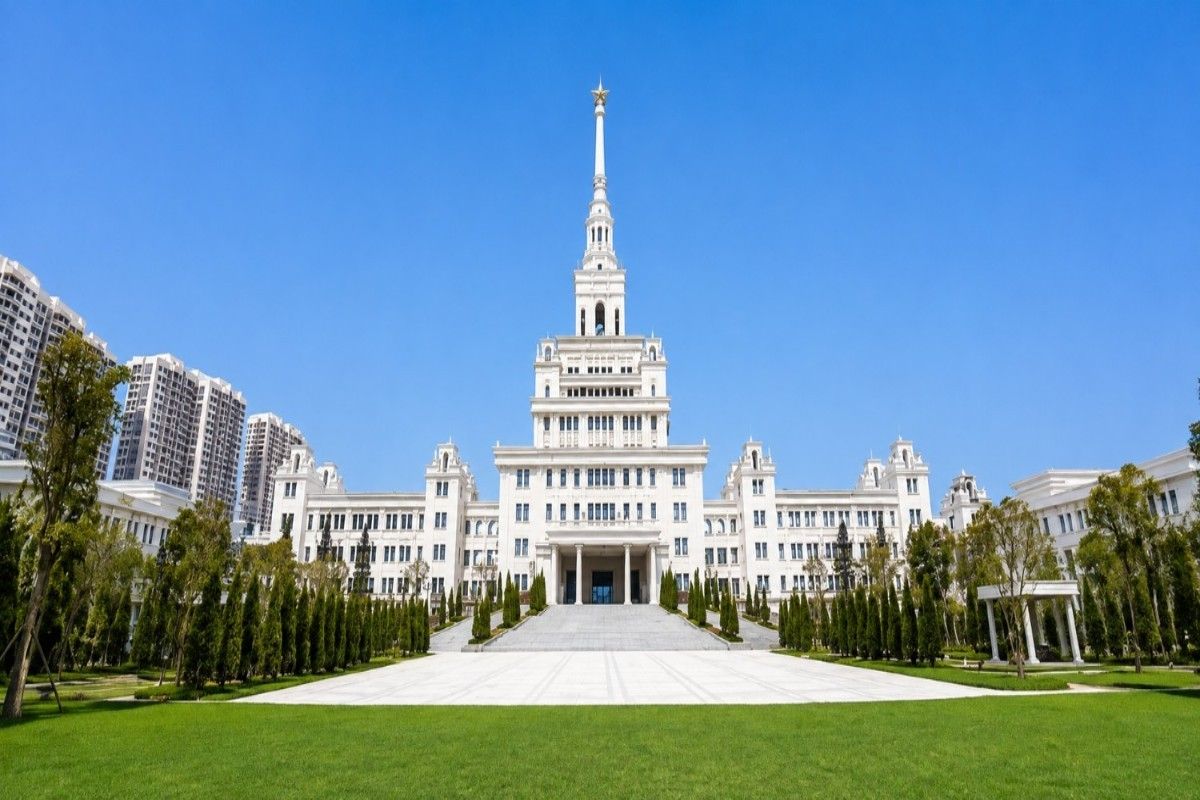
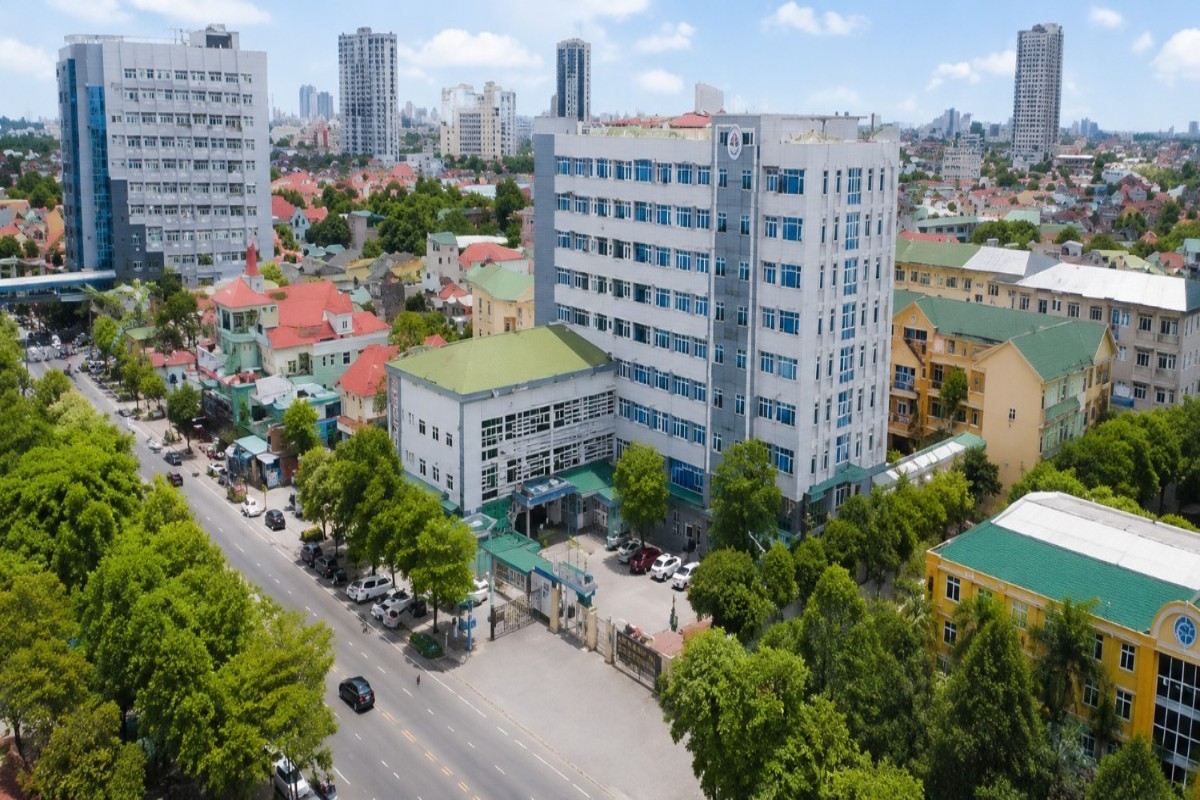
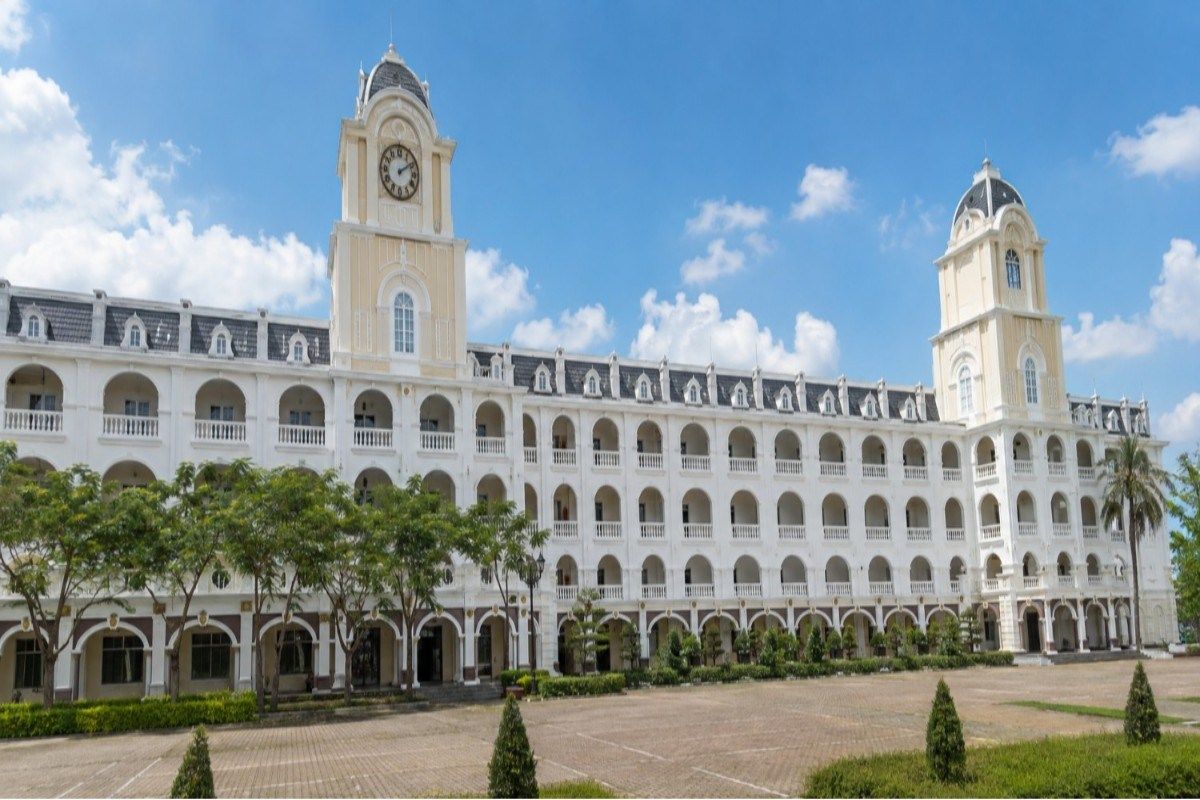
Vietnam University of Traditional Medicine (VUTM) is a specialist higher education institution in Hanoi dedicated to the study, preservation, practice, and research of traditional Vietnamese medicine known as Đông y (Eastern Medicine), a system rooted in the same classical Chinese medical tradition that underlies Traditional Chinese Medicine (TCM), adapted over centuries to Vietnam's specific medicinal plants, clinical culture, and disease environment. VUTM is the primary academic centre for traditional medicine education in Vietnam, playing the same foundational role for traditional medicine that Hanoi Medical University plays for allopathic medicine.
Traditional Vietnamese medicine (Đông y) is a comprehensive medical system encompassing herbal medicine, acupuncture, acupressure, qigong, cupping therapy, and a range of diagnostic and treatment approaches based on classical concepts of vital energy (khí), organ systems, and the balance of opposing forces in the body. Vietnam has one of the world's richest traditions of medicinal plant knowledge the country's biodiversity encompasses an enormous range of plants used in traditional therapeutics and VUTM is the institution responsible for translating this heritage into structured academic training and research.
VUTM is located in Hanoi and is recognised by Vietnam's Ministry of Health and Ministry of Education. It is listed in the World Directory of Medical Schools (WDOMS). The institution offers degree programmes in Traditional Medicine at bachelor, master, and doctoral levels, as well as research programmes focused on Vietnamese medicinal plants, clinical traditional medicine practice, and the integration of traditional and modern medical approaches.
However, students considering VUTM must be clearly informed of the following critical distinction: VUTM's primary degree is in Traditional Medicine, not General Medicine (the allopathic MBBS equivalent). The NMC of India recognises foreign medical degrees for NExT eligibility based on the institution offering a General Medicine programme equivalent to the Indian MBBS covering allopathic medicine including modern surgery, pharmacology, and evidence-based clinical medicine. A Traditional Medicine degree from VUTM may not satisfy NMC's FMGL requirements for NExT eligibility. Students intending to practise as General Physicians in India must verify directly with NMC before enrolling. For students with a specific academic or professional interest in traditional medicine, herbal therapeutics, acupuncture, or integrative medicine particularly those who do not intend to practise in India under NMC regulations VUTM offers a genuinely distinguished specialist academic environment.