🇪🇺
EU Degree & European Medical Licence
Slovakia is in the EU and Schengen. After graduation, you can apply for a European medical license and practise across all 27 EU member states.
 Study destination: Slovakia
Slovakia sits quietly at the centre of the European Union and makes a compelling case for MBBS-seeking Indian students seeking a genuinely European education at a cost still within reach. Bratislava, the capital, is a well-organised, modern Central European city on the banks of the Danube, with Vienna just 60 kilometres away and Budapest 200 kilometres to the east. For a student studying in Bratislava, weekend access to two of Europe's great capitals is a practical reality, not a holiday ambition. Comenius University in Bratislava, our primary partner in Slovakia, is one of the oldest and most respected universities in Central Europe, founded in 1919. Its Faculty of Medicine holds full NMC and WHO recognition and has a long track record of training international students to European clinical standards. Clinical training begins from Year 3 in Bratislava's well-equipped university hospital network. Slovakia is an EU and Schengen member state, which means the degree is recognised as an academic qualification in Europe. After graduation, Slovak medical graduates can apply for a European medical licence and practise across EU member states, an option not available in Russia, Georgia, or Central Asian destinations. At a total 6-year all-in cost of ₹50–70 Lakhs, Slovakia is moderately priced for an EU medical degree. It costs more than Georgia or Central Asia, but significantly less than Poland's higher-cost universities, the Czech Republic, Cyprus, or Ireland, and the degree carries the same EU and NMC recognition. For students seeking a genuine EU MBBS at a reasonable cost, Slovakia is one of the most underrated options. You've survived NEET. Now, let's find out which medical colleges are actually within your reach with the AMW College predictor tool.
We blend country research, university comparison, and admission guidance so students can evaluate the right path without guesswork.
Slovakia is in the EU and Schengen. After graduation, you can apply for a European medical license and practise across all 27 EU member states.
, one of Central Europe's oldest universities. NMC and WHO recognised the Faculty of Medicine with a long international student track record.
₹50–70 Lakhs total over 6 years. EU-standard education at a cost closer to Georgia than Ireland, Poland, or the Czech Republic
Bratislava is 60 km from Vienna and 200 km from Budapest. Weekend access to two of Europe's great capitals during your studies.
Explore active university options with fee, duration, and accreditation details before you shortlist your preferred campus.
 Partner
| University | Annual Tuition | Hostel Fee | Duration | Medium |
|---|---|---|---|---|
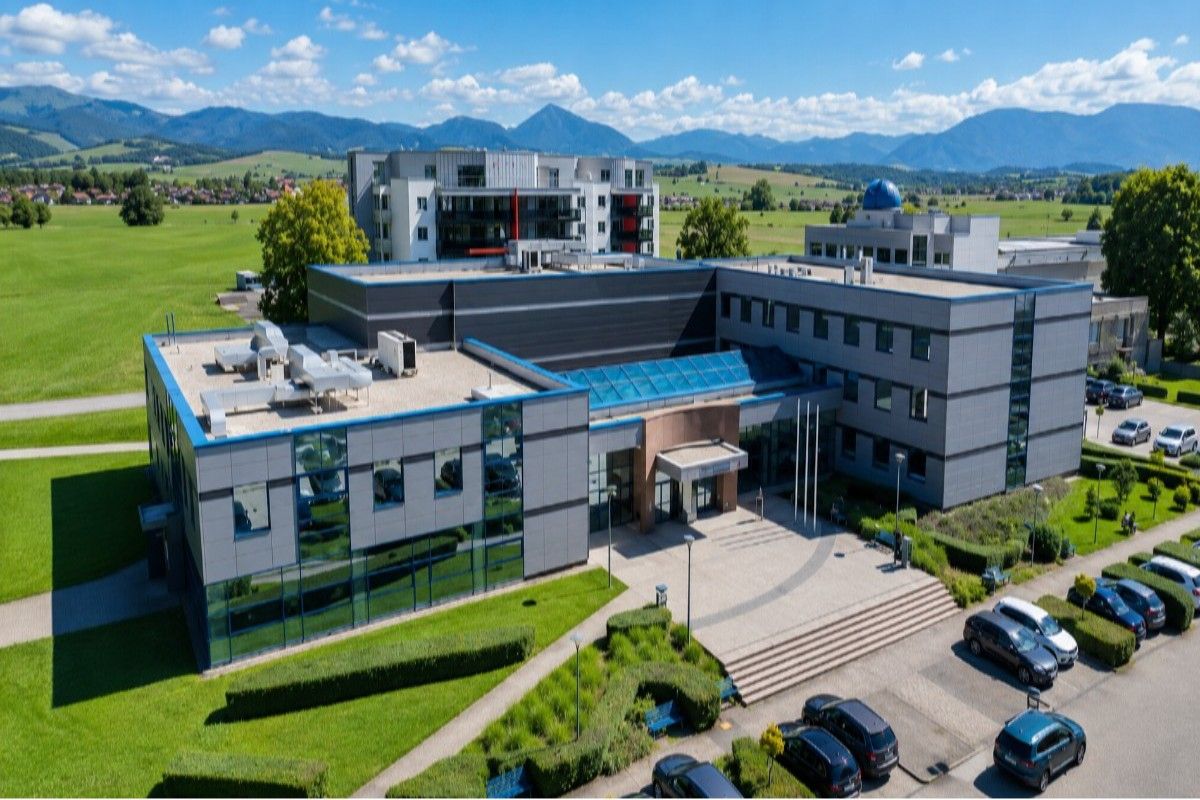
| MBBS Ib Jesseniova Lekárska Fakulta v Martine, Univerzita Komenského | €11,500/year for international students (AY 2026/27), approximately ₹10.4 lakh/year | University hostels at L. Novomeského and P. O. Hviezdoslava; limited capacity, apply early; shared apartments €200–350/month | 6-Year MUDr. Curriculum — JFMED, Comenius University | English; full medium since 1991; no Slovak language requirement; all lectures, practicals, seminars. |
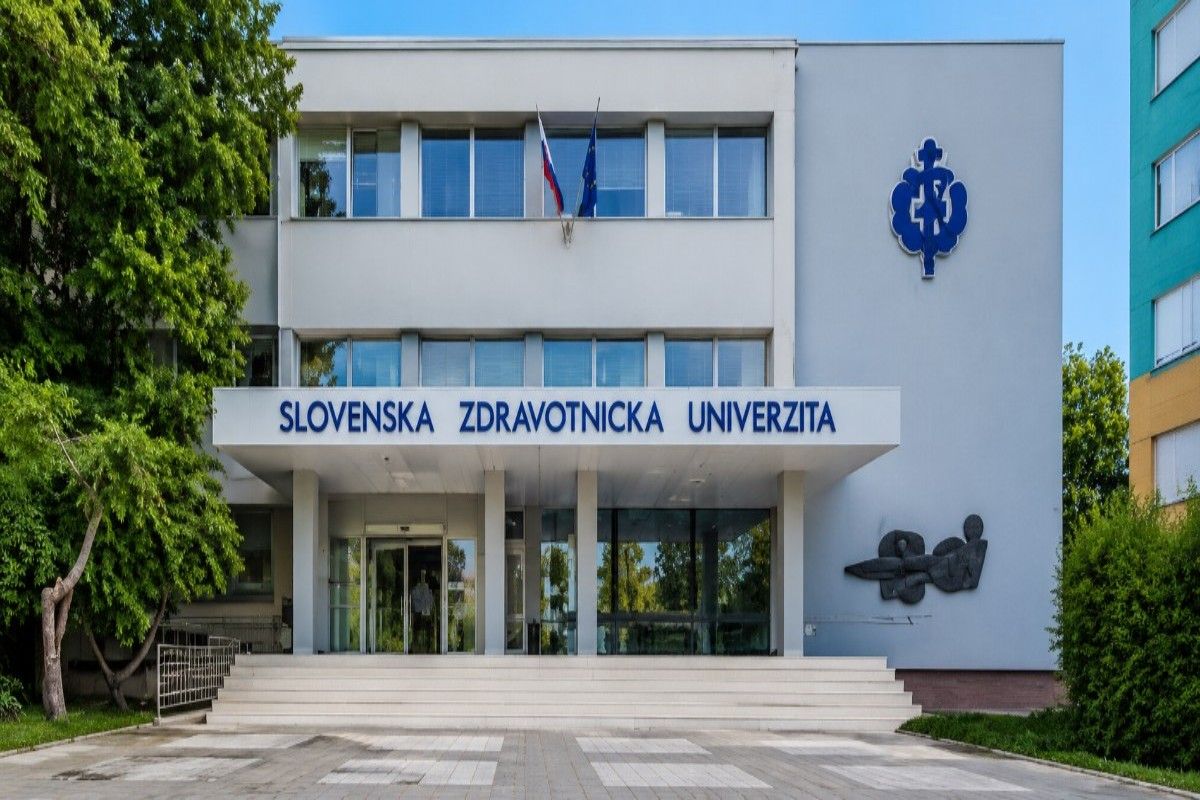
| MBBS In Slovenská Zdravotnícka Univerzita v Bratislave | Approx. €9,000–10,500/year (₹8.1–9.5 lakh); total 6-year tuition €54,000–63,000 / ₹49–57 lakh; living costs €500–800/month | Campus hostel for limited applicants; shared apartments €300–500/month; private studio €450–650/month | 6-Year MUDr. Curriculum — SZU, Bratislava | English (full medium); Slovak language across four semesters for clinical communication; no Slovak required at admission |
| Univerzita Komenského v Bratislave, Lekárska Fakulta |
Slovakia is an EU and Schengen member state. Indian students require a Schengen national visa (D-type) for study, a more structured process than in Georgia or Nepal. Slovak National Visa — Type D (Long-Stay for Study). For stays beyond 90 days, Indian students apply for a Slovak national Type D visa at the Slovak Embassy in New Delhi before departure. Required documents include: → Completed visa application form → Valid passport (minimum 6 months beyond intended stay) → University admission letter (from Comenius University or our partner university) → Proof of accommodation (hostel/housing contract) → Proof of financial means (approximately €500–700/month for living costs demonstrated) → Health insurance valid for Slovakia and the Schengen zone → Academic certificates (10th, 12th, NEET scorecard translated if required) → Bank statements (last 6 months) → Passport-size photographs per Slovak Embassy specifications Processing Time: This typically takes 6–10 weeks. Our team recommends beginning visa preparation 3 months before departure. Temporary Residence Permit — After Arrival. After arrival in Slovakia, students apply for a Temporary Residence Permit for Study at the Foreign Police Bureau. This permit is renewed annually. Schengen Travel: A Slovak student residence permit allows visa-free travel to all 26 Schengen member countries, a significant benefit for students who want to explore Europe during semester breaks. Key Notes → Slovak language classes are part of the curriculum, but instruction is in English → No IELTS required by Comenius for admission to the university, which manages English proficiency through its own screening → Our team manages full visa documentation and preparation, no student navigates this independently
From counselling to visa readiness, here is the usual sequence students follow when planning admission in Slovakia.
Slovakia specialist compares Comenius University, UPJŠ Košice, and Slovak Medical University fees, FMGE track, city, and career outcomes
Our team prepares your full Slovak admission and visa document package, translations arranged where required.
Direct submission to Comenius University. Offer letter typically within 10–14 working days.
Our team receives the offer letter and advises on acceptance and the initial fee payment to secure your September 2026 seat.
Our team manages the entire visa documentation and submission to the Slovak Embassy in New Delhi. Start at least 3 months before departure.
Our team has been managing Slovakia MBBS admissions for Indian students since the early days of Central European MBBS destinations and maintains direct relationships with the admissions office at Comenius University. Our Slovakia pathway includes full visa documentation management, airport coordination in Bratislava, and ongoing FMGE coaching from Year 4. Slovakia is a destination that rewards students who are serious about their education. Our role is to ensure that the administrative complexity of an EU destination doesn't distract from academic focus.
Choose the right country, shortlist the right university, and understand your next steps with one clear plan built around your NEET score and budget.
Arrange a free counselling sessionYes. Comenius University's Faculty of Medicine is NMC and WHO-approved. After completing the 6-year programme, you must clear FMGE/NExT to practise in India.
Yes. After graduation from an EU-accredited Slovak medical school, you can apply for European medical licence registration and practise across all 27 EU member states. This is a significant advantage Slovakia holds over Russia, Georgia, Kazakhstan, and all Central Asian MBBS destinations
Approximately 36–43% nationally, with Comenius University graduates at the higher end.
Slovakia is the most affordable of the three EU MBBS options (₹50–70L vs ₹65–85L for Poland vs ₹55–78L for the Czech Republic). Comenius University is well-regarded, but Charles University in Prague is generally considered more prestigious. Clinical training quality across all three is good
Expert will call you within 2 hours
A Slovak student residence permit grants visa-free travel across 26 Schengen countries, allowing you to explore Europe for 6 years.
Rotations from Year 3 in Bratislava's modern university hospitals. EU-standard clinical exposure that directly supports FMGE preparation
Explore fees, eligibility, and admission guidance for MBBS Ib Jesseniova Lekárska Fakulta v Martine, Univerzita Komenského in Slovakia.
 Partner
Explore fees, eligibility, and admission guidance for MBBS In Slovenská Zdravotnícka Univerzita v Bratislave in Slovakia.
 Partner
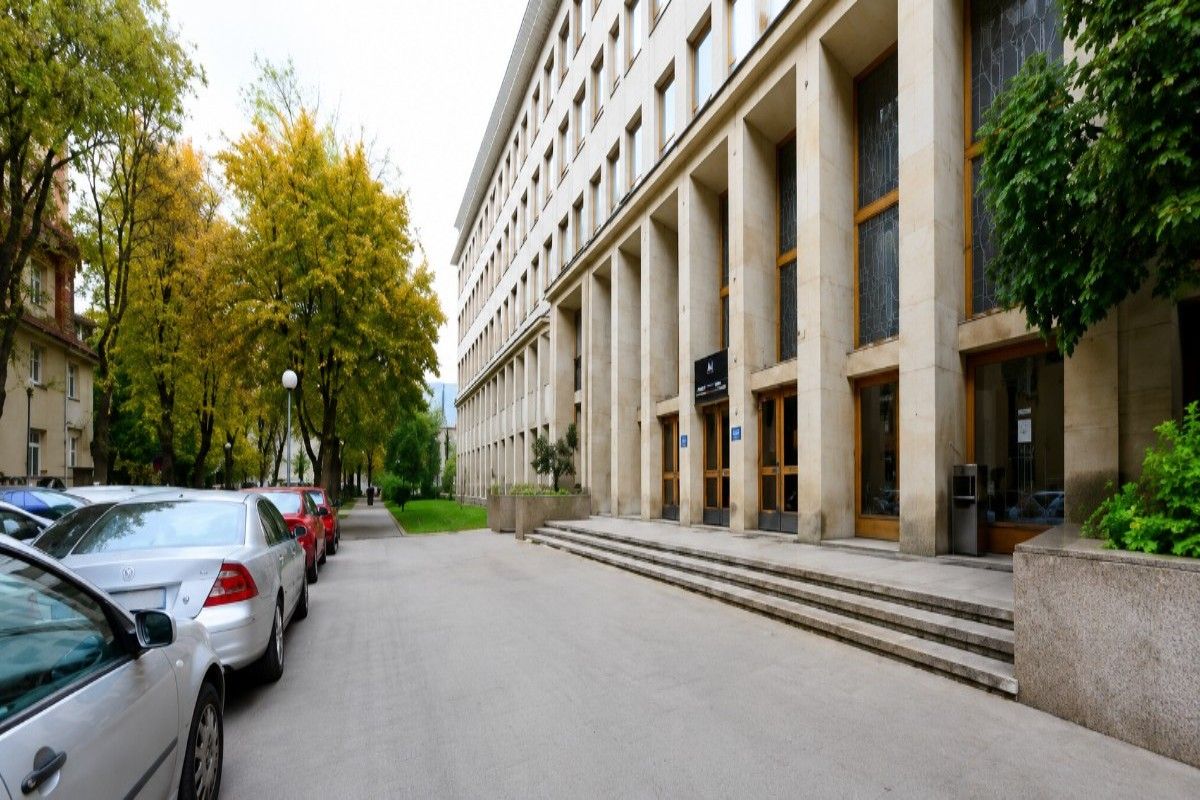
Explore fees, eligibility, and admission guidance for Univerzita Komenského v Bratislave, Lekárska Fakulta in Slovakia.
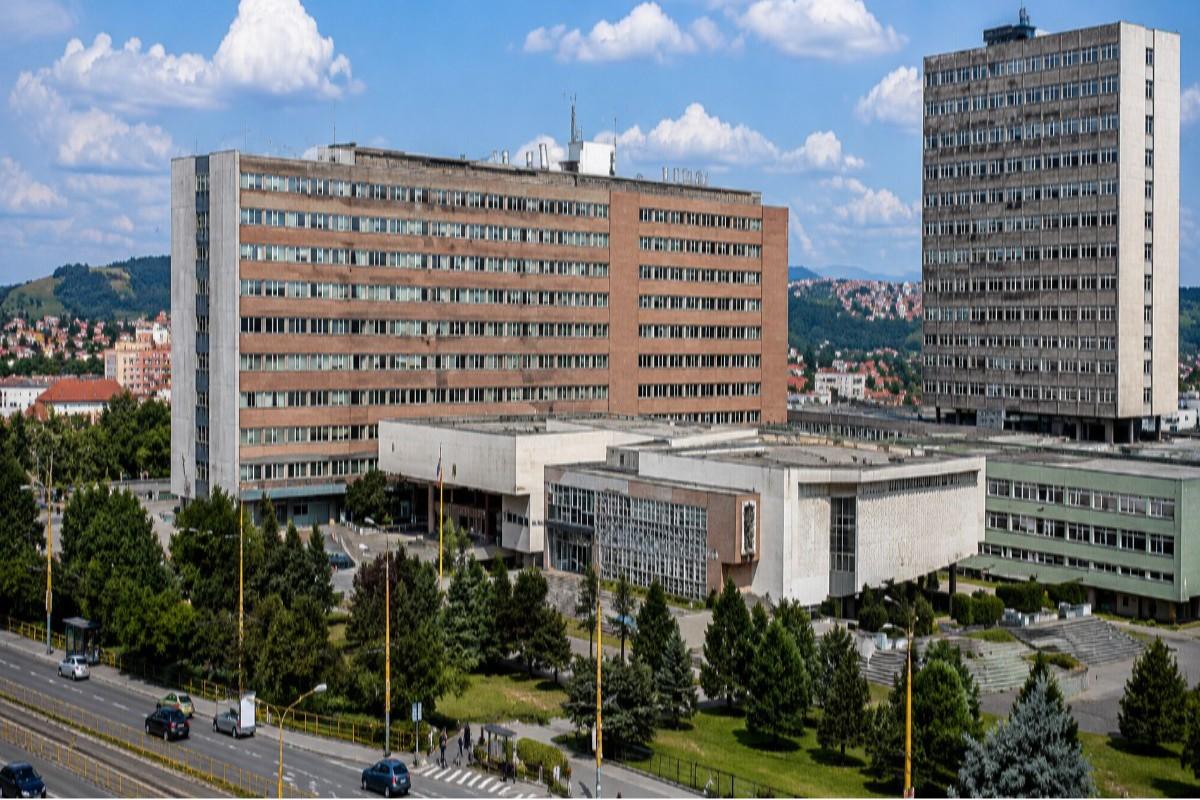 Partner
Explore fees, eligibility, and admission guidance for Univerzita P. J. Safárika Lekárska Fakulta in Slovakia.
Our team provides university-specific guidance and a full Slovakia context briefing at every intake. Book a free counselling session →
| ₹7–10 Lakhs/year (€8,000–12,000/year) |
| Ask counsellor |
| 6-Year MD Curriculum |
| English throughout all six years. Slovak taught as a compulsory subject in Years 1–2 only ;no prior Slovak knowledge nee |
| Univerzita P. J. Safárika Lekárska Fakulta | ₹7–10 Lakhs/year (€8,000–12,000/year) | Ask counsellor | 6-Year MD Curriculum | Full English instruction since 1992; no Slovak required. All lectures, exams, and clinical teaching are in English. |
Full Bratislava orientation, accommodation, city logistics, banking, SIM card, Slovak transport, and first week at Comenius.
We advise on routing via Vienna Airport (60 km from Bratislava, best connected from India). Confirms arrival with the local team.
Our local Bratislava coordinator meets you at Vienna or Bratislava Airport and handles the transfer.
Hostel check-in, Comenius University registration, and campus orientation are all coordinated by our local team.
We file your Temporary Residence Permit for Study at the Foreign Police Bureau within your first weeks. Renewed annually throughout your programme.
₹50–70 Lakhs over 6 years (tuition + hostel + living). This is the most affordable EU MBBS degree
Slovak language classes are part of the curriculum (necessary for patient communication during the clinical years), but instruction in the degree programme is conducted in English. Most students achieve basic conversational Slovak by Year 3, which is sufficient for clinical rotations.
Yes. Slovakia is rated among the safest countries in Central Europe. Bratislava is a clean, well-organised city with low crime and a welcoming attitude to international students.
A Slovak national Type D visa (long-stay student visa) was applied for at the Slovak Embassy in New Delhi before departure.
Yes. A Slovak student residence permit gives you access to the Schengen zone and visa-free travel to 26 European countries, including Austria, Germany, France, Italy, the Netherlands, and Spain. Vienna is 60 km away and accessible by train in under 1 hour.
Yes. Indian grocery stores and restaurants operate near the Comenius University campus. Slovak food is generally well tolerated by Indian students, including meats, vegetables, soups, and bread. Monthly food cost: ₹7,000–12,000.
Bratislava has its own international airport (BTS) with limited direct connections from India. Most students fly into Vienna Airport (VIE), which is 60 km from Bratislava and is connected by regular bus and train. Flights from Delhi to Vienna via Dubai or Istanbul typically take 8–10 hours
Yes. NMC and WHO-recognised degrees from Slovakia are eligible for USMLE (USA) and PLAB (UK) pathways, subject to individual country requirements. EU-accredited Slovak medical degrees have strong international portability