
🏛️
University of Copenhagen — Founded 1479
One of the world's oldest and most respected universities. Ranked consistently in the global top 50 for medicine. A genuinely world-class academic environment.
 Study destination: Denmark
Denmark is home to the University of Copenhagen, one of Scandinavia's oldest and most globally respected research universities, founded in 1479, and to Aarhus University, consistently ranked among the world's top 100 universities for medicine. Denmark's healthcare system (the Danish sundhedsvæsen) is publicly funded, universal, and consistently ranked among the world's most advanced. Clinical training in Danish university hospitals exposes students to a quality of evidence-based medicine that few other MBBS abroad destinations can match. Like Sweden, Denmark's medical education comes with a critical point that every family must understand before proceeding: the undergraduate medical programmes at Danish public universities are taught in Danish. This is not a partial requirement. Clinical instruction and patient communication in Danish hospitals require genuine proficiency in Danish. Students who pursue the Danish public university pathway must commit to achieving conversational and ultimately clinical Danish proficiency before and during their studies. The alternative is a small number of graduate-level programmes and English-medium research-track elective modules, but a full undergraduate MBBS in English from a Danish public university is not available in the same way as it is through NOVA Medical School in Lisbon or RCSI in Dublin. Our Denmark counselling session assesses language readiness and career goals before recommending this pathway. For the right student genuinely committed to the Danish language, academically exceptional, and targeting long-term EU or Scandinavian clinical careers, Denmark is one of the finest medical education systems in the world. Copenhagen is an extraordinary city to live in. You've survived NEET. Now, let's find out which medical colleges are actually within your reach with the AMW College predictor tool.
We blend country research, university comparison, and admission guidance so students can evaluate the right path without guesswork.
One of the world's oldest and most respected universities. Ranked consistently in the global top 50 for medicine. A genuinely world-class academic environment.
Clinical rotations in Denmark's universally funded hospital network — evidence-based medicine at the highest standard, from Year
Eligible for FMGE/NExT (India), USMLE (USA), PLAB (UK), and European medical licence. One of the most internationally portable degrees in this portfolio.
Denmark's universities integrate research methodology from Year 1. Denmark produces more medical research per capita than almost any other country in the world.
Explore active university options with fee, duration, and accreditation details before you shortlist your preferred campus.
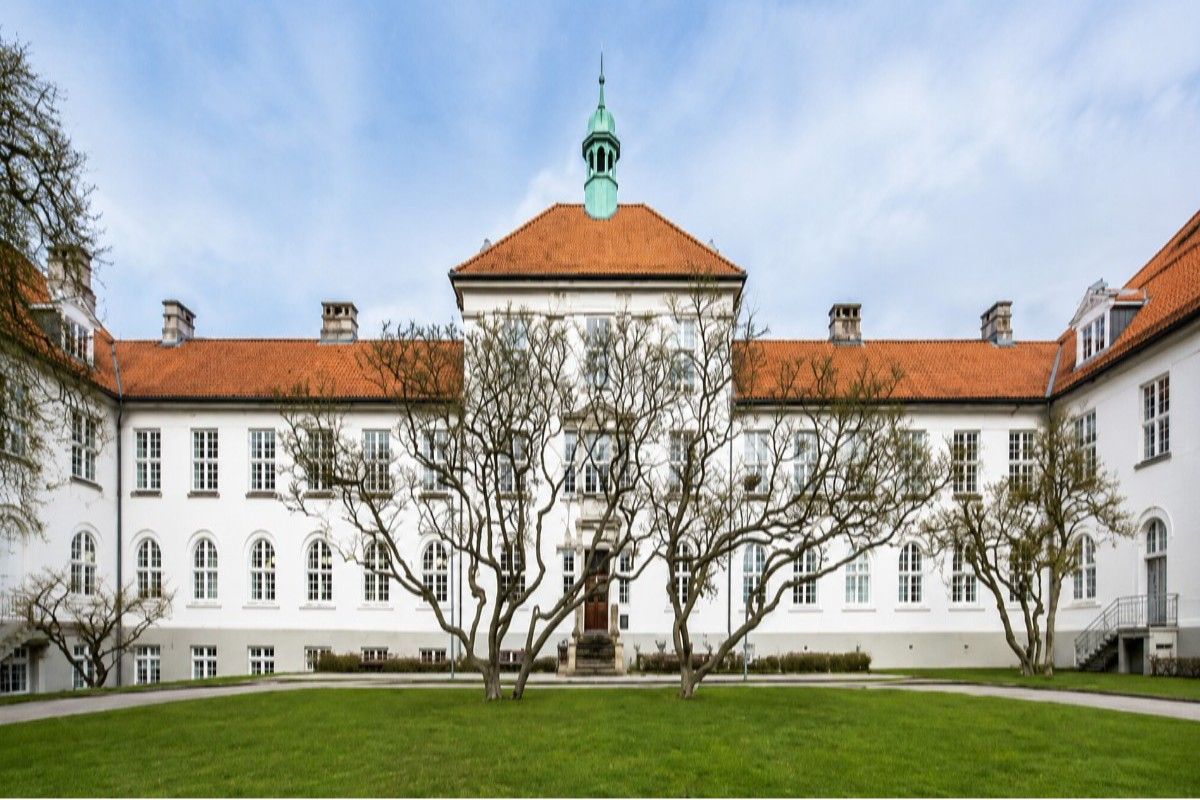 Partner
| University | Annual Tuition | Hostel Fee | Duration | Medium |
|---|---|---|---|---|
| MBBS in Medicine at Aarhus University Faculty of Health, Denmark | EUR 10,000–15,000 per year for non-EU students; zero fees for EU/EEA students | EUR 300–600/month; | 6-Year Medicine Programme Curriculum | Danish for BSc and MSc; English exchange semester available at MSc level from 2016 |
| MBBS In Study Medicine at Aalborg University (AAU), Aalborg, Denmark | Non-EU MSc students is EUR 10,000 to 15,000, around INR 9 to 13.5 lakhs | DKK 8,000 to 10,000 per month, much lower than in Copenhagen or Aarhus | Year-wise Medicine Curriculum at AAU | BSc Language is Danish medium only; MSc programmes are in English for all international students |
Denmark is an EU and Schengen member state but operates its own immigration system. Indian students require a Danish residence permit for study, not a traditional visa applied for through the Danish Immigration Service (Udlændingestyrelsen) before departure. Danish Residence Permit for Study. Apply online via the Danish Immigration Service (siri.dk) before departure from India. Required documents: Online application on Siri.dk Valid passport University admission letter from the University of Copenhagen / Aarhus University Proof of enrolment confirmation Proof of financial means: minimum DKK 6,243/month (approximately ₹73,000/month) — bank statements Documentation of language proficiency (Danish, at the level required by the university) Tuition fee payment confirmation Processing Time: 1–3 months. Our team recommends applying immediately after receiving an admission letter. Key Language Note: Danish language certification at the required level is a prerequisite for admission to Danish-medium medical programmes. Our team advises all Denmark-track students to begin Danish language preparation 18–24 months before their intended intake.
From counselling to visa readiness, here is the usual sequence students follow when planning admission in Denmark.
Our Denmark specialist assesses academic profile, Danish language status, and career goals. Denmark is not formally recommended without this session.
We connect you with certified Danish language instructors. Preparation typically takes 18–24 months to achieve clinical-level proficiency.
Full Danish admission and residence permit document set prepared — transcripts, financial proof, language certification.
Our team manages your application through Denmark's centralised admissions system and university-specific portals.
Denmark is our second Nordic destination and, like Sweden, requires careful long-term planning. We work with a carefully selected group of Denmark-track students each year, those with a genuine commitment to the Danish language and strong academic profiles. The University of Copenhagen and Aarhus University medical
Choose the right country, shortlist the right university, and understand your next steps with one clear plan built around your NEET score and budget.
Arrange a free counselling sessionDegrees from WHO-listed Danish institutions (the University of Copenhagen and Aarhus University) are NMC-eligible, qualifying graduates to practise in India through FMGE/NExT. You must hold a valid NEET score.
Primarily no. The undergraduate medical program at the University of Copenhagen and Aarhus University is taught in Danish. While research modules and electives include English, clinical training, and patient communication, rotations are in Danish. This is the key fact to consider before choosing Denmark.
The University of Copenhagen is consistently ranked in the global top 50 for medicine and is one of the oldest and most respected universities in the Nordic region. Aarhus University ranks in the global top 100 for medicine. Both are world-class academic institutions.
Expert will call you within 2 hours
We submit the residence permit application to Udlændingestyrelsen (Danish Immigration Service) immediately after admission. Allow 1–3 months.
Students who achieve Danish clinical fluency open direct pathways to Danish, Swedish, and broader Scandinavian residency programmes among the world's best-compensated medical careers.
Explore fees, eligibility, and admission guidance for MBBS in Medicine at Aarhus University Faculty of Health, Denmark in Denmark.
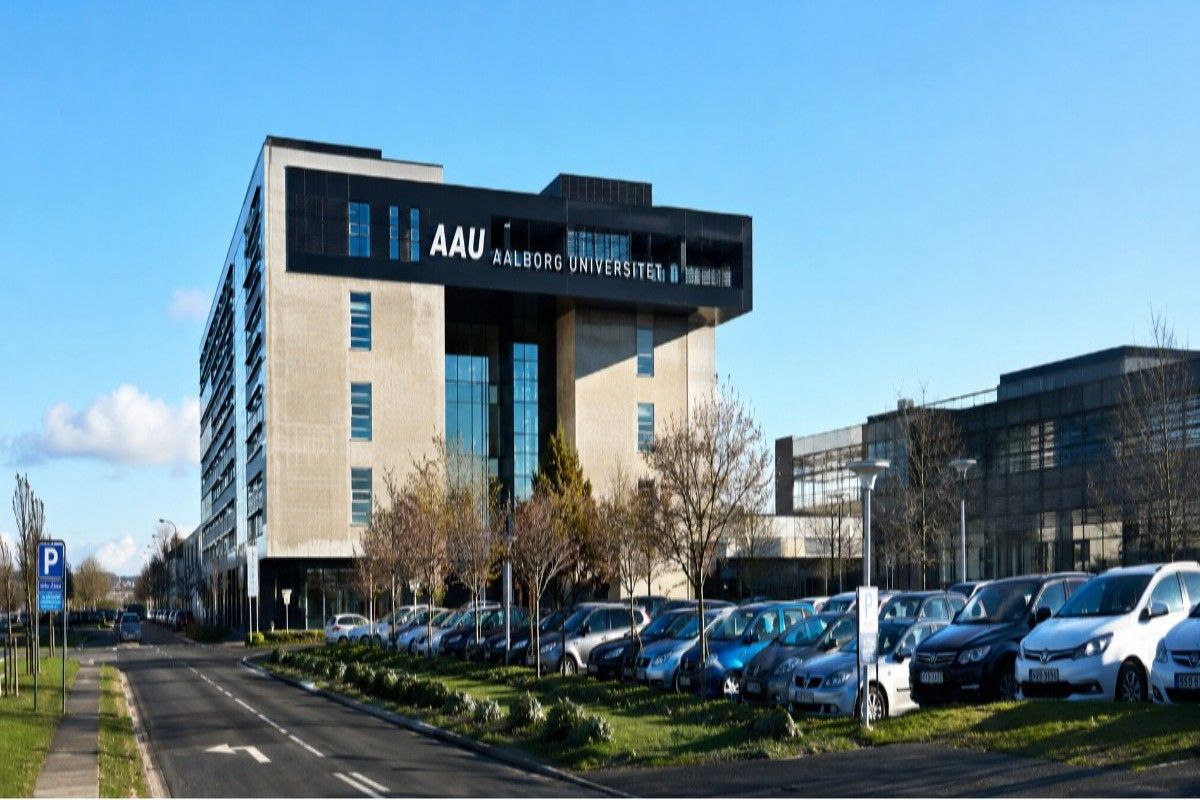 Partner
Explore fees, eligibility, and admission guidance for MBBS In Study Medicine at Aalborg University (AAU), Aalborg, Denmark in Denmark.
Our team provides university-specific guidance and a full Denmark context briefing at every intake. Book a free counselling session →
: University admission letter is required immediately to begin residence permit application.
We submit the residence permit application to Udlændingestyrelsen (Danish Immigration Service) immediately after admission. Allow 1–3 months.
We advise on the fee structure and safe international transfer to the Danish university account.
Copenhagen or Aarhus orientation, student housing applications, cycling culture, banking, SIM cards, campus navigation
The University of Copenhagen is consistently ranked in the global top 50 for medicine and is one of the oldest and most respected universities in the Nordic region. Aarhus University ranks in the global top 100 for medicine. Both are world-class academic institutions
Approximately ₹1.0–1.4 Crores total over 6 years of tuition (DKK 110,000–165,000/year for non-EU students) plus Copenhagen living costs (DKK 9,000–14,000/month). Denmark is one of Europe's more expensive countries to live in.
No. Denmark uses the Danish Krone (DKK). Denmark is an EU member but has an opt-out from the Euro. The DKK is closely pegged to the Euro (approximately DKK 7.46 = €1).
Danish WHO-listed degrees qualify graduates for FMGE/NExT (India), USMLE (USA), PLAB (UK), and European medical licence (EU practice). Students proficient in Danish can apply directly for internships and residencies at Danish- and Scandinavian-speaking hospitals, which offer some of the world's best-funded clinical training programs.
For the undergraduate clinical programme, yes. Danish C1 proficiency is required for clinical rotations and patient communication.
Milder than Sweden's mild summers (18–22°C), grey and rainy autumns, and cold winters (0 to −5°C). Less extreme than Stockholm or Oslo. Famously cloudy Copenhagen receives approximately 1,800 hours of sunshine per year compared to Lisbon's 2,800. Good rain gear is more important than heavy winter coats.
No. Copenhagen is one of Europe's most expensive cities. Monthly living costs of ₹70,000–100,000+ are realistic. Student housing through university student unions (kollegier) is the most affordable option.
Yes. Flights from Copenhagen Airport (CPH) to Delhi run via Frankfurt, Amsterdam, Dubai, or London with a total travel time of approximately 10–13 hours. Semester breaks provide good home visit windows. Budget for return flights of approximately DKK 5,000–9,000 (₹57,000–103,000 at current rates).
Yes. Copenhagen and Aarhus have small but growing Indian communities. Indian restaurants and Asian grocery stores are accessible. The Indian student community at Danish medical universities is smaller than at Central European destinations, but present and welcoming.