Q1 When was Vo Truong Toan University's Faculty of Medicine established?
+The university was founded in 2008, but its Faculty of Medicine only began training doctors in 2012.
 Vietnam | Est. 2008
Vietnam | Recognised by Vietnam's Ministry of Education and Training; some consultancy sources describe additional WHO and NMC (India) recognition, which should be independently confirmed. | English medium
Expert will call you within 2 hours
People mostly just call it VTTU for short. It's a genuinely notable institution among Vietnam's private universities, since its Faculty of Medicine is reported to be the first private university faculty in the whole of Vietnam authorised by the Ministry of Education and Training to provide medical training. So, unlike most private Vietnamese medical faculties that followed later, VTTU claims a genuine, documented first in this specific space.
The university itself was founded in 2008, though medical training specifically only began in 2012, several years after the wider institution first opened. So, while VTTU as a whole is coming up on two decades old, its medical faculty carries a somewhat younger, more recent track record.
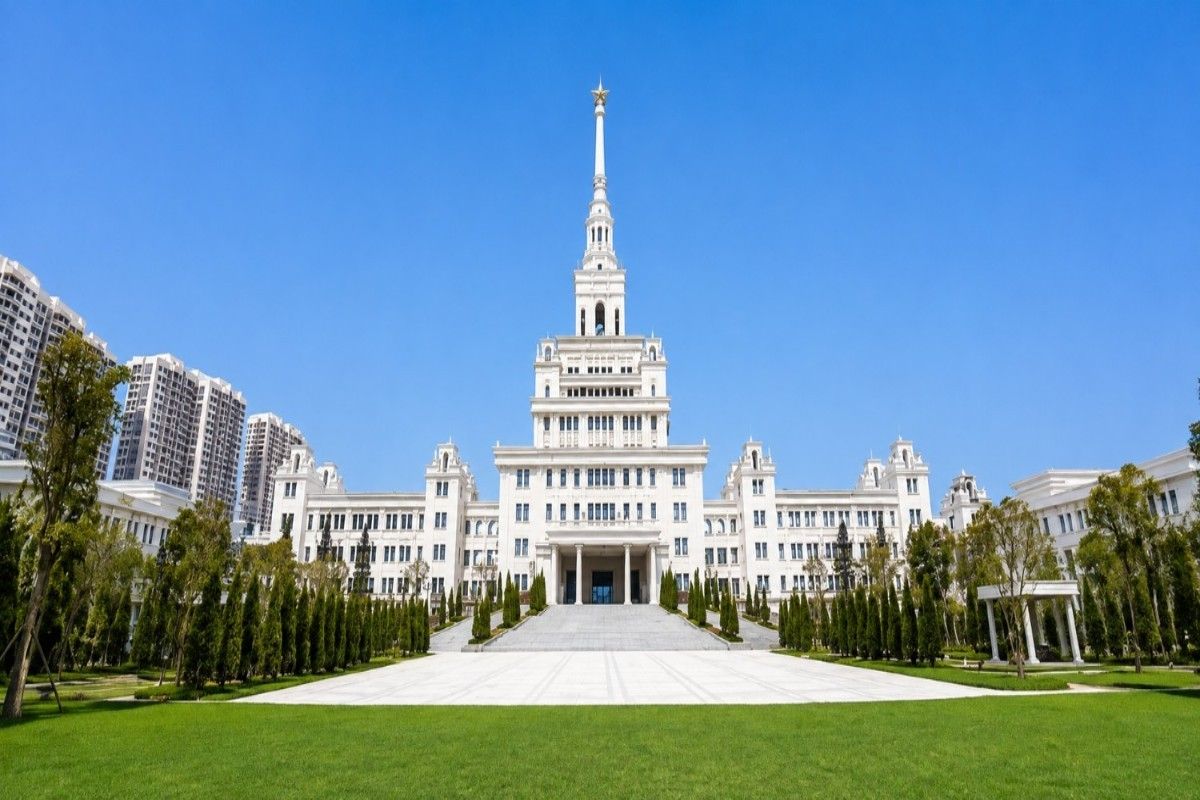
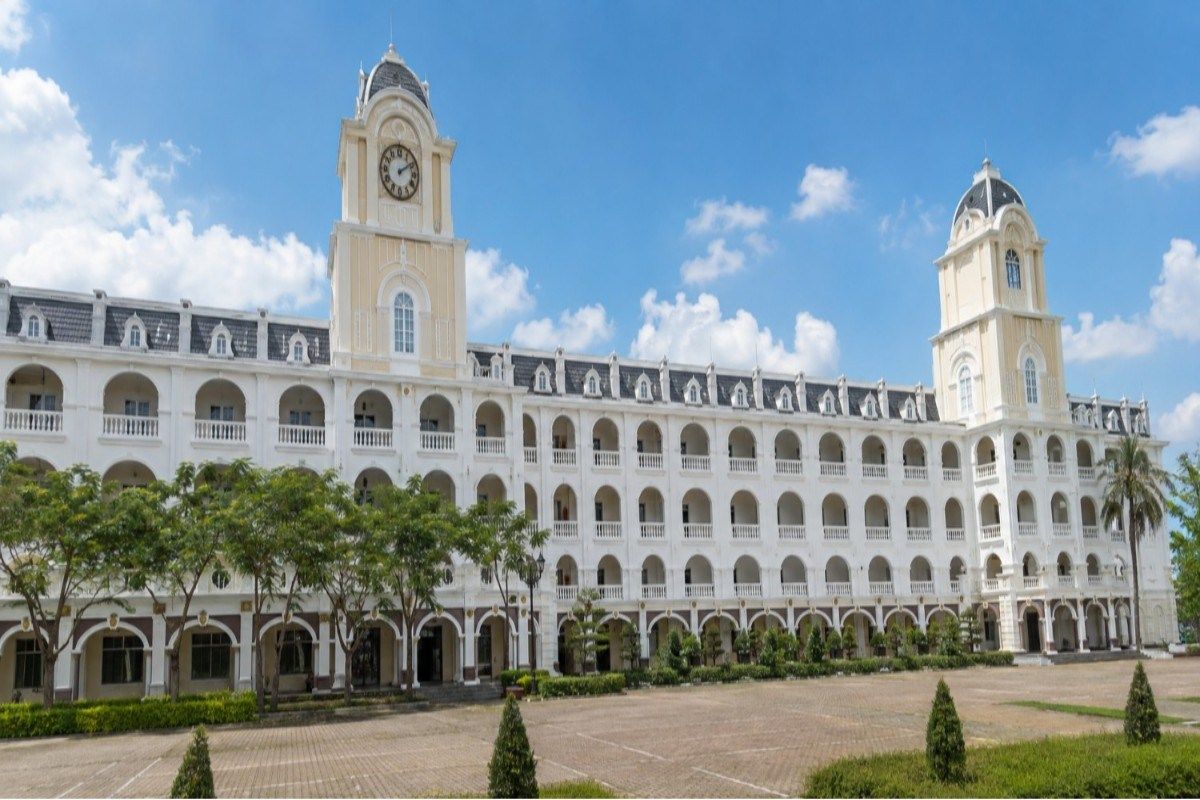
Here's a fact most guides skip entirely. VTTU describes itself as pursuing a "University City" model, built around genuinely distinctive European-style architecture, a deliberate design choice setting it apart visually from many other Vietnamese university campuses. In 2024, the university also began recruiting students specifically for a new Dentomaxillofacial Doctor training programme, reflecting its efforts to keep expanding its own health-sciences offer beyond general medicine alone.
A genuinely specific, dated milestone for Indian applicants: on 16 June 2023, Vo Truong Toan University formally signed a memorandum of agreement with INVI Services Company Limited, specifically covering the admission of Indian students. So, this university's outreach to Indian applicants isn't a vague marketing claim; it traces to a documented, dated partnership agreement.
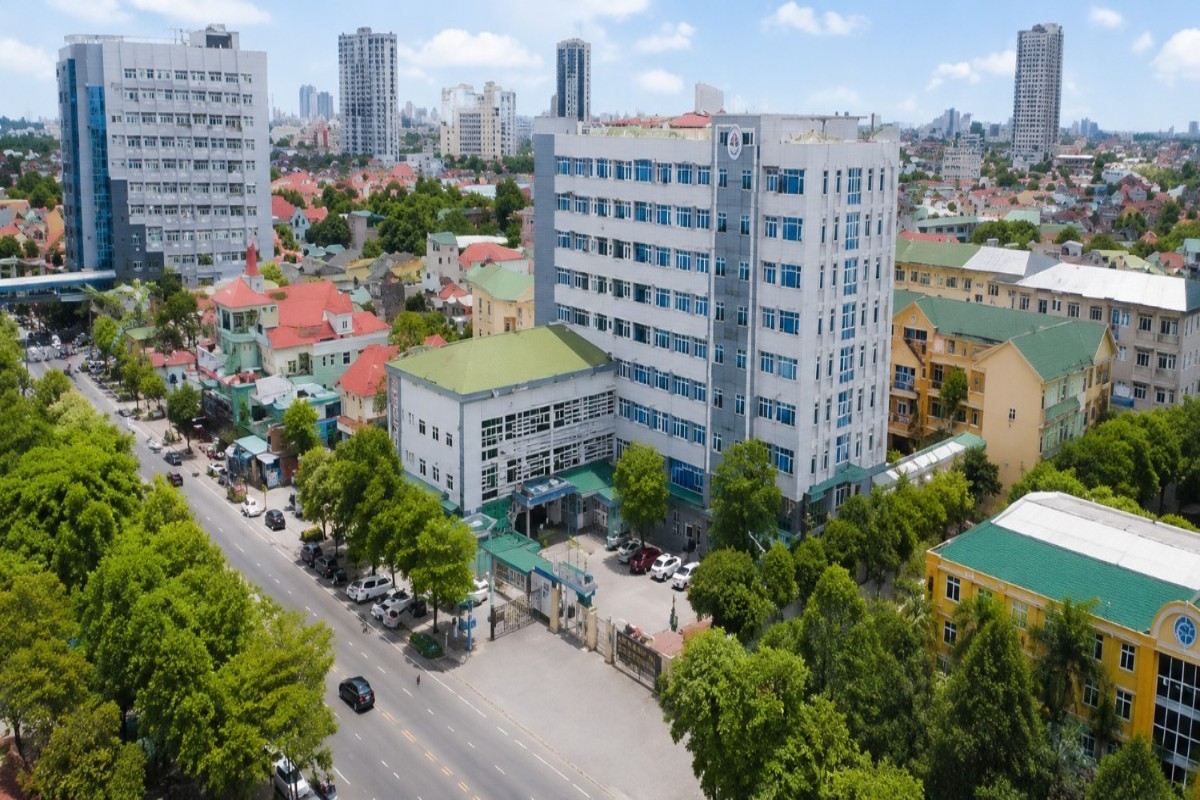
VTTU sits on National Highway 1A, in the Tan Phu Thanh commune of Chau Thanh A District, Hau Giang Province, in Vietnam's Mekong Delta, close to Can Tho City. So, students here study in a genuinely rural, semi-suburban setting, considerably quieter than Vietnam's largest cities, while still remaining within reach of Can Tho, one of the Mekong Delta's larger urban centres.
The university operates its own dedicated teaching hospital, the Vo Truong Toan University Hospital, a 300-bed facility located directly on Highway 1A, giving students immediate access to clinical practice, surgery, and diagnostics without needing to travel elsewhere. Beyond this, students also rotate through more than 20 external affiliated hospitals, including Cho Ray Hospital in Ho Chi Minh City, one of Vietnam's genuinely top-tier tertiary hospitals, Can Tho Central General Hospital, and Hung Vuong Hospital, which specialises in obstetrics and gynaecology. So, clinical exposure here draws on both a dedicated university hospital and a genuinely wide external hospital network.
The university's own Multi-Purpose Gymnasium spans more than 10,000 square metres, supporting sports including badminton, volleyball, basketball, and swimming, reflecting a real, physical investment in student facilities beyond purely academic buildings.
VTTU's Doctor of Medicine programme runs six years, including internship, following Vietnam's standard national medical education structure. The programme splits into a pre-clinical phase, covering Anatomy, Physiology, and Biochemistry, and a clinical phase, during which students spend full shifts directly in hospital wards. English serves as the primary medium of instruction for international students specifically.
Admission requirements for Indian applicants are genuinely specific and well documented: completion of 10+2 or an equivalent qualification with Physics, Chemistry, Biology, and English, a minimum of 50 percent marks in PCB subjects for the general category or 40 percent for reserved categories, a minimum age of 17 at the time of admission, and a mandatory, valid NEET score card, at or above the 50th percentile for general category applicants or the 40th percentile for reserved categories.
Tuition fees here are reported fairly consistently, though with some genuine variation. Two education consultancy sources place international tuition at roughly USD 5,000 to 7,000 a year, working out to approximately USD 30,000 to 42,000 in total tuition across the full six-year programme, excluding hostel and food. Domestic Vietnamese students are reported to pay considerably less, at approximately 110,000,000 VND a year. VTTU itself markets its fees as among the lowest in Vietnam, though applicants should treat this specific self-description as a marketing claim rather than an independently verified ranking, and confirm the exact current rate directly.
NEET remains a genuine requirement for Indian applicants here, and Indian graduates would still need to clear the FMGE or NExT exam to practise medicine back in India.
Parameter | Details |
Established | 2008 (university); Faculty of Medicine began medical training in 2012 |
Institution Type | Private, non-profit university |
Location | National Highway 1A, Tan Phu Thanh, Chau Thanh A District, Hau Giang Province, Vietnam (near Can Tho City, Mekong Delta) |
Programme | Doctor of Medicine (MBBS/MD), equivalent to MBBS |
Duration | 6 years, including internship |
Medium of Instruction | English (primary medium for international students) |
Foreign Quota Note | NEET required for Indian applicants; a specific 2023 agreement covers Indian student admissions directly |
Teaching Hospital | Vo Truong Toan University Hospital (300 beds), plus 20+ affiliated external hospitals |
Fee Component | Amount | Notes |
Annual Tuition (international, reported) | Approx. USD 5,000 to 7,000 per year | Reported range across multiple education consultancy sources |
Annual Tuition (domestic students) | Approx. 110,000,000 VND per year | Reported for local Vietnamese students |
Total Tuition (6 years, reported) | Approx. USD 30,000 to 42,000 | Estimate based on the reported annual range; excludes hostel and food |
Scholarships | Merit-based and need-based aid available | University markets itself as offering some of the lowest tuition fees in Vietnam; confirm current terms directly |
Living Costs | Not consistently reported | Hau Giang Province generally runs more affordably than Hanoi or Ho Chi Minh City |
Most rival pages describing private Vietnamese medical faculties don't establish who actually went first. VTTU's own materials describe it as the first private university in Vietnam authorised by the Ministry of Education and Training to provide medical training. So, if accurate, this claim gives VTTU a genuine, specific, documented historical distinction among Vietnam's growing number of private medical schools.
Most guides describe a university's openness to international students in vague terms. VTTU's outreach to Indian applicants traces to a specific, dated memorandum of agreement, signed 16 June 2023 with INVI Services Company Limited. So, this university's Indian-student pipeline rests on a real, documented partnership, not just a general admissions policy.
Be upfront about a few real considerations here. VTTU's own claim of offering Vietnam's cheapest tuition should be treated as marketing language rather than independently verified fact, and reported figures, USD 5,000 to 7,000 a year, actually sit above several other Vietnamese medical universities covered in comparable guides. The university's medical faculty is comparatively young, having only begun training doctors in 2012. Hau Giang Province is a genuinely rural, quieter setting, so students shouldn't expect big-city facilities or nightlife.
So, who fits here best? Students drawn to a university with a genuine documented "first private authorised medical faculty" claim, and a specific, dated pathway for Indian applicants, fit well here. Students comfortable with a rural Mekong Delta setting and a dedicated on-campus teaching hospital fit well too. However, applicants specifically chasing Vietnam's lowest possible tuition should compare VTTU's actual reported figures against other options rather than relying solely on the university's own marketing claim. Still, the dedicated 300-bed teaching hospital and the wide external hospital network, including Cho Ray Hospital, are real, well-documented strengths.
No hidden charges, no donation. The full picture of costs at MBBS in Vo Truong Toan University Faculty of Medicine.
Tuition Fee
$2,200 to $3,300 USD
Approx. USD 5,000 to 7,000
Hostel Fee
$1,200 USD (approximately ₹1,00,800 INR) per year
$1,200 USD (approximately ₹1,00,800 INR) per year
Food & Meals
$80 to $200 USD per month
per month
Insurance
$100 to $180 per year
per year
Donation
No donation
No Hidden fee
Total Estimated Cost
Roughly USD 30,000 to 42,000
6 year
25–35%
Average FMGE first-attempt pass rates for students from many overseas medical universities. Students from structured programs consistently score higher.
Students returning to India need to clear the FMGE/NExT exam. MBBS in Vo Truong Toan University Faculty of Medicine integrates exam-oriented coaching into the regular curriculum so students are prepared from day one.
A structured program that takes you from foundational sciences to clinical mastery.
Builds the base knowledge that all later clinical learning depends on.
Covers Anatomy, Physiology, and Biochemistry, forming the scientific foundation for everything that follows.
Links basic disease science with population health and the drugs used to treat illness.
Covers Pathology, Microbiology, Pharmacology, and Community Medicine.
Runs through full hospital-ward shifts at the university's own 300-bed teaching hospital and its external affiliated network.
Covers Medicine, Surgery, and Obstetrics and Gynaecology, plus allied clinical subjects.
Students rotate through major hospital departments, including Cho Ray Hospital, before receiving the final degree and practising licence.
Internship is included within the overall six-year programme, matching Vietnam's standard medical education pattern.


Furnished hostel rooms with Wi-Fi, laundry, 24/7 security, and Indian mess on or near campus.
Indian restaurants and mess facilities serving vegetarian and non-vegetarian home-style food daily.
Strong Indian community with cultural events, festival celebrations, and peer support groups.
Students get hands-on clinical training in government and private hospitals affiliated with the university.
Practical information for students planning to study at MBBS in Vo Truong Toan University Faculty of Medicine.
Prepare for all seasons. Thermal wear for winters, light clothing for summers. University provides heating in hostels.
Student visa processed with university invitation letter. Direct and connecting flights from major Indian cities.
Health insurance included in fees. Medical facility on campus plus city hospitals easily accessible.
Local SIM cards available. WhatsApp and video calls keep you connected with family back home.
Average monthly expenses of $150–$250 covering food, transport, and personal needs.
University library, online databases, and study groups. Seniors mentor juniors through academic challenges.
Our team guides you through every step — from application to arriving on campus.
Compare based on fees, clinical exposure starting year, city, and current NMC/WDOMS status, not just the cheapest headline number. This comparison step is where most of the confusion about MBBS in Vietnam and the fees for Indian students is actually resolved.
Submit academic transcripts and NEET scorecard to the university, either directly or through an authorised admission partner.
The university's international admissions office verifies submitted documents and academic eligibility.
Most universities issue this within 5–10 working days of document approval, though this can take longer during peak intake season.
Pay the first-year fee or an agreed-upon advance to confirm your seat.
The university registers your Letter of Invitation with the relevant Vietnamese education authority before the visa stage begins.
Apply for the student visa at the Vietnamese embassy/consulate in India; realistic processing time is 10–20 working days.
Book travel, confirm arrival dates with the university's international office, finalise documents, and arrange insurance in the final 30 days.
Complete on-arrival registration with local authorities within the required window (commonly 3–5 working days) — this is what legally covers your stay for the semester, not the entry visa alone.
Open a local bank account, get a local SIM card, attend orientation (including basic language sessions where offered), and start building routine and community connections.
Admission Helpline — Contact our counsellors for step-by-step assistance.
“The faculty here is incredibly supportive. The clinical training during hospital rotations has given me real confidence in patient care.”
“Affordable fees without compromising on quality. The campus facilities and hostel life made my transition abroad very smooth.”
“English medium instruction and WHO-recognized curriculum were the deciding factors for me. No regrets so far — excellent experience overall.”
“The university helped with everything from visa to accommodation. Hospital exposure from year three has been invaluable for my FMGE prep.”
“Just cleared my licensing exam on the first attempt. The structured coaching and mock exams during final year were a game-changer.”
“Safe campus, good food options, and a strong Indian student community. The teaching methodology is very practical and hands-on.”
The university was founded in 2008, but its Faculty of Medicine only began training doctors in 2012.
It runs six years, including internship, following Vietnam's standard national medical education structure.
Yes, English serves as the primary medium of instruction for international students.
Yes, a valid NEET score card at or above the 50th percentile (General) or 40th percentile (Reserved categories) is required.
Reported figures place annual tuition for international students at USD 5,000 to 7,000, totalling roughly USD 30,000 to 42,000 over six years.
Training runs through the university's own 300-bed Vo Truong Toan University Hospital, plus over 20 affiliated hospitals including Cho Ray Hospital.
On National Highway 1A, in Tan Phu Thanh, Chau Thanh A District, Hau Giang Province, near Can Tho City.
It's a private, non-profit university, reportedly the first in Vietnam authorised to provide medical training.
Yes, the university signed a specific memorandum of agreement with INVI Services Company Limited on 16 June 2023 covering Indian student admissions.
It began recruiting for Dentomaxillofacial Doctor training in 2024, expanding beyond its core General Medicine programme.
Our expert counsellors will guide you through the complete admission process — from documents to airport pickup.