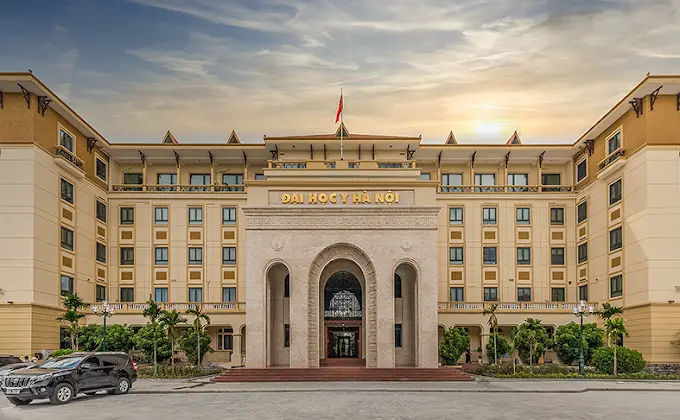
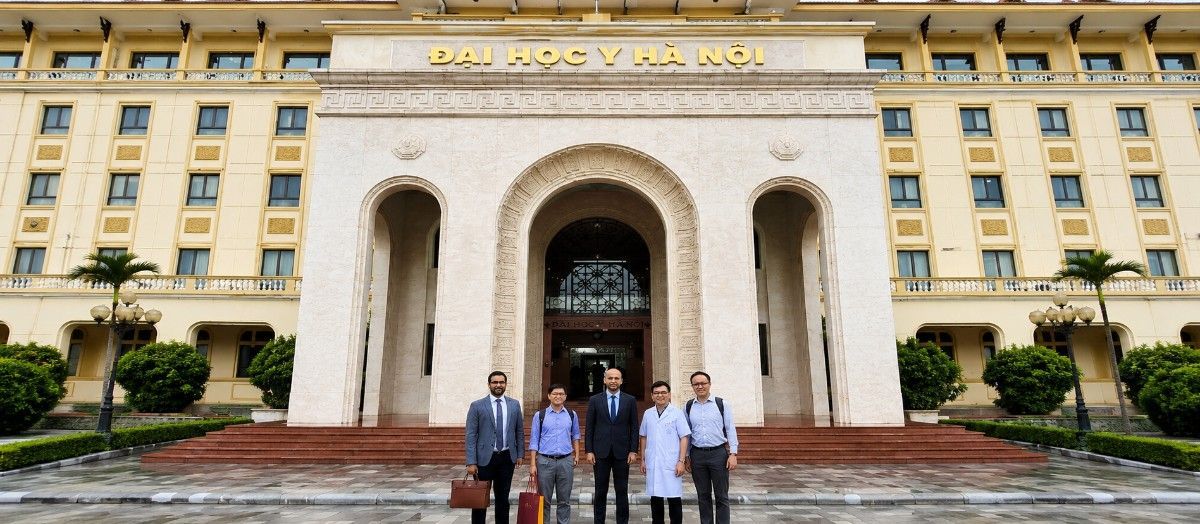
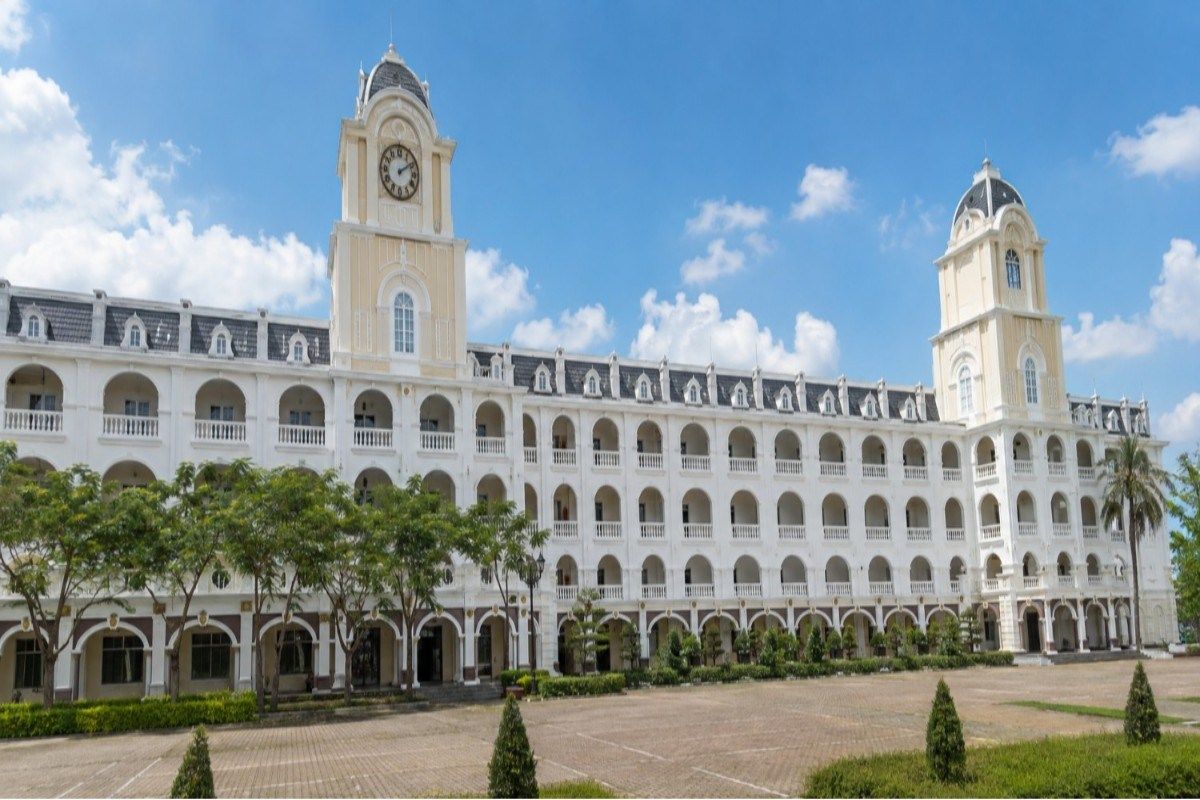
Hanoi Medical University (HMU) is not merely the oldest medical university in Vietnam it is the institution from which Vietnamese modern medicine itself was born. Founded in 1902 under the French colonial administration as the École de Médecine de l'Indochine (Indochina School of Medicine), HMU has a 124-year history that predates Vietnamese independence by more than four decades. It has been, at every stage of Vietnam's modern history colonial, wartime, post-unification, and the current Đổi Mới reform era the country's primary centre for medical education, research, and public health leadership. Virtually every senior physician, health ministry official, and medical academic in Vietnam today has either graduated from or been trained alongside the HMU tradition.
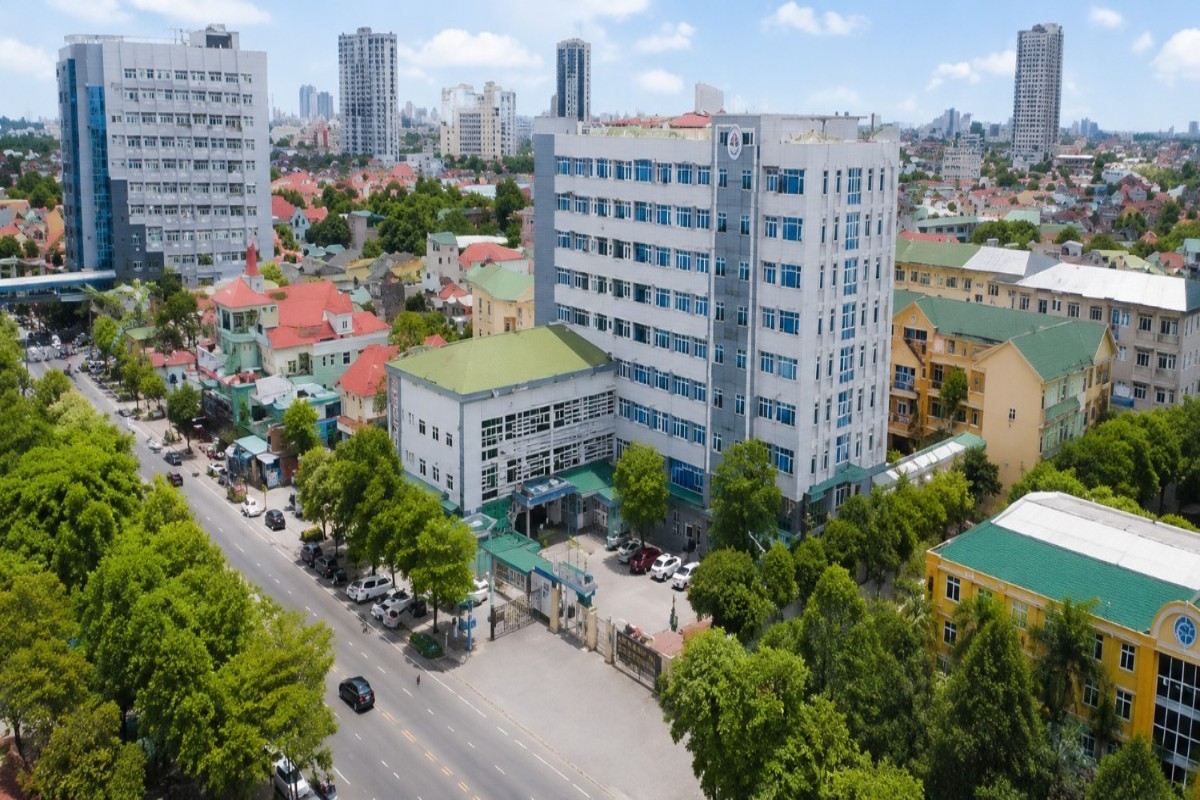
Located in the heart of Hanoi at 1 Ton That Tung Street, the university sits adjacent to the Hanoi Medical University Hospital and within easy reach of Vietnam's national hospital network including the National Hospital of Paediatrics, the National Hospital of Obstetrics and Gynaecology, E Hospital, National Cancer Hospital, National Institute of Haematology and Blood Transfusion, and the National Hospital for Tropical Diseases. This affiliation with Vietnam's most specialised national hospitals gives HMU students access to a clinical breadth and complexity that no other Vietnamese medical university can replicate. Students encountering tropical medicine, haematological disorders, and oncology at national referral centres during their clinical years develop diagnostic skills shaped by real case diversity rather than textbook simulation.
The English-medium MBBS programme at HMU equivalent to the six-year General Medicine degree is taught in two phases: a pre-clinical phase covering foundational sciences (anatomy, physiology, biochemistry, pathology, pharmacology, and microbiology) in Years One and Two, and a progressive clinical phase from Year Three through Year Five, followed by a mandatory 12-month internship in Year Six. The curriculum follows NMC FMGL Regulations and has been expanded in the 2026–27 cycle to accommodate increasing international student demand.
HMU is recognised by the NMC of India, WHO, FAIMER, and is listed in the WDOMS. Graduates are eligible for NExT in India, USMLE in the United States, and PLAB in the United Kingdom. Annual tuition is approximately VND 85,000,000–105,000,000 per year (approximately USD 3,300–4,100 or ₹2.97–3.69 lakh per year), making HMU one of the most affordable top-ranked medical universities in Southeast Asia. The 2026–27 application portal opened in early 2026 with a priority deadline in June 2026.
Hanoi itself is one of Southeast Asia's most compelling student cities a capital of two thousand years of continuous habitation, where French colonial architecture, ancient temples, bustling street food markets, and modern commercial districts coexist in one of the world's most walkable urban environments. Vietnamese cuisine is among the most celebrated in the world, and food costs for students are minimal. The climate is subtropical: warm and humid with a distinct cool-dry season (November–February). Flight time from major Indian cities to Hanoi's Noi Bai International Airport is approximately 3–4 hours. For students who want the oldest, most nationally prestigious, and clinically richest Vietnamese medical university at one of the lowest tuition rates available in Southeast Asia, Hanoi Medical University is the definitive first choice.