Q1. What degree does Dong A University College of Medicine award?
+It awards the Bang Bac Si, the Vietnamese Doctor of Medicine in General Medicine, after six years of study.
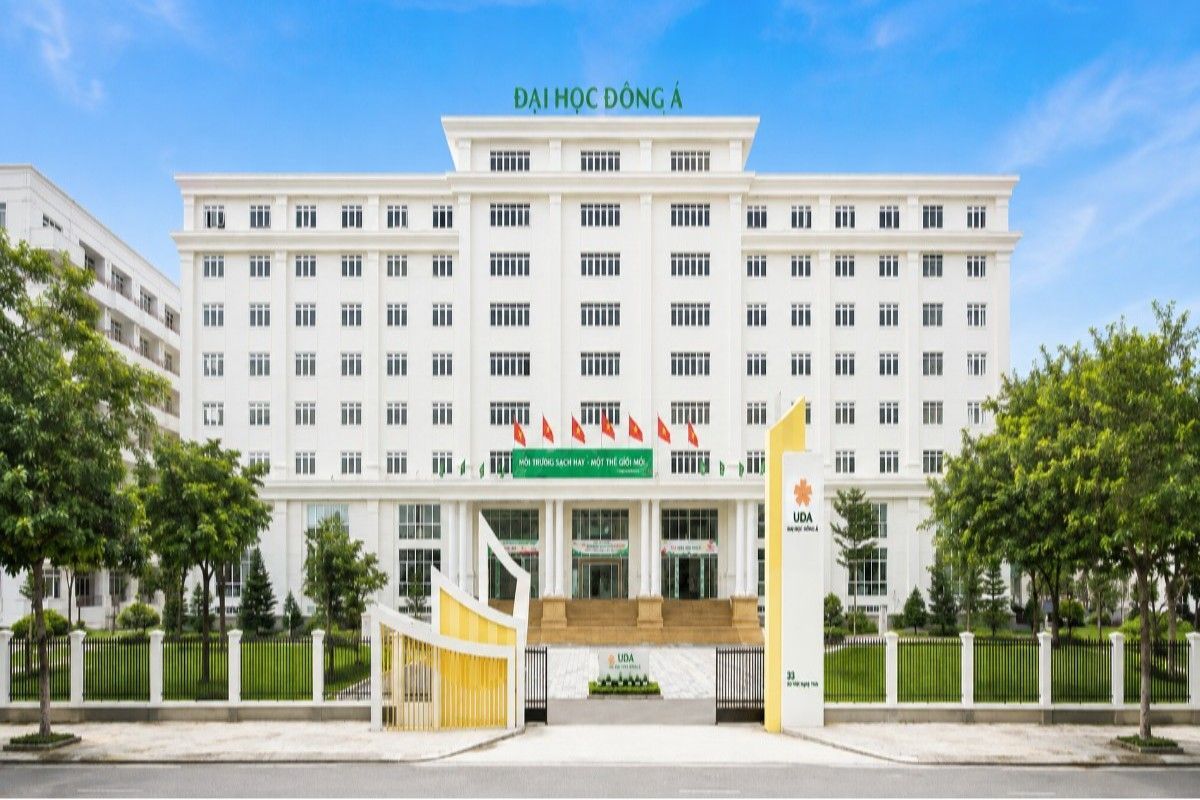
 Vietnam | Est. 2002
Vietnam | Approved by the World Health Organization (WHO) and listed in the World Directory of Medical Schools | English medium
Expert will call you within 2 hours
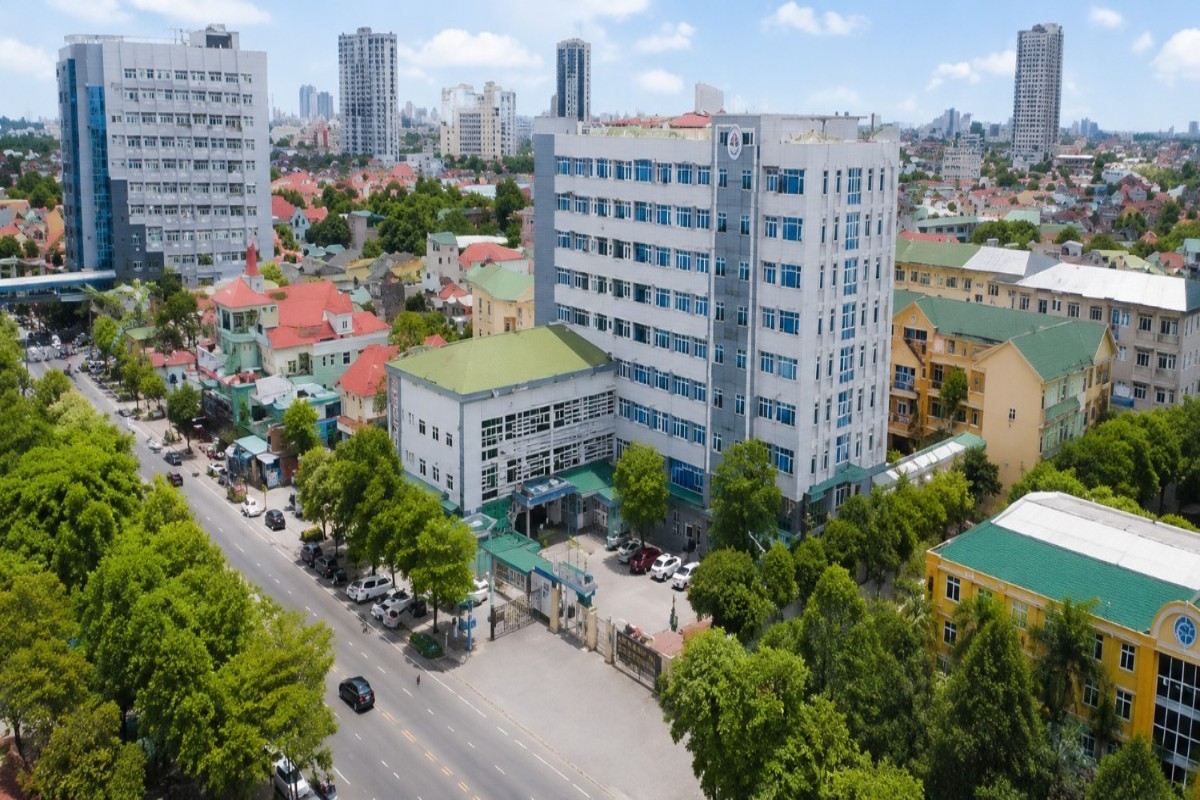
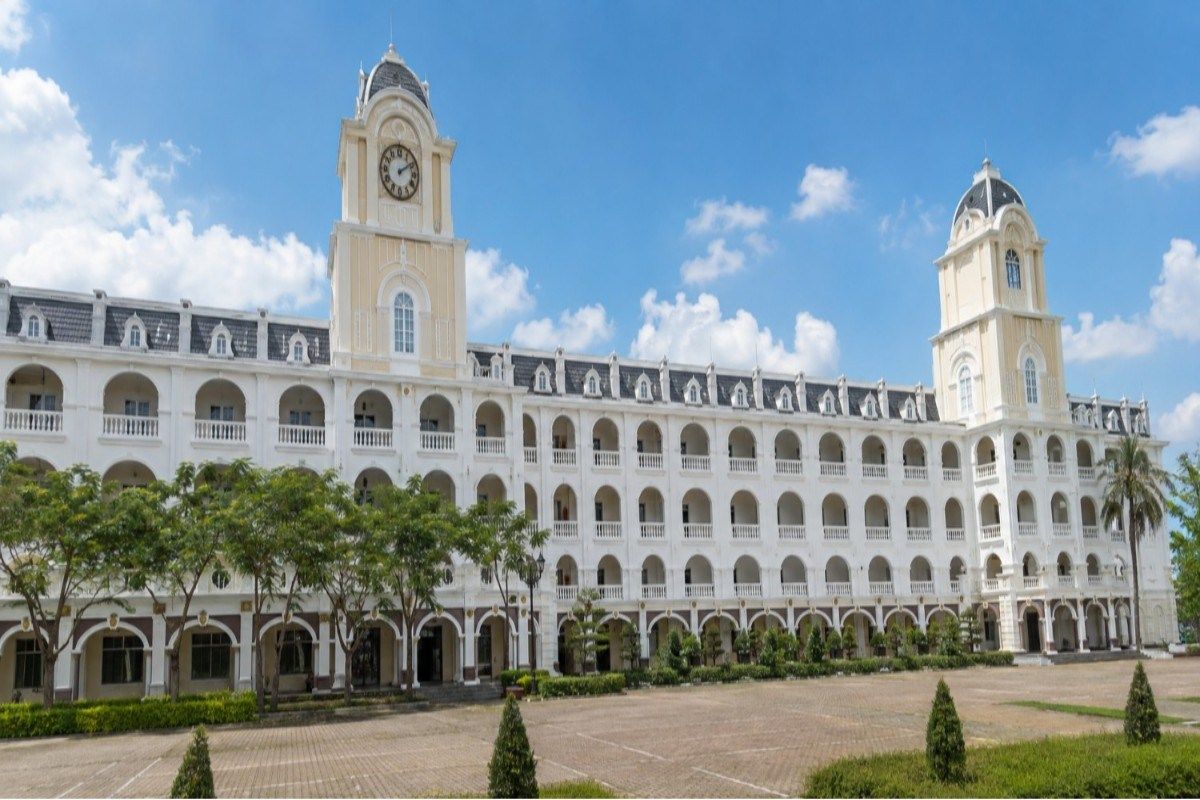
Dong A University College of Medicine sits in Da Nang, a coastal city in central Viet Nam. Da Nang is known for its beaches, its clean streets, and its low cost of living. The university itself was founded in 2009. It grew fast, and today it teaches health science, engineering, business, and languages on one central campus. The College of Medicine is the newest part of the school. It opened its six-year General Medicine program in 2024, and it began teaching international students soon after. The World Directory of Medical Schools lists the college under the name Dong A University College of Medicine, with the record number F0009459. That listing matters for students who plan to sit licensing exams later, so it is worth checking on the directory site before you apply.
The medical degree here is the Vietnamese Bang Bac Si, which translates as Doctor of Medicine. It runs for six years. Students who finish it hold a primary medical qualification. The course is built around the national curriculum set by the Ministry of Health in Viet Nam, so the subject list looks close to what other Vietnamese medical schools teach. What sets Dong A apart is the international track. That track is taught in English for foreign students, with Vietnamese language classes running alongside it from the first semester. The language classes are not optional. You need working Vietnamese by the time clinical rotations start, because patients on the wards speak Vietnamese and history taking is a core skill.
Tuition is the first thing most families ask about. Dong A charges USD 5,000 per year for the international medicine track. The university then applies a standing scholarship of USD 500 per year for international students, which brings the net figure to USD 4,500 per year. Over six years, that comes to USD 27,000 net. Payment is split across two semesters, so you pay USD 2,250 twice a year. The fee is fixed for the full six years, which means it does not climb as you move up the course. That is unusual, and it helps families plan. Ask the admissions office to confirm the scholarship in writing on your offer letter, since it is applied as a discount rather than baked into the headline price.
Clinical training is the part of the program that changed most recently. In April 2026, the university signed a memorandum of understanding with Hue Central Hospital. Hue Central is the largest hospital in Viet Nam, with around 5,000 beds. It is a national-level tertiary centre, and it handles complex cases from across the central region. Students on the Dong A course now rotate there for major clinical blocks. Alongside Hue Central, students also train at hospitals in Da Nang itself. These include the Da Nang General Hospital and several district and speciality centres. The mix gives you two kinds of exposure. The Da Nang sites show you everyday community medicine and busy outpatient work. Hue Central shows you referral-level care, rare presentations, and larger surgical lists.
Campus life in Da Nang is straightforward. The city is compact and safe. Students walk or ride scooters to class. Rent is low by regional standards, and a shared room near campus costs far less than the same room in Hanoi or Ho Chi Minh City. Food is cheap and good. Many Indian and South Asian students cook at home or eat at the small halal and vegetarian places that have opened near the university. The beach is a short ride away. The airport sits inside the city, with direct flights to several Asian hubs, so travelling home during long breaks is simple. Weather is warm most of the year, with a wet season from September to December.
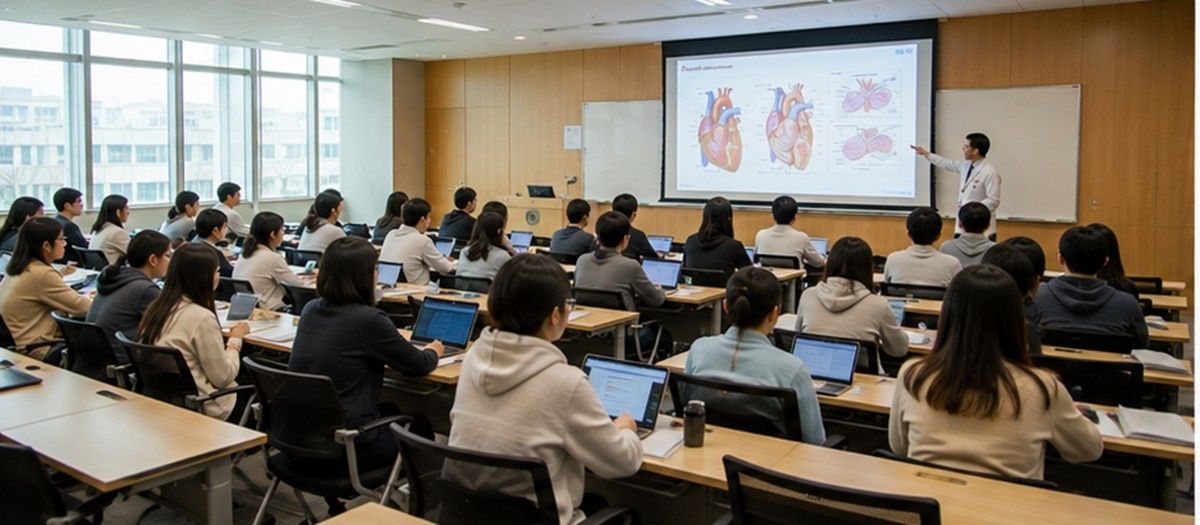
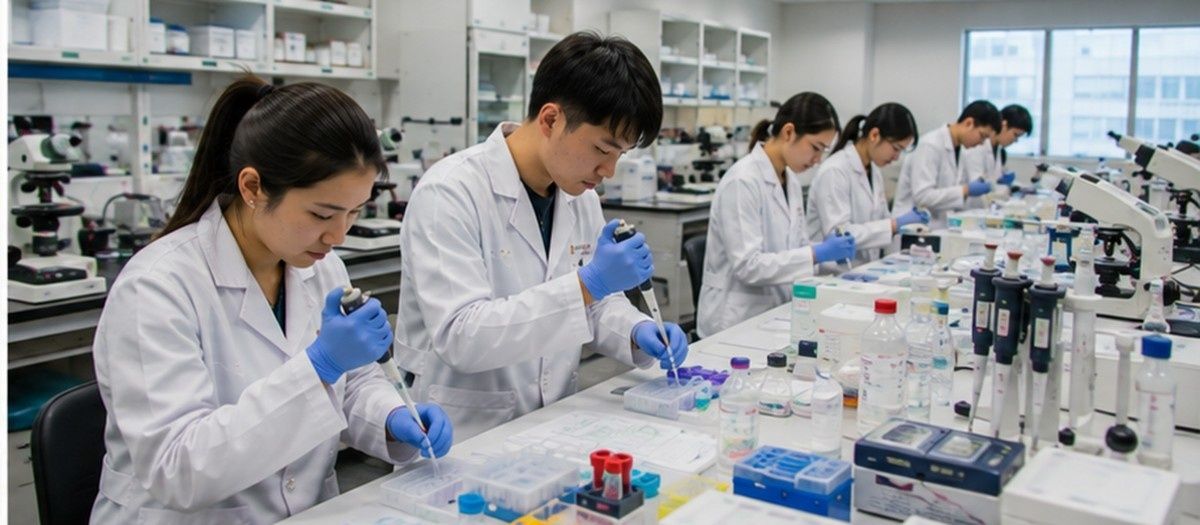
Teaching style leans practical. Class sizes on the international track are small, because the intake is still new and limited. That means you get more contact time with tutors than you would at a large state school. Labs cover anatomy, physiology, biochemistry, microbiology, and pathology. The anatomy department uses both cadaveric material and digital models. There is a skills lab with mannequins for basic procedures, injections, airway work, and simulated deliveries. Assessment runs on a mix of written papers, practical stations, and end-of-year vivas. Attendance rules are strict. Vietnamese medical education takes attendance seriously, and repeated absence can bar you from sitting an exam.
Research at the college is at an early stage, which is honest to say. The parent university runs research groups in nursing, pharmacy, and public health, and medical students can join those projects from the third year. Most student work is community-based. Typical topics include nutrition surveys, road traffic injury patterns, and diabetes screening in nearby districts. If you want a heavy laboratory research profile, this is not yet the place for it. If you want early hands-on public health experience, it works well.
Recognition needs care. Dong A states on its own site that it is recognised for Indian students under National Medical Commission rules. Treat that claim as unconfirmed until you check it yourself. The program only started in 2024, and no cohort has graduated yet. The safest step is to write to the National Medical Commission with the university name, the WDOMS number, and the degree title, and to keep their written reply. The same advice holds for students from Nepal, Bangladesh, and Sri Lanka, where each medical council keeps its own list. What is settled is the WDOMS listing and the Ministry of Health approval inside Viet Nam.
Entry rules are clear and slightly stricter than at some neighbouring schools. You need an aggregate of at least 65 per cent in your school leaving exams, with physics, chemistry, and biology as core subjects. English proficiency must be shown with IELTS 5.5 or a CEFR B2 certificate. Every applicant sits an admission interview, and that interview is compulsory rather than a formality. It is held online for overseas candidates. The annual application deadline is 30 December. Late files are not usually considered, so give yourself several weeks for document attestation and visa steps.
Costs beyond tuition are modest. Hostel places on or near campus are limited, and many students take private rooms after the first year. Food, transport, and utilities together sit at a level most families find manageable. Health insurance is required for the student visa, and the university helps arrange it. The figures given in the cost table below are estimates for everything except tuition, because Dong A does not publish official hostel or living cost sheets.
The overall picture is of a young program in a pleasant, affordable city, with a fixed and low fee, a strong new tertiary hospital link, and honest gaps around research depth and licensing track record. For students who want small classes and early clinical contact, and who are willing to learn Vietnamese, it is a reasonable option. For students who need a long graduate record and confirmed council listings on day one, waiting for the first cohort to qualify would be the safer call.
One last point on planning. Fees are fixed. The city is cheap. The class is small. The hospital link is new and strong. But the course is young. So check the rules with your own medical council first. Then apply with your eyes open.
No hidden charges, no donation. The full picture of costs at MBBS In Dong A University College of Medicine.
Tuition Fee
$4,500 USD per year
$5,000 USD minus a $500 annual scholarship/adjustment
Hostel Fee
$2,000 to $2,750 USD per year
$2,750/year
Food & Meals
$1,000 to $1,200 USD per year
per year
Insurance
Approximately $100 USD per year
per year
Donation
No Donation
No Hidden Fees
Total Estimated Cost
$27,000 USD
total 6 year
25–35%
Average FMGE first-attempt pass rates for students from many overseas medical universities. Students from structured programs consistently score higher.
Students returning to India need to clear the FMGE/NExT exam. MBBS In Dong A University College of Medicine integrates exam-oriented coaching into the regular curriculum so students are prepared from day one.
A structured program that takes you from foundational sciences to clinical mastery.
The first year builds the science base and starts language training at once, so students can follow ward talk later. Early hospital visits are observational.
Subjects include general and medical physics, general and organic chemistry, biology and genetics, gross anatomy part one, histology, medical ethics, informatics, and Vietnamese language level one.
This year completes the picture of the healthy human body. Laboratory sessions and dissection carry most of the teaching weight, and students begin basic clinical skills in the simulation lab.
Subjects include gross anatomy part two, physiology, biochemistry, cell biology, embryology, biophysics, and Vietnamese language level two
The focus shifts from normal to abnormal. Students learn history taking, physical examination, and how to read basic investigations. Supervised ward contact begins in Da Nang hospitals.
Subjects include pathology, pathophysiology, microbiology, parasitology, immunology, pharmacology, and clinical propaedeutics.
Students present cases, follow patients through admission and discharge, and assist in minor procedures.
Subjects include internal medicine, general surgery, radiology and imaging, clinical laboratory diagnosis, infectious diseases, and dermatology. Rotations run in blocks, with morning ward work and afternoon teaching
This is the widest year for clinical exposure, and it includes rotations at Hue Central Hospital, where students see referral-level and complex cases.
Subjects include obstetrics and gynaecology, paediatrics, neurology, psychiatry, ophthalmology, otorhinolaryngology, oncology, and traditional Vietnamese medicine
The year is spent largely in hospital as a junior member of the team, with graded responsibility, night duties, and final state-style examinations.
Subjects include emergency and intensive care, anaesthesia and resuscitation, community and family medicine, forensic medicine, public health, and a final graduation clinical project
Furnished hostel rooms with Wi-Fi, laundry, 24/7 security, and Indian mess on or near campus.
Indian restaurants and mess facilities serving vegetarian and non-vegetarian home-style food daily.
Strong Indian community with cultural events, festival celebrations, and peer support groups.
Students get hands-on clinical training in government and private hospitals affiliated with the university.
Practical information for students planning to study at MBBS In Dong A University College of Medicine.
Prepare for all seasons. Thermal wear for winters, light clothing for summers. University provides heating in hostels.
Student visa processed with university invitation letter. Direct and connecting flights from major Indian cities.
Health insurance included in fees. Medical facility on campus plus city hospitals easily accessible.
Local SIM cards available. WhatsApp and video calls keep you connected with family back home.
Average monthly expenses of $150–$250 covering food, transport, and personal needs.
University library, online databases, and study groups. Seniors mentor juniors through academic challenges.
Our team guides you through every step — from application to arriving on campus.
Compare based on fees, clinical exposure starting year, city, and current NMC/WDOMS status, not just the cheapest headline number. This comparison step is where most of the confusion about MBBS in Vietnam and the fees for Indian students is actually resolved.
Submit academic transcripts and NEET scorecard to the university, either directly or through an authorised admission partner.
The university's international admissions office verifies submitted documents and academic eligibility.
Most universities issue this within 5–10 working days of document approval, though this can take longer during peak intake season.
Pay the first-year fee or an agreed-upon advance to confirm your seat.
The university registers your Letter of Invitation with the relevant Vietnamese education authority before the visa stage begins.
Apply for the student visa at the Vietnamese embassy/consulate in India; realistic processing time is 10–20 working days.
Book travel, confirm arrival dates with the university's international office, finalise documents, and arrange insurance in the final 30 days.
Complete on-arrival registration with local authorities within the required window (commonly 3–5 working days) — this is what legally covers your stay for the semester, not the entry visa alone.
Open a local bank account, get a local SIM card, attend orientation (including basic language sessions where offered), and start building routine and community connections.
Admission Helpline — Contact our counsellors for step-by-step assistance.
“The faculty here is incredibly supportive. The clinical training during hospital rotations has given me real confidence in patient care.”
“Affordable fees without compromising on quality. The campus facilities and hostel life made my transition abroad very smooth.”
“English medium instruction and WHO-recognized curriculum were the deciding factors for me. No regrets so far — excellent experience overall.”
“The university helped with everything from visa to accommodation. Hospital exposure from year three has been invaluable for my FMGE prep.”
“Just cleared my licensing exam on the first attempt. The structured coaching and mock exams during final year were a game-changer.”
“Safe campus, good food options, and a strong Indian student community. The teaching methodology is very practical and hands-on.”
It awards the Bang Bac Si, the Vietnamese Doctor of Medicine in General Medicine, after six years of study.
The gross fee is USD 5,000 per year. A standing scholarship of USD 500 brings the net fee to USD 4,500 per year, paid as USD 2,250 per semester. Six years total USD 27,000 net.
No. The net fee is fixed at USD 4,500 for all six years. Ask for this to be stated on your offer letter.
Yes, the international track is taught in English. The Vietnamese classes are mandatory from the first semester because you need it for the clinical work.
Mainly at Hue Central Hospital, which has about 5,000 beds, under an MOU signed in April 2026. Students also rotate at Da Nang General Hospital and other city hospitals.
Class 12 with physics, chemistry and biology, a minimum aggregate of 65 percent, IELTS 5.5 or CEFR B2, a compulsory interview, and NEET for Indian applicants.
30 December each year for the following intake. Late files are not usually considered.
The university states that it is. Since the program started only in 2024 and no batch has graduated, confirm this directly with the NMC in writing before you enrol.
Yes. Under the record number F0009459 as Dong-A University College of Medicine.
Net tuition is USD 27,000 for six years. With estimated hostel, food, insurance and other living costs, the full six year outlay is around USD 42,000, or about INR 36 lakh.
Our expert counsellors will guide you through the complete admission process — from documents to airport pickup.