
 Partner
📍China, Guangzhou
 Study destination: China
Pursuing MBBS in China is a popular choice for Indian students looking for affordable medical education, modern infrastructure, and established public universities. MBBS in China for Indian students is available through selected English-medium medical programs with access to teaching hospitals, clinical training, research facilities, and international exposure.
Before choosing a China MBBS university, students should verify its current authorization, course duration, internship structure, medium of instruction, clinical exposure, admission requirements, and applicable NMC rules.
China attracts international medical students because of its large higher-education system, established medical universities, modern hospitals, and different budget options. Students planning to Study MBBS in China generally consider the following factors.
Selected Chinese universities are authorized to provide undergraduate Clinical Medicine or MBBS programs in English for international students.
However, students should confirm that their exact university and program are authorized for English-medium medical education instead of assuming that every Chinese medical university can admit international students into an English-taught MBBS program.
China has several established universities with medical schools, laboratories, clinical skills centres, and affiliated teaching hospitals. Students can find major MBBS university in cities such as:
Beijing
Shanghai
Guangzhou
Wuhan
Nanjing
Hangzhou
Shenyang
Dalian
Changchun
Chongqing
Xi'an
Tianjin
One of the main reasons students choose to pursue their medical studies in China is that the MBBS in China Fees at many Chinese universities can be lower than private medical education in India and several other countries.
Annual tuition at many institutions is approximately RMB 30,000–50,000+ (around ₹4.3 lakh–₹7.1 lakh+ per year), although highly ranked universities may charge more.
Depending on the university, students may have access to:
Simulation laboratories
Anatomy laboratories
Clinical skills centres
Research facilities
Teaching hospitals
Digital classrooms
Medical libraries
Diagnostic facilities
Medical students usually progress from basic medical sciences to clinical subjects and supervised hospital rotations.
Clinical exposure differs between universities, so students should compare teaching hospitals, patient interaction, language requirements, and rotation arrangements before choosing a China MBBS college.
Chinese universities admit international students from Asia, Africa, the Middle East, and other regions, creating a multicultural academic environment.
In China, scholarships may be available through universities, provincial authorities, or other scholarship programs. Students should confirm whether a particular scholarship applies to their English-medium MBBS program.
Regular admission is generally based on academic and university-specific eligibility rather than donation or capitation payment.
There are several benefits of studying MBBS in China if students choose an appropriate university and program. Some of the main benefits include:
English-medium programs at selected authorized universities
Established public universities
Modern medical infrastructure
Affiliated teaching hospitals
Comparatively affordable tuition
International student environment
Research opportunities
Scholarship possibilities
Structured medical curriculum
Exposure to a large healthcare system
Multiple university and city options
Opportunities for international licensing pathways
These benefits vary by institution, so students should compare the actual program rather than relying only on the university name.
China has one of the world's largest higher-education and healthcare systems. Medical universities are located across multiple provinces, and a student's experience can vary considerably according to the university city.
Major student destinations include Beijing, Shanghai, Nanjing, Hangzhou, Wuhan, Guangzhou, Dalian, Shenyang, Changchun, Xi'an, Chongqing, Tianjin, Jinan, and Xiamen. Before selecting a university, students should consider:
Cost of living
Climate
Transportation
Food
Hospital exposure
Lifestyle
Accommodation
Chinese culture has a long history and significant regional diversity. International students may experience traditional festivals, regional cuisine, historic places, modern city life, university cultural events, and international student activities. Learning basic Mandarin can make daily life and local communication easier.
China has a varied climate. Beijing, Changchun, and Shenyang can experience cold winters, while cities such as Guangzhou are warmer. Students should check weather conditions for the specific university city before admission.
While living in China the international students may get following food options easily:
South Indian food
North Indian food
Vegetarian options
Halal food
In addition to the above mentioned ones, the student can also go to several international and Indian restaurants located here.
Student life in China may include:
Academic societies
Sports
International student clubs
Cultural activities
Medical conferences
Research projects
Volunteering
University festivals
Language activities
International student offices also help students with campus and administrative matters.
Particular | Details |
Course Name | MBBS / Clinical Medicine |
Duration | Generally 6 Years |
Medium | English at authorized international programs |
Annual Tuition | Approx. RMB 30,000–50,000+ |
Required for Indian students under applicable rules | |
Main Intake | Usually September |
Entrance Requirement | University-specific; CSCA required by some universities |
Chinese Language | Useful for clinical and daily communication |
Recognition Check | MOE authorization, WDOMS status and applicable NMC rules |
Degree | MBBS / Clinical Medicine qualification |
Clinical Training | University-affiliated hospitals |
Internship | Program-specific; exact arrangement must be verified |
The MBBS in China course duration is generally around 6 years including internship
A common structure includes:
Around 5 years of academic and clinical study
Around 1 year of internship or supervised clinical training
Universities such as Jilin University and Shanghai Jiao Tong University offer six-year medical programs. However, internship models can differ.
Even when MBBS is taught in English, learning Mandarin is useful because patients and hospital staff commonly communicate in Chinese. Learning Mandarin can help during:
History taking
Ward rounds
Clinical examination
Doctor-patient communication
Shopping
Transportation
Everyday life
Some universities may require a particular Chinese-language level before students begin clinical rotations.
The main intake for many English-medium medical programs is generally in September or the autumn semester. For example, Jilin University lists its 2026 application deadline as June 30, while Shanghai Jiao Tong University's 2026 English-medium MBBS application window ran from December 2025 to April 2026. You should know that the admission schedules are university-specific. Students should start preparing early because applications may involve:
Academic document verification
CSCA
University interview
English proficiency requirements
Medical examination
Financial documentation
Visa paperwork
The overall MBBS costt in China depends on the university and city.
Living expenses mainly depend on:
University city
Hostel
Food
Transportation
Personal lifestyle
For Indian students, average living expenses may be approximately ₹20,000–₹40,000 per month. You must know that cities like Beijing and Shanghai can be more expensive than many regional university cities.
Eligibility varies between universities, so students should verify the requirements of the specific China MBBS university.
Indian students generally require:
Completion of 10+2 education
Physics, Chemistry and Biology as compulsory subjects
Required PCB percentage of 50% for General and 40% for SC, ST and OBC candidates
Minimum age of 17 years on 31st of December during the year of admission
Valid passport
English Test- Should pass either IELTS, TOEFL, or Duolingo
Students should verify university-specific eligibility requirements before admission.
Indian students planning MBBS in china for Indian students should qualify NEET according to applicable Indian regulations. NEET eligibility and Chinese university admission should be treated separately.
Age requirements differ by university. Applicants should satisfy the age criteria specified in the current admission notice. However, The minimum age requirement to pursue an MBBS in China course is 17 years old by December 31st of the admission year.
The China Scholastic Competency Assessment (CSCA) is becoming relevant for international undergraduate admissions at some universities. It should not be treated as compulsory for every medical university.
For example, some 2026 programs require CSCA scores, including subject-specific results such as Mathematics, Physics, and Chemistry. Students should therefore check the exact requirement for their selected China MBBS college.
English requirements also vary. A university may accept previous English-medium education or ask for IELTS, TOEFL, or another proof of English proficiency. It must also be noted that for pursuing MBBS In China foreign students also need to qualify the HSK test (Hanyu Shuiping Kaoshi).
This is China's standardized Chinese-language proficiency test for non-native speakers and assesses the ability to use Chinese in daily, academic and professional situations. Some Chinese medical universities may also require students to achieve a specified HSK level before entering clinical training, internship or completing graduation requirements, although the exact requirement differs by university.
However, Indian students must also ensure that their medical programme complies with NMC FMGL Regulations, which require the foreign medical course to be taught in English along with the prescribed clinical training and internship.
If the programme does not meet these requirements, graduates may face problems with eligibility for registration and medical practice in India. Therefore, students should verify both the university’s HSK requirements and full NMC compliance before taking admission. However, after completing the mbbs from china, you can practise in China and other countries, provided that you comply with their specific requirements.
For studying MBBS in China students may need following documents:
Valid passport
10th certificate
12th certificate
Academic transcripts
NEET scorecard
CSCA score where required
English proficiency proof
Medical examination
Police clearance
Financial proof
Photographs
Personal statement
Recommendation letters
Application form
For Indian students planning to return to India after MBBS in China, the applicable framework includes the NMC Foreign Medical Graduate Licentiate Regulations.
Important conditions include:
Minimum 54 months of medical education
At least 12 months of internship as prescribed
English as the medium of instruction
Required theory, practical, and clinical subjects
Appropriate clinical training
Eligibility for registration/licensure in the country where the qualification is awarded, as applicable
Students should confirm the regulations applicable to their admission batch before joining any foreign medical program.
For medical studies in China, verify the university's recognition at every required level before admission.
Students joining English-medium MBBS should confirm whether the university is currently authorized to recruit international students for that program.
Students may check whether the medical school is listed in the World Directory of Medical Schools.
However, WDOMS listing alone does not guarantee eligibility for medical practice in India.
Indian students should check whether the university they are planning to study in is NMC compliant or not. They should check the following things:
Course duration
Teaching language
Medical subjects
Clinical training
Internship
Local licensing eligibility
Rules applicable to their batch
Graduates planning to work elsewhere may need:
USA: USMLE and applicable ECFMG pathway
UK: GMC registration pathway
Australia: AMC pathway
Canada: Canadian licensing pathway
India: Applicable NMC licensing pathway
Students searching for an English-medium program should confirm the latest admission and authorization status before applying.
University | City | Duration | Indicative Annual Tuition |
Changchun | 6 Years | RMB 36,000 | |
Shenyang | 6 Years | Approx. RMB 35,000–40,000 | |
Dalian | 6 Years | Approx. RMB 40,000+ | |
Nanjing | 6 Years | University-specific | |
Wuhan | 6 Years | Approx. RMB 40,000 | |
Hangzhou | 6 Years | Approx. RMB 42,800+ | |
Shanghai | 6 Years | Approx. RMB 75,000 | |
Shanghai Jiao Tong University School of Medicine | Shanghai | 6 Years | Check current official fee |
Jiangsu University | Zhenjiang | 6 Years | Approx. RMB 34,000–40,000 |
Xi'an Jiaotong University | Xi'an | 6 Years | Approx. RMB 40,000 |
Fees may change by academic year and should be confirmed before payment.
Students researching MBBS in China Fees should prepare a complete six-year budget.
Annual tuition commonly ranges between:
RMB 30,000–50,000+ (approximately ₹4.3 lakh–₹7.1 lakh+ per year)
Prestigious institutions may charge more.
Accommodation depends on:
City
Room type
Sharing arrangement
Heating or air conditioning
Facilities
Campus location
Approximate hostel charges may range from RMB 4,000–12,000+ per year.
Food expenses depend on lifestyle. University cafeterias and self-cooking can generally reduce costs compared with frequent restaurant meals.
International students generally need suitable medical insurance during their studies.
Students should budget for:
Visa
Residence permit
Registration
Health check
Documentation
Additional expenses may include:
Application fee
Registration
Laboratory fee
Books
Medical examination
Student card
Insurance
Translation
Notarisation
Internship-related expenses
A realistic six-year budget for MBBS in China can be approximately ₹35 lakh–₹55 lakh, depending on university, city, exchange rates, and lifestyle.
Students should calculate all the expenses of studying in China such as: Tuition + hostel + food + insurance + visa/residence permit + travel + personal expenses, rather than relying on one advertised figure.
Students seeking an affordable China MBBS college may consider universities outside the most expensive cities. However, tuition should not be the only selection criterion.
Compare:
MOE status
English-medium authorization
Clinical facilities
Teaching hospitals
Internship structure
Admission standards
Chinese-language requirements
Local licensing eligibility
Many universities provide international student accommodation.
Common facilities may include:
Furnished rooms
Heating
Laundry
Shared kitchens where available
Security
CCTV
Shared accommodation
Recreation areas
Some institutions have dedicated international student dormitories.
Food options may include:
University cafeterias
Chinese restaurants
Halal cafeterias
Indian restaurants
Grocery stores
International supermarkets
Self-cooking
Indian food is generally easier to find in larger cities.
Students should check Indian mess availability, vegetarian food, halal food, kitchen access, and average monthly costs before admission.
The cost of living in China for Indian students depends mainly on location and lifestyle.
Beijing and Shanghai are usually more expensive than regional university cities.
Expense | Typical Consideration |
Accommodation | Often paid through hostel fees |
Food | Cafeteria, restaurants or self-cooking |
Transportation | Public transport is widely available |
Internet/Mobile | Monthly local plan |
Study Materials | Books, printing and stationery |
Personal Expenses | Clothing, toiletries and entertainment |
Travel | India-China and domestic travel |
Average monthly living expenses in China may fall between ₹20,000–₹40,000.
Scholarship options may include:
University scholarships
Provincial scholarships
Merit scholarships
International student scholarships
Tuition reductions
Performance-based awards
Students should verify whether the scholarship applies specifically to an English-medium MBBS program and whether accommodation is included.
Indian students may go to China easily via air transportation. Students can take the flight to China through several major Indian cities such as:
Delhi
Mumbai
Bengaluru
Kolkata
Chennai
Hyderabad
These flights may be direct or connecting depending on the destination. However, you should book the travel only after:
Admission confirmation
Visa approval
Reporting date confirmation
Hostel confirmation
Depending on university location, students may use:
Beijing Capital International Airport
Beijing Daxing International Airport
Shanghai Pudong International Airport
Guangzhou Baiyun International Airport
Wuhan Tianhe International Airport
Xi'an Xianyang International Airport
Hangzhou Xiaoshan International Airport
Dalian Zhoushuizi International Airport
Students studying in smaller cities may need a domestic flight or train connection.
China has an extensive transportation network. While pursuing their studies here the students may use following means of transportation:
Metro
Buses
High-speed trains
Domestic trains
Taxis
Ride-hailing services
Domestic flights
University shuttles
High-speed trains also make intercity travel convenient.
There are several major cities in China that are considered best for pursuing medical education. Below we have listed some of the important ones:
Beijing offers major universities, teaching hospitals, research facilities, an international community, and extensive public transport. Living costs can be relatively high.
Shanghai has major universities, advanced hospitals, international facilities, and a large public transport network. It is also one of China's more expensive cities.
Wuhan is an important education and medical centre with several universities and comparatively moderate living costs.
Nanjing has an established higher-education environment and medical institutions.
Dalian is a coastal student city with several universities.
Changchun is home to Jilin University and may offer lower living expenses than Beijing or Shanghai.
While studying mbbs in china students may also participate in several sports and other extra-curricular activities such as :
Football
Basketball
Badminton
Table tennis
Athletics
Gym activities
Cultural clubs
International student societies
Conferences
Volunteering
Campus festivals
These activities can help students adjust to university life and interact with other students.
Feature | MBBS in China | Private MBBS in India |
Course Duration | Usually 6 years | Usually 5.5 years |
Tuition | Often lower | Can be considerably higher |
Donation | Generally not required | Depends on institution/route |
Medium | English at selected programs | English |
Clinical Environment | Chinese hospitals | Indian hospitals |
Local Language | Mandarin useful clinically | Local language + English |
International Exposure | High | Comparatively limited |
Licensing in India | Foreign-graduate pathway | Domestic pathway |
Entrance Requirement | University-specific + NEET | NEET |
The right choice depends on budget, career plans, language adaptability, and licensing requirements.
Country | Approx. Tuition/Year | Living Cost | Medium | NEET | Climate | Clinical Exposure |
China | RMB 30,000–50,000+ | Moderate | English at selected programs | Required | Varies | Strong at established universities |
$4,000–7,000 | Moderate | English / bilingual | Required | Very cold | Strong | |
$4,000–8,000 | Moderate | English | Required | Mild to cold | Good | |
$3,000–5,000 | Low | English at selected universities | Required | Cold winters | Moderate to good | |
$3,500–5,500 | Low | English at selected programs | Required | Cold winters | University-dependent | |
$4,000–6,500 | Moderate | English at selected universities | Required | Very cold | Good | |
$4,000–6,000 | Low–Moderate | English | Required | Similar to India | Good patient exposure |
Students should compare individual universities rather than selecting a country only on tuition.
The curriculum generally progresses from basic sciences to para-clinical subjects, clinical medicine, and hospital training.
Academic Year | Common Subjects |
First Year | Anatomy, Medical Chemistry, Histology, Embryology, Cell Biology |
Second Year | Physiology, Biochemistry, Pathology, Microbiology, Immunology |
Third Year | Pharmacology, Epidemiology, Diagnostics, Radiology, Preventive Medicine |
Fourth Year | Internal Medicine, Surgery, Pediatrics, Obstetrics & Gynecology, Neurology |
Fifth Year | Advanced Medicine, Surgery, Pediatrics, Obstetrics & Gynecology, Infectious Diseases |
Sixth Year | Internship / Clinical Rotations / Practical Training |
While pursuing MBBS in China Students may study following subjects:
Anatomy
Physiology
Biochemistry
Pathology
Pharmacology
Microbiology
Medicine
Surgery
Pediatrics
Obstetrics & Gynecology
Psychiatry
Neurology
Emergency Medicine
Radiology
Public Health
Medical Ethics
Clinical communication
The exact syllabus differs by university.
Clinical training is a major factor when selecting a China MBBS college. Established universities may have affiliated teaching hospitals where students progress from classroom education to clinical practice.
Training may include:
Ward rounds
Case discussions
History taking
Clinical examinations
Surgery observation
Emergency medicine
Internal Medicine
Pediatrics
Obstetrics & Gynecology
Laboratory diagnosis
Radiology
Simulation training
There are several advantages of studying mbbs in china, some of the major ones are listed below:
Many medical schools are part of large public universities with substantial academic infrastructure.
Selected authorized institutions provide English-taught programs.
Students may have access to laboratories, digital classrooms, simulation centres, medical libraries, and hospitals.
MBBS in china Fees can be lower than private medical education in several other countries.
China's hospital network provides opportunities for better clinical learning, as they have a huge network of connected hospitals.
Universities host students from many countries, this creates an international environment in the country and students get to know many people from several other parts of the world.
Universities may be active in biomedical science, clinical research, public health, and medical technology.
Students can compare tuition, city, MOE status, clinical exposure, hostel, admission standards, and research facilities.
Graduates may explore postgraduate or licensing pathways abroad after meeting destination-country requirements.
Students planning Study in china for Indian Students should check the below listed factors:
Verify the university's current English-medium medical program status.
Do not assume every medical course is taught in English.
Check the rules applicable to your admission batch.
Some universities require CSCA, so verify the current admission notice.
While staying in China, learning the local language, such as Mandarin can be important for clinical communication.
Ensure that internship arrangements fit future licensing requirements.
Check hospitals, bedside teaching, patient access, clinical language, rotations, and internship.
Compare climate, food, hostel, transport, living cost, and student support.
Before going to china you should carefully calculate all the major expenses of living such as:
Tuition + hostel + food + insurance + residence permit + travel + personal expenses
It must be noted that the exchange rates and living expenses in China can change during the course, therefore, you should always keep a financial buffer stock with you.
Completing MBBS in China can open several career routes, but medical practice depends on licensing requirements. Some of the main career opportunities include:
Indian graduates must meet applicable NMC requirements before practising medicine in India. A foreign qualification does not provide automatic registration.
The pathway may depend on:
Admission year
Applicable NMC regulations
Degree structure
Internship
Chinese registration eligibility
Indian licensing examination
Graduates may pursue specialties such as:
Internal Medicine
Surgery
Pediatrics
Cardiology
Orthopedics
Neurology
Dermatology
Radiology
Psychiatry
Anesthesiology
Students can also practise or pursue their PG in several other countries such as:
USMLE and applicable ECFMG requirements apply.
Graduates must follow the applicable GMC pathway.
Students may explore the AMC route.
Other countries also have their own credential, examination, language, internship, and registration requirements.
The Admission process in China differs by university. AMW Career Point helps the students in completing all of the admission process related steps easily. Below we have provided step by step admission process:
Before selecting a university you should Compare:
MOE status
English-medium program
Tuition
Clinical training
City
Hostel
Entry requirements
CSCA
NMC compatibility
Submit academic documents, passport, NEET details, and university-specific papers.
Depending on the university, students may need CSCA, an online interview, academic assessment, or English proficiency proof.
Successful applicants receive official admission documentation.
Pay required fees through an official university-approved channel.
Complete study-visa paperwork.
Apply for the appropriate visa.
Travel after visa approval, reporting-date confirmation, and hostel confirmation.
Students may complete registration, medical checks, residence formalities, hostel registration, orientation, and student ID procedures.
Students applying to Study MBBS in China may need:
Passport
Class 10 certificate
Class 12 certificate
Mark sheets
NEET scorecard
Photographs
Birth certificate where required
Academic transcripts
CSCA score where required
English proficiency proof where required
Medical examination
Police clearance
Financial proof
Recommendation letters where required
Personal statement where required
University application form
Requirements differ by institution.
Typical documentation may include:
Passport
Visa application
Photograph
University admission notice
Required study documentation
Medical examination documents where required
Financial documents
Other documents requested by Chinese authorities
Students on long-duration courses should also understand post-arrival residence permit requirements. You must know one thing that the visa requirements can change, so students should use the latest official checklist.
Explore active university options with fee, duration, and accreditation details before you shortlist your preferred campus.
PartnerChoose the right country, shortlist the right university, and understand your next steps with one clear plan built around your NEET score and budget.
Arrange a free counselling sessionMBBS in Uzbekistan 2026-27: Fees, Universities, NMC Advisory & Everything Else Nobody Tells You Upfront
Lowest-Cost NMC-Compliant MBBS Abroad | English Medium | No Donation | ₹15-35 Lakh Total | National FMGE Average 25%
MBBS in Russia 2026 Affordable Fees, NMC-Compliant Universities & Global Recognition
● Government-owned universities across all four main cities (Minsk, Vitebsk, Grodno, Gomel); WDOMS-listed, though NMC/FMGL 2021 eligibility must be verified for your specific course before paying any fee
● NMC, WHO/WDOMS, and EU/ECTS-recognized universities are available; always verify your specific university's current standing directly rather than relying on a blanket "NMC approved" claim
MBBS in china for Indian students can be an option for students who choose an appropriately authorized English-medium program and verify NMC, clinical training, and internship requirements.
The MBBS in China course duration is generally around six years, including academic study, clinical education, and internship.
Yes, Indian students planning foreign medical education and future Indian registration should satisfy applicable NEET requirements.
MBBS in china Fees commonly range from approximately RMB 30,000–50,000+ (₹4.3 lakh–₹7.1 lakh+) per year, depending on the university.
Expert will call you within 2 hours
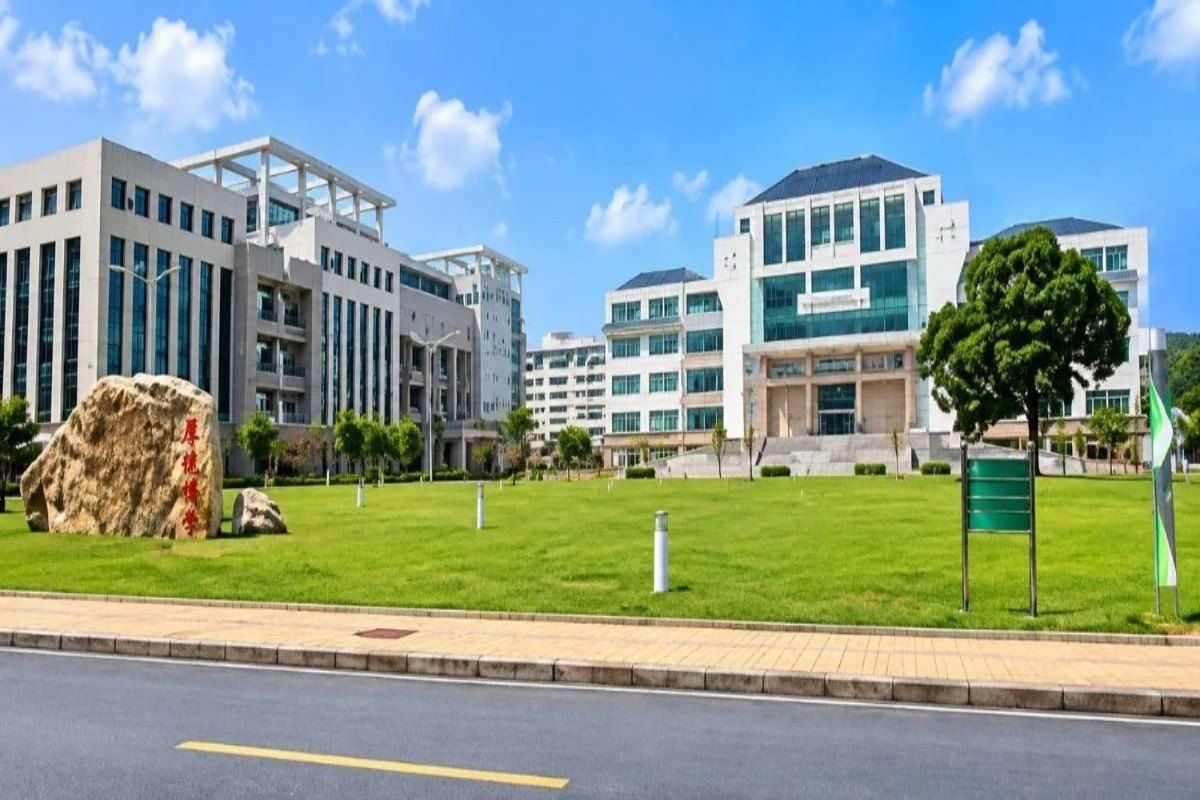
Explore fees, eligibility, and admission guidance for MBBS in Guangdong Provincial Cardiovascular Institute in China.
 Partner
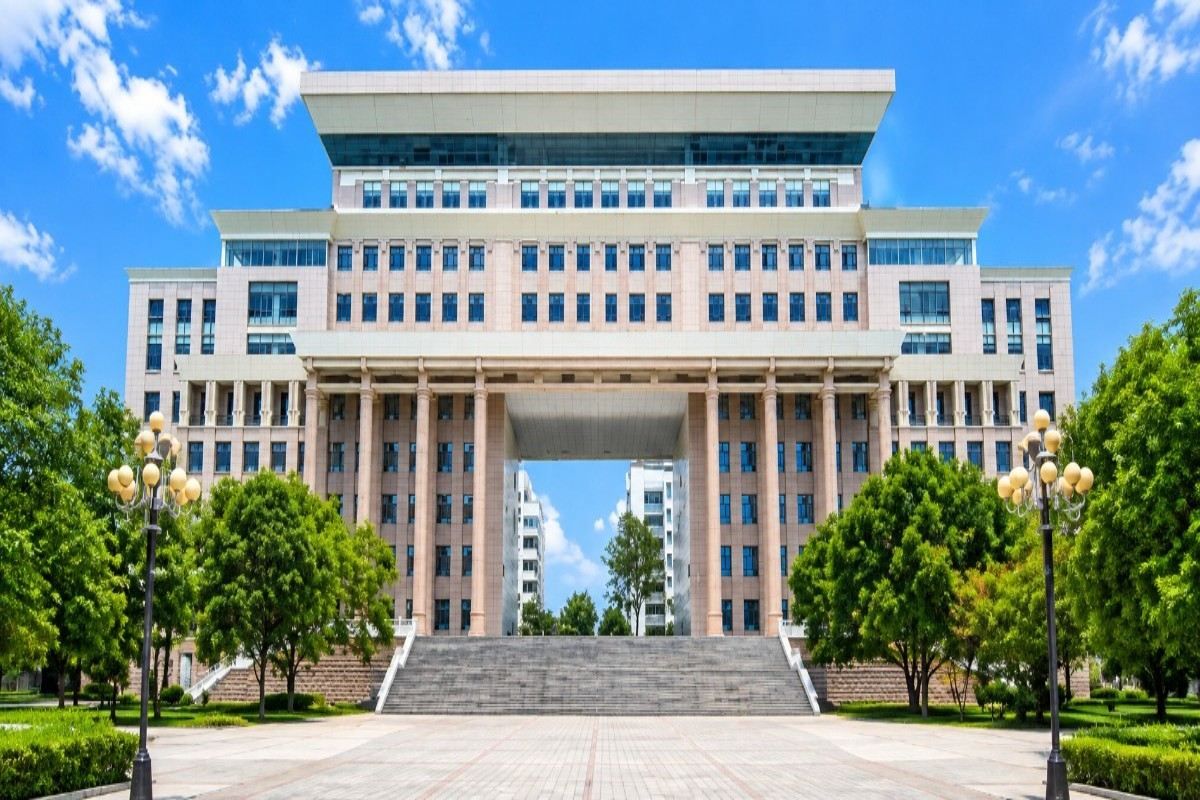
Explore fees, eligibility, and admission guidance for MBBS in Guangxi University of Chinese Medicine in China.
 Partner
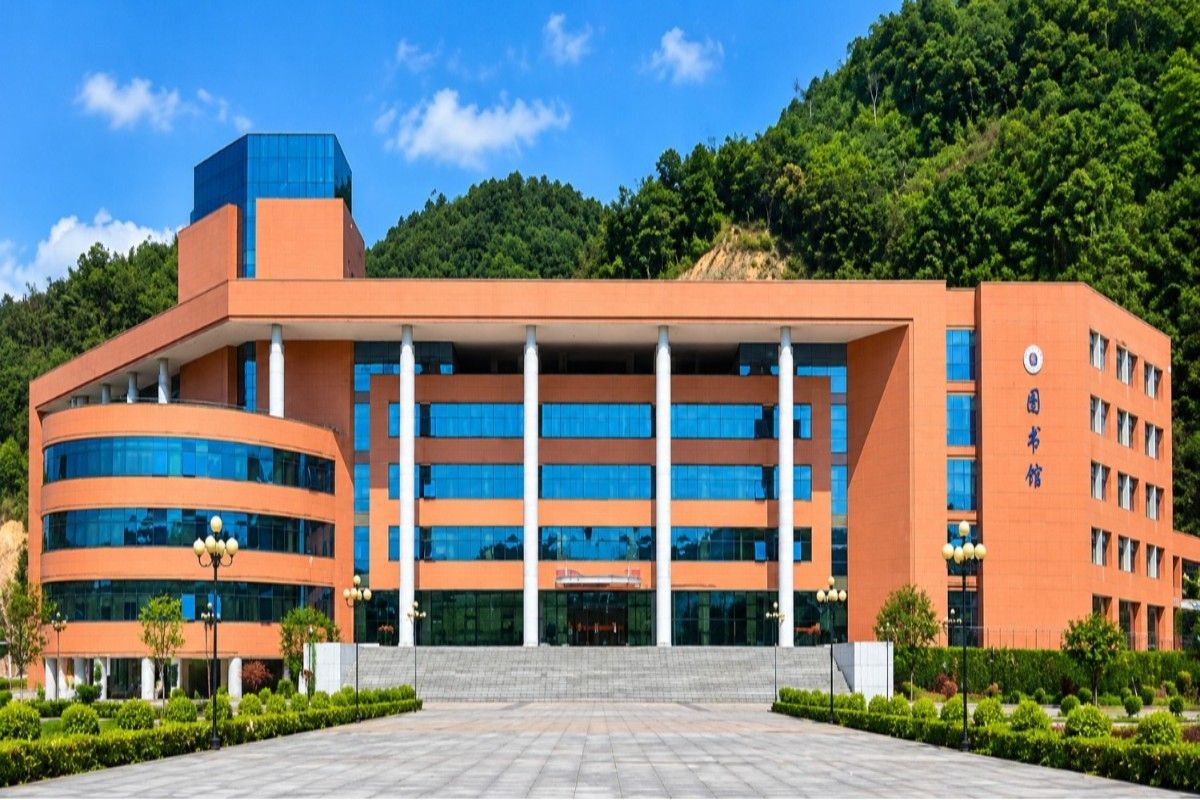
Explore fees, eligibility, and admission guidance for MBBS in Guangxi Medical University in China.
 Partner
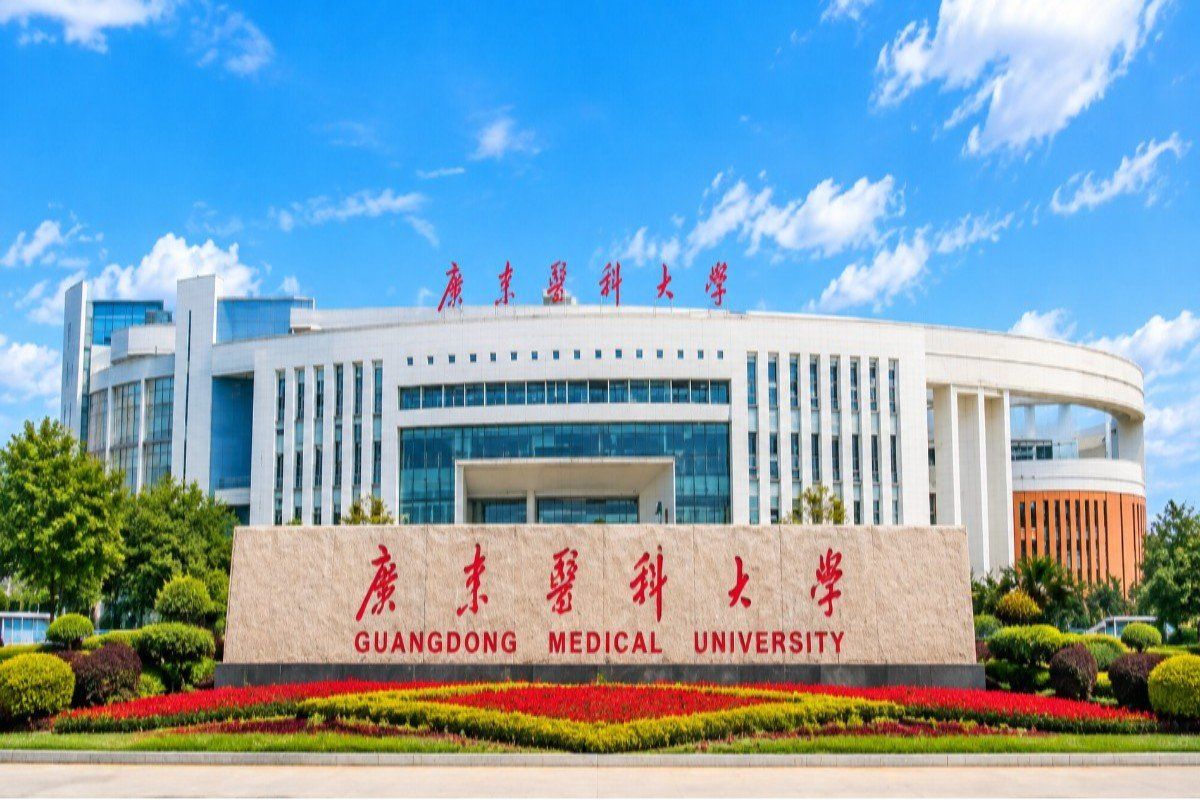
Explore fees, eligibility, and admission guidance for MBBS in Guangdong Pharmaceutical University in China.
 Partner
Explore fees, eligibility, and admission guidance for MBBS in Guangdong Medical University in China.
 Partner
Explore fees, eligibility, and admission guidance for MBBS in Gansu University of Chinese Medicine in China.
Our team provides university-specific guidance and a full China context briefing at every intake. Book a free counselling session →
Selected Chinese universities provide English-medium Clinical Medicine programs for international students. Students should verify the exact program.
The academic program may be in English, but Mandarin is important for patient communication and daily life. Some universities may have formal language requirements.
CSCA stands for China Scholastic Competency Assessment. Some universities use it for international undergraduate admission.
No. Requirements are university-specific and should be checked in the latest admission notice.
Students should compare MOE authorization, English-medium status, fees, hospital exposure, duration, internship, admission requirements, and NMC compatibility.
An eligible foreign medical graduate may pursue registration in India after meeting applicable NMC and licensing requirements. A foreign degree alone does not provide automatic registration.