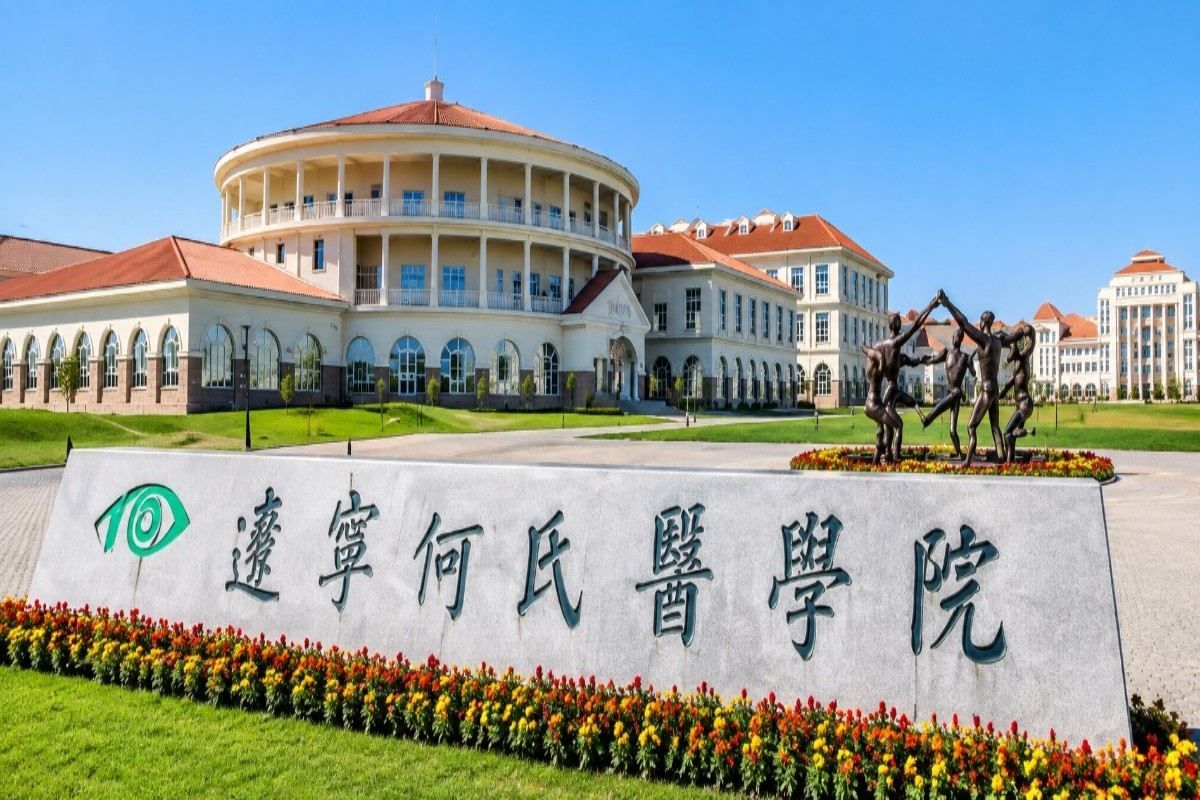
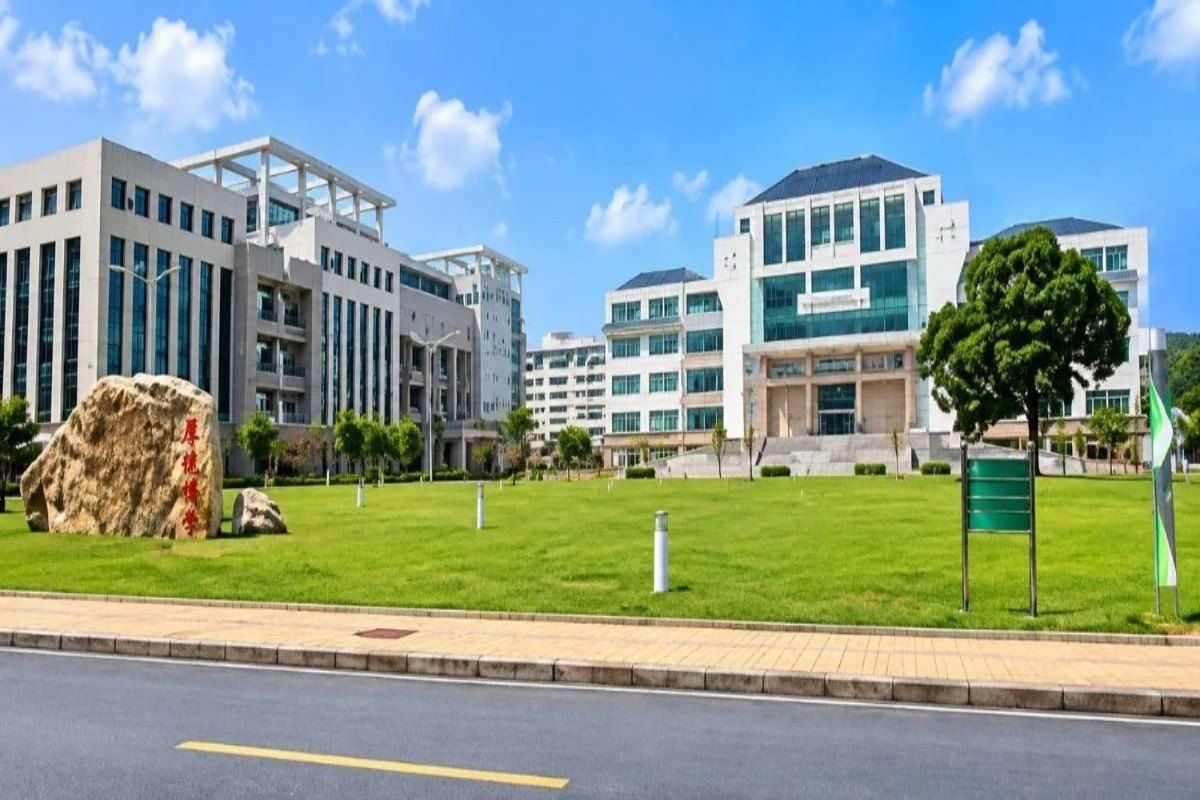
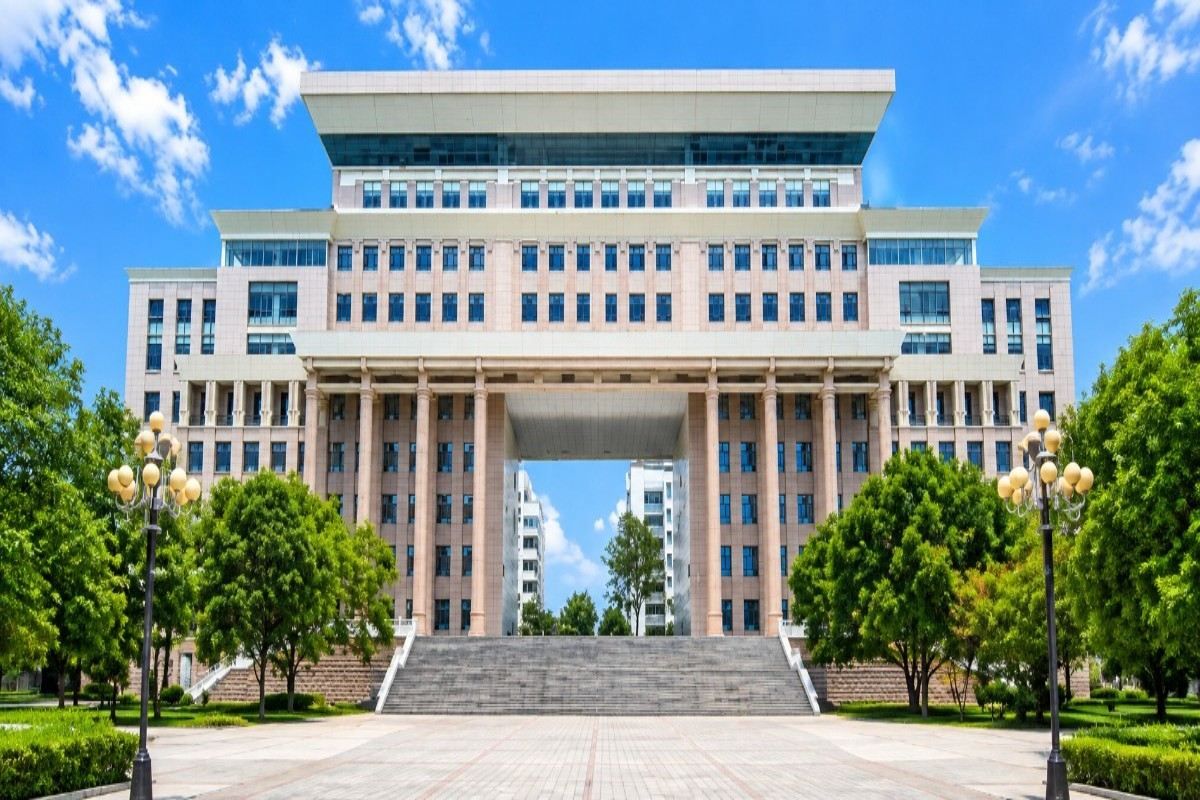
People mostly just call it He University for short. Here is genuinely one of the most specifically documented, and most distinctively themed, founding histories covered in guides like this one. The institution's own predecessor, Shenyang Medical College - He Eye Optometry College, was founded in 1999, directly tied from the very start to ophthalmology and optometry education specifically, a genuinely unusual founding focus compared to most general medical universities covered in this whole series.
In 2004, the institution was approved as an independent college, renamed Shenyang Medical College He Vision Science College. In 2007, it relocated to the Qipanshan International Scenic Tourist Area, a genuinely distinctive, scenic setting for a Chinese university campus. In 2011, the institution was restructured into a private, regular undergraduate university, taking its current name, He University, a genuinely remarkable, specific national distinction, since it became the first medical undergraduate university anywhere in China to undergo this particular type of private restructuring.
A further, genuinely specific administrative detail is worth knowing directly. In 2018, China's own Ministry of Education formally approved changing the university's own registered founder from Shenyang He Eye Hospital, the institution, to He Wei, the individual professor himself, a real, documented shift in formal ownership structure. On 8 January 2021, the university successfully passed its own qualification assessment for undergraduate teaching work, a further, specific, dated institutional milestone.
He University's own campus, as of May 2024, spans approximately 529,000 square metres, with teaching and research equipment valued at over 103.8 million yuan, and a library holding 706,000 volumes. As of June 2025, the university comprises 11 teaching units, offering 24 undergraduate programmes and 4 higher vocational programmes, reflecting a genuinely broader academic scope than its own original, narrowly ophthalmology-focused founding might suggest.
Given the genuine information gap around He University's own specific Medicine-track tuition, hostel, and international admission details, distinct from the considerably more documented China Medical University and Shenyang Medical College, applicants specifically interested in studying at He University should treat direct, written confirmation from the university's own admissions office as a genuinely essential first step.
NEET remains a genuine requirement for Indian applicants pursuing medical study in China generally, and Indian graduates would still need to clear the FMGE or NExT exam to practise medicine back in India, though applicants should confirm whether He University specifically offers an English-medium Medicine pathway for international students directly, given how little independently verifiable He University-specific admission information currently exists.
Shenyang itself is genuinely one of northeastern China's most significant industrial and cultural cities, the capital of Liaoning Province, with a real, considerable history as a major manufacturing centre. This gives He University's own students a genuinely different setting from studying medicine in one of China's southern or coastal cities, combining serious academic training with exposure to a substantial, historically industrial northern Chinese metropolis.
Given the genuinely crowded field of similarly located Shenyang medical institutions, and the real information gap around He University's own specific Medicine-track details, prospective applicants should treat direct, written confirmation from the university's own admissions office as a genuinely essential step here. This is not necessarily a reason to dismiss He University outright, particularly given its own genuinely distinctive, specific founding history and real national first as a restructured private medical university, but it is a real, practical consideration worth taking seriously given how much basic institutional detail for international medical applicants remains unconfirmed across the sources reviewed for this profile.
Fee figures here represent a genuine information gap worth being upfront about, since no specific, confirmed He University-only tuition rate was found across the sources reviewed, distinct from the considerably more documented neighbouring Shenyang institutions.
Cost Item | Amount | Notes |
Tuition Fee (estimated, general China reference) | Approx. USD 3,000-5,500/year | Not confirmed as He University-specific; estimated from general Chinese public/private-university tuition bands. Confirm directly with He University |
Hostel/Accommodation Fee (estimated) | Approx. USD 500-1,500/year | Not separately confirmed for He University specifically; estimated from typical Chinese university international dormitory rates |
Health Insurance (estimated) | Approx. USD 100-200/year | Not separately confirmed for He University specifically; a general estimate for international student health coverage in China |
Food/Meal Expenses (estimated) | Approx. USD 100-200/month | A general estimate for food and daily living costs on a Chinese university campus |
Visa and Application Fees (estimated) | Approx. USD 150-300, one-time | A general estimate covering application processing and student visa fees |
Total 6-Year Estimate (tuition + hostel + insurance, low end) | Approx. USD 21,000-44,000 | A combined estimate based on the ranges above; genuinely approximate, and should be confirmed directly with He University before budgeting |
Note: given the genuine information gap identified, and the crowded field of similarly located Shenyang medical institutions, request He University's own current, official, itemised fee schedule directly before finalising a budget.
Why He University Deserves a Harder Look, and a More Careful One
Most lists mention medical education in Shenyang without addressing He University specifically, or explaining its own genuinely distinctive, ophthalmology-rooted founding story. However, they do not explain these specific issues directly. The reason is simple. It is about a real, specific, and genuinely unusual institutional origin most guides skip entirely, and a crowded field of similarly located Shenyang institutions worth navigating carefully.
He University is not like most other Chinese medical institutions covered in comparable guides when it comes to its own founding focus. In fact, its own direct predecessor was specifically an eye optometry college, not a general medical school, giving the university a genuinely distinctive ophthalmology-rooted institutional identity from 1999 onward. Furthermore, this specific origin, tied directly to the He Eye Hospital system, is a real, specific, and genuinely unusual founding story rather than a generic "medical university" origin.
The university's own specific 2011 national distinction also matters more than most guides let on. For example, most guides describing a Chinese private university's founding present a single, simple date. He University was specifically the first medical undergraduate university anywhere in China to be restructured into a private, regular undergraduate institution in this particular way. Moreover, this genuinely specific, verifiable national first deserves direct acknowledgement, since it reflects a real, documented milestone in China's own private higher education history, not a vague claim of prestige.
One thing most other blogs miss is a clear factual error found in at least one source describing He University as a "non-profit public" institution. In addition to standard due diligence, considerably more detailed sources consistently confirm He University is genuinely private, with its own formal founder status specifically transferred to an individual, Professor He Wei, in 2018. Since getting a university's basic public/private status wrong is a genuinely significant error, applicants should treat any single source describing He University with real caution, cross-checking against more detailed, specific accounts.