Q1. Does Guangxi University of Chinese Medicine offer a standard MBBS programme?
+This is not confirmed in accessible sources. Its academic focus centers on Traditional Chinese Medicine, not a Western-style Clinical Medicine or MBBS track.
 China | Est. 1956
China | Accredited and approved by the Ministry of Education of the People's Republic of China | English medium
Expert will call you within 2 hours
Are you looking at MBBS options in China? Read this one with care first. This school's real strength sits somewhere else. It works on old-style Chinese medicine. It does not run a plain Western-style MBBS course. This gap matters a lot. Know it now, before you spend more time or stress on this page.
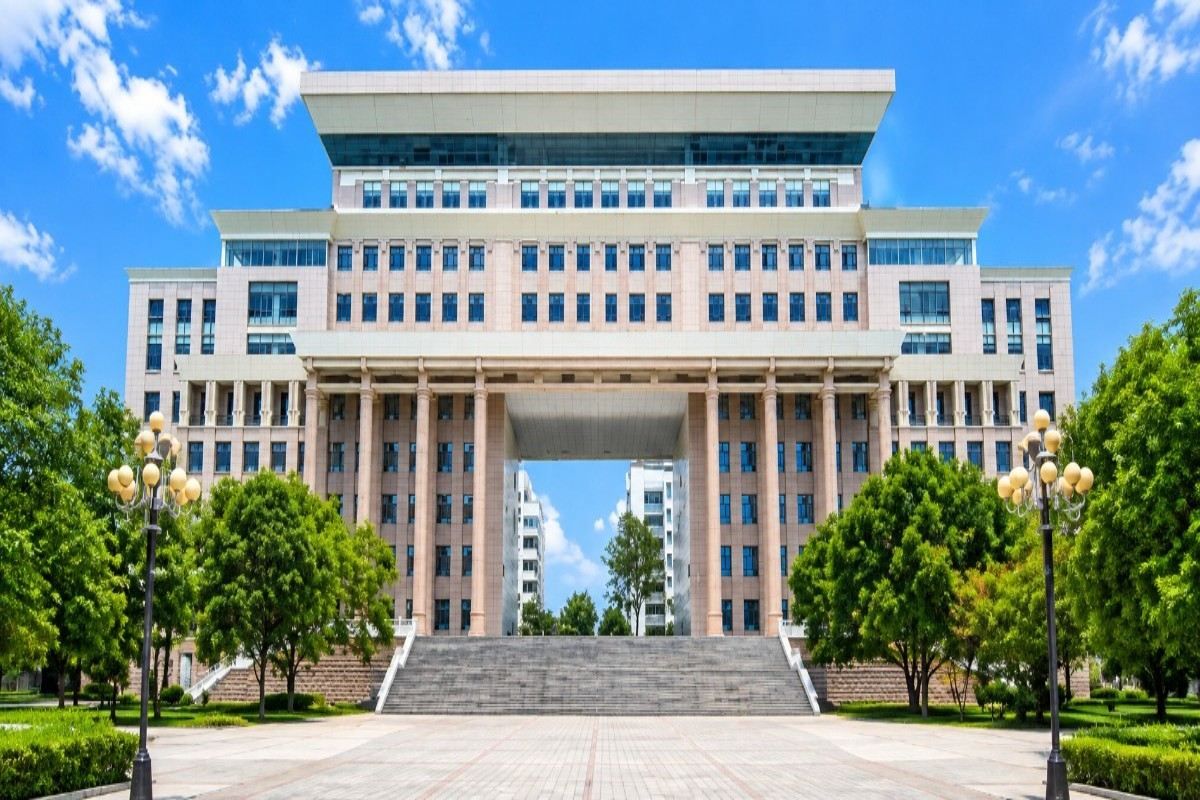
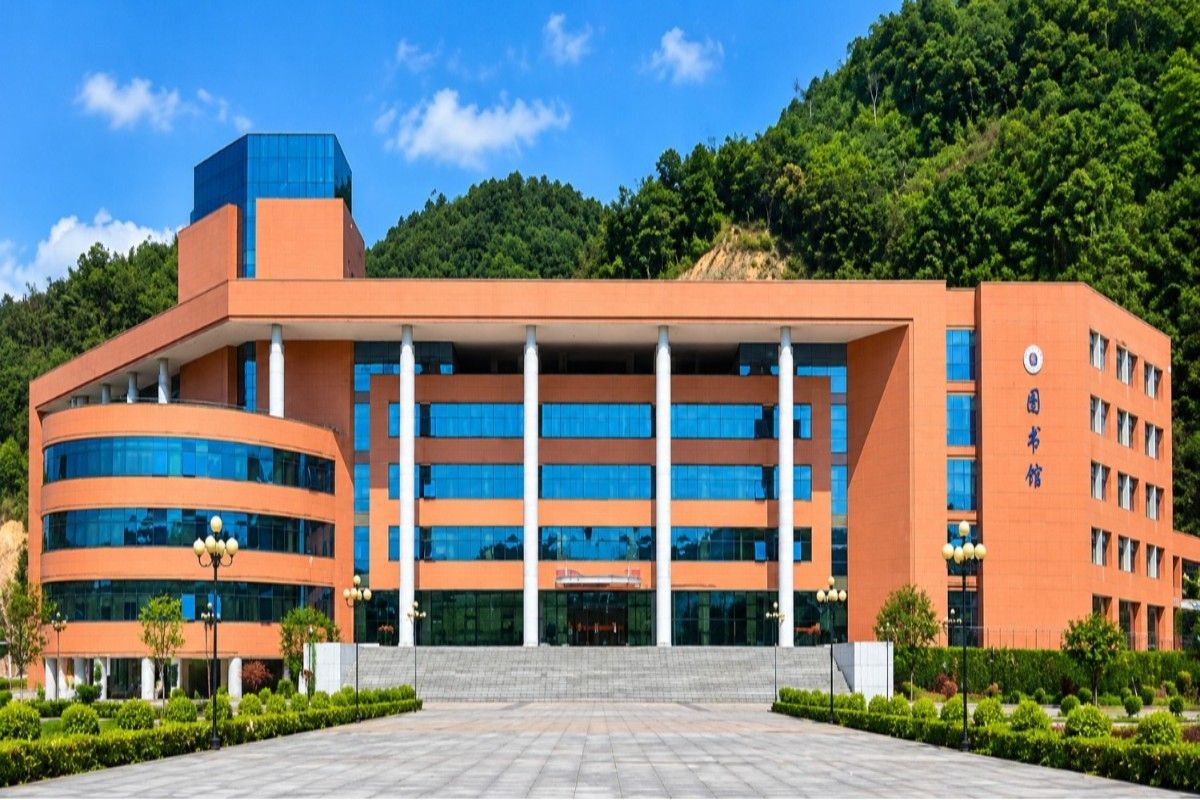
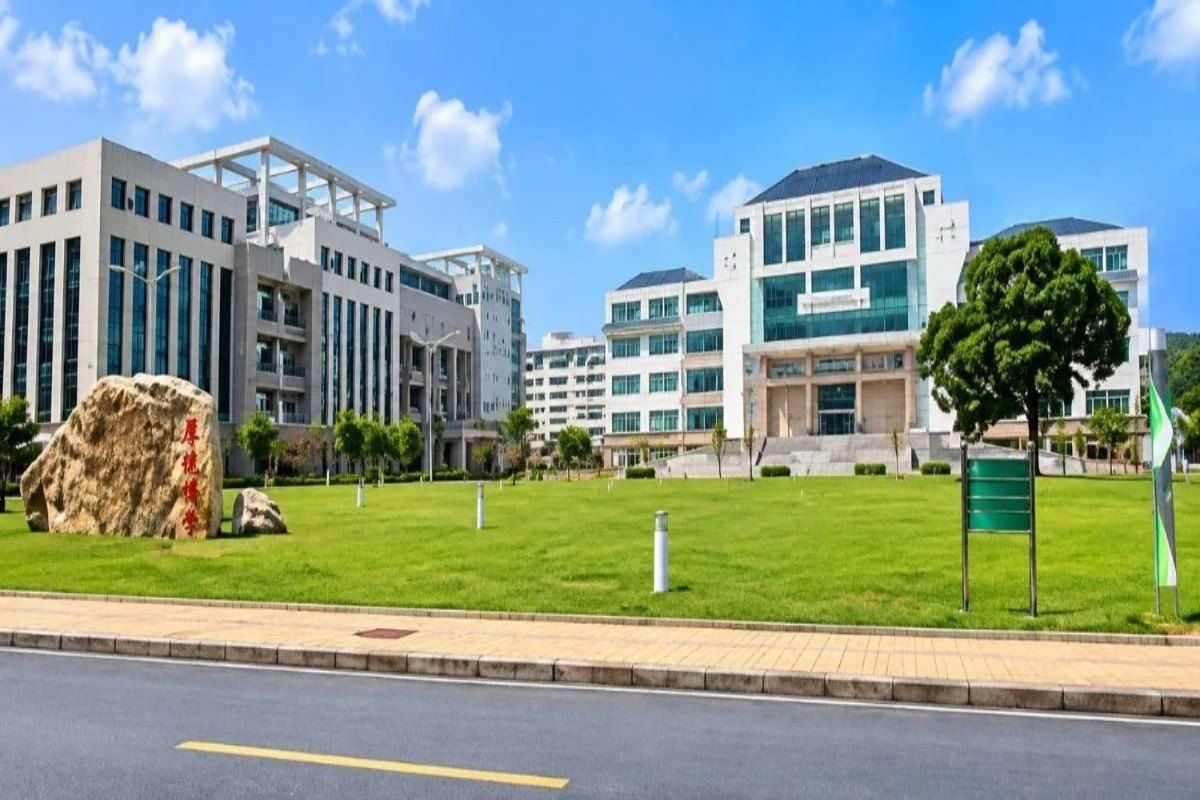
Let us start with what this place is. Guangxi University of Chinese Medicine sits in Nanning. That is the main city of the Guangxi Zhuang state, in south China. The school began in 1956. That makes it close to 70 years old. It runs as a public school. Its whole class base builds around old-style Chinese medicine. The school blends class work, study, care, and drug-making all under one roof. Its student count sits near 14,000. Its yearly spend runs close to 1.04 billion yuan. This shows real, working scale behind its name.
Here is a point that needs your full, close eye right away. Guangxi has two split, well-known public schools tied to medicine. It is real easy to mix them up. One is Guangxi Medical University, a fully split school in the same city. It stands as the sole school in the whole Guangxi zone marked by China's Study Board as fit to teach Clinical Medicine, which means MBBS, in English. The other is this school, Guangxi University of Chinese Medicine. It works almost fully on TCM study, not a Western-style MBBS track. These stand as two split schools with two very split class goals. This holds true even though both sit in Nanning and both carry "medicine" in their name.
This split point counts a great deal for those who chase a plain MBBS seat. Clear, firm proof of a set, English-run MBBS or Clinical Medicine course run by Guangxi University of Chinese Medicine, built for those from other lands who chase a Western-style medical mark, was not found in checked, steady sources. Its known name and state praise tie back almost fully to old Chinese medicine, herb and drug study, and close fields.
The school does carry real marks within its own set field. It runs full class work, study, care, and drug-making tasks. All of this builds around TCM as one whole, tied system, not split parts kept apart. This kind of tied set-up shows a true, long-run stake in old Chinese medicine as a real class and clinic field. It is not a side task tacked on to a wide medical school.
So where does this leave an Indian who wants a plain MBBS seat? The clear truth stands once you split the two Guangxi schools well. Do you want a plain, English-taught MBBS mark? Then Guangxi Medical University, the split school, stands as the set, Board-marked pick in this same city. Does old Chinese medicine draw you in, on its own worth or as a side field next to new medicine? Then Guangxi University of Chinese Medicine holds real, state-known weight in that set space.
For Indian students, a few points need real, clear thought before you go on. First, ask this school's own foreign entry team direct. Does any English-run MBBS or Clinical Medicine track stand open here at all, apart from its main TCM plans? Next, do not think TCM study and a plain MBBS path hold the same weight. They may not lead the same way back home, since they serve wholly split rule paths under Indian law. Last, NEET clearance stays a firm, split step under Indian rules, no matter which path applies here.
The wider Guangxi zone brings real worth too, no matter which set school you pick. Nanning works as a true gate city between China and South-East Asia. It has run the China-ASEAN Fair each year since 2004. Life costs across Guangxi sit among the more low-cost in China. Dorm rooms run as low as close to 6,000 yuan a year. Month-to-month life costs stay small and fair too. ASEAN students can win a wide state grant. This grant covers class fees, stay, cover, and books, plus a month-to-month cash sum. Non-ASEAN students, this spans most Indian folks, would lean on state CSC grants or set school awards instead.
So how should you weigh Guangxi University of Chinese Medicine as a whole? Does old Chinese medicine pull you in as a true field of study? Then this school holds real, state-backed weight. It stands built on close to seven decades of set class and clinic work in that exact space. Do you want a plain, NMC-fit MBBS path instead? Then this is most likely not the right school for you. Guangxi Medical University, its split next-door school, stands as the school you should truly look into instead. One short, clear mail to this school's own foreign team can show which type it fits for your own goals. That clear word is worth getting well before you spend more time or cash here.
Why This University Needs a Clear-Eyed Look, Not a Quick Comparison
Most comparison lists confuse this school with its similarly named neighbour, and that mix-up creates real, avoidable confusion for applicants. The reason is simple: Nanning hosts two separate public medical-related universities, and only one of them holds confirmed Ministry approval for English-medium MBBS training.
Guangxi University of Chinese Medicine is not a lesser version of Guangxi Medical University. It is a genuinely different institution, built with a genuinely different academic mission. As a result, comparing the two schools directly on MBBS terms misses the point entirely, since one was never built around that specific goal in the first place.
The TCM focus here also carries real depth worth recognising on its own terms. For example, the school integrates teaching, research, clinical treatment, and pharmaceutical production into one connected system. Moreover, this matters for students genuinely drawn to TCM, since this kind of full-circle structure reflects serious, long-term institutional investment rather than a side offering.
Furthermore, the wider Guangxi region brings real value to any student studying here, regardless of which specific school they choose. Since Nanning serves as China’s permanent gateway to the ASEAN region, students gain exposure to a genuinely international, cross-border academic and cultural environment.
One thing every applicant must do here is confirm, in clear writing, which of the two Guangxi schools actually fits their specific goal. Since agent websites do not always draw this distinction carefully, taking this one simple step protects against a serious, costly mismatch between expectation and reality.
No hidden charges, no donation. The full picture of costs at MBBS in Guangxi University of Chinese Medicine.
Tuition Fee
Approximately RMB 1.04 billion (as of 2026)
Not applicable to this university; not confirmed in accessible sources
Hostel Fee
RMB 6,000/year (est., regional reference)
RMB 6,000/year (est., regional reference)
Food & Meals
RMB 10,000 - 15,000/year (est.)
per year
Insurance
RMB 3,000 - 5,000/year (est.)
per year
Donation
No Donation
No Hidden fee
Total Estimated Cost
Not calculable without confirmed MBBS-specific tuition figure
6 year
25–35%
Average FMGE first-attempt pass rates for students from many overseas medical universities. Students from structured programs consistently score higher.
Students returning to India need to clear the FMGE/NExT exam. MBBS in Guangxi University of Chinese Medicine integrates exam-oriented coaching into the regular curriculum so students are prepared from day one.
A structured program that takes you from foundational sciences to clinical mastery.
Students also study foundational modern science subjects such as human anatomy, physiology, and basic biochemistry, giving them a base in both TCM and Western medical concepts.
Early years cover core Traditional Chinese Medicine theory, including Yin-Yang and Five Elements theory, meridian and collateral study, and basic diagnostics.
Alongside this, students study TCM Formulas, learning how individual herbs combine into set prescriptions for specific patterns of illness.
Next, students move into Chinese Materia Medica, covering the properties, actions, and uses of individual herbal substances.
Acupuncture and Moxibustion theory and technique also form a core part of this year, alongside continued exposure to relevant Western medical subjects for comparison.
Then, students study internal medicine, gynaecology, and paediatrics as understood through a TCM diagnostic lens.
This stage blends herbal prescription work, acupuncture practice, and patient consultation under the direct guidance of senior TCM practitioners.
After that, students begin supervised clinical practice inside the university's affiliated TCM hospitals.
Students also complete a graduation research project or case study report before receiving their TCM-focused degree.
Finally, students complete a full clinical internship, applying TCM diagnostic and treatment methods under real hospital conditions.
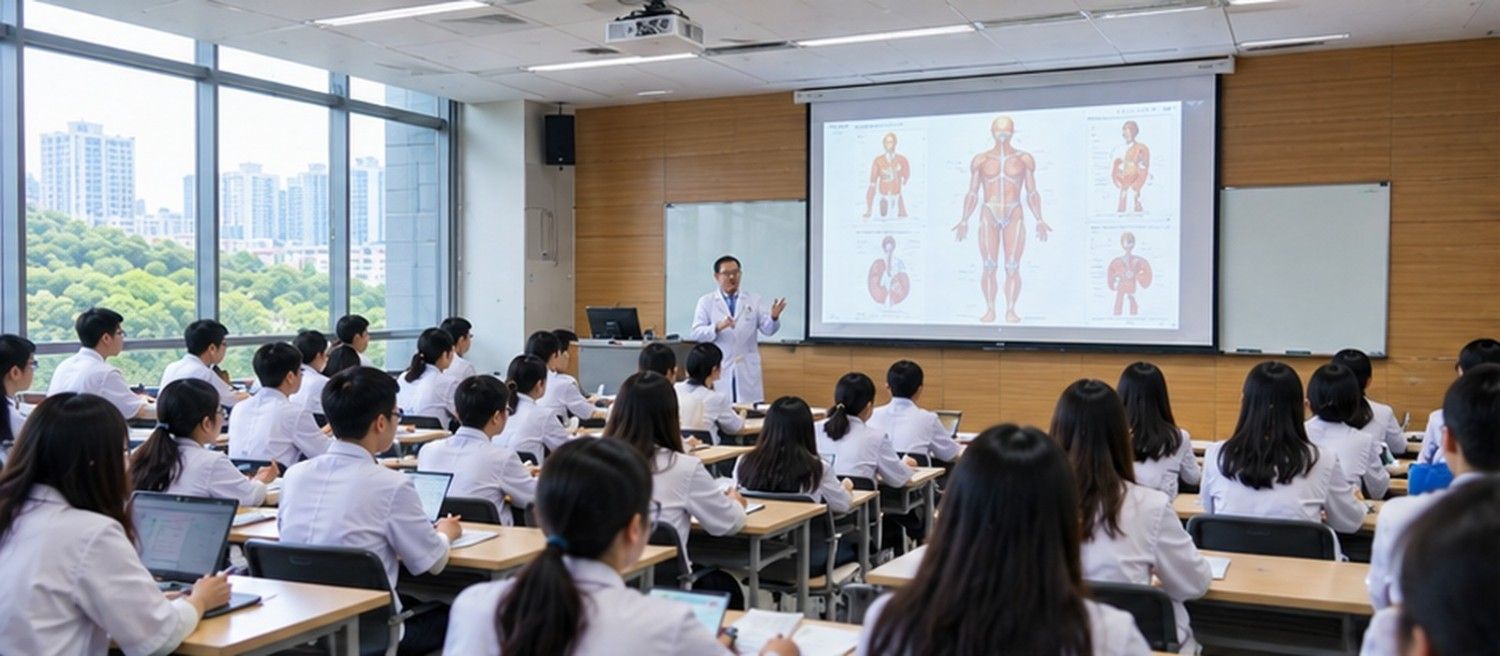

Furnished hostel rooms with Wi-Fi, laundry, 24/7 security, and Indian mess on or near campus.
Indian restaurants and mess facilities serving vegetarian and non-vegetarian home-style food daily.
Strong Indian community with cultural events, festival celebrations, and peer support groups.
Students get hands-on clinical training in government and private hospitals affiliated with the university.
Practical information for students planning to study at MBBS in Guangxi University of Chinese Medicine.
Prepare for all seasons. Thermal wear for winters, light clothing for summers. University provides heating in hostels.
Student visa processed with university invitation letter. Direct and connecting flights from major Indian cities.
Health insurance included in fees. Medical facility on campus plus city hospitals easily accessible.
Local SIM cards available. WhatsApp and video calls keep you connected with family back home.
Average monthly expenses of $150–$250 covering food, transport, and personal needs.
University library, online databases, and study groups. Seniors mentor juniors through academic challenges.
Our team guides you through every step — from application to arriving on campus.
Compare MOE-listed universities on fees, city, ranking, and FMGE track record, not just the cheapest option.
Submit the application along with academic transcripts, NEET scorecard, and (where required) CSCA score, either directly to the university or through an authorized admission partner.
The university’s international admissions office carries out document verification and academic evaluation.
Issued by the university on acceptance, typically within a few working days of document approval, though this can take longer during peak intake season (July–August).
Pay the tuition/hostel fee as per the written fee structure, ideally through a traceable bank wire to the university’s official account (never to a personal account), to confirm the seat.
Apply for the X1 (long-term) student visa at the Chinese Visa Application Service Center (CVASC) in New Delhi, Mumbai, or Kolkata.
Book travel and confirm arrival dates with the university’s international office, which typically coordinates registration timing for the incoming batch.
In the final weeks, finalize documents, arrange winter clothing if headed to a northern city, sort travel/health insurance, book flights, plan currency exchange, and confirm hostel allotment in writing.
Complete the on-arrival medical examination and residence permit registration with local authorities within the required window (typically around 30 days); this is what actually legalizes the stay for the full duration of the course, separate from the entry visa.
Attend orientation, check into your allotted hostel accommodation, pick up your class schedule, and begin building a routine and connections within the Indian student community as classes start.
Admission Helpline — Contact our counsellors for step-by-step assistance.
“The faculty here is incredibly supportive. The clinical training during hospital rotations has given me real confidence in patient care.”
“Affordable fees without compromising on quality. The campus facilities and hostel life made my transition abroad very smooth.”
“English medium instruction and WHO-recognized curriculum were the deciding factors for me. No regrets so far — excellent experience overall.”
“The university helped with everything from visa to accommodation. Hospital exposure from year three has been invaluable for my FMGE prep.”
“Just cleared my licensing exam on the first attempt. The structured coaching and mock exams during final year were a game-changer.”
“Safe campus, good food options, and a strong Indian student community. The teaching methodology is very practical and hands-on.”
This is not confirmed in accessible sources. Its academic focus centers on Traditional Chinese Medicine, not a Western-style Clinical Medicine or MBBS track.
No. These are two separate public universities in the same city, Nanning. Guangxi Medical University is the confirmed, Ministry-approved school for English-medium MBBS in the region.
It is mainly known for Traditional Chinese Medicine, combining teaching, research, clinical treatment, and pharmaceutical production into one connected academic system.
Yes, if a confirmed MBBS-equivalent programme applies. Indian students must qualify NEET UG under current Indian regulations for any primary medical qualification pursued abroad.
A confirmed English-medium MBBS fee for foreign students was not found for this university, since it does not appear to run this specific track. Applicants should confirm any relevant programme fee directly with the university.
Clinical training here ties specifically to Traditional Chinese Medicine treatment methods, rather than a confirmed Western-style MBBS clinical rotation structure.
Yes, provided they meet the university’s eligibility criteria for its TCM-related programmes, confirmed directly with the international admissions office.
Guangxi Medical University, a separate institution in the same city, holds confirmed Ministry of Education approval for English-medium Clinical Medicine, making it the relevant school for that specific goal.
Specific scholarship details for international TCM students were not consistently confirmed in accessible sources; applicants should ask the university’s international office directly.
This depends entirely on which programme and university a student completes. Applicants must confirm whether their intended course meets NMC Foreign Medical Graduate Licentiate Regulations before assuming any pathway toward Indian medical registration.
Our expert counsellors will guide you through the complete admission process — from documents to airport pickup.