Are you looking at MBBS options in China? Guangdong Pharmaceutical University may fit your search. This school holds a real, working past in medicine. But its name gives a real clue too. Let me walk you through what it actually offers.
Let us start with the back story. This school sits in Guangzhou. That is one of China's busiest and most well-known cities. It began in 1958, first set up as an advanced study college under the Guangdong health board. In 1978, with state approval, it grew into Guangdong Medical and Pharmaceutical College. This step let it run full undergraduate courses. In 1994, the school rebuilt itself once more. It took the name Guangdong Pharmaceutical College. In March 2016, with the state's own nod, it became Guangdong Pharmaceutical University. This steady climb over decades shows real, working roots, not a rushed set-up built just for foreign fees.
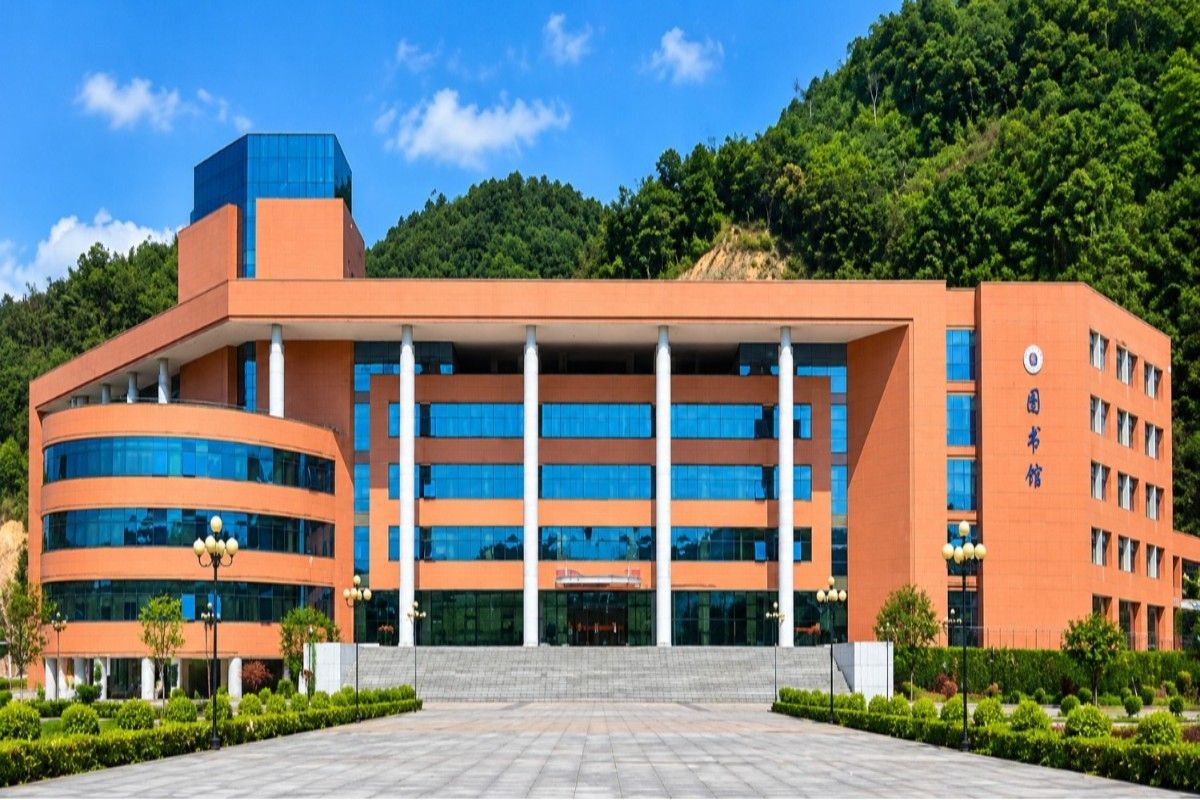
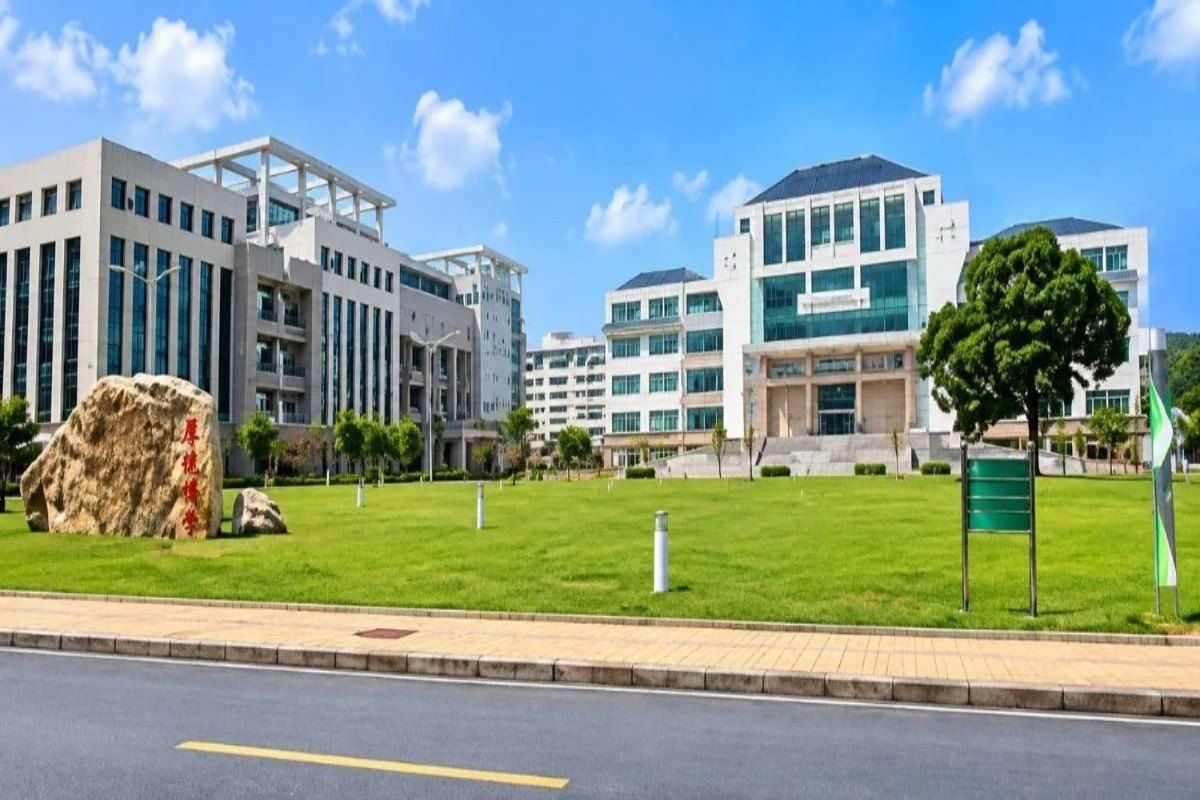
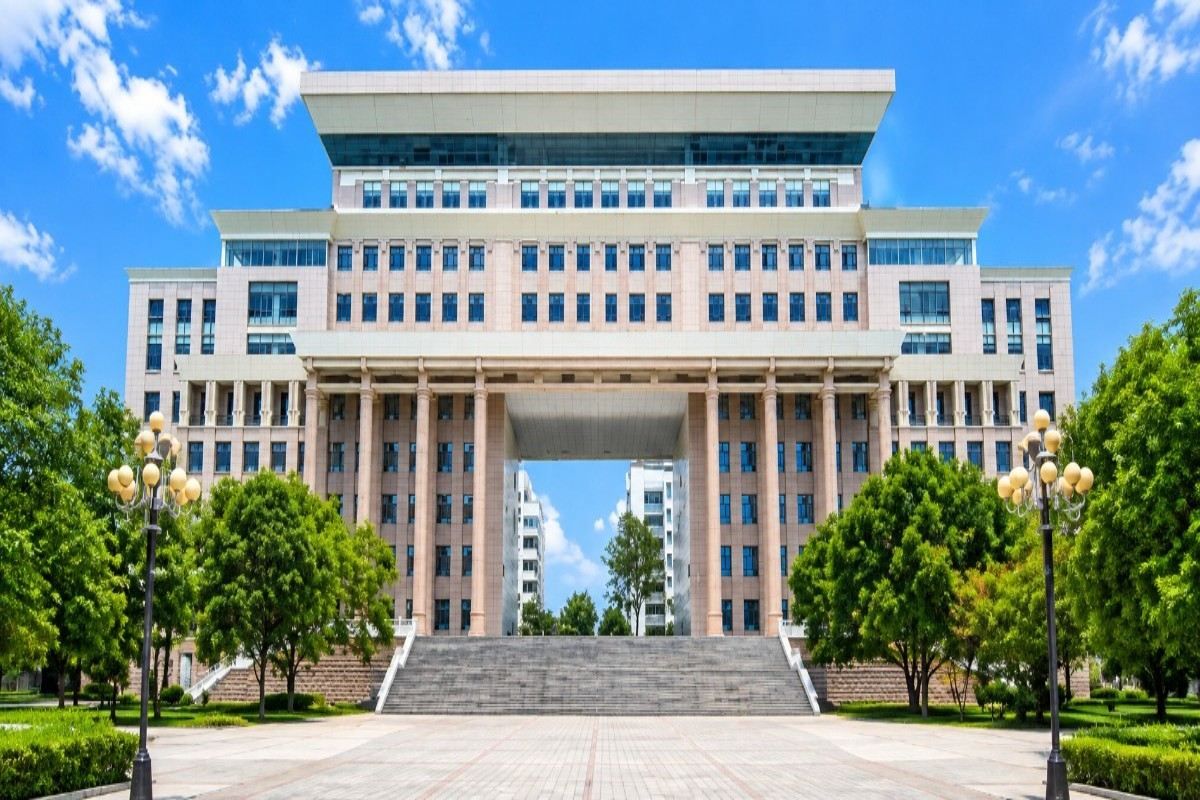
By 2020, the school had grown to five campuses in total. Three of these sit within the Guangzhou metro area. The main site sits at the Guangzhou Mega Education Center. Full-time student count sits near 18,500, and this spans over 16,400 undergrads and around 220 grad students. Staff strength runs past 2,300. These figures show a real, working school, not a small side branch.
Now, here is the key point to keep in mind. This school stands as one of only three dedicated pharmaceutical universities in all of China. Its main strength sits in drug science, not standard Western-style clinical training. That said, the school does run a Clinical Medicine track too, and it builds this course around a mixed strength in both medicine and drug science. Some sources describe this as a real plus, since grads walk out with skill in both diagnosis and drug-based treatment work, not just one narrow field alone.
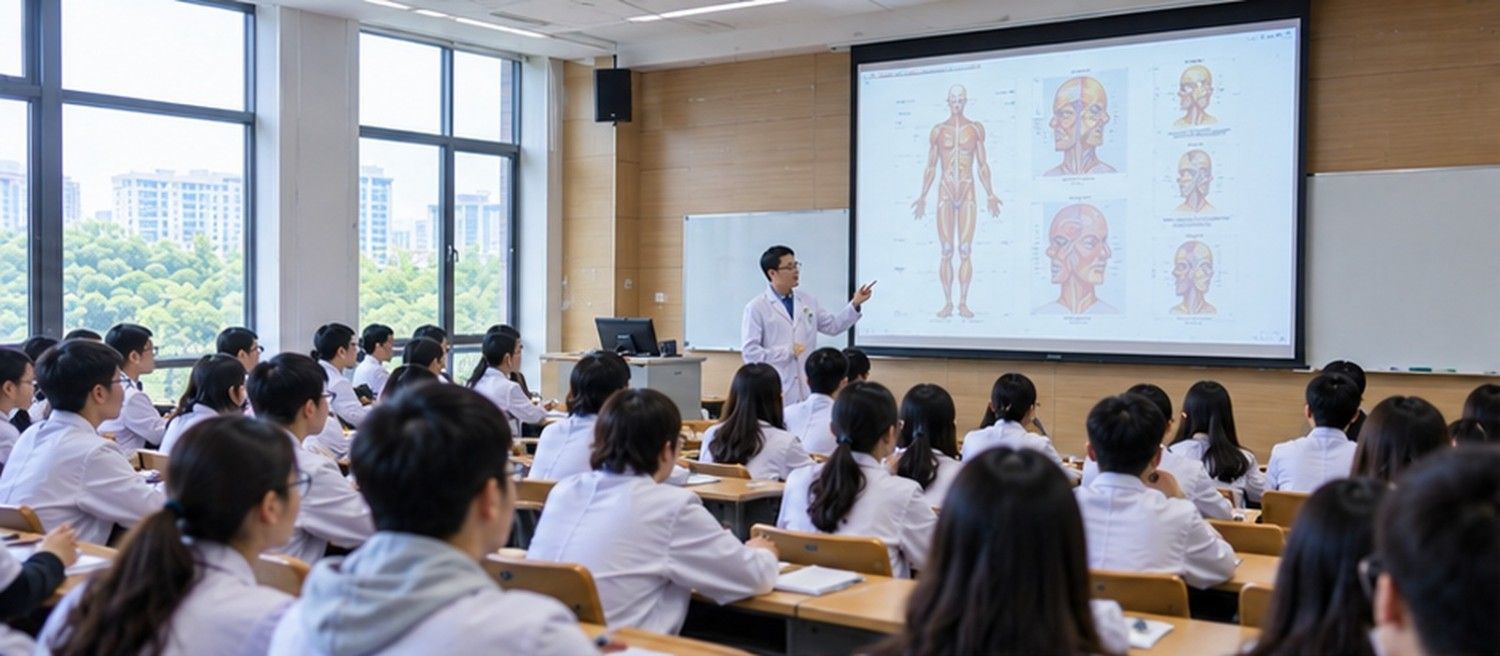
The MBBS-style course itself runs for six years. Five years cover class and lab work. One year covers a clinical internship. Class runs in English, built and tuned for those from other lands. This removes a real hurdle right at the start. You will not need Chinese before your first class begins, though some sources note a bilingual set-up runs alongside the English track too.
Cost sits within real, easy reach for most Indian homes. Reports place base tuition near RMB 25,000 to 30,000 a year. In Indian terms, that lands close to ₹2.9 to 3.5 lakh a year. Across the full six-year run, total course cost is reported to fall somewhere between ₹18 and 35 lakh, based on the exact program and fee bracket a student falls into.
Here is a fair point of real caution, though. Some independent sources note this school does not rank as a top pick for MBBS, when set next to schools built purely around clinical medicine. Its FMGE pass rate is not widely or clearly published, likely since the school leans more toward pharmacy than toward a pure clinical MBBS focus. This does not mean the course lacks all real value. It means applicants should weigh this school with a clear, honest eye, not treat it as a plain like-for-like swap with a dedicated medical university.
On the recognition side, sources describe this school's MBBS degree as globally recognised, with approval tied to WHO, India's own NMC, USMLE in the US, and PLAB in the UK. As always, treat these claims as a starting point, not final proof, and confirm current status through official channels rather than agent claims alone.
Scholarships do run here in a real way. The Chinese Government Scholarship, known as CSC, can cover full tuition, stay costs, a living stipend, and cover, for those who qualify. The Guangdong Government Scholarship targets strong students at Guangdong-based schools specifically. University-level, merit-based awards apply too, for students who keep strong marks through their course.
The city itself brings real value beyond the classroom. Guangzhou stands as a major trade hub, with modern set-up and a genuinely global, mixed student base. This differs a lot from smaller, quieter cities that host many budget-focused Chinese medical schools. Life here runs a bit costlier, but it also runs far more connected to the wider world.
For Indian students specifically, a few points deserve close, upfront attention. NEET-UG clearance stays a firm, non-negotiable step under current Indian rules. Beyond that, check the live NMC Foreign Medical Graduate Licentiate Regulations closely, since course structure and fee sets can shift a little between intake years. Given this school's pharmacy-first identity, it also pays to ask directly how its Clinical Medicine track compares, in real terms, to schools built purely around MBBS training, especially around FMGE and NExT pass outcomes.
So how does Guangdong Pharmaceutical University stack up overall? It offers a real, city-based route into a six-year, English-taught MBBS-style course, backed by a long, state-approved institutional history and a genuinely useful blend of medicine and pharmacy training. It sits in one of China's biggest, most connected cities, and its scholarship options run real, not just flashy. That said, its pharmacy-first identity means it may not match the depth of a school built purely around clinical medicine. If you want a well-rounded, city-based option with real state backing, this school earns a fair spot on your list. As always, confirm the live fee, course structure, and FMGE-related outcomes directly with the university before you commit any payment.
Why Guangdong Pharmaceutical University Deserves a Harder Look Than You've Given It
Most lists mention this school only for its pharmacy focus and move on quickly. However, they rarely explain what this focus actually adds to its medical training. The reason is simple: it comes down to how the school blends two closely related fields together.
GDPU is not a school stretching itself thin across unrelated subjects. It stands as one of only three dedicated pharmaceutical universities in China, and it builds its Clinical Medicine track directly on top of that existing pharmacology strength. As a result, graduates step out with real, working knowledge of drug-based treatment alongside standard diagnostic training, a combination not every purely clinical medical school offers as naturally.
The city location also adds more real value than most budget-focused comparisons explain. For example, Guangzhou stands as one of China's biggest global trade hubs, offering infrastructure and international connectivity that smaller regional cities simply cannot match. Moreover, this matters over six full years, since daily exposure to a genuinely international, fast-moving city can shape a student's outlook well beyond the classroom.
Furthermore, the scholarship structure here runs on real, tiered options rather than a single flashy claim. Since the CSC scholarship, the Guangdong Government Scholarship, and university-level merit awards all exist as separate, real pathways, students have more than one route to meaningfully cut their own cost.
One thing most other pages miss is the honest trade-off worth naming clearly. Since this school leans more toward pharmacy than pure clinical training, students who prioritise this bigger picture, and who value the medicine-pharmacy blend on offer, may find real advantage here that a narrower comparison chart would miss entirely.