Are you looking at MBBS options in China? Guangxi Medical University deserves a real spot on your shortlist. This school holds a long, proven past, and it stands out as one of the true early movers in English-taught medicine for foreign students. Let me walk you through what makes this school worth your time.
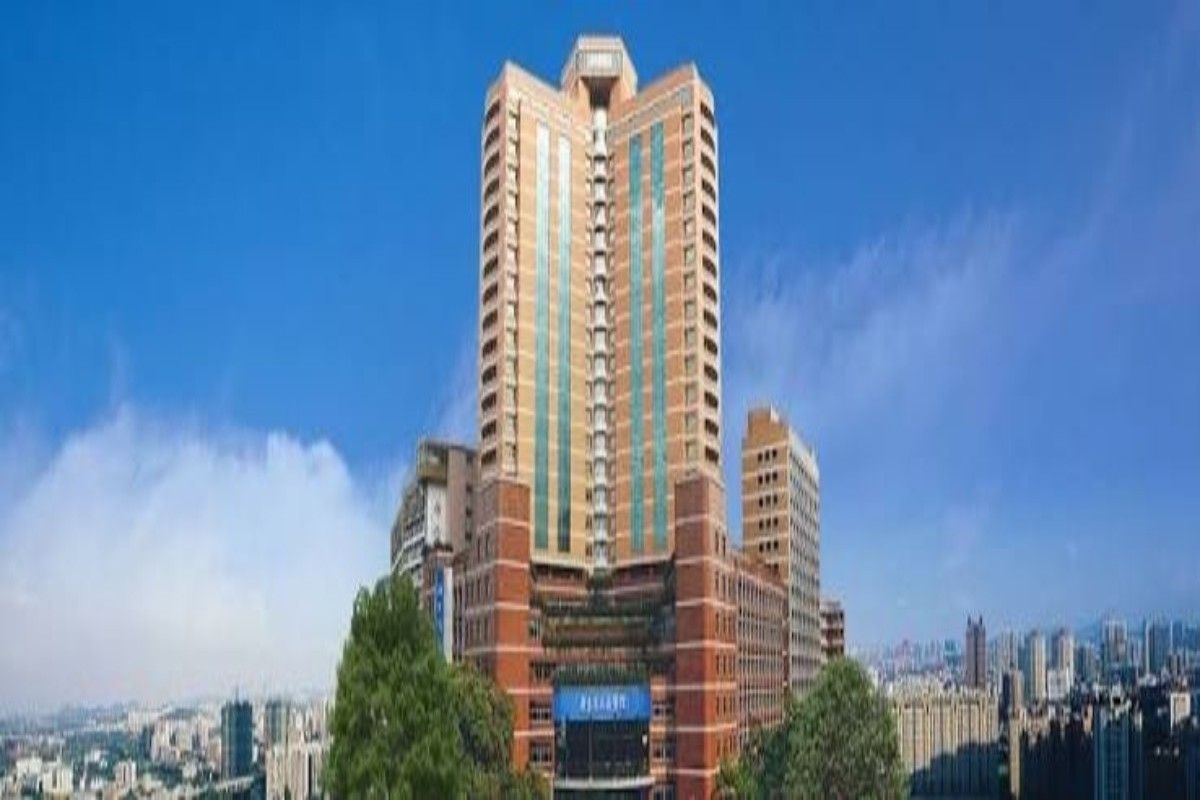
The school sits in Nanning. That is the capital of the Guangxi Zhuang Autonomous Region, in the south of China. Local people call this city the “Green City” and the “Garden City.” The air runs fresh, the view stretches wide, and the weather stays mild through most of the year. Nanning sits in a real, useful spot too. It links the Indo-China Peninsula in the west to Guangdong, Hong Kong, Macao, and Hainan in the east. This makes the city a growing gateway between China and Southeast Asia, not some quiet, cut-off town.
Now, on to the school’s own story. Guangxi Medical University began in 1934. That makes it more than 90 years old, and it ranks among the 22 oldest medical schools in all of China. The regional government backs it with strong, steady support. It serves as the true hub for medical study, research, treatment, and health care across the whole Guangxi region. This school does not chase a new, untested reputation. It has spent close to a century building real, working weight in Chinese medicine.
The MBBS side of this school carries real weight too. GXMU stands as one of the very first schools in China to open up an English-taught medical course for foreign students. It also holds a spot on the Ministry of Education’s own list of just 45 universities across the whole country approved to run Clinical Medicine, or MBBS, fully in English. That is a real, checked mark of trust from the state, not just a school’s own claim about itself.
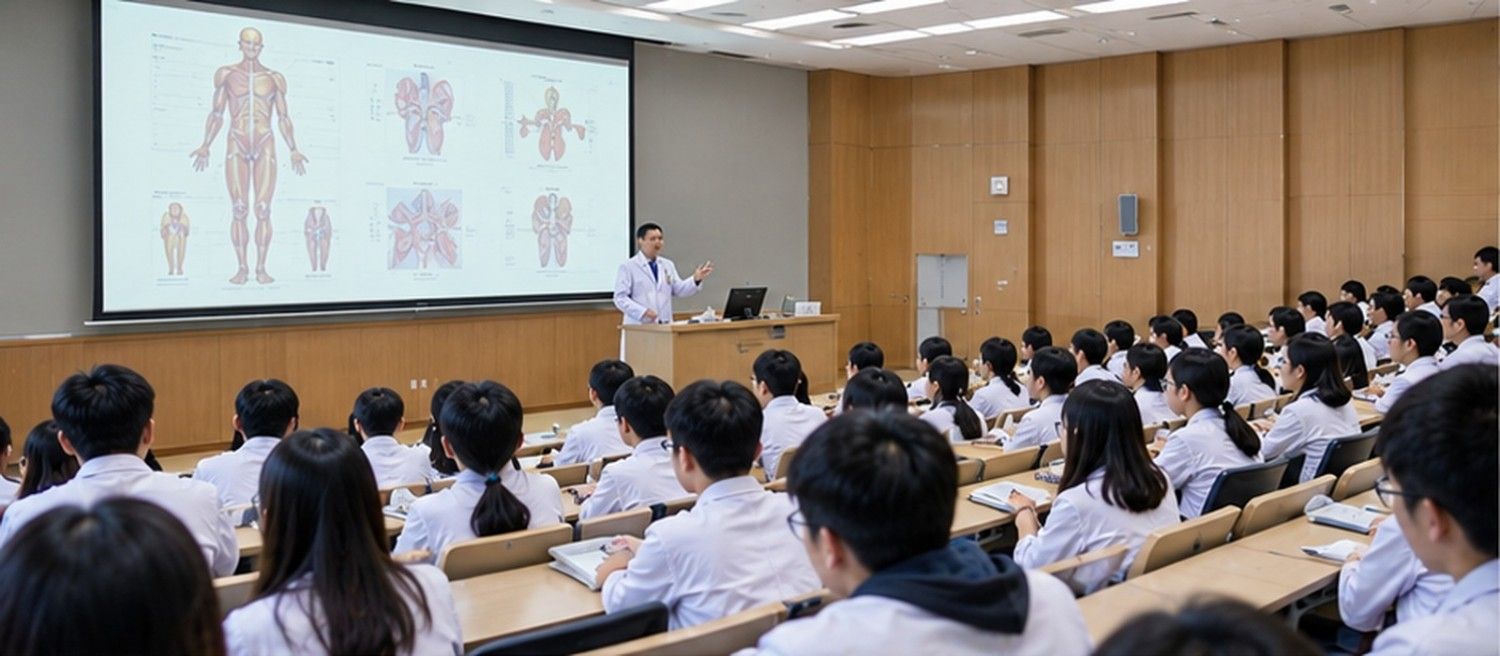
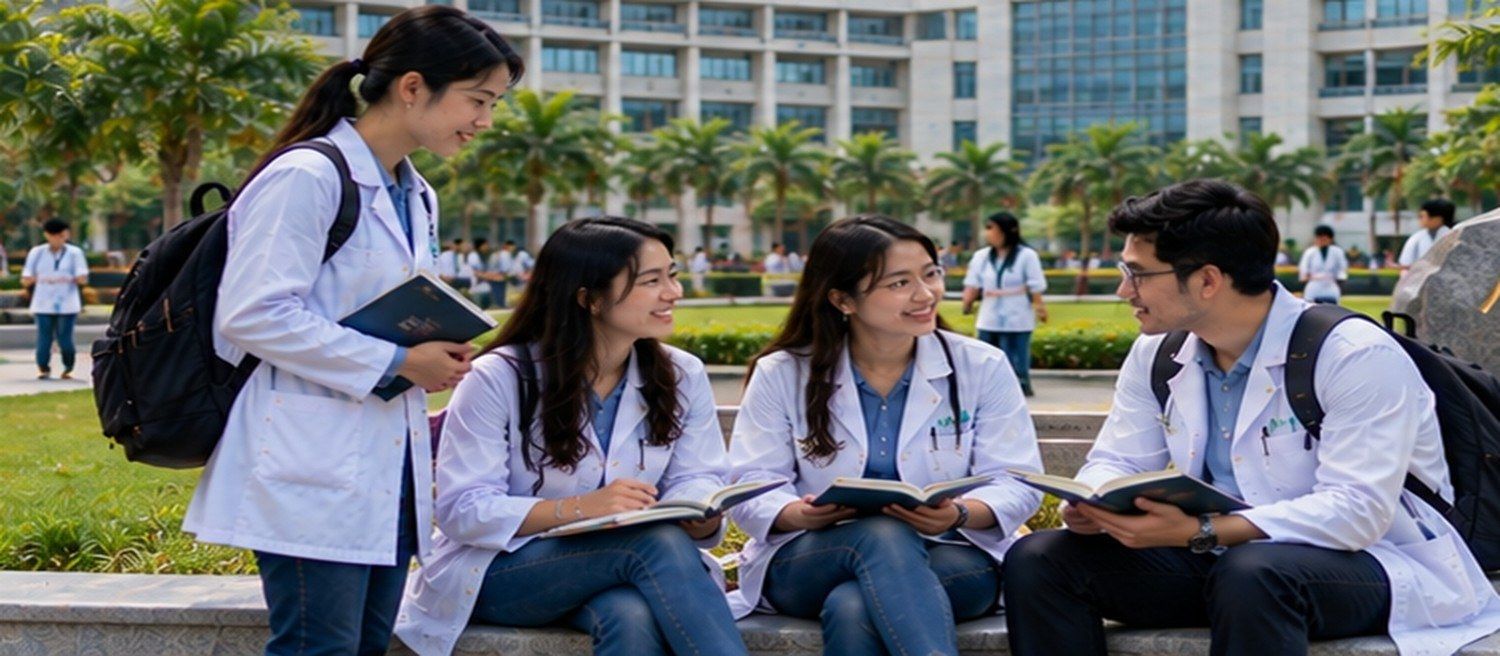
The course runs for six years in total. Class runs fully in English throughout. The school has already trained more than 1,000 international students from 70 countries and regions, giving it real, working experience in guiding students from far-off homes through a full medical degree. Most of the wider student base at the university, though, comes from Vietnam, since Nanning sits just an hour’s bus ride from the Vietnamese border. Many Vietnamese students study in Chinese-language classes rather than the English MBBS track, so the English-medium course tends to draw a genuinely global mix beyond just one region.
Cost stands out as a real strong point here. Reports place the full six-year MBBS course at around RMB 200,000 in total, which lands close to ₹23.3 lakh across the whole degree. Other sources quote a yearly figure near RMB 41,000 for the English-medium track. First-year tuition alone is reported at around ₹3.5 lakh, based on the specific specialisation a student picks. Either way, this ranks among the more low-cost paths into a six-year MBBS course you will find among established Chinese medical schools.
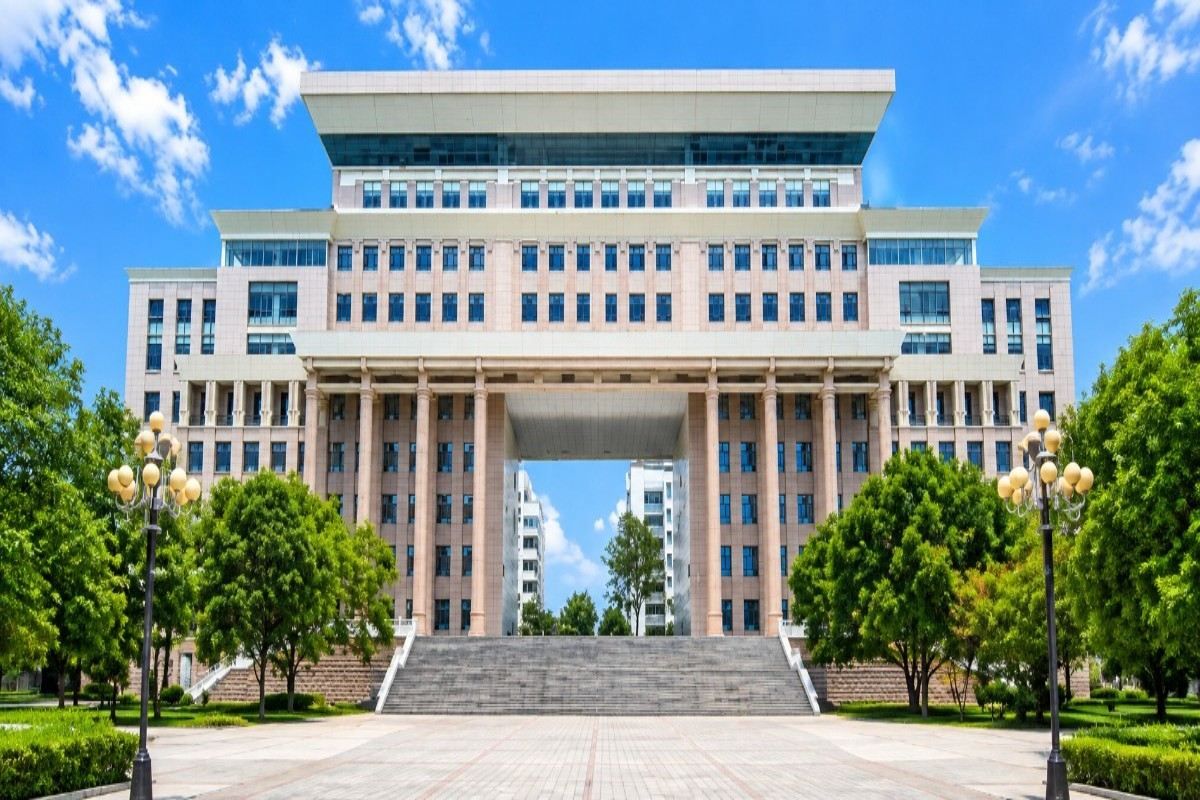
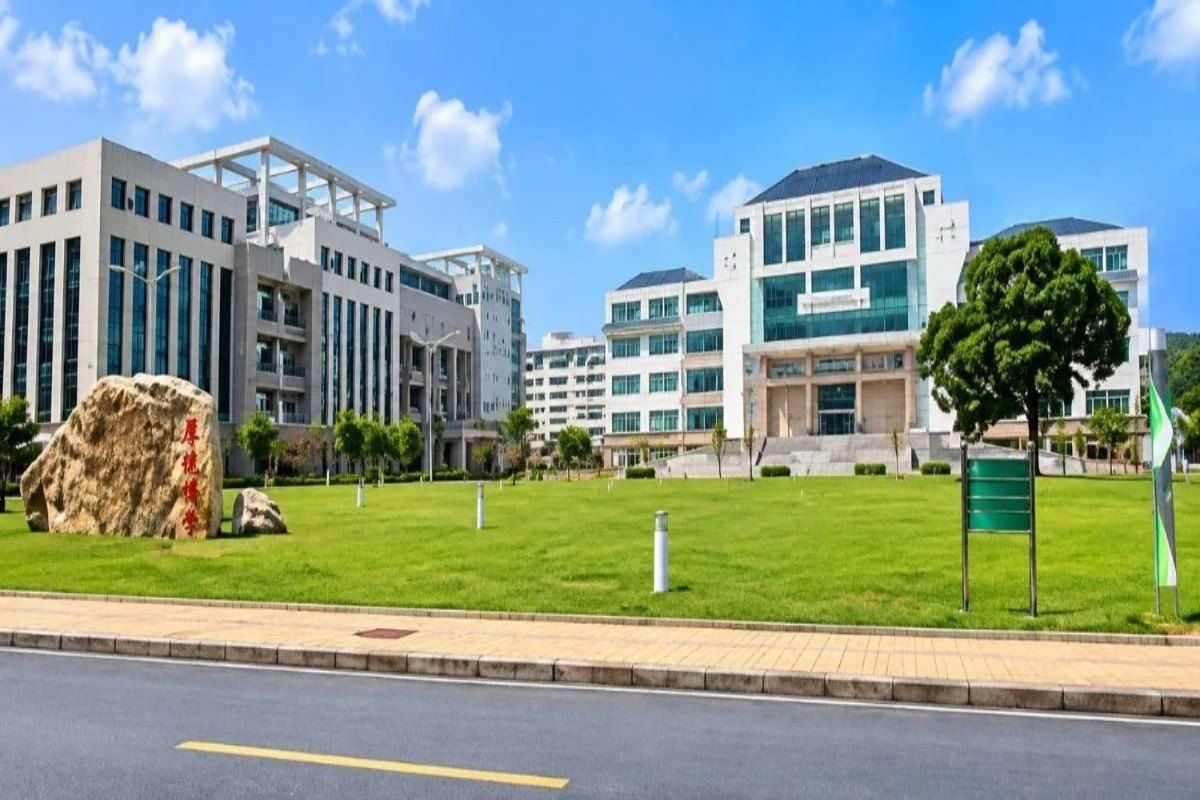
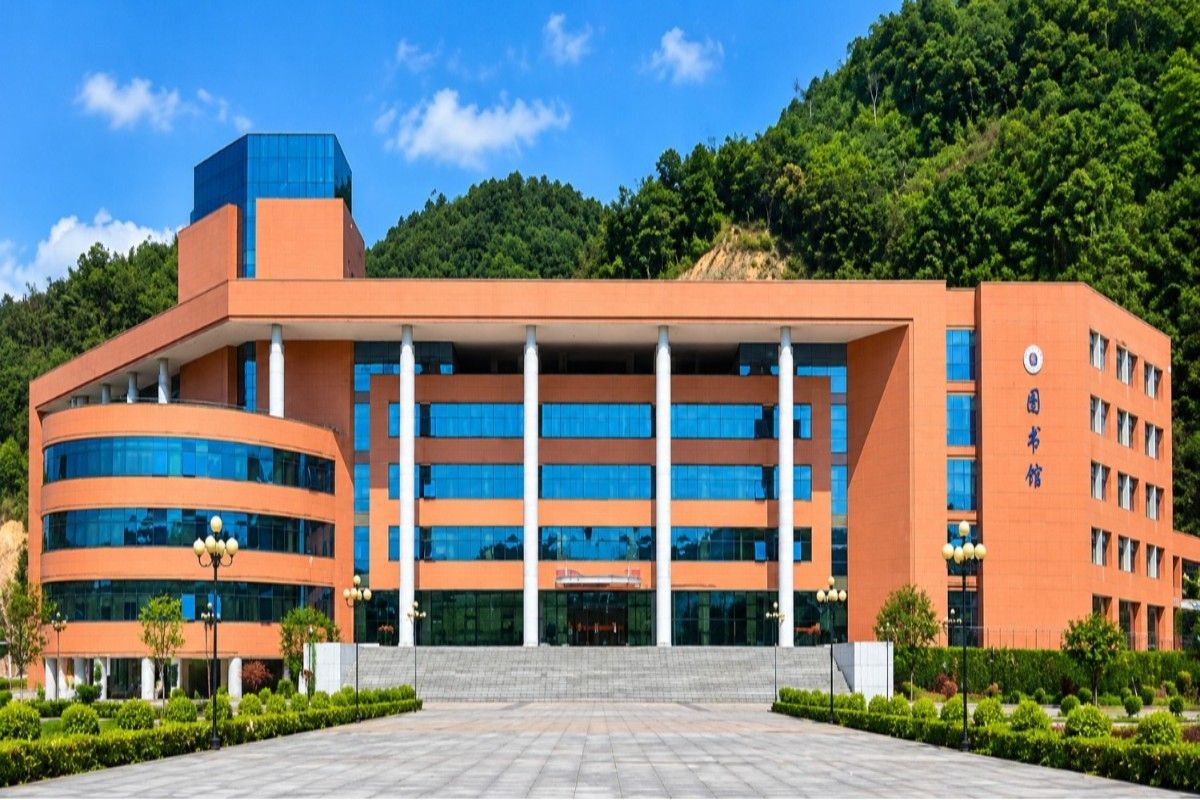
The scale of this school runs deep too. GXMU counts more than 61,000 students in total, spanning close to 17,840 full-time undergraduates and around 9,700 postgraduates. Staff strength runs past 3,300, and this includes over 2,400 full-time teachers, with 1,234 of these holding doctoral degrees. The school runs across four campuses, spanning the Nanning Main Campus, the Nanning Wuming Campus, a Nanning Wuxiang Campus still under construction, and a Yulin Campus, together covering close to 3,300 acres. This kind of scale shows a school built for real, long-term academic depth, not a thin set-up stretched too far.
Clinical training runs through a wide hospital network too. The school works with more than 20 affiliated teaching hospitals, giving students real, broad exposure to many patient types and clinical settings during their training years. Research strength runs strong here as well, with the school putting out real, respected work in cancer study, heart disease, and tropical disease research, among other fields.
On the recognition side, Guangxi Medical University holds real ground across many bodies. It carries recognition from the World Health Organization, WDOMS, IMED, ECFMG, WFME, and WCAME. It also holds approval from Pakistan’s own PM&DC board, Bangladesh’s BM&DC board, and India’s own NMC. Graduates from this school can sit for licensing tests across many countries, spanning USMLE in the US, UKMLE/PLAB tied to the GMC in England, AMC in Australia, DHA, and SMLE, among others. This wide spread of recognition matters a great deal if you plan to work somewhere outside China one day.
No donation and no separate entrance exam apply for admission here, based on several published sources. This removes a common source of stress and extra cost that some other schools quietly build into their process.
For Indian students specifically, a few points deserve close, upfront attention. NEET-UG clearance stays a firm, non-negotiable step under current Indian rules. Beyond that, check the live NMC Foreign Medical Graduate Licentiate Regulations closely, since fee figures reported across different sources show some real variation, likely tied to intake year and chosen specialisation. Always confirm the exact current fee and course structure directly with the university before you send any payment.
So how does Guangxi Medical University stack up overall? It offers a real, low-cost path into a six-year, English-taught MBBS course, backed by more than 90 years of institutional history and genuine, checked status as one of China’s earliest English-medium medical schools. Its hospital network runs wide, its recognition profile checks out across many respected global bodies, and its scale runs deep enough to support real academic depth. If you want a school with long-standing history, strong state backing, and a clean, no-donation admission process, Guangxi Medical University earns a serious place on your list. As always, confirm the live fee for your specific intake and check your NMC compliance path before you make any payment.
Why Guangxi Medical University Deserves a Harder Look Than You’ve Given It
Most lists mention Guangxi Medical University only for its low fee. However, they rarely explain what backs that fee up. The reason is simple: it comes down to how early and how deeply this school built its English-medium MBBS programme.
Guangxi is not a school that recently added an English track to chase foreign fee income. It stands as one of the very first schools in all of China to open an English-taught medical course, and it holds a confirmed spot on the Ministry of Education’s own short list of just 45 approved universities nationwide. As a result, students step into a programme carrying real, state-checked legitimacy, not a hastily built side offering.
The recognition spread here also runs wider than most comparison pages explain. For example, the school holds approval from Pakistan’s PM&DC, Bangladesh’s BM&DC, and India’s own NMC, alongside WHO, WDOMS, ECFMG, and WFME recognition. Moreover, this matters a lot, since a wide recognition spread gives graduates real flexibility in choosing where to sit their licensing exams later.
Furthermore, the hospital network here runs genuinely deep. Since students train across more than 20 affiliated teaching hospitals, they gain exposure to a broad, varied clinical setting rather than a narrow, single-hospital experience during their most important hands-on years.
One thing most other pages miss is the no-donation, no-separate-entrance-exam admission process. Since several sources confirm this clean structure, students avoid a common source of hidden cost and stress that quietly affects admission at some other Chinese medical universities.