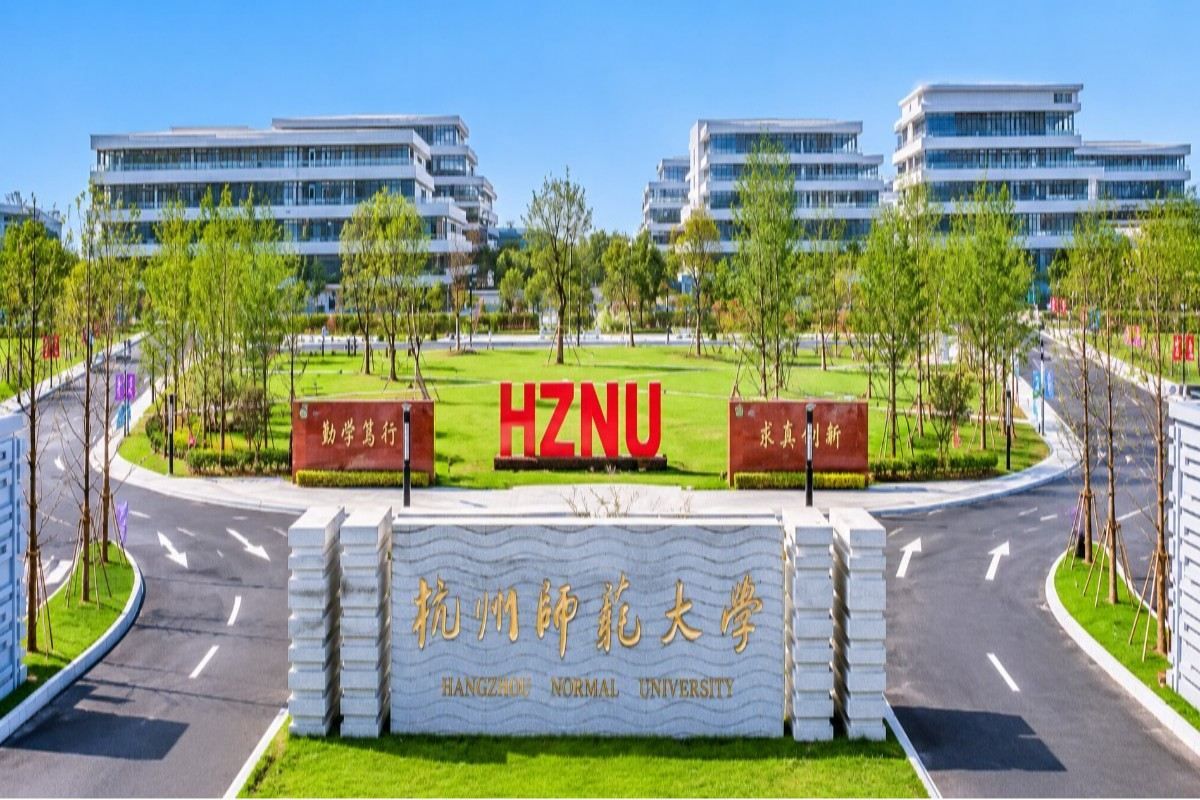
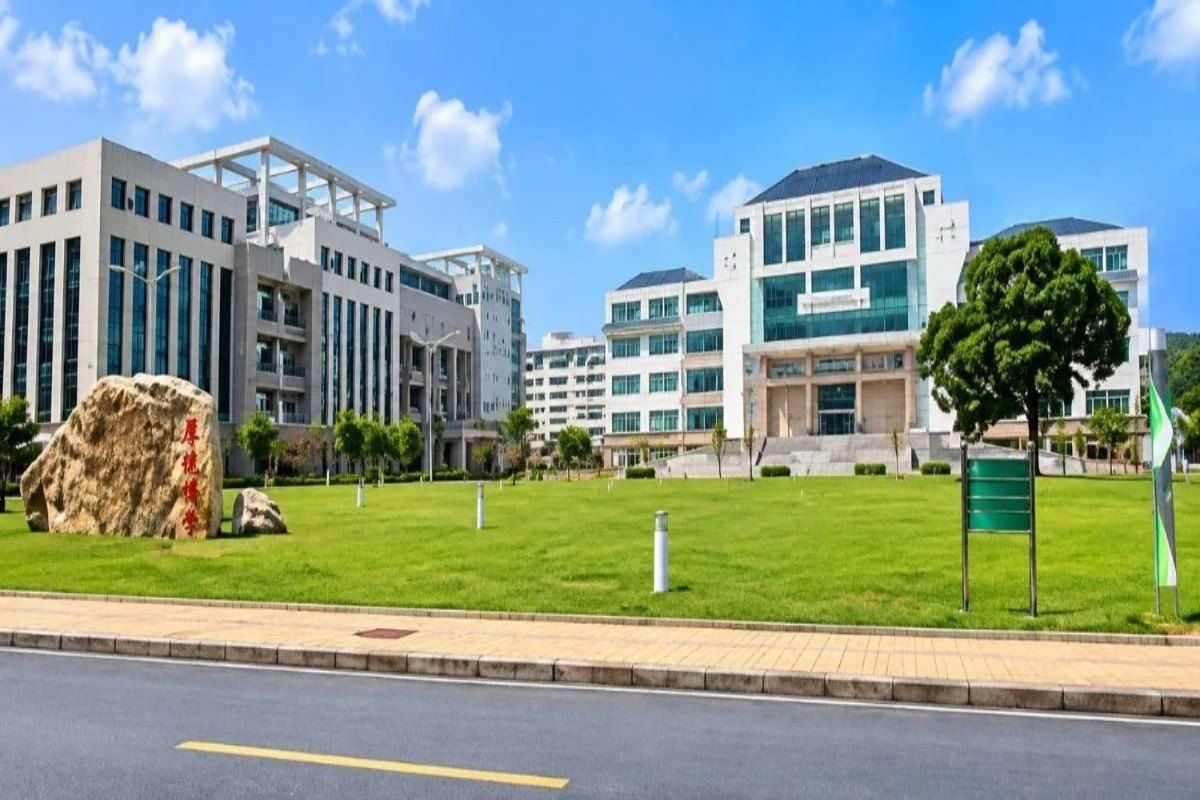
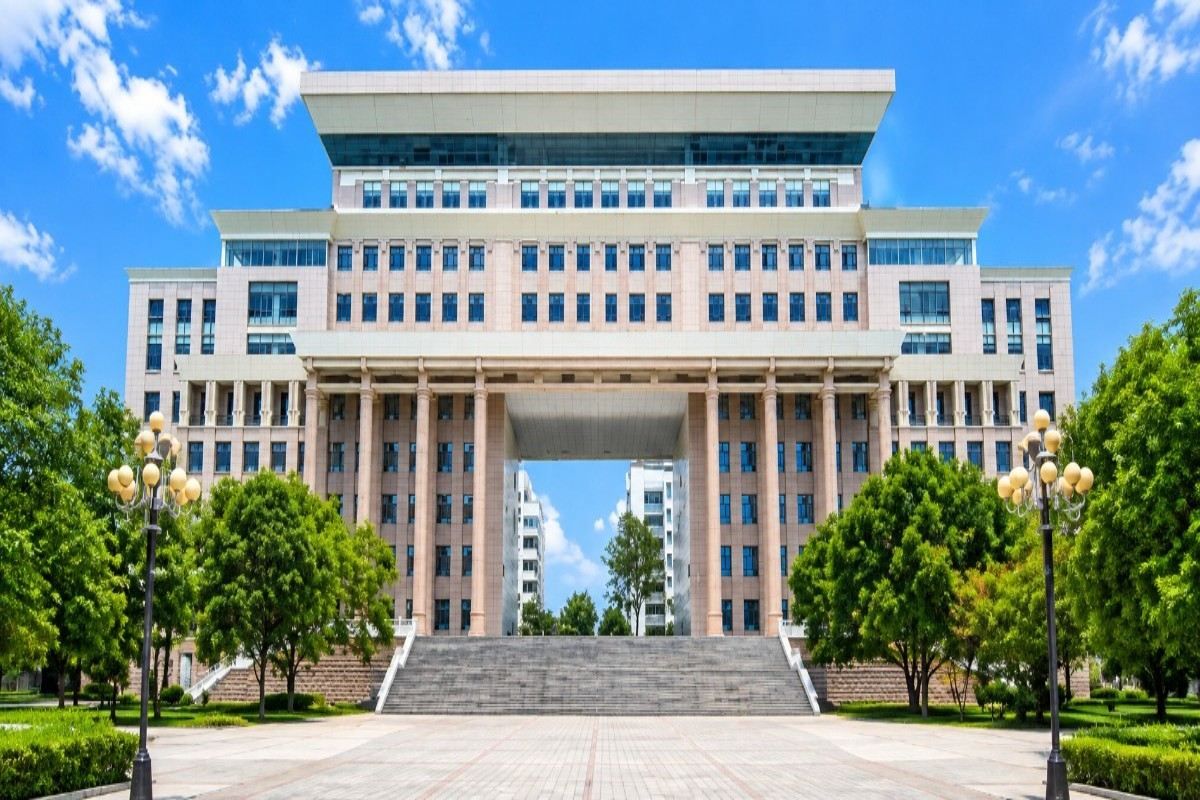
People mostly just call it HZNU Medical College for short. Here is genuinely one of the most specifically documented, multi-stage merger histories covered in guides like this one. The college grew out of the former Hangzhou School of Zhejiang Medical University, founded in 1979. In 1994, the school was renamed Hangzhou Medical Junior College. In 2000, it combined with Hangzhou Nursing School, itself a genuinely old institution founded back in 1917. In July 2001, the combined institution was merged into Hangzhou Teachers College. Finally, in March 2007, it was renamed Hangzhou Normal University Medical College, precisely coinciding with Hangzhou Teachers College's own renaming to Hangzhou Normal University that same year.
The wider Hangzhou Normal University itself traces back to a teacher training school founded in 1908, with at least one source specifically describing Hangzhou Teachers College as formally established in 1978, its own roots reaching back to the Zhejiang 2-Level Normal School of 1908. The university was renamed Hangzhou Normal University in 2007, marking a real, specific turning point for both the wider university and its own Medical College simultaneously.
Here is a genuinely important structural detail worth knowing directly. Unlike most other Chinese medical universities covered in comparable guides, which typically follow a five-years-of-study-plus-one-year-internship structure, HZNU's own Medical College specifically offers a Bachelor of Medicine, Bachelor of Surgery degree completed over five years total, comprising four years of academic study followed by a one-year internship, a real, specific structural difference. This programme was previously a three-year course before being extended.
The Medical College comprises four specific sub-units: the School of Clinical Medicine, the School of Nursing, the School of Medicine and Health Management, and the Department of Basic Medicine. The college is supported by 260 professional staff, including 39 professors and 80 associate professors, alongside 3 doctoral supervisors and 30 master's degree supervisors, currently teaching 2,405 full-time undergraduate and master's students.
Here is genuinely current, specific ranking data worth knowing in full, though it requires real care in interpretation. Per QS's own TopUniversities platform, the wider Hangzhou Normal University is ranked #1501+ specifically in the QS Sustainability Ranking 2026, a narrower, subject-specific ranking rather than a general academic one. Separately, per the 2025 ARWU rankings, HZNU is placed at 801st-900th in the world, a genuinely different, more general academic ranking worth knowing about directly.
HZNU's own Medical College is recognised by the World Health Organisation, WHO, the World Federation of Medical Education, WFME, and is listed in the World Directory of Medical Schools, WDOMS. Degrees are reportedly recognised for medical licensing examinations in multiple countries, including India, the United States, and the United Kingdom, per at least one detailed source. Instruction runs in Chinese, per Wikipedia's own specific account, a genuinely important detail applicants should confirm directly given how many comparable Chinese universities instead offer English-medium tracks.
NEET remains a genuine requirement for Indian applicants pursuing medical study in China generally, and Indian graduates would still need to clear the FMGE or NExT exam to practise medicine back in India, though applicants should confirm HZNU's own current language of instruction and specific international admission process directly, given the Chinese-medium teaching confirmed for this particular programme.
Fee figures here represent a genuine information gap worth being upfront about, since a specific, confirmed Medicine-only tuition rate was not found across the sources reviewed; reasonable, clearly labelled estimates and named scholarships are provided below.
Cost Item | Amount | Notes |
Tuition Fee (estimated, general China reference) | Approx. USD 3,000-5,500/year | Not confirmed as Medicine-specific; estimated from general Chinese public-university tuition bands. Confirm directly with HZNU |
Hostel/Accommodation Fee (estimated) | Approx. USD 500-1,500/year | Not separately confirmed for the Medical College specifically; estimated from typical Chinese public-university international dormitory rates |
Zhejiang Government Scholarship (named, specific figure) | CNY 20,000/year (approx. USD 2,800/year) | A specific, named scholarship available to eligible international students at HZNU |
Chinese Language Program Scholarship (named, specific figure) | CNY 7,500/semester tuition waiver (approx. USD 1,050/semester) | A specific, named scholarship reported for HZNU's own language programme |
Health Insurance and Food (estimated) | Approx. USD 100-200/year insurance; USD 100-200/month food | Not separately itemised for the Medical College specifically; general estimates for international students in China |
Total 5-Year Estimate (tuition + hostel, low end) | Approx. USD 17,500-35,000 | A combined estimate based on the ranges above; genuinely approximate, and should be confirmed directly with HZNU before budgeting |
Note: no capitation fee is confirmed at any stage. Given the genuine naming overlap identified across Hangzhou's own medical institutions, request the Medical College's own current, official, itemised fee schedule directly, specifically confirming which institution the figures describe.
Why HZNU's Medical College Deserves a Harder Look, and a More Careful One
Most lists mention medical education in Hangzhou without distinguishing between the city's own several genuinely separate institutions, or explaining this specific college's own considerably more complex, multi-stage merger history. However, they do not explain these specific issues directly. The reason is simple. It is about a real, three-way naming overlap most guides skip entirely, and a genuinely specific, multi-institutional founding story worth knowing directly.
HZNU's Medical College is not like most other Chinese medical institutions covered in comparable guides when it comes to how many distinct predecessor institutions genuinely merged to form it. In fact, its own history specifically traces through a 1979 medical school, a 1994 renaming, a 2000 merger with a considerably older 1917 nursing school, a 2001 merger into a teachers college, and a final 2007 renaming. Furthermore, this level of specifically documented, multi-stage institutional consolidation is genuinely more complex than at most comparable Chinese medical colleges covered in this whole series.
The college's own distinctive four-plus-one-year curriculum structure also matters more than most guides let on. For example, most guides describing Chinese MBBS programmes assume a standard five-years-of-study-plus-internship structure. HZNU's own Medical College specifically offers four years of academic study followed by one year of internship, a genuinely different total balance, having previously been an even shorter three-year programme. Moreover, this real, specific structural distinction deserves direct acknowledgement rather than being assumed identical to other Chinese medical programmes.
One thing most other blogs miss is the genuine need to distinguish between the wider Hangzhou Normal University's own two, genuinely different current rankings. In addition to standard due diligence, the QS Sustainability Ranking specifically measures a narrower, subject-specific dimension, while the ARWU ranking reflects a more general academic assessment. Since conflating these two, genuinely different ranking types risks giving applicants a misleading impression either way, presenting both separately and honestly gives a considerably more accurate picture.