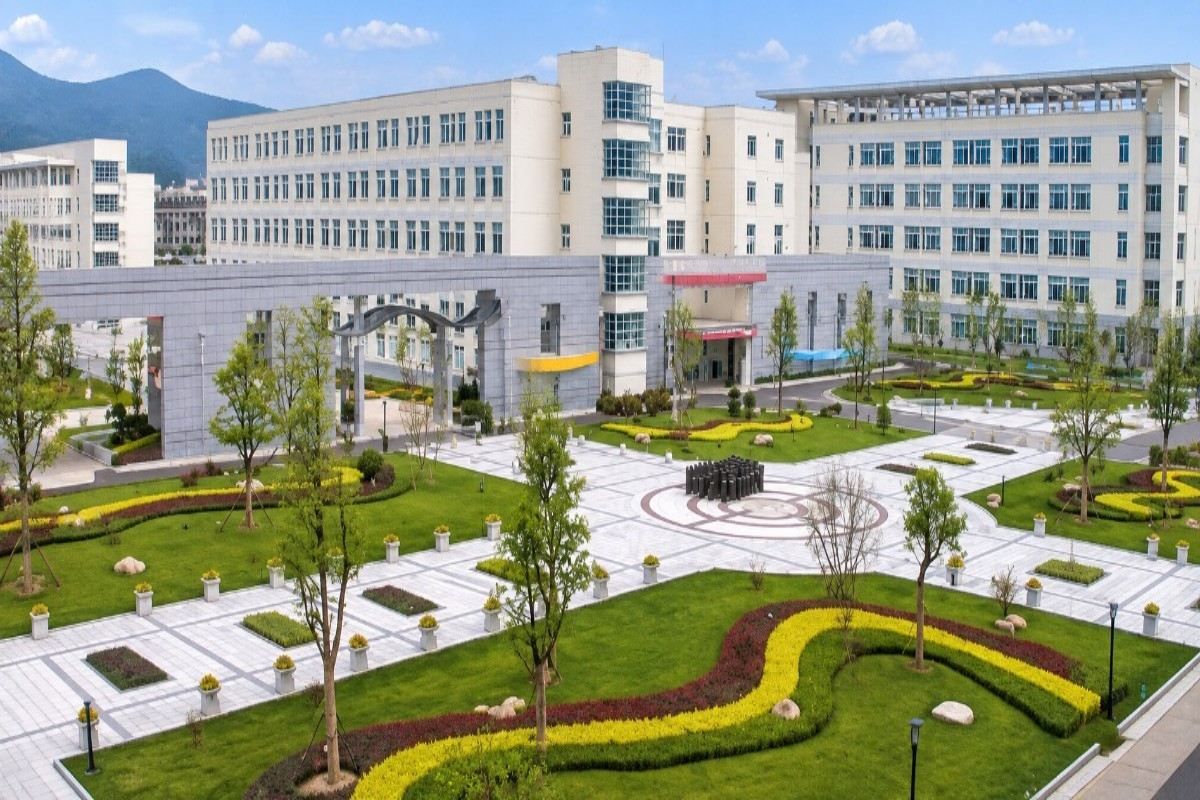
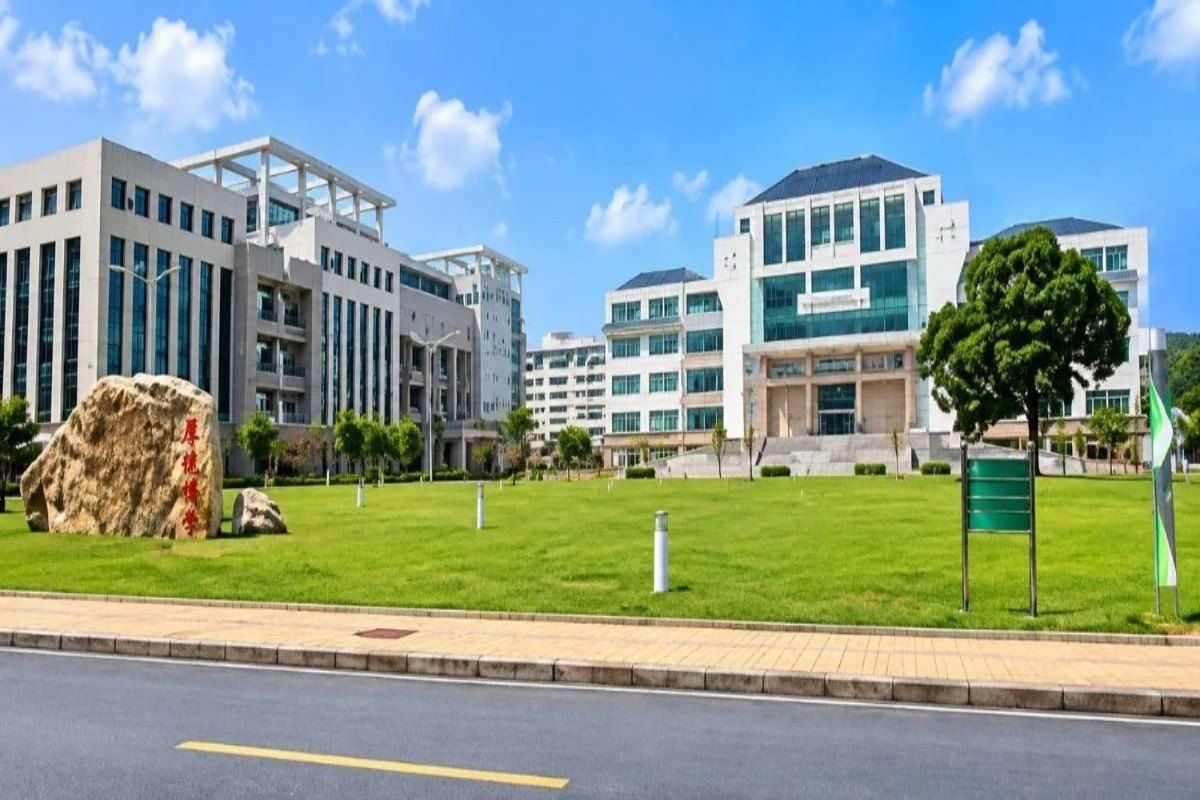
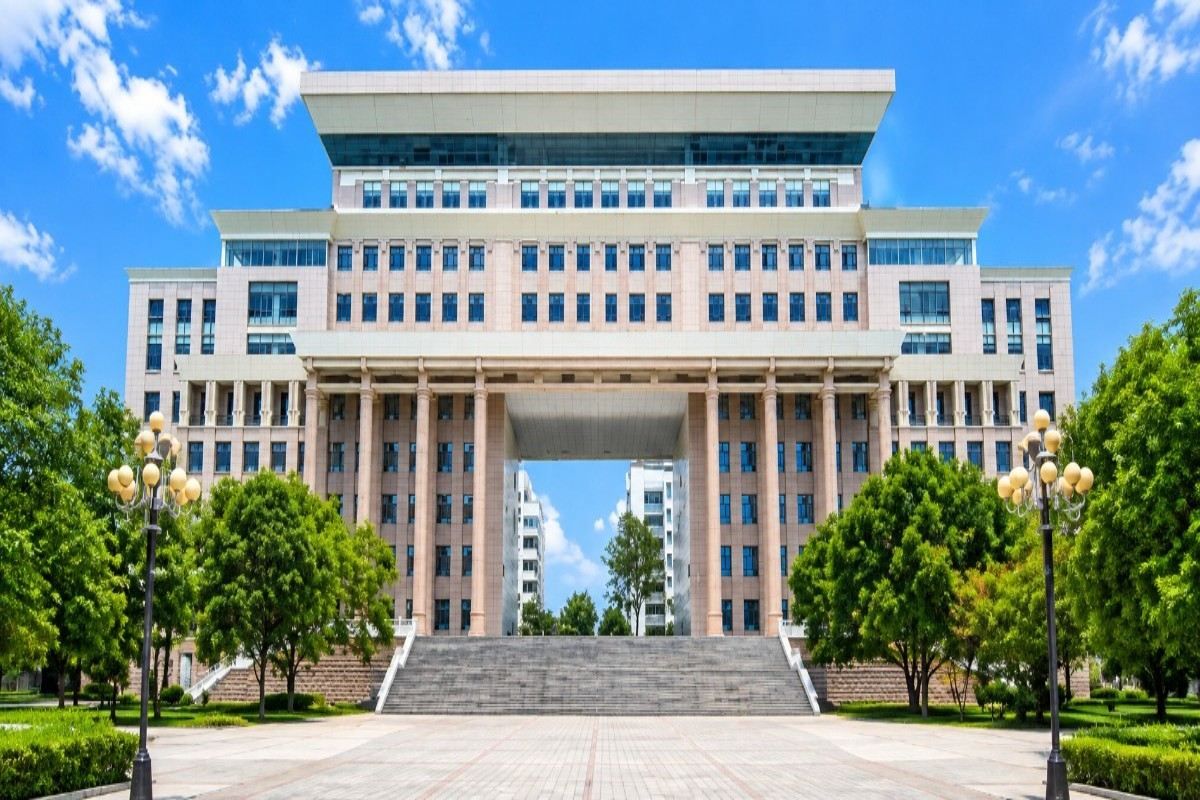
People mostly just call it HMC for short. Here is genuinely one of the oldest founding dates covered in guides like this one. HMC traces to 1925, per at least one detailed source, with the college specifically noted as celebrating its own 100th anniversary around 2024, a real, considerable institutional history spanning a full century. This is genuinely one of the older founding dates found among the Chinese medical institutions covered throughout this whole series.
Here is genuinely current, specific, and directly sourced ranking data worth knowing in full. Per at least one currently dated source, HMC is ranked 676th within China and 9,580th globally, for the 2026 overall rankings. These are real, specific, dated figures worth knowing directly, though applicants should treat any single ranking source with appropriate caution and cross-check directly where possible, especially given the genuine naming overlap risk identified with Zhejiang University.
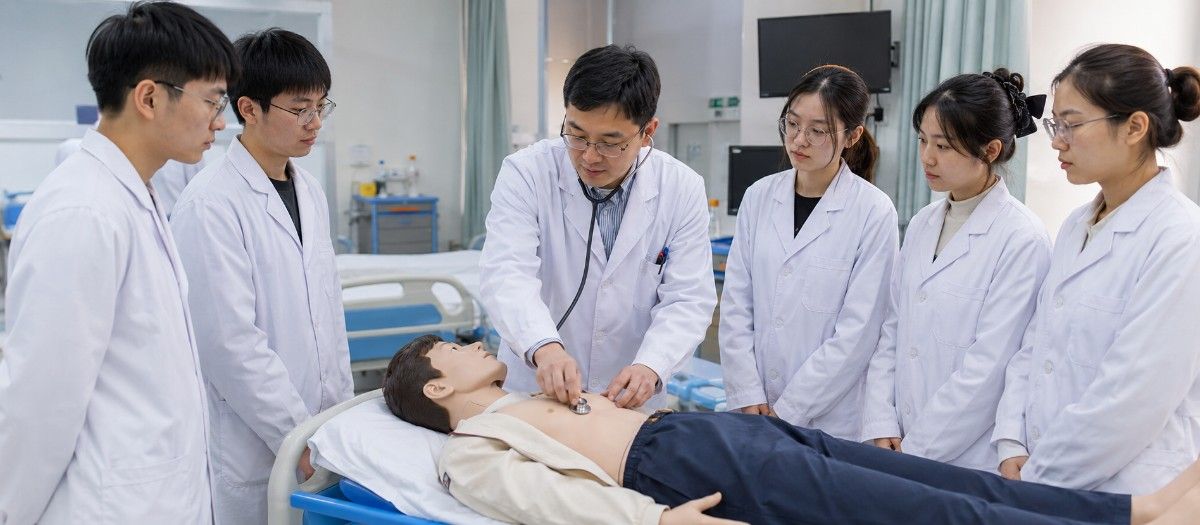
HMC maintains a specific, named clinical and subordinate organisational network, including the Affiliated Ningbo Stomatology Hospital, the People's Hospital of Hangzhou Medical College, and the Tiantai Hospital of Hangzhou Medical College, giving students access to a genuinely varied set of clinical training environments across different specific facilities.
Given the genuine information gap around HMC's own specific tuition, hostel, and international admission details, distinct from the considerably more documented Zhejiang University, applicants specifically interested in studying at HMC should treat direct, written confirmation from the college's own admissions office as a genuinely essential first step, rather than relying on any consultancy source that may have conflated the two institutions.
NEET remains a genuine requirement for Indian applicants pursuing medical study in China generally, and Indian graduates would still need to clear the FMGE or NExT exam to practise medicine back in India, though applicants should confirm whether HMC specifically offers an English-medium MBBS pathway for international students directly, given how little independently verifiable HMC-specific information currently exists separate from Zhejiang University.
Hangzhou itself is genuinely one of China's most significant, historically rich cities, famous for West Lake, a UNESCO World Heritage Site, and more recently known as the headquarters of major technology companies including Alibaba. This gives the wider city a genuinely distinctive character, combining considerable historical depth with modern economic significance, quite different from the more purely industrial or provincial character of some other Chinese cities covered elsewhere in this whole series.
Given the genuine, significant naming and location overlap identified between HMC and Zhejiang University, prospective applicants specifically interested in HMC should treat direct, written confirmation from the college's own admissions office as a genuinely essential step here, more so than at almost any other Chinese institution covered in this whole series. This is not necessarily a reason to dismiss HMC outright, particularly given its own genuinely old, century-spanning institutional history, but it is a real, practical consideration worth taking very seriously given how thoroughly its own information appears conflated with a separate, better-documented university in available sources.
Fee figures here represent a genuine information gap worth being upfront about, since virtually all specific tuition and hostel figures found during research for this profile actually describe Zhejiang University, a separate institution, rather than HMC specifically.
Cost Item | Amount | Notes |
Tuition Fee (estimated, general China reference) | Approx. USD 3,000-5,500/year | Genuinely not confirmed as HMC-specific; estimated from general Chinese public-university tuition bands, since virtually all specific figures found describe the separate Zhejiang University instead. Confirm directly with HMC |
Hostel/Accommodation Fee (estimated) | Approx. USD 500-1,500/year | Not separately confirmed for HMC specifically; estimated from typical Chinese public-university international dormitory rates |
Health Insurance (estimated) | Approx. USD 100-200/year | Not separately confirmed for HMC specifically; a general estimate for international student health coverage in China |
Food/Meal Expenses (estimated) | Approx. USD 100-200/month | A general estimate for food and daily living costs on a Chinese university campus |
Visa and Application Fees (estimated) | Approx. USD 150-300, one-time | A general estimate covering application processing and student visa fees |
Total 6-Year Estimate (tuition + hostel + insurance, low end) | Approx. USD 21,000-44,000 | A combined estimate based on the ranges above; genuinely approximate, and should be confirmed directly with HMC before budgeting |
Note: given how consistently search results for HMC actually describe Zhejiang University instead, request HMC's own current, official, itemised fee schedule directly, specifically confirming which institution the figures describe before finalising a budget.
Why HMC Deserves a Harder Look, and a Considerably More Careful One
Most lists searching for medical education in Hangzhou default to Zhejiang University, without addressing Hangzhou Medical College specifically, or explaining the real risk of confusing the two. However, they do not explain these specific issues directly. The reason is simple. It is about a real, significant naming and location overlap most guides skip entirely, and a genuinely old, century-spanning institutional history worth knowing directly.
HMC is not like most other Chinese medical institutions covered in comparable guides when it comes to the sheer scale of naming confusion risk. In fact, the overwhelming majority of search results found while researching HMC specifically actually described Zhejiang University, a separate, considerably more prestigious institution, including specific tuition figures that genuinely appear to belong to Zhejiang University alone. Furthermore, this level of content conflation is genuinely more severe than at most comparable naming-overlap cases found elsewhere in this whole series, meaning applicants researching HMC specifically must exercise real, sustained caution.
The college's own genuinely old founding date also matters more than most guides let on. For example, most guides describing Chinese medical institutions for international students focus on considerably younger, more recently established universities. HMC traces back to 1925, marking its own 100th anniversary around 2024. Moreover, this genuinely century-spanning history deserves direct acknowledgement, since it places HMC among the older Chinese medical institutions covered in this whole series, even though its own current international profile remains considerably less documented than younger, more heavily marketed universities.
One thing most other blogs miss is HMC's own genuinely specific, named subordinate hospital network. In addition to standard due diligence, the college's own affiliated network specifically includes the Ningbo Stomatology Hospital, the People's Hospital of Hangzhou Medical College, and the Tiantai Hospital of Hangzhou Medical College. Since these are real, specifically named facilities rather than a vague claim of "extensive hospital access," applicants get a genuinely more concrete picture of HMC's own clinical training infrastructure.